
LongTerm Tang Wellness: A Holistic Approach to Diet, Environment, and Disease Management

Welcome to Aquarium Mastery!
Ever wondered if you're really giving your Tangs the diet they need to thrive in the long run? This guide, "LongTerm Tang Wellness: A Holistic Approach to Diet, Environment, and Disease Management," dives deep into Saltwater Tang Diet Nutrition, exploring how to create a vibrant and healthy life for these stunning reef inhabitants. Discover the secrets to optimal feeding, preventing nutritional deficiencies, and building a resilient immune system. Ready to unlock the key to your Tang's enduring well-being? Let's get started!
Achieving long-term wellness for Tangs in a reef aquarium demands more than just basic care; it requires a comprehensive, holistic approach. These vibrant surgeonfish, renowned for their striking colors and active swimming patterns, are also known for their susceptibility to stress and disease if their specific needs are not met consistently. This article delves into the critical interplay of Saltwater Tang Diet Nutrition, environmental stability, and proactive disease management, providing a roadmap for aquarists to ensure their Tangs not only survive but truly thrive for years to come.
- Understanding the Foundation of Tang Health in Reef Aquariums
-
Frequently Asked Questions
- How crucial is a varied diet for saltwater Tangs in maintaining their long-term health?
- What are some common nutritional deficiencies that can affect Tangs in a saltwater aquarium?
- How does the aquarium environment contribute to the effectiveness of a Tang's diet?
- What role does algae grazing play in the dietary needs of Saltwater Tangs?
- Beyond food, what other factors are important for Tangs' long-term wellness, and how do they relate to nutrition?
- Final Reflection: Cultivating Oceanic Harmony Within
- Revitalize Your Reef: Unlock Tang Health Secrets!
Understanding the Foundation of Tang Health in Reef Aquariums
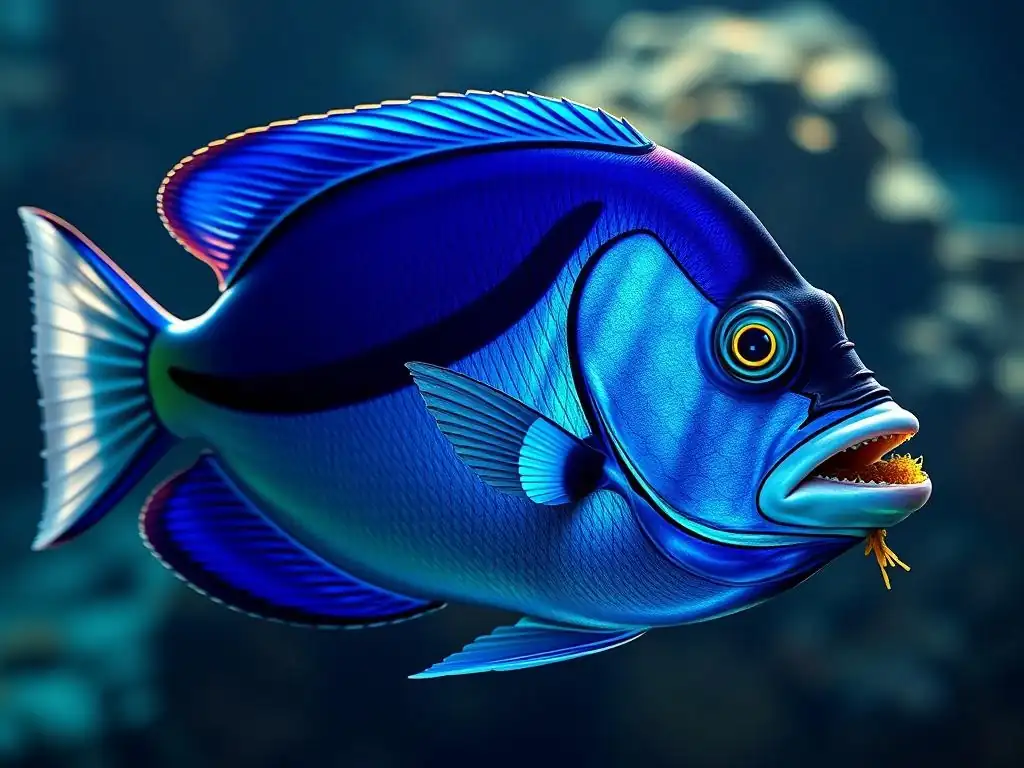
The foundation of robust Tang health in captive reef environments is built upon a deep understanding of their natural behaviors and physiological requirements. Unlike many other common aquarium fish, Tangs have highly specialized needs, particularly concerning their diet and the quality of their aquatic surroundings. Ignoring any single aspect can significantly compromise their immune system, making them vulnerable to common ailments and shortening their lifespan considerably.
The Importance of a Holistic Approach to Tang Care
A holistic approach to Tang care recognizes that all aspects of their well-being are interconnected. It emphasizes that optimal health is not merely the absence of disease, but a state of complete physical and mental vitality, achieved by addressing their dietary needs, environmental parameters, and stress levels synergistically. This means that even if one factor, such as Saltwater Tang Diet Nutrition, is perfectly managed, deficiencies in another area, like unstable water parameters, can still lead to systemic stress and health decline.
For instance, a Tang receiving a meticulously balanced diet rich in essential nutrients might still develop issues like Lateral Line Erosion (LLE) or exhibit dull coloration if housed in an undersized tank or subjected to fluctuating water chemistry. Conversely, a Tang in a pristine, spacious environment will inevitably suffer from nutritional deficiencies and a weakened immune system if its diet lacks the crucial marine algae and supplementary vitamins it requires.
Many Tang species, such as the popular Yellow Tang ( Zebrasoma flavescens), can live for 10-15 years in captivity, and even up to 20 years or more for larger species like the Naso Tang ( Naso lituratus), provided all elements of their care are consistently optimized. This longevity is a direct testament to the success of a truly holistic management strategy.
Key Factors Influencing Tang Health: Diet, Environment, and Disease Prevention
The long-term health and vitality of Tangs in a reef aquarium are primarily influenced by three critical, interdependent factors: their Saltwater Tang Diet Nutrition, the stability and suitability of their environment, and robust disease prevention strategies. Each of these pillars plays a unique yet complementary role in supporting their physiological processes, reducing stress, and bolstering their natural defenses against pathogens.
Regarding Saltwater Tang Diet Nutrition, it is paramount that Tangs receive a diet predominantly composed of marine-based vegetable matter. Observations in controlled environments indicate that Tangs whose diet consists of less than 60-70% plant material are significantly more susceptible to digestive issues, nutrient deficiencies, and conditions like Lateral Line Erosion (LLE) within six to twelve months of improper feeding.
The environmental aspect focuses on providing stable, pristine water parameters and ample swimming space. For example, maintaining specific gravity within a narrow range, ideally varying by no more than 0.001-0.002 units over 24 hours, and temperature fluctuations kept within 1-2°F (approximately 0.5-1°C), are crucial for minimizing physiological stress.
Finally, proactive disease prevention, including stringent quarantine protocols for all new additions, can reduce the risk of pathogen introduction by an estimated 80-90%. This multi-faceted approach collectively ensures that Tangs are resilient, vibrant, and capable of thriving for their full potential lifespan in the home aquarium.
Frequently Asked Questions
How crucial is a varied diet for saltwater Tangs in maintaining their long-term health?
A varied diet is extremely crucial. Tangs require a mix of algae, seaweed, and protein-rich foods to ensure they receive all the necessary nutrients for long-term health and vitality.
What are some common nutritional deficiencies that can affect Tangs in a saltwater aquarium?
Tangs are often susceptible to deficiencies in Vitamin C and essential fatty acids. These deficiencies can lead to weakened immune systems and increased susceptibility to disease.
How does the aquarium environment contribute to the effectiveness of a Tang's diet?
A stressful or unsuitable environment can negatively impact a Tang's appetite and ability to absorb nutrients. Maintaining pristine water parameters and providing ample swimming space is essential for optimal nutrient absorption.
What role does algae grazing play in the dietary needs of Saltwater Tangs?
Algae grazing is a fundamental aspect of a Tang's natural diet. Providing ample algae growth, either through live rock or supplemental feeding, is critical for their digestive health and overall well-being.
Beyond food, what other factors are important for Tangs' long-term wellness, and how do they relate to nutrition?
Maintaining stable water parameters and preventing stress through appropriate tank mates are vital. Stress compromises the immune system and hinders nutrient absorption, making them more vulnerable to disease.
Final Reflection: Cultivating Oceanic Harmony Within
The journey through understanding the LongTerm Tang Wellness reveals more than just optimal saltwater tang diet nutrition; it underscores the interconnectedness of diet, environment, and proactive disease management in ensuring the vibrant health of these magnificent creatures. This holistic approach, far from being a mere checklist, is a testament to our responsibility as stewards of the marine ecosystem and the delicate balance within our aquariums.
This commitment to holistic care deeply influences our understanding of responsible aquascaping. It's not just about aesthetics, but about creating a thriving, sustainable environment where Tangs can express their natural behaviors and flourish. In the end, we will conserve only what we love; we will love only what we understand; and we will understand only what we are taught.
- Baba Dioum. This quote resonates profoundly, reminding us that true conservation begins with education and a genuine appreciation for the intricate lives we seek to protect.
As you consider the principles outlined in this article, I invite you to reflect on your own practices. Are you merely feeding your Tangs, or are you nourishing them? Are you simply maintaining a tank, or are you cultivating a thriving ecosystem? Let us all strive to deepen our understanding and commitment, ensuring that these vibrant symbols of the ocean continue to grace our aquariums for generations to come.
Revitalize Your Reef: Unlock Tang Health Secrets!
Thank you for diving into the world of Tang wellness! We hope you’ve found valuable insights to create a thriving environment for your finned friends. Now, it's time to put knowledge into action and truly transform your aquarium.
Here's how you can start:
- Prioritize a diverse and natural diet: Begin introducing a wider variety of algae and seaweed into your Tangs' diet this week to mimic their natural grazing habits.
- Monitor water parameters closely and adjust as needed. Share your observations and any challenges you face in maintaining optimal water quality on your favorite reef forum.
- Surprise your Tangs with enrichment activities, such as hiding food within the rockwork or introducing a new type of algae they haven't seen before!
What specific changes will you implement this week to boost your Tang's long-term health and happiness?