
Niger Triggerfish (Odonus niger): The "Blue" Trigger with a Surprisingly Variable Temperament

Welcome to Aquarium Mastery!
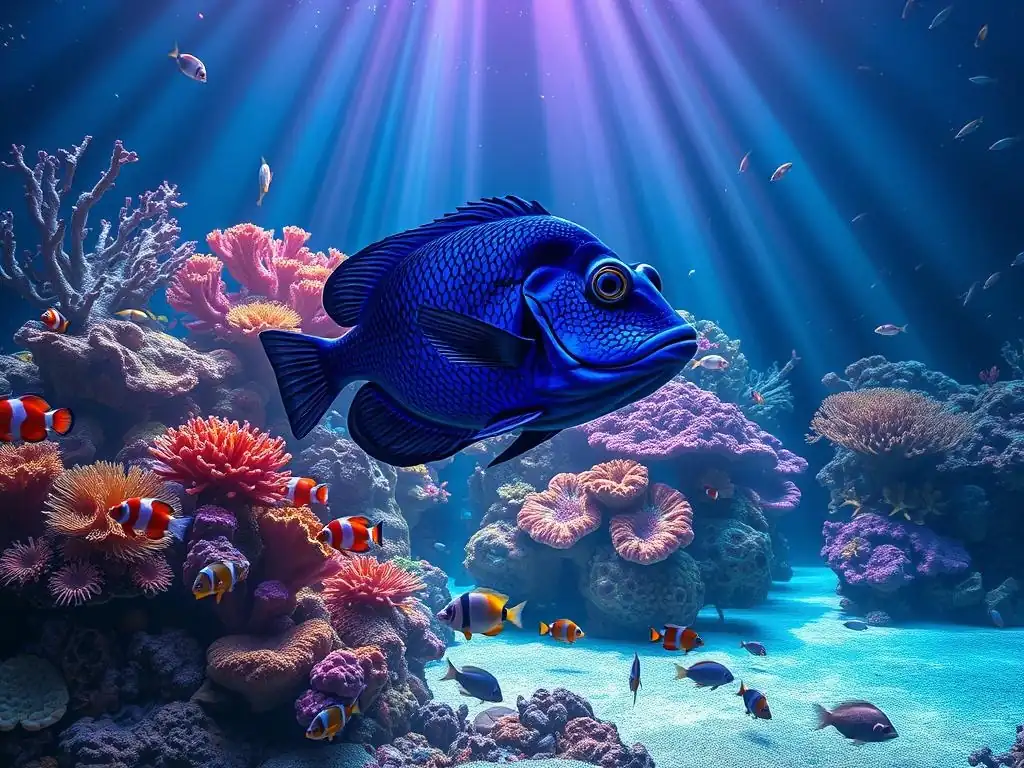
Ever been captivated by the vibrant blues of the Niger Triggerfish, but wondered if it plays well with others in a saltwater aquarium? This article dives deep into the surprisingly complex temperament of the "Blue" Trigger, exploring its compatibility with other tank inhabitants. Discover the secrets to creating a harmonious environment and learn whether a Blue triggerfish is the right fit for your reef tank. Let's unlock the key to a thriving and colorful underwater world!
- Niger Triggerfish Tank Compatibility: Navigating Social Dynamics
-
Frequently Asked Questions
- How compatible are Niger Triggerfish, also known as Blue Triggerfish, with other fish in a community aquarium?
- What size tank is recommended for keeping a Niger Triggerfish?
- Are Niger Triggerfish reef safe?
- What are some common water chemistry requirements for Niger Triggerfish?
- What should I feed my Niger Triggerfish?
- Final Reflection: Navigating the Complexities of Coexistence
- Unleash the Underwater Explorer Within!
Temperament: Generally Peaceful, But Can Be Territorial
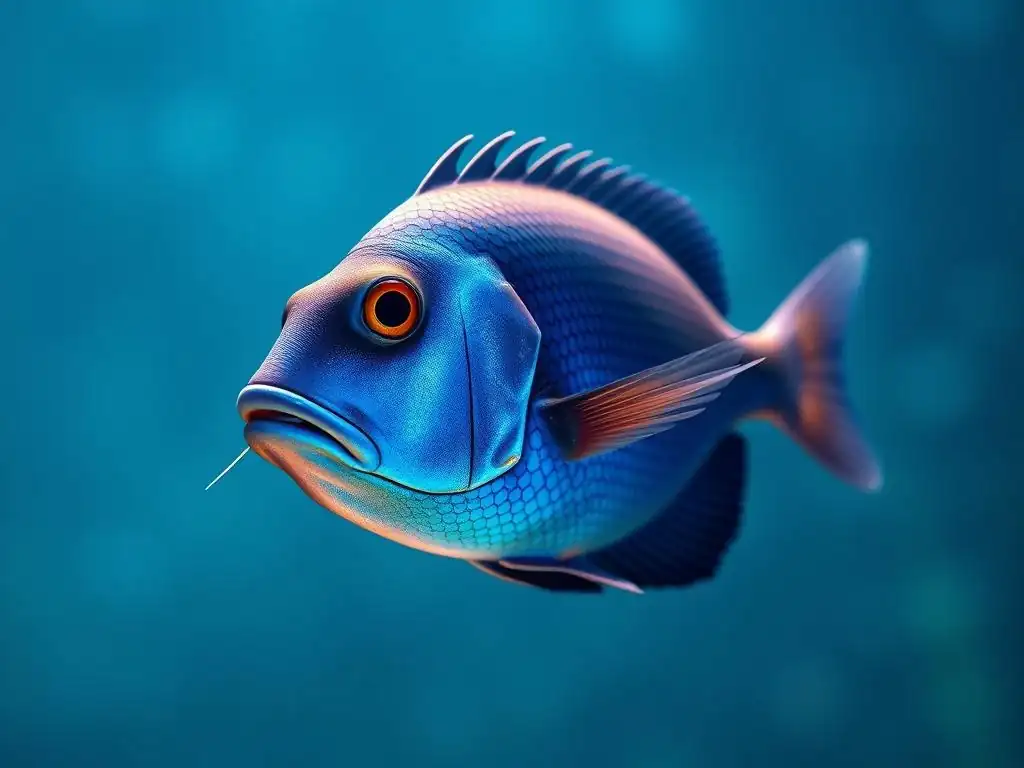
The Niger Triggerfish (Odonus niger) is widely regarded as one of the more docile members of the triggerfish family, making it a popular choice for experienced aquarists seeking a vibrant addition to their large saltwater setups. Unlike some of its notoriously aggressive cousins, the Niger Trigger often exhibits a relatively peaceful demeanor towards tank mates, especially when well-fed and provided with ample space.
This characteristic contributes significantly to positive blue triggerfish tank compatibility in community aquariums. However, it is crucial to understand that "peaceful" is a relative term for a triggerfish; they retain their natural predatory instincts and a strong personality.
Despite their generally calm nature, Niger Triggers can display territorial behavior, particularly if the aquarium is too small or if new fish are introduced without proper acclimation. They may assert dominance over similarly sized or shaped fish, and instances of fin-nipping can occur, especially if they perceive a threat to their established territory or food source. While less prone to outright aggression than species like the Clown Triggerfish, careful observation of individual fish behavior is essential to ensure harmonious blue triggerfish tank compatibility and prevent stress-related issues among inhabitants.
Compatible Tank Mates: Reef-Safe Considerations
When considering blue triggerfish tank compatibility, selecting appropriate tank mates is paramount. Ideal companions are typically robust, semi-aggressive to aggressive fish that can hold their own without being overly dominant. Good candidates often include larger angelfish (such as the Emperor or Queen Angelfish), various tangs (like the Yellow Tang or Sailfin Tang), substantial puffers (e.g., Dogface Puffer), and certain larger groupers. These species generally possess the size and resilience to coexist with a Niger Trigger. It is also possible to keep them with some lionfish species, provided the lionfish are too large to be considered prey.
While Niger Triggers are often labeled "reef-safe with caution" regarding corals, their diet and natural instincts make them a significant threat to most invertebrates. They will readily consume crabs, shrimp, snails, small clams, and even feather dusters. Therefore, when assessing blue triggerfish tank compatibility for a reef system, it is vital to understand that a truly invertebrate-rich reef tank is not suitable. Large polyp stony (LPS) and small polyp stony (SPS) corals are generally safe, but any mobile invertebrates should be avoided.
Aggression Management: Reducing Stress and Conflict
Effective aggression management is key to successful blue triggerfish tank compatibility. One of the most critical factors is providing an adequately sized aquarium, with a minimum of 125-180 gallons for a single adult Niger Trigger. This generous space allows the fish to establish a territory without infringing too heavily on others and provides ample room for swimming and exploration, reducing boredom and stress-induced aggression. A larger tank also dilutes potential territorial disputes, making interactions less intense.
Aquascaping plays a vital role in mitigating conflict. Incorporate plenty of live rock structures, caves, and overhangs to create numerous hiding spots and visual barriers. This allows fish to retreat when feeling threatened or to establish their own private spaces, breaking lines of sight that can trigger aggressive displays.
Furthermore, a consistent and varied feeding regimen, offering meaty foods multiple times a day, can significantly reduce aggression driven by hunger or competition for resources. Introducing the Niger Trigger last into a well-established tank, or simultaneously with other large, robust tank mates, can also help prevent it from becoming overly territorial from the outset.
Incompatible Tank Mates: Avoiding Predation and Bullying
Understanding which species to avoid is as crucial as knowing which ones are compatible when planning for blue triggerfish tank compatibility. Any fish small enough to fit into the Niger Trigger's mouth is at severe risk of predation. This includes small damsels, gobies, blennies, and juvenile fish of virtually any species. Their powerful, crushing teeth are designed to break apart shells and bones, making short work of smaller tank inhabitants.
Beyond direct predation, slow-moving fish or those with long, flowing fins are also poor choices. Species like certain angelfish, lionfish (if too small), or even some types of eels with delicate fins can be targets for fin-nipping, leading to stress, injury, and secondary infections. As previously noted, all crustaceans (shrimp, crabs), snails, clams, and other mobile invertebrates are considered prey and should be excluded from a tank housing a Niger Trigger. Attempting to house these species together will almost certainly result in the invertebrates being consumed, underscoring a key limitation in blue triggerfish tank compatibility for mixed reef environments.
Frequently Asked Questions
How compatible are Niger Triggerfish, also known as Blue Triggerfish, with other fish in a community aquarium?
Niger Triggerfish, while generally considered one of the more peaceful triggerfish, can still be semi-aggressive, especially towards smaller, more docile fish. Tank mates should be similarly sized and robust to avoid being bullied or eaten.
What size tank is recommended for keeping a Niger Triggerfish?
Due to their active swimming behavior and potential size (up to 7 inches), a minimum tank size of 125 gallons is recommended. Larger tanks are always preferable to provide adequate swimming space and dilute aggression if it occurs.
Are Niger Triggerfish reef safe?
Generally, Niger Triggerfish are considered not reef safe. They may nip at corals and invertebrates, especially smaller ones. They are best kept in a fish-only or fish-only-with-live-rock (FOWLR) aquarium.
What are some common water chemistry requirements for Niger Triggerfish?
Niger Triggerfish require stable water parameters. Maintaining a temperature of 72-78°F (22-26°C), a specific gravity of 1.020-1.025, and a pH of 8.1-8.4 is crucial for their health and well-being.
What should I feed my Niger Triggerfish?
Niger Triggerfish are omnivores and require a varied diet. Offer a mix of high-quality marine flake or pellet food, along with meaty foods like mysis shrimp, krill, and chopped seafood.
The exploration of the Niger Triggerfish, a creature often simply labelled as the " Blue Trigger," reveals a far more nuanced reality than its common name suggests. Its temperament, as we've discussed, is anything but uniformly "blue," demanding careful consideration when planning a reef or fish-only aquarium. This understanding is not just academic; it's crucial for responsible aquarists striving to create thriving and harmonious aquatic ecosystems.
The challenge of successfully integrating a Niger Triggerfish into a community tank highlights a broader truth about our relationship with the natural world. We often simplify complex beings into easily digestible categories, overlooking the individual variations and inherent wildness that make them unique. In the end, we will conserve only what we love; we will love only what we understand; and we will understand only what we are taught.
- Baba Dioum. This quote underscores the importance of moving beyond superficial knowledge and embracing a deeper understanding of the creatures we choose to bring into our lives.
Now, consider the lessons learned about the Niger Triggerfish and its tank compatibility. How can you apply this principle of mindful observation and informed decision-making to other areas of your life? Whether it's choosing a pet, building a community, or navigating any complex relationship, remember that true harmony comes from understanding, respecting, and accommodating the unique needs and temperaments of those around you. Let the "Blue Trigger" serve as a reminder: look beyond the surface, and strive for a deeper connection with the world around you.
Unleash the Underwater Explorer Within!
Thank you for diving deep into the fascinating world of the Niger Triggerfish. We hope you found this exploration insightful and inspiring. Now it's time to bring that knowledge to life and take the next step!
- Begin researching the specific needs of Odonus niger if you're seriously considering adding one to your aquarium. Pay close attention to tank size, compatible tankmates, and dietary requirements.
- Share your newfound knowledge! Discuss your favorite fact about the Niger Triggerfish with fellow aquarium enthusiasts on social media.
- Surprise yourself: Document your current aquarium (if you have one) and plan a future 'dream tank' with a Niger Triggerfish or other unique fish. Consider the long-term commitment and potential challenges.
What's one thing you learned today about the Niger Triggerfish that has completely changed your perception of marine aquariums?