
Aquarium Mastery’s Top Picks: MustHave Cardinalfish & Anthias Species for Your Reef

Welcome to Aquarium Mastery!
Dive into the dazzling world of reef aquariums! Ever wondered how to achieve the vibrant colors and tranquil beauty of a thriving reef at home? This time, we're focusing on two must-have families to unlock the secrets of a stunning reefscape: Cardinalfish and Anthias. Get ready to explore our top picks and discover the essential aspects of Cardinalfish reef tank care, from selecting compatible species to mastering water parameters. Intrigued? Let's explore!
- Cardinalfish & Anthias in Reef Tanks: Introduction to Schooling Fish for Reefs
- Top Cardinalfish Species for Reef Tanks: Aquarium Mastery's Recommendations
- Anthias Species for Reef Tanks: Adding Color and Activity
- Cardinalfish & Anthias Reef Tank Care: Essential Considerations
- Choosing the Right Cardinalfish and Anthias for Your Reef Tank: A Summary
- Conclusion: Elevating Your Reef Aquarium with Cardinalfish and Anthias
-
Frequently Asked Questions
- What are the best Cardinalfish species to keep in a reef tank?
- How much space do Cardinalfish need in a reef aquarium?
- What are the ideal water parameters for Cardinalfish in a reef tank?
- What do Cardinalfish eat, and how often should they be fed in a reef tank?
- Are Cardinalfish compatible with other reef tank inhabitants, especially Anthias?
- Final Reflection: Embracing the Reef's Vibrant Tapestry
- Ignite Your Reef: Unveil the Cardinalfish & Anthias Magic!
Cardinalfish & Anthias in Reef Tanks: Introduction to Schooling Fish for Reefs
Why Choose Cardinalfish and Anthias for a Reef Aquarium?
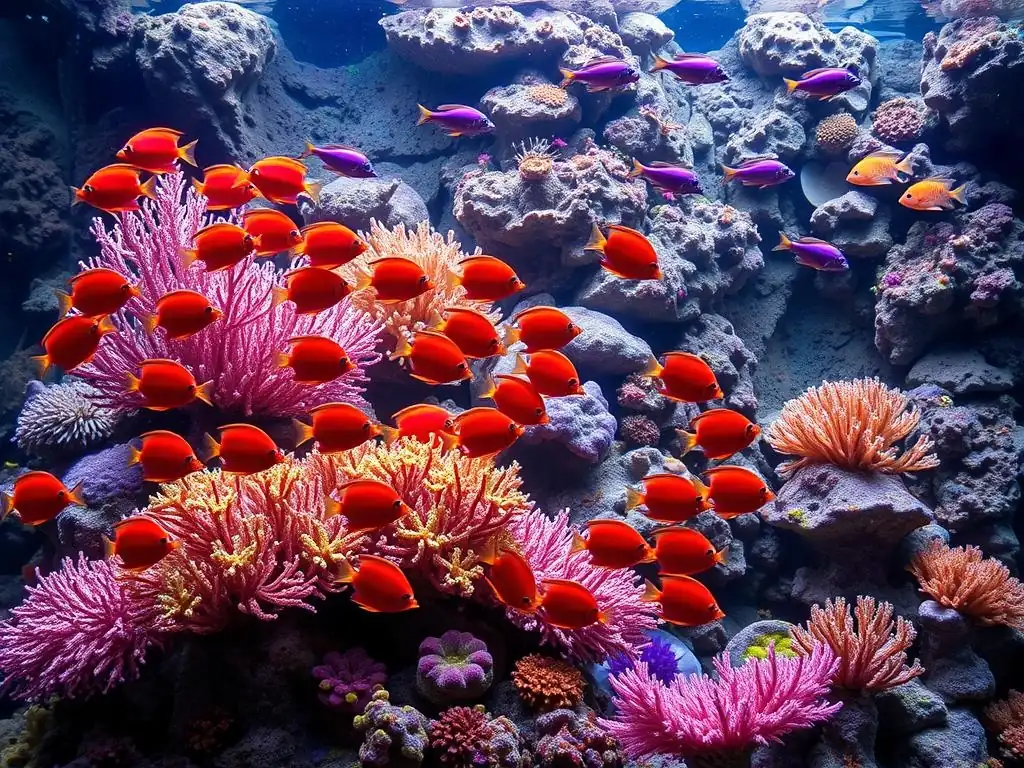
Cardinalfish and Anthias are highly sought-after additions to reef aquariums, primarily for their vibrant colors, active schooling behaviors, and generally peaceful dispositions. These species significantly enhance the visual appeal of a reef tank by occupying the mid-water column, adding dynamic movement and a sense of natural flow that many other reef fish do not provide. Their presence can transform a static coral display into a lively, bustling underwater ecosystem, making them a cornerstone of effective Cardinalfish reef tank care.
Furthermore, many popular Cardinalfish and Anthias species are relatively manageable in terms of their care requirements, especially when compared to some of the more delicate or demanding reef inhabitants. A growing number of these fish are also available as captive-bred specimens, which not only supports sustainable aquaculture practices but also often results in hardier, more adaptable fish. These tank-bred individuals are typically less stressed, more accustomed to prepared foods, and less prone to disease, simplifying the initial acclimation process and overall long-term Cardinalfish reef tank care for aquarists.
Understanding Cardinalfish and Anthias: Key Differences and Similarities
While both Cardinalfish and Anthias are excellent choices for reef aquariums, they belong to different families and exhibit distinct characteristics. Cardinalfish (Apogonidae) are generally more subdued in coloration and are often nocturnal or crepuscular, becoming more active during dawn and dusk, though they readily adapt to diurnal feeding in an aquarium setting. Many species are mouth-brooders, and they typically prefer to hover or swim in loose groups, often seeking shelter within rockwork.
In contrast, Anthias (Serranidae, subfamily Anthiinae) are strictly diurnal, known for their dazzling, often iridescent colors and constant, energetic swimming. They typically form harems, with one dominant male overseeing a group of females, and exhibit protogynous hermaphroditism, where the largest female can change sex to become a male if the dominant male is removed. Both groups, however, share crucial similarities: they are generally peaceful towards corals and invertebrates, require pristine and stable reef tank conditions, and thrive on a diet of small, meaty foods, making their general reef tank care quite similar in principle.
Top Cardinalfish Species for Reef Tanks: Aquarium Mastery's Recommendations
The Banggai Cardinalfish ( Pterapogon kauderni): A Reef Tank Staple
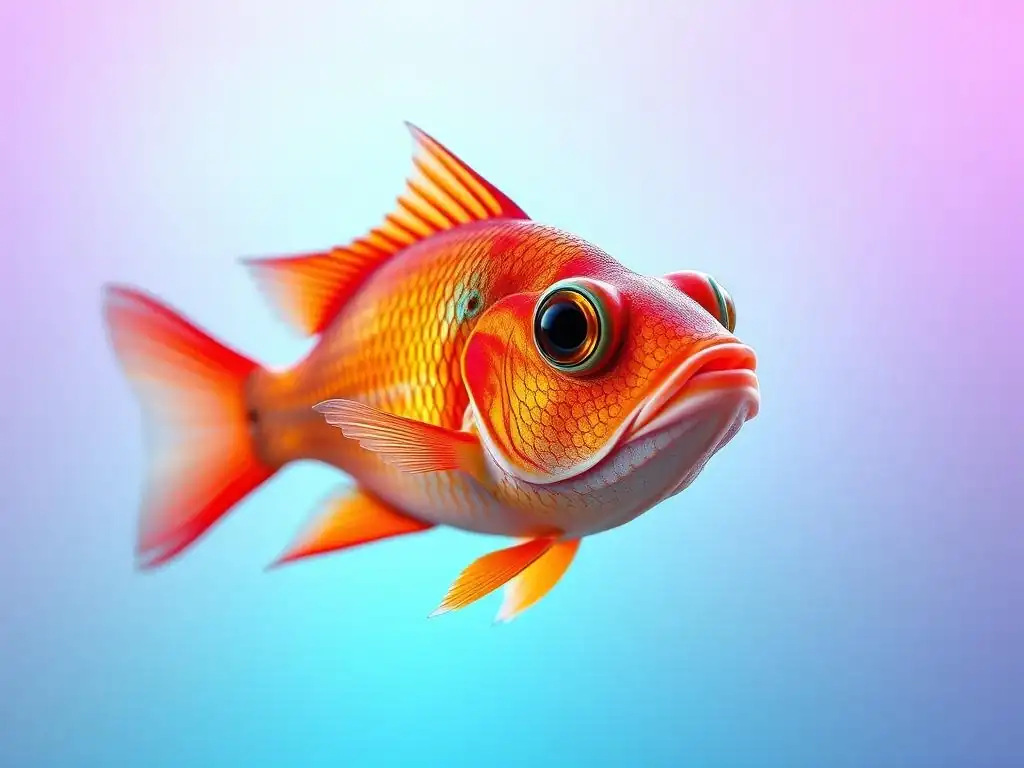
The Banggai Cardinalfish, Pterapogon kauderni, stands as one of the most iconic and recognizable species in the reef aquarium hobby. Originating exclusively from the Banggai Archipelago in Indonesia, this fish is distinguished by its striking silver body adorned with bold black stripes and elongated, spiky fins. Its unique appearance and fascinating mouth-brooding behavior, where the male carries the eggs until they hatch, have captivated aquarists for decades.
Despite its wild population being listed as Endangered by the IUCN, extensive captive breeding programs have made tank-bred Banggai Cardinalfish widely available, making them an ethical and sustainable choice for the home aquarium. They are known for their relatively peaceful temperament, making them suitable for mixed reef environments. While they can be somewhat shy initially, providing ample hiding spots within the live rock structure will help them feel secure and thrive.
Banggai Cardinalfish Care: Tank Size, Water Parameters, and Diet
Successful Banggai Cardinalfish care begins with providing an appropriately sized habitat. A minimum tank size of 20-30 gallons is recommended for a pair or small group, though larger tanks are always preferable for stability and group dynamics. They require standard reef tank water parameters: salinity between 1.023-1.026 specific gravity, a temperature range of 74-78°F (23-26°C), pH levels from 8.1-8.4, and stable alkalinity (8-12 dKH), calcium (400-450 ppm), and magnesium (1250-1350 ppm).
Their diet is carnivorous, consisting of small, meaty foods. Ideal fare includes enriched mysis shrimp, brine shrimp, finely chopped seafood, and high-quality marine pellets or flakes. It is crucial to feed them 2-3 times daily to meet their nutritional needs. They are generally slow and deliberate feeders, so ensuring they get enough food in a bustling community tank is an important aspect of their Cardinalfish reef tank care.
The Pajama Cardinalfish ( Sphaeramia nematoptera): Peaceful Reef Addition
The Pajama Cardinalfish, Sphaeramia nematoptera, is another popular choice for reef tanks, easily identifiable by its distinctive pattern: a bright yellow face, a broad black vertical stripe across its midsection, and a silvery body speckled with red dots on its posterior half. This species is native to the Indo-Pacific region, inhabiting calm, shallow waters, often around seagrass beds and coral rubble. Its calm demeanor makes it an excellent, non-aggressive addition to most community reef setups.
These Cardinalfish typically exhibit a loose schooling or shoaling behavior, often seen hovering together amongst the branches of live rock or corals. Their peaceful nature ensures they pose no threat to corals or invertebrates, making them ideal inhabitants for a diverse reef aquarium. They are relatively hardy, adapting well to aquarium life, and contribute significantly to the visual interest of a tank with their unique coloration and gentle movements.
Pajama Cardinalfish Compatibility: Choosing the Right Tank Mates
When considering Pajama Cardinalfish compatibility, the key is to select peaceful tank mates that will not outcompete them for food or display aggression. Ideal companions include other docile species such as various gobies, blennies, clownfish, and certain types of wrasses. It is crucial to avoid large, aggressive, or overly boisterous fish that could intimidate or prey upon the smaller, more reserved Cardinalfish.
Pajama Cardinalfish are somewhat nocturnal and may prefer more subdued lighting during the day, often resting within the rockwork. Providing a well-structured aquascape with plenty of caves, overhangs, and hiding spots is essential for their comfort and security. This provision of safe havens is a fundamental aspect of Pajama Cardinalfish reef tank care, helping them to thrive and reduce stress in a community setting.
The Kaudern's Cardinalfish ( Pterapogon kauderni): A Captive Bred Option
The Kaudern's Cardinalfish is, in fact, the same species as the Banggai Cardinalfish ( Pterapogon kauderni). The distinction often made in the hobby between "Banggai" and "Kaudern's" frequently refers to the source of the fish, with "Kaudern's" sometimes emphasizing captive-bred origins. The widespread availability of tank-bred Pterapogon kauderni is a significant achievement in marine aquaculture, especially given the species' Endangered status in the wild due to overcollection and habitat degradation.
Choosing captive-bred Kaudern's Cardinalfish is a highly recommended practice for ethical and practical reasons. These fish are born and raised in controlled aquarium environments, which significantly reduces the impact on wild populations. Furthermore, they are typically accustomed to prepared foods from a young age and are less stressed by capture and shipping, leading to a much smoother transition into a home aquarium. This emphasis on sustainable sourcing is a critical component of responsible Cardinalfish reef tank care.
Kaudern's Cardinalfish: Tank-Bred Benefits
The benefits of acquiring tank-bred Kaudern's Cardinalfish are numerous and directly impact the success rate of their Cardinalfish reef tank care. Firstly, captive-bred specimens generally exhibit higher disease resistance compared to their wild-caught counterparts. They are not exposed to the parasites and pathogens prevalent in natural environments, and their immune systems are often more robust due to stable rearing conditions. This translates to fewer health issues and lower mortality rates in the home aquarium.
Secondly, tank-bred Kaudern's Cardinalfish are typically more resilient to shipping stress and adapt more quickly to the parameters of a new tank. They readily accept a wide variety of prepared foods, eliminating the challenge of transitioning wild fish onto an aquarium diet. Their pre-adaptation to captivity makes the acclimation process significantly easier for the aquarist, contributing to a more rewarding and less problematic experience in long-term Cardinalfish reef tank care.
Anthias Species for Reef Tanks: Adding Color and Activity
Lyretail Anthias ( Pseudanthias squamipinnis): A Reef Tank Showstopper
The Lyretail Anthias, Pseudanthias squamipinnis, is arguably one of the most popular and visually stunning Anthias species for reef aquariums. Known for their dramatic sexual dimorphism, males display vibrant pink to red bodies with elongated dorsal and caudal fins, while females are typically bright orange to yellow. Originating from the vast Indo-Pacific region, these active swimmers bring an unparalleled burst of color and constant motion to the mid-water column of a reef tank.
Lyretail Anthias are typically kept in groups, forming harems consisting of one male and several females. A general guideline is to keep a ratio of 3-5 females per male to ensure social stability and reduce stress. Their schooling behavior is captivating, as they dart and hover together, constantly feeding on planktonic organisms. They are a true showstopper, adding an element of dynamic beauty that is hard to match in a marine display.
Lyretail Anthias: Feeding Requirements and Social Behavior
Lyretail Anthias have high metabolisms and require frequent feedings to maintain their health and vibrancy. They should be fed small, meaty foods 3-5 times daily. Suitable food items include enriched mysis shrimp, cyclop-eeze, finely chopped seafood, and high-quality marine flake or pellet foods. Consistent and frequent feeding is paramount for Lyretail Anthias reef tank care, as they can quickly waste away if underfed.
Regarding social behavior, Lyretail Anthias are protogynous hermaphrodites, meaning all individuals are born female, and the dominant female in a group can transition to male if needed. Males can be territorial towards other males, so it's generally best to keep only one male per tank unless the aquarium is exceptionally large (e.g., 200+ gallons) with ample space for multiple territories. Females are typically peaceful among themselves, contributing to a harmonious group dynamic.
Dispar Anthias ( Pseudanthias dispar): A Hardy Anthias Choice
The Dispar Anthias, Pseudanthias dispar, is highly regarded as one of the hardier and more adaptable Anthias species available to hobbyists, making it an excellent choice for those new to keeping these beautiful, active fish. Originating from the Western Pacific, this species boasts a striking orange body that transitions to a vibrant purple on its dorsal fin, often accentuated by a distinct black spot on the upper caudal fin. Its robust nature makes it a more forgiving option for reef tank care.
Dispar Anthias typically reach about 3.5 inches in length and thrive when kept in groups, preferably in a harem structure of one male and multiple females. A minimum tank size of 50 gallons is recommended for a small group, allowing them ample space to swim and establish territories. Their energetic swimming and brilliant coloration provide continuous visual interest, enhancing the liveliness of any reef aquarium.
Dispar Anthias: Managing Aggression in a Reef Tank
While generally peaceful towards other reef inhabitants, Dispar Anthias, particularly males, can exhibit some intraspecific aggression, especially towards newly introduced Anthias or other males. To mitigate this, it is advisable to introduce all members of a group simultaneously, or introduce the male last. Providing a well-structured aquascape with numerous hiding spots and visual barriers within the live rock can help diffuse potential conflicts and allow individuals to establish their own territories.
Adequate tank size is also crucial for managing aggression; overcrowding can exacerbate territorial disputes and stress. A larger tank provides more space for individuals to escape aggression and establish their own zones. Consistent and frequent feeding also plays a role in reducing stress and aggression, as hungry fish are often more irritable. Careful planning of the aquascape and stocking list is key to successful Dispar Anthias reef tank care.
Bartlett's Anthias ( Pseudanthias bartlettorum): A Nano Reef Anthias
The Bartlett's Anthias, Pseudanthias bartlettorum, is a captivating species admired for its distinct coloration, typically displaying a vibrant purple body that transitions to a striking yellow on its posterior half and caudal fin. While often mentioned in the context of "nano reefs," it's important to understand that for an Anthias, "nano" still implies a tank size that allows for adequate swimming space and stable parameters. Native to the Central Pacific, these fish are a beautiful, albeit active, addition to appropriately sized systems.
Reaching an adult size of approximately 3 inches, Bartlett's Anthias are smaller than many other Anthias species, making them suitable for tanks generally 40 gallons and up for a small group (e.g., a trio). They are active swimmers and require pristine water conditions, making them a good choice for aquarists dedicated to maintaining high water quality. Their unique coloration and constant activity contribute significantly to the aesthetic appeal of a reef tank.
Bartlett's Anthias: Small Tank Considerations
Even in what might be considered "smaller" reef tanks for Anthias, Bartlett's Anthias still demand frequent feedings, typically 3-4 times daily, due to their high metabolism. This necessitates robust filtration and diligent water changes to manage the increased bioload. For instance, a 40-gallon tank housing a trio would require weekly water changes of 15-20% to maintain the necessary pristine conditions for optimal Bartlett's Anthias reef tank care.
Furthermore, while they are a smaller species, providing ample swimming space is crucial. A tank that is longer rather than taller can be beneficial for their active swimming habits. While they can adapt to moderately sized tanks, a larger system, such as a 60-75 gallon aquarium, is always preferable for a small group to truly thrive, exhibit natural behaviors, and minimize any potential stress related to confinement. This consideration is vital for ensuring the long-term health and well-being of Bartlett's Anthias in a home reef environment.
Cardinalfish & Anthias Reef Tank Care: Essential Considerations
Water Quality for Cardinalfish and Anthias: Maintaining Stability
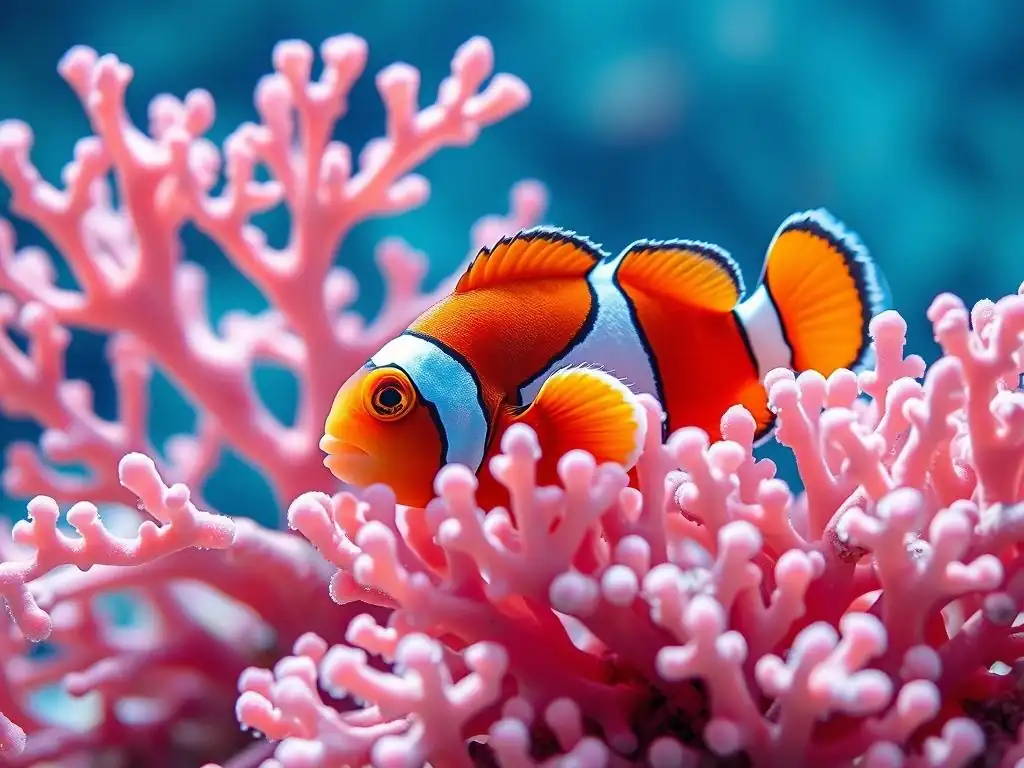
Maintaining pristine and stable water parameters is arguably the most critical aspect of Cardinalfish and Anthias reef tank care. These fish, like most reef inhabitants, are highly sensitive to fluctuations in water quality. Regular testing of key parameters such as salinity (1.023-1.026), temperature (74-78°F), pH (8.1-8.4), alkalinity (8-12 dKH), calcium (400-450 ppm), and magnesium (1250-1350 ppm) is essential. Weekly water changes, typically 10-20% of the tank volume, are highly recommended to replenish trace elements and export nitrates and other pollutants.
Beyond regular water changes, a robust filtration system is indispensable. This includes a high-quality protein skimmer, ample live rock for biological filtration, and potentially a refugium to help manage nutrient levels. Even minor swings in temperature or salinity can cause significant stress, leading to a compromised immune system and increased susceptibility to disease. Consistent, high-quality water is the foundation upon which successful Cardinalfish reef tank care is built.
Feeding Cardinalfish and Anthias: Ensuring Proper Nutrition
Proper nutrition is paramount for the long-term health and vibrant coloration of both Cardinalfish and Anthias. As primarily carnivorous fish, their diet should consist of a variety of small, meaty foods. Excellent options include enriched mysis shrimp, cyclop-eeze, copepods, finely chopped frozen seafood (such as clams or shrimp), and high-quality marine pellets or flakes specifically designed for carnivorous marine fish.
Due to their generally high metabolisms, especially with Anthias, frequent, small feedings are necessary. Depending on the species and activity level, feeding 2-5 times daily is often recommended. Automatic feeders can be incredibly beneficial for maintaining a consistent feeding schedule, particularly for species that require multiple feedings throughout the day. Ensuring all fish in the tank receive adequate nutrition, especially in a bustling community, is a key component of effective Cardinalfish reef tank care.
Acclimation Process: Introducing New Cardinalfish and Anthias to Your Reef
The acclimation process is a critical step that significantly impacts the survival and long-term health of new Cardinalfish and Anthias. A slow and careful drip acclimation method is highly recommended over simply floating the bag. This involves slowly introducing tank water into the bag or a separate container over a period of 1 to 2 hours, allowing the fish to gradually adjust to the new water's temperature, pH, and salinity. This minimizes osmotic shock and reduces stress.
Once acclimated, it is advisable to turn off the main aquarium lights for a few hours after introducing the new fish. This provides a less stressful environment for them to explore and find hiding spots without immediate harassment from existing tank mates. Closely monitor the new arrivals for signs of stress, disease, or aggression from other fish. A well-executed acclimation process is a fundamental aspect of responsible Cardinalfish reef tank care, setting the stage for their successful integration.
Common Cardinalfish and Anthias Diseases: Prevention and Treatment
Cardinalfish and Anthias, like all marine fish, can be susceptible to common diseases such as Marine Ich ( Cryptocaryon irritans) and Marine Velvet ( Amyloodinium ocellatum). The best approach to managing these diseases is prevention, which hinges on maintaining excellent water quality, providing a nutritious diet, and minimizing stress. Stress, often caused by poor water conditions, incompatible tank mates, or improper feeding, significantly weakens a fish's immune system.
The use of a dedicated quarantine tank (QT) for all new arrivals is an invaluable tool for disease prevention. A QT allows new fish to be observed for several weeks, treated if necessary, and ensures they are disease-free before being introduced to the main display tank. While treatments exist (e.g., copper-based medications for Ich, formalin for Velvet), they can be stressful for fish and often harmful to invertebrates, underscoring the importance of prevention and careful, informed treatment plans for effective Cardinalfish reef tank care.
Choosing the Right Cardinalfish and Anthias for Your Reef Tank: A Summary
Cardinalfish and Anthias Compatibility: Selecting Peaceful Tankmates
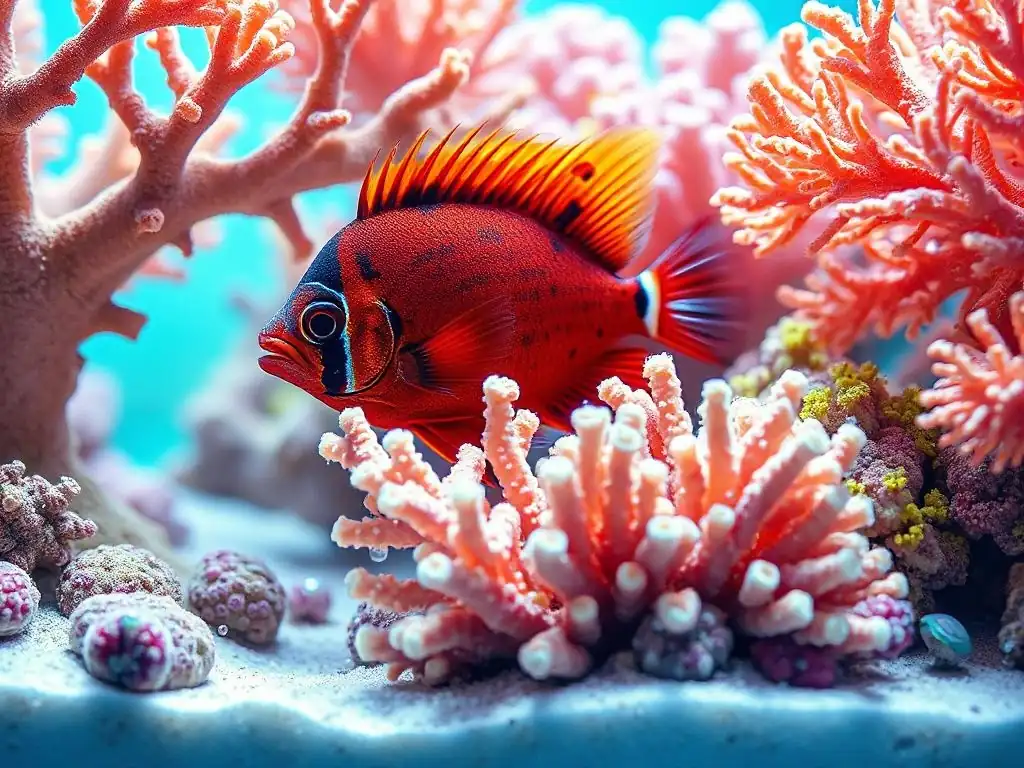
When selecting Cardinalfish and Anthias for your reef tank, careful consideration of compatibility with existing and future tankmates is paramount. Both groups are generally peaceful towards corals and invertebrates, making them ideal reef inhabitants. However, their relatively small size and docile nature mean they can be easily intimidated or outcompeted by larger, more aggressive, or predatory fish. It is crucial to avoid species such as large angelfish, triggers, or aggressive wrasses that might harass or consume them.
Furthermore, while Anthias thrive in groups, particularly harems, it's essential to understand their potential for intraspecific aggression, especially among males. Providing ample space, numerous hiding spots within the live rock, and visual barriers can help diffuse these tensions. Thorough research into the specific compatibility requirements of each species is a cornerstone of successful Cardinalfish reef tank care, ensuring a harmonious and thriving aquatic environment.
Where to Buy Cardinalfish and Anthias: Selecting Healthy Specimens
The source of your Cardinalfish and Anthias significantly impacts their likelihood of thriving in your reef tank. Always prioritize purchasing from reputable fish stores or online vendors known for their ethical sourcing practices and commitment to healthy livestock. When selecting specimens, look for active, alert fish that are swimming freely and not hiding excessively. Signs of good health include clear eyes, intact fins without any tears or fraying, and a full, not sunken, belly.
Avoid fish that are listless, gasping at the surface, have clamped fins, or show any visible spots, lesions, or unusual growths. Inquire about how long the fish has been at the store and what it has been eating; fish that are already eating prepared foods are generally more adaptable. Opting for tank-bred specimens, especially for species like the Banggai Cardinalfish, is highly recommended for their hardiness and ethical considerations. Making an informed choice when purchasing is a critical first step in successful Cardinalfish reef tank care.
Conclusion: Elevating Your Reef Aquarium with Cardinalfish and Anthias
Cardinalfish and Anthias are undoubtedly among the most rewarding and visually appealing fish species for a reef aquarium. Their vibrant colors, engaging schooling behaviors, and generally peaceful nature make them exceptional additions that can transform a static coral display into a dynamic and captivating underwater world. From the iconic Banggai Cardinalfish to the energetic Lyretail Anthias, these species offer a unique blend of beauty and activity that enriches the reef experience for any aquarist.
Achieving success with these magnificent fish hinges on diligent Cardinalfish reef tank care. This includes maintaining consistently pristine water quality, providing frequent and varied nutrition, executing careful acclimation processes for new arrivals, and thoughtfully selecting compatible tankmates. By adhering to these essential considerations, aquarists can ensure their Cardinalfish and Anthias not only survive but truly thrive, elevating the aesthetic and biological richness of their reef aquarium for years to come.
Frequently Asked Questions
What are the best Cardinalfish species to keep in a reef tank?
Some of the best Cardinalfish for reefs include the Pajama Cardinalfish, the Banggai Cardinalfish, and the Longspine Cardinalfish. These species are generally peaceful and relatively easy to care for.
How much space do Cardinalfish need in a reef aquarium?
Cardinalfish generally need at least a 30-gallon tank, but larger is always better. The size of the tank will depend on the number of Cardinalfish you intend to keep and the other inhabitants.
What are the ideal water parameters for Cardinalfish in a reef tank?
Cardinalfish thrive in stable reef tank conditions. Maintain a temperature of 72-78°F, a pH of 8.1-8.4, and a salinity of 1.024-1.026.
What do Cardinalfish eat, and how often should they be fed in a reef tank?
Cardinalfish are carnivores and require a varied diet. Offer them high-quality frozen foods, flake foods, and small live foods multiple times a day in small portions.
Are Cardinalfish compatible with other reef tank inhabitants, especially Anthias?
Cardinalfish are generally peaceful, but can be bullied by more aggressive fish. They are usually compatible with Anthias, but it's important to monitor them initially to ensure no aggression occurs.
Final Reflection: Embracing the Reef's Vibrant Tapestry
The delicate balance and breathtaking beauty of a reef ecosystem, particularly when considering the addition of Cardinalfish and Anthias, highlights the profound responsibility we undertake as aquarists. Understanding the specific needs of these species, as outlined in this guide, is not merely about keeping fish alive; it's about fostering a thriving microcosm of the ocean within our homes, contributing to the preservation of these fragile environments, even in a small way.
The allure of a vibrant reef tank, teeming with the shimmering colors of Cardinalfish and Anthias, extends far beyond aesthetics. It's a testament to our ability to connect with nature, to learn from its intricate systems, and to appreciate the delicate dance of life that unfolds within our glass walls. This connection fosters a deeper understanding of the ocean's plight and inspires us to become better stewards of our planet. In the end, we will conserve only what we love; we will love only what we understand; and we will understand only what we are taught.
- Baba Dioum.
As you embark on, or continue, your journey into the world of reef keeping, remember that each decision, from selecting the right species to providing optimal care, has a ripple effect. Let the knowledge shared here empower you to create not just a beautiful aquarium, but a sanctuary for these magnificent creatures. Reflect on the impact you can have, embrace the challenge, and contribute to a future where the wonders of the reef continue to inspire and captivate generations to come.
Ignite Your Reef: Unveil the Cardinalfish & Anthias Magic!
Thanks for diving deep into the world of Cardinalfish and Anthias! We hope you've discovered some exciting species to potentially add to your reef tank. Ready to take the plunge?
Here's how to keep the inspiration flowing:
- Plan your next reef addition: Research the specific needs of your chosen Cardinalfish or Anthias species – consider tank size, compatibility, and diet to ensure a thriving environment.
- Explore beyond the popular choices: Delve into lesser-known reef fish species on Aquarium Mastery to discover unique gems for your aquarium.
- Share your reef dreams: Inspire fellow reef keepers by sharing this article and discussing your favorite Cardinalfish and Anthias species on social media.
What unique Cardinalfish or Anthias species are you most excited to introduce to your reef, and why?