
Understanding Anthias Flashing: Is It Normal Behavior or a Sign of Disease?

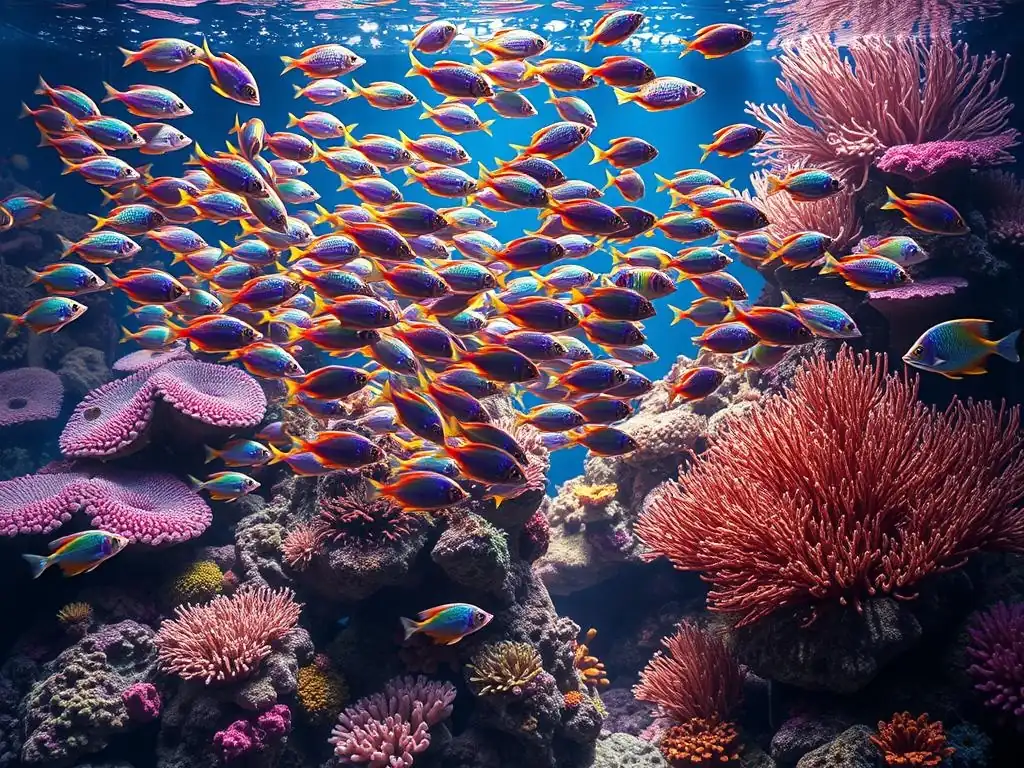
Welcome to Aquarium Mastery!
Ever wondered why your vibrant Anthias is suddenly flashing? Is it just a quirky habit, or a sign that something's amiss in your saltwater haven? Dive in as we unravel the mysteries behind Anthias flashing, exploring potential causes and providing expert advice on treatment to keep your reef thriving. Get ready to troubleshoot and ensure your finned friends are happy and healthy!
- Introduction to Anthias Flashing in Reef Aquariums
- Normal Anthias Flashing: Social Dynamics and Tank Acclimation
- Abnormal Anthias Flashing: Identifying Potential Health Problems
- Common Anthias Diseases Linked to Flashing
- Anthias Flashing Causes, Treatment, and Prevention Strategies
- Conclusion: Proactive Care for Healthy Anthias and Reduced Flashing
-
Frequently Asked Questions
- What exactly does "flashing" mean when referring to Anthias fish?
- Is it normal for Anthias to flash occasionally?
- What are the most common causes of Anthias flashing?
- How can I differentiate between normal behavior and a potential problem if my Anthias is flashing?
- What are some effective treatments for Anthias flashing?
- Final Reflection: Unveiling the Secrets of Anthias Health
- Dive Deeper: Unveil Your Anthias' Hidden Well-being!
Introduction to Anthias Flashing in Reef Aquariums
Why is My Anthias Flashing? Recognizing Normal vs. Abnormal Behavior
"Flashing" in fish refers to a rapid, darting movement where a fish briefly turns sideways or rubs its body against a surface, such as live rock, substrate, or even the aquarium glass. For Anthias, this behavior can be a natural part of their daily life, often related to social cues, environmental adaptation, or even simple grooming. However, it is also a critical indicator of stress or underlying disease, making the ability to distinguish between normal and abnormal Anthias flashing paramount for any reef aquarist.
Understanding the context of the flashing is key. For instance, a single, brief rub after feeding or a sudden shift in lighting might be completely normal. In contrast, repetitive, frantic flashing, especially if accompanied by other concerning symptoms, should immediately signal potential health issues like parasitic infections or poor water quality. Careful observation of the frequency, intensity, and accompanying behaviors is essential to interpret this common fish behavior accurately.
The Importance of Observing Anthias Behavior for Early Disease Detection
Subtle behavioral changes are often the earliest and most reliable indicators of illness in fish, frequently preceding any visible physical symptoms. For schooling fish like Anthias, observing individual behavior can be challenging within a dynamic group, but it is nonetheless crucial. Early detection through consistent observation allows for prompt intervention, which significantly increases the chances of successful treatment and prevents the spread of disease to other tank inhabitants.
Establishing a baseline for "normal" behavior for your specific Anthias species and individual fish is vital. This includes their typical feeding habits, swimming patterns, social interactions, and even their usual Anthias flashing frequency. Any deviation from this established baseline, such as a marked increase in flashing, lethargy, or changes in schooling patterns, should trigger immediate investigation into water parameters, the presence of pathogens, or other environmental stressors. Proactive monitoring can save your entire Anthias school.
Anthias Flashing as a Display of Dominance within the School
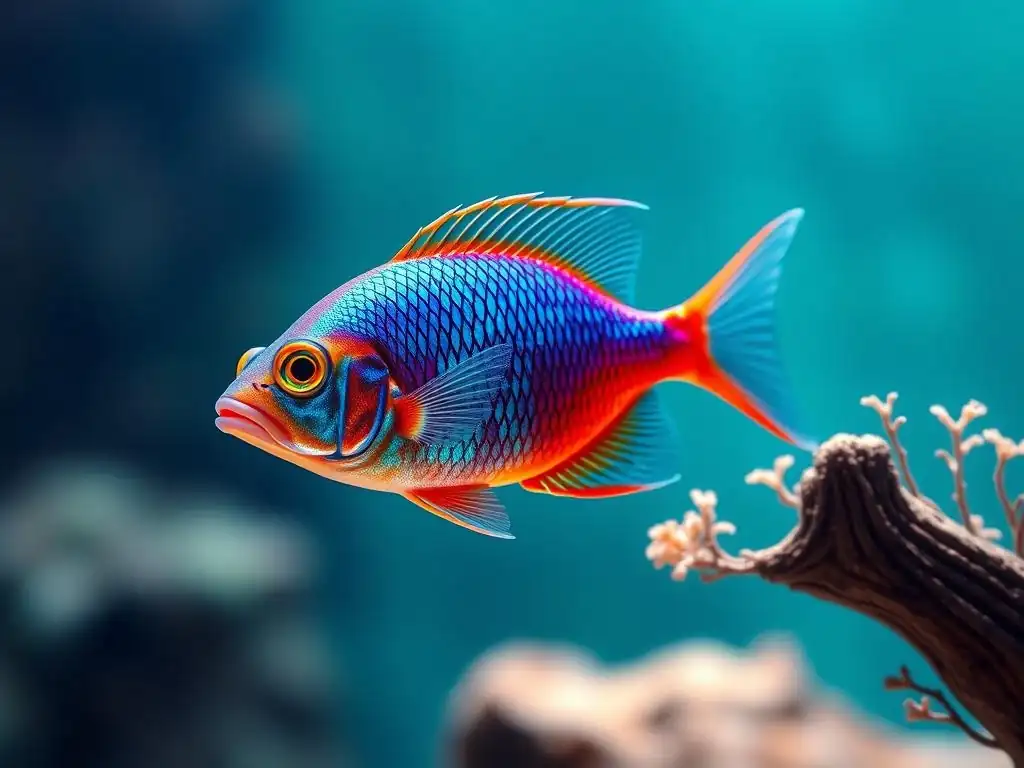
Anthias species, particularly those that form harems like the Lyretail Anthias ( Pseudanthias squamipinnis), often exhibit flashing as a visual cue within their complex social hierarchy. The dominant male, typically the largest and most vibrantly colored, may flash to assert his position, display his fitness, or subtly warn off subordinate males attempting to challenge his authority. This behavior is a natural part of their social dynamics and helps maintain stability within the school.
These dominance displays are usually brief and localized, occurring during feeding times or when new individuals are introduced to the group. A healthy Anthias school with a stable hierarchy will exhibit these behaviors without showing signs of stress, physical deterioration, or widespread frantic flashing. It's a natural, momentary assertion of status, distinct from the persistent irritation associated with disease-induced Anthias flashing.
Flashing During Acclimation to a New Aquarium Environment
Introducing new Anthias to an aquarium is a significant environmental change that can induce stress. During the acclimation process, new fish may exhibit increased Anthias flashing as they adjust to unfamiliar water parameters, lighting conditions, and the presence of new tank mates. This behavior is a natural stress response as they explore their new surroundings, attempt to establish territory, and react to the novel stimuli.
Typically, new Anthias might flash more frequently for the first 24 to 72 hours post-introduction. If water parameters are stable, the tank is appropriately sized, and tank mates are not overly aggressive, this initial stress-induced flashing should gradually subside as the fish settle into their new home. Persistent or escalating flashing beyond this initial period, however, could indicate ongoing stress, poor water quality, or the onset of an illness.
Normal Flashing Frequency and Duration in Specific Anthias Species
The frequency and duration of normal Anthias flashing can vary slightly between species and even individuals. For example, a Squareback Anthias ( Pseudanthias pleurotaenia) might display more subtle, brief flashes during courtship rituals or when interacting with their preferred perch. Similarly, a Dispar Anthias ( Pseudanthias dispar) might flash momentarily when startled by a sudden movement outside the tank or a rapid light change.
Crucially, normal flashing is typically short-lived, lasting only a few seconds at most, and is not accompanied by other distress signals such as clamped fins, labored breathing, or loss of appetite. A healthy Anthias in a stable environment might flash occasionally, perhaps once or twice an hour, as a natural part of their behavior. Any sustained or rapid increase in this frequency, such as multiple flashes per minute across several individuals, should be considered a red flag and warrant further investigation into potential Anthias flashing causes, treatment options, or environmental stressors.
Abnormal Anthias Flashing: Identifying Potential Health Problems
Increased Frequency and Intensity of Flashing: A Red Flag
While occasional flashing is normal, a significant and sustained increase in the frequency and intensity of Anthias flashing is a strong indicator of underlying distress or illness. If your Anthias are flashing every few minutes, or appear to be rubbing themselves almost constantly, it suggests a persistent irritant that they are desperately trying to dislodge. This escalated behavior is often the very first observable symptom before more overt physical signs of disease develop, making it a critical "red flag" for vigilant aquarists.
The intensity of the flashing also provides clues. Gentle, brief rubs are less concerning than frantic, violent actions where the fish slams itself repeatedly against rocks, substrate, or tank walls. This aggressive self-rubbing points towards a severe irritation, most commonly caused by external parasites or dangerously poor water quality. Such a dramatic change in Anthias flashing behavior necessitates immediate investigation into the potential Anthias flashing causes, treatment, and prevention strategies.
Rubbing Against Rocks and Substrate: Common Causes and Concerns
The specific act of rubbing against rocks and substrate is a classic symptom of external irritation. Fish instinctively perform this action in an attempt to physically dislodge irritants from their delicate skin and gills. In marine aquariums, this behavior is a hallmark sign of external parasitic infections, particularly Marine Ich ( Cryptocaryon irritans) or Velvet Disease ( Amyloodinium ocellatum), as these parasites embed themselves in the fish's epithelium, causing intense itching and discomfort.
Beyond parasites, poor water quality can also be a significant cause. Elevated levels of toxic compounds such as ammonia (even trace amounts above 0 ppm), nitrite (above 0 ppm), or excessively high nitrates (e.g., above 40 ppm for sensitive species like Anthias) can cause chemical burns and irritation to the fish's gills and skin, leading to similar rubbing behavior. Distinguishing between parasitic and environmental Anthias flashing causes, treatment approaches, and preventative measures is crucial for effective intervention.
Other Symptoms Accompanying Flashing: Lethargy, Loss of Appetite, and Fin Clamping
When Anthias flashing is indicative of illness, it rarely occurs in isolation. Other symptoms almost invariably appear concurrently, providing a more complete picture of the fish's health status. Lethargy, where the fish becomes noticeably less active, hides more frequently, or hovers listlessly near the surface or bottom of the tank, is a common accompanying sign, indicating a significant energy drain from fighting off disease.
Fin clamping, where the fish holds its fins tightly against its body rather than fanning them out naturally, is another widespread symptom of stress or discomfort. Furthermore, a loss of appetite is a critical indicator, as sick fish often refuse food, even their favorites. Observing these combined symptoms—increased Anthias flashing, lethargy, clamped fins, and refusal to eat—strongly points to a health crisis that requires prompt diagnosis and appropriate Anthias flashing causes, treatment, and prevention strategies.
Common Anthias Diseases Linked to Flashing
Marine Ich (White Spot Disease): A Primary Cause of Anthias Flashing
Understanding the Life Cycle of Marine Ich and Its Impact on Anthias
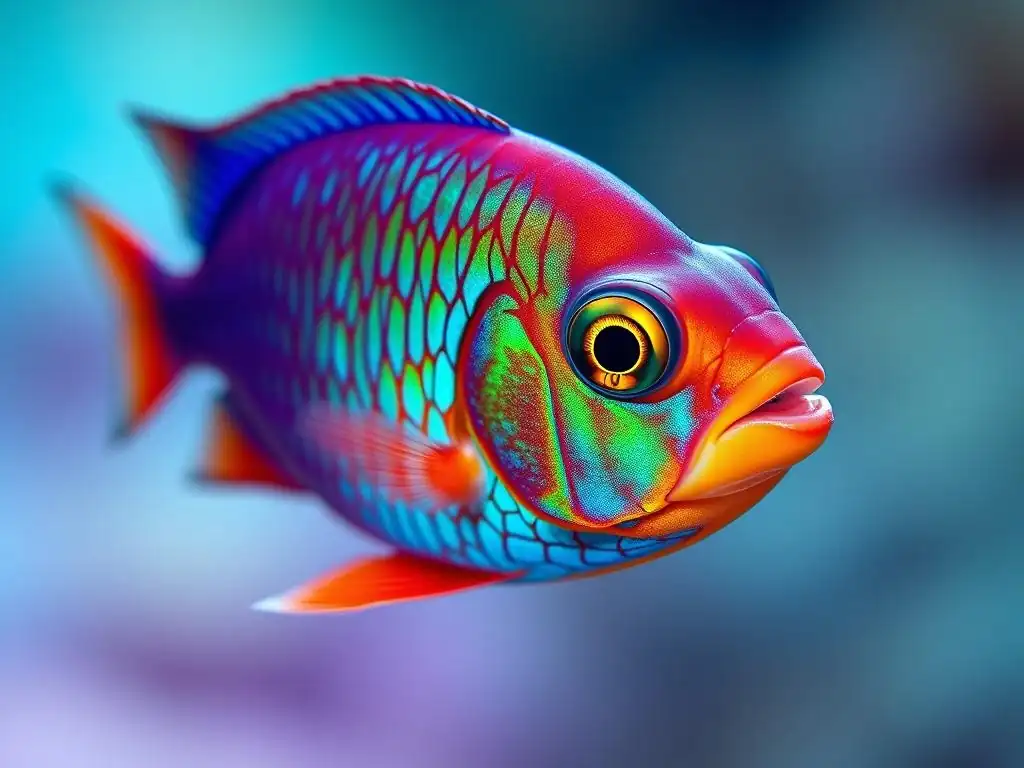
Marine Ich, caused by the ciliate parasite Cryptocaryon irritans, is arguably the most common and feared disease in saltwater aquariums, and a primary cause of Anthias flashing. The parasite has a complex multi-stage life cycle: free-swimming tomite infects the fish, burrows into the skin and gills as a trophont (the white spot), then drops off as a tomont to encyst and reproduce. Anthias, being generally delicate and often stressed by shipping, are particularly susceptible to this highly contagious parasite.
The trophonts, while embedded in the fish's skin and gills, cause intense irritation, inflammation, and cellular damage. This irritation is the direct cause of the frantic Anthias flashing, as the fish attempts to dislodge the burrowing parasites. In severe infestations, Ich can lead to widespread tissue damage, secondary bacterial infections, severe gill compromise, and ultimately, high mortality rates if not promptly addressed with effective Anthias flashing causes, treatment, and prevention measures.
Identifying Ich Symptoms Beyond Flashing
While flashing is a key initial indicator, other distinct symptoms confirm a Marine Ich diagnosis. The most characteristic and visible symptom is the appearance of small, white spots resembling grains of salt or sugar, scattered across the body, fins, and gills of the affected fish. These spots are the encysted trophonts. It is important to note that these spots may appear and disappear as the parasite progresses through its life cycle.
Beyond the visible white spots and Anthias flashing, other common signs of Ich include rapid breathing (gilling) due to gill irritation, clamped fins, loss of color vibrancy, and a noticeable decrease in appetite. In advanced stages, affected Anthias may become lethargic, isolate themselves from the school, and show signs of severe stress. Observing these multiple symptoms in conjunction with increased Anthias flashing strongly points to a Cryptocaryon irritans infection, necessitating specific Anthias flashing causes, treatment, and prevention protocols.
Velvet Disease (Amyloodinium): A Deadly Threat to Anthias
Differentiating Velvet from Ich Based on Appearance and Progression
Velvet Disease, caused by the highly virulent dinoflagellate Amyloodinium ocellatum, is another extremely contagious and often rapidly fatal parasitic infection that commonly affects Anthias. Unlike Ich's distinct, larger white spots, Velvet typically manifests as a fine, dusty, yellowish-brown coating or "gold dust" appearance on the fish's skin, fins, and gills. This coating is the parasitic organism itself, which is much smaller than Cryptocaryon irritans.
The progression of Velvet is often much faster and more aggressive than Ich. Symptoms can escalate dramatically within a matter of hours or a few days, leading to widespread epithelial damage. While Ich spots are more discrete, Velvet's "dust" is finer and more diffuse, often covering the entire fish's surface. The rapid onset, high infectivity, and severe mortality rate make immediate and aggressive Anthias flashing causes, treatment, and prevention for Velvet absolutely critical for the survival of the fish.
Recognizing Respiratory Distress in Anthias Affected by Velvet
A critical aspect of Velvet Disease, particularly in its early stages, is its primary attack on the fish's gills, often before visible signs appear on the body. This leads to severe respiratory distress. Anthias affected by Velvet will typically exhibit rapid, labored breathing (gilling), often appearing to gasp at the surface or near the water flow from powerheads in an attempt to increase oxygen intake.
As the disease progresses, the fish may become extremely lethargic, lose their vibrant coloration, and exhibit severe Anthias flashing due to the intense irritation caused by the parasites burrowing into their delicate tissues. In advanced stages, the fish may detach from the school, hide, and ultimately succumb to suffocation or secondary infections. Early recognition of respiratory distress combined with flashing is crucial for initiating effective Anthias flashing causes, treatment, and prevention.
Brooklynellosis: A Ciliate Infection Affecting Anthias
Identifying Symptoms of Brooklynellosis
Brooklynellosis, caused by the ciliate Brooklynella hostilis, is a common and highly virulent disease, often associated with clownfish but capable of devastating Anthias populations as well. It is characterized by excessive mucus production, which gives the affected fish a cloudy, slimy, or "shedding" appearance on their skin. Unlike Ich or Velvet, distinct visible spots or a dusty coating are usually absent.
Other key symptoms of Brooklynellosis include rapid and violent Anthias flashing, severe labored breathing, and the development of skin lesions or ulcers. The fish's skin may appear to be sloughing off, giving the impression that the fish is "melting." This disease progresses very rapidly, and fish can succumb within 24-48 hours if untreated. Due to its aggressive nature, Brooklynellosis requires immediate and aggressive Anthias flashing causes, treatment, and prevention.
Anthias Flashing Causes, Treatment, and Prevention Strategies
Diagnosing the Underlying Cause of Anthias Flashing
Water Quality Testing: Ammonia, Nitrite, Nitrate, and pH Levels
The very first step in accurately diagnosing the underlying Anthias flashing causes is to conduct a comprehensive test of your aquarium's water parameters. Elevated levels of ammonia (any detectable amount above 0 ppm), nitrite (any detectable amount above 0 ppm), or excessively high nitrates (e.g., consistently above 20 ppm for sensitive fish like Anthias) can cause severe gill and skin irritation, directly leading to flashing. Additionally, drastic pH fluctuations or pH levels outside the optimal marine range of 8.0-8.4 can significantly stress fish.
It is crucial to use reliable and current test kits for ammonia, nitrite, nitrate, and pH. If any parameters are found to be outside the healthy range, immediate corrective action, such as performing a large water change (e.g., 25-50%), increasing aeration, or checking filtration efficiency, is necessary. Addressing water quality issues might resolve the flashing if it is environmentally induced, before considering parasitic Anthias flashing causes, treatment, and prevention.
Visual Inspection for External Parasites and Skin Abnormalities
Following water quality checks, a thorough visual inspection of the affected Anthias is essential. Use a strong flashlight, even in a well-lit room, to carefully examine the fish for the tell-tale signs of external parasites. Look for the distinct, small white spots of Ich, the fine, dusty, yellowish-brown coating of Velvet, or the excessive mucus production and skin sloughing associated with Brooklynellosis. Pay close attention to the fins, gills (if visible), and the entire body surface.
Also, note any other abnormalities such as frayed or ragged fins, open lesions, ulcers, or unusual discoloration. While some parasites are microscopic and not visible to the naked eye, their effects, such as pinpoint red spots from bites or general skin cloudiness, might be apparent. This meticulous visual assessment is crucial for narrowing down the potential Anthias flashing causes, treatment options, and preventative measures.
Observing Anthias Behavior and Social Interactions
Beyond physical symptoms, continuous and detailed observation of the Anthias' behavior and social interactions provides vital diagnostic clues. Note if the flashing is isolated to a single fish or if multiple individuals in the school are exhibiting the behavior. Observe their feeding response: are they eager to eat, or are they refusing food? Monitor their swimming patterns; are they erratic, lethargic, or gasping at the surface? Do they appear to be hiding more than usual?
Consider the social dynamics of the tank as well. Is there excessive aggression from other tank mates, or a lack of suitable hiding spots that could be causing chronic stress-induced flashing? Documenting these behavioral observations meticulously helps to build a complete diagnostic picture, guiding you towards the most appropriate Anthias flashing causes, treatment, and prevention strategies for your specific situation.
Treatment Options for Anthias Diseases Causing Flashing
Copper-Based Medications: Effectiveness and Risks
Copper is a highly effective, broad-spectrum antiparasitic medication widely used in marine aquariums for treating common Anthias flashing causes such such as Ich and Velvet. It works by interfering with the parasites' metabolic processes, effectively killing them. Copper solutions are available in various forms (e.g., ionic copper, chelated copper), and it is absolutely crucial to maintain a precise therapeutic range, typically 0.20-0.25 ppm for ionic copper, using a reliable and accurate copper test kit throughout the treatment period.
However, copper is highly toxic to all invertebrates, including corals, anemones, shrimp, crabs, and snails, and should never be used in a reef display tank. It can also be stressful to some fish species, including certain delicate Anthias, and can be absorbed by porous live rock, making it extremely difficult to remove from a display system. Therefore, copper treatment must always be performed in a dedicated quarantine or hospital tank, with careful monitoring and strict adherence to dosage instructions for safe and successful Anthias flashing causes, treatment.
Hyposalinity Treatment: Lowering Salinity to Combat Parasites
Hyposalinity treatment is a non-medicinal method primarily used for treating Marine Ich (less effective for Velvet) by gradually reducing the salinity of the water to a specific gravity of 1.008-1.009 (equivalent to 11-12 ppt). This drastic reduction in salinity creates an osmotic shock for the freshwater-sensitive parasites, causing them to swell and burst, while marine fish, being more adaptable, can typically tolerate the lower salinity for a limited period.
The protocol requires slowly lowering the salinity over 24-48 hours and maintaining it precisely for at least 3-4 weeks to ensure the entire parasite life cycle is broken. Like copper, hyposalinity is harmful to all marine invertebrates and should only be performed in a dedicated quarantine tank. Accurate salinity measurements using a calibrated refractometer are absolutely essential for the safe and effective application of this Anthias flashing causes, treatment method.
Quarantine Tank Setup and Treatment Protocols
The establishment and utilization of a dedicated quarantine tank (QT) are paramount for the successful treatment of sick Anthias and for preventing disease introduction. A QT allows for precise control over medication dosages, prevents contamination of the main display tank with chemicals or parasites, and minimizes stress on healthy inhabitants. A basic QT should be fully cycled, maintain stable water parameters, and include essential equipment like a heater, basic filtration (sponge filter), and PVC pipes for hiding.
A typical treatment protocol involves carefully transferring the affected Anthias to the QT, potentially performing a brief freshwater dip (if appropriate for the specific disease) for immediate relief, and then initiating the chosen treatment (e.g., copper, hyposalinity, or other medications). The fish must be monitored closely for side effects and disease progression. Treatments usually last 2-4 weeks, ensuring that the entire parasite life cycle is broken. This proactive and isolated approach is fundamental to successful Anthias flashing causes, treatment and prevention.
Preventing Anthias Diseases and Minimizing Flashing
Maintaining Optimal Water Quality: Regular Water Changes and Filtration
Pristine and stable water quality is the absolute cornerstone of disease prevention and overall fish health in any marine aquarium. Regular partial water changes (e.g., 10-20% weekly or bi-weekly, depending on bioload) are crucial for diluting nitrates, replenishing essential trace elements, and maintaining alkalinity. Robust filtration, encompassing mechanical (for particulate removal), biological (for ammonia/nitrite conversion), and chemical (e.g., activated carbon for organics) components, is vital for removing waste products and maintaining stable parameters.
Consistency in water quality prevents stress, which is a major precursor to disease outbreaks and increased Anthias flashing. Ensuring that ammonia and nitrite are consistently undetectable (0 ppm), nitrates are kept low (ideally under 10-20 ppm for sensitive species), and pH and salinity remain stable within their optimal marine ranges significantly reduces the likelihood of environmentally induced Anthias flashing and subsequent illness, thereby minimizing the need for reactive Anthias flashing causes, treatment.
Proper Acclimation Procedures for New Anthias
The process of introducing new Anthias to an aquarium, known as acclimation, is a critical step in preventing stress-related Anthias flashing and disease. Drip acclimation, where water from the display tank is slowly dripped into the bag or container holding the new fish over a period of 1-2 hours, is highly recommended. This method allows for a gradual equalization of temperature, pH, and salinity, minimizing osmotic shock which can severely stress fish.
Avoid the common practice of simply floating the bag and then dumping the fish directly into the tank, as the sudden change in water chemistry and temperature can be extremely detrimental. Proper, slow acclimation significantly reduces the initial stress experienced by new Anthias, which in turn minimizes stress-induced Anthias flashing and strengthens their immune system against potential pathogens. This step is a fundamental preventative measure against disease outbreaks in the main display tank, reducing future Anthias flashing causes, treatment needs.
Quarantine New Fish Before Introducing Them to the Main Tank
Arguably the single most effective way to prevent the introduction and spread of diseases in a marine aquarium is to strictly quarantine all new marine fish, especially delicate species like Anthias, for a minimum of 4-6 weeks in a separate quarantine tank (QT). This dedicated period allows for close observation for any signs of disease, proactive treatment of common ailments (such as Ich or Velvet) if they emerge, and ensures that only healthy, robust fish are added to the established display tank.
For instance, if a newly acquired Anthias develops Ich during its quarantine period, it can be treated safely and effectively in the QT without risking the entire established tank's inhabitants. This disciplined practice eliminates the vast majority of Anthias flashing causes, treatment scenarios, and disease outbreaks in your main display, saving immense heartache, time, and financial resources in the long run. It is an indispensable step for any serious marine aquarist.
Providing a Stress-Free Environment: Adequate Tank Size and Hiding Places
Anthias are active, schooling fish that require ample swimming space to thrive. Overcrowding in an aquarium leads to increased aggression among tank mates, chronic stress for the fish, and ultimately, compromised immune systems, making them highly susceptible to disease. A general guideline suggests a minimum of 75 gallons for a small school of Anthias, with larger species or more numerous schools requiring significantly greater tank volumes to allow for natural behavior and reduce stress-induced Anthias flashing.
Furthermore, providing numerous hiding spots and visual breaks within the aquascape (e.g., intricate live rock structures, caves, or overhangs) is crucial. This allows submissive fish to escape aggression from dominant individuals and provides a sense of security, significantly reducing overall stress levels. A well-designed, spacious, and enriched environment minimizes stress-induced Anthias flashing and promotes the long-term health and well-being of your entire Anthias school.
Conclusion: Proactive Care for Healthy Anthias and Reduced Flashing
The Key to Success: Observation, Prevention, and Prompt Treatment
Successful Anthias keeping in a reef aquarium hinges on a comprehensive, tripartite approach: vigilant observation to detect subtle changes in behavior, robust preventive measures to maintain a pristine and stable environment, and prompt, accurate treatment when issues inevitably arise. Understanding the nuances of Anthias flashing causes, treatment, and prevention is fundamental to achieving this success, as it provides critical insights into the health of these sensitive yet captivating fish.
Anthias are beautiful and dynamic additions to any reef aquarium, but they are also delicate and require dedicated care. Their well-being depends entirely on the aquarist's commitment to maintaining stable water parameters, adhering to strict quarantine protocols for new arrivals, and being prepared to act decisively at the first sign of distress, such as unexplained or excessive flashing. This proactive mindset is the cornerstone of a thriving marine ecosystem.
Ensuring the Long-Term Health and Well-being of Your Anthias School
By diligently adhering to best practices in aquarium husbandry, aquarists can significantly reduce the incidence of disease and stress-related Anthias flashing in their tanks. This proactive approach fosters a robust, vibrant, and resilient Anthias school that enhances the beauty and ecological balance of any reef aquarium for years to come. The goal is not just to react to problems, but to prevent them from occurring in the first place.
Ultimately, a healthy Anthias school, exhibiting natural behaviors, vibrant coloration, and minimal stress-induced flashing, is a testament to diligent husbandry and a deep understanding of their specific needs. The investment in understanding their complex social dynamics, environmental requirements, and potential health challenges pays dividends in the form of a beautiful and resilient aquatic ecosystem, minimizing the need for reactive Anthias flashing causes, treatment, and ensuring the long-term well-being of these magnificent fish.
Frequently Asked Questions
What exactly does "flashing" mean when referring to Anthias fish?
Flashing is when an Anthias fish rubs its body against rocks, substrate, or other objects in the aquarium. This behavior is often a sign of irritation or parasite infestation.
Is it normal for Anthias to flash occasionally?
While infrequent, isolated flashing can be normal, especially after a water change. However, frequent or persistent flashing is almost always a sign of a problem requiring investigation and potential treatment.
What are the most common causes of Anthias flashing?
The most common culprits are parasites like ich (Cryptocaryon irritans) or velvet (Amyloodinium ocellatum). Other causes include poor water quality and skin irritations from ammonia or nitrite spikes.
How can I differentiate between normal behavior and a potential problem if my Anthias is flashing?
Observe the fish closely. If the flashing is accompanied by other symptoms like white spots, rapid breathing, clamped fins, or lethargy, it's highly likely a disease is present and immediate treatment is needed.
What are some effective treatments for Anthias flashing?
Treatment depends on the cause. Quarantine the affected fish and treat with appropriate medications for parasites (copper-based or copper-free) or improve water quality through water changes and proper filtration.
Final Reflection: Unveiling the Secrets of Anthias Health
The delicate balance within a reef aquarium hinges on our understanding of its inhabitants, and as we've explored the nuances of Anthias flashing, it's clear that vigilance and informed observation are paramount to their well-being. The ability to differentiate between normal behavior and a cry for help is not merely a matter of aquarist skill, but a responsibility we undertake when bringing these vibrant creatures into our care.
The subtle cues of flashing, often overlooked, speak volumes about the health and environment of these fish. This deep dive into Anthias flashing has underscored the importance of proactive care, emphasizing that prevention, through meticulous water quality management and stress reduction, is far more effective than reactive treatment. The best cure is always prevention.
This adage rings especially true in the delicate world of reef keeping, where early detection and intervention can be the difference between thriving and succumbing to disease.
Now, armed with a deeper understanding of Anthias flashing causes and treatment, I urge you to become more observant stewards of your aquatic ecosystems. Reflect on the lessons learned, apply them to your own tanks, and share your knowledge with fellow aquarists. By fostering a community of informed and compassionate reef keepers, we can ensure a brighter, healthier future for these captivating fish and the vibrant reefs they call home.
Thank you for exploring the fascinating world of Anthias with us! We hope this article has provided valuable insights into understanding their flashing behavior. Now, let's turn knowledge into action!
Here are a few things you can do to ensure the health and happiness of your Anthias:
- Immediately reassess your tank parameters: Check ammonia, nitrite, and nitrate levels. This is the most crucial step in addressing potential health issues.
- Delve into the underwater world with fellow enthusiasts: Share your Anthias tank experiences and observations in online aquarium forums or local reefing communities. You may find invaluable tips.
- Try a novel food offering: Introduce a new, high-quality frozen food or a live food option to enrich their diet and observe if their flashing behavior changes.
What's one adjustment you're inspired to make in your Anthias tank this week to promote their optimal health and vibrancy?