
The Perfect Anthias Aquarium: Tank Size, Strong Flow, and Rockwork Essentials

Welcome to Aquarium Mastery!
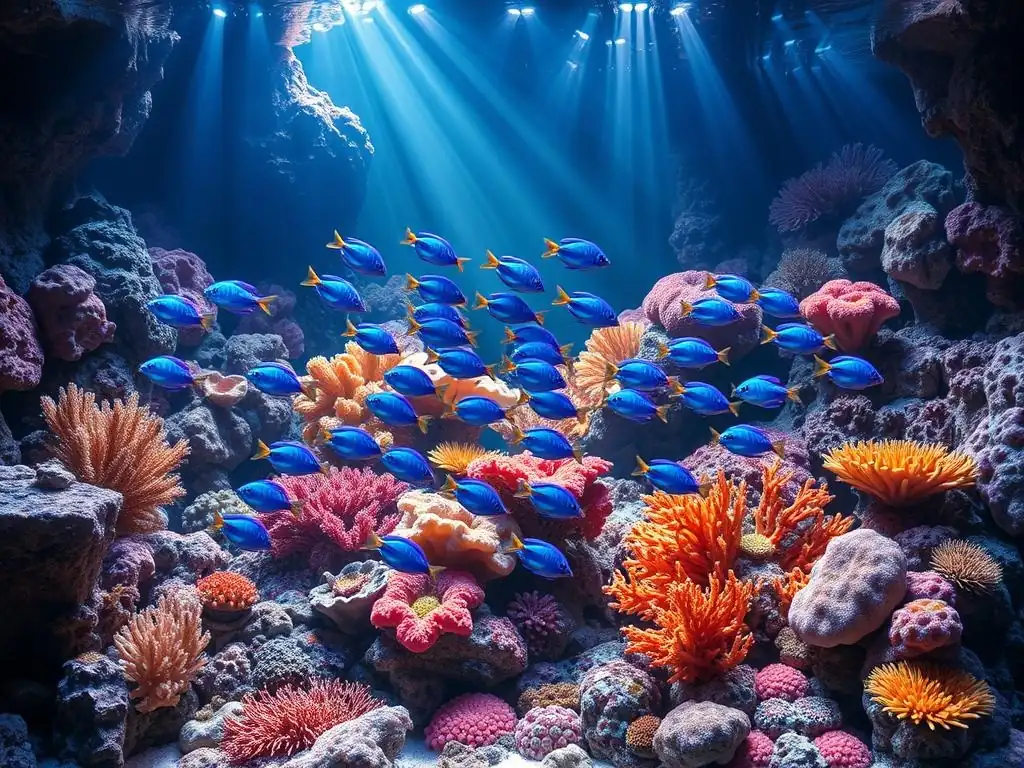
Ever dreamed of a vibrant reef teeming with the dazzling colors of Anthias? Unlocking the secrets to their care isn't as daunting as you might think. Dive into our Anthias tank setup guide and discover the key elements – from tank size and strong flow to crucial rockwork essentials – that will transform your aquarium into a thriving haven for these captivating fish. Ready to create the perfect Anthias environment? Let's get started!
- Understanding Anthias Needs for a Thriving Reef Tank
- Anthias Tank Size: How Big is Big Enough?
- Achieving Strong Flow in Your Anthias Aquarium
- Rockwork Design for Anthias: Creating a Natural Habitat
- Anthias Feeding Strategies: Maintaining Health and Coloration
- Water Parameters for a Healthy Anthias Reef Tank
- Choosing the Right Tank Mates for Anthias
- Anthias Acclimation: Introducing New Fish to Your Tank
- Troubleshooting Common Anthias Tank Problems
- Maintaining a Stunning Anthias Reef Aquarium: Long-Term Success
-
Frequently Asked Questions
- What is the minimum tank size recommended for an Anthias aquarium?
- Why is strong water flow so important for Anthias in an aquarium?
- What kind of rockwork is best suited for an Anthias tank?
- What are some common issues to watch out for when keeping Anthias?
- How often should I perform water changes in an Anthias aquarium?
- Final Reflection: Embracing the Anthias Challenge
- Ignite Your Anthias Dreams!
Understanding Anthias Needs for a Thriving Reef Tank
Why Anthias Are Popular Reef Aquarium Fish
Anthias are among the most sought-after fish for saltwater reef aquariums, primarily due to their captivating beauty and dynamic schooling behavior. These vibrant fish, hailing from the Indo-Pacific reefs, display a stunning array of colors, including brilliant oranges, striking pinks, and deep purples, which add unparalleled visual appeal to any tank. Their constant, active swimming throughout the water column creates a mesmerizing spectacle, making them a focal point for aquarists aiming for a lively and colorful display.
Beyond their aesthetic appeal, Anthias are generally peaceful towards most corals and other reef inhabitants, making them excellent candidates for mixed reef setups. While some species exhibit sexual dimorphism, with males often being larger and more intensely colored than females (a notable example being the Lyretail Anthias, Pseudanthias squamipinnis), their collective schooling adds a natural, fluid movement that mimics the bustling activity of a real coral reef.
Key Considerations for Anthias Tank Setup
Successfully keeping Anthias hinges on replicating their natural reef environment within the confines of an aquarium. This necessitates meticulous attention to several critical factors: ample tank size to accommodate their active swimming and schooling tendencies, robust and varied water movement to simulate strong reef currents, and intricate rockwork that provides both security and exploration opportunities. These foundational elements are paramount for their long-term health and vibrant coloration.
Furthermore, a comprehensive Anthias tank setup guide must also address their specific dietary needs, which involve frequent feedings, and the maintenance of pristine water quality. Overlooking these vital aspects can lead to stress, disease, and a diminished display. By focusing on these core requirements, aquarists can create a thriving habitat that allows these beautiful fish to flourish, showcasing their natural behaviors and stunning aesthetics.
Anthias Tank Size: How Big is Big Enough?
Minimum Tank Size for Anthias: Preventing Stress and Disease
Choosing the appropriate tank size is a crucial first step in any Anthias tank setup guide, directly impacting the fish's well-being and longevity. Even smaller Anthias species, known for their active swimming, require significant horizontal space. For a modest school of 3-5 Dispar Anthias ( Pseudanthias dispar) or Ignitus Anthias ( Pseudanthias ignitus), a tank of at least 55 gallons (approximately 208 liters) is typically considered the bare minimum. Confined conditions can lead to chronic stress, increased susceptibility to diseases like marine ich, and heightened aggression among individuals.
It is essential to prioritize tanks with a longer footprint over those that are merely tall. For example, a standard 48-inch long 55-gallon tank offers substantially more linear swimming space than a cube-shaped tank of similar volume, which is vital for these active pelagic swimmers. Providing adequate room not only reduces stress but also encourages natural schooling behaviors, allowing Anthias to thrive rather than merely survive.
Best Anthias Species for Smaller Reef Aquariums [30-55 Gallons]
While Anthias are generally active and prefer larger spaces, some species are more adaptable to smaller reef aquariums, particularly in the 30-55 gallon range. Species like the Dispar Anthias ( Pseudanthias dispar), Ignitus Anthias ( Pseudanthias ignitus), or the Sunburst Anthias ( Serranocirrhitus latus) are often recommended due to their smaller adult size, typically reaching 3-4 inches (7-10 cm). Even for these smaller species, a 55-gallon tank is ideal for a group, allowing sufficient space for a small school of 3-5 individuals.
For tanks at the lower end of this spectrum, such as a 30-gallon, keeping a single, very small Anthias species might be possible, but it is generally not recommended for groups, as the benefits of schooling behavior would be lost, and stress could still be an issue. The goal is always to provide an environment that supports their natural social structure and activity levels, ensuring a successful Anthias tank setup guide.
For larger and more common Anthias species, such as the Lyretail Anthias ( Pseudanthias squamipinnis) or the Squareback Anthias ( Pseudanthias pleurotaenia), significantly more space is required. These species can grow to 5-7 inches (12-18 cm) and form larger, more complex social hierarchies. A minimum tank size of 75 gallons (approximately 284 liters) is a starting point for a small group of Lyretail Anthias, with 120 gallons (approximately 454 liters) or more being ideal for a thriving school of 6-10 individuals.
Anthias are protogynous hermaphrodites, meaning all individuals are born female, and the dominant female can transition to male if the existing male is lost. This social dynamic, characterized by a single dominant male overseeing a harem of females, requires ample space to allow for natural interactions and to mitigate aggression. Overcrowding in an Anthias tank setup guide can exacerbate territorial disputes and lead to chronic stress, ultimately compromising the health and vibrancy of the entire school.
Achieving Strong Flow in Your Anthias Aquarium
The Importance of Water Circulation for Anthias Health
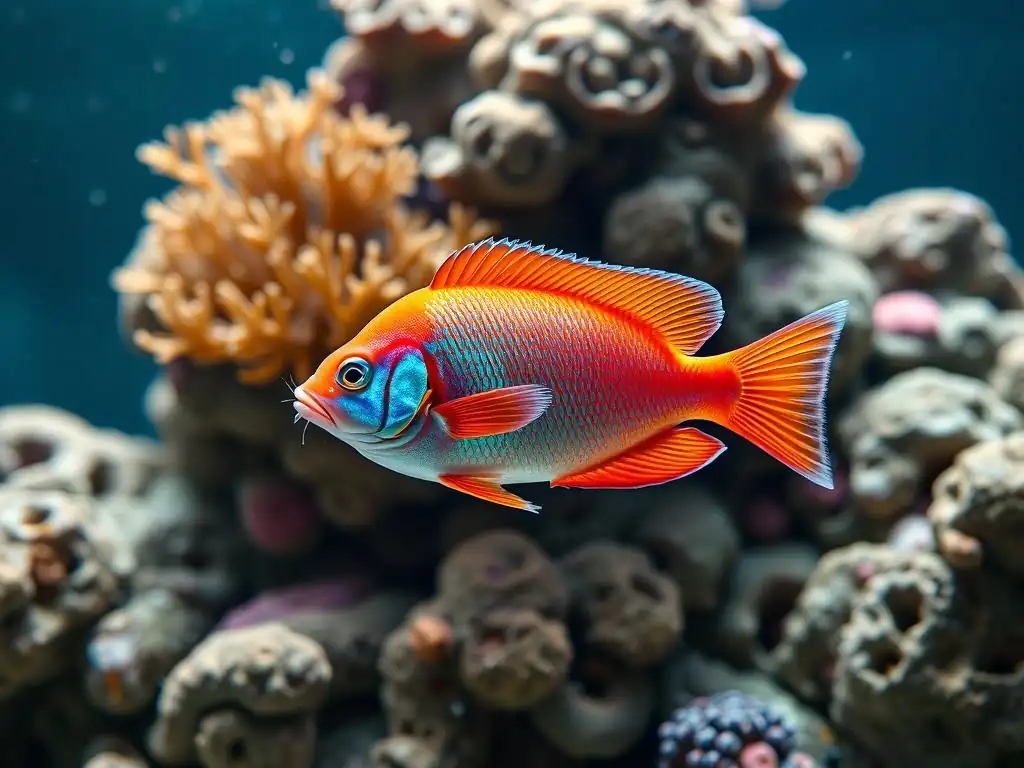
Strong, consistent water circulation is not merely a preference but a fundamental requirement for the health and vitality of Anthias in a reef aquarium. In their natural habitat, Anthias inhabit turbulent reef environments where vigorous currents constantly bring them food and sweep away waste. Replicating these conditions in an aquarium ensures optimal gill function by providing highly oxygenated water and preventing the accumulation of detritus in stagnant areas, which can lead to poor water quality and disease.
Beyond oxygenation and waste removal, robust flow plays a critical role in distributing food particles throughout the water column, making feeding more natural and efficient for these active planktivores. It also helps maintain the health of any corals housed alongside Anthias, as many corals also thrive in high-flow environments. A well-designed flow system is a cornerstone of a successful Anthias tank setup guide, promoting active swimming and overall well-being.
Powerhead Placement for Optimal Flow Patterns
Strategic placement of powerheads is essential for creating the varied and turbulent water flow that Anthias require. Instead of relying on a single, high-output pump, it is often more effective to use multiple powerheads (typically 2-4, depending on tank size and shape) to generate broad, dispersed flow patterns. Avoid directing strong, narrow streams of water directly at the sand bed, as this can cause sand storms and expose the tank bottom. The aim is to create chaotic, multidirectional flow that mimics natural reef currents.
Consider positioning powerheads on opposite sides of the tank, slightly angled, to create a circular or alternating flow pattern. Some powerheads can be placed higher in the tank to promote surface agitation and gas exchange, while others can be positioned lower to prevent detritus from settling in deeper sections of the rockwork. This thoughtful arrangement ensures that the entire tank benefits from dynamic water movement, a key feature of an effective Anthias tank setup guide.
Wave Makers and Flow Controllers: Replicating Natural Reef Conditions
Modern wave makers and flow controllers offer advanced solutions for replicating the complex, dynamic water movement found on natural reefs. Devices such as Ecotech Marine VorTech MP series pumps or Maxspect Gyre pumps can generate broad, oscillating flow that changes intensity and direction, providing a more stimulating and natural environment for Anthias. Unlike traditional powerheads, wave makers can create surging patterns that encourage Anthias to swim actively against the current, mirroring their natural behavior.
Flow controllers further enhance this capability by allowing aquarists to program specific flow schedules. These schedules can simulate natural tidal changes or periods of increased current, offering a varied environment throughout the day. For instance, a program that alternates flow direction and intensity every few minutes can significantly reduce "dead spots" and improve overall water health, making these technologies invaluable for optimizing an Anthias tank setup guide.
Choosing the Right Flow Rate for Your Anthias Species [Lyretail Anthias, Dispar Anthias]
Determining the ideal flow rate is crucial for the comfort and health of your Anthias. As a general guideline for species like Lyretail Anthias and Dispar Anthias, a total tank turnover rate of 20-30 times the tank volume per hour is recommended. For example, in a 75-gallon tank, this translates to a combined flow from all powerheads and return pumps of 1,500 to 2,250 gallons per hour (approximately 5,678 to 8,517 liters per hour). This high turnover ensures that food is adequately distributed and waste is efficiently removed.
However, precise numbers should always be tempered with observation. The optimal flow is one where Anthias can swim actively against the current without being constantly buffeted or struggling, yet can also find areas of slightly calmer water for resting. Observe their behavior; if they are perpetually struggling or hiding from the flow, it might be too strong, or the placement needs adjustment. Conversely, if detritus is settling rapidly, the flow may be insufficient. Adjustments based on the fish's comfort and tank cleanliness are key to a successful Anthias tank setup guide.
Rockwork Design for Anthias: Creating a Natural Habitat
The Role of Rockwork in Anthias Behavior and Security
In their natural coral reef habitats, Anthias spend their lives darting amongst intricate rock structures, using them for shelter, foraging, and establishing territories. Replicating this complex environment through thoughtful rockwork design is paramount for their well-being in an aquarium. The presence of ample, well-structured rockwork provides essential hiding spots from perceived threats, whether from more dominant tank mates, sudden movements outside the tank, or during their nightly rest. This sense of security is vital for reducing stress levels in these often skittish fish.
When Anthias feel secure within their environment, they are far more likely to display their vibrant colors, engage in natural schooling behaviors, and feed readily. Conversely, a lack of adequate hiding places can lead to chronic stress, faded coloration, increased susceptibility to disease, and a general reluctance to emerge and swim actively. Therefore, rockwork is not just decorative; it is a functional necessity for a thriving Anthias tank setup guide.
Building a Stable and Functional Rock Structure
The stability of your rock structure is critical, especially in tanks with strong water flow and active fish. Rocks must be securely placed to prevent collapses, which could injure fish or damage corals. Techniques such as using reef-safe epoxy, aquascaping glue, or even PVC rods to connect larger pieces can ensure long-term stability. When constructing the scape, ensure there are ample open spaces between rocks to facilitate robust water circulation and allow for easy cleaning, preventing detritus buildup.
Beyond stability, the rockwork should be highly functional, offering multiple levels, swim-throughs, and varied environmental zones. Aim for a structure that provides open swimming areas at the front and top, mimicking the pelagic zone where Anthias feed, while incorporating more intricate cave systems and overhangs towards the back or sides. This layered approach caters to their diverse behavioral needs, making it a cornerstone of a comprehensive Anthias tank setup guide.
Creating Caves and Overhangs for Shelter and Reduced Stress
Caves and overhangs are indispensable features of an ideal Anthias tank setup guide. These sheltered spots provide critical refuge for Anthias, particularly during periods of perceived danger, such as when lights are turned on or off, or if they feel threatened by larger tank mates. During the night, Anthias often retreat into these crevices for protection, emerging only when daylight returns. It is crucial to ensure there are enough hiding spots to accommodate all fish in the school, preventing competition for prime locations and reducing overall stress.
When designing these shelters, aim for several small to medium-sized caves rather than one large cavern. For instance, in a 120-gallon tank housing a school of Anthias, incorporating at least 5-7 distinct, easily accessible hiding spots can significantly improve their sense of security. These areas should be designed to be relatively dark and protected, offering a true sanctuary for the fish.
Rockwork Material: Live Rock vs. Artificial Rock for Anthias
When selecting rockwork material for an Anthias tank setup guide, aquarists typically choose between live rock, artificial rock (dry rock), or a combination of both. Live rock, collected from the ocean, is rich in beneficial bacteria and microfauna, providing excellent biological filtration and a potential natural food source for the tank's inhabitants. However, it can be heavy, potentially introduce unwanted pests, and may require curing.
Artificial rock, also known as dry rock or ceramic rock, offers several advantages. It is typically lighter, pest-free, and highly porous, making it an effective medium for biological filtration once it becomes colonized by beneficial bacteria. Dry rock also allows for more precise and stable aquascaping designs, as pieces can be easily cut, drilled, and bonded together.
A popular approach is to use a base of stable dry rock for structural integrity and then strategically place smaller pieces of live rock to introduce biodiversity and accelerate the cycling process. This hybrid approach often provides the best balance of aesthetics, stability, and biological benefits.
Anthias Feeding Strategies: Maintaining Health and Coloration
The Importance of Frequent Feedings for Anthias
Anthias are naturally zooplanktivores, meaning they constantly feed on small organisms drifting in the water column of their wild reef habitats. In an aquarium environment, this translates to a fundamental need for frequent, small feedings throughout the day. Unlike many other reef fish that can thrive on one or two daily meals, Anthias require a more consistent supply of nutrition. Typically, 3-5 small feedings per day are recommended, and some aquarists even opt for more frequent, automated dispensing for optimal health, growth, and vibrant coloration.
Infrequent feeding is one of the most common reasons Anthias decline in captivity. A lack of consistent nutrition leads to emaciation, faded colors, a weakened immune system, and increased susceptibility to various diseases. Providing a steady food supply mimics their natural foraging behavior and is critical for their long-term success in any Anthias tank setup guide.
Best Food Options for Anthias: Frozen, Flake, and Live Foods
A varied and nutrient-rich diet is paramount for Anthias. High-quality frozen foods form the cornerstone of their diet. Excellent choices include enriched brine shrimp, mysis shrimp, cyclop-eeze, and finely chopped seafood such as scallops or krill. It is crucial to select frozen foods that are fortified with vitamins and essential fatty acids, particularly Omega-3s, to support their overall health and bolster their immune system.
While frozen foods should be primary, small, high-quality pellets or flakes designed for marine fish can be offered as a supplement, though they should never constitute the sole diet. Live foods, such as enriched Artemia (brine shrimp) or copepods, can be particularly beneficial. They stimulate a natural feeding response, especially for new or finicky specimens, and provide additional nutritional value. Incorporating a diverse range of these food types ensures a well-rounded diet, which is a key component of a successful Anthias tank setup guide.
Target Feeding Anthias: Ensuring All Fish Get Enough Food
In a schooling environment, competition for food can be fierce, and dominant individuals may consume the majority of the offerings, leaving shyer or smaller Anthias underfed. To counteract this, target feeding is an effective strategy. Using a turkey baster or a long pipette, food can be directed specifically towards less assertive individuals or to areas where they tend to congregate. This ensures that every fish in the school receives adequate nutrition, promoting uniform growth and health.
Briefly turning off powerheads or wave makers during feeding times can also be beneficial, preventing food from being immediately swept away by strong currents. This allows the Anthias more time to consume the food before it disperses or settles. Observing the fish carefully during feeding is crucial to confirm that all individuals are actively participating and consuming enough.
Preventing Malnutrition in Anthias: Recognizing and Addressing Issues
Recognizing the signs of malnutrition in Anthias is vital for prompt intervention. Common indicators include faded or dull coloration, noticeably sunken bellies (a clear sign of emaciation), lethargy, and a general lack of active schooling behavior. These symptoms suggest that the current feeding regimen is insufficient or inadequate in terms of nutritional content.
To address malnutrition, several adjustments can be made. Increase the frequency of feedings, offering smaller portions more often throughout the day. Diversify the diet by introducing a wider variety of high-quality frozen foods. Additionally, consider soaking frozen foods in vitamin supplements, such as Selcon or other marine fish vitamins, to boost their nutritional intake. Addressing malnutrition promptly is critical for reversing health declines and ensuring the long-term success and vibrancy of your Anthias in an optimal Anthias tank setup guide.
Water Parameters for a Healthy Anthias Reef Tank
Maintaining Optimal Temperature, Salinity, and pH Levels
Maintaining stable and optimal water parameters is non-negotiable for the health and vibrancy of Anthias in a reef aquarium. The ideal temperature range for Anthias is typically between 74-78°F (23-26°C). Salinity should be kept consistent within the range of 1.024-1.026 specific gravity (32-35 ppt), mirroring natural reef conditions. The pH level should be maintained between 8.1 and 8.4. While hitting exact numbers is less critical, consistency and avoiding drastic fluctuations are paramount. Reliable testing equipment should be used regularly to monitor these parameters.
Sudden or significant swings in temperature, salinity, or pH can induce severe stress in Anthias, weakening their immune systems and making them highly susceptible to disease. Daily temperature checks and weekly monitoring of salinity and pH levels are highly recommended to ensure stability and prevent adverse effects. This vigilance is a core component of any effective Anthias tank setup guide.
The Importance of Nitrate and Phosphate Control
Low nutrient levels are essential for a healthy Anthias reef tank. Anthias, like most other reef inhabitants and corals, thrive in pristine, low-nutrient environments. Ideally, nitrate levels should be maintained below 10 ppm, and phosphate levels should be kept below 0.05 ppm. Elevated levels of these nutrients can stress fish, diminish their colors, and promote the undesirable growth of nuisance algae, which can outcompete corals.
Effective nutrient control involves a multi-faceted approach. Regular water changes are fundamental for diluting accumulated nitrates and phosphates. Efficient protein skimming is crucial for removing organic waste before it breaks down into these undesirable compounds. Additionally, employing methods such as macroalgae cultivation in a refugium, or using chemical media like granular ferric oxide (GFO) or biopellets, can significantly aid in phosphate removal and overall nutrient management.
Regular Water Changes: Keeping Your Anthias Tank Pristine
Regular water changes are arguably the most critical aspect of maintaining pristine water quality in an Anthias tank. A weekly or bi-weekly water change of 10-20% of the tank volume is highly recommended. This routine practice serves multiple vital functions: it replenishes essential trace elements that are consumed by corals and fish, removes accumulated nitrates and phosphates, and helps to export other undesirable dissolved organic compounds that can build up over time.
When performing water changes, it is imperative to use high-quality reverse osmosis/deionized (RO/DI) water mixed with a reputable marine salt brand. The new saltwater should be carefully matched in temperature and salinity to the existing tank water to minimize any shock or stress to the Anthias. Consistency in water change frequency and volume is key to ensuring a stable, healthy environment, making it a cornerstone of any successful Anthias tank setup guide.
Choosing the Right Tank Mates for Anthias
Compatible Fish Species for an Anthias Aquarium
Selecting appropriate tank mates is crucial for the long-term success and well-being of Anthias in a reef aquarium. Generally, peaceful to semi-aggressive reef fish that share similar environmental needs are the best companions. Excellent choices include various species of clownfish, which are typically docile; small, active gobies and blennies that occupy different niches; and many types of wrasses, particularly fairy wrasses ( Cirrhilabrus spp.) and flasher wrasses ( Paracheilinus spp.), which add further color and activity. Other peaceful schooling fish, such as cardinalfish, can also coexist harmoniously, creating a vibrant and balanced community.
The key is to choose tank mates that will not intimidate or outcompete the Anthias for food or space. All chosen species should thrive in the strong water flow and stable reef parameters that Anthias require, ensuring a cohesive and healthy ecosystem.
Avoiding Aggressive Tank Mates that Stress Anthias
To prevent stress and potential harm to Anthias, it is imperative to avoid overly aggressive or predatory tank mates. Large angelfish, particularly those known for territoriality, can sometimes bully or nip at Anthias. Aggressive triggers, large predatory groupers, and certain notorious damselfish or dottybacks should be strictly avoided, as they can cause chronic stress, fin nipping, or even directly prey upon smaller Anthias.
Even semi-aggressive fish should be introduced with caution and monitored closely for any signs of aggression. A general rule of thumb for any Anthias tank setup guide is to steer clear of any species that might view Anthias as competition for food, territory, or as a potential meal. Chronic stress from aggressive tank mates can lead to faded colors, reduced feeding, and increased susceptibility to diseases, undermining the entire aquarium's health.
Invertebrates and Corals That Thrive with Anthias
Anthias are generally considered reef-safe and typically do not bother corals or most invertebrates, making them ideal inhabitants for mixed reef aquariums. Most common clean-up crew members, such as snails (e.g., turbo snails, Nassarius snails), hermit crabs, and various species of shrimp (e.g., peppermint shrimp, cleaner shrimp), are perfectly compatible and will contribute to the tank's overall health without posing a threat to the Anthias. Large predatory invertebrates, such as mantis shrimp or certain large crab species, should be avoided, as they could potentially harm or prey on fish.
Anthias thrive particularly well in tanks with Small Polyp Stony (SPS) corals, as both benefit from strong water flow and pristine water quality. Large Polyp Stony (LPS) corals and soft corals are also generally compatible. The presence of corals enhances the natural reef environment, providing additional structure and visual appeal, and contributes to a balanced and aesthetically pleasing Anthias tank setup guide.
Anthias Acclimation: Introducing New Fish to Your Tank
The Importance of a Slow and Careful Acclimation Process
Anthias are particularly sensitive to sudden changes in water parameters, including temperature, salinity, and pH. Therefore, a slow and careful acclimation process is absolutely critical for their survival and long-term well-being. A drip acclimation method, extending over 1-2 hours, is highly recommended. This gradual introduction allows the Anthias to slowly adjust to the new water chemistry of your display tank, minimizing the shock that can lead to severe stress or even death.
To perform drip acclimation, float the bag containing the Anthias in your sump or display tank for 15-20 minutes to equalize the temperature. Then, transfer the fish and their shipping water into a separate container. Using airline tubing with a knot or valve, slowly drip water from your display tank into the container. The goal is to slowly replace the shipping water with your tank water over the extended period. Crucially, avoid adding any of the shipping water directly into your display tank to prevent the introduction of pathogens or undesirable chemicals.
Quarantine Procedures for New Anthias
The absolute necessity of a quarantine tank (QT) for all new Anthias cannot be overstated. Even if the fish appear perfectly healthy upon arrival, they should spend a minimum of 3-4 weeks in a separate QT before being introduced to the main display tank. This period allows for close observation, recovery from shipping stress, and proactive treatment for common parasites like marine ich ( Cryptocaryon irritans) or velvet ( Amyloodinium ocellatum), as well as potential bacterial infections.
Quarantining new Anthias prevents devastating disease outbreaks in your established main tank, protecting your existing fish and corals. It also provides an opportunity to ensure the new fish are actively eating and are robust enough to handle the transition to the display tank. A properly quarantined fish has a significantly higher chance of long-term survival and thriving within your Anthias tank setup guide.
Monitoring Anthias Behavior After Introduction
Once new Anthias have successfully completed quarantine and are introduced to the main display tank, continuous monitoring of their behavior is essential for the first few days and weeks. Observe for any signs of stress, such as clamped fins, rapid breathing, excessive hiding, faded colors, or reluctance to feed. Also, pay close attention to interactions with existing tank mates; watch for any signs of aggression or bullying that could stress the new arrivals.
To aid their integration, if possible, introduce a small group of Anthias simultaneously to help distribute any initial aggression from existing fish and allow them to school together for security. Continue to offer frequent, small feedings to ensure they get enough food amidst the established residents, and maintain stable water parameters. Consistent observation and proactive intervention are key to ensuring a smooth transition and long-term success in your Anthias tank setup guide.
Troubleshooting Common Anthias Tank Problems
Identifying and Treating Common Anthias Diseases
Anthias, while beautiful, can be susceptible to common marine fish diseases, particularly if stressed by poor water quality, inadequate diet, or aggressive tank mates. Marine ich ( Cryptocaryon irritans) and velvet ( Amyloodinium ocellatum) are two of the most prevalent parasitic infections. Symptoms include small white spots resembling salt grains (ich), a dusty or velvety appearance (velvet), rapid breathing, flashing against decor, and lethargy. Anthias' active metabolism can make them particularly vulnerable to these parasites.
Treatment often involves moving affected fish to a hospital or quarantine tank for medication. Copper-based medications or hyposalinity (lowering salinity) are common treatments for ich, while velvet typically requires specific medications. Prevention is always superior to treatment; maintaining pristine water quality, providing a nutritious diet, and strictly quarantining all new fish are the best defense mechanisms for any Anthias tank setup guide.
Addressing Aggression and Bullying in Anthias Schools
Aggression can sometimes manifest within an Anthias school, particularly from the dominant male towards other males or less dominant females, or if the tank is too small. Signs of aggression include persistent chasing, fin nipping, and exclusion of certain individuals from feeding or prime hiding spots. This bullying can lead to chronic stress, injury, and even death for the targeted fish.
Several strategies can help mitigate aggression. Firstly, ensure the tank size is adequate for the number and species of Anthias kept, providing ample swimming room and complex rockwork with numerous hiding spots. Increasing the group size, especially using odd numbers (e.g., 5-7 individuals), can help distribute aggression. Consistent, frequent feedings also reduce competition. In severe cases, if a single fish is persistently aggressive, removing the aggressor to a separate tank may be the only solution to restore peace to your Anthias tank setup guide.
Preventing Water Quality Issues That Affect Anthias Health
Water quality issues are a leading cause of stress and disease in Anthias. Spikes in ammonia or nitrite, or persistently high levels of nitrate and phosphate, are highly detrimental. Symptoms of poor water quality often include cloudy eyes, labored breathing, clamped fins, loss of appetite, and faded coloration. Anthias, being delicate reef inhabitants, react quickly and negatively to substandard water conditions.
Preventative measures are paramount. Adhere strictly to a regular water testing schedule (e.g., weekly for nitrates/phosphates, more often for ammonia/nitrite if cycling or new tank). Perform consistent water changes (10-20% weekly or bi-weekly) using high-quality RO/DI water. Ensure your filtration system, including a robust protein skimmer and adequate biological filtration (e.g., a sump with live rock), is efficient. Finally, avoid overfeeding, as uneaten food quickly degrades and contributes to nutrient buildup. These practices are the foundational elements for maintaining a healthy Anthias tank setup guide.
Maintaining a Stunning Anthias Reef Aquarium: Long-Term Success
Regular Maintenance Schedule for Anthias Tanks
Consistency in maintenance is the bedrock of a thriving Anthias reef aquarium. A structured routine ensures stable water parameters and a healthy environment for your fish. On a daily basis, observe your Anthias for any changes in behavior, coloration, or appetite, and check the tank temperature. Weekly tasks should include testing salinity, pH, nitrate, and phosphate levels, along with a 10-20% water change. Bi-weekly, or as needed, clean the protein skimmer collection cup and wipe down the tank glass.
Monthly, or every few months, conduct more thorough cleaning of powerheads and return pumps to prevent detritus buildup and maintain optimal flow. This consistent, proactive approach to maintenance prevents problems from escalating and ensures a stable, pristine environment where Anthias can truly flourish, making it an indispensable part of any Anthias tank setup guide.
Monitoring Anthias Health and Behavior
Diligent daily observation of your Anthias is crucial for early detection of potential issues. Pay close attention to their swimming patterns; healthy Anthias are active and exhibit natural schooling behaviors. Observe their coloration; vibrant hues indicate good health, while faded or dull colors can signal stress or illness. Their appetite is another key indicator; enthusiastic feeding is a positive sign, whereas reluctance to eat or spitting out food warrants investigation.
Specific behaviors to watch for include clamped fins, rapid breathing, scratching against rocks (flashing), or excessive hiding, all of which can be signs of disease or stress. By being attuned to these subtle changes, you can intervene promptly, addressing issues before they become severe. Consistent monitoring forms a vital part of proactive care in an Anthias tank setup guide, contributing significantly to the long-term success of your aquarium.
Continuously Improving Your Anthias Tank Environment
A successful Anthias reef aquarium is not a static setup but an evolving ecosystem. As corals grow and fish mature, the dynamics of the tank will change, necessitating ongoing adjustments. Be prepared to reassess and modify aspects like water flow patterns, rockwork configuration, and even feeding strategies to meet the changing needs of your inhabitants. For instance, growing corals may block flow or create new shaded areas, requiring powerhead repositioning.
Consider continuous improvements and upgrades over time. Adding a refugium can enhance nutrient export and provide a natural food source. Upgrading lighting can benefit coral growth, and investing in more advanced flow equipment can further optimize water movement. The goal is to continuously learn, adapt, and refine your Anthias tank setup guide, ensuring it remains a vibrant, healthy, and stunning display for years to come.
Frequently Asked Questions
What is the minimum tank size recommended for an Anthias aquarium?
The minimum tank size for an Anthias aquarium is generally 75 gallons, although larger tanks are preferable to accommodate their active swimming behavior and social structure. A larger tank also helps to maintain more stable water parameters.
Why is strong water flow so important for Anthias in an aquarium?
Strong water flow is crucial because Anthias are planktivores that feed on small, suspended food particles. The flow keeps food circulating and provides oxygenation necessary for their health. It also mimics their natural reef environment.
What kind of rockwork is best suited for an Anthias tank?
Anthias need plenty of live rock to provide both shelter and vertical swimming space. The rockwork should be arranged to create caves, ledges, and open areas for swimming, promoting a natural and stress-free environment.
What are some common issues to watch out for when keeping Anthias?
Common issues include stress from inadequate tank size or flow, leading to disease susceptibility. Another issue is difficulty in feeding due to their specific dietary needs and competition from other tank mates.
How often should I perform water changes in an Anthias aquarium?
Regular water changes are essential. Aim for 10-20% water changes every 1-2 weeks to maintain optimal water quality and remove accumulated nitrates. Maintaining stable water parameters is key for Anthias health.
Final Reflection: Embracing the Anthias Challenge
The journey to creating a thriving Anthias aquarium, as we've explored, is a testament to the dedication and understanding required in reef keeping. The delicate balance of tank size, strong flow, and meticulously crafted rockwork is not merely a suggestion, but a necessity for these vibrant fish to flourish. In a world increasingly focused on instant gratification, the patience and commitment demanded by Anthias serve as a powerful reminder of the rewards that come with thoughtful, informed action.
This pursuit of the "perfect" Anthias tank setup goes beyond just keeping fish alive; it's about fostering an environment where they can truly thrive, showcasing their natural behaviors and contributing to the overall health of the reef ecosystem within our homes. My own experiences with reef keeping have taught me that the most rewarding moments come not from the initial purchase, but from witnessing the slow, steady growth and vibrant life that unfolds within a well-maintained system. The best way to observe a fish is to become a part of its world.
This quote perfectly encapsulates the dedication required to successfully keep Anthias, urging us to understand and respect their needs.
Now, armed with this Anthias tank setup guide, I encourage you to reflect on your own approach to reef keeping. Are you prepared to embrace the challenge and create a sanctuary where these captivating fish can truly thrive? Consider the long-term commitment, the meticulous planning, and the unwavering dedication required. The rewards, I assure you, are immeasurable. Go forth and create a slice of the ocean's beauty, one Anthias at a time.
Ignite Your Anthias Dreams!
Thanks for exploring the vibrant world of Anthias with us! Now that you're armed with the essentials for creating the perfect environment, let's dive into making your reef aquarium a thriving haven for these stunning fish.
- Plan your aquarium build: Start sketching your desired tank size and rockwork layout, focusing on strong flow and plenty of hiding places. Use the information presented in the article and begin by outlining at least three different plans!
- Share this article with your fellow reef keeping enthusiasts to help them learn more about Anthias aquariums.
- Brainstorm a list of Anthias species to include in your aquarium that are known for their peaceful nature.
What exciting aquascaping ideas are bubbling in your mind for your Anthias haven?