
Glass Surfing Barbs: Is It Stress, Boredom, or Something Else?

Welcome to Aquarium Mastery!
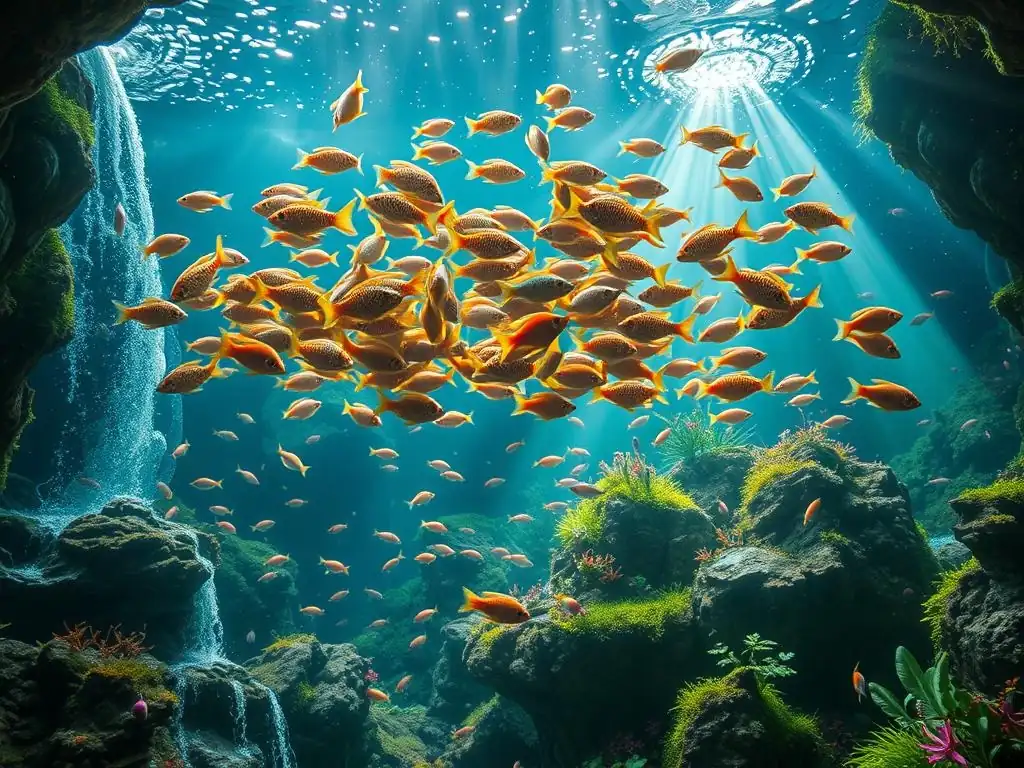
Ever wondered why your Glass Barbs are relentlessly pacing the glass, and if it's more than just a passing phase? That's the question we're tackling today. Dive in as we explore the intricacies of Glass Barb stress behavior, and uncover the hidden reasons behind this common aquarium mystery. Could it be stress, boredom, or something else entirely? Let's find out!
- Understanding Glass Surfing in Barbs: A Comprehensive Guide
- Identifying Potential Causes of Glass Surfing in Your Barbs
- Assessing Your Barb's Tank Environment to Reduce Stress
- Addressing Boredom and Encouraging Natural Barb Behaviors
- Diagnosing and Treating Sick Barbs Exhibiting Glass Surfing
- Troubleshooting Persistent Glass Surfing in Barbs
- Preventing Future Glass Surfing: Long-Term Barb Care Strategies
-
Frequently Asked Questions
- What are the common signs of stress in Glass Barbs?
- Why is my Glass Barb constantly swimming up and down the aquarium glass?
- How does water quality affect Glass Barbs' behavior and stress levels?
- Can a lack of enrichment or boredom cause Glass Barbs to exhibit stress-related behaviors?
- What tank mates are best suited for Glass Barbs to minimize stress and ensure their well-being?
- Final Reflection: Unveiling the Mysteries of the Glass Barb
- Dive Deeper: Transform Your Barb's World!
Understanding Glass Surfing in Barbs: A Comprehensive Guide
Defining Glass Surfing Behavior in Aquarium Fish
Glass surfing refers to the behavior where fish repeatedly swim up and down the sides of the aquarium glass, often in a frantic or agitated manner. This can sometimes appear as if the fish is trying to "escape" the tank or is constantly patrolling the perimeter. While commonly observed in various fish species, it is particularly noticeable in active, schooling fish like barbs due to their energetic nature.
This behavior is typically not a sign of contentment; rather, it often indicates that something in the fish's environment is amiss. It's a visual cue that your barbs might be experiencing discomfort, stress, or a lack of stimulation. Recognizing and understanding this behavior is the first step in addressing the underlying issues for your barbs.
Common Reasons for Glass Surfing: Stress, Boredom, and Beyond
The primary drivers behind glass surfing in barbs are often stress and boredom, but other factors can also contribute significantly. Stress can stem from poor water quality, overcrowding, aggressive tank mates, or an unsuitable environment. Boredom, on the other hand, might arise from a lack of tank enrichment, insufficient schooling numbers, or a monotonous routine.
Beyond these common reasons, glass surfing can also be a symptom of a new environment (acclimation stress), an underlying illness, or even external disturbances like loud noises or vibrations. Identifying the specific cause of this "Glass barbs stress behavior" requires careful observation of your fish and their habitat, as it's a critical indicator of their well-being.
Identifying Potential Causes of Glass Surfing in Your Barbs
Poor Water Quality and Barb Stress: The Connection
Suboptimal water quality is one of the most frequent culprits behind "Glass barbs stress behavior." High levels of ammonia, nitrite, or nitrate, along with incorrect pH or temperature, can cause significant physiological distress to barbs. For instance, Tiger Barbs ( Puntigrus tetrazona ) thrive in temperatures between 72-78°F (22-26°C), a pH of 6.0-7.5, and soft to moderately hard water (GH 5-12 dGH). Deviations from these parameters can lead to weakened immune systems and erratic swimming.
Accumulated toxins from fish waste and uneaten food rapidly degrade water quality, leading to ammonia spikes. Even low levels of ammonia (e.g., 0.25 ppm) can be acutely toxic, causing gill damage and respiratory distress, which manifests as frantic swimming or "Glass barbs stress behavior." Regular testing and maintenance are crucial to prevent these invisible threats from impacting your barbs.
Overcrowding and Lack of Space: Contributing Factors to Glass Surfing
Barbs are active swimmers and schooling fish, requiring ample space to thrive. Overcrowding in an aquarium directly contributes to stress and can lead to aggressive interactions, particularly among species like Tiger Barbs known for their nipping tendencies. A general guideline suggests a minimum of a 20-gallon long tank for a school of 6-8 Tiger Barbs, while a species like the larger Denison Barb ( Sahyadria denisonii ) requires a tank of 55 gallons or more for a proper school of 6-8 individuals.
When barbs lack sufficient swimming room, their natural schooling behaviors are disrupted, and they may feel perpetually threatened or confined. This constant state of unease can result in repetitive "Glass barbs stress behavior" as they search for more space or an escape route. Overcrowding also exacerbates water quality issues, creating a vicious cycle of stress.
Inadequate Tank Enrichment and Barb Boredom
A barren or unstimulating aquarium environment can lead to boredom and listlessness in active fish like barbs, which may manifest as glass surfing. Barbs are naturally curious and enjoy exploring their surroundings, navigating through plants, and interacting with various decorations. A lack of structure or hiding places can leave them feeling exposed and without purpose.
For instance, a tank with dense live plants like Anubias, Java Fern, or Amazon Swords, along with driftwood and rocks, provides visual barriers, potential hiding spots, and interesting areas for barbs to explore. Without such enrichment, barbs might engage in repetitive behaviors like glass surfing due to sheer monotony and a lack of engaging stimuli, indicating a form of "barb stress behavior."
Investigating Underlying Illnesses: Are Your Barbs Sick?
While often attributed to environmental factors, glass surfing can sometimes be an early indicator of an underlying illness or discomfort. Fish that are feeling unwell may exhibit erratic swimming patterns, including glass surfing, as a response to their internal malaise. For example, a barb suffering from a parasitic infection like Ich ( Ichthyophthirius multifiliis ) might rub against tank surfaces or frantically swim as a way to alleviate irritation.
Other symptoms like clamped fins, rapid breathing (gilling), loss of appetite, or visible spots/lesions should prompt a closer inspection. If "Glass barbs stress behavior" is accompanied by these physical signs, it's crucial to consider disease as a potential cause and prepare for immediate intervention to prevent the spread of illness to other tank inhabitants.
Assessing Your Barb's Tank Environment to Reduce Stress
Water Parameters: Testing and Maintaining Optimal Conditions for Barbs
Maintaining stable and optimal water parameters is paramount to reducing "Glass barbs stress behavior." Regular testing using a reliable liquid test kit for ammonia, nitrite, nitrate, and pH is essential. For most common barbs like Cherry Barbs ( Puntius titteya ), ideal parameters include ammonia and nitrite at 0 ppm, nitrates below 20 ppm, and a pH between 6.5 and 7.5.
Performing weekly partial water changes (e.g., 25-30% of the tank volume) is the most effective way to keep nitrate levels in check and replenish essential minerals. Always use a dechlorinator to neutralize chlorine and chloramines present in tap water, as these chemicals are highly toxic to fish and can induce immediate stress responses, including frantic swimming.
Tank Size and Stocking Levels: Ensuring Adequate Space
Providing an appropriately sized aquarium and maintaining sensible stocking levels are critical to preventing "Glass barbs stress behavior." As active, schooling fish, barbs require horizontal swimming space. A group of 6-8 Cherry Barbs, for example, would thrive in a 20-gallon long tank, which offers more swimming length than a standard 20-gallon high. For larger species like Denison Barbs, a tank of 55-75 gallons or more is necessary to accommodate their adult size and schooling needs.
Overstocking not only limits swimming space but also increases the bioload, leading to rapid deterioration of water quality. Adhering to the "inch per gallon" rule (with caution, as it's a loose guideline) or researching specific species requirements will ensure your barbs have enough room to establish territories and swim freely, significantly reducing stress.
Decor and Hiding Places: Providing a Sense of Security
A well-decorated aquarium offers barbs a sense of security and reduces perceived threats, thereby minimizing "Glass barbs stress behavior." Live plants, such as robust Anubias, Java Fern, or Cryptocoryne, provide natural hiding spots and break up lines of sight, allowing more timid barbs to retreat when needed. Driftwood and smooth rocks can also create interesting structures and caves.
Barbs, despite their active nature, appreciate areas where they can feel safe. A tank that is too open or sparse can make them feel exposed and vulnerable, leading to constant pacing or glass surfing. Aim for a balance of open swimming areas and densely planted or decorated zones to cater to their natural instincts for both exploration and security.
Filtration and Aeration: Essential for Healthy Barbs
Effective filtration and adequate aeration are non-negotiable for maintaining healthy barbs and preventing "Glass barbs stress behavior." A robust filtration system (mechanical, chemical, and biological) ensures the removal of physical debris, toxins, and converts harmful ammonia and nitrite into less toxic nitrates. For a 20-gallon tank with barbs, a hang-on-back filter rated for 30-40 gallons, with a flow rate of at least 200 GPH (gallons per hour), provides sufficient water turnover.
Aeration, achieved through surface agitation from the filter output or an air stone, is crucial for oxygen exchange. Barbs require well-oxygenated water to thrive. Insufficient oxygen can lead to labored breathing and lethargy, which might manifest as "Glass barbs stress behavior" as they try to reach the surface for air. A healthy, oxygen-rich environment contributes directly to the vitality and reduced stress levels of your barbs.
Addressing Boredom and Encouraging Natural Barb Behaviors
Introducing Tank Mates: Compatibility Considerations
Barbs are schooling fish, and their natural behavior thrives in groups of at least 6-8 individuals of their own kind. Keeping them in smaller numbers can lead to increased aggression towards other tank inhabitants or, conversely, cause them to become reclusive and stressed, exhibiting "Glass barbs stress behavior." A large school helps distribute any aggression among themselves and makes them feel more secure.
When considering other tank mates, choose species that are compatible in terms of temperament, size, and water parameter requirements. Good choices often include other fast-moving, robust community fish like Danios, Rainbowfish, or certain Tetras. Avoid slow-moving fish with long, flowing fins, such as Angelfish or Bettas, as many barbs (especially Tiger Barbs) are notorious fin-nippers. Compatible tank mates encourage natural interactions and reduce boredom.
Adding Plants and Decorations: Creating a Stimulating Environment
A dynamic and stimulating environment is key to preventing boredom in barbs. Beyond providing hiding spots, a variety of plants and decorations offer visual interest and new areas for exploration. For instance, creating different zones with varying plant heights – tall background plants like Vallisneria, mid-ground plants like Cryptocoryne, and foreground plants like Dwarf Hairgrass – can keep barbs engaged.
Driftwood, rocks, and even ceramic ornaments can add complexity to the tank layout. Periodically rearranging some non-essential decorations can also provide a novel experience for your barbs, encouraging them to explore and interact with their environment, thereby reducing any "barb stress behavior" related to monotony.
A monotonous diet can contribute to boredom and nutritional deficiencies in barbs, potentially leading to "Glass barbs stress behavior." While high-quality flakes or pellets should form the staple of their diet, offering a variety of foods can stimulate their foraging instincts and ensure a comprehensive nutritional intake.
Incorporate frozen foods like bloodworms, brine shrimp, and daphnia several times a week. Live foods, such as blackworms or small insects, can be offered occasionally as a treat to provide mental stimulation. Some barbs also enjoy blanched vegetables like spinach or zucchini. A varied diet not only provides essential nutrients but also makes feeding time an engaging activity, preventing food-related boredom.
Adjusting Lighting: Mimicking Natural Day/Night Cycles
Maintaining a consistent and appropriate lighting schedule is crucial for the well-being of barbs. Fish, like most creatures, rely on a regular day/night cycle to regulate their biological rhythms. Providing 8-10 hours of light per day, followed by a period of complete darkness, mimics their natural environment and promotes healthy activity patterns. Using an automatic timer ensures consistency, even if you are away.
Erratic lighting patterns, such as leaving lights on for too long, too short, or at irregular intervals, can disrupt a barb's circadian rhythm, leading to stress and potentially "Glass barbs stress behavior." A stable light cycle helps barbs maintain their natural sleep-wake patterns, contributing to overall health and reducing stress.
Diagnosing and Treating Sick Barbs Exhibiting Glass Surfing
Recognizing Symptoms of Common Barb Diseases
Glass surfing can be an early, non-specific symptom of illness in barbs, often preceding more obvious signs. Therefore, it's crucial to recognize other common disease symptoms alongside this "Glass barbs stress behavior." For example, if your barbs are glass surfing and also have small white spots resembling salt grains on their body and fins, they likely have Ich. If their fins appear ragged or frayed, it could be Fin Rot.
Other indicators of illness include clamped fins held close to the body, rapid gilling (breathing), loss of appetite, lethargy, abnormal coloration (fading or darkening), bloating, or visible growths. Observing these specific symptoms in conjunction with glass surfing helps narrow down the potential ailment and informs the appropriate course of action.
Quarantine Procedures for Sick Fish
If you suspect an illness is causing your barbs to glass surf, isolating the affected fish in a dedicated quarantine tank is highly recommended. A quarantine tank, typically a 5-10 gallon tank with a heater, a simple sponge filter, and an air stone, prevents the potential spread of disease to your main aquarium inhabitants. It also allows for focused treatment without impacting the main tank's biological filter or healthy fish.
When moving a sick barb, do so gently to minimize additional stress. Monitor the fish closely in the quarantine tank for several days, observing for changes in symptoms or the development of new ones. This isolation period is crucial for accurate diagnosis and effective treatment, ensuring the well-being of both the sick fish and the rest of your community.
Treatment Options for Specific Barb Ailments
Once a specific illness is identified, prompt and appropriate treatment is essential to alleviate "Glass barbs stress behavior" caused by discomfort. For common parasitic infections like Ich, over-the-counter medications containing malachite green or formalin are often effective, combined with a gradual increase in water temperature (e.g., to 82°F or 28°C, if compatible with tank mates). Bacterial infections like Fin Rot often respond to broad-spectrum antibiotics such as erythromycin or tetracycline, often administered via medicated food.
Fungal infections can be treated with antifungal medications, while internal parasites may require specialized dewormers. Always follow the medication instructions precisely, including dosage and duration, and consider performing partial water changes before and after treatment to maintain water quality. If symptoms persist or worsen, professional veterinary advice may be necessary.
Troubleshooting Persistent Glass Surfing in Barbs
Ruling Out External Factors: Noise, Vibration, and Light
Even with optimal tank conditions, external disturbances can significantly contribute to "Glass barbs stress behavior." Aquariums placed in high-traffic areas, near loud speakers, or next to vibrating appliances (like washing machines or refrigerators) can expose fish to constant stress. Barbs are sensitive to their environment, and persistent noise or vibrations can make them feel insecure and agitated, leading to repetitive glass surfing.
Consider the tank's location. Is it in a quiet part of the room? Is it receiving direct sunlight, which can cause rapid temperature fluctuations and algae blooms? Are there flashing lights from televisions or other devices directly impacting the tank? Mitigating these external stressors by relocating the tank or addressing the source of disturbance can often resolve unexplained glass surfing.
While barbs are schooling fish, individual personalities and group dynamics can sometimes lead to internal aggression within the school or towards other tank mates. If your barbs are glass surfing, observe their social interactions closely. Is one barb consistently chasing or nipping at others? Are certain individuals being excluded from the school or denied access to food?
A dominant barb, or an insufficient school size (leading to concentrated aggression), can cause significant "barb stress behavior" in the targeted individuals. If bullying is identified, consider increasing the school size to dilute aggression (if tank size permits) or, in extreme cases, rehoming the aggressive individual. Ensuring a harmonious social structure is vital for reducing stress.
When to Consult an Aquatic Veterinarian: Seeking Professional Help
Despite diligent efforts in water parameter management, environmental enrichment, and addressing common ailments, some cases of "Glass barbs stress behavior" may persist or worsen. This is when consulting an aquatic veterinarian becomes a valuable option. A professional can offer specialized diagnostic tools and treatments that are not available to the average hobbyist.
Consider seeking professional help if:
- You've ruled out all common environmental and social causes.
- The glass surfing is accompanied by unusual symptoms that don't match typical diseases.
- Multiple fish are affected, and the condition is rapidly deteriorating.
- You've tried standard treatments without success over several days.
An aquatic vet can perform water chemistry analysis, microscopic examinations, or even prescribe prescription-strength medications, offering a higher chance of resolving complex health issues.
Preventing Future Glass Surfing: Long-Term Barb Care Strategies
Regular Water Changes and Tank Maintenance
The cornerstone of preventing "Glass barbs stress behavior" and ensuring long-term health is a consistent and rigorous tank maintenance schedule. Weekly or bi-weekly partial water changes (25-30%) are essential to remove accumulated nitrates and replenish vital minerals. Simultaneously, vacuuming the gravel removes uneaten food and waste, preventing the buildup of harmful toxins.
Cleaning filter media regularly (using old tank water to preserve beneficial bacteria) and wiping down the aquarium glass also contribute to a pristine environment. These routine tasks create a stable aquatic ecosystem, minimizing fluctuations in water parameters that can trigger stress in barbs and lead to behaviors like glass surfing.
Monitoring Barb Behavior for Early Signs of Stress
Proactive observation is a powerful tool in preventing future instances of "Glass barbs stress behavior." Spend a few minutes each day watching your barbs. Are they swimming actively and exhibiting their natural schooling behaviors? Is their coloration vibrant? Are they eager to eat at feeding time? Any subtle changes in these normal patterns can be an early indicator of impending stress or illness.
For example, a slight dulling of color, reduced appetite, or increased hiding could signal a problem before full-blown glass surfing begins. Early detection allows for immediate intervention, such as a quick water test or a small water change, often nipping potential issues in the bud before they escalate into significant health concerns for your barbs.
Providing a Stable and Enriching Environment
Ultimately, the best strategy for preventing glass surfing and promoting happy, healthy barbs is to provide a consistently stable and highly enriching environment. This means:
- Maintaining optimal and consistent water parameters (temperature, pH, ammonia, nitrite, nitrate).
- Ensuring adequate tank size and appropriate stocking levels for their species and social needs.
- Offering a diverse and stimulating aquascape with plenty of plants, driftwood, and hiding spots.
- Feeding a varied and nutritious diet.
- Providing a consistent light cycle.
- Housing them in appropriate schools with compatible tank mates.
By proactively addressing these environmental and social needs, you create a sanctuary where your barbs can thrive, reducing the likelihood of "Glass barbs stress behavior" and fostering their natural vitality and beauty for years to come.
Frequently Asked Questions
What are the common signs of stress in Glass Barbs?
Glass Barbs exhibiting stress may display glass surfing, which is swimming rapidly along the glass. Other signs include loss of color and decreased appetite.
Why is my Glass Barb constantly swimming up and down the aquarium glass?
This behavior, known as "glass surfing," is often a sign of stress or discomfort. It could be due to poor water quality, inadequate tank size, or bullying from other fish.
How does water quality affect Glass Barbs' behavior and stress levels?
Poor water quality, such as high levels of ammonia or nitrites, is a significant stressor. Regular water changes and proper filtration are crucial for maintaining a healthy environment.
Yes, boredom can contribute to stress. Providing plenty of hiding places, plants, and sufficient swimming space can help reduce boredom and glass surfing.
What tank mates are best suited for Glass Barbs to minimize stress and ensure their well-being?
Glass Barbs are generally peaceful but can be easily stressed by aggressive fish. Choose calm and non-aggressive tank mates of similar size and temperament to minimize bullying.
Final Reflection: Unveiling the Mysteries of the Glass Barb
The observations detailed throughout this article highlight a crucial point: understanding the nuances of fish behavior is paramount to responsible aquarium keeping. The subtle signs exhibited by Glass Barbs, often dismissed as mere quirks, can be indicative of underlying stress, boredom, or even more complex environmental factors. Ignoring these signals not only compromises the well-being of these delicate creatures but also diminishes the joy and fulfillment we derive from observing them.
The phenomenon of "glass surfing" in Glass Barbs, and indeed in many aquarium fish, underscores the profound responsibility we undertake when we bring these animals into our care. It forces us to confront the limitations of our artificial environments and to constantly strive to improve them. As aquarists, we are tasked with creating ecosystems that mimic, as closely as possible, the natural habitats of our fish. The greatness of a nation and its moral progress can be judged by the way its animals are treated.
- Mahatma Gandhi. This quote resonates deeply, reminding us that our compassion and understanding extend to all living beings, including the seemingly simple Glass Barb.
Now, consider the insights gained from this exploration of Glass Barb stress behavior. How can you apply this knowledge to your own aquarium practices? Are you truly observing your fish, interpreting their behaviors, and adapting your approach accordingly? Let this be a call to action: become a more mindful and compassionate aquarist, and in doing so, unlock a deeper appreciation for the intricate lives unfolding within your glass walls.
Dive Deeper: Transform Your Barb's World!
Thank you for exploring the fascinating world of barb behavior with us! We hope this article has shed light on the potential reasons behind glass surfing. Now, let's translate that knowledge into action and create a happier, healthier environment for your finned friends.
Here's how you can make a splash:
- Identify and Address the Root Cause: Carefully observe your barbs and their environment to pinpoint potential stressors. Is it overcrowding, poor water quality, or a lack of enrichment? Addressing this is crucial for their well-being.
- Introduce Novel Enrichment: Beyond the basics, consider adding unexpected elements to your aquarium. Think live plants, floating logs, or even a carefully placed, smooth river stone they can explore.
- Share Your Observations: Join the Aquarium Mastery community forum and share your experiences! Discuss your barb's behavior, the solutions you've tried, and learn from fellow aquarium enthusiasts.
What's one small change you can make to your barb's environment today to reduce stress and spark joy?