
Creating a SpeciesSpecific Crabitat: Meeting Unique Environmental Needs

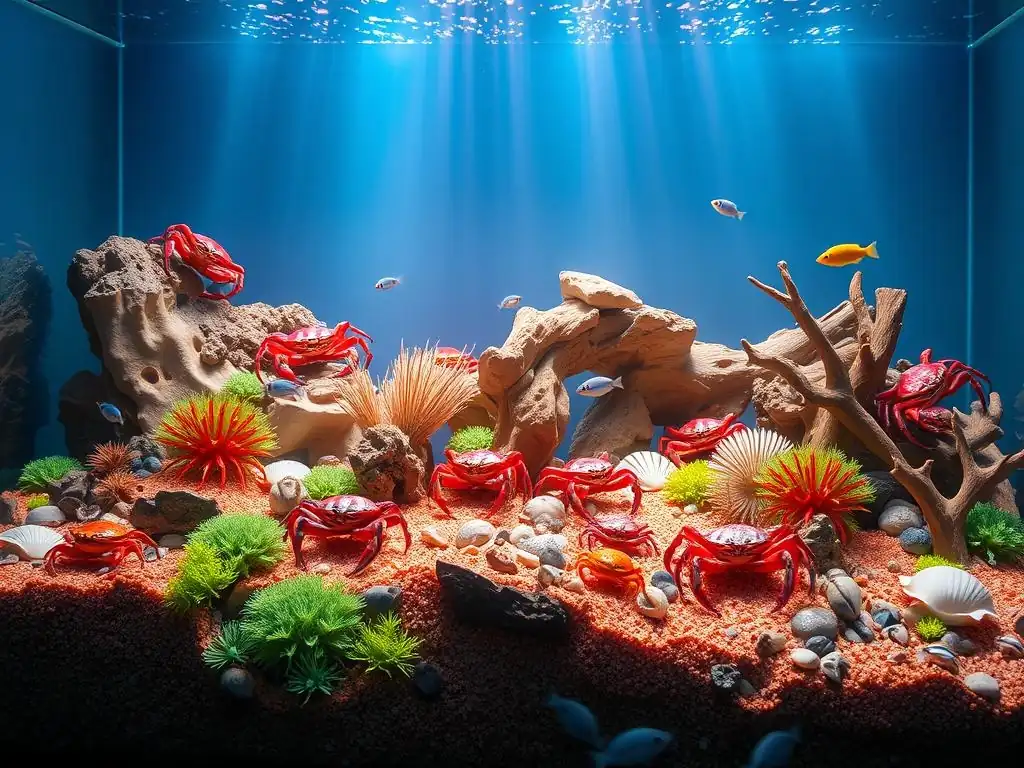
Welcome to Aquarium Mastery! Ever wondered if you're really giving your saltwater crabs the best possible home? Dive in and discover the secrets to creating a thriving, species-specific crabitat! Uncover everything you need to know about Saltwater crab habitat requirements and ensure your crustacean companions flourish. Let's explore the fascinating world of crab care together!
- Understanding Saltwater Crab Habitat Requirements for Thriving Crabs
- Essential Elements of a Saltwater Crab Habitat
- Species-Specific Crabitat Setups: Examples and Recommendations
- Maintaining a Healthy and Thriving Crabitat
- Troubleshooting Common Crabitat Issues
- Advanced Crabitat Design and Aquascaping
-
Frequently Asked Questions
- What are the key habitat requirements for saltwater crabs in a species-specific crabitat?
- How important is water chemistry when creating a saltwater crab crabitat?
- What type of filtration system is recommended for a saltwater crab crabitat?
- What kind of substrate should I use in my saltwater crab crabitat?
- How often should I perform water changes in my saltwater crab crabitat?
- Final Reflection: Nurturing Miniature Ecosystems
- Transform Your Crab's World: Start Building Today!
Understanding Saltwater Crab Habitat Requirements for Thriving Crabs
The Importance of Tailoring Crabitats to Individual Species
Creating a successful crabitat goes far beyond simply adding water and substrate to a tank. Each saltwater crab species, from the tiny Pom Pom Crab to the larger Fiddler Crab, possesses unique physiological and behavioral needs that dictate its ideal environment. Failure to understand and meet these specific saltwater crab habitat requirements can lead to severe stress, stunted growth, susceptibility to diseases, and ultimately, a significantly shortened lifespan for your crustaceans. For instance, a terrestrial hermit crab placed in a fully aquatic setup will drown, while a true marine crab cannot survive in brackish or freshwater conditions.
A generic approach to crab keeping is rarely successful because it overlooks the fundamental differences in how various species interact with their surroundings. By meticulously researching and replicating the natural environment of your chosen crab species, you empower them to exhibit natural behaviors such as burrowing, foraging, and molting successfully. This precise tailoring of the saltwater crab habitat requirements is the cornerstone of responsible and rewarding crab ownership, ensuring not just survival but genuine thriving.
Key Factors Influencing Saltwater Crab Habitat Design
Designing an optimal saltwater crab habitat involves a careful consideration of several interconnected factors that directly impact the animal's well-being. These include the precise water parameters (salinity, temperature, and pH), the type and depth of the substrate, the availability of appropriate hiding places and enrichment, and suitable lighting and temperature regulation. Each of these elements must align with the specific needs of the crab species to create a harmonious and stable living space.
For example, a species native to a sandy lagoon will require a deep, fine sand bed for burrowing, while a crab from a rocky intertidal zone will need abundant rockwork for climbing and shelter. Similarly, the specific gravity and temperature settings must mimic their natural oceanic or brackish environments. Understanding how these factors collectively shape the ideal saltwater crab habitat requirements is crucial for preventing common issues like molting complications, aggression, and general stress in captive crabs.
Essential Elements of a Saltwater Crab Habitat
Substrate Considerations for Optimal Crab Health
Choosing the Right Substrate Depth and Composition
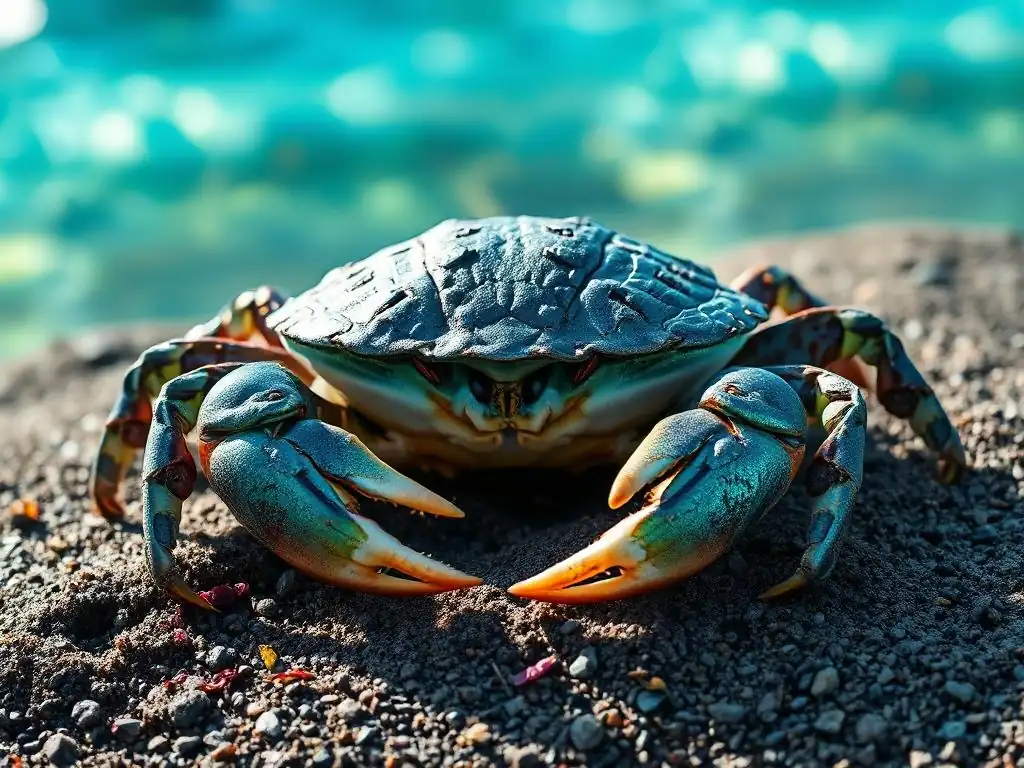
The substrate is far more than just tank decor; it is a critical component of a crab's habitat, essential for burrowing, molting, and overall health. The ideal substrate type and composition should closely mimic the crab's natural environment and be non-abrasive to prevent injury. For many burrowing marine crabs, such as some Pistol Shrimp species or small sand-dwelling crabs, a fine, soft sand bed is paramount, allowing them to dig intricate tunnels and feel secure. Crushed coral or aragonite sand are common choices for marine setups, contributing to stable water chemistry.
The depth of the substrate is equally vital, particularly for species that molt by burying themselves. Many burrowing crabs, including various types of ghost crabs or certain marine hermit crabs, require a substrate depth of at least 4-6 inches (approximately 10-15 cm) to successfully complete their ecdysis (molting process) in a secure, undisturbed environment. Inadequate depth can lead to failed molts, which are often fatal. Ensuring the correct substrate depth and composition is a fundamental aspect of meeting saltwater crab habitat requirements.
Water Parameters: Maintaining Ideal Conditions for Saltwater Crabs
Salinity, Temperature, and pH Level Management
Maintaining precise water parameters is non-negotiable for the health of saltwater crabs. For most true marine crabs, the specific gravity (salinity) should be kept stable between 1.023 and 1.026, which corresponds to natural seawater salinity of approximately 32-35 parts per thousand (ppt). Brackish water crabs, such as Fiddler Crabs, require a lower, often more variable salinity, typically ranging from 1.005 to 1.015. Accurate measurement with a refractometer is essential, as hydrometers can be less precise.
Temperature and pH are equally critical saltwater crab habitat requirements. Most marine crabs thrive in temperatures ranging from 72-78°F (22-26°C), although specific species may have slightly different preferences. Consistent temperature is vital, as rapid fluctuations can cause significant stress. The pH level for marine setups should be stable, generally between 8.1 and 8.4, mirroring natural ocean conditions. Regular monitoring of these parameters using reliable test kits helps prevent common health issues and ensures a stable environment.
Providing Adequate Hiding Places and Enrichment
Rockwork, Caves, and Artificial Decorations
Hiding places are indispensable for saltwater crabs, providing security, reducing stress, and offering a safe haven during vulnerable periods like molting. Natural rockwork, such as live rock in marine setups, is ideal, creating intricate crevices and caves that mimic their natural habitats. Ceramic caves, PVC pipes, and other aquarium-safe artificial decorations can also serve this purpose, provided they are non-toxic and securely placed to prevent collapses that could injure or trap a crab.
Beyond basic hiding, providing environmental enrichment encourages natural behaviors and reduces boredom and aggression. This can include varied textures to explore, structures for climbing (if applicable to the species), and different substrate areas. For instance, some aquatic crabs enjoy climbing on small pieces of driftwood or hardy artificial plants. A stimulating environment that fulfills these saltwater crab habitat requirements contributes significantly to the mental and physical well-being of the crabs, preventing lethargy and promoting activity.
Lighting and Temperature Regulation for Crab Wellbeing
Mimicking Natural Sunlight and Temperature Cycles
While many crabs are nocturnal or crepuscular, appropriate lighting is still important for establishing natural day/night cycles in a crabitat. For most aquatic saltwater crabs, a standard aquarium light set on an 8-10 hour timer is sufficient. Excessive or overly intense lighting can cause stress, encourage nuisance algae growth, and may not be necessary for species that prefer dimmer environments. The light primarily serves to illuminate the tank for viewing and to support any live plants or macroalgae present.
Temperature regulation is paramount for all crabs, regardless of their primary habitat. For aquatic setups, a reliable submersible heater with a thermostat is essential to maintain stable water temperatures within the species' preferred range. For semi-terrestrial or fully terrestrial crabs, ambient room temperature may suffice if consistently warm, but supplemental heating, such as heat lamps or under-tank heating mats, might be required to create a warm spot or maintain overall enclosure temperature, typically between 75-85°F (24-29°C). Consistency in these saltwater crab habitat requirements prevents metabolic stress.
Species-Specific Crabitat Setups: Examples and Recommendations
Setting Up a Fiddler Crab Habitat: Brackish Water and Land Areas
Fiddler Crab Specific Substrate and Humidity Needs
Fiddler Crabs (Uca species) are fascinating semi-terrestrial crustaceans that require a specialized paludarium setup, which integrates both land and brackish water environments. A common recommendation for a small group of 2-3 Fiddler Crabs is a 20-gallon long aquarium, providing ample horizontal space. The tank should be configured with a significant land area, typically occupying 60-70% of the footprint, with the remaining 30-40% dedicated to a shallow brackish water section. This mixed environment is crucial for their survival and natural behaviors, directly addressing their unique saltwater crab habitat requirements.
The brackish water section for Fiddler Crabs should have a specific gravity of 1.005-1.015, maintained at a temperature range of 75-82°F (24-28°C). The land area must be easily accessible from the water, often achieved with a gently sloping ramp or strategically placed rocks. Fiddler Crabs spend a considerable amount of time on land, foraging and displaying their distinctive "fiddling" claw, but they must have constant access to water for hydration and gill maintenance.
Fiddler Crab Specific Substrate and Humidity Needs
For Fiddler Crabs, the land substrate is critical for their burrowing behavior. A fine-grained sand or a mix of sand and coconut fiber, at least 4-6 inches (10-15 cm) deep, is ideal. This substrate must be kept consistently damp, allowing them to dig their characteristic burrows which they use for shelter, molting, and even mating. The dampness also contributes to the overall humidity of the enclosure, which is a vital saltwater crab habitat requirement for their respiratory system.
High humidity, ideally ranging from 70-80%, is paramount for Fiddler Crabs. Their gills require a moist environment to function properly, and low humidity can lead to respiratory distress and molting complications. This can be achieved through regular misting with dechlorinated brackish water or by using a tightly fitting lid to trap moisture. Ensuring adequate humidity, alongside the correct substrate, is non-negotiable for the long-term health and well-being of Fiddler Crabs in captivity.
Creating a Land Hermit Crab Habitat: Land-Based and Shell Selection
Land Hermit Crab Shell Availability and Substrate Depth
Land Hermit Crabs (Coenobita species) are fully terrestrial and require a land-only enclosure, often referred to as a "crabitat." A minimum tank size of 10 gallons is suggested for 2-3 small hermit crabs, though larger tanks (e.g., 20 gallons or more) are highly recommended to provide ample space for growth, foraging, and establishing individual territories. Unlike their aquatic counterparts, these crabs need a warm, humid environment with deep substrate for burrowing and molting.
The substrate for Land Hermit Crabs should be a deep mixture of coconut fiber (such as Eco Earth) and play sand, combined at a ratio that allows it to hold its shape when wet. The depth is crucial: at least 6 inches (15 cm) or three times the height of your largest crab, whichever is greater. This depth allows them to fully bury themselves to de-stress, regulate temperature, and most importantly, successfully molt in private. Maintaining a stable temperature between 75-85°F (24-29°C) and high humidity (70-80%) are essential saltwater crab habitat requirements for these land dwellers.
Land Hermit Crab Shell Availability and Substrate Depth
One of the most critical saltwater crab habitat requirements for Land Hermit Crabs is a continuous supply of appropriate shells. Since they do not grow their own shells, they rely on finding discarded mollusk shells for protection. It is essential to provide multiple natural, unpainted shells of various sizes—typically 1-2 sizes larger than their current shell, along with a few slightly smaller ones—to accommodate growth and offer choice. Popular choices include turbo shells, snail shells, and other round-mouthed shells.
Reiterating the importance of substrate depth, Land Hermit Crabs bury themselves completely when molting. This process can take weeks or even months, during which they are extremely vulnerable. Insufficient substrate depth can prevent a successful molt, often leading to fatal complications. The deep, moist substrate provides the necessary stable environment and humidity for the exoskeleton to harden properly after shedding, making it a foundational element of their care.
Designing a Pom Pom Crab Habitat: Reef Tank Compatibility and Care
Pom Pom Crab Feeding and Water Flow Requirements
The Pom Pom Crab (Lybia tessellata) is a delightful, small, fully aquatic marine crab renowned for carrying tiny anemones on its claws. These crabs are generally peaceful and reach a maximum size of about 1 inch (2.5 cm), making them suitable for nano reef tanks (5-10 gallons for a single specimen) or as inhabitants in larger established reef systems. Their specific saltwater crab habitat requirements align well with typical reef tank conditions, making them a popular choice for reef aquarists.
Standard reef tank water parameters are ideal for Pom Pom Crabs: salinity between 1.024-1.026, temperature ranging from 75-80°F (24-27°C), and a stable pH of 8.1-8.4. They thrive in environments with plenty of live rock, which provides numerous hiding spots and surfaces for foraging. Their diminutive size means they are not typically destructive to corals or other invertebrates, making them excellent reef tank inhabitants, provided their specific needs are met.
Pom Pom Crab Feeding and Water Flow Requirements
Pom Pom Crabs are omnivores, primarily filter feeding on detritus and small microorganisms from the water column or scavenging the substrate. While they often find sufficient food in a mature reef tank, supplemental feeding is beneficial. This can include small pieces of frozen mysis shrimp, brine shrimp, or specialized invertebrate pellets, offered a few times a week. The anemones they carry are not only for defense but also aid in food collection, stinging small particles that float by.
Regarding water flow, Pom Pom Crabs prefer moderate water movement, typical of most reef tank setups. Avoid direct, strong currents that might dislodge them or make it difficult for them to forage. They are sensitive to rapid swings in water parameters, so maintaining consistent water quality through regular testing and stable filtration is paramount. Meeting these precise saltwater crab habitat requirements ensures the longevity and health of these unique marine crustaceans.
Maintaining a Healthy and Thriving Crabitat
Regular Water Changes and Monitoring
The Role of Water Testing in Crab Health
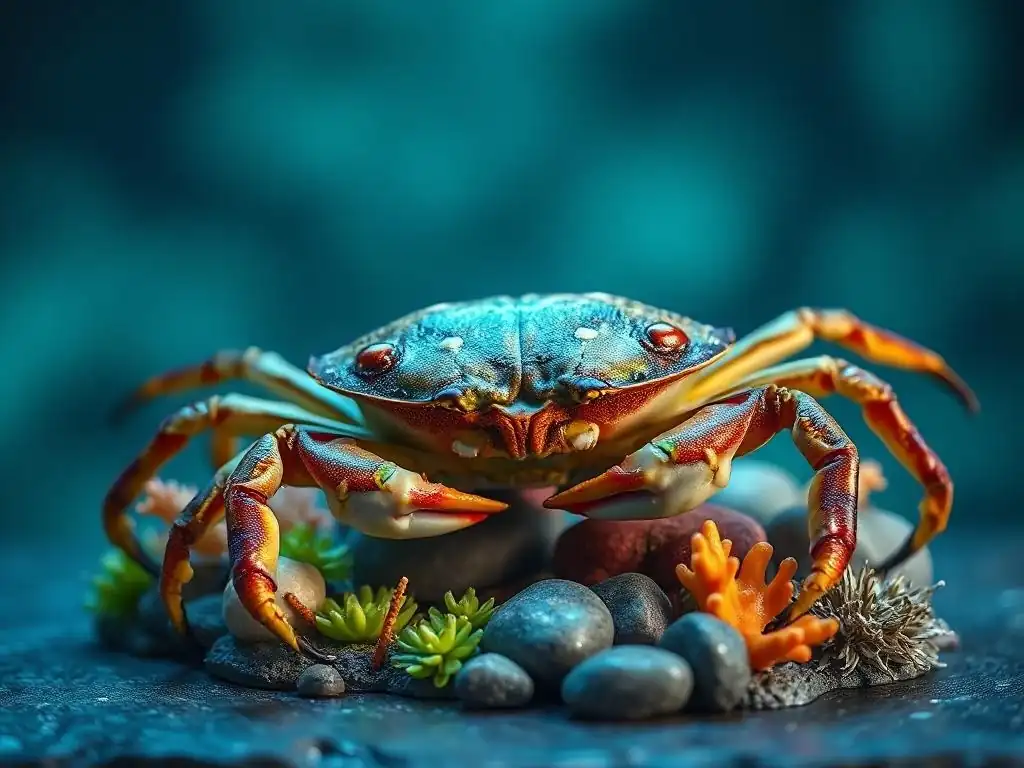
Regular water changes are fundamental for maintaining a healthy aquatic crabitat. For marine setups, performing 10-20% water changes weekly or bi-weekly helps to remove accumulated nitrates, phosphates, and other pollutants, while replenishing essential trace elements vital for shell growth and overall health. For land-based crabitats, while full water changes aren't applicable, consistent misting with dechlorinated water and daily cleaning of freshwater and saltwater dishes are crucial to prevent bacterial buildup and ensure hydration.
Beyond physical water changes, consistent water testing is indispensable for identifying potential problems before they escalate. Key parameters to monitor in saltwater crab tanks include ammonia, nitrite, nitrate, pH, and salinity (specific gravity). For marine crabs, alkalinity, calcium, and magnesium levels should also be regularly checked, as these are vital for molting and shell integrity. Consistent monitoring of these saltwater crab habitat requirements allows for proactive adjustments, preventing stress and disease.
Feeding Your Saltwater Crabs: Nutritional Needs and Diet
Avoiding Overfeeding and Ensuring Balanced Nutrition
Saltwater crabs are opportunistic feeders, and their dietary needs vary significantly by species. A balanced and varied diet is crucial for their long-term health, promoting proper growth and successful molting. For aquatic crabs, a diet often includes high-quality marine pellets, frozen foods like mysis shrimp, brine shrimp, and krill, as well as occasional pieces of blanched vegetables or seaweed. Terrestrial crabs, like land hermit crabs, require a diverse diet of fresh fruits, vegetables, protein sources (e.g., cooked chicken, fish), and calcium-rich foods.
Overfeeding is a common pitfall that can lead to severe water quality issues in aquatic setups, contributing to high nitrate levels and algae blooms. It can also cause digestive problems and obesity in crabs. Food should be offered in small quantities, typically 2-3 times a week, ensuring that all food is consumed within a few hours to prevent spoilage. Providing a diet that meets the specific saltwater crab habitat requirements for nutrition is as important as environmental parameters.
Preventing and Addressing Common Crab Diseases
Quarantine Procedures and Treatment Options
Prevention is the most effective approach to managing crab diseases. This begins with sourcing healthy crabs from reputable suppliers and maintaining pristine water quality and optimal saltwater crab habitat requirements. Common issues in crabs include shell rot (often bacterial or fungal), molting complications, and parasitic infections. Stress, often induced by poor water conditions or an unsuitable environment, is a primary contributor to susceptibility to illness.
Implementing a quarantine procedure for new arrivals is highly recommended. Housing new crabs in a separate, appropriately sized tank for 2-4 weeks allows for observation for any signs of illness, parasites, or unusual behavior, preventing the introduction of pathogens into your main crabitat. If a crab does show signs of disease, identifying the underlying cause—often related to water parameters, diet, or stress—is the first step. Treatment options, which might include medicated baths or adjusting environmental conditions, should be researched carefully and applied cautiously, as many medications are harmful to invertebrates.
Troubleshooting Common Crabitat Issues
Algae Control in Saltwater Crab Tanks
Natural and Chemical Algae Control Methods
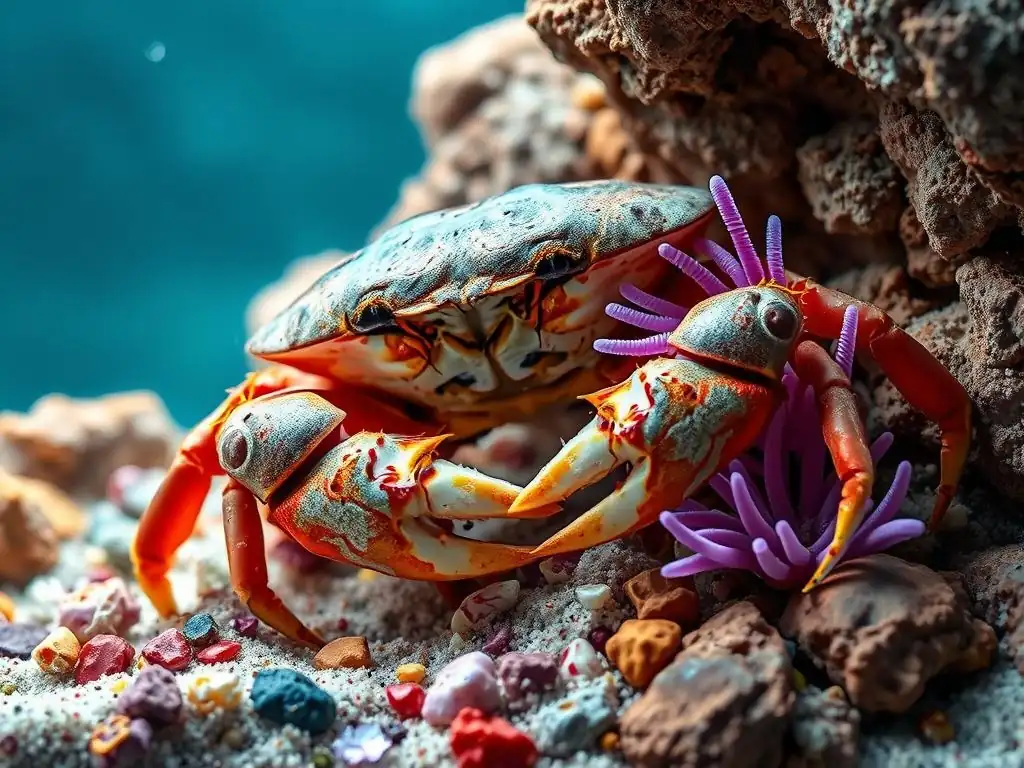
Algae growth is a common issue in many aquatic crabitats, often signaling an imbalance in the tank ecosystem. The primary causes are typically excess nutrients (from overfeeding, insufficient water changes, or decaying organic matter) and excessive lighting duration or intensity. While some algae are natural and beneficial, excessive blooms can be unsightly, compete with other organisms, and indicate poor water quality, impacting the overall saltwater crab habitat requirements.
Effective algae control involves a multi-pronged approach. Reducing the duration of tank lighting (e.g., to 8 hours daily), performing regular water changes, and ensuring proper filtration are fundamental. Natural methods include introducing herbivorous snails (if compatible with your crab species) or specific algae-eating fish in larger setups. Chemical algae control products should be considered a last resort, as many can be harmful to invertebrates and disrupt the delicate biological balance of the crabitat, potentially causing more harm than good.
Dealing with Aggression and Territoriality
Identifying and Addressing Aggressive Behavior
Aggression and territoriality are natural behaviors in many crab species, but they can become problematic in a captive environment if not properly managed. Common triggers include overcrowding, insufficient hiding places, and competition for resources such as food or shells (for hermit crabs). Signs of aggression include chasing, pinching, and active fighting, which can lead to injury or even death for weaker individuals.
Addressing aggressive behavior requires understanding its root cause. Solutions often involve increasing the tank size to provide more individual space, adding numerous hiding spots (caves, rockwork, driftwood) to allow crabs to retreat and feel secure, and ensuring ample food is available at multiple locations to reduce competition. For hermit crabs, providing a diverse selection of appropriately sized shells is crucial. If aggression persists despite these measures, separating the aggressive individual into its own crabitat may be necessary to maintain peaceful saltwater crab habitat requirements for the remaining inhabitants.
Addressing Molting Problems and Ensuring Successful Shedding
Providing Adequate Calcium and Minerals
Molting, or ecdysis, is a critical biological process for all crabs, allowing them to grow by shedding their old exoskeleton. Molting problems, such as incomplete molts or the inability to shed, are often fatal and can stem from various factors, including poor water quality, lack of essential minerals, stress, or an unsuitable environment (e.g., insufficient substrate depth for burrowing species). During molting, crabs are extremely vulnerable as their new shell hardens.
Ensuring adequate levels of calcium and other essential minerals, such as iodine, in the water (for aquatic crabs) or through diet (for terrestrial crabs) is paramount for successful molting. For marine crabs, maintaining stable calcium (380-450 ppm) and alkalinity (8-12 dKH) levels is crucial.
Providing a secure, undisturbed hiding place where the crab can retreat during this vulnerable period is also vital. It is important never to disturb a molting crab or remove its shed exoskeleton immediately, as crabs often consume their old shell to reabsorb valuable calcium and other nutrients, which is a vital part of saltwater crab habitat requirements.
Advanced Crabitat Design and Aquascaping
Integrating Live Plants for a Natural Environment
Choosing Suitable Plants for Saltwater Crab Habitats
Integrating live plants into a crabitat can significantly enhance the environment, offering aesthetic appeal, additional hiding spots, and even contributing to water quality by absorbing nitrates. For freshwater or brackish paludarium setups (like Fiddler Crab habitats), hardy aquatic and semi-aquatic plants such as Java Fern (Microsorum pteropus), Anubias species, and various mosses can thrive. These plants are generally robust enough to withstand potential digging or climbing by crabs.
For true marine crabitats, the options for live plants are primarily limited to macroalgae. Species like Chaetomorpha (Chaeto) and various types of Caulerpa are excellent choices. They not only provide a natural look but also act as biological filters, consuming excess nutrients and promoting a healthier ecosystem. When selecting plants, always ensure they are non-toxic to crabs and compatible with the specific saltwater crab habitat requirements of your chosen species, avoiding plants that might be easily uprooted or consumed if not intended as food.
Utilizing Refugiums for Water Quality and Crab Health
Benefits of Refugiums in Crab Tank Ecosystems
For aquatic saltwater crabitats, particularly larger or more complex setups, incorporating a refugium can be a highly beneficial advanced design element. A refugium is a separate compartment, often integrated into a sump system, designed to house beneficial organisms and macroalgae away from the main display tank's inhabitants. This allows for the undisturbed growth of microfauna like copepods and amphipods, which serve as a natural food source for many crabs and other tank inhabitants.
The primary benefits of a refugium include enhanced natural filtration, as macroalgae within the refugium actively absorb nitrates and phosphates, contributing to superior water quality and stability. It also provides a safe breeding ground for beneficial micro-crustaceans, which can help populate the main display tank with live food. This addition significantly contributes to a more stable, self-sustaining ecosystem, further optimizing the complex saltwater crab habitat requirements for long-term health and vitality.
Automation and Monitoring Systems for Optimal Crab Care
For the dedicated aquarist looking to maximize stability and minimize manual intervention, automation and advanced monitoring systems can be invaluable additions to a crabitat. Automatic Top-Off (ATO) systems are excellent for maintaining consistent salinity in aquatic tanks by automatically replacing evaporated freshwater. Auto-dosers can precisely dispense essential supplements like calcium, alkalinity, or iodine, ensuring stable levels vital for molting and shell health. Smart power strips can automate lighting cycles and control other equipment.
Monitoring systems provide real-time data, allowing for immediate adjustments and proactive problem-solving. Digital thermometers offer precise temperature readings, while pH controllers and salinity probes can continuously monitor these critical parameters, often with alarm functions to alert the owner to deviations. While not strictly necessary for meeting basic saltwater crab habitat requirements, these technological aids offer unparalleled precision and convenience, significantly enhancing the ease and effectiveness of long-term crabitat maintenance.
Frequently Asked Questions
What are the key habitat requirements for saltwater crabs in a species-specific crabitat?
Saltwater crabs require specific salinity levels, substrate types (like sand or rock), and suitable hiding places to feel secure. Each species has unique preferences, so research is crucial.
How important is water chemistry when creating a saltwater crab crabitat?
Maintaining proper water chemistry is absolutely vital. Stable pH, ammonia, nitrite, and nitrate levels are necessary to prevent poisoning and ensure crab survival.
What type of filtration system is recommended for a saltwater crab crabitat?
A robust filtration system is essential to remove waste and maintain water quality. Consider a combination of mechanical, chemical, and biological filtration to effectively purify the water.
What kind of substrate should I use in my saltwater crab crabitat?
The ideal substrate depends on the crab species. Some prefer fine sand for burying, while others need rocks and crevices to climb and hide. Research your chosen species to determine their needs.
How often should I perform water changes in my saltwater crab crabitat?
Regular water changes are crucial for maintaining water quality. Aim for 10-20% water changes every one to two weeks, depending on the size of your crabitat and the number of crabs you have.
Final Reflection: Nurturing Miniature Ecosystems
The journey of understanding and replicating saltwater crab habitat requirements extends far beyond simply filling a tank with water and sand. It's about recognizing the intricate needs of these fascinating creatures and striving to create environments where they can thrive, mirroring the delicate balance of their natural homes. This commitment to species-specific care is not just a trend, but a crucial step towards responsible pet ownership and a deeper appreciation for the biodiversity of our planet.
This dedication to creating optimal crabitats reflects a growing awareness of the interconnectedness of all living things. It underscores the importance of moving beyond superficial care and embracing a holistic approach that prioritizes the well-being of our animal companions. The greatness of a nation and its moral progress can be judged by the way its animals are treated.
- Mahatma Gandhi. This quote resonates deeply, reminding us that our treatment of even the smallest creatures reflects our values and our understanding of our place in the world.
As you consider the information presented in this article, I encourage you to reflect on your own relationship with the natural world. How can you apply these principles of mindful habitat creation to other aspects of your life? Whether you're a seasoned aquarist or just beginning to explore the wonders of saltwater ecosystems, remember that every effort, no matter how small, contributes to a more compassionate and sustainable future for all. Let's continue to learn, adapt, and strive to create environments where all life can flourish.
Transform Your Crab's World: Start Building Today!
Thanks for diving into the world of species-specific crabitats! We hope you’ve gained valuable insights to create the perfect environment for your shelled friend. Now, let’s put that knowledge into action and give your crab the happy, healthy home they deserve.
Here are some actionable steps you can take right now:
- Design and begin assembling your crabitat using the specific substrate depths and humidity levels recommended for your crab species. This is the most important step!
- Research and acquire at least one novel enrichment item not mentioned in the article, such as a specific type of climbing structure or a unique foraging toy.
- Share your crabitat design ideas and photos with other crab enthusiasts on social media using #AquariumMasteryCrabs.
What’s the first element you'll add to your crabitat to make it truly species-specific?