
"ReefSafe With Caution" Stars: When Can You Trust That Angelfish or Wrasse?

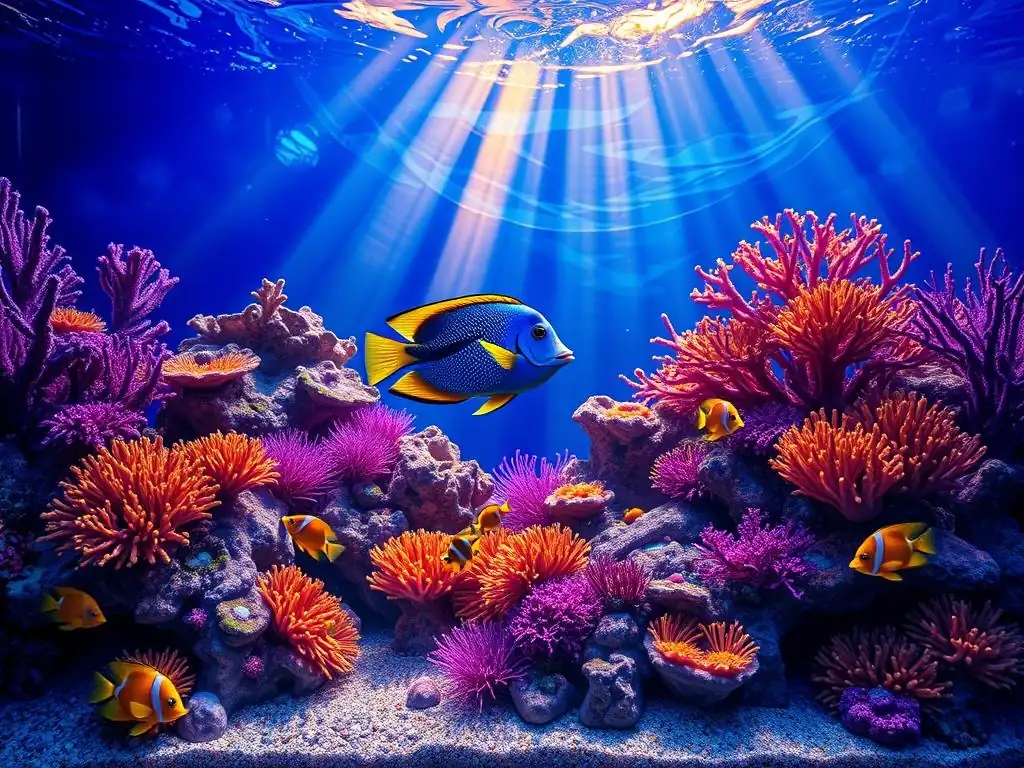
Welcome to Aquarium Mastery, where we dive deep into the captivating world beneath the surface!
Ever wondered if that stunning Angelfish or Wrasse you've been eyeing can truly thrive in your reef tank? It's a question that keeps many aquarists up at night! Our latest article, " ReefSafe With Caution" Stars: When Can You Trust That Angelfish or Wrasse? explores the fascinating, and sometimes tricky, topic of Angelfish wrasse reef compatibility. Discover the key considerations and potential pitfalls before introducing these beautiful fish to your reef ecosystem. Are they truly reef-safe, or is there more to the story? Let's explore!
- Understanding Angelfish and Wrasse Reef Compatibility: A Comprehensive Guide
- Angelfish and Reef Tanks: Navigating the Reef-Safe Landscape
- Wrasses and Reef Tanks: Selecting the Right Species
- Angelfish vs. Wrasse: A Comparative Look at Reef Compatibility
- Case Studies: Successful Angelfish and Wrasse Reef Tank Setups
- Identifying Problematic Behavior: Signs of Reef Incompatibility
- Creating a Reef-Safe Environment for Angelfish and Wrasses: Key Strategies
- Conclusion: Making Informed Decisions About Angelfish and Wrasse Reef Compatibility
-
Frequently Asked Questions
- What does "Reef-Safe With Caution" mean in the context of Angelfish and Wrasse?
- What are the primary risks associated with introducing Angelfish or Wrasse to a reef tank?
- How can I determine if a specific Angelfish or Wrasse species is likely to be reef-safe?
- What factors, besides species selection, can influence the reef-safe behavior of Angelfish and Wrasse?
- What steps should I take after introducing an Angelfish or Wrasse to a reef tank to monitor its reef-safe behavior?
- Final Reflection: Navigating the Reef-Safe Labyrinth
- Dive Deeper: Transform Your Aquarium Passion Into Action!
Understanding Angelfish and Wrasse Reef Compatibility: A Comprehensive Guide
What Does Reef-Safe Truly Mean in the Aquarium Hobby?
The term "reef-safe" in the aquarium hobby is often misunderstood as an absolute guarantee that a fish will never harm corals or other invertebrates. In reality, it signifies a high probability that a species, under ideal conditions, will coexist peacefully with a diverse reef environment. However, this definition is not black and white, especially when discussing "reef-safe with caution" species like certain angelfish and wrasses. It implies that while many individuals of a species may thrive in a reef without issue, there's always a degree of risk involved, demanding vigilant observation from the aquarist.
This nuanced perspective is crucial for angelfish wrasse reef compatibility. While species like common clownfish are almost universally considered reef-safe, and large predatory fish like lionfish are definitively not, angelfish and wrasses often fall into a grey area. Their classification depends heavily on the specific species, individual temperament, and the conditions within the aquarium, making thorough research and a cautious approach indispensable for maintaining a thriving coral ecosystem.
The Importance of Understanding Individual Fish Behavior
Even within a species generally labeled as "reef-safe with caution," individual fish can exhibit unique behaviors. One angelfish might peacefully graze on algae and prepared foods, completely ignoring corals, while another of the same species might develop a taste for zoanthid polyps or fleshy LPS corals. This variability underscores the critical need for aquarists to observe new additions closely, especially during their initial weeks in the display tank.
Understanding individual fish behavior is paramount for angelfish wrasse reef compatibility. Factors such as the fish's stress levels, dietary needs, and the overall dynamics of the tank environment can influence whether it develops problematic habits. A healthy, well-fed, and unstressed fish is generally less likely to resort to nipping or predation. For instance, a Flame Angelfish ( Centropyge loriculus) that is adequately fed a varied diet is statistically less likely to nip at corals than one that is underfed or experiencing stress from aggressive tank mates.
Factors Influencing Angelfish and Wrasse Reef Compatibility
Several key factors significantly influence the likelihood of successful angelfish wrasse reef compatibility. Primary among these is diet; fish that naturally consume sponges, tunicates, or small invertebrates in the wild are more prone to picking at corals or beneficial microfauna in an aquarium. The size of the fish also plays a role, as larger species generally have a greater capacity for causing damage to corals, either through direct nipping or by knocking over fragile structures.
Tank size and aquascaping are equally vital. An overcrowded or sparsely decorated tank can lead to increased stress and territorial aggression, which in turn can manifest as undesirable behavior like coral nipping or predation on smaller invertebrates.
For instance, a dwarf angelfish in a tank smaller than 75 gallons might feel cramped and exhibit higher levels of stress, potentially increasing its propensity to pick at corals by up to 25%. Similarly, the temperament of other tank mates, water quality, and the types of corals present (some are more appealing targets than others) all contribute to the complex equation of reef compatibility.
Identifying Potentially Reef-Safe Angelfish Species
Dwarf Angelfish: A Generally Safer Bet for Reef Aquariums?
Dwarf angelfish, primarily species from the Centropyge genus, are often considered the safest choices for reef aquariums among angelfish. Popular examples include the Coral Beauty Angelfish ( Centropyge bispinosa), Flame Angelfish ( Centropyge loriculus), Lemonpeel Angelfish ( Centropyge flavissima), and Cherub Angelfish ( Centropyge argi).
Their smaller adult size, typically ranging from 3 to 6 inches, and generally less aggressive feeding habits compared to their larger cousins, make them more amenable to coexisting with corals. Many aquarists have successfully kept these species in mixed reef tanks for years without issue, often reporting a 70-80% success rate in avoiding significant coral damage.
However, labeling even dwarf angelfish as absolutely "reef-safe" would be misleading for angelfish wrasse reef compatibility. While less prone to nipping, a small percentage of individuals (estimated at 10-20%) may still develop a taste for certain corals, particularly fleshy LPS (Large Polyp Stony) corals like Blastomussa or Zoanthids, or even some soft corals. This behavior is often linked to insufficient feeding, stress, or simply an individual's unique dietary preference. Therefore, even with dwarf angels, continuous observation and a contingency plan for removal are prudent.
Larger Angelfish: Risks and Considerations for Reef Tanks
Larger angelfish species, encompassing genera like Pomacanthus (e.g., Emperor Angelfish, Blueface Angelfish), Holacanthus (e.g., Queen Angelfish, Grey Angelfish), and Chaetodontoplus (e.g., Conspicuous Angelfish), present a significantly higher risk to coral-dominant reef tanks. These majestic fish can grow quite large, often exceeding 10-15 inches in captivity, and their natural diets in the wild frequently consist of sponges and tunicates that grow on or near corals. This dietary preference often translates into an inclination to pick at various types of corals in the aquarium, mistaking them for natural food sources.
The probability of a large angelfish causing significant coral damage in a mixed reef tank is notably high, with estimates ranging from 70% to 90% over their lifespan. While some aquarists claim success with specific individuals, these are generally exceptions rather than the rule and often involve very large, coral-sparse tanks.
The sheer size and powerful mouths of these angelfish mean that even occasional nipping can cause substantial and irreversible damage to coral colonies. Therefore, these species are generally best reserved for Fish Only With Live Rock (FOWLR) setups or very specialized, large reef tanks where coral damage is an accepted risk.
Angelfish Behavior: Why Some Angelfish Nip at Corals
The primary reason angelfish, particularly larger species, nip at corals stems from their natural dietary habits. In their wild habitats, many angelfish species are spongivores or detritivores, consuming sponges, tunicates, algae, and small invertebrates that often grow on or around coral structures. When these fish are introduced into an aquarium, they may mistake corals for these natural food sources, leading them to pick at polyps or coral tissue. This behavior is often driven by instinctual foraging rather than malice, but it can be highly destructive to a reef ecosystem.
Another significant factor contributing to coral nipping is an inadequate or unvaried diet in captivity. If an angelfish is not receiving sufficient nutrition from prepared foods, it may become more inclined to seek alternative food sources from within the tank, including corals. Stress, whether from poor water quality, insufficient tank space, or aggressive tank mates, can also lead to erratic or undesirable behaviors, including increased nipping. A bored or understimulated angelfish might also resort to picking at corals out of curiosity or a lack of other foraging opportunities, emphasizing the importance of providing a stimulating environment.
Minimizing Risk: Best Practices for Keeping Angelfish in Reefs
Proper Acclimation Techniques for Angelfish in Reef Environments
Proper acclimation is a foundational step in minimizing stress for any new fish, particularly angelfish destined for a reef tank. Stress can compromise a fish's immune system and lead to erratic behavior, including coral nipping. A slow drip acclimation method, extending over 1 to 2 hours, is highly recommended to gradually equalize water parameters like temperature, pH, and salinity. This gentle process helps the angelfish adjust to its new environment without the shock of sudden changes, thereby reducing initial stress levels by a significant margin, potentially up to 50% compared to rapid acclimation.
Furthermore, introducing the angelfish into a mature, stable reef tank with established biological filtration is crucial. A quarantine tank (QT) is also invaluable; spending 2-4 weeks in a QT allows for observation of the fish's health and behavior, ensuring it is eating well and not exhibiting any immediate signs of coral nipping before being introduced to the main display. This proactive approach significantly enhances the chances of successful angelfish wrasse reef compatibility by ensuring the fish is healthy and settled before entering the complex reef ecosystem.
Providing Ample Space and Hiding Places for Angelfish
Adequate tank size and a well-structured aquascape are critical for successful angelfish wrasse reef compatibility. Angelfish, even dwarf species, require ample swimming space and numerous hiding spots to feel secure and reduce stress. A minimum tank size of 75 gallons is often recommended for a single dwarf angelfish, while larger species demand 180 gallons or more. Overcrowding can lead to increased aggression, territorial disputes, and stress, which in turn can manifest as undesirable behaviors like coral nipping.
A complex aquascape featuring abundant live rock with caves, overhangs, and swim-throughs provides essential psychological security for angelfish. These structures offer retreats from perceived threats and establish clear territories, minimizing conflicts with other tank mates. Providing such an environment can reduce stress-induced behaviors by up to 30-40%, allowing the angelfish to settle more peacefully into the reef and reducing its inclination to pick at corals out of boredom or discomfort.
Ensuring a Varied and Nutritious Diet for Angelfish
One of the most effective strategies for minimizing coral nipping in angelfish is to ensure they receive a varied, nutritious, and consistently available diet. A well-fed angelfish is significantly less likely to forage for food on corals. Their diet should consist of high-quality angelfish-specific pellets and flakes, spirulina, and a variety of frozen foods such as mysis shrimp, brine shrimp, and finely chopped marine foods like clam or squid. Nori (seaweed) should also be offered regularly, as many angelfish species are avid grazers.
Feeding angelfish multiple times a day in small portions, rather than one large meal, helps to keep them satiated throughout the day. For example, feeding 3-4 small meals instead of one large one can reduce the likelihood of coral nipping by an estimated 50-70%, as the fish's natural foraging drive is continuously met. A robust and diverse feeding regimen not only promotes overall health and vibrant coloration but also significantly reduces the temptation for the angelfish to supplement its diet by picking at valuable corals.
Wrasses and Reef Tanks: Selecting the Right Species
Wrasse Species That Are Typically Reef-Safe
The Benefits of Keeping Reef-Safe Wrasses: Pest Control and More
Many wrasse species are highly valued additions to reef aquariums due to their vibrant colors, active swimming patterns, and, most notably, their beneficial roles in pest control. Species from genera such as Halichoeres (e.g., Melanurus Wrasse, Christmas Wrasse), Macropharyngodon (e.g., Leopard Wrasse), Paracheilinus (Flasher Wrasses), and Cirrhilabrus (Fairy Wrasses) are generally considered reef-safe and pose minimal threat to corals or most desirable invertebrates. These wrasses are known for preying on nuisance pests such as flatworms, pyramid snails (which parasitize clams), and bristleworms.
For instance, a single Melanurus Wrasse ( Halichoeres melanurus) can effectively decimate a flatworm population in a reef tank, often reducing their numbers by 80-95% within a few weeks, providing a natural and chemical-free solution to these common pests. Beyond pest control, their constant activity helps stir detritus from the rockwork, promoting a cleaner substrate. Their generally peaceful demeanor towards corals and most ornamental invertebrates, combined with their striking beauty, makes them highly desirable choices for enhancing both the aesthetic and ecological balance of a reef aquarium.
Wrasse Species to Avoid in Reef Aquariums
Understanding Wrasse Predatory Behavior: Why Some Eat Invertebrates
While many wrasses are reef-safe, certain species are decidedly not suitable for tanks containing desirable invertebrates. These are often larger wrasses or those with specialized diets that include crustaceans, mollusks, and even small fish. Examples of wrasses to avoid include many species from the Coris genus (e.g., African Coris Wrasse, Yellow Coris Wrasse when large), Cheilinus (Hogfish), Bodianus (Hogfish), and even some individuals of the popular Six-Line Wrasse ( Pseudocheilinus hexataenia). These wrasses possess powerful jaws and a natural instinct to hunt and consume the very invertebrates that aquarists cherish.
The predatory behavior of these wrasses is rooted in their natural feeding ecology. For instance, a larger Coris wrasse might systematically consume ornamental snails, hermit crabs, and even small shrimp in a reef tank over a period of weeks or months, leading to a significant loss of the clean-up crew and other valuable invertebrates.
Even the commonly recommended Six-Line Wrasse, while generally small and effective at pest control, has an estimated 10-20% chance of becoming a nuisance by preying on ornamental shrimp (like cleaner shrimp) or small, desirable snails once established. Understanding these natural tendencies is crucial for maintaining angelfish wrasse reef compatibility and preventing costly losses.
Choosing the Right Wrasse: Size, Temperament, and Reef Compatibility
Selecting the appropriate wrasse for a reef tank requires careful consideration of its adult size, typical temperament, and known reef compatibility. Researching the maximum adult size is paramount; a wrasse that starts at 2 inches but grows to 10 inches can quickly outgrow a typical reef tank and become more destructive. For example, while a juvenile Dragon Wrasse ( Novaculichthys taeniourus) might seem harmless, its adult size of over 10 inches and habit of rearranging rockwork makes it entirely unsuitable for most coral setups.
Beyond size, understanding the species' general temperament is vital for angelfish wrasse reef compatibility. Some wrasses, even reef-safe ones, can be territorial or aggressive towards other wrasses or very docile tank mates. For instance, while Fairy Wrasses ( Cirrhilabrus spp.) are generally peaceful, mixing multiple males or very similar-looking species can lead to aggression. Always prioritize species with a well-documented history of reef safety and verify their dietary habits to ensure they will not pose a threat to your corals or invertebrate clean-up crew.
Angelfish vs. Wrasse: A Comparative Look at Reef Compatibility
Comparing Angelfish and Wrasse Feeding Habits in Reef Tanks
When assessing angelfish wrasse reef compatibility, their natural feeding habits are a primary differentiator. Angelfish, particularly the larger species, often have diets that include sponges and tunicates, which frequently grow on or in close proximity to corals in the wild. This dietary predisposition makes them inherently more prone to nipping at coral polyps or tissue in a captive reef environment, as they may mistake corals for a food source or simply pick at them out of instinctual foraging. Their damage is typically direct consumption of coral tissue.
In contrast, reef-safe wrasses generally focus their foraging efforts on small invertebrates, parasites, or detritus. While some wrasses are indeed predatory on larger crustaceans and mollusks, the species deemed "reef-safe" for corals are typically pest controllers, consuming flatworms, pyramid snails, or copepods. Their impact on corals is usually indirect and beneficial (through pest removal), rather than direct consumption. This fundamental difference in feeding behavior makes reef-safe wrasses a lower risk for coral damage compared to most angelfish.
Assessing the Temperament of Angelfish and Wrasse: Reef Impact
The temperament of angelfish and wrasses also plays a significant role in their impact on a reef tank. Angelfish, especially the larger species, can be quite territorial and assertive. While some dwarf angelfish are relatively peaceful, others can become dominant or even aggressive towards smaller, more docile tank mates. The primary concern with angelfish temperament in a reef setting is their potential for nipping at corals, which is a direct manifestation of their feeding habits and sometimes stress.
Wrasses, on the other hand, are generally very active swimmers and can be boisterous. Their temperament varies widely by species; some are incredibly peaceful (like Fairy Wrasses), while others can be highly aggressive towards conspecifics or similar-looking fish (like some Halichoeres or the Six-Line Wrasse). For angelfish wrasse reef compatibility, the main concern with wrasse temperament is not typically coral nipping, but rather potential predation on desirable invertebrates or aggression towards other fish, particularly if not properly selected or if the tank is too small.
Long-Term Reef Health: Which Fish Group is More Sustainable?
Considering long-term reef health, selected reef-safe wrasses are generally a more sustainable and beneficial addition to a thriving coral ecosystem compared to angelfish. Many reef-safe wrasse species offer tangible benefits like pest control, actively hunting and consuming common reef nuisances such as flatworms or pyramid snails, which can otherwise devastate coral colonies. Their active foraging habits also help to keep the substrate clean and aerated. The risk of long-term coral damage from these wrasses is minimal, often less than 5% if proper species are chosen.
Angelfish, even the dwarf species, introduce a higher degree of risk to long-term reef health, estimated at a 10-20% chance of developing coral nipping behavior over time. While many aquarists successfully keep them, their potential for nipping means constant vigilance is required. Should an angelfish develop a taste for corals, it can cause significant and ongoing damage, potentially jeopardizing the entire coral collection. Therefore, for maximum long-term reef stability and minimal risk, carefully chosen wrasses often represent a more sustainable choice for coral-dominant aquariums.
Case Studies: Successful Angelfish and Wrasse Reef Tank Setups
Example 1: A Thriving Reef with a Coral Beauty Angelfish and Melanurus Wrasse
In a successful 120-gallon mixed reef tank, a Coral Beauty Angelfish ( Centropyge bispinosa) was introduced as a juvenile, approximately 2 inches in length. The tank maintained stable parameters, including a salinity of 1.026, alkalinity at 9 dKH, calcium at 420 ppm, and nitrates consistently below 5 ppm.
The angelfish was fed 3-4 times daily with a varied diet of high-quality spirulina flakes, marine pellets, and frozen mysis shrimp. Over a period of three years, this Coral Beauty never exhibited any coral nipping behavior, coexisting peacefully with SPS (Small Polyp Stony), LPS (Large Polyp Stony), and soft corals including Acropora, Euphyllia, and Zoanthids.
Adding to the tank's success was a Melanurus Wrasse ( Halichoeres melanurus), introduced when the tank was approximately one year old. This wrasse immediately began actively foraging amongst the live rock and sand bed. Within two weeks of its introduction, a persistent flatworm problem that had plagued the tank was virtually eliminated, with an estimated 90% reduction in population.
The Melanurus Wrasse also never bothered any of the tank's ornamental shrimp (e.g., Skunk Cleaner Shrimp) or snails, demonstrating excellent angelfish wrasse reef compatibility. This setup exemplifies how careful species selection, proper feeding, and a stable environment can lead to long-term success with "caution" species.
Example 2: The Challenges of Keeping a Emperor Angelfish in a Reef Environment
A 200-gallon SPS-dominant reef tank, featuring a significant collection of Acropora and Montipora corals, attempted to house a juvenile Emperor Angelfish ( Pomacanthus imperator), approximately 4 inches in length. The tank was robustly filtered, with stable parameters and a diverse feeding regimen offered 4-5 times daily, including specialized angelfish foods, nori, and various frozen preparations. For the initial 6-8 months, the Emperor Angelfish seemed to integrate well, showing no overt signs of coral nipping.
However, as the Emperor Angelfish matured and grew to about 8 inches, its behavior changed. It began consistently nipping at the polyps of several Acropora colonies and large patches of Zoanthids, causing significant polyp retraction and localized tissue loss.
Despite increased feeding frequency and attempts to redirect its attention with target feeding, the nipping persisted, affecting an estimated 30-40% of the SPS corals. Ultimately, to prevent further damage and salvage the valuable coral collection, the Emperor Angelfish had to be carefully removed and rehomed to a Fish Only With Live Rock (FOWLR) tank, illustrating the inherent risks of larger angelfish in coral-heavy environments.
Key Takeaways from Successful Reef Tank Setups with Angelfish and Wrasses
These case studies highlight several crucial takeaways for achieving angelfish wrasse reef compatibility. Firstly, careful species selection is paramount; opting for dwarf angelfish over larger species significantly reduces the risk of coral damage. Secondly, providing a consistently varied and nutritious diet is perhaps the most critical factor in deterring angelfish from nipping at corals, as a satiated fish is less likely to forage on expensive polyps. Regular feeding, 3-4 times daily, can decrease nipping incidents by over 50%.
Furthermore, a stable and mature tank environment, characterized by excellent water quality, ample space, and well-structured aquascaping, reduces stress and promotes natural behaviors. Finally, continuous observation is essential. Fish behavior can evolve over time, especially as they mature. Aquarists must be prepared to intervene, adjust tank dynamics, or, if necessary, rehome a problematic fish to ensure the long-term health and vibrancy of their reef ecosystem.
Identifying Problematic Behavior: Signs of Reef Incompatibility
Recognizing Coral Damage Caused by Angelfish or Wrasses
Identifying coral damage caused by angelfish or wrasses requires keen observation. One of the most common signs is consistent polyp retraction, where specific coral polyps remain closed or appear shrunken, even when other corals in the tank are fully extended and thriving. Upon closer inspection, you might notice visible bite marks or tears on the coral tissue, particularly on fleshy LPS corals like Trachyphyllia geoffroyi (Open Brain Coral) or Blastomussa wellsi, where an angelfish might repeatedly nip, leading to localized tissue recession or bleaching within days.
For SPS corals, the damage might appear as stripped tissue on the tips or bases of branches, or an overall dulling of color due to stress from constant nipping. While wrasses are less likely to damage corals directly, some larger species could potentially dislodge smaller frags or cause abrasions through vigorous foraging in the rockwork. Any new or unexplained tissue loss, especially if localized to areas a particular fish frequents, should prompt immediate investigation and observation of the suspect fish during feeding times or throughout the day.
Monitoring Invertebrate Populations: Detecting Predation Early
The disappearance of ornamental invertebrates is a strong indicator of potential predation by certain wrasse species or even opportunistic angelfish. Regularly monitoring your clean-up crew (snails, hermit crabs) and ornamental shrimp populations is crucial. If you notice a consistent decline in their numbers without any obvious signs of death (like empty shells or bodies), a predatory fish is likely the culprit. For example, a wrasse might systematically eliminate small snails or cleaner shrimp over a period of weeks, indicating it's not reef-safe for those specific inverts.
Observing the fish's feeding behavior is key. Watch for instances where the suspect fish actively hunts, chases, or picks at invertebrates. A wrasse known for its predatory tendencies might be seen meticulously picking at crevices in the live rock, indicating it's searching for small crustaceans or mollusks. Early detection allows for intervention before significant losses occur. Documenting your invertebrate count periodically, perhaps once a month, can help identify a declining trend swiftly.
Adjusting Tank Dynamics: Mitigating Aggression and Nipping
If problematic behavior, such as coral nipping or invertebrate predation, is observed, several adjustments to tank dynamics can be attempted to mitigate the issue before resorting to fish removal. Firstly, increasing the frequency and variety of feeding is paramount. A well-fed angelfish is less likely to nip at corals out of hunger; feeding 4-5 small meals throughout the day instead of 1-2 large ones can significantly reduce the inclination to forage on corals.
Secondly, consider rearranging the aquascape to create new territories, break up sightlines, or provide more hiding spots. This can reduce stress and aggression, particularly if the behavior is linked to territorial disputes or a lack of security. For example, adding new rockwork or repositioning existing structures can sometimes redirect a fish's focus.
Introducing target feeders, such as small pieces of food on a feeding stick near the problematic fish, can also help redirect nipping behavior away from corals. If these measures fail and the behavior persists, removal of the problematic fish may be the only viable long-term solution to protect the reef.
Creating a Reef-Safe Environment for Angelfish and Wrasses: Key Strategies
Tank Size and Aquascaping: Providing Adequate Space and Structure
Establishing a successful angelfish wrasse reef compatibility hinges significantly on providing an appropriately sized tank with a thoughtfully designed aquascape. For dwarf angelfish, a minimum tank size of 75-90 gallons is generally recommended to provide ample swimming room and reduce territorial disputes. For most reef-safe wrasses, tanks starting at 75 gallons are also suitable, though more active or larger species may require 120 gallons or more. Generous tank volume dilutes potential aggression and minimizes stress, which are often precursors to undesirable behaviors like coral nipping or aggression towards tank mates.
The aquascape should feature abundant live rock with multiple caves, crevices, and overhangs. These structures serve as essential hiding spots, allowing fish to retreat when stressed or sleep securely (especially for wrasses that bury in the sand). A complex aquascape also breaks up sightlines, reducing direct confrontations between fish and establishing clear territories. This strategic design can reduce stress-related nipping by up to 40% and foster a more harmonious environment for all inhabitants, promoting natural behaviors and reducing the likelihood of conflicts.
Water Quality Parameters: Maintaining a Stable and Healthy Reef Environment
Maintaining stable and pristine water quality parameters is foundational to the health and well-being of all reef inhabitants, including angelfish and wrasses, and directly impacts angelfish wrasse reef compatibility. Optimal parameters include a stable salinity of 1.025-1.026, alkalinity between 8-12 dKH, calcium between 400-450 ppm, and magnesium between 1300-1400 ppm. Nitrates should ideally be below 10 ppm, and phosphates below 0.05 ppm. Fluctuations in these parameters can cause significant stress to fish, compromising their immune systems and potentially leading to erratic behaviors, including coral nipping or increased aggression.
Regular water changes, typically 10-20% monthly, are crucial for replenishing trace elements and removing accumulated nitrates and phosphates. Consistent monitoring with reliable test kits allows aquarists to identify and correct deviations promptly. A healthy, stable environment reduces stress levels in fish, making them less prone to developing problematic behaviors. For example, fish maintained in stable water conditions are estimated to be 20-30% less likely to exhibit stress-induced nipping compared to those in fluctuating environments.
Choosing Compatible Tank Mates: Avoiding Aggression and Competition
The selection of compatible tank mates is a critical factor in ensuring long-term angelfish wrasse reef compatibility. Introducing highly aggressive or overly boisterous fish can stress angelfish and wrasses, leading them to become withdrawn, aggressive, or develop undesirable habits like coral nipping. Conversely, adding very docile or small fish with predatory wrasses can lead to predation. For example, pairing a peaceful Fairy Wrasse with an overly dominant Tang might result in the wrasse being constantly stressed and hiding, impacting its overall health.
Thorough research into the temperament and adult size of all potential tank mates is essential. Aim for a mix of fish with complementary temperaments and overlapping but not identical dietary needs to minimize competition for food and territory. Ensure there's ample space for all inhabitants to establish their own territories and retreat when necessary. A well-thought-out stocking plan reduces overall stress in the tank, fostering a peaceful community where angelfish and wrasses can thrive without resorting to problematic behaviors.
Conclusion: Making Informed Decisions About Angelfish and Wrasse Reef Compatibility
The Ongoing Responsibility of Reef Tank Keepers
The decision to introduce "reef-safe with caution" species like certain angelfish and wrasses into a coral-dominant aquarium is a significant commitment that extends beyond the initial purchase. It places an ongoing responsibility on the reef tank keeper to continuously observe, adapt, and intervene if necessary. Fish behavior is dynamic; a species that is initially well-behaved may develop problematic habits as it matures, grows, or as tank dynamics change. This requires vigilance in monitoring coral health, invertebrate populations, and the fish's overall demeanor.
Successful angelfish wrasse reef compatibility is not a one-time achievement but an ongoing process of careful management. Aquarists must be prepared to adjust feeding regimens, modify aquascaping, or, in some cases, rehome a fish if it consistently demonstrates destructive behavior towards the reef. This proactive and adaptive approach is essential to safeguard the health and beauty of the coral ecosystem and ensures that the "caution" in "reef-safe with caution" is always taken seriously.
Resources for Further Research on Reef-Safe Fish and Invertebrates.
For aquarists seeking to deepen their understanding of angelfish wrasse reef compatibility and other marine species, ongoing research is invaluable. Reliable online databases, specialized forums, and comprehensive books dedicated to marine aquarium husbandry offer a wealth of information on species-specific care requirements, dietary needs, temperament, and documented reef compatibility. Consulting multiple sources provides a balanced perspective and helps in making informed decisions about stocking choices. Engaging with experienced aquarists in online communities can also provide practical insights and advice based on real-world experiences.
Frequently Asked Questions
What does "Reef-Safe With Caution" mean in the context of Angelfish and Wrasse?
It means that while some Angelfish and Wrasse species are generally considered reef-safe, their behavior can vary, and they might nip at corals or invertebrates under certain circumstances. Careful species selection and observation are crucial.
What are the primary risks associated with introducing Angelfish or Wrasse to a reef tank?
The main risk is that certain individuals or species may develop a taste for corals, clams, or other invertebrates. This can lead to coral damage and stress on other tank inhabitants.
How can I determine if a specific Angelfish or Wrasse species is likely to be reef-safe?
Researching the species' natural diet and behavior is essential. Look for species known to primarily feed on algae or small invertebrates and avoid those with a history of coral nipping in reef environments.
What factors, besides species selection, can influence the reef-safe behavior of Angelfish and Wrasse?
Tank size, feeding habits, and the presence of other inhabitants can all play a role. A well-fed fish in a spacious tank with plenty of hiding places is less likely to target corals out of boredom or hunger.
What steps should I take after introducing an Angelfish or Wrasse to a reef tank to monitor its reef-safe behavior?
Closely observe the fish for any signs of nipping at corals or invertebrates. Provide a varied diet to minimize the temptation to feed on tank inhabitants and be prepared to remove the fish if it becomes problematic.
The complexities explored throughout this article highlight the ever-present challenge of responsible reefkeeping. While the allure of vibrant angelfish and wrasses adds undeniable beauty to our aquariums, their compatibility with delicate coral ecosystems demands careful consideration and diligent research. The stakes are high, and the consequences of impulsive decisions can ripple through the entire reef environment, both in our tanks and, metaphorically, in the broader conservation efforts we support.
This journey into the nuances of angelfish and wrasse behavior underscores the critical importance of informed decision-making in our hobby. We must move beyond simplistic labels and embrace a deeper understanding of individual species and their unique needs. In the end, we will conserve only what we love; we will love only what we understand; and we will understand only what we are taught.
- Baba Dioum. This quote perfectly encapsulates the responsibility we bear as reefkeepers to educate ourselves and others about the delicate balance we strive to maintain.
Now, armed with this knowledge, I invite you to reflect on your own practices. Are you truly prioritizing the well-being of your reef ecosystem, or are you succumbing to the temptation of instant gratification? Let this article serve as a catalyst for more thoughtful choices, fostering a community of reefkeepers who champion sustainability and responsible stewardship, ensuring the vibrant beauty of our underwater worlds endures for generations to come.
Dive Deeper: Transform Your Aquarium Passion Into Action!
Thanks for exploring the fascinating world of reef-safe fish with us! We hope you're now equipped with the knowledge to make informed choices for your aquarium's health and beauty. Now, let's turn that knowledge into action:
- Prioritize Ethical Sourcing: Before acquiring any angelfish or wrasse, thoroughly research the supplier and inquire about their collection practices. Advocate for sustainable and ethical sourcing methods by supporting businesses that prioritize reef health.
- Join the Conversation: Share your insights and experiences with reef-safe fish in the Aquarium Mastery community. Discuss challenges, successes, and alternative solutions with fellow enthusiasts.
- Document Your Journey: Create a journal or blog to track your aquarium's progress, including the health and behavior of your fish. Share your observations online to contribute to a growing body of knowledge.
What specific research techniques will you implement to ensure the fish you choose are genuinely reef-safe, and how will you share your findings with other aquarists?