
Gobies, Blennies, or Dragonets: Which Tiny Titan Rules Your Nano Reef? A Comparison

Welcome to Aquarium Mastery!
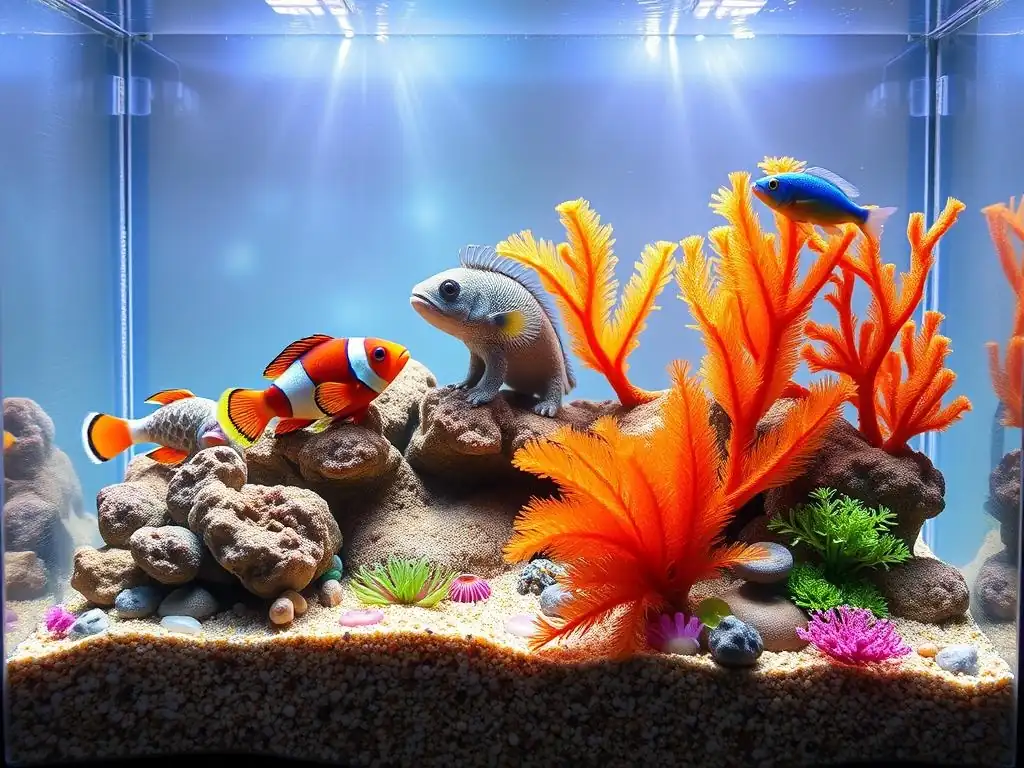
Intrigued by the vibrant personalities of nano reef inhabitants? Dive into our comprehensive guide to discover which tiny titan – goby, blenny, or dragonet – is the perfect ruler for your miniature underwater kingdom. Thinking about adding a nano reef goby? Let's explore the unique needs and captivating behaviors of these small reef residents, and see how they stack up against other popular choices. Ready to unlock the secrets of a thriving nano reef ecosystem? Let the exploration begin!
- Introduction: Choosing the Right Fish for Your Nano Reef
- Nano Reef Goby Care: A Detailed Look
- Blennies in Nano Reefs: The Algae-Eating Experts
- Dragonets: The Elegant Inhabitants of Nano Reefs
- Comparing Gobies, Blennies, and Dragonets for Nano Reefs
- Ideal Nano Reef Conditions for Gobies, Blennies & Dragonets
- Selecting Tank Mates for Nano Reef Gobies, Blennies, and Dragonets
- Addressing Common Issues in Nano Reefs with Small Fish
- Conclusion: Creating a Thriving Nano Reef with Gobies, Blennies, or Dragonets
-
Frequently Asked Questions
- What are the key differences between gobies, blennies, and dragonets for a nano reef?
- Which of these fish types is best suited for a beginner nano reef aquarist focusing on "Nano reef goby care"?
- What are the specific feeding requirements for dragonets in a nano reef, and why is this crucial?
- What are some common health problems affecting gobies, blennies, and dragonets in nano reefs, and how can they be prevented?
- Where can I find more detailed information on "Nano reef goby care" and other aspects of maintaining a healthy nano reef aquarium?
- Final Reflection: The Enduring Appeal of the Nano Reef
- Unveil Your Nano Reef's Superstar!
Introduction: Choosing the Right Fish for Your Nano Reef
The Appeal of Small Fish for Nano Reef Aquariums
Nano reef aquariums, typically defined as tanks under 30 gallons (approximately 113 liters), offer a unique and captivating way to experience the vibrant beauty of marine ecosystems on a smaller scale. The allure of these compact aquatic worlds lies not only in their manageable size but also in the fascinating array of miniature marine life they can host. Small fish species are the cornerstone of a successful nano reef, as they prevent overcrowding, minimize bioload, and allow for a diverse community within limited confines.
These diminutive inhabitants, often just a few inches in length, bring dynamic personality and intricate behaviors to the tank. For instance, a small goby might tirelessly sift sand, while a blenny perches curiously on rockwork, observing its surroundings. Their compact size makes them ideal for tanks ranging from 5 to 20 gallons (19 to 76 liters), where larger fish would quickly outgrow the space or contribute to unsustainable waste levels, thus maintaining the delicate balance crucial for a thriving nano reef environment.
Understanding the Unique Needs of Nano Reef Ecosystems
Nano reef ecosystems, by their very nature, are more susceptible to rapid fluctuations in water parameters than their larger counterparts. A smaller water volume means that changes in temperature, salinity, alkalinity, and nutrient levels can occur quickly, posing a significant challenge to the stability required for delicate marine life. Maintaining consistent parameters is paramount, often necessitating diligent monitoring and precise dosing of supplements.
Furthermore, the limited space in nano reefs requires careful consideration of bioload. Every inhabitant, from fish to corals, contributes to the overall nutrient load. Overstocking, even with small fish, can lead to elevated nitrates and phosphates, which in turn fuel nuisance algae blooms and stress sensitive corals. Therefore, a successful nano reef relies heavily on selecting species with minimal bioload and ensuring a robust filtration system, whether it's a small protein skimmer, refugium, or regular water changes, to maintain pristine water quality.
Why Gobies, Blennies, and Dragonets are Popular Choices
Gobies, blennies, and dragonets stand out as exceptionally popular choices for nano reef aquariums due to their small size, captivating behaviors, and relatively peaceful temperaments. These fish rarely exceed 3-4 inches (7-10 cm) in length, making them perfectly suited for tanks as small as 10 gallons (38 liters) without compromising their well-being or the tank's stability. Their unique personalities—from the sand-sifting diligence of many gobies to the comical perching of blennies and the graceful, deliberate movements of dragonets—add immense character to a miniature reef.
Beyond their aesthetic and behavioral appeal, these groups often fill specific niches within the reef ecosystem. Many gobies are excellent sand sifters, contributing to substrate cleanliness, while certain blennies are voracious algae grazers, helping to control nuisance growth. Dragonets, though more specialized, bring unparalleled beauty. Their compact nature and adaptability to confined spaces, combined with their generally non-aggressive disposition towards other small, peaceful tank mates, solidify their status as top contenders for any well-planned nano reef, making them ideal subjects for focused nano reef goby care discussions.
Nano Reef Goby Care: A Detailed Look
Defining the Goby: Characteristics and Behavior
Gobies represent one of the largest families of marine fish, characterized by their small to medium size, often elongated bodies, and distinctive fused pelvic fins that form a suction cup-like disc. This unique adaptation allows many goby species to firmly anchor themselves to rocks, coral, or even the glass of the aquarium, enabling them to withstand strong currents in their natural habitats. Their behavior is often fascinating to observe; many gobies are benthic, meaning they spend most of their time on or near the substrate, sifting sand, darting between rock crevices, or maintaining burrows.
Their temperament generally ranges from peaceful to semi-aggressive, depending on the species and individual personality. Some gobies are known for their symbiotic relationships, such as the pistol shrimp goby pairs, where the goby acts as a lookout while the shrimp maintains their shared burrow. Others are solitary bottom dwellers. When considering nano reef goby care, it's crucial to understand these inherent behaviors, as they dictate suitable tank setups and potential tank mates. For instance, a sand-sifting goby requires a deep sand bed, while a rock-dwelling species needs ample crevices and caves.
Popular Goby Species for Nano Reefs: Clown Goby, Yellow Watchman Goby, Hector's Goby, Yasha Goby
Several goby species are particularly well-suited for nano reef environments, each offering distinct characteristics. The Clown Goby ( Gobiodon okinawae) is a tiny, vibrant yellow fish, typically reaching only 1.5 inches (3.8 cm). They are known for perching on SPS corals, making them an excellent choice for a coral-focused nano reef. However, they can sometimes nip at coral polyps, so observation is key.
The Yellow Watchman Goby ( Cryptocentrus cinctus) is a larger nano goby, growing up to 4 inches (10 cm), famous for its symbiotic relationship with pistol shrimp. Its striking yellow coloration and watchful eyes make it a popular inhabitant. For optimal nano reef goby care with this species, provide a deep sand bed (at least 3-4 inches) and suitable rockwork for burrowing.
Hector's Goby ( Koumansetta hectori) is a slender, peaceful species reaching about 2 inches (5 cm), known for its distinctive blue and orange stripes. They are excellent sand sifters and are generally very docile.
Lastly, the Yasha Goby ( Stonogobiops yasha) is a truly exquisite and delicate goby, growing to 2.5 inches (6.4 cm), often kept with a pistol shrimp. Its long dorsal fin and striking red and white bands make it a prized possession for experienced nano aquarists who can meet its specific needs for a stable, mature tank and a consistent food supply.
Nano Reef Goby Care Requirements: Tank Size, Water Parameters, Diet
Effective nano reef goby care begins with appropriate tank sizing. While some dwarf gobies can thrive in tanks as small as 5-10 gallons (19-38 liters), most popular species, like the Yellow Watchman Goby, require a minimum of 15-20 gallons (57-76 liters) to allow for sufficient swimming space and territory, especially if housed with a symbiotic shrimp. Water parameters are critical: stable salinity between 1.023-1.026 specific gravity, temperature between 75-80°F (24-27°C), pH 8.1-8.4, and undetectable ammonia/nitrite with low nitrates (<10 ppm) are essential. Regular small water changes, perhaps 10-15% weekly, are recommended to maintain these conditions in a smaller volume.
Dietary needs vary by species. Many gobies are omnivores or carnivores. Sand-sifting gobies like Hector's Goby will graze on small invertebrates and detritus in the sand, but still require supplemental feeding of small, meaty foods.
Yellow Watchman and Yasha Gobies thrive on a diet of small frozen foods such as mysis shrimp, brine shrimp, and finely chopped seafood, often fed multiple times a day. Clown Gobies will accept various prepared foods, including high-quality flakes and pellets, but also appreciate small live foods. Providing a varied diet is crucial for their long-term health and vibrant coloration, underscoring a key aspect of comprehensive nano reef goby care.
Potential Challenges with Gobies: Compatibility, Jumping, Disease
Despite their general suitability for nano reefs, keeping gobies can present a few challenges. Compatibility is a primary concern; while many gobies are peaceful, some can be territorial, especially towards other gobies of the same or similar species. For instance, two Yellow Watchman Gobies may fight in a small tank unless they are a proven mated pair. Aggression can also arise if a goby feels its burrow or territory is threatened by other tank mates. Careful research into specific species' temperaments is vital before introduction.
Another common issue is their propensity to jump. Many gobies, particularly those that are easily startled or new to an environment, are notorious jumpers. A tight-fitting lid or mesh top is an absolute necessity for any nano reef housing gobies, as even a small gap can lead to a tragic loss.
Lastly, like all marine fish, gobies are susceptible to common diseases such as Ich (white spot disease) and marine velvet. Implementing a strict quarantine protocol for all new fish, typically 4-6 weeks in a separate tank, is the most effective preventative measure. Maintaining pristine water quality and a stable environment also significantly boosts their immune system, reducing the likelihood of disease outbreaks and proving crucial for effective nano reef goby care.
Blennies in Nano Reefs: The Algae-Eating Experts
Understanding Blenny Behavior and Temperament
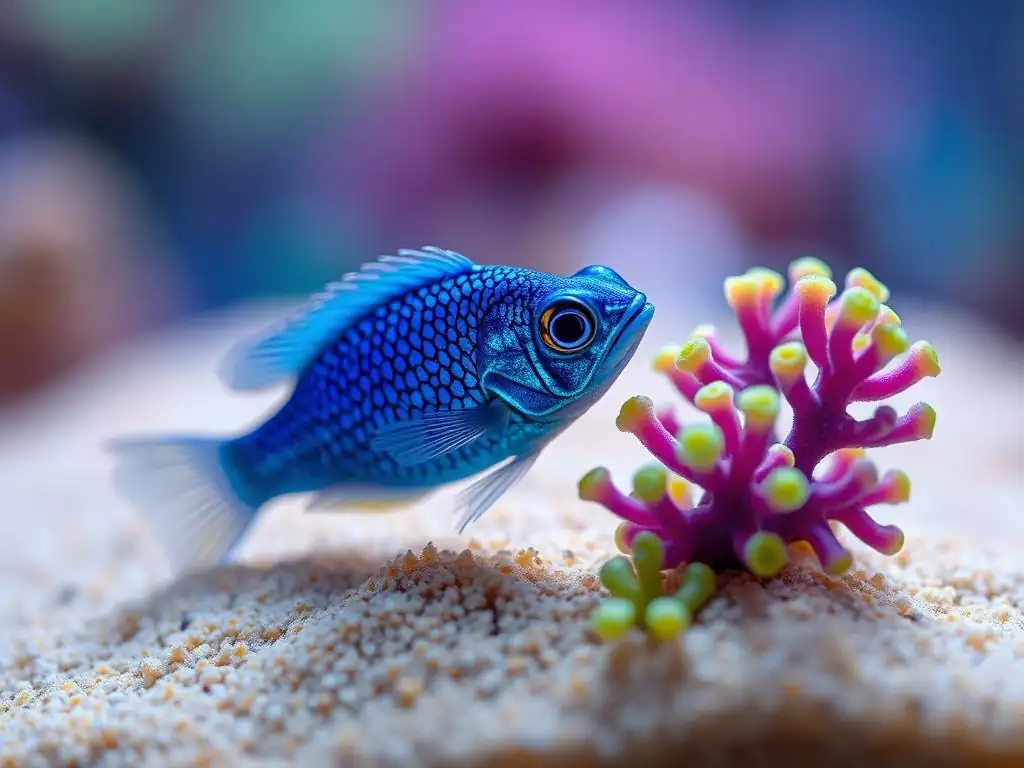
Blennies are a diverse group of fish known for their distinctive personalities, often comical antics, and curious nature. They typically have elongated bodies, large eyes, and unique "eyebrows" (cirri) above their eyes. Unlike gobies, blennies rarely have fused pelvic fins; instead, their pelvic fins are often located far forward on their bodies and are used for propping themselves up on rockwork or substrate. Their behavior is characterized by their perching habits, often resting on rocks, corals, or even the glass, observing their surroundings with an almost human-like curiosity.
Temperament varies widely among blenny species. Many are peaceful grazers, while others can be territorial and aggressive, especially towards conspecifics or fish with similar body shapes. Some blennies are primarily herbivorous, dedicated to grazing on algae, while others are omnivores or even carnivores, feeding on small invertebrates. Understanding these behavioral nuances is essential when selecting a blenny for a nano reef, as their dietary needs and potential for aggression will directly impact tank compatibility and long-term success.
Top Blenny Species for Nano Reef Tanks: Lawnmower Blenny, Bicolor Blenny, Tailspot Blenny, Midas Blenny
Several blenny species are highly recommended for nano reef aquariums due to their size and beneficial habits. The Lawnmower Blenny ( Salarias fasciatus), growing up to 5 inches (12.7 cm), is a superb algae eater, hence its name. While excellent for algae control, it requires a constant supply of filamentous algae and may struggle in very small tanks (under 20 gallons) once the algae supply dwindles, necessitating supplemental feeding.
The Bicolor Blenny ( Ecsenius bicolor) reaches about 4 inches (10 cm) and is known for its striking two-tone coloration, typically blue or green in the front transitioning to orange or brown at the tail. They are generally peaceful but can be territorial towards other blennies. The Tailspot Blenny ( Ecsenius stigmatura) is a much smaller option, usually staying under 2.5 inches (6.4 cm), making it ideal for smaller nano reefs (10+ gallons).
It's a peaceful and hardy species, characterized by a distinct black spot at the base of its tail. Lastly, the Midas Blenny ( Ecsenius midas) is a vibrant yellow blenny that can grow up to 5 inches (12.7 cm). While beautiful, they are more active swimmers and can be more territorial than other Ecsenius species, requiring a slightly larger nano tank (20+ gallons) with ample rockwork for hiding.
Nano Reef Blenny Care: Algae Control, Tank Setup, Feeding
Nano reef blenny care often revolves around their dietary requirements and territorial needs. For herbivorous blennies like the Lawnmower Blenny, a continuous supply of natural algae is paramount. In smaller nano tanks, this natural supply can quickly be depleted, necessitating regular supplementation with high-quality spirulina flakes, dried seaweed (nori) clipped to a rock, or specialized herbivore pellets. It's important to ensure they are actively eating these prepared foods, as starvation is a common cause of loss for these species in algae-sparse tanks.
Tank setup for blennies should prioritize ample rockwork with plenty of crevices, holes, and ledges for perching and hiding. Blennies are not strong swimmers and prefer to dart between safe havens. A minimum tank size of 10 gallons (38 liters) is generally suitable for smaller species like the Tailspot Blenny, while larger blennies like the Lawnmower or Midas Blenny benefit from 20 gallons (76 liters) or more.
Water parameters should be stable and consistent, mirroring those for other marine inhabitants: salinity 1.023-1.026, temperature 75-80°F (24-27°C), and low nitrates. Good water flow is appreciated, but not overly turbulent, allowing them to perch comfortably without being buffeted.
Potential Issues with Blennies: Aggression, Diet Limitations
While generally hardy and beneficial, blennies can present specific challenges in a nano reef. Aggression, particularly intraspecific aggression (between blennies of the same species) or towards fish with similar body shapes, is a common issue. Housing multiple blennies in a single nano tank is generally not recommended unless it's a very large nano (e.g., 30 gallons+) with distinct territories or a proven mated pair. Even then, careful observation is necessary. Some blennies, like the Bicolor, can also nip at corals if their dietary needs are not met or if they mistake coral polyps for algae.
Dietary limitations are another significant concern, especially for obligate herbivores like the Lawnmower Blenny. If the tank does not naturally produce enough algae, these blennies can slowly starve, leading to emaciation and eventual death. Aquarists must be prepared to offer a wide variety of supplemental foods and ensure the blenny accepts them. Unlike many gobies, blennies are generally not jumpers, but a secure lid is always a good precaution for any marine tank. Careful selection and understanding of the specific blenny species' needs are key to avoiding these potential pitfalls.
Dragonets: The Elegant Inhabitants of Nano Reefs
The Allure of Dragonets: Appearance and Behavior
Dragonets are arguably some of the most captivating and aesthetically pleasing fish available to marine aquarists, renowned for their vibrant, intricate patterns and graceful, almost hover-like swimming style. Unlike gobies and blennies that often dart or perch, dragonets move deliberately, using their pectoral fins to "fly" through the water column. Their skin lacks scales, instead being covered in a thick, protective mucus layer, contributing to their unique, smooth appearance.
Their behavior is equally mesmerizing. Dragonets are micro-predators, constantly sifting through live rock and sand in search of copepods and amphipods – tiny crustaceans that form the cornerstone of their natural diet. This continuous foraging behavior is a joy to watch, but it also highlights their highly specialized feeding requirements. Their generally peaceful demeanor, combined with their stunning appearance, makes them a highly sought-after addition to mature nano reefs, provided their specific needs can be met.
Suitable Dragonet Species for Nano Reefs: Mandarin Dragonet (with caution), Scooter Blenny, Ruby Red Dragonet
While incredibly alluring, the selection of dragonets for nano reefs requires significant caution due to their specialized diets. The Mandarin Dragonet ( Synchiropus splendidus) is the most iconic, famous for its psychedelic patterns of blue, orange, and green. While small, reaching about 3 inches (7.6 cm), they are notoriously difficult to keep long-term due to their insatiable appetite for live copepods, making them unsuitable for most standard nano reefs unless the tank is exceptionally mature and heavily populated with microfauna.
The Scooter Blenny ( Synchiropus ocellatus), despite its common name, is a dragonet and a slightly hardier alternative to the Mandarin. It grows to about 3 inches (7.6 cm) and also primarily consumes copepods, but some individuals can be trained to accept frozen foods. The Ruby Red Dragonet ( Synchiropus sycorax) is arguably the best choice for nano reefs among the dragonets.
Reaching only 1.5-2 inches (3.8-5 cm), its smaller size means it requires a smaller population of copepods to sustain itself. Like the Scooter, some Ruby Reds can be trained onto frozen foods, but a robust copepod population remains vital for their long-term health and survival in a nano environment.
Nano Reef Dragonet Care: Pod Population, Feeding Challenges, Tank Maturity
Nano reef dragonet care is overwhelmingly centered on providing a continuous and abundant supply of live copepods. These fish are not typically aggressive feeders and will not compete well for food with faster, more active tank mates. A mature reef tank, ideally established for at least 6-12 months, is crucial.
This extended period allows a healthy, self-sustaining population of copepods and amphipods to develop within the live rock and sand bed. For a single Mandarin or Scooter Blenny, a minimum tank size of 20-30 gallons (76-113 liters) with ample live rock (e.g., 1 lb per gallon) is often recommended to support a sufficient copepod population.
Feeding challenges are the primary reason for dragonet failure in captivity. Even if a dragonet accepts frozen foods like enriched brine shrimp or mysis, these often lack the nutritional completeness of their natural diet, and it can be difficult to ensure the slow-moving dragonet gets enough before faster fish consume it. Many successful aquarists employ refugiums (sumps dedicated to growing macroalgae and cultivating copepods) or regularly dose live copepod cultures into their display tanks to supplement the natural population. Multiple small feedings throughout the day are also often necessary to ensure adequate nutrition.
The Importance of a Mature Reef Tank for Dragonet Survival
The concept of a "mature reef tank" is not merely a suggestion but a critical requirement for the successful long-term survival of most dragonets in a nano reef. A mature tank is one that has been running for many months, often a year or more, and has developed a stable, diverse, and thriving microfauna community. This includes a robust population of copepods, amphipods, and other tiny invertebrates that live within the live rock, sand bed, and even on the glass and overflow. These microscopic organisms are the dragonet's primary food source in the wild.
Without this established, self-sustaining ecosystem, a dragonet will quickly deplete the limited food supply in a new or "clean" nano tank, leading to starvation within weeks or months. Even if a dragonet is observed eating frozen food, it's often not enough to meet its high metabolic demands. Therefore, aquarists considering a dragonet must prioritize creating an environment rich in live food, which naturally takes time to cultivate. This often means foregoing adding a dragonet until the nano reef is well-established, stable, and teeming with visible pods, making it a commitment for experienced aquarists.
Comparing Gobies, Blennies, and Dragonets for Nano Reefs
Size and Tank Compatibility: Finding the Right Fit
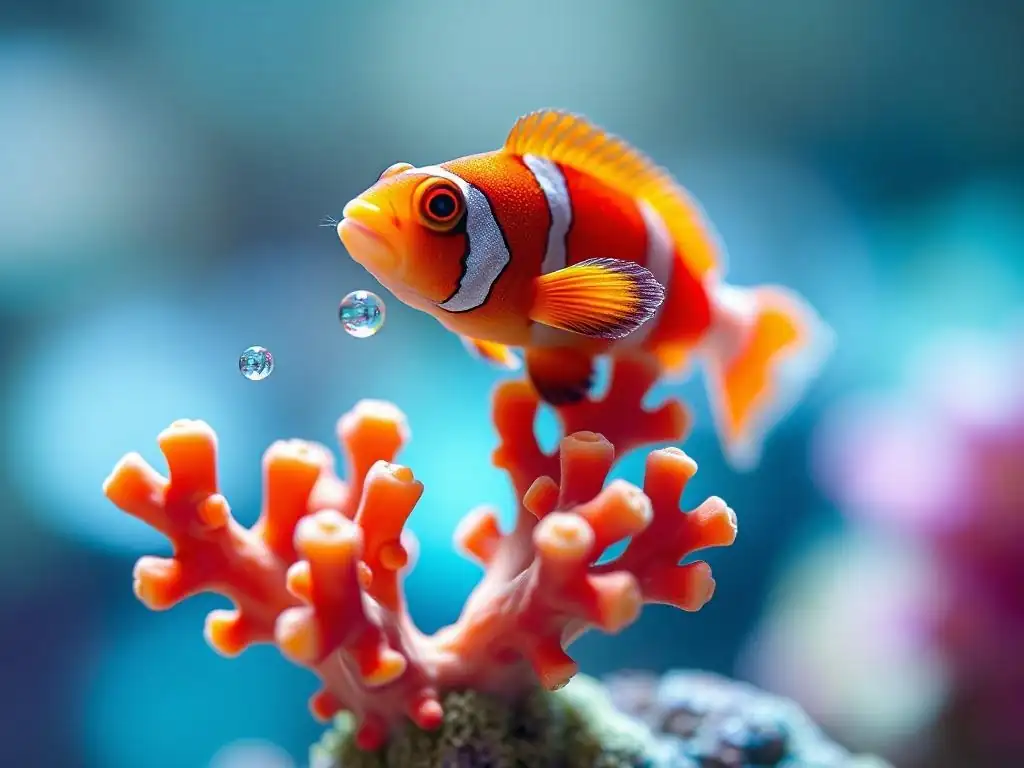
When selecting a "tiny titan" for your nano reef, size and tank compatibility are paramount. Gobies, particularly the smaller species like Clown Gobies (1.5 inches) or Tailspot Blennies (2.5 inches), are excellent choices for tanks as small as 5-10 gallons (19-38 liters). However, larger gobies like the Yellow Watchman (4 inches) or blennies such as the Lawnmower Blenny (5 inches) typically require a minimum of 15-20 gallons (57-76 liters) to thrive, providing adequate swimming space and territory.
Dragonets, while often similarly sized (Mandarin 3 inches, Ruby Red 1.5-2 inches), have unique tank volume requirements not based on swimming space but on the volume of live rock and sand needed to sustain their copepod diet. A Mandarin Dragonet, for instance, is often recommended for a minimum of 20-30 gallons (76-113 liters) with an established refugium or a much larger volume (50+ gallons) without one, purely to support its food source.
Therefore, while all three groups contain small fish, their effective tank size needs vary significantly based on their specific biological requirements, directly impacting successful nano reef goby care and the care of their counterparts.
Diet and Feeding Habits: Addressing Specific Needs
The dietary requirements of gobies, blennies, and dragonets represent one of the most significant differentiating factors. Many gobies are carnivores or omnivores, readily accepting a variety of frozen foods (mysis shrimp, brine shrimp), pellets, and flakes. Sand-sifting gobies also benefit from foraging in a deep sand bed. Their feeding is generally straightforward, making nano reef goby care manageable for most aquarists.
Blennies exhibit more specialized diets. Many, like the Lawnmower Blenny, are primarily herbivorous, requiring a constant supply of algae or supplemental vegetable matter (nori, spirulina). Others, such as the Midas Blenny, are omnivores that consume both algae and meaty foods.
Ensuring a consistent and appropriate food source is crucial for blennies, as algae can be quickly depleted in smaller tanks. Dragonets are the most specialized, being obligate micro-predators that primarily consume live copepods and amphipods. While some individuals can be weaned onto frozen foods, a robust live food supply is generally non-negotiable for their long-term health, posing the greatest feeding challenge for aquarists.
Temperament and Compatibility with Other Inhabitants
The temperament of these "tiny titans" plays a crucial role in successful community tank setups. Most gobies are peaceful, though some can be territorial, especially towards conspecifics or fish that invade their burrow space. For example, a single Yellow Watchman Goby is generally docile, but introducing another of its kind into a small nano reef might lead to aggression. They generally co-exist well with other small, peaceful fish and invertebrates.
Blennies display a wider range of temperaments. Many are peaceful, curious, and amusing, like the Tailspot Blenny. However, some, such as the Bicolor Blenny or Midas Blenny, can exhibit territorial behavior towards other blennies or fish of similar body shapes. They are generally reef-safe, though some herbivorous blennies might occasionally nip at corals if underfed.
Dragonets are universally peaceful and non-aggressive towards other fish. Their primary compatibility concern is not their aggression but their inability to compete for food with faster, more active tank mates, which can lead to starvation. Therefore, they are best housed with other slow, peaceful feeders.
Ease of Care: Beginner vs. Experienced Aquarists
The ease of care varies significantly among these three groups, largely due to their specific feeding and habitat requirements. Gobies are generally considered the easiest to care for, making them suitable for beginner to intermediate nano reef keepers. Their adaptability to various prepared foods and their hardy nature, combined with straightforward nano reef goby care needs, make them a popular first choice. Challenges typically involve preventing jumping and ensuring proper tank mates.
Blennies fall into an intermediate category. While many are hardy, their specific dietary needs (especially for herbivores) and potential for territorial behavior require a more attentive aquarist. Ensuring a continuous supply of algae or diligently providing supplemental vegetable matter can be a hurdle for beginners.
Dragonets are firmly in the realm of experienced aquarists. Their absolute reliance on a thriving live copepod population, the difficulty in training them onto prepared foods, and the necessity of a very mature tank environment make them a significant commitment. Novice aquarists often struggle to provide the specialized conditions necessary for their long-term survival, leading to high mortality rates if not properly researched and prepared for.
Ideal Nano Reef Conditions for Gobies, Blennies & Dragonets
Water Parameters: Maintaining Stability for Optimal Health
Maintaining stable water parameters is the cornerstone of success for any nano reef, and especially critical for the well-being of gobies, blennies, and dragonets. Due to their small water volumes, nano tanks are prone to rapid shifts in chemistry. Consistent salinity between 1.023 and 1.026 specific gravity (or 32-35 ppt) is paramount, as fluctuations can stress fish and corals. Temperature should be kept stable between 75-80°F (24-27°C), ideally with minimal daily swings, which can be achieved with a reliable heater and proper insulation.
The pH should consistently range from 8.1 to 8.4. Alkalinity (dKH 8-12), calcium (400-450 ppm), and magnesium (1250-1350 ppm) are also important, particularly if corals are present, as these parameters support skeletal growth and overall water chemistry stability. Most importantly, ammonia and nitrite must always be undetectable (0 ppm), and nitrates should be kept as low as possible, ideally below 10 ppm, through regular small water changes (e.g., 10-20% weekly) and effective filtration. Consistent monitoring with accurate test kits is essential for proactive nano reef goby care and the health of other inhabitants.
Substrate and Aquascaping: Creating a Natural Habitat
The choice of substrate and the design of the aquascape are vital for providing a natural and comfortable habitat for gobies, blennies, and dragonets. For sand-sifting gobies like the Yellow Watchman or Hector's Goby, a deep sand bed of at least 3-4 inches (7.6-10 cm) is crucial, allowing them to burrow and sift naturally. A fine-grained aragonite sand is preferable to avoid sharp edges that could injure delicate barbels. For blennies and many other gobies that prefer to perch, a varied aquascape with ample live rock is key.
The rockwork should provide numerous caves, crevices, and ledges for hiding, perching, and establishing territories. Consider creating multiple distinct zones within the nano tank to minimize potential aggression between tank mates. Dragonets, too, benefit immensely from complex rock structures that offer abundant surfaces for copepod grazing and hiding spots. The aquascape should be stable and secure, preventing rockslides that could injure fish or damage the tank. Thoughtful planning of the substrate and rock layout will significantly enhance the well-being and natural behaviors of these fish, contributing to overall nano reef goby care and beyond.
Lighting and Flow: Replicating Natural Reef Conditions
Appropriate lighting and water flow are essential for replicating natural reef conditions in a nano aquarium, directly impacting the health of both fish and corals. For fish-only nano reefs, moderate lighting is generally sufficient. However, for mixed reef tanks containing corals, the lighting must be chosen to meet the specific PAR (Photosynthetically Active Radiation) requirements of the corals, which typically means using LED fixtures with adjustable spectrum and intensity. While fish do not directly require specific light spectrums, stable and appropriate lighting cycles (e.g., 10-12 hours on, 12-14 hours off) contribute to their natural circadian rhythms.
Water flow is equally important. Gobies and blennies generally prefer moderate, turbulent flow that mimics their natural reef environments without being overly strong, allowing them to perch comfortably without being constantly buffeted. Powerheads or wavemakers should be positioned to create varied flow patterns throughout the tank, ensuring detritus is suspended for filtration but also providing calmer areas.
Dragonets, being slow movers, prefer more gentle flow areas where they can forage for copepods without being swept away. The goal is to provide enough flow to prevent dead spots and maintain water circulation, but not so much that it stresses the inhabitants, making it a nuanced aspect of nano reef goby care and comprehensive reef management.
Selecting Tank Mates for Nano Reef Gobies, Blennies, and Dragonets
Compatible Fish Species: Peaceful and Non-Aggressive Options
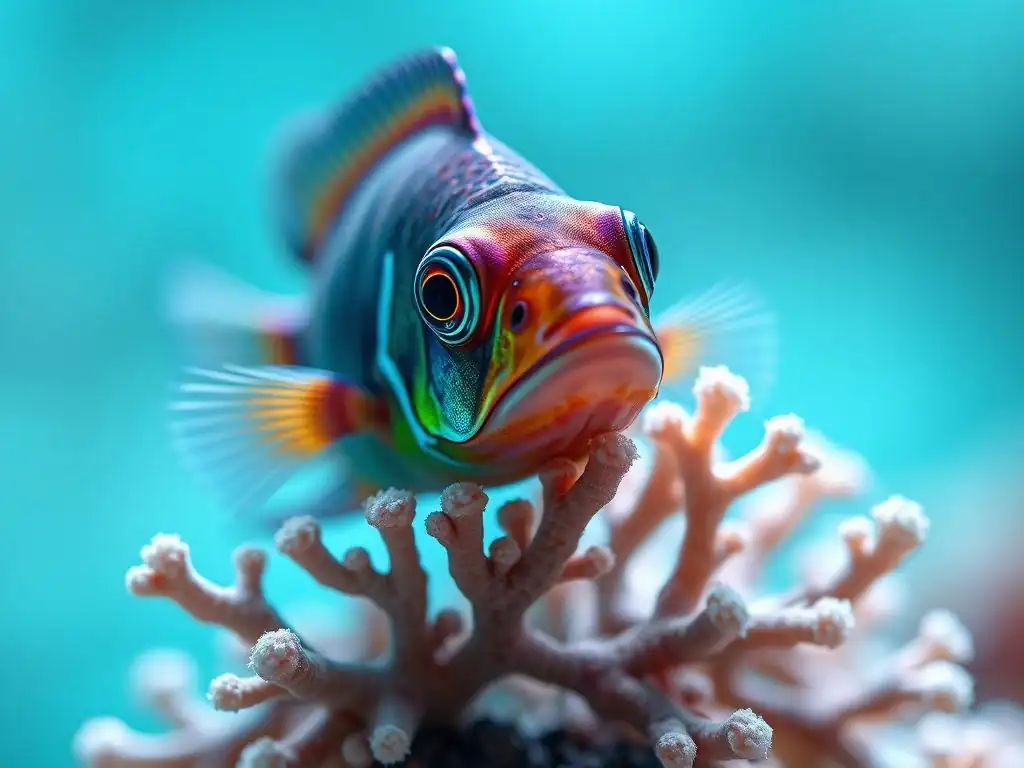
Choosing compatible tank mates is crucial for the harmony and health of a nano reef, especially when housing delicate gobies, blennies, or dragonets. The golden rule is to select peaceful, non-aggressive fish that will not outcompete your primary inhabitants for food or space. Small, docile species are ideal. Good options include certain dwarf gobies (e.g., small species of Trimma or Eviota), which are even smaller than traditional nano gobies, or peaceful cardinalfish like the Banggai Cardinalfish (in a larger nano, 20+ gallons).
Other suitable companions might include small, peaceful wrasses like the Possum Wrasse ( Wetmorella nigropinnata), which also feeds on small invertebrates, or a single peaceful dottyback species, though some dottybacks can be territorial. When considering nano reef goby care, remember that any tank mate should have similar environmental needs and not pose a threat to the goby's territory or food source. Avoid larger, aggressive, or highly active fish that could stress or injure your gobies, blennies, or dragonets, or outcompete them for the often limited food supply in a nano environment.
Invertebrate Companions: Shrimp, Snails, and Crabs
Invertebrates are indispensable companions in a nano reef, contributing to tank cleanliness and adding fascinating behaviors. Many shrimp species are excellent choices:
- Cleaner Shrimp ( Lysmata amboinensis): Peaceful, visually appealing, and perform beneficial cleaning services for fish.
- Peppermint Shrimp ( Lysmata wurdemanni): Known for eating Aiptasia anemones, generally reef-safe.
- Pistol Shrimp ( Alpheus bellulus or Alpheus randalli): Essential for symbiotic goby pairs (e.g., Yellow Watchman Goby), creating shared burrows.
Snails are vital for algae control and detritus consumption. Popular choices include Nassarius Snails (sand sifters), Trochus Snails, Turban Snails, and Nerite Snails (algae grazers). Hermit crabs, such as Blue Leg Hermit Crabs or Scarlet Reef Hermit Crabs, also contribute to the clean-up crew, though they can sometimes harass snails for their shells. When managing nano reef goby care, ensure that any invertebrates chosen are not predatory towards small fish or each other, and that the tank can sustain their population.
Avoiding Problematic Tank Mates: Predatory or Aggressive Fish
To ensure the safety and well-being of your gobies, blennies, and dragonets, it is crucial to avoid problematic tank mates. Any fish that is large enough to swallow your small "tiny titans" should be immediately ruled out. This includes many common reef fish that grow too large for nano tanks, such as larger angelfish, tangs, or triggerfish. Even seemingly small predators like certain lionfish or frogfish, while captivating, will view your gobies as a meal.
Aggressive or highly territorial fish can also be detrimental. Species known for their belligerent nature, such as some damselfish (e.g., three-stripe damselfish), larger dottybacks, or certain clownfish, can relentlessly harass smaller, more peaceful inhabitants, leading to stress, injury, or even death. Furthermore, highly active or fast-swimming fish can outcompete your slower gobies, blennies, and dragonets for food, leading to starvation. Always research the adult size, temperament, and feeding habits of any potential tank mate before introducing it to your nano reef, especially when focusing on delicate nano reef goby care.
Addressing Common Issues in Nano Reefs with Small Fish
Disease Prevention and Treatment: Quarantine Protocols
Disease prevention is paramount in nano reefs, as the small water volume means diseases can spread rapidly and stress levels can escalate quickly. The most effective preventative measure is a strict quarantine protocol for all new fish, including gobies, blennies, and dragonets. A dedicated quarantine tank (QT) of 5-10 gallons, equipped with a heater, sponge filter, and PVC pipes for hiding, should be set up. New fish should remain in the QT for a minimum of 4-6 weeks.
During the quarantine period, observe the fish for any signs of disease (e.g., white spots, velvet, fin rot, abnormal breathing). If diseases appear, treat them in the QT using appropriate medications, never in the display tank, as many medications are harmful to corals and invertebrates.
Even if no disease is observed, a prophylactic freshwater dip (for appropriate species) or a low-dose copper treatment is often recommended by experienced aquarists before introduction to the main display. This rigorous approach significantly reduces the risk of introducing pathogens, ensuring the long-term health of your nano reef fish and simplifying nano reef goby care.
Maintaining Water Quality: Regular Testing and Water Changes
Maintaining pristine water quality is the single most important aspect of a thriving nano reef, especially for small, delicate fish. Regular water testing is non-negotiable. At a minimum, test for salinity, temperature, pH, ammonia, nitrite, and nitrate weekly. If you have corals, also test for alkalinity, calcium, and magnesium. Invest in high-quality test kits or consider professional ICP testing periodically for a comprehensive overview of trace elements.
Consistent and frequent water changes are the most effective method for controlling nutrient buildup and replenishing essential trace elements in a nano tank. For a typical 10-20 gallon nano reef, performing a 10-20% water change weekly is often recommended.
Use high-quality reverse osmosis/deionized (RO/DI) water mixed with a reputable marine salt mix, ensuring the new water matches the tank's temperature and salinity. Consistent water changes, combined with a reliable filtration system (e.g., sponge filter, small protein skimmer, activated carbon, GFO), are fundamental to preventing stress, disease, and nuisance algae, thus ensuring optimal nano reef goby care and overall tank health.
Controlling Algae Growth: Strategies and Solutions
Algae growth is a common issue in all aquariums, but it can quickly become overwhelming in a nano reef due to smaller water volumes and potentially higher nutrient concentrations. Excess nutrients (nitrates and phosphates) are the primary drivers of nuisance algae. Strategies to control algae include:
- Nutrient Export: Regular water changes, effective protein skimming, use of phosphate-removing media (GFO), and cultivating macroalgae in a refugium (if a sump is present) are crucial.
- Light Control: Ensure your lighting schedule is appropriate (10-12 hours maximum) and that light intensity is not excessive for your tank's needs. Algae thrive on light.
- Clean-up Crew: A robust clean-up crew of herbivorous snails (e.g., Trochus, Turbo, Nerite) and hermit crabs can graze on algae. For specific algae types, specialized grazers like the Lawnmower Blenny can be highly effective.
- Source Control: Be mindful of overfeeding, as uneaten food breaks down into nutrients. Use high-quality RO/DI water for top-offs and water changes, as tap water can introduce silicates and phosphates. Thoroughly rinse frozen foods before feeding. By addressing the root causes of algae growth, you can maintain a cleaner, healthier nano reef environment that is more aesthetically pleasing and beneficial for your fish.
Conclusion: Creating a Thriving Nano Reef with Gobies, Blennies, or Dragonets
Recap of Key Considerations for Each Species
Choosing between gobies, blennies, and dragonets for your nano reef involves understanding their distinct needs. Gobies, generally hardy and diverse, offer options from sand-sifters to coral-perchers, with most adapting well to prepared foods. Key nano reef goby care aspects include providing appropriate substrate, preventing jumping, and ensuring peaceful tank mates. They are often the most forgiving for newer aquarists.
Blennies, known for their personality and often algae-grazing habits, require careful consideration of their dietary needs and potential for territoriality. Herbivorous blennies need consistent algae or supplemental vegetable matter. Dragonets, while stunningly beautiful, are the most challenging due to their specialized diet of live copepods, demanding a highly mature tank and often supplemental feeding with live cultures. Their care is best suited for experienced aquarists committed to providing a rich microfauna environment.
Matching the Right Fish to Your Nano Reef's Environment
The ultimate success of your nano reef hinges on matching the chosen fish to the specific environment you can provide. For a beginner with a new 10-gallon tank, a small, hardy goby like a Clown Goby or a Tailspot Blenny, which readily accepts prepared foods, is an excellent starting point. If you have a more established 20-gallon tank with a deep sand bed and are willing to potentially add a symbiotic shrimp, a Yellow Watchman Goby could be a perfect fit, allowing for more in-depth nano reef goby care practices.
For the dedicated aquarist with a highly mature, stable nano reef (20+ gallons, 6-12+ months old) and perhaps even a refugium for copepod cultivation, a Ruby Red Dragonet or even a carefully selected Mandarin Dragonet might be considered. Assess your tank's maturity, your commitment to specific feeding regimens, and your willingness to manage potential compatibility issues. A thriving nano reef is a testament to thoughtful planning and a deep understanding of the needs of its miniature inhabitants.
The Rewards of a Well-Maintained Nano Reef Aquarium
The effort invested in creating and maintaining a well-balanced nano reef aquarium, especially one populated by fascinating gobies, blennies, or dragonets, yields immense rewards. These miniature ecosystems offer a captivating window into the marine world, allowing aquarists to observe intricate behaviors, vibrant colors, and unique symbiotic relationships up close. The satisfaction of witnessing your tiny titans thrive in a stable, healthy environment is unparalleled.
A flourishing nano reef, with its carefully selected inhabitants, becomes a dynamic focal point in any home or office, providing endless hours of enjoyment and education. The knowledge gained from mastering the specific requirements of nano reef goby care, or the specialized needs of blennies and dragonets, contributes to a deeper appreciation for marine biology and the delicate balance of coral reef ecosystems. Ultimately, a well-maintained nano reef is not just a tank of water; it is a vibrant, living piece of art that brings a slice of the ocean's magic into your life.
Frequently Asked Questions
What are the key differences between gobies, blennies, and dragonets for a nano reef?
Gobies are often bottom dwellers that sift sand, blennies are algae eaters, and dragonets require a mature tank with a robust copepod population.
Which of these fish types is best suited for a beginner nano reef aquarist focusing on "Nano reef goby care"?
For beginners, gobies are generally the easiest to care for. They are more adaptable to varying water parameters and readily accept prepared foods.
What are the specific feeding requirements for dragonets in a nano reef, and why is this crucial?
Dragonets primarily eat copepods and other small invertebrates. A mature tank with a thriving population is essential, otherwise they may starve.
What are some common health problems affecting gobies, blennies, and dragonets in nano reefs, and how can they be prevented?
Common issues include ich, velvet, and malnutrition. Prevention involves quarantine, good water quality, and appropriate feeding.
Where can I find more detailed information on "Nano reef goby care" and other aspects of maintaining a healthy nano reef aquarium?
AquariumMastery.com offers comprehensive guides on fish selection, water chemistry, and troubleshooting common issues, including profiles on specific goby species.
Final Reflection: The Enduring Appeal of the Nano Reef
The allure of the nano reef, a miniature ecosystem teeming with life, remains strong, and the choice of its inhabitants is paramount. Understanding the specific needs of gobies, blennies, and dragonets is not just about successful fishkeeping, but about fostering a thriving and sustainable microcosm. The information presented here, focusing on nano reef goby care, is a crucial step in ensuring these tiny titans flourish within the confines of their glass homes, contributing to the beauty and balance of the reef.
The impact of responsible reef keeping extends far beyond the individual aquarium. It's a testament to our ability to appreciate and protect the delicate balance of marine ecosystems, even on a small scale. The choices we make, from selecting the right species to providing appropriate care, reflect our commitment to conservation. In the end, we will conserve only what we love; we will love only what we understand; and we will understand only what we are taught.
- Baba Dioum. This quote serves as a reminder that knowledge is the foundation of responsible stewardship.
Now, armed with a deeper understanding of nano reef goby care, and the nuances of blennies and dragonets, I encourage you to reflect on your own role in the reef keeping community. Consider how you can contribute to the well-being of these fascinating creatures, not just in your own tank, but through sharing your knowledge and advocating for responsible practices. Let's work together to ensure that the vibrant beauty of the nano reef continues to captivate and inspire for generations to come.
Unveil Your Nano Reef's Superstar!
Thanks for exploring the fascinating world of gobies, blennies, and dragonets with us! We hope this comparison has given you some clarity on which tiny titan might be the perfect fit for your nano reef's ecosystem. Now, let's put that knowledge into action:
- Commit to researching the specific needs of your chosen species. Before you bring any new inhabitant home, deep dive into their diet, temperament, and tank requirements to ensure a thriving environment.
- Share your experiences! What challenges have you faced keeping these fish, and how did you overcome them?
- Consider joining an online nano reef community. Discuss your favorite species and learn new tricks from other passionate aquarists.
What's the single most important thing you'll consider before adding a goby, blenny, or dragonet to your nano reef?