
Invertebrate Quarantine: Why It's NonNegotiable for a Healthy Tank

Welcome to Aquarium Mastery!
Curious about keeping your invertebrates thriving and your aquarium ecosystem balanced? You've landed in the right place. Dive into our comprehensive guide to healthy tank invertebrate quarantine and discover why this crucial step is non-negotiable for a vibrant and disease-free aquarium. Learn the secrets to protecting your underwater world – your journey to aquarium mastery starts here!
- Coral Quarantine: Protecting Your Reef Ecosystem
- Understanding the Importance of Coral Quarantine for Reef Health
- Setting Up a Proper Coral Quarantine Tank
- The Coral Quarantine Process: A Step-by-Step Guide
- Common Diseases and Pests Affecting Corals: Quarantine as a Preventative Measure
- Best Practices for a Successful Coral Quarantine
- Troubleshooting Common Coral Quarantine Issues
- Moving Quarantined Corals to Your Main Aquarium: A Safe Transition
- Beyond Quarantine: Maintaining a Healthy Coral Reef
-
Frequently Asked Questions
- How important is quarantining invertebrates before introducing them to my main aquarium?
- What kind of quarantine tank setup do I need for invertebrates?
- How long should I quarantine my new invertebrates?
- What are some common signs of illness or parasites in quarantined invertebrates?
- What do I do if I observe signs of illness during the quarantine period?
- Final Reflection: Protecting the Delicate Balance
- Dive Deeper: Guarantee a Thriving Invertebrate Aquarium!
Coral Quarantine: Protecting Your Reef Ecosystem
Understanding the Importance of Coral Quarantine for Reef Health
Why Quarantine New Corals Before Introducing Them to Your Display Tank?
Introducing new corals directly into an established reef aquarium without a proper quarantine period is akin to playing a high-stakes game of chance with your entire ecosystem. The primary objective of quarantining new corals is to prevent the introduction of unseen pests, parasites, and diseases that can devastate a thriving display tank. Many of these threats, such as microscopic flatworms or dormant bacterial infections, are not immediately visible to the naked eye upon purchase. They can lie in wait, only to emerge and multiply rapidly once introduced to the stable, nutrient-rich environment of your main tank.
The financial and emotional investment in a reef aquarium can be substantial, often running into thousands of dollars for a mature system with diverse corals and fish. A single infested frag, if not quarantined, can introduce pests like Acropora Eating Flatworms (AEFW) or Red Bugs, leading to widespread tissue necrosis or stunting of growth across multiple colonies.
Many experienced hobbyists have reported losing 50-70% of their established SPS (Small Polyp Stony) corals within weeks due to an unchecked pest outbreak stemming from a single non-quarantined addition. This preventative measure is truly non-negotiable for anyone serious about maintaining a healthy tank invertebrate quarantine.
The Risks of Skipping Coral Quarantine: A Recipe for Disaster
Skipping the crucial step of coral quarantine opens your reef aquarium to a multitude of devastating threats that can rapidly transform a vibrant ecosystem into a struggle for survival. One of the most common invaders is Aiptasia anemones, which can reproduce at an alarming rate, outcompeting and stinging corals. A single Aiptasia can release hundreds of larvae, potentially colonizing a significant portion of a 50-gallon tank within a few months, making eradication incredibly challenging. Similarly, Majano anemones, though often smaller, can also rapidly spread and irritate corals.
Beyond anemones, more insidious pests like predatory snails (e.g., Sundial snails that prey on zoanthids) or various types of parasitic flatworms (such as Montipora Eating Nudibranchs or AEFW) pose significant risks. AEFW, for instance, can consume an Acropora colony within days if left unchecked, and their eggs are notoriously difficult to spot.
Bacterial and viral infections, often stress-induced from collection and shipping, can also be introduced, leading to Rapid Tissue Necrosis (RTN) or Slow Tissue Necrosis (STN) that can wipe out entire coral species in a matter of hours or days. A healthy tank invertebrate quarantine is the only reliable defense against these potentially catastrophic introductions.
Setting Up a Proper Coral Quarantine Tank
Quarantine Tank Size and Setup Considerations for Corals
The size and setup of your coral quarantine (QT) tank are crucial for its effectiveness, balancing practicality with the needs of the corals. For most hobbyists adding a few frags or small colonies at a time, a 10 to 20-gallon bare-bottom aquarium is often sufficient. A 10-gallon tank can comfortably house 3-5 small frags, while a 20-gallon long might accommodate 5-10 small to medium-sized corals, allowing for adequate spacing and observation. The bare-bottom design simplifies cleaning and pest detection, as there are no hiding spots for unwanted organisms.
Minimal rockwork, perhaps a single small, inert rock or a frag rack, can be used to elevate corals off the bottom and provide stability, but elaborate aquascaping is unnecessary and counterproductive. The QT tank should ideally be placed in a stable environment, away from direct sunlight or significant temperature fluctuations, and preferably not directly beside or above your main display tank to minimize the risk of accidental cross-contamination via splashes or aerosols. Simplicity and ease of maintenance are paramount for a successful healthy tank invertebrate quarantine.
Essential Equipment for a Coral Quarantine System
A functional coral quarantine system doesn't require a full-blown replicate of your display tank, but it does need specific essential equipment to maintain stable conditions and facilitate observation and treatment. Key components include:
- Heater: A reliable submersible heater (e.g., a 50-watt heater for a 10-gallon tank) to maintain a consistent temperature, typically between 76-78°F (24.4-25.6°C).
- Powerhead/Wavemaker: A small powerhead (rated for 100-200 GPH for a 10-gallon tank) is crucial for providing adequate water movement, preventing detritus buildup, and ensuring gas exchange for coral health.
- Thermometer: An accurate thermometer for daily temperature monitoring.
- Lighting: A basic LED light that provides sufficient PAR (Photosynthetically Active Radiation), typically 50-100 PAR, to support coral survival without promoting excessive growth or algae. High-end lighting is not necessary.
- Refractometer/Hydrometer: For precise salinity measurements, aiming for 1.025-1.026 specific gravity.
- Filtration: A small hang-on-back (HOB) filter with mechanical media (e.g., filter floss) or a simple sponge filter can provide basic mechanical filtration and some biological filtration, though frequent water changes are the primary method of nutrient control in a healthy tank invertebrate quarantine.
Maintaining Optimal Water Quality in Your Quarantine Tank
Maintaining optimal water quality in your coral quarantine tank is just as critical as in your display tank, even though it's a temporary holding system. Stability is the key, as corals are highly sensitive to fluctuating parameters. Focus on keeping temperature, salinity, alkalinity, calcium, and magnesium within acceptable ranges. For instance, aim for a consistent salinity of 1.025-1.026 specific gravity, a temperature of 76-78°F (24.4-25.6°C), alkalinity between 8-10 dKH, calcium at 400-450 ppm, and magnesium at 1300-1400 ppm.
Since QT tanks are typically small and may not have robust biological filtration, frequent small water changes are essential to prevent the buildup of nitrates and other undesirable compounds. Performing a 10-20% water change weekly, or even more frequently if parameters dictate, using freshly mixed, quality saltwater, will help maintain stable conditions. Regularly testing water parameters with reliable test kits is also vital. A healthy tank invertebrate quarantine relies on consistent and pristine water conditions to minimize stress on new arrivals and allow them to recover from shipping and adapt to their new environment.
The Coral Quarantine Process: A Step-by-Step Guide
Step 1: Acclimation of New Corals to the Quarantine Tank
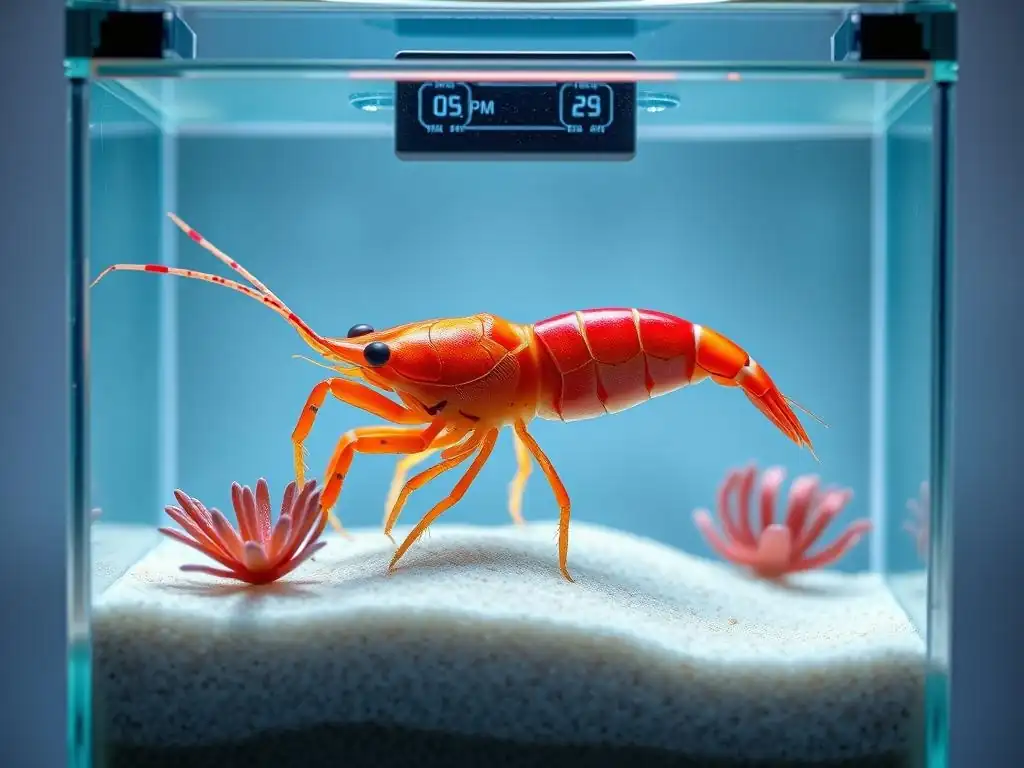
Upon receiving new corals, the initial step involves careful acclimation to the quarantine tank's water parameters. The goal is to slowly equalize the temperature and salinity between the shipping water and the QT water, minimizing stress on the coral. Drip acclimation is often preferred for corals, where a slow drip of QT water is added to the coral's bag or container over 30-60 minutes until the volume has quadrupled, ensuring a gradual parameter shift. Floating the sealed bag in the QT for 15-20 minutes beforehand will acclimate the temperature.
After initial acclimation, but before placing the coral into the QT water, it is highly recommended to perform a preventative dip. Commercial coral dips (e.g., Revive, Coral Rx) are formulated to dislodge or kill common pests like flatworms, predatory snails, and nudibranchs. Follow the product instructions precisely for concentration and duration, typically 5-10 minutes.
During the dip, gently swish the coral or use a turkey baster to dislodge any pests. Visually inspect the coral for any detached organisms, then rinse it in a separate container of clean QT water before carefully placing it onto a frag plug or stable surface in the quarantine tank. This initial dip is a critical component of a healthy tank invertebrate quarantine.
Step 2: Observation and Monitoring During the Coral Quarantine Period
Once new corals are introduced to the quarantine tank, a diligent regimen of observation and monitoring begins. This period is crucial for identifying any latent pests or diseases that may not have been visible initially or dislodged by the initial dip. Daily visual inspections are paramount: examine the corals closely for signs of tissue loss, discoloration, lack of polyp extension, unusual growths, or the presence of any visible pests like flatworms, nudibranchs, or tiny copepods (e.g., Red Bugs). Using a magnifying glass or a strong flashlight can help reveal microscopic threats.
Maintaining a detailed quarantine log is a best practice. This log should include the date of arrival, the specific coral species, any initial observations, the type and duration of any dips performed, daily notes on the coral's health (e.g., "good polyp extension," "some retraction," "white spots observed"), and records of water parameters. This systematic approach allows you to track the coral's progress, identify patterns, and determine if any interventions are necessary. Consistent monitoring is fundamental to a successful healthy tank invertebrate quarantine.
Step 3: Identifying and Treating Common Coral Diseases and Pests in Quarantine
The quarantine period provides a safe, isolated environment to identify and treat common coral ailments without risking the entire display tank. If a coral shows signs of distress or if pests are observed, prompt identification is key. For instance, tiny brown flatworms with two "eyes" might indicate Acropora Eating Flatworms (AEFW), while small red copepods could be Red Bugs. Tissue loss might signal bacterial infection (RTN/STN) or stress.
Treatment strategies vary depending on the identified issue. For AEFW or other flatworms, repeated dips (e.g., every 5-7 days for several weeks) using specialized products are often necessary to break their life cycle, as eggs are resistant to dips. For Red Bugs, specific medications like Interceptor (milbemycin oxime) can be administered in the QT without harming the main tank's biodiversity.
Bacterial infections might warrant targeted antibiotic dips or fragging healthy sections to save the coral. The isolated nature of the QT allows for precise dosing and observation of treatment efficacy, making it an indispensable tool for a healthy tank invertebrate quarantine.
Step 4: Gradual Acclimation to Display Tank Conditions
After the prescribed quarantine period and successful treatment of any issues, the final step before introducing corals to the main display tank is a gradual acclimation to its specific conditions. While the QT water parameters should ideally be kept very close to the display tank's (e.g., within 0.001-0.002 specific gravity for salinity, and 0.5°F for temperature), differences in lighting intensity and flow are common. Display tanks typically have much stronger lighting than QT setups.
To prevent light shock, it's advisable to initially place the newly transferred corals lower in the display tank, or in shaded areas, for the first 1-2 weeks. Over the following weeks, they can be gradually moved to their final desired location, allowing them to adapt to the higher light intensity. Similarly, observe their response to the display tank's flow patterns. If the flow is significantly stronger, place them in areas with moderate flow initially. This careful, gradual transition minimizes stress and ensures the coral's long-term success in its new home, solidifying the benefits of a healthy tank invertebrate quarantine.
Common Diseases and Pests Affecting Corals: Quarantine as a Preventative Measure
Acropora Eating Flatworms (AEFW): Prevention Through Quarantine
Acropora Eating Flatworms ( Prosthiostomum acroporae) are one of the most feared pests in the reefkeeping hobby, specifically targeting Acropora corals. These tiny, brownish-red flatworms camouflage exceptionally well on the coral's tissue, making them incredibly difficult to spot, especially their translucent egg spirals laid in the coral's skeleton. Their damage is insidious: they consume the coral's polyps and tissue, leading to rapid tissue loss and ultimately the death of the colony. A single infestation can wipe out an entire Acropora collection in a matter of weeks.
Quarantine is the most effective preventative measure against AEFW. While initial dips can dislodge adult flatworms, their eggs are dip-resistant. Therefore, a prolonged quarantine period of at least 6-8 weeks is recommended, combined with repeated dips (e.g., every 5-7 days) to target newly hatched worms. During this period, diligent observation for adult worms and manual removal of any visible egg spirals (using a toothbrush or fine tool) are crucial. This systematic approach within a healthy tank invertebrate quarantine breaks the AEFW lifecycle, ensuring no live worms or viable eggs transfer to the display tank.
Red Bugs: Prevention Through Quarantine
Red Bugs ( Tegastes acroporanus) are another common and frustrating pest, primarily affecting SPS corals, particularly Acropora species. These tiny, reddish-orange copepods are typically less than 1mm in size and reside within the coral's branches. While they don't directly consume coral tissue, their presence irritates the coral, leading to retracted polyps, reduced growth, and an overall unhealthy appearance. An infested coral may exhibit poor color and lack the vibrant polyp extension characteristic of healthy specimens.
Quarantine provides the ideal setting for treating Red Bugs without resorting to broad-spectrum medications in the main display tank that could harm beneficial invertebrates. Specific treatments, such as those containing milbemycin oxime (e.g., Interceptor for dogs), can be administered in the QT. Typically, 2-3 doses spaced 5-7 days apart are required to eradicate all life stages of the Red Bugs. The isolated nature of the QT ensures that the medication only affects the intended targets, preserving the delicate balance of the main reef system and reinforcing the value of a healthy tank invertebrate quarantine.
Rapid Tissue Necrosis (RTN) & Slow Tissue Necrosis (STN): Recognizing and Treating During Quarantine
Rapid Tissue Necrosis (RTN) and Slow Tissue Necrosis (STN) are devastating conditions that cause coral tissue to die off, often leaving behind a stark white skeleton. RTN is characterized by an extremely fast progression, stripping tissue from a coral in a matter of hours or overnight. STN is similar but progresses much more slowly, taking days or even weeks. Both can be triggered by various factors, including bacterial infections, extreme stress (e.g., shipping, parameter swings), or physical damage.
Quarantine offers a critical window for recognizing these conditions early and attempting intervention. If a coral begins to RTN or STN in the QT, it can be immediately isolated further, or removed for targeted treatment without risking spread to other corals.
Treatments may include dipping the affected coral in an iodine solution, a broad-spectrum antibiotic dip, or, in severe cases, fragging healthy sections of the coral to save them before the necrosis spreads. The controlled environment of a healthy tank invertebrate quarantine allows for focused observation and immediate action, significantly increasing the chances of saving the coral and preventing any potential pathogen from entering the main system.
Best Practices for a Successful Coral Quarantine
Choosing Healthy Corals for Purchase [Guidance on selecting healthy specimens]
The success of your coral quarantine process begins even before you set up the QT tank: it starts with selecting healthy specimens for purchase. While quarantine is designed to mitigate risks, starting with a visibly healthy coral significantly improves its chances of survival and reduces the likelihood of introducing severe issues. When purchasing, meticulously inspect the coral for any visible signs of distress, pests, or disease. Look for full polyp extension, vibrant and consistent coloration (avoiding pale or bleached areas), and intact tissue with no signs of recession or lesions.
Avoid corals with obvious white spots, brown jelly disease, or visible flatworms or nudibranchs on their base or tissue. Ask the vendor about their sourcing practices and if they perform any in-house quarantine or dipping. Reputable vendors often have healthier stock. While some pests are microscopic, a thorough visual inspection is your first line of defense. Choosing robust specimens minimizes the stress they experience during shipping and acclimation, contributing to a smoother and more effective healthy tank invertebrate quarantine.
Maintaining a Quarantine Log: Tracking Coral Health and Treatments
A meticulous quarantine log is an invaluable tool for a successful coral quarantine. This log serves as a detailed record of each coral's journey through the QT, enabling you to track its health, monitor for changes, and document any treatments administered. Essential information to record includes:
- Date of arrival and coral identification: Specific species, source, and a unique identifier if you have multiple corals.
- Initial observations: Note any existing damage, unusual colors, or visible pests.
- Water parameters: Daily or weekly readings for temperature, salinity, alkalinity, calcium, and magnesium.
- Dips and treatments: Date, time, type of dip/medication used, concentration, duration, and observed effects.
- Daily health status: Simple notes on polyp extension, color, growth, or any signs of stress or illness.
This systematic documentation helps you identify patterns, understand what treatments are effective, and determine when a coral is truly ready to move to the main display. For example, if you're treating for AEFW, the log helps you track the 6-8 week period and the timing of multiple dips necessary to break the lifecycle. A well-maintained log is a cornerstone of a rigorous and healthy tank invertebrate quarantine protocol.
Length of Quarantine: How Long Should Corals Be Quarantined?
The ideal length of coral quarantine is a frequently debated topic, but generally, a minimum of 4-8 weeks is recommended, with some experienced aquarists extending it to 12 weeks or more for certain species or suspected issues. The duration is primarily dictated by the life cycles of the most common and persistent pests.
For instance, Acropora Eating Flatworms (AEFW) have a protracted lifecycle, with eggs taking approximately 10-14 days to hatch, and the worms reaching maturity in another 2-3 weeks. To ensure all life stages are eradicated, multiple dips spread over several weeks are required, necessitating a longer quarantine period.
For common issues like Aiptasia or Majano anemones, a 4-6 week observation period is often sufficient to see new recruits. For Red Bugs, a targeted treatment regimen over 2-3 weeks, followed by a period of observation, is effective. The longer the quarantine, the higher the probability of detecting and eradicating all potential threats. It's always better to err on the side of caution. Rushing the process can negate the entire purpose of a healthy tank invertebrate quarantine, putting your main display at risk.
Troubleshooting Common Coral Quarantine Issues
Dealing with Stress in Quarantined Corals
It's not uncommon for newly acquired corals to exhibit signs of stress during the quarantine period. Symptoms can include retracted polyps, paleness or browning of tissue, or even slight tissue recession. This stress is often a result of the trauma of collection, shipping, and acclimation to a new environment with potentially different water parameters, flow, or lighting. The first step in addressing stress is to ensure that your quarantine tank's water parameters are stable and within optimal ranges (temperature 76-78°F, salinity 1.025-1.026, stable alkalinity, calcium, and magnesium).
Also, consider the lighting and flow. If the QT light is significantly different from what the coral was previously exposed to, start with lower intensity or place the coral in a shaded area, gradually increasing light exposure over days. Ensure adequate but not excessive flow; too much or too little flow can stress corals. If parameters are stable and light/flow are appropriate, the coral may simply need time to recover. Persistent stress despite optimal conditions should prompt a closer inspection for subtle signs of pests or bacterial issues, reinforcing the need for a healthy tank invertebrate quarantine.
Addressing Water Quality Problems in the Quarantine Tank
Due to their smaller volume and often simpler filtration, quarantine tanks can be more susceptible to rapid shifts in water quality parameters. Common issues include ammonia or nitrite spikes (especially if a coral dies or if too much food is introduced), and fluctuations in alkalinity, calcium, or magnesium. An ammonia spike, even a minor one, can quickly stress or kill a coral. Regular testing is crucial to catch these problems early.
The primary solution for maintaining pristine water quality in a QT is frequent, small water changes. Performing a 10% daily water change for the first week, then transitioning to 20-30% weekly, can effectively dilute pollutants and replenish essential elements. Avoid overfeeding corals in the QT, as uneaten food quickly breaks down into undesirable compounds. If you're using a simple HOB filter, ensure the mechanical media (e.g., filter floss) is changed frequently, perhaps every 2-3 days, to export trapped detritus. These proactive measures are fundamental for a healthy tank invertebrate quarantine.
What to Do if Your Coral Shows Signs of Illness During Quarantine
If a coral in your quarantine tank develops signs of illness, such as brown jelly disease, rapid tissue necrosis (RTN), or inexplicable tissue loss, immediate action is required. First, try to identify the specific issue. Brown jelly disease, for instance, appears as a slimy, brownish-red goo and is highly contagious and lethal. RTN is characterized by swift tissue sloughing. Isolate the affected coral further if possible, perhaps by placing it in a separate container within the QT water to prevent any potential spread, even if the risk is low.
Depending on the diagnosis, apply targeted treatment. For brown jelly, immediately remove the coral, and if possible, cut off the affected area with a sterile blade, then perform an iodine dip or a freshwater dip for a very short duration (e.g., 30-60 seconds) to dislodge the protozoa. For RTN, sometimes a strong iodine dip or a targeted antibiotic dip can help, or fragging healthy sections of the coral might be the only way to save part of it.
Always research the specific treatment for the identified illness and monitor the coral closely. The QT's isolation makes it the perfect environment for these critical interventions, solidifying the purpose of a healthy tank invertebrate quarantine.
Moving Quarantined Corals to Your Main Aquarium: A Safe Transition
The Final Acclimation Process Before Introduction to the Display Tank
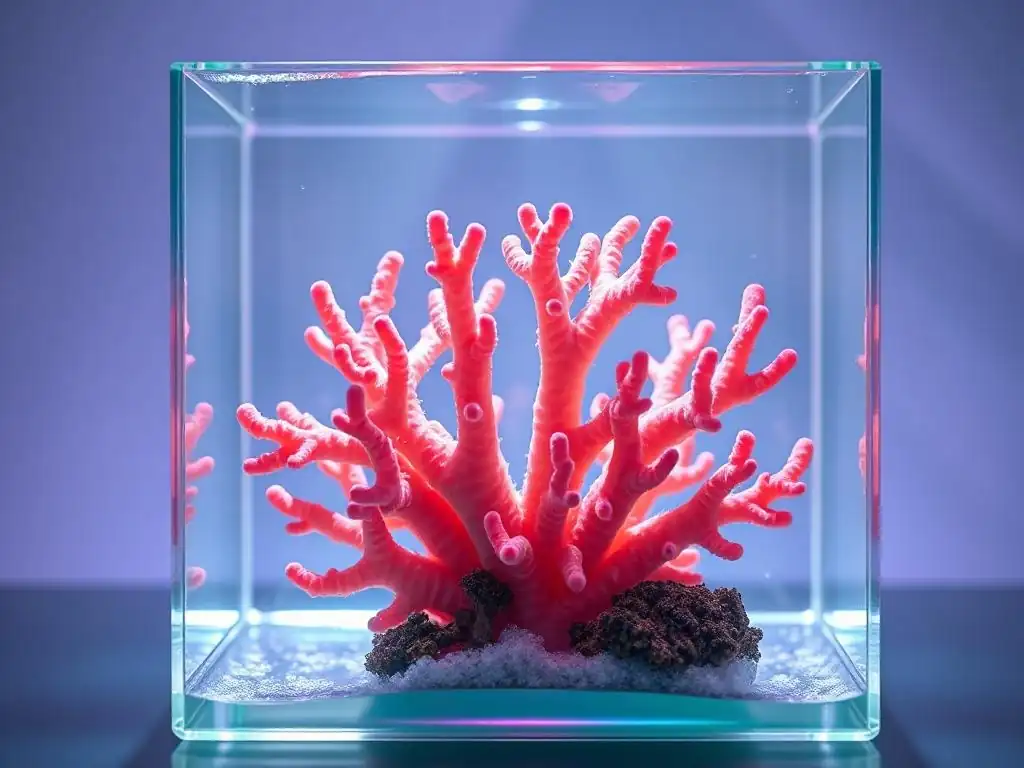
After weeks of diligent quarantine, observation, and any necessary treatments, your corals are finally ready for their new home in the main display tank. However, a final acclimation process is crucial to ensure a smooth transition and minimize stress. The primary goal is to ensure the quarantine tank's water parameters precisely match those of the display tank. Before transfer, conduct one last comprehensive test of salinity, temperature, alkalinity, calcium, and magnesium in both tanks. If there are any slight discrepancies, adjust the QT parameters to match the display tank over a day or two.
Beyond water chemistry, light acclimation is paramount. Display tanks typically have much more intense lighting than QT setups. To prevent light shock, place the newly transferred corals lower in the display tank, or in shaded areas, for the first 1-2 weeks.
Gradually move them higher or into brighter spots over the subsequent weeks, allowing them to slowly adapt to the increased light intensity. Similarly, observe their response to the display tank's flow patterns and position them in areas with moderate flow initially if the main tank's flow is significantly stronger. This careful, gradual transition is the final step in a successful healthy tank invertebrate quarantine.
Post-Quarantine Observation: Monitoring for Delayed Symptoms
While a thorough quarantine significantly reduces the risk of introducing pests and diseases, vigilance doesn't end once corals are transferred to the main display tank. Some pests or diseases can have extended incubation periods, or they might only manifest under the new stressors of the main tank environment (e.g., different water parameters, competition from other corals, new fish). Therefore, diligent post-quarantine observation is essential for several weeks after introduction.
Regularly inspect the newly added corals, as well as their immediate neighbors, for any signs of distress, tissue loss, unusual coloration, or the emergence of any previously unseen pests. Pay close attention to polyp extension and overall vigor. If any suspicious symptoms appear, be prepared to act quickly: identify the problem, and if necessary, consider re-isolating the affected coral in the QT for targeted treatment. This continued monitoring is a vital component of long-term reef health, ensuring that the substantial effort put into a healthy tank invertebrate quarantine truly pays off.
Beyond Quarantine: Maintaining a Healthy Coral Reef
Proactive Measures for Long-Term Coral Health in Your Aquarium
Maintaining a healthy coral reef extends far beyond the initial quarantine period. It requires a continuous commitment to proactive measures that ensure a stable and thriving environment. The cornerstone of long-term coral health is maintaining consistent water parameters: stable salinity (1.025-1.026 SG), temperature (76-78°F), alkalinity (8-10 dKH), calcium (400-450 ppm), and magnesium (1300-1400 ppm). Regular, consistent water changes, such as weekly 10-15% changes, are often more beneficial than large, infrequent ones, as they help replenish trace elements and dilute accumulating nitrates and phosphates.
Beyond parameters, proper husbandry includes regular filter maintenance (e.g., changing filter socks every few days, cleaning skimmer cups daily/weekly), appropriate feeding of corals and fish, and avoiding overstocking the tank. Providing adequate and stable lighting and flow tailored to the specific coral species in your tank is also critical. Proactive monitoring of your corals' health, looking for subtle changes in color, polyp extension, or growth, allows for early intervention before minor issues escalate. These ongoing efforts complement the initial healthy tank invertebrate quarantine, ensuring a resilient and vibrant reef.
Understanding Coral Compatibility and Placement
A crucial aspect of long-term coral health in a mixed reef aquarium is understanding coral compatibility and strategic placement. Not all corals coexist peacefully, and ignoring their natural behaviors can lead to chemical warfare or physical stinging that degrades coral health. Many LPS (Large Polyp Stony) corals, such as Euphyllia species (e.g., Hammers, Torches, Frogspawns), possess long, potent sweeper tentacles that extend at night to sting neighboring corals, potentially causing tissue necrosis. Ensuring adequate spacing, often 4-6 inches or more depending on the species, between aggressive LPS and other corals is essential.
SPS corals, while generally less aggressive with stinging, can engage in chemical warfare, releasing allelopathic compounds that inhibit the growth or health of other corals. Proper flow helps dilute these compounds. Furthermore, each coral species has specific requirements for light intensity and water flow. Placing high-light, high-flow Acropora next to low-light, low-flow Zoanthids will inevitably stress one or both. Researching the specific needs and aggression levels of each coral before placement is vital for creating a harmonious and healthy reef ecosystem, thereby maximizing the benefits derived from a rigorous healthy tank invertebrate quarantine process.
Frequently Asked Questions
How important is quarantining invertebrates before introducing them to my main aquarium?
Quarantining invertebrates is absolutely essential. It allows you to observe them for signs of disease or parasites and prevent these issues from spreading to your established tank. Think of it as an insurance policy for your existing ecosystem.
What kind of quarantine tank setup do I need for invertebrates?
A basic quarantine tank should mimic the conditions of your main tank, including appropriate water parameters, filtration, and temperature. The size depends on the size and number of invertebrates you're quarantining, but a small, separate tank is generally sufficient.
How long should I quarantine my new invertebrates?
A quarantine period of at least four weeks is generally recommended. This allows sufficient time to observe for any signs of illness or parasites that may not be immediately apparent. Close observation during this period is key.
What are some common signs of illness or parasites in quarantined invertebrates?
Look for signs such as lethargy, loss of appetite, unusual behavior, or visible parasites. Any of these symptoms should be addressed before introducing the invertebrate to your main tank.
What do I do if I observe signs of illness during the quarantine period?
If you notice any signs of illness, research the specific invertebrate to determine the appropriate treatment. Many treatments are available, but proper identification and careful administration are crucial for success.
Final Reflection: Protecting the Delicate Balance
The journey through understanding the vital role of invertebrate quarantine culminates in a stark realization: the health and stability of our aquariums depend heavily on the precautions we take. Ignoring this crucial step is akin to playing Russian roulette with the delicate ecosystem we've painstakingly created, potentially introducing devastating diseases and parasites that can decimate our beloved invertebrates and disrupt the entire tank's equilibrium.
This understanding extends beyond the confines of our glass boxes and into a broader appreciation for responsible aquascaping. The practice of quarantine, though seemingly tedious, is a testament to our commitment to ethical animal husbandry and the preservation of biodiversity within our miniature aquatic worlds. It's a reminder that even seemingly small actions can have profound consequences, echoing the interconnectedness of all living things. The fate of all living things is tied together. Working toward the common good is not just a moral imperative; it is the only practical course of action.
- Dalai Lama.
Now, as you consider the vibrant life teeming within your own aquarium, I urge you to embrace the principles of invertebrate quarantine. Let this knowledge empower you to become a more responsible and informed aquarist, safeguarding the health and well-being of your aquatic companions. By prioritizing quarantine, you not only protect your investment but also contribute to a more sustainable and ethical future for the hobby. Take the time, invest the effort, and witness the thriving ecosystem that results from your dedication to a healthy tank.
Dive Deeper: Guarantee a Thriving Invertebrate Aquarium!
Thank you for exploring the vital role of quarantine in invertebrate aquarium keeping. We hope this article empowered you with knowledge to safeguard your underwater ecosystem. Now, let's put that knowledge into action!
- Commit to establishing a strict quarantine protocol for every new invertebrate entering your tank. This is your first line of defense!
- Share this article with fellow aquarists to spread awareness about the importance of invertebrate quarantine. Let's build a community of responsible hobbyists.
- Experiment with creating a separate, self-sustaining quarantine tank setup utilizing live rock and beneficial bacteria.
What steps will you take today to enhance your quarantine process and ensure the health and longevity of your invertebrate aquarium?