
Feeding SPS Corals: The Surprising Truth About Their Complex Nutritional Needs

Welcome to Aquarium Mastery!
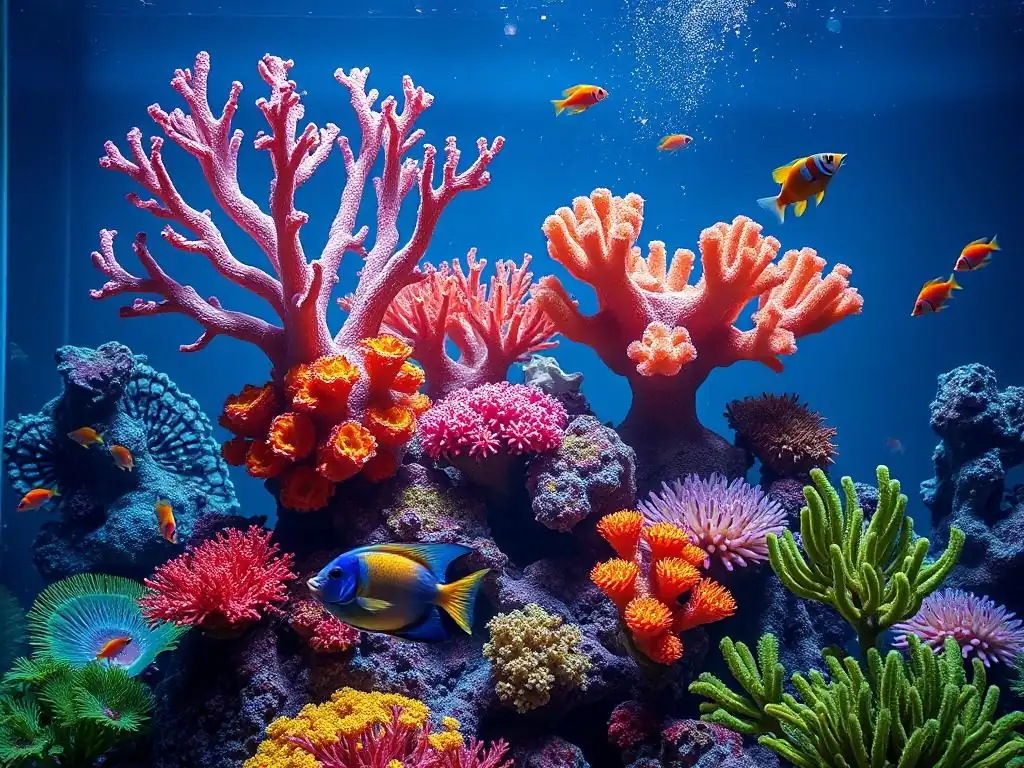
Ever wondered if you're really giving your SPS corals everything they need to thrive? You might be surprised! Dive into our comprehensive guide on SPS coral feeding requirements and unlock the secrets to vibrant colors and explosive growth. Prepare to uncover the surprising truth about their complex nutritional needs and transform your reef tank into a thriving ecosystem. Ready to become an SPS feeding expert?
- Understanding SPS Coral Feeding Requirements for a Thriving Reef Aquarium
- The Complex Diet of SPS Corals: Beyond Photosynthesis
- Exploring Different SPS Coral Feeding Methods
- Optimizing Your SPS Coral Feeding Strategy
- The Impact of Lighting and Flow on SPS Coral Feeding
- Identifying Signs of Nutritional Deficiencies in SPS Corals
- Troubleshooting Common SPS Coral Feeding Problems
- Advanced SPS Coral Feeding Techniques for Expert Reef Keepers
- Conclusion: Mastering SPS Coral Feeding for a Vibrant Reef
-
Frequently Asked Questions
- What exactly are SPS corals, and why are their feeding requirements considered complex?
- What are the primary food sources SPS corals need to thrive?
- How often should I feed my SPS corals, and what are some good feeding options?
- What happens if I overfeed my SPS corals?
- Are there any specific water parameters I should monitor to ensure my SPS corals are getting enough nutrients?
- Final Reflection: Unveiling the Secrets of SPS Coral Vitality
- Unleash the Vibrant Colors of Your SPS Coral!
Understanding SPS Coral Feeding Requirements for a Thriving Reef Aquarium
What are SPS Corals and Why Are Their Nutritional Needs Unique?
SPS corals, an acronym for Small Polyp Stony corals, encompass a diverse group of reef-building corals, most notably species from genera such as Acropora, Montipora, and Seriatopora. These corals are characterized by their small polyps, rapid growth rates, and the construction of dense, calcified skeletons. Unlike their Large Polyp Stony (LPS) counterparts, SPS corals typically have polyps that are too small to consume large food particles, necessitating a specialized approach to their dietary needs.
Their nutritional requirements are unique because SPS corals primarily rely on a dual feeding strategy: photosynthesis conducted by symbiotic algae called zooxanthellae, and heterotrophic feeding, where they capture and consume microscopic food particles from the water column. While zooxanthellae provide a significant portion of their energy, particularly carbohydrates, the high metabolic demands of SPS corals for rapid growth, vibrant coloration, and robust skeletal development necessitate supplemental feeding of proteins, lipids, and essential trace elements that photosynthesis alone cannot provide. Understanding these intricate SPS coral feeding requirements is paramount for maintaining a thriving reef aquarium.
Dispelling Common Myths About SPS Coral Nutrition
A widespread myth in the reef keeping hobby is that SPS corals can subsist solely on light, implying that supplemental feeding is unnecessary or even detrimental. This misconception often stems from the understanding that zooxanthellae provide the majority of the coral's energy needs. However, while photosynthesis is indeed a cornerstone of SPS coral survival, it is rarely sufficient for optimal health, growth, and coloration in a captive environment. The energy provided by zooxanthellae primarily covers the coral's basal metabolic functions and carbohydrate requirements.
Neglecting the heterotrophic aspect of SPS coral feeding requirements can lead to stunted growth, pale or dull coloration, and increased susceptibility to disease. Real-world observations and scientific studies consistently demonstrate that supplemental feeding, even in well-lit systems, significantly enhances growth rates and overall vitality. For instance, some research indicates that Acropora species can exhibit linear growth rates up to 30-50% faster when provided with a consistent, balanced feeding regimen compared to light-only systems. This underscores that a comprehensive approach to SPS coral feeding is not merely beneficial but essential for achieving a truly vibrant and thriving reef.
The Complex Diet of SPS Corals: Beyond Photosynthesis
The Role of Zooxanthellae in SPS Coral Energy Production
Zooxanthellae are single-celled dinoflagellates that live symbiotically within the tissues of SPS corals. Through photosynthesis, these algae convert light energy into sugars (primarily glucose and glycerol) and amino acids, which are then translocated to the coral host. This symbiotic relationship is incredibly efficient, with zooxanthellae typically supplying 70-90% of the coral's daily energy requirements, particularly for carbohydrate needs, making it a foundational element of SPS coral energy production.
Despite their significant contribution, zooxanthellae cannot meet all of the coral's nutritional demands. While they provide carbohydrates and some amino acids, corals also require specific proteins, lipids (fats), and a diverse array of trace elements for tissue growth, skeletal accretion, and resilience against stress. These essential nutrients are often scarce or unavailable through photosynthesis alone, highlighting the critical need for the coral to actively feed on external food sources to fulfill its complete SPS coral feeding requirements.
Essential Elements and Trace Minerals: Key Components of SPS Coral Health
Beyond energy, SPS corals require a consistent supply of essential elements for their rapid calcification and metabolic processes. Calcium (Ca), alkalinity (dKH, a measure of carbonate hardness), and magnesium (Mg) are the primary building blocks for the coral's aragonite skeleton (calcium carbonate). A healthy, rapidly growing SPS-dominated reef tank can consume substantial amounts of these elements, with daily consumption rates often seeing alkalinity drops of 0.5-1.5 dKH and calcium decreases of 10-20 ppm, necessitating diligent monitoring and replenishment.
In addition to these major elements, various trace minerals are vital, albeit in much smaller quantities, for the overall health and coloration of SPS corals. Strontium, for example, is incorporated into the aragonite matrix, potentially enhancing skeletal strength and growth. Iodine supports vibrant coloration and metabolic functions, often maintained at levels around 0.03-0.06 ppm.
Other trace elements like Molybdenum, Boron, and Potassium are involved in enzymatic reactions, nutrient uptake, and chromoprotein production. Deficiencies in these trace elements, even minor ones, can lead to subtle signs like pale coloration, reduced polyp extension, or stunted growth, underscoring the comprehensive nature of SPS coral feeding requirements.
Amino Acids: The Building Blocks for SPS Coral Growth and Coloration
Amino acids are the fundamental organic compounds that serve as the building blocks for proteins, which are essential for virtually all biological processes, including tissue growth, repair, and enzyme function. For SPS corals, a robust supply of amino acids is crucial for developing new tissue, maintaining existing cellular structures, and producing the various chromoproteins that give them their stunning and diverse coloration (e.g., vibrant blues, greens, and pinks). While zooxanthellae produce some amino acids, many are "essential" and must be acquired externally by the coral.
Corals can acquire amino acids through two primary mechanisms: direct absorption of dissolved amino acids from the water column, and indirectly by consuming phytoplankton and zooplankton, which are rich in these compounds. Supplementing the aquarium with liquid amino acid solutions has become a popular and effective strategy for meeting specific SPS coral feeding requirements.
Anecdotal reports and some observations suggest that regular dosing of a balanced amino acid blend can lead to noticeable improvements in coral growth rates, sometimes showing a 15-20% increase in linear extension, and a significant intensification of pigmentation within a few weeks, particularly in species like Acropora millepora or Montipora digitata.
Exploring Different SPS Coral Feeding Methods
Direct Feeding vs. Indirect Feeding: What's the Difference?
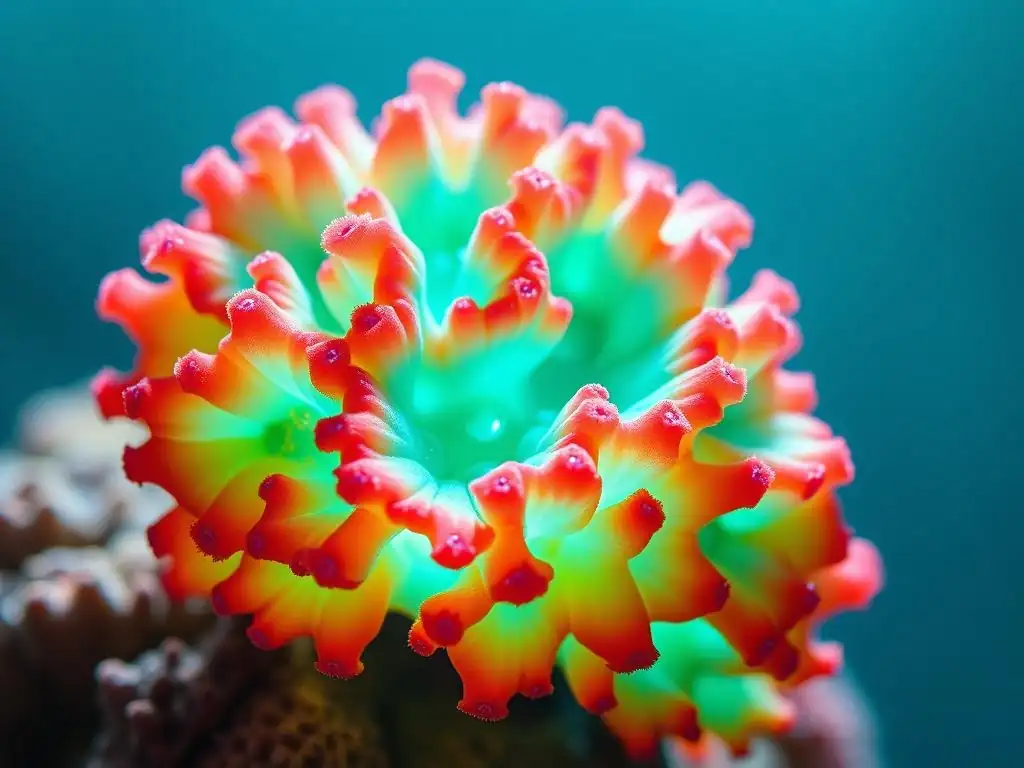
When it comes to feeding SPS corals, reef keepers generally employ two main strategies: direct feeding and indirect feeding. Direct feeding, also known as target feeding, involves precisely delivering food particles to individual coral polyps using tools like a coral feeder, syringe, or pipet. This method ensures that the intended coral receives the food directly, minimizing waste and competition from other tank inhabitants. While more common for LPS corals with larger polyps, some larger-polyped SPS species, such as certain Montipora or Turbinaria species, can also benefit from targeted delivery of slightly larger food particles (e.g., 200-500 microns).
Indirect feeding, or broadcast feeding, involves dispersing food into the water column, allowing corals to filter feed on suspended particles or absorb dissolved organic matter. This method is more widely used for SPS corals due to their small polyp size and their ability to capture microscopic particles from the ambient water.
Broadcast feeding also benefits other filter feeders in the tank, contributing to a healthier overall ecosystem. However, broadcast feeding requires careful attention to the amount and type of food to prevent nutrient overload and subsequent water quality issues, making it a balance between meeting SPS coral feeding requirements and maintaining pristine water parameters.
Phytoplankton and Zooplankton: Natural Food Sources for SPS Corals
In their natural reef habitats, SPS corals primarily feed on microscopic organisms and dissolved organic matter. Phytoplankton, which are microscopic photosynthetic algae, form the base of the marine food web and are rich in essential fatty acids and carbohydrates. Zooplankton, small animals that graze on phytoplankton and other organic detritus, provide corals with vital proteins and lipids. These natural food sources are crucial for the long-term health and vibrant coloration of SPS corals in the wild.
In a closed aquarium system, providing live or preserved phytoplankton and zooplankton cultures is an excellent way to mimic a natural diet and meet specific SPS coral feeding requirements. Live cultures can also contribute to a healthy microfauna population within the tank, further enhancing the ecosystem's stability.
For instance, rotifers and various copepod species, typically ranging from 100 to 500 microns in size, are highly effective food sources for many Acropora and Montipora species due to their appropriate particle size and nutritional profile. Regular dosing of these natural feeds can significantly improve polyp extension, growth rates, and overall coral vitality.
Commercially Available SPS Coral Foods: A Comprehensive Overview
The market for commercially available SPS coral foods has expanded significantly, offering reef keepers a wide array of formulations designed to meet diverse SPS coral feeding requirements. These products come in various forms, including liquid solutions, fine powders, and frozen preparations, each with its own advantages for dispersion and palatability. Liquid foods are often easy to dose and disperse evenly, while powders can be rehydrated or mixed into a slurry for broadcast or targeted feeding. Frozen foods, such as enriched brine shrimp nauplii or copepods, offer a natural and highly palatable option, though they typically require thawing before use.
Examining Popular Brands and Formulations
Commercial SPS coral foods often fall into several categories based on their primary components and intended benefits. There are broad-spectrum coral foods that contain a balanced mix of proteins, lipids, and carbohydrates, often derived from marine sources like fish protein hydrolysates, spirulina, or other algae.
Specialized products focus on specific nutritional needs, such as amino acid blends formulated to enhance growth and intensify coloration, or targeted planktonic solutions mimicking natural prey. For example, some premium formulations combine a range of particle sizes, from as small as 5 microns (for dissolved organic carbon and bacterial consumption) up to 200 microns (for direct polyp capture), to cater to the varying feeding mechanisms of different SPS species.
Understanding the Ingredients in SPS Coral Foods
To effectively meet SPS coral feeding requirements, it is crucial for reef keepers to understand the ingredients in commercially available foods. High-quality SPS coral foods typically list marine-derived proteins (e.g., krill meal, fish protein, squid meal), various types of algae (e.g., spirulina, chlorella), yeasts, and a range of essential vitamins (e.g., B vitamins, Vitamin C) and trace minerals. These components provide a comprehensive nutritional profile, including vital fatty acids (like DHA and EPA), complex carbohydrates, and a complete spectrum of amino acids necessary for coral health and growth.
When selecting a food, look for formulations that prioritize high-quality protein sources and specify their crude protein content, often ranging from 30% to 60%, alongside appropriate levels of crude fat (5-20%). Avoid products with excessive fillers, artificial colors, or vague ingredient lists. For instance, foods with a crude protein content exceeding 50% are particularly beneficial for the rapid tissue accretion observed in fast-growing Acropora species, ensuring that their high metabolic demands are adequately supported.
Optimizing Your SPS Coral Feeding Strategy
Determining the Right Feeding Schedule for Your SPS Corals
Establishing an optimal feeding schedule for SPS corals is not a universal solution but rather a tailored approach that considers tank size, coral density, bioload, and the specific types of food being utilized. Many successful reef keepers opt for frequent, small feedings to mimic the continuous, low-concentration nutrient availability found on natural reefs. Daily or every-other-day dosing of liquid amino acids or finely dispersed planktonic foods is a common practice, providing a steady supply of essential nutrients without overwhelming the system.
For more concentrated or particulate foods, feeding two to three times per week might be sufficient to prevent nutrient accumulation. Observing your corals' response is key: robust polyp extension, vibrant coloration, and consistent growth rates are indicators of a successful feeding regimen. For example, many Acropora species will exhibit significant polyp extension within 30 minutes of adding a suitable planktonic food, signaling active feeding. Adjust the frequency and quantity based on these observations and your tank's ability to maintain stable water parameters, ensuring you meet SPS coral feeding requirements without compromising water quality.
Target Feeding Techniques for Maximum Nutrient Uptake
While broadcast feeding is widely used for SPS corals, target feeding can be a valuable technique for delivering specific nutrients more directly or for providing extra support to individual corals. This method involves using a coral feeder, syringe, or pipet to gently direct a small stream of food near the polyps of a specific coral. Although challenging for the smallest polyped SPS, larger Montipora or Turbinaria species with more visible polyps can effectively capture targeted particles, especially when slightly larger food items (e.g., 200-500 microns) are offered.
To maximize nutrient uptake during target feeding, it is often advisable to temporarily turn off circulation pumps for 10-15 minutes. This allows the food to settle near the coral without being immediately swept away by strong currents, giving the coral ample time to capture and ingest the particles. However, this technique must be used judiciously to avoid creating stagnant areas where uneaten food can decompose, potentially leading to localized nutrient spikes or bacterial blooms. Balancing targeted nutrient delivery with overall water quality is crucial for effective SPS coral feeding requirements.
Maintaining Water Quality During SPS Coral Feeding
Aggressively meeting SPS coral feeding requirements inevitably introduces additional organic load into the aquarium, making robust nutrient export and diligent water quality maintenance absolutely critical. Without proper management, increased feeding can lead to elevated levels of nitrates and phosphates, which are detrimental to SPS coral health and can fuel nuisance algae blooms. A holistic approach combining mechanical, biological, and chemical filtration is essential to mitigate these risks.
The Importance of Protein Skimming and Water Changes
Protein skimmers are indispensable tools for maintaining water quality in a fed SPS reef tank. They efficiently remove dissolved organic compounds and particulate waste from the water column before these substances can break down into nitrates and phosphates. A well-sized and properly maintained protein skimmer can remove up to 70% of dissolved organic carbon, significantly reducing the potential for nutrient accumulation and ensuring that the benefits of SPS coral feeding are not overshadowed by poor water quality.
Regular partial water changes are another cornerstone of nutrient management. They serve a dual purpose: diluting accumulated nitrates, phosphates, and other pollutants, while simultaneously replenishing essential trace elements that are consumed by corals and other inhabitants. For a heavily fed SPS-dominated system, a weekly water change of 10-15% of the tank volume is often recommended to maintain stable parameters and prevent nutrient spikes, providing a clean and consistent environment for optimal coral health.
Monitoring Nutrient Levels: Nitrate and Phosphate Control
Elevated levels of nitrates (NO3) and phosphates (PO4) are direct consequences of overfeeding or insufficient nutrient export, and they pose significant threats to SPS corals. High nitrates (e.g., consistently above 10-20 ppm) can inhibit calcification, lead to coral tissue browning, and reduce overall vitality. Phosphates, even at very low concentrations (e.g., above 0.03-0.05 ppm), can hinder skeletal growth, promote nuisance algae growth, and may even contribute to coral tissue necrosis.
Regular and accurate testing of these parameters is paramount for effective nutrient control. Many successful SPS reef keepers aim for nitrates to be in the range of 2-10 ppm and phosphates to be below 0.03 ppm, utilizing highly sensitive test kits. If nutrient levels begin to creep up despite adequate skimming and water changes, it may indicate that the SPS coral feeding requirements are being overshot, or that additional nutrient export methods, such as Granular Ferric Oxide (GFO) for phosphate removal or a biopellet reactor for nitrate reduction, are necessary.
The Impact of Lighting and Flow on SPS Coral Feeding
How Lighting Affects Zooxanthellae Activity and Nutrient Absorption
Lighting is a fundamental component of SPS coral husbandry, directly fueling the photosynthetic activity of their symbiotic zooxanthellae. High-intensity lighting, typically measured in Photosynthetically Active Radiation (PAR) values ranging from 250-450 PAR at the coral tips for many Acropora species, maximizes the efficiency of energy conversion. This robust energy production is crucial for the coral's high metabolic rate, rapid calcification, and overall growth.
However, intense lighting can also paradoxically increase the coral's energy demands due to higher growth rates and cellular repair processes. This elevated metabolism means that even with highly efficient photosynthesis, the coral may experience a net energy deficit, particularly for complex organic compounds like specific amino acids and fatty acids that zooxanthellae cannot fully provide. Therefore, strong lighting often necessitates a more comprehensive SPS coral feeding strategy to meet the coral's increased nutritional needs that extend beyond what photosynthesis alone can supply.
The Role of Water Flow in Delivering Nutrients to SPS Corals
Water flow is as critical as lighting for the health and feeding efficiency of SPS corals. Strong, turbulent, and varied water movement ensures the constant delivery of essential nutrients, including dissolved organic matter, phytoplankton, and zooplankton, directly to the coral polyps. Without adequate flow, a "boundary layer" of relatively stagnant water can form around the coral's surface, impeding the diffusion of nutrients to the coral tissue and the removal of metabolic waste products.
Optimal water flow also plays a vital role in maintaining the coral's cleanliness by sweeping away detritus, mucus, and shed zooxanthellae, which can otherwise accumulate and potentially harbor nuisance algae or bacterial infections. For instance, Acropora species thrive in flow rates equivalent to 20-40 times the tank volume per hour, often achieved with multiple powerheads creating random, non-laminar flow patterns. This constant movement ensures that every polyp has continuous access to the resources in the water column, directly impacting the efficiency of their heterotrophic SPS coral feeding requirements.
Identifying Signs of Nutritional Deficiencies in SPS Corals
Visual Cues: Color Loss, Tissue Recession, and Slow Growth
One of the most immediate and visually striking indicators that SPS coral feeding requirements are not being adequately met is a noticeable decline in their vibrant coloration. Corals may appear pale, washed out, or even exhibit a bleached-like appearance (though actual tissue loss may not occur initially), signaling a deficiency in the chromoproteins and other pigments that are built from essential amino acids and trace elements. For instance, a normally brilliant pink Acropora millepora might fade to a dull beige or light brown.
Beyond color, careful observation of tissue health and growth rates provides crucial insights. Tissue recession, where the coral tissue visibly pulls back from the skeleton, particularly from the base or tips, is a severe sign of stress and starvation. Slowed or completely halted growth rates are also strong indicators of nutritional deficiency. A healthy, well-fed SPS coral, under optimal conditions, can exhibit linear growth rates of 1-3 centimeters per month, whereas a deficient coral might show no measurable growth for extended periods, unequivocally signaling unmet SPS coral feeding requirements.
Testing Your Water Parameters to Diagnose Nutritional Issues
While visual cues are invaluable, objective water parameter testing provides critical data for diagnosing potential nutritional deficiencies in SPS corals. Paradoxically, if your aquarium consistently shows undetectable levels of nitrates (0 ppm) and phosphates (0 ppm), especially if corals exhibit paleness or slow growth, it might indicate an overly "nutrient-poor" system. While ultra-low nutrients are often desirable to control nuisance algae, an absolute zero can starve SPS corals of essential nitrogen and phosphorus compounds vital for tissue building and metabolic functions.
Beyond nitrogen and phosphorus, testing for various trace elements can pinpoint specific deficiencies. For example, consistently low Potassium levels (below 380 ppm) can lead to dull blues and greens in some Acropora species, while low Boron (below 4-5 ppm) might negatively impact calcification and overall vitality. Advanced testing methods like ICP-OES (Inductively Coupled Plasma Optical Emission Spectrometry) can provide a detailed breakdown of over 30 elements, offering unparalleled insight into whether your SPS coral feeding requirements are being met at a microscopic level and helping to identify subtle imbalances.
Troubleshooting Common SPS Coral Feeding Problems
Dealing with Algae Blooms Caused by Overfeeding
One of the most common and frustrating consequences of improper SPS coral feeding is the proliferation of nuisance algae blooms. Overfeeding directly contributes to an increase in dissolved organic compounds, which subsequently break down into elevated levels of nitrates and phosphates. These nutrients act as fertilizers for undesirable algae, such as hair algae, dinoflagellates, or diatoms, leading to unsightly outbreaks that can smother corals, compete for light, and degrade overall water quality.
The immediate solution to an algae bloom caused by overfeeding involves reducing the frequency or quantity of food offered. Simultaneously, it is crucial to intensify nutrient export methods. This includes increasing protein skimmer efficiency, performing larger or more frequent partial water changes (e.g., a 20% weekly change instead of 10%), and considering the use of chemical filtration media like Granular Ferric Oxide (GFO) for phosphate removal, or carbon dosing for bacterial nutrient reduction. For example, if you are dosing amino acids daily, try reducing the dose by 25% or switching to every other day while closely monitoring nutrient levels.
Preventing the Buildup of Detritus in Your Reef Tank
Uneaten food, fish waste, and shed coral mucus combine to form detritus, a significant source of nutrient pollution in a reef aquarium. If allowed to accumulate in low-flow areas, on the substrate, or directly on coral skeletons, detritus breaks down, releasing nitrates and phosphates, and can also foster undesirable bacterial growth or even smother coral tissue. This accumulation directly counteracts the benefits of meeting SPS coral feeding requirements and can lead to a decline in water quality.
Prevention is key to managing detritus. Ensure that your tank has adequate, turbulent water flow throughout all areas, which helps to keep detritus suspended in the water column, allowing it to be effectively picked up by the protein skimmer or mechanical filtration (e.g., filter socks). Regularly siphon detritus from the substrate during routine water changes. Additionally, a robust cleanup crew, including detritivores like Nassarius snails, various hermit crabs, and certain conch snails, can significantly help in consuming uneaten food and breaking down detritus, thereby maintaining a cleaner and healthier environment for your SPS corals.
Addressing Palatability Issues: Getting Your Corals to Eat
Despite the best efforts to meet SPS coral feeding requirements, some corals may exhibit reluctance to accept prepared foods, particularly if they are newly introduced, stressed, or recovering from an issue. This "pickiness" can stem from several factors, including the food's palatability, its particle size, or even the coral's current health status. A coral that shows minimal polyp extension, even during designated feeding times, might not be actively consuming the offered food.
To address palatability issues, experiment with different food types and a range of particle sizes. If a liquid amino acid solution isn't yielding results, try a finely powdered plankton blend (e.g., <100 microns) or a frozen enriched zooplankton product.
Pre-soaking dried foods in tank water or a vitamin supplement for 10-15 minutes before feeding can also make them more appealing by softening them and enhancing their scent. In some cases, a brief "fasting" period of a few days (if the coral is otherwise healthy and not showing signs of severe distress) can stimulate a stronger feeding response by increasing the coral's hunger.
Advanced SPS Coral Feeding Techniques for Expert Reef Keepers
Using Coral Dips to Enhance Nutrient Absorption
While primarily known for pest removal and acclimation, certain coral dips can be adapted or formulated to enhance nutrient absorption, particularly for stressed, recovering, or newly fragged SPS corals. These are not traditional "feeding" methods in the sense of providing bulk food, but rather a way to deliver specific, concentrated compounds directly to the coral tissue in a controlled environment. For example, some advanced reef keepers utilize short-term dips (typically 30-60 minutes) in solutions containing high concentrations of amino acids, specific fatty acids, or vitamin complexes.
This technique allows the coral to absorb these vital nutrients directly through its epidermal layer, bypassing the need for active capture and digestion, which can be beneficial for corals that are too weak or stressed to feed normally. It's a method primarily employed for targeted intervention rather than routine SPS coral feeding requirements. Such dips should always be performed in a separate container, not in the main display tank, and with extreme caution, as incorrect concentrations or prolonged exposure can cause additional stress or harm to the coral.
Experimenting with Different Food Particle Sizes
SPS corals, especially species within the Acropora and Montipora genera, possess relatively small polyps, meaning their feeding efficiency is highly dependent on the particle size of the food offered. In their natural environment, their diet primarily consists of bacterioplankton, phytoplankton, and small zooplankton, typically ranging from 1 to 200 microns in size. Successfully meeting SPS coral feeding requirements often necessitates offering a diverse range of particle sizes to cater to the varying capture abilities of different species and even different polyps on the same coral colony.
Commercially available coral foods often specify their particle size. Liquid phytoplankton products typically contain particles in the 2-20 micron range, ideal for filter feeding and absorption, while powdered zooplankton blends might offer a mix of particles up to 200 microns for direct polyp capture. Experimenting with products that provide this size diversity ensures that all your SPS corals have access to consumable food. For instance, some Acropora species have been observed to show a preference for particles in the 50-100 micron range, while others may primarily rely on absorbing dissolved organic matter and consuming smaller, bacteria-sized particles.
The Benefits of Probiotics for SPS Coral Health
Probiotics, in the context of reef aquariums, involve the introduction of beneficial bacterial strains that contribute to a healthy microbial ecosystem within the tank. While not a direct food source in the traditional sense, these bacteria play a crucial indirect role in supporting SPS coral health and meeting their SPS coral feeding requirements by enhancing nutrient cycling and potentially becoming a consumable food source themselves. Probiotic bacteria actively consume dissolved organic carbon, converting it into bacterial biomass that can then be consumed by corals or other filter feeders.
Regular dosing of probiotic bacteria can lead to several benefits for a reef system, including clearer water, reduced nuisance algae growth, and more stable nutrient parameters (nitrate and phosphate). Some research suggests that corals can indeed consume bacterioplankton directly, making the increased bacterial biomass from probiotics a viable and continuous food source. This contributes to a healthier, more stable environment where corals are under less stress, allowing them to better utilize nutrients from other food sources and leading to improved growth rates and more vibrant coloration.
Conclusion: Mastering SPS Coral Feeding for a Vibrant Reef
Mastering the intricate SPS coral feeding requirements is a cornerstone of maintaining a truly vibrant and thriving reef aquarium. Beyond the foundational role of photosynthesis, a comprehensive understanding of their heterotrophic needs for essential proteins, lipids, amino acids, and trace minerals is paramount.
By dispelling common myths, exploring diverse feeding methods, and diligently optimizing your feeding strategy while maintaining pristine water quality, you empower your SPS corals to exhibit their full growth potential and stunning coloration. The journey of understanding and implementing an effective feeding regimen is a continuous process of observation, testing, and adaptation, ultimately culminating in a robust and breathtaking display of healthy, thriving SPS corals.
Frequently Asked Questions
What exactly are SPS corals, and why are their feeding requirements considered complex?
SPS corals, or Small Polyp Stony corals, are a type of reef-building coral known for their intricate skeletons and relatively small polyps. Their feeding is complex because they rely on a combination of zooxanthellae and external food sources, requiring a balanced approach.
What are the primary food sources SPS corals need to thrive?
SPS corals primarily rely on zooxanthellae for energy through photosynthesis, but also require external food like amino acids and particulate organic matter for growth and vibrant coloration.
How often should I feed my SPS corals, and what are some good feeding options?
Feeding frequency depends on the specific species and tank conditions, but generally, target feeding 1-3 times per week with supplements like coral amino acids and specialized SPS food is recommended.
What happens if I overfeed my SPS corals?
Overfeeding can lead to nutrient imbalances in the aquarium, causing algae blooms, and potentially harming the corals through increased nitrate and phosphate levels. Regular water changes are crucial.
Are there any specific water parameters I should monitor to ensure my SPS corals are getting enough nutrients?
Yes, closely monitor parameters like nitrate and phosphate levels, aiming for low but detectable levels. Also maintain stable alkalinity, calcium, and magnesium as these all play a role in coral health and nutrient uptake.
Final Reflection: Unveiling the Secrets of SPS Coral Vitality
The intricacies of SPS coral feeding, as we've explored, are far more nuanced than often perceived, and understanding these complex nutritional needs is now more critical than ever. With coral reefs facing unprecedented threats from climate change and pollution, ensuring the health and resilience of these vital ecosystems, even within our own aquariums, hinges on our ability to provide them with the right sustenance. The survival of these vibrant organisms, and the biodiversity they support, depends on our commitment to informed and responsible care.
This journey into SPS coral feeding has underscored the profound interconnectedness of life within the reef environment. It's a reminder that even seemingly small actions, like carefully selecting the right food and maintaining optimal water parameters, can have a significant impact on the health and longevity of these delicate creatures. As Jacques Cousteau so eloquently stated, The sea, once it casts its spell, holds one in its net of wonder forever.
This wonder compels us to act as responsible stewards, continuously learning and adapting our practices to better serve the needs of these magnificent corals.
Now, armed with a deeper understanding of SPS coral feeding requirements, I invite you to reflect on your own role in their preservation. Consider how you can apply this knowledge, whether in your own reef tank or through supporting conservation efforts, to contribute to a healthier future for these vital ecosystems. Let us all strive to be informed and conscientious caretakers, ensuring that the vibrant beauty of SPS corals continues to thrive for generations to come.
Unleash the Vibrant Colors of Your SPS Coral!
Thank you for diving deep into the complex world of SPS coral nutrition! We hope you’ve discovered new insights to help you better care for these fascinating creatures. Now, let's turn knowledge into action and watch your reef thrive!
Here are a few things you can do right now to elevate your SPS care:
- Implement a targeted feeding strategy based on your corals' specific needs. Don't rely solely on what's worked for others; research and observe your own colony's response to different foods and methods.
- Share your newfound knowledge! Start a discussion on your favorite reef forum or social media group about the feeding challenges and successes you've experienced with SPS corals.
- Experiment with a new, less common coral food (like phytoplankton or amino acids) to see if it unlocks even more vibrant colors and growth in your SPS.
What specific feeding technique are you most excited to try in your own reef aquarium, and what results are you hoping to see?