
Feeding Your Saltwater Crabs: More Than Just Leftovers

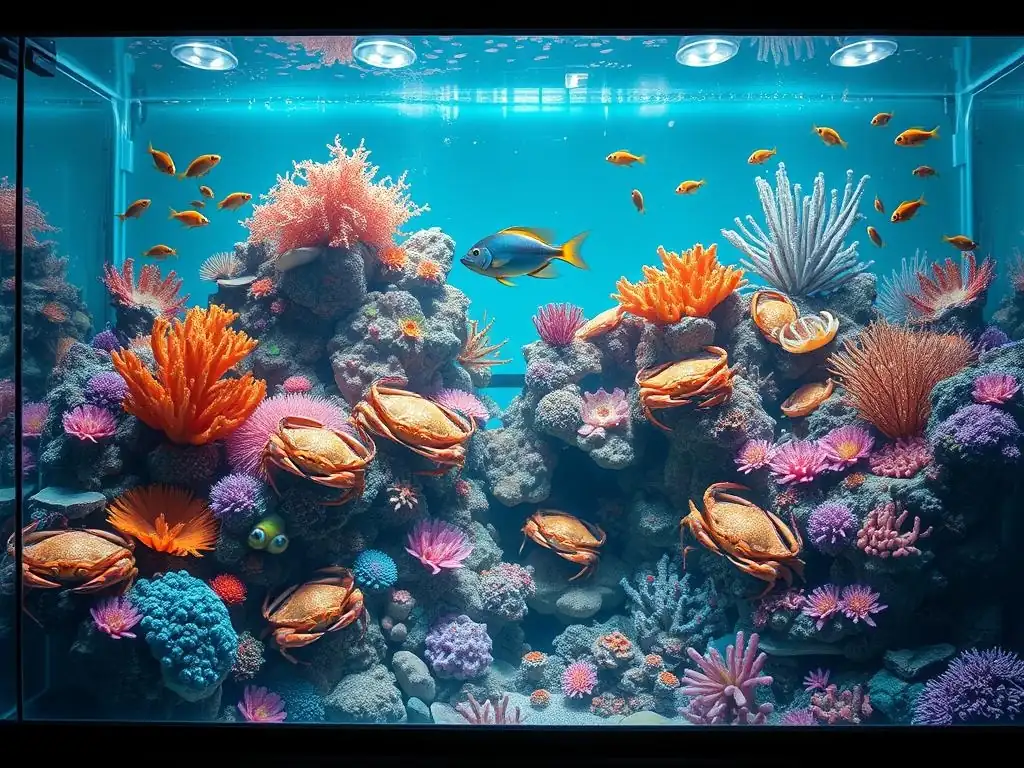
Welcome to Aquarium Mastery, where we dive deep into the fascinating world of aquariums! Ever wondered if your saltwater crabs are really getting the nutrition they need? In this guide, "Feeding Your Saltwater Crabs: More Than Just Leftovers," we'll unlock the secrets to a thriving crab population in your marine aquarium. Discover the ideal diet and feeding strategies that go beyond simple scraps. Intrigued? Let's explore!
- Feeding Your Saltwater Crabs: A Comprehensive Guide
- Understanding Saltwater Crab Nutrition
- Saltwater Crab Diet: Replicating Natural Feeding
- Optimal Foods for Saltwater Crabs in Captivity
- Saltwater Crab Feeding Schedule: Frequency and Quantity
- Saltwater Crab Feeding Techniques: Ensuring Adequate Intake
- Foods to Avoid When Feeding Saltwater Crabs
- Maintaining Water Quality Through Feeding Management
- Common Saltwater Crab Feeding Issues and Solutions
- Species-Specific Feeding Considerations
- Advanced Saltwater Crab Feeding: Enhancing Coloration
- Frequently Asked Questions
- Final Reflection: Cultivating Thriving Aquatic Ecosystems
- Ignite Your Crab Care Journey!
Feeding Your Saltwater Crabs: A Comprehensive Guide
Understanding Saltwater Crab Nutrition
Importance of Proper Nutrition for Saltwater Crab Health
Proper nutrition is paramount for the overall health and longevity of saltwater crabs in an aquarium environment. A well-balanced diet directly impacts their growth rate, successful molting, disease resistance, and vibrant coloration. Without adequate nutrients, crabs can suffer from weakened exoskeletons, leading to failed molts which are often fatal, or become lethargic and more susceptible to bacterial infections and parasitic infestations. For instance, a diet deficient in calcium can increase the likelihood of molting complications by up to 30%, as the crab struggles to form a new, strong shell.
Furthermore, a nutritionally complete diet supports the crab's natural behaviors, such as foraging and scavenging, and contributes to a robust immune system. Crabs that receive a diverse array of foods are generally more active, display brighter colors, and exhibit a longer lifespan compared to those fed an insufficient or repetitive diet. This proactive approach to a saltwater crab feeding guide ensures that these valuable clean-up crew members or display inhabitants thrive, contributing positively to the aquarium ecosystem for many years.
Nutritional Needs of Common Saltwater Crab Species
Saltwater crabs are primarily omnivorous scavengers, meaning their natural diet in the wild consists of a wide range of food sources, from detritus and algae to small invertebrates and decaying organic matter. In captivity, their diet must reflect this diversity to meet their essential nutritional requirements. Key nutrients include proteins for muscle development and tissue repair, fats for energy, carbohydrates for quick fuel, and crucially, calcium and other minerals for exoskeleton formation and successful molting.
While most species benefit from a varied diet, the exact proportions can vary. For example, a predatory species like the Arrow Crab (Stenorhynchus seticornis) requires a higher percentage of protein, ideally around 40-50% of their diet, sourced from meaty foods. Conversely, herbivorous species such as the Emerald Crab (Mithraculus sculptus), known for their algae-eating prowess, benefit from a diet where plant-based matter comprises 60-70% of their intake, supplemented with occasional protein. A comprehensive saltwater crab feeding guide must consider these species-specific nuances to ensure optimal health.
Saltwater Crab Diet: Replicating Natural Feeding
Natural Food Sources in the Wild
In their native reef and coastal environments, saltwater crabs play a vital role as scavengers and detritivores. Their diet is incredibly diverse, encompassing microalgae and macroalgae, various forms of detritus (decaying plant and animal matter), small copepods and amphipods, tiny worms, and even carrion from dead fish or invertebrates. For instance, a study of reef crabs revealed that over 70% of their gut content consisted of detrital particles and various forms of filamentous algae, highlighting the importance of these foundational food sources.
This constant foraging for a wide array of nutrient sources ensures they receive a full spectrum of vitamins, minerals, and macronutrients necessary for their survival and growth. Some species actively hunt small invertebrates, while others primarily graze on biofilms and algae growing on rocks and substrate. Understanding these natural feeding habits is the cornerstone of developing an effective saltwater crab feeding guide for the home aquarium.
Mimicking a Natural Diet in Your Aquarium
Replicating a natural diet in an aquarium setting involves providing a broad spectrum of food types that cater to the omnivorous and scavenging nature of saltwater crabs. The goal is not just to feed them, but to provide a varied and enriching diet that encourages natural foraging behaviors and supplies all necessary nutrients. This means moving beyond a single type of food and incorporating a mix of commercial, frozen, and occasional live or supplemental foods.
A successful saltwater crab feeding guide often suggests a regimen where high-quality commercial pellets or flakes form the base, supplemented several times a week with frozen foods like mysis shrimp or spirulina-enriched brine shrimp. For species with a strong herbivorous tendency, offering marine algae sheets (nori) can mimic natural grazing. This diversified approach helps ensure that crabs receive the complex carbohydrates, proteins, fats, vitamins, and minerals they would naturally acquire, promoting robust health and vitality.
Optimal Foods for Saltwater Crabs in Captivity
High-Quality Commercial Foods
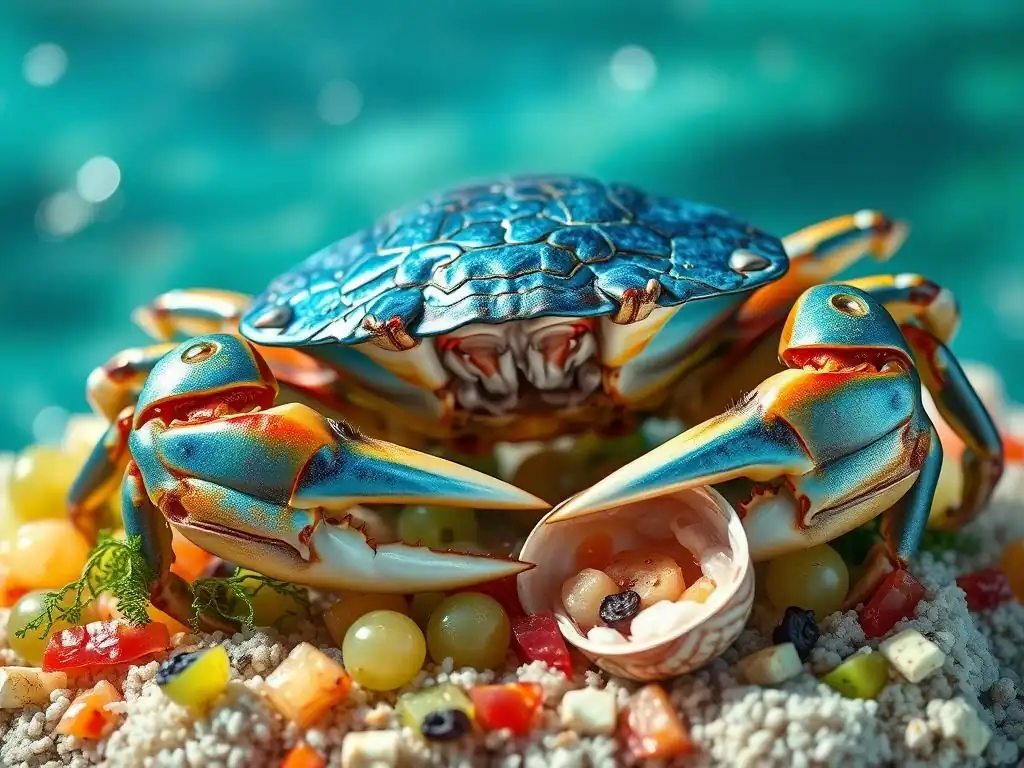
High-quality commercial foods form the backbone of a balanced saltwater crab feeding guide. These foods, available as pellets, flakes, or sinking wafers, are specifically formulated to provide a broad spectrum of nutrients essential for aquatic invertebrates. Look for products that list whole ingredients like fish meal, spirulina, and various vitamins and minerals as primary components, rather than fillers like excessive grain products. Brands designed for omnivorous bottom-dwellers or invertebrates are often ideal.
When selecting commercial foods, consider the size and texture appropriate for your crab species. Smaller, more delicate crabs may prefer flakes or fine granules, while larger species can handle sinking pellets or wafers. These foods offer convenience and ensure a consistent nutritional baseline, often fortified with essential elements like calcium to support healthy molting cycles. Regular use of such foods can reduce the incidence of nutritional deficiencies by a significant margin, sometimes up to 20-25% compared to relying solely on leftover fish food.
Frozen Foods: A Nutritious Supplement
Frozen foods are an excellent way to supplement the commercial diet, providing a fresh and highly palatable source of protein, essential fatty acids, and vitamins. They are particularly beneficial for encouraging natural feeding responses and offering a varied diet that closely mimics what crabs might find in the wild. Always thaw frozen foods thoroughly in a small amount of tank water before feeding to prevent introducing cold spots into the aquarium and to make the food more digestible.
Introducing frozen foods 2-3 times per week can significantly enhance the nutritional profile of your crabs' diet. This method allows for precise portion control and minimizes the risk of introducing unwanted pathogens often associated with some live food sources. Many aquarists observe improved coloration and increased activity levels in their crabs within a few weeks of incorporating frozen foods into their saltwater crab feeding guide.
Popular Frozen Food Options
A diverse selection of frozen foods is available to cater to the varied tastes and nutritional needs of saltwater crabs. Popular choices include:
- Mysis Shrimp: Rich in protein and essential fatty acids, excellent for most omnivorous and predatory crabs.
- Brine Shrimp (enriched): While less nutritious than mysis, enriched brine shrimp are a good source of protein and highly palatable.
- Krill: High in protein and carotenoids, beneficial for color enhancement.
- Chopped Clam or Scallop: Provides a meaty, high-protein option for larger or more predatory species.
- Spirulina Brine Shrimp: Offers both animal protein and beneficial algae content.
For example, feeding mysis shrimp to a Porcelain Crab (Porcellanella spp.) can significantly boost its protein intake, supporting its filter-feeding mechanism and ensuring it receives adequate nutrition beyond what it filters from the water column.
Live Foods: Encouraging Natural Behavior
Live foods offer an unparalleled opportunity to stimulate natural hunting and foraging behaviors in saltwater crabs, providing mental enrichment and fresh, unprocessed nutrients. While they require more effort and carry a slight risk of introducing unwanted organisms if not sourced carefully, their benefits for promoting vitality and natural instincts are considerable. Live food should generally be offered sparingly, perhaps once or twice a month, as a special treat or behavioral enrichment.
The act of pursuing and capturing live prey can be a significant activity for predatory crabs, keeping them engaged and active. This aspect of a saltwater crab feeding guide is crucial for the overall well-being of the animal, as it mimics the challenges and rewards of their natural environment.
Suitable Live Food Choices
When considering live foods for saltwater crabs, focus on small, readily available options that pose minimal risk to the aquarium ecosystem:
- Copepods and Amphipods: These tiny crustaceans are excellent natural food sources for many small crabs. A thriving refugium can constantly supply these, providing a continuous, natural supplemental diet.
- Small Feeder Shrimp (e.g., Ghost Shrimp): Suitable for larger, predatory crabs like Arrow Crabs, allowing them to exercise their hunting instincts.
- Bristleworms (if wild-caught and quarantined): Some crabs, like Arrow Crabs, naturally prey on bristleworms, helping to control their population. However, caution is advised to ensure no harmful species are introduced.
Supplemental Foods: Enhancing Nutritional Intake
Beyond the core diet of commercial and frozen foods, supplemental foods can address specific nutritional needs or enhance certain aspects of crab health, particularly for specialized feeders or during critical life stages like molting.
Algae Supplements for Algae Grazers
For herbivorous crabs or those that heavily graze on algae, such as Emerald Crabs, supplemental algae can be highly beneficial. Dried marine algae sheets (nori), spirulina flakes, or algae wafers provide essential plant-based nutrients and fibers. For instance, an Emerald Crab might consume bubble algae in the tank, but offering a small piece of nori clipped to a rock 2-3 times a week ensures it receives a consistent supply of varied green nutrition, potentially enhancing its overall health and algae-eating efficiency.
Calcium Supplements for Shell Development
Calcium is absolutely critical for all saltwater crabs, as it is the primary building block for their exoskeleton. During molting, crabs shed their old shell and absorb calcium from the water and their diet to harden their new, soft shell. Maintaining stable calcium levels in the aquarium water (typically 400-450 ppm) is essential. However, calcium-fortified foods or specific calcium supplements can further support this demanding process. Providing foods enriched with calcium, or ensuring adequate calcium and alkalinity in the water, can reduce molting failures by up to 15-20%, leading to healthier, more robust crabs.
Saltwater Crab Feeding Schedule: Frequency and Quantity
Establishing a Consistent Feeding Schedule
A consistent feeding schedule is vital for the health of saltwater crabs and the stability of your aquarium. Small, frequent feedings are generally preferable to large, infrequent ones, as they allow crabs to consume food before it decays and pollutes the water. For most smaller clean-up crew crabs, feeding a small amount every other day is usually sufficient, as they also graze on detritus and algae within the tank. Larger, more active, or predatory crabs may benefit from daily feedings.
Observation is key: if uneaten food remains after 10-15 minutes, you are likely overfeeding. Adjust the quantity downwards. A regular schedule also helps the crabs associate feeding time with food availability, potentially reducing stress and competition.
Recognizing and Preventing Overfeeding
Overfeeding is one of the most common mistakes in aquarium husbandry and can quickly lead to degraded water quality. Signs of overfeeding include:
- Uneaten food accumulating on the substrate: This is the most obvious sign.
- Cloudy water: A bacterial bloom fueled by excess nutrients.
- Spikes in ammonia, nitrite, nitrate, and phosphate: These are direct results of decaying organic matter.
- Excessive algae growth: Fueled by high nitrates and phosphates.
To prevent overfeeding, feed only what your crabs (and other tank inhabitants) can consume within a few minutes. For small crabs, this might be as little as a pea-sized portion of food per feeding, distributed to allow all individuals access. Overfeeding can lead to ammonia spikes exceeding 0.25 ppm within hours in a moderately stocked tank, creating a toxic environment that stresses or kills sensitive invertebrates and fish.
Saltwater Crab Feeding Techniques: Ensuring Adequate Intake
Targeted Feeding for Shy Individuals
In a bustling aquarium with active fish and other invertebrates, shy or slow-moving crabs can often be outcompeted for food, leading to malnutrition. Targeted feeding ensures these individuals receive adequate nutrition. This technique involves delivering food directly to the crab's vicinity using tools like long-handled tongs, a turkey baster, or a pipette.
For example, a shy Porcelain Crab, which often filter-feeds but benefits from supplemental meaty foods, can be fed small pieces of mysis shrimp or copepods directly near its hiding spot. Similarly, if you notice a small hermit crab consistently missing out on food, placing a sinking pellet near its shell after the main tank feeding can make a significant difference in its long-term health and survival. Feeding after the main lights are off can also benefit nocturnal or more reclusive species.
Minimizing Food Competition in the Tank
Food competition is a common issue in mixed-reef aquariums, especially when multiple crabs or other scavengers are present alongside fish. To minimize this, consider the following strategies:
- Scatter Food Widely: Instead of dropping food in one spot, spread it across the substrate or in multiple areas of the tank. This allows more individuals to access food without direct confrontation.
- Feed During Different Times: If certain crabs are more active at night, offer a small feeding after the lights are out.
- Use Sinking Foods: Pellets or wafers that sink quickly are less likely to be snatched by surface-feeding fish, making them more available to bottom-dwelling crabs.
- Increase Feeding Frequency with Smaller Amounts: Rather than one large feeding, two smaller feedings per day can reduce the intensity of competition.
By employing these techniques, you can ensure that all your saltwater crabs, regardless of their size or temperament, receive their fair share of food, promoting a healthier and more harmonious aquarium environment.
Foods to Avoid When Feeding Saltwater Crabs
Harmful or Toxic Substances
Not all foods are safe for saltwater crabs, and some can be highly toxic or detrimental to their health. It's crucial to be aware of substances to avoid:
- Copper-based Medications: Copper is highly toxic to all invertebrates, including crabs. Even trace amounts (e.g., above 0.1 ppm) found in some fish medications can be lethal, causing organ damage and preventing successful molting. Always remove invertebrates or use copper-free treatments if medication is necessary.
- Human Processed Foods: Avoid feeding processed meats, dairy products, or anything with added sugars, salts, or preservatives. These are not digestible by crabs and can introduce harmful chemicals or lead to severe digestive issues.
- Citrus Fruits: While some human fruits might seem harmless, citrus contains compounds that can be toxic to marine invertebrates.
- Foods with High Fat Content (e.g., avocado): While some fats are good, excessively oily or fatty human foods can cause digestive upset and quickly foul aquarium water.
Foods Detrimental to Water Quality
Beyond direct toxicity, some foods can rapidly degrade water quality if not consumed quickly, posing a risk to the entire aquarium ecosystem:
- Large Chunks of Unprocessed Meats: While crabs eat meaty foods, large, unprocessed pieces of human-grade fish or shrimp can decompose rapidly if not immediately consumed. This leads to swift spikes in ammonia, nitrite, and nitrate, potentially overwhelming the biological filtration. A piece of shrimp the size of a thumbnail, if left uneaten, can cause ammonia levels to rise by 0.1-0.2 ppm in a 20-gallon tank within hours.
- Excessive Amounts of Any Food: Even appropriate foods can become detrimental if overfed. Uneaten food breaks down, consuming oxygen and releasing nutrients that fuel nuisance algae growth and contribute to poor water parameters.
- Foods with High Phosphate Content: While phosphates are a nutrient, excessive amounts from certain foods (e.g., some low-quality fish flakes) can lead to persistent algae outbreaks.
Adhering to a careful saltwater crab feeding guide that emphasizes appropriate food types and quantities is paramount for maintaining a stable and healthy marine environment.
Maintaining Water Quality Through Feeding Management
Impact of Uneaten Food on Water Parameters
The link between feeding practices and water quality is direct and significant. Uneaten food that remains in the aquarium quickly decomposes, initiating a cascade of chemical changes that can severely impact water parameters. This decomposition process releases ammonia, a highly toxic compound, which is then converted into less toxic nitrite and finally into nitrate by the beneficial bacteria in the biological filter. However, if the amount of decaying food is excessive, the biological filter can be overwhelmed, leading to dangerous spikes in ammonia and nitrite levels.
Beyond the nitrogen cycle, decaying food also releases phosphates, a primary nutrient for nuisance algae and cyanobacteria. High phosphate levels, often exceeding 0.1 ppm, can lead to widespread algae blooms, clouding the water and competing with corals and other desirable organisms for resources. Furthermore, the decomposition process consumes dissolved oxygen, which can stress or suffocate fish and invertebrates, especially in tanks with inadequate surface agitation or aeration. For example, a consistent overfeeding habit can lead to chronic nitrate levels above 20 ppm, fostering persistent algae issues and weakening the immune systems of tank inhabitants.
Strategies for Effective Waste Management
Effective waste management is an integral part of any comprehensive saltwater crab feeding guide. It ensures that the benefits of proper nutrition are not negated by poor water quality.
- Portion Control: As discussed, only feed what can be consumed within a few minutes. This is the simplest and most effective strategy to prevent excess organic waste.
- Robust Filtration: Ensure your aquarium has adequate mechanical, biological, and chemical filtration. A high-quality protein skimmer is particularly effective in saltwater systems, removing dissolved organic compounds before they break down into harmful nitrates and phosphates. A well-sized skimmer can remove up to 30-40% of organic waste from the water column daily.
- Efficient Clean-Up Crew: A diverse clean-up crew, including various snails, hermit crabs, and other detritivores, can help consume uneaten food and detritus before it breaks down. Species like Nassarius snails are excellent at quickly burying themselves and consuming decaying matter.
- Regular Water Changes: Consistent partial water changes (e.g., 10-20% weekly or bi-weekly) dilute accumulated nitrates and phosphates, helping to export nutrients that feeding inevitably introduces.
- Siphon Substrate: Periodically siphoning the substrate helps remove trapped detritus and uneaten food, especially in areas where current is low.
By combining careful feeding practices with robust waste management strategies, aquarists can maintain pristine water quality, leading to a healthier and more stable environment for their saltwater crabs and the entire reef ecosystem.
Common Saltwater Crab Feeding Issues and Solutions
Addressing Loss of Appetite
A loss of appetite in a saltwater crab can be a concerning sign, indicating underlying stress, environmental issues, or health problems.
- Causes:
- Poor Water Quality: Fluctuations or unsuitable levels of ammonia, nitrite, nitrate, salinity, or temperature.
- Molting Cycle: Crabs often become reclusive and stop eating just before and after molting.
- Stress: New tank mates, insufficient hiding spots, or aggressive tank mates.
- Disease or Parasites: Though less common, internal parasites or bacterial infections can suppress appetite.
- Lack of Suitable Food: Insufficient variety or inappropriate food types.
- Solutions:
- Test Water Parameters: Immediately test all key parameters (ammonia, nitrite, nitrate, pH, salinity, temperature, alkalinity, calcium). Correct any imbalances slowly and carefully.
- Provide Hiding Spots: Ensure ample live rock, caves, or empty shells (for hermit crabs) to reduce stress.
- Observe Molting: If molting is suspected, ensure proper calcium and iodine levels are maintained in the water (e.g., iodine at 0.06 ppm) to support a successful molt. Avoid disturbing the crab during this period.
- Offer Preferred Foods: Try offering a small amount of a highly palatable food, such as frozen mysis shrimp or a small piece of nori, directly to the crab using tongs.
- Quarantine (if disease suspected): If other symptoms of illness are present, consider isolating the crab in a quarantine tank for observation and treatment.
Managing Aggressive Feeding Behaviors
While some crabs are naturally more assertive, aggressive feeding behaviors, such as hoarding food or bullying tank mates, can stem from overfeeding, intense competition, or insufficient food availability.
- Causes:
- Overfeeding: Leads to excess food that some crabs may try to monopolize.
- High Competition: Too many scavengers or aggressive feeders in a confined space.
- Insufficient Food: Crabs may become overly aggressive if they are genuinely hungry.
- Territoriality: Some species are naturally territorial, and this can extend to food resources.
- Solutions:
- Target Feed Aggressive Individuals: If one crab is particularly dominant, try target feeding it a small, preferred portion using tongs or a pipette, then scatter the rest of the food for other inhabitants.
- Distribute Food Widely: Scatter food across a larger area of the substrate to reduce the concentration of food in one spot, allowing less assertive crabs to find food.
- Increase Feeding Frequency with Smaller Amounts: Instead of one large feeding, offer two smaller feedings throughout the day. This can reduce the urgency and competition at any one time.
- Ensure Adequate Space and Hiding Spots: Sufficient space and visual barriers can reduce territorial disputes.
- Evaluate Stocking Levels: If aggression is chronic despite other efforts, the tank may be overstocked with aggressive feeders, requiring a reconsideration of tank inhabitants.
Species-Specific Feeding Considerations
Feeding Hermit Crabs
Hermit crabs, such as the popular Dwarf Blue Leg Hermit (Clibanarius tricolor) or Scarlet Hermit (Paguristes cadenati), are quintessential omnivorous scavengers. While they constantly graze on detritus, algae, and uneaten food, they greatly benefit from supplemental feeding. Their diet should be diverse, including high-quality sinking pellets formulated for invertebrates, marine algae sheets (nori), and small pieces of meaty frozen foods like mysis shrimp or spirulina-enriched brine shrimp.
Crucially, hermit crabs also require a consistent supply of appropriately sized empty shells to move into as they grow. A lack of new shells can lead to stress, aggression towards other hermits, or even predation on snails to acquire their shells. A proper saltwater crab feeding guide for hermits emphasizes both nutritional variety and environmental provisions.
Feeding Emerald Crabs
Emerald Crabs (Mithraculus sculptus) are highly valued for their appetite for nuisance algae, particularly bubble algae (Valonia spp.). While they are excellent algae grazers, relying solely on tank algae may not provide a complete diet, especially in cleaner tanks. Their diet should be supplemented with spirulina flakes, marine algae sheets (nori), and occasionally small bits of meaty food like frozen mysis shrimp or chopped clam.
A single Emerald Crab can significantly reduce bubble algae populations, with reports of one crab clearing a 4-inch diameter patch within a week. However, if algae sources diminish, they may start to nip at corals or other invertebrates out of hunger. Therefore, consistent supplemental feeding with a focus on plant-based foods is vital for keeping them healthy and well-behaved.
Feeding Arrow Crabs
Arrow Crabs (Stenorhynchus seticornis) are distinctly predatory, known for their elongated bodies and their appetite for bristleworms and other small invertebrates. While they contribute to pest control, they are not solely detritivores and require a consistent supply of meaty foods. Their diet should primarily consist of frozen options like mysis shrimp, brine shrimp, chopped clam, or small pieces of fresh shrimp or scallop.
An Arrow Crab can consume several bristleworms per day, making them effective biological controls. However, if their predatory needs are not met, they may prey on desirable tank inhabitants, including small fish, ornamental shrimp, or even other crabs. Ensuring they receive a protein-rich diet, perhaps 2-3 times per week, as part of a comprehensive saltwater crab feeding guide, is crucial to prevent them from becoming opportunistic predators on your prized aquarium residents.
Advanced Saltwater Crab Feeding: Enhancing Coloration
Utilizing Foods to Promote Vibrant Coloration
The vibrant colors of many saltwater crabs, such as the striking blues of the Electric Blue Hermit Crab (Calcinus elegans) or the deep reds of the Scarlet Hermit, are often influenced by their diet, particularly the presence of carotenoids. Carotenoids are natural pigments found in various marine organisms, including algae, crustaceans, and some fish. When consumed, these pigments are absorbed and deposited in the crab's exoskeleton, intensifying their natural coloration.
To promote vibrant coloration, incorporate foods rich in astaxanthin, a powerful carotenoid, into your saltwater crab feeding guide. Excellent sources include:
- Krill: Known for its high astaxanthin content, krill is readily accepted by many crabs.
- Spirulina: This blue-green algae is packed with carotenoids and is often an ingredient in color-enhancing flakes and pellets.
- Color-Enhancing Commercial Foods: Many commercial invertebrate or fish foods are specifically formulated with added carotenoids to boost coloration.
- Marine Algae Sheets (Nori): While primarily for herbivores, some nori varieties contain beneficial pigments.
Consistent feeding of these pigment-rich foods can visibly enhance the reds, oranges, and blues of your crabs within 4-6 weeks, much like how salmon gain their characteristic pink color from their diet of krill and other crustaceans. This not only makes your crabs more aesthetically appealing but also indicates a healthy, well-nourished animal.
Frequently Asked Questions
How often should I feed my saltwater crabs?
Saltwater crabs generally need to be fed 2-3 times per week, depending on their size and species. Observe your crabs for signs of hunger, such as actively scavenging, and adjust the feeding schedule accordingly. Don't overfeed as this can lead to poor water quality.
What types of food are best for saltwater crabs?
A varied diet is crucial. Offer a mix of sinking pellets, frozen foods like brine shrimp or mysis shrimp, and occasional pieces of seaweed. Some crabs also enjoy small pieces of meaty food like squid or fish.
Can I just feed my saltwater crabs leftover food from my fish?
While saltwater crabs will scavenge for leftovers, relying solely on this is not sufficient for their nutritional needs. Supplement with dedicated crab food to ensure they receive a balanced diet. Leftovers alone often lack essential nutrients.
How much food should I give my saltwater crabs per feeding?
Offer only as much food as your crabs can consume within a few hours. Remove any uneaten food to prevent it from decaying and polluting the water. Observe them closely to determine appropriate portions.
What are some signs that I might be overfeeding my saltwater crabs?
Signs of overfeeding include excess algae growth, cloudy water, and crabs leaving food uneaten. Regularly test your water parameters, particularly nitrates, as elevated levels often indicate overfeeding or inadequate filtration. Reduce feeding amounts immediately if these signs appear.
Okay, here's a final reflection designed to close your article "Feeding Your Saltwater Crabs: More Than Just Leftovers," optimized for the keyword "Saltwater crab feeding guide" and following your specified structure:
Final Reflection: Cultivating Thriving Aquatic Ecosystems
The journey through crafting a comprehensive saltwater crab feeding guide underscores a crucial principle: responsible aquarium keeping extends far beyond mere maintenance. It demands a deep understanding of the intricate nutritional needs of our aquatic companions, transforming what might seem like a simple task – feeding – into an act of nurturing a thriving miniature ecosystem.
This exploration has highlighted how mindful feeding practices profoundly influence the health, vibrancy, and longevity of saltwater crabs. The realization that providing a balanced diet, tailored to their specific requirements, directly impacts their well-being has been a powerful reminder of our responsibility as custodians of these fascinating creatures. The greatness of a nation and its moral progress can be judged by the way its animals are treated.
- Mahatma Gandhi. This quote, while often applied to larger animals, resonates deeply within the context of aquarium keeping, urging us to extend our compassion and care to even the smallest inhabitants of our aquatic worlds.
As you embark on or continue your journey in saltwater crab keeping, remember that the knowledge gained from this guide is more than just information; it's a pathway to fostering a healthier and more enriching environment for your crabs. Let this "Saltwater crab feeding guide" inspire you to delve deeper into the nuances of their dietary needs, to experiment with diverse food sources, and ultimately, to cultivate a thriving aquatic ecosystem that reflects your dedication and care.
Ignite Your Crab Care Journey!
Thank you for exploring the fascinating world of saltwater crab nutrition! We hope this article has equipped you with the knowledge to keep your shelled friends thriving. Now, let's put that knowledge into action and create a happier, healthier habitat for your crabs.
Here are a few things you can do right now:
- Craft a personalized feeding plan tailored to your specific crab species, incorporating a variety of foods mentioned in this article for a balanced diet.
- Explore the ethical sourcing of your crab food. Consider culturing your own small invertebrates, such as brine shrimp, for a sustainable and enriching food source.
- Share your crab feeding successes (and challenges!) with fellow aquarists on a forum or social media group. Learning from each other is key!
What's one unexpected treat you plan to introduce into your crab's diet this week, and why?