
Arrow Crab Adventures: The Unique Stalker of the Reef Tank

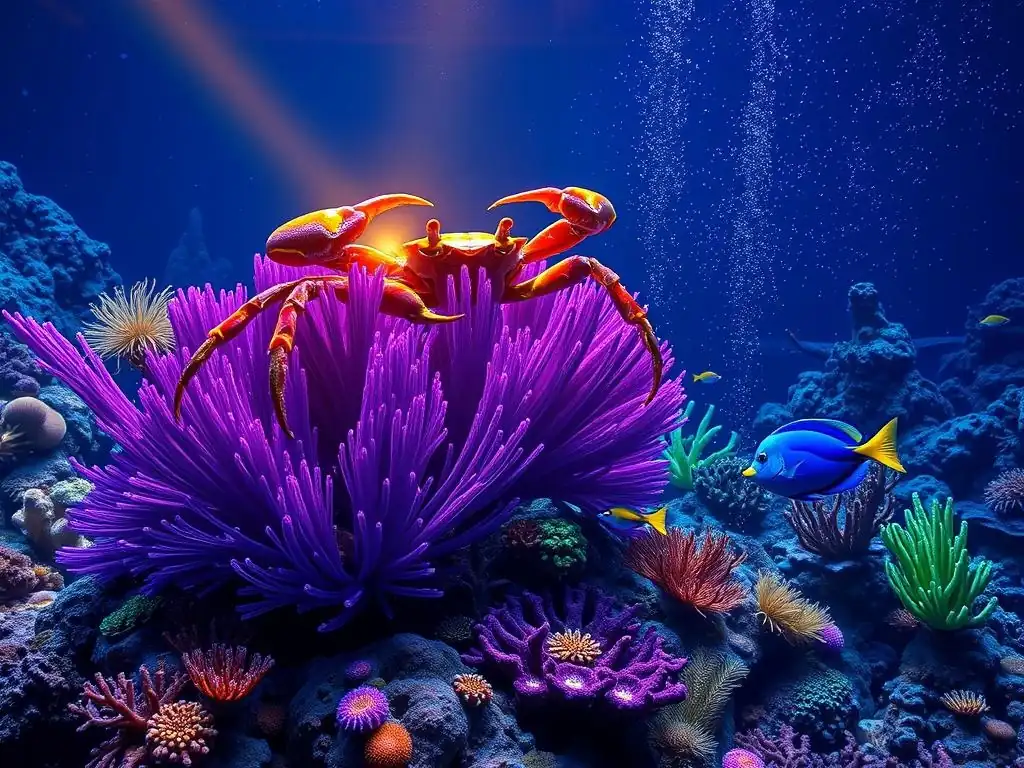
Welcome to Aquarium Mastery, where we dive deep into the fascinating world of aquatic life!
Ever wondered about the stealthy inhabitant that adds a touch of intrigue to your reef tank? Get ready to embark on "Arrow Crab Adventures" and uncover the secrets to successful arrow crab care tips. These unique stalkers deserve a spotlight, and we're here to provide you with everything you need to know to keep them thriving. Ready to learn more about these fascinating invertebrates? Let's get started!
- Understanding the Arrow Crab: A Reef Tank Enigma
- Arrow Crab Care Tips: Keeping Your Reef Stalker Healthy
- Arrow Crab Behavior: Observing the Reef's Stalker
- Arrow Crab Appearance: Identifying the Reef's Spidery Crab
- Potential Problems with Arrow Crabs in Reef Tanks
- Arrow Crab Breeding: Is it Possible in Captivity?
-
Frequently Asked Questions
- What are the basic requirements for Arrow Crab care?
- What do Arrow Crabs eat, and how often should they be fed?
- Are Arrow Crabs reef-safe, and what potential problems might arise?
- What water parameters are crucial for maintaining a healthy Arrow Crab?
- How can I address common health issues in Arrow Crabs?
- Final Reflection: Embracing the Reef's Delicate Balance
- Unleash Your Inner Reef Explorer!
Understanding the Arrow Crab: A Reef Tank Enigma
What is an Arrow Crab? Introduction to Stenorhynchus seticornis
The Arrow Crab, scientifically known as Stenorhynchus seticornis, is a distinctive marine invertebrate often found in saltwater aquariums. Its common name is derived from its unique, elongated, triangular body and incredibly long, slender legs, which give it a spider-like appearance. This fascinating creature is primarily known for its predatory nature, often sought after by aquarists looking for a natural solution to bristle worm infestations within their reef tanks.
While often considered part of the clean-up crew due to its scavenging habits, the Arrow Crab is an opportunistic predator. Its pointed rostrum, or "snout," is a prominent feature, and its long, delicate chelipeds (claws) are perfectly adapted for ambushing and capturing small prey. Understanding these inherent behaviors is fundamental for effective Stenorhynchus seticornis care, ensuring it thrives without becoming a nuisance in the delicate ecosystem of a home aquarium.
Arrow Crab Taxonomy: Genus, Species, and Classification
The Arrow Crab, Stenorhynchus seticornis, belongs to the Kingdom Animalia, Phylum Arthropoda, Subphylum Crustacea, Class Malacostraca, Order Decapoda, Family Inachidae (spider crabs), and Genus Stenorhynchus. This classification places it within a vast group of crustaceans characterized by ten legs, including crabs, lobsters, and shrimp. The Family Inachidae specifically includes crabs with long, slender legs and often triangular or pear-shaped bodies.
Within the Stenorhynchus genus, Stenorhynchus seticornis is the most widely recognized and commonly available species in the aquarium trade. While other species exist, they are far less frequently encountered by hobbyists. This specific taxonomic identification is crucial for aquarists to ensure they are acquiring the correct species and applying appropriate arrow crab care tips, as behavioral traits and environmental needs can vary slightly among closely related species.
Natural Habitat of the Arrow Crab: Where They Roam in the Wild
In their natural environment, Arrow Crabs are native to the warm waters of the Western Atlantic Ocean. Their range extends from North Carolina along the southeastern United States coast, throughout the Gulf of Mexico, the Caribbean Sea, and south to Brazil. They are typically found in shallow to moderately deep reef environments, often observed at depths ranging from 1 to 100 feet (approximately 0.3 to 30 meters), though they can inhabit deeper waters.
These crabs prefer to reside in areas with ample hiding spots, such as crevices in live rock, among the branches of sponges, or nestled within the intricate structures of gorgonians and coral formations. This preference for sheltered environments allows them to effectively ambush unsuspecting prey and retreat quickly from potential threats. Replicating these natural conditions by providing plenty of rockwork and hiding places is a crucial aspect of successful arrow crab care tips for any home aquarium.
Arrow Crab Care Tips: Keeping Your Reef Stalker Healthy
Essential Water Parameters for Arrow Crab Success
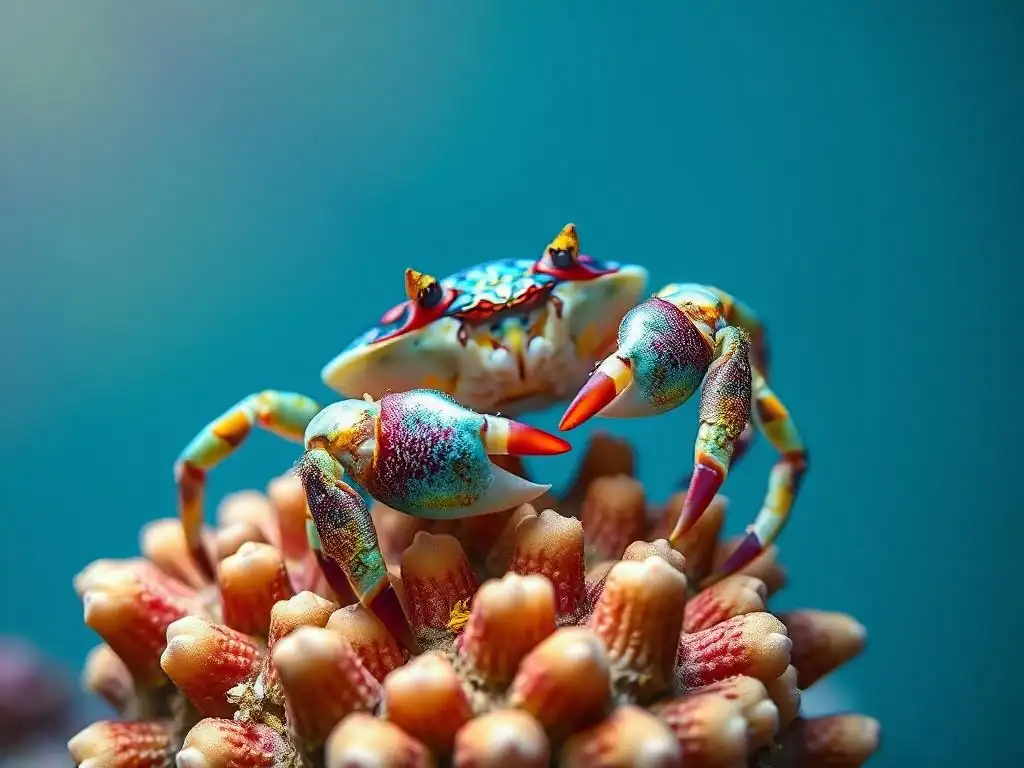
Maintaining stable and appropriate water parameters is paramount for the health and longevity of Arrow Crabs in a reef tank. Salinity should be kept within a specific gravity range of 1.023 to 1.026, closely mimicking natural ocean conditions. The ideal temperature range for these invertebrates is between 72-78°F (22-26°C), and pH levels should be consistently maintained between 8.1 and 8.4. Fluctuations in these parameters can cause significant stress, leading to health issues or even death.
Beyond the basic parameters, attention to alkalinity, calcium, and magnesium levels is also a vital component of arrow crab care tips, especially given their molting process. Alkalinity should be maintained between 8-12 dKH, calcium at 400-450 ppm, and magnesium at 1200-1350 ppm. These minerals are essential for the formation of their new exoskeleton during molting. Regular water testing and consistent replenishment of these elements, often through dosing or water changes, will significantly contribute to their overall well-being.
Arrow Crab Diet: What to Feed Your Reef Predator
In their natural habitat, Arrow Crabs are primarily opportunistic predators and scavengers, feeding on a variety of small invertebrates, including bristle worms, small crustaceans, and detritus. In a home aquarium, they will actively hunt bristle worms and scavenge for leftover food particles. However, relying solely on natural scavenging may not provide sufficient nutrition, especially in tanks with a low bioload or few bristle worms.
To ensure proper nutrition and prevent them from preying on desirable tank inhabitants, supplementing their diet is a key aspect of arrow crab care tips. They readily accept a variety of frozen foods such as mysis shrimp, brine shrimp, and small pieces of chopped fish or silverside. Target feeding, using a long tong or pipette to deliver food near their hiding spot, can ensure the crab receives adequate nutrition without competition from faster-moving fish.
Supplementing the Arrow Crab Diet: Live Foods and Alternatives
While frozen foods form a good base, supplementing the Arrow Crab's diet with live foods can further enrich their nutrition and stimulate their natural hunting instincts. Small feeder shrimp or even unwanted small pest snails can be offered occasionally. If your tank has an abundance of bristle worms, the Arrow Crab will actively hunt and consume them, providing a natural form of pest control. However, this should not be the sole food source.
It is important not to overfeed, as excess food can degrade water quality. A varied diet, combining frozen foods with occasional live prey and allowing them to scavenge on detritus, is the most effective approach for comprehensive arrow crab care tips. This balanced diet ensures they receive all necessary nutrients, reducing the likelihood of them becoming aggressive towards other tank inhabitants due to hunger.
Acclimation Process: Introducing Your Arrow Crab to Its New Home
Proper acclimation is critical for the survival and long-term health of an Arrow Crab when introducing it to a new aquarium. Due to their sensitivity to changes in salinity, temperature, and pH, a slow drip acclimation method is highly recommended. This process typically involves slowly introducing tank water into the bag containing the crab over a period of 1 to 2 hours, allowing for a gradual adjustment to the new water parameters.
To perform drip acclimation, float the bag in the sump or a separate container to equalize temperature. Then, using airline tubing and a knot or valve, siphon water from the display tank into the bag at a slow drip rate (e.g., 2-3 drips per second). Once the volume of water in the bag has quadrupled, gently net the crab and transfer it to the display tank, discarding the old water. This meticulous approach is one of the most vital arrow crab care tips for preventing shock and ensuring a smooth transition.
Arrow Crab Tank Mates: Compatibility Considerations
When selecting tank mates for an Arrow Crab, careful consideration of their opportunistic predatory nature is essential. While they are often peaceful scavengers, they can become a threat to smaller or slower-moving invertebrates and even small fish, especially if underfed or in a confined space. The general rule is to avoid pairing them with anything small enough to fit into their mouths or that they can easily overpower.
The size of your aquarium also plays a significant role in compatibility. In larger tanks (e.g., 50 gallons or more) with ample hiding spots and diverse rockwork, the risk of predation on suitable tank mates is reduced. However, in smaller setups, the crab's territorial instincts and hunting habits can be more pronounced. Thorough research into potential tank mates is a crucial part of effective arrow crab care tips.
Fish that Coexist Well with Arrow Crabs
Generally, fast-moving and larger fish species tend to coexist well with Arrow Crabs, as they are too quick or too substantial to be considered prey. Examples include tangs, angelfish, clownfish (especially well-established pairs), and various damselfish species. These fish are typically agile enough to avoid any predatory lunges from the crab, and their size deters the crab from attempting an attack.
For instance, many aquarists report successful long-term cohabitation between Arrow Crabs and species like Yellow Tangs (up to 8 inches), Ocellaris Clownfish (up to 4 inches), and Royal Grammas (up to 3 inches) in tanks of 50 gallons or more. The key is ensuring the fish are of a reasonable size relative to the crab and that the crab is consistently well-fed to minimize its predatory instincts towards tank mates.
Invertebrates to Avoid Keeping with Arrow Crabs
Certain invertebrates are highly susceptible to predation by Arrow Crabs and should generally be avoided as tank mates. This includes smaller ornamental shrimp species such as Peppermint Shrimp, Cleaner Shrimp, and particularly any smaller "nano" shrimp. Small snails, hermit crabs (especially smaller species), and other crabs of comparable or smaller size are also at significant risk. Many aquarists have reported Arrow Crabs consuming Peppermint Shrimp overnight, for example.
While often considered "reef safe with caution," Arrow Crabs can occasionally nip at or bother corals, particularly soft corals or slow-moving polyps, especially if they are very hungry or if detritus accumulates on the coral. Therefore, meticulous monitoring of their behavior and ensuring they are adequately fed are essential arrow crab care tips to protect your valuable invertebrate and coral inhabitants.
Arrow Crab Behavior: Observing the Reef's Stalker
Predatory Habits: How Arrow Crabs Hunt in the Aquarium
Arrow Crabs are fascinating to observe due to their unique predatory tactics. They are ambush predators, often remaining motionless for extended periods, camouflaged against the rockwork, patiently waiting for unsuspecting prey to wander within striking distance. When a target is identified, they execute a surprisingly swift lunge, using their long, slender chelipeds to grasp and secure their meal.
While they are known for hunting bristle worms, they are opportunistic and will consume any small invertebrate or slow-moving creature they can catch. Their activity often peaks during the evening or night, though they can be seen actively foraging during the day, especially if food is introduced. Observing their hunting prowess provides valuable insight into their natural behaviors and reinforces the need for careful tank mate selection as part of comprehensive arrow crab care tips.
Arrow Crab Molting: Understanding the Shedding Process
Like all crustaceans, Arrow Crabs grow by molting, which involves shedding their rigid exoskeleton. This process is critical for their growth and can be a vulnerable time for the crab. Signs that an Arrow Crab is preparing to molt include increased hiding, lethargy, or a slightly cloudy appearance to their eyes. The actual shedding process can take several hours, during which they pull themselves out of their old shell.
After molting, the crab's new exoskeleton is soft and pliable, making it extremely susceptible to predation from other tank inhabitants. It will typically hide for several days to a week while its new shell hardens. It is crucial not to remove the shed exoskeleton from the tank immediately, as the crab may consume it to reabsorb valuable calcium and other minerals. Providing ample hiding spots and maintaining stable water parameters are essential arrow crab care tips during this delicate period.
Arrow Crabs are predominantly solitary creatures in the aquarium environment. While they may tolerate the presence of other crabs of their own kind in very large tanks with abundant hiding spots and food, keeping multiple Arrow Crabs together, especially in smaller or moderately sized aquariums, often leads to aggression and territorial disputes. These conflicts can result in injury or even cannibalism, particularly between males or if resources are scarce.
If an aquarist insists on housing more than one Arrow Crab, a tank size of at least 100 gallons with extensive rockwork offering numerous distinct territories is advisable. Even then, success is not guaranteed, and continuous monitoring for signs of aggression is necessary. For the vast majority of hobbyists, the most reliable and peaceful approach for long-term arrow crab care tips is to keep only one Arrow Crab per display tank.
Arrow Crab Appearance: Identifying the Reef's Spidery Crab
Unique Physical Characteristics of the Arrow Crab
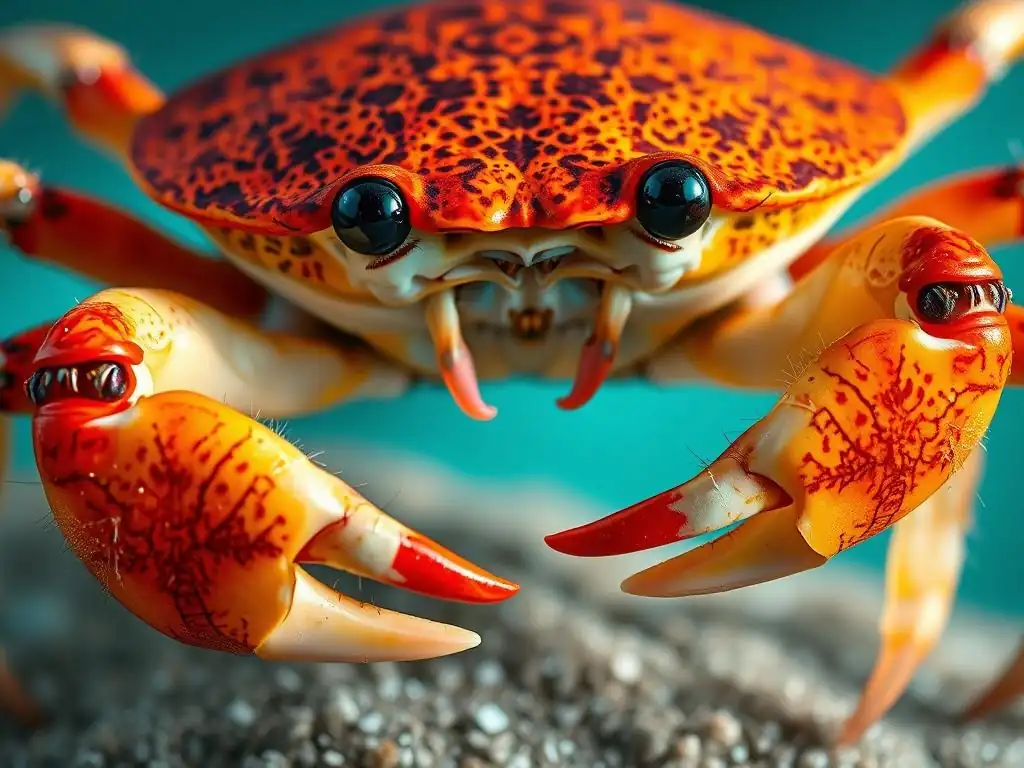
The Arrow Crab is unmistakable in its appearance, easily identified by its distinctive physical characteristics. Its most prominent feature is its long, extremely slender legs, typically numbering four pairs, giving it a spidery, almost delicate look. These legs can span up to 10 inches (25 cm) from tip to tip, though the body itself remains relatively small. The body is triangular or pear-shaped, often mottled in shades of brown, tan, or green, providing excellent camouflage against live rock.
Another defining characteristic is its elongated, pointed rostrum (snout), which projects forward like an arrow, contributing to its common name. Its chelipeds, or claws, are also long and slender, adapted for grasping small prey. The combination of its long legs, triangular body, and pointed rostrum makes the Arrow Crab a truly unique and captivating addition to a reef tank, making its identification straightforward for aquarists following good arrow crab care tips.
Arrow Crab Size and Growth Rate: What to Expect
While the Arrow Crab's leg span can be quite impressive, reaching up to 6-10 inches (15-25 cm) in larger specimens, its actual body size remains relatively modest, typically ranging from 2 to 3 inches (5-7.5 cm) in length. This disparity between body size and leg span often surprises new owners. The growth rate of an Arrow Crab is influenced by several factors, including the availability of food, water quality, and the frequency of molting.
Younger Arrow Crabs will molt more frequently, sometimes as often as once every 1-2 months, allowing for rapid growth. As they mature and grow larger, the frequency of molting decreases, with older crabs molting perhaps every 3-6 months. Consistent, high-quality nutrition and stable water parameters are crucial arrow crab care tips for supporting healthy growth and successful molting throughout their lifespan.
Sexing Arrow Crabs: Identifying Males and Females
Distinguishing between male and female Arrow Crabs, while not always straightforward, can be achieved by observing specific anatomical differences, particularly concerning their abdominal flap (telson) and chelipeds. Males typically possess longer, more slender chelipeds compared to females, and their abdominal flap, located on the underside of the crab, is narrower and more pointed.
Conversely, female Arrow Crabs generally have a broader, more rounded abdominal flap. This wider flap serves a crucial purpose: it is where the female carries and protects her eggs after spawning. Observing these differences usually requires gently inverting the crab, which should only be done if absolutely necessary and with extreme care to avoid stressing the animal.
Potential Problems with Arrow Crabs in Reef Tanks
Arrow Crab Predation: When They Become a Nuisance
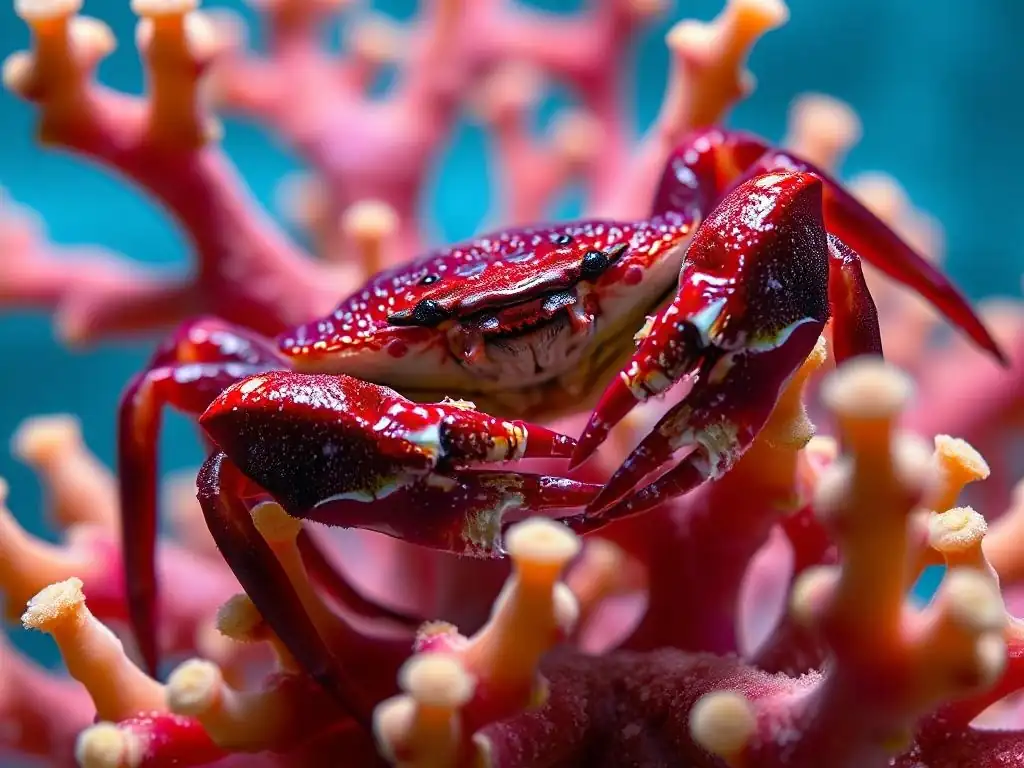
Despite their beneficial role in consuming bristle worms, Arrow Crabs can become a nuisance due to their opportunistic predatory nature. While they typically target unwanted worms, they can also prey on desirable small invertebrates such as cleaner shrimp, peppermint shrimp, small ornamental shrimp, and even small snails. Many aquarists have experienced the disappearance of these valuable tank inhabitants after introducing an Arrow Crab.
This predatory behavior is often exacerbated if the crab is underfed or if the tank environment lacks sufficient natural prey. For example, a hungry Arrow Crab might consume a small Turbo Snail overnight. Careful consideration of existing tank inhabitants and consistent supplemental feeding are critical arrow crab care tips to mitigate the risk of them preying on your other treasured reef creatures.
Arrow Crab and Coral: Are They Reef Safe?
Arrow Crabs are generally considered "reef safe with caution." In most cases, they do not actively consume healthy coral tissue. Their primary diet consists of small invertebrates and detritus. However, there are instances where an Arrow Crab might pick at dying or stressed coral polyps, or scavenge for detritus that has accumulated on coral surfaces. This behavior can sometimes irritate or damage sensitive corals.
In rare instances, if an Arrow Crab is severely underfed, it might nip at soft corals or polyps out of desperation. Therefore, it is advisable to monitor their behavior closely, especially around delicate corals. Ensuring they are consistently well-fed with appropriate foods is the best preventative measure, making it a key aspect of arrow crab care tips to protect your coral inhabitants.
Arrow Crab Health Issues: Common Diseases and Treatments
Arrow Crabs are generally hardy invertebrates once properly acclimated and maintained in stable conditions. They are not typically susceptible to specific "diseases" in the same way fish are. Most health issues arise from environmental stress, such as unstable water parameters, improper acclimation, or aggression from incompatible tank mates. Symptoms of distress might include lethargy, loss of appetite, or difficulty during the molting process.
Preventative measures are the most effective "treatments" for Arrow Crabs. Maintaining pristine water quality within the recommended parameters, providing a varied and nutritious diet, and ensuring a stress-free environment are the most crucial arrow crab care tips for their long-term health. If a crab struggles to molt, it often indicates deficiencies in calcium or iodine, or general poor water quality, which can be addressed through supplementation and water changes.
Arrow Crab Breeding: Is it Possible in Captivity?
Challenges of Breeding Arrow Crabs in Home Aquariums
While Arrow Crabs do reproduce sexually and female crabs will carry clutches of eggs, breeding them successfully in a home aquarium setting is extremely challenging, if not virtually impossible, for the average hobbyist. The primary difficulty lies in the larval stage. Arrow Crab larvae are pelagic, meaning they drift freely in the water column, and are microscopic. They require very specific, tiny planktonic food sources that are incredibly difficult to culture and maintain in sufficient quantities.
Furthermore, these larvae undergo multiple complex molts over several weeks before they metamorphose into a miniature crab form and settle out of the water column. Replicating the precise environmental conditions, water flow, and specialized diet needed to sustain these delicate larval stages through their entire development cycle has rarely been achieved outside of highly specialized aquaculture facilities.
Arrow Crab: A Fascinating Addition to the Reef?
The Arrow Crab offers a unique blend of aesthetic appeal and functional utility for the reef aquarist. Its distinctive, spidery appearance and intriguing stalking behavior make it a captivating inhabitant to observe. Beyond its visual interest, its natural inclination to hunt and consume bristle worms can be a significant benefit, providing a natural and effective form of pest control in many reef tanks.
However, its opportunistic predatory nature requires careful consideration regarding tank mate compatibility. Successful integration hinges on thorough understanding and diligent application of specific arrow crab care tips, ensuring their dietary needs are met and potential risks to other desirable invertebrates or small fish are minimized. When managed appropriately, the Arrow Crab can indeed be a fascinating and beneficial addition to a well-matched reef environment.
Weighing the Pros and Cons of Keeping Arrow Crabs
Keeping an Arrow Crab comes with distinct advantages and disadvantages that aquarists should weigh carefully. On the positive side, they are highly effective at controlling bristle worm populations, which can be a nuisance in many reef tanks. Their unique appearance and active, stalking behavior also add an intriguing dynamic to the aquarium. They are generally hardy once established, provided proper arrow crab care tips are followed regarding water parameters and diet.
Conversely, the primary drawback is their opportunistic predation on other desirable invertebrates, such as cleaner shrimp, peppermint shrimp, and small snails, especially if underfed. While generally "reef safe with caution," they can occasionally irritate or pick at corals. Their solitary nature also means only one can typically be housed per tank, and their long legs can sometimes brush against and annoy sensitive corals.
Is an Arrow Crab Right for Your Reef Tank?
Deciding whether an Arrow Crab is suitable for your reef tank ultimately depends on your specific tank setup, existing inhabitants, and your tolerance for potential risks. If your primary goal is to control bristle worms and your tank contains larger, fast-moving fish and robust corals, an Arrow Crab can be an excellent and engaging addition. Its predatory prowess can be a significant asset in managing unwanted worm populations.
However, if your aquarium houses a collection of small, delicate ornamental shrimp, tiny snails, or very sensitive, slow-growing corals, the potential for predation or irritation might outweigh the benefits. Adhering to comprehensive arrow crab care tips, including consistent feeding and careful tank mate selection, is paramount. With proper planning and understanding of its unique needs and behaviors, an Arrow Crab can be a rewarding and intriguing inhabitant for the discerning reef aquarist.
Frequently Asked Questions
What are the basic requirements for Arrow Crab care?
Arrow Crabs need a stable saltwater environment with plenty of hiding places among live rock. They also require a balanced diet that includes meaty foods.
What do Arrow Crabs eat, and how often should they be fed?
Arrow Crabs are opportunistic feeders, consuming small invertebrates and algae. Supplement their diet with small pieces of meaty food 2-3 times per week, being careful not to overfeed the tank.
Are Arrow Crabs reef-safe, and what potential problems might arise?
While generally considered reef-safe, Arrow Crabs can sometimes nip at small, slow-moving invertebrates like corals or fan worms. Observe their behavior to ensure they're not causing damage to your reef ecosystem.
What water parameters are crucial for maintaining a healthy Arrow Crab?
Maintaining stable water parameters is essential. Aim for a salinity of 1.023-1.025, a temperature of 72-78°F (22-26°C), and keep ammonia and nitrite levels at zero.
How can I address common health issues in Arrow Crabs?
Monitor for signs of stress, such as loss of appetite or lethargy. Ensure proper water quality and address any underlying issues promptly, such as parasites or poor water chemistry.
Final Reflection: Embracing the Reef's Delicate Balance
The journey into the world of the arrow crab, as we've explored, highlights the intricate ecosystems we strive to recreate within our home aquariums. Understanding their unique behaviors and specific needs isn't just about successful husbandry; it's about fostering a deeper appreciation for the delicate balance that exists within the coral reef and our responsibility to maintain it.
This exploration into arrow crab care tips has underscored how even seemingly small creatures play a vital role in the larger aquatic tapestry. My own experiences observing these fascinating invertebrates have reinforced the importance of diligent research and responsible pet ownership. In the end, we will conserve only what we love; we will love only what we understand; and we will understand only what we are taught.
- Baba Dioum. This quote perfectly encapsulates the need for continued learning and sharing of knowledge within the aquarium hobby.
As you consider adding an arrow crab to your reef tank, or perhaps re-evaluate the care you're currently providing, remember that you are not just keeping a pet. You are becoming a steward of a small piece of the ocean. Let the insights shared here inspire you to continue learning, to observe with curiosity, and to contribute to the well-being of these captivating creatures, ensuring their thriving presence in our home aquariums for years to come.
Unleash Your Inner Reef Explorer!
Thank you for diving into the fascinating world of Arrow Crabs! We hope you've enjoyed learning about these unique and beneficial reef tank inhabitants. Now, let's take what you've learned and turn it into action.
- Consider adding an Arrow Crab to your reef tank to help control bristleworm populations and maintain a balanced ecosystem. Remember to research their compatibility with your existing inhabitants first!
- Share this article with fellow reef tank enthusiasts to spread awareness about the often-overlooked benefits of Arrow Crabs.
- Research the specific needs of other beneficial reef tank invertebrates, like serpent stars or peppermint shrimp, and consider diversifying your cleanup crew.
What surprising cleanup crew member has made the biggest difference in your reef tank, and what did it teach you about reef ecosystem balance?