
Apistogramma Agassizii: Mastering Care for this Elegant SpearTail

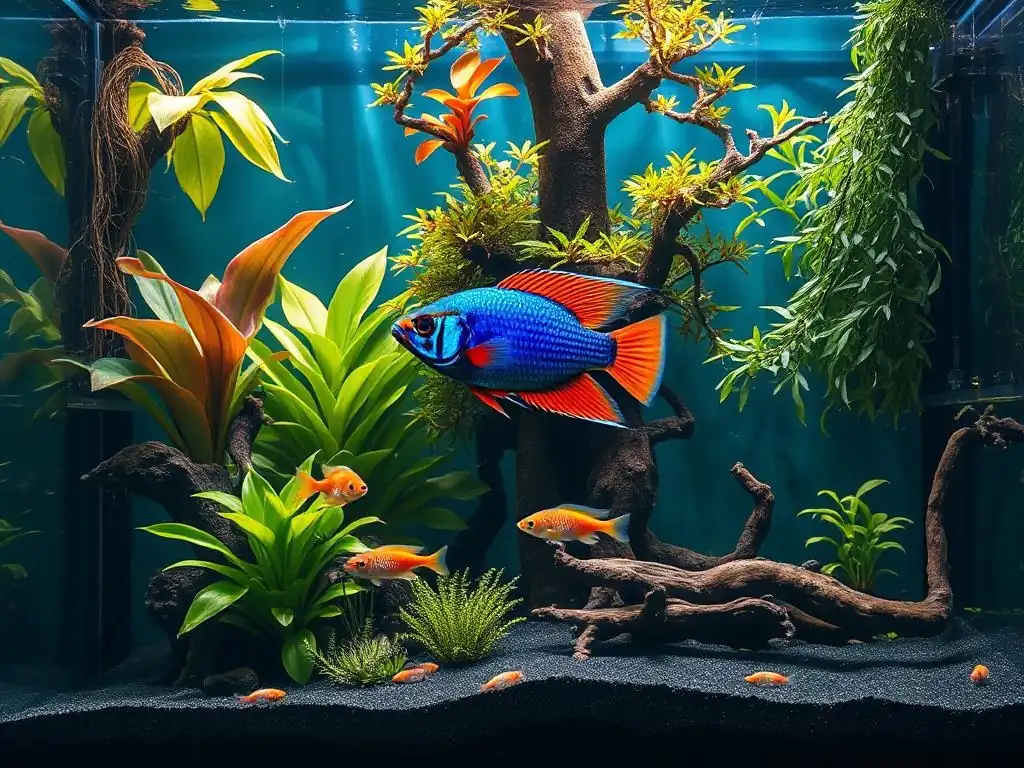
Welcome to Aquarium Mastery!
Intrigued by the vibrant colors and fascinating behaviors of Apistogrammas? Dive into our comprehensive Apistogramma care guide tips and unlock the secrets to creating a thriving habitat for these elegant spear-tails. Discover everything you need to know, from tank setup and water parameters to feeding habits and breeding techniques. Let's embark on a journey to master the art of Apistogramma care together!
- Apistogramma agassizii: Mastering Care for This Elegant Dwarf Cichlid
- Understanding Apistogramma agassizii: An Introduction to the Agassizii Dwarf Cichlid
- Essential Apistogramma agassizii Care Guide Tips for a Thriving Aquarium
- Apistogramma agassizii Diet and Feeding: Ensuring Proper Nutrition
- Apistogramma agassizii Tank Mates: Creating a Peaceful Community
- Breeding Apistogramma agassizii: A Rewarding Challenge
- Common Health Issues in Apistogramma agassizii and Their Treatment
- Advanced Apistogramma Care: Tips for Experienced Aquarists
- Troubleshooting Common Apistogramma agassizii Problems
- Conclusion: Mastering Apistogramma agassizii Care for a Stunning Aquarium Display
-
Frequently Asked Questions
- What are the key considerations when setting up an Apistogramma Agassizii tank?
- What should I feed my Apistogramma Agassizii?
- How often should I perform water changes in my Apistogramma Agassizii aquarium?
- What are some common health issues that affect Apistogramma Agassizii?
- What tank mates are suitable for Apistogramma Agassizii?
- Final Reflection: Embracing the Art of Apistogramma Care
- Ignite Your Apistogramma Adventure!
Apistogramma agassizii: Mastering Care for This Elegant Dwarf Cichlid
Understanding Apistogramma agassizii: An Introduction to the Agassizii Dwarf Cichlid
Origin and Natural Habitat of Apistogramma agassizii
Apistogramma agassizii, commonly known as Agassiz's Dwarf Cichlid, originates primarily from the vast Amazon River basin in South America. Their natural range extends across various countries including Brazil, Peru, and Bolivia, where they inhabit slow-moving tributaries, oxbow lakes, and flooded forests. These environments are characterized by their "blackwater" conditions, meaning the water is stained dark brown by tannins released from decaying leaves and wood, resulting in extremely soft and acidic water, often with a pH as low as 4.5 and negligible hardness, sometimes less than 1 dGH.
In their native habitat, Apistogramma agassizii thrive amidst dense leaf litter, submerged roots, and intricate driftwood structures, which provide ample hiding spots and foraging grounds. The water flow is typically gentle, and light penetration is often subdued due to the canopy cover and tannin-stained water. Replicating these specific conditions is a crucial Apistogramma care guide tip for ensuring their well-being and longevity in a home aquarium, as deviations can lead to stress and susceptibility to disease.
Distinguishing Features: Identifying Apistogramma agassizii
Apistogramma agassizii are renowned for their striking coloration and elegant, elongated body shape, which culminates in a distinctive spear-shaped caudal fin – hence their common name, Speartail Apisto. Males are typically larger and more vibrantly colored, reaching lengths of up to 3 inches (approximately 7.5 cm), displaying iridescent blues, reds, and yellows, often with a prominent lateral stripe and intricate fin patterns. Female Apistogramma agassizii, in contrast, are smaller, usually growing to about 1.5 to 2 inches (3.8-5 cm), and tend to have more subdued coloration, typically yellowish-brown, especially outside of breeding periods.
One of the most captivating aspects of Apistogramma agassizii is the wide array of natural color morphs and cultivated strains, such as the "Fire Red," "Double Red," and "Tefe" varieties, each showcasing unique patterns and intensity of hues. These variations, while beautiful, all retain the characteristic body shape and spear-like tail that define the species. Understanding these distinguishing features is vital for proper identification and can aid in selecting healthy specimens when applying Apistogramma care guide tips for new acquisitions.
Why Choose Apistogramma agassizii for Your Aquarium?
Choosing Apistogramma agassizii for a freshwater aquarium offers a rewarding experience due to their captivating beauty, intriguing behavior, and relatively peaceful nature compared to larger cichlid species. Their vibrant colors and active foraging habits add significant aesthetic appeal to a well-planted tank. Furthermore, observing their complex social interactions, particularly during courtship and breeding, provides an engaging spectacle for dedicated aquarists, making them a popular choice for those looking to advance beyond basic community fish.
While Apistogramma agassizii require specific water parameters and a carefully designed environment, their manageable size makes them suitable for smaller to medium-sized aquariums, typically 15-20 gallons for a single pair. They are generally less aggressive than many other cichlids, allowing for compatible community setups with appropriate tank mates. This blend of visual appeal, fascinating behavior, and manageable size, when combined with diligent Apistogramma care guide tips, positions them as an excellent choice for intermediate to advanced hobbyists seeking a centerpiece fish that truly shines.
Essential Apistogramma agassizii Care Guide Tips for a Thriving Aquarium
Setting Up the Ideal Tank Environment for Apistogramma agassizii
Establishing the correct tank environment is paramount for the health and vitality of Apistogramma agassizii. Successfully replicating their natural Amazonian habitat involves careful consideration of tank size, substrate, decor, and the crucial element of water parameters. A well-designed setup minimizes stress, encourages natural behaviors like foraging and breeding, and significantly reduces the likelihood of disease, forming the cornerstone of effective Apistogramma care guide tips.
The goal is to create a stable, low-stress environment that mimics the soft, acidic blackwater conditions they naturally inhabit. This holistic approach to tank setup, integrating appropriate physical elements with precise water chemistry, ensures that your Apistogramma agassizii not only survive but thrive, displaying their full coloration and engaging in their characteristic behaviors, which is a key objective of any comprehensive Apistogramma care guide.
Tank Size Recommendations for Apistogramma agassizii
For a single pair of Apistogramma agassizii, a minimum tank size of 15 to 20 gallons (approximately 57-75 liters) is recommended. This allows sufficient swimming space and helps to mitigate potential territorial disputes, especially during breeding. While they are dwarf cichlids, their territorial nature, particularly that of males, necessitates adequate space to establish individual territories and retreat spots.
If planning to keep a trio (one male with two females) or a small community with other compatible species, a larger tank of 30 gallons (approximately 113 liters) or more is highly advisable. Larger tanks offer increased water volume, which contributes to greater water parameter stability, a critical factor in Apistogramma agassizii care. For instance, a 30-gallon tank provides approximately 50% more stable water volume than a 20-gallon tank, making it significantly easier to maintain the precise and consistent conditions these delicate fish require.
Substrate and Decor: Replicating the Agassizii's Natural Environment
The substrate choice for an Apistogramma agassizii tank should ideally be fine sand, such as pool filter sand or specialized aquarium sand. This is crucial because Apistogramma species are benthic, meaning they spend much of their time sifting through the substrate in search of food. A fine sand substrate protects their delicate barbels and allows for natural foraging behavior, unlike coarser gravel which can injure them or trap food particles.
Decor should focus on providing ample hiding places and visual barriers. Dense planting, particularly with plants like Java Fern, Anubias, and Cryptocoryne species, is highly recommended. Incorporate plenty of driftwood and leaf litter (e.g., Indian almond leaves, oak leaves) to release tannins, stain the water a natural brown, and provide additional hiding spots and a natural foraging surface. These elements not only enhance the aesthetic appeal but are vital for reducing stress and encouraging natural behavior, aligning with best Apistogramma care guide tips.
Water Parameters: Achieving Optimal Water Chemistry for Apistogramma agassizii
Achieving and maintaining precise water parameters is the most critical aspect of Apistogramma agassizii care. The ideal temperature range for these fish is between 76-82°F (24-28°C), simulating their tropical Amazonian origins. Consistent temperature is vital, as fluctuations can quickly lead to stress and illness.
More importantly, Apistogramma agassizii thrive in very soft and acidic water. The target pH range should be between 4.5 and 6.5, with general hardness (GH) ideally below 5 dGH, and carbonate hardness (KH) as low as 0-2 dKH. Achieving these parameters often requires the use of reverse osmosis (RO) water remineralized to the desired specifications, or employing peat filtration.
For example, many successful Apistogramma breeders report maintaining a pH of 5.5 and a GH of 2 dGH for optimal health and breeding success. Regular testing with reliable kits (e.g., liquid test kits over strips) is essential to monitor these parameters and make necessary, gradual adjustments to ensure a stable environment, which is a cornerstone of any Apistogramma care guide.
Water Quality and Maintenance: Key to Apistogramma agassizii Health
Maintaining pristine water quality is non-negotiable for the long-term health of Apistogramma agassizii. These fish are particularly sensitive to dissolved organic compounds and nitrates, which can quickly accumulate in an aquarium. A diligent maintenance routine, encompassing regular water changes and appropriate filtration, is fundamental to preventing stress, disease, and promoting their vibrant coloration and natural behaviors.
Neglecting water quality can lead to a host of problems, from fin rot and bacterial infections to stunted growth and a complete loss of breeding interest. Therefore, understanding and implementing effective water quality management strategies is as crucial as setting up the initial tank parameters when following an Apistogramma care guide, ensuring a stable and healthy habitat for these delicate dwarf cichlids.
The Importance of Regular Water Changes
Regular partial water changes are perhaps the single most impactful maintenance practice for Apistogramma agassizii. A common recommendation is to perform a 20-30% water change weekly. For instance, in a 20-gallon tank, this equates to removing 4-6 gallons of water and replacing it with fresh, properly conditioned water. In heavily planted tanks or those with lower bio-loads, some aquarists might opt for 15-20% bi-weekly changes, but weekly is generally safer.
The purpose of these changes is to dilute nitrates, replenish essential trace elements, and remove accumulated organic waste that filtration alone cannot fully address. When performing water changes, it is absolutely crucial that the replacement water matches the tank's existing temperature and, most importantly, its precise pH and hardness parameters. Introducing water with significantly different chemistry can cause severe osmotic shock, which is highly detrimental to Apistogramma agassizii and contradicts best Apistogramma care guide tips.
Filtration Needs for a Healthy Apistogramma Tank
Effective filtration is essential for removing particulate matter and processing nitrogenous waste in an Apistogramma agassizii aquarium. However, given their preference for gentle water flow, strong power filters or hang-on-back filters that create excessive current should be avoided. Instead, sponge filters, internal filters with adjustable flow, or canister filters with spray bars to diffuse the output are ideal choices.
A filter with a turnover rate of 3-5 times the tank volume per hour is generally sufficient. For example, a 20-gallon tank would benefit from a filter processing 60-100 gallons per hour. The filtration system should prioritize biological filtration to convert ammonia and nitrite into less toxic nitrate, and mechanical filtration to remove physical debris. Chemical filtration, such as activated carbon, can be used intermittently to remove discoloration or medications, but not continuously as it can remove beneficial tannins.
Monitoring and Adjusting Water Parameters
Consistent monitoring of water parameters is a non-negotiable aspect of successful Apistogramma agassizii care. Regular testing with reliable liquid test kits for pH, GH, KH, ammonia, nitrite, and nitrate is paramount. For example, weekly tests for ammonia, nitrite, and nitrate are essential, especially in newly established tanks or when issues arise, while pH, GH, and KH should be checked at least bi-weekly or before every water change.
If parameters drift, adjustments must be made gradually to avoid shocking the fish. For instance, to lower pH and hardness, methods such as adding RO water, using peat granules in the filter, or introducing Indian almond leaves can be employed. Conversely, if pH is too low, careful addition of crushed coral (though generally not recommended for Apistogramma) or a buffering agent can raise it, but always incrementally. Sudden shifts, even towards ideal parameters, can be more harmful than stable, slightly suboptimal conditions. This vigilance is a key Apistogramma care guide tip for preventing stress and maintaining a healthy environment.
Apistogramma agassizii Diet and Feeding: Ensuring Proper Nutrition
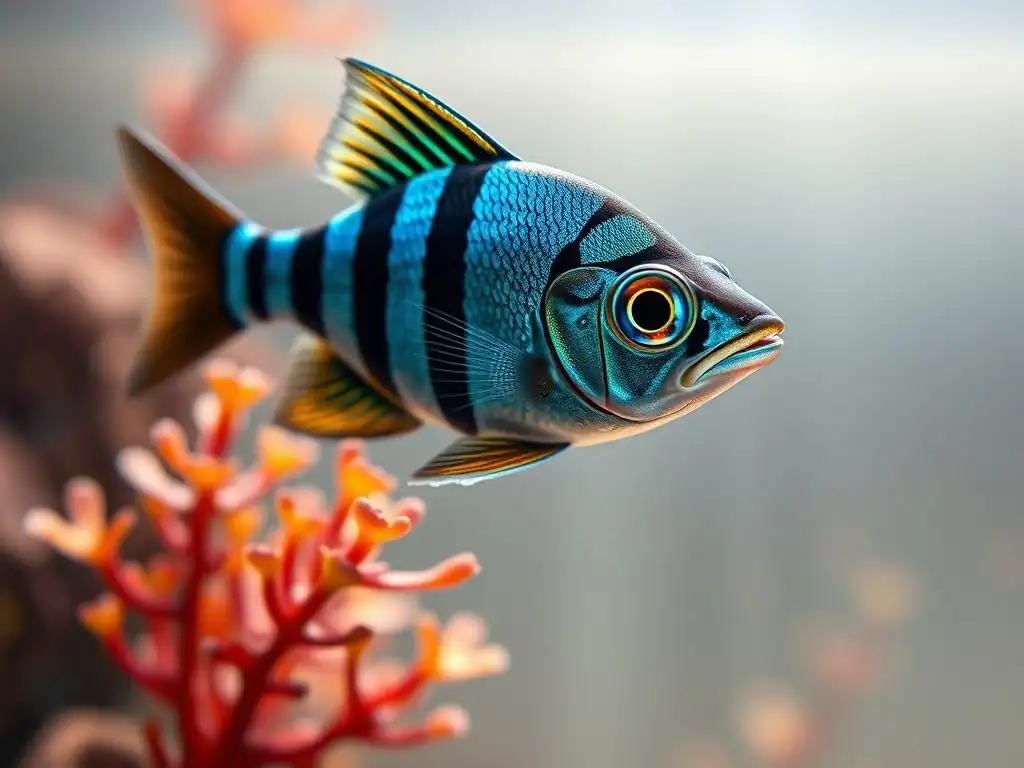
Providing a varied and high-quality diet is fundamental to the health, coloration, and breeding success of Apistogramma agassizii. These dwarf cichlids are micro-predators in their natural habitat, primarily consuming small invertebrates and insect larvae. Replicating this carnivorous diet in the aquarium is crucial for their well-being, as a deficient diet can lead to dull coloration, weakened immune systems, and overall poor health, making proper nutrition a vital Apistogramma care guide tip.
A balanced diet not only supplies the necessary proteins, fats, and vitamins but also enhances their vibrant colors, particularly the reds and blues that make Apistogramma agassizii so appealing. Understanding their natural feeding habits and preferences is key to crafting a feeding regimen that keeps them robust and active.
What to Feed Your Agassizii: A Balanced Diet
A balanced diet for Apistogramma agassizii should primarily consist of high-quality protein-rich foods. A good staple diet can include premium flake foods or small pellets specifically formulated for carnivorous or omnivorous cichlids, ensuring they contain a minimum of 40-50% crude protein. Brands like Hikari Carnivore Pellets or Omega One Super Color Flakes are often well-regarded for their nutritional content.
Supplementing the dry food with a variety of frozen and live foods is crucial for optimal health and vibrancy. Examples include frozen bloodworms, brine shrimp, daphnia, and Mysis shrimp. For instance, offering frozen bloodworms 2-3 times a week can significantly boost their protein intake and encourage natural foraging behaviors. This varied approach ensures they receive a full spectrum of nutrients that dry foods alone might not provide, enhancing their immune system and overall vitality, a cornerstone of comprehensive Apistogramma care guide tips.
Feeding Frequency and Portion Control for Dwarf Cichlids
Apistogramma agassizii have relatively small stomachs and a fast metabolism, making frequent, small feedings preferable to one large meal. It is generally recommended to feed them 2-3 times per day, offering only as much food as they can consume within 2-3 minutes. Overfeeding can quickly lead to degraded water quality and potential digestive issues for the fish.
For example, for a pair of adult Apistogramma agassizii in a 20-gallon tank, a pinch of high-quality flake food in the morning, followed by a few frozen bloodworms in the afternoon, and another small portion of flakes in the evening would be a suitable regimen. Observing their activity and body condition will help fine-tune the portions; healthy Apistogramma should have full, but not distended, bellies. Regular monitoring of their feeding response is an essential Apistogramma care guide tip to ensure they are receiving adequate nutrition without polluting the tank.
Live and Frozen Foods: Enhancing Agassizii's Diet
Live and frozen foods are invaluable for enhancing the diet of Apistogramma agassizii, providing essential nutrients and stimulating their natural predatory instincts. Live foods such as newly hatched brine shrimp, daphnia, and grindal worms are particularly beneficial. For instance, feeding newly hatched brine shrimp daily to juvenile Apistogramma or conditioning adult pairs for breeding can significantly improve their growth rates and reproductive success. Live foods also offer an engaging hunting experience for the fish.
Frozen foods like bloodworms, Mysis shrimp, and chopped blackworms are excellent alternatives to live foods, offering high nutritional value without the risk of introducing parasites often associated with wild-caught live foods. Thawing frozen foods in a small amount of tank water before feeding is crucial to prevent them from chilling the fish or fouling the tank. Incorporating these foods 3-4 times a week alongside dry foods provides a comprehensive and stimulating diet, which is a key Apistogramma care guide tip for vibrant health and natural behavior.
Apistogramma agassizii Tank Mates: Creating a Peaceful Community
Selecting appropriate tank mates is a critical aspect of Apistogramma agassizii care, as their generally peaceful but territorial nature requires careful consideration. While Apistogramma agassizii are dwarf cichlids, males can exhibit aggression towards other males of their own species or similarly shaped fish, especially during breeding. The goal is to choose tank mates that are similarly sized, peaceful, and ideally prefer the middle to upper water columns, thus avoiding direct competition for territory in the lower regions of the tank.
A well-chosen community enhances the aquarium's biodiversity and can even help diffuse aggression by providing dither fish that make the Apistogramma feel more secure. Conversely, incompatible tank mates can lead to chronic stress, fin nipping, or even death, undermining all other Apistogramma care guide tips.
Compatible Fish Species for Agassizii
Ideal tank mates for Apistogramma agassizii include small, peaceful schooling fish that occupy the mid to upper levels of the water column. Examples include various species of Tetras, such as Neon Tetras, Cardinal Tetras, Ember Tetras, and Rummy-Nose Tetras. A school of 6-10 Cardinal Tetras, for instance, not only adds beauty but also acts as dither fish, making the Apistogramma feel safer and more inclined to venture out into the open.
Other suitable companions include peaceful rasboras (e.g., Harlequin Rasboras), small, non-aggressive species of Corydoras catfish (which occupy the bottom but are too armored to be bothered by Apistogramma), and Otocinclus catfish for algae control. For example, a group of 5-6 Panda Corydoras can peacefully coexist with a pair of Apistogramma agassizii in a 20-gallon tank. Ensuring tank mates thrive in similar soft, acidic, and warm water conditions is also paramount for a harmonious environment.
Invertebrates and Plants: Adding Diversity to the Aquarium
Adding invertebrates and plants can significantly enrich the Apistogramma agassizii aquarium, contributing to both aesthetics and ecological balance. Live plants, as mentioned earlier, are essential for providing hiding spots, breaking up lines of sight, and contributing to water quality by absorbing nitrates. Hardy plants like Anubias, Java Fern, and various Cryptocoryne species are excellent choices, as they tolerate low light and soft, acidic water. Floating plants such as Amazon Frogbit or Dwarf Water Lettuce can also help diffuse lighting, which Apistogramma prefer.
When considering invertebrates, caution is advised. While some smaller, fast-moving shrimp like Amano shrimp might coexist, Apistogramma agassizii are predatory and will likely view smaller, slower shrimp (e.g., Cherry Shrimp juveniles) as food. Larger snails like Nerite snails are generally safe, as their shells protect them from predation and they contribute to algae control. However, any invertebrate small enough to fit in the Apistogramma's mouth is at risk, so careful observation and a willingness to separate are important Apistogramma care guide tips.
Fish to Avoid: Preventing Aggression and Stress
To prevent aggression, stress, and potential harm, certain fish species should be strictly avoided as tank mates for Apistogramma agassizii. Any large, aggressive, or fin-nipping fish are unsuitable. This includes most larger cichlid species, even other dwarf cichlids that are known to be more aggressive (e.g., some larger Apistogramma species or certain Pelvicachromis species). For instance, pairing Apistogramma agassizii with a dominant male Apistogramma cacatuoides in a small tank would almost certainly lead to conflict due to territorial overlap and differing temperaments.
Similarly, very active or boisterous fish that might outcompete the Apistogramma for food or constantly stress them with their movements should also be avoided. Fish that prefer very different water parameters (e.g., high pH and hard water) are also unsuitable, as compromising on water chemistry for one species will inevitably harm the Apistogramma. Adhering to these guidelines is a critical Apistogramma care guide tip for maintaining a peaceful and healthy community aquarium.
Breeding Apistogramma agassizii: A Rewarding Challenge
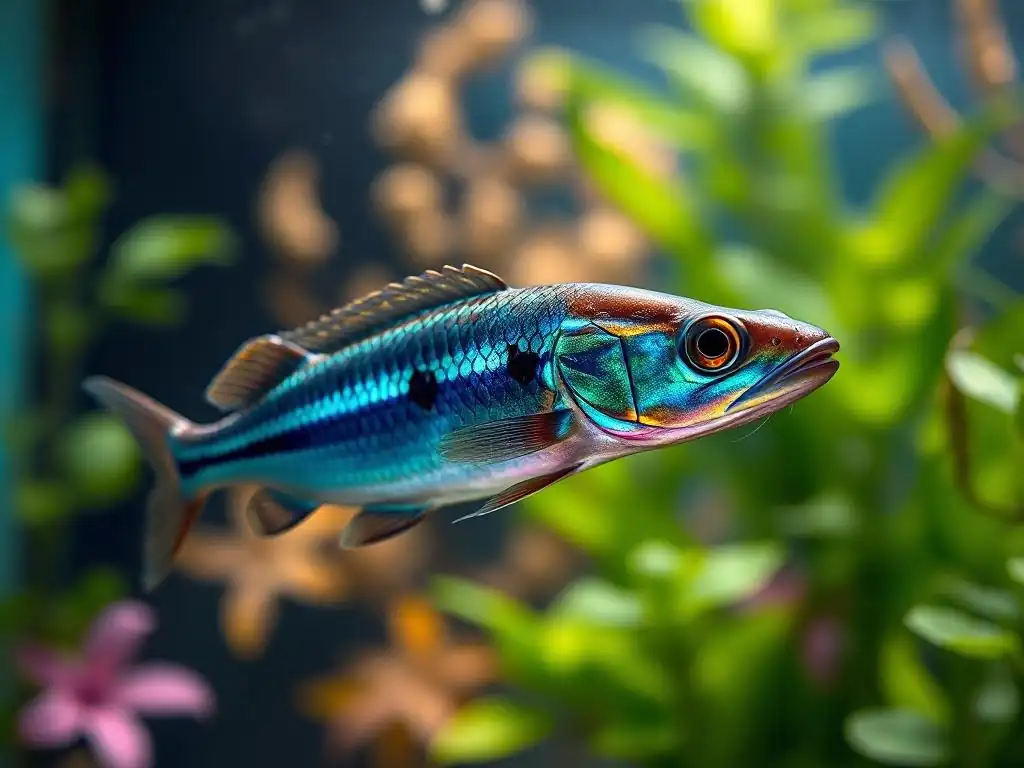
Breeding Apistogramma agassizii is one of the most rewarding aspects of their care, offering a fascinating glimpse into their complex reproductive behaviors. While it presents a challenge, particularly in achieving the specific water parameters required for successful spawning and fry development, it is entirely achievable for dedicated aquarists. Witnessing the pair bond, the intricate courtship dance, and the diligent parental care provided by the female is a highlight for many hobbyists, requiring precise Apistogramma care guide tips.
Success in breeding hinges on optimal water conditions, a high-quality diet, and a well-structured breeding tank that provides security and suitable spawning sites. Patience and attention to detail are key, as these dwarf cichlids can be particular about their environment when it comes to reproduction.
Setting Up a Breeding Tank for Agassizii
To maximize breeding success for Apistogramma agassizii, a dedicated breeding tank is highly recommended, separate from a community setup. A tank size of 10-15 gallons (38-57 liters) is often sufficient for a single pair. The tank should be sparsely decorated but include essential elements: a fine sand substrate, plenty of hiding spots, and most importantly, specific spawning sites.
Ideal spawning sites include small caves or overturned terracotta pots with a small opening, coconut shells, or even broad-leaf plants that provide a sheltered underside. For example, a small, unglazed terracotta pot (approx. 3-4 inches diameter) placed on its side is a commonly used and effective spawning cave.
The water parameters in the breeding tank must be meticulously controlled to mimic their natural breeding grounds: extremely soft water (0-3 dGH), very acidic (pH 4.5-6.0), and a temperature of 78-82°F (26-28°C). Using RO water reconstituted with specific minerals to achieve these parameters is almost always necessary for consistent breeding success, a critical Apistogramma care guide tip.
Identifying Male and Female Apistogramma agassizii
Distinguishing between male and female Apistogramma agassizii becomes more pronounced as they mature, particularly when conditioned for breeding. Adult males are significantly larger, typically reaching up to 3 inches, with much more vibrant coloration, elongated dorsal and anal fins, and a distinctive spear-shaped caudal fin. Their patterns are bolder, often featuring iridescent blues, reds, and yellows, which intensify during courtship displays.
Female Apistogramma agassizii are considerably smaller, usually 1.5 to 2 inches, and generally have a more subdued, yellowish-brown body coloration. During breeding, however, their yellow coloration intensifies dramatically, often becoming a brilliant golden-yellow, and a prominent black lateral stripe may appear. Their fins are shorter and rounder than the male's, and their body shape is more robust and rounded, especially when gravid (carrying eggs). Observing these distinct differences is crucial for selecting a breeding pair and for successful Apistogramma care guide tips related to reproduction.
Spawning and Raising Fry: A Step-by-Step Guide
Once a compatible pair of Apistogramma agassizii has been conditioned with a high-protein diet and the breeding tank parameters are optimal, spawning can occur. The female will select a cave or sheltered spot and thoroughly clean it. The male will then engage in an elaborate courtship display to entice the female into the spawning site. Eggs, typically 50-150 in number, are laid on the ceiling or walls of the cave, often appearing amber or light brown.
After spawning, the female takes sole responsibility for guarding the eggs and later the fry. She will fan the eggs to ensure oxygenation and remove any infertile ones. The male is generally tolerated, but sometimes needs to be removed if he becomes overly aggressive or stressed.
Eggs typically hatch within 3-5 days, and the fry become free-swimming within another 5-7 days. During the free-swimming stage, the fry can be fed newly hatched brine shrimp (Artemia nauplii) multiple times a day. Maintaining excellent water quality with frequent, small water changes (e.g., 10% daily) and ensuring a constant supply of micro-foods are essential Apistogramma care guide tips for successfully raising the delicate fry.
Common Health Issues in Apistogramma agassizii and Their Treatment
Despite diligent Apistogramma care, these dwarf cichlids can occasionally fall prey to common aquarium diseases, particularly if water quality deteriorates or stress levels are high. Their sensitivity to environmental changes makes them more susceptible than some hardier species. Recognizing the early symptoms of illness is crucial for timely intervention and successful treatment, preventing minor issues from escalating into widespread tank problems.
Proactive measures, including consistent water quality, a nutritious diet, and a low-stress environment, are the best defense against disease. However, knowing how to identify and treat common ailments is an important part of any comprehensive Apistogramma care guide.
Recognizing Symptoms of Illness in Your Dwarf Cichlid
Early detection of illness in Apistogramma agassizii is key to successful treatment. Symptoms can include changes in behavior, such as lethargy, hiding excessively, or unusual swimming patterns (e.g., rubbing against decor, clamping fins). Physical signs might manifest as faded coloration, red streaks on the body or fins, white spots (Ich), fuzzy growths (fungus), or ulcers. For example, a healthy Apistogramma agassizii typically displays vibrant colors and active foraging, whereas a stressed or ill one might appear pale, with clamped fins, and retreat into hiding for prolonged periods.
Loss of appetite or refusal to eat is another significant indicator of illness. Swelling of the abdomen (dropsy), popeye, or ragged fins are also serious signs that require immediate attention. Regular observation of your fish, ideally daily, allows you to notice subtle changes in their appearance or behavior before the illness becomes advanced, which is a critical Apistogramma care guide tip.
Treating Common Diseases: Ich (White Spot Disease), Bacterial Infections
Ich, or White Spot Disease, caused by the parasite Ichthyophthirius multifiliis, is one of the most common ailments in freshwater aquariums and often affects stressed Apistogramma agassizii. It manifests as small, white spots resembling grains of salt on the fish's body and fins. Treatment typically involves raising the tank temperature gradually to 82-84°F (28-29°C) for several days (if compatible with tank mates and plants) and using an Ich-specific medication containing malachite green or formalin (e.g., API Super Ick Cure), following product instructions carefully.
Bacterial infections can manifest as fin rot (frayed or decaying fins), body ulcers, or general lethargy and loss of appetite. These are often secondary infections stemming from poor water quality or injury. Treatment involves large, immediate water changes (50% or more) to improve water quality and the use of broad-spectrum antibacterial medications (e.g., API Furan-2 or Seachem KanaPlex). Always remove activated carbon from the filter before medicating, and be prepared for potential impacts on beneficial bacteria, which means vigilant monitoring of ammonia and nitrite during and after treatment is a vital Apistogramma care guide tip.
Preventing Health Problems: Proactive Care for Agassizii
Prevention is always better than cure when it comes to Apistogramma agassizii health. The cornerstone of disease prevention lies in maintaining consistently excellent water quality. This means adhering to a strict schedule of regular partial water changes (e.g., 20-30% weekly) and ensuring your filtration system is adequately sized and maintained. Stable water parameters (pH, GH, KH, temperature) are equally important, as fluctuations cause significant stress.
A high-quality, varied diet, rich in live and frozen foods, strengthens their immune system, making them more resilient to pathogens. Quarantining all new fish for 2-4 weeks in a separate tank before introducing them to the main aquarium is a crucial practice to prevent the introduction of diseases.
For instance, many experienced aquarists will house new Apistogramma agassizii in a 10-gallon quarantine tank for three weeks, observing for any signs of illness before adding them to their display tank. Avoiding overcrowding and providing ample hiding spots also reduce stress and aggression, further contributing to robust health, which are indispensable Apistogramma care guide tips.
Advanced Apistogramma Care: Tips for Experienced Aquarists
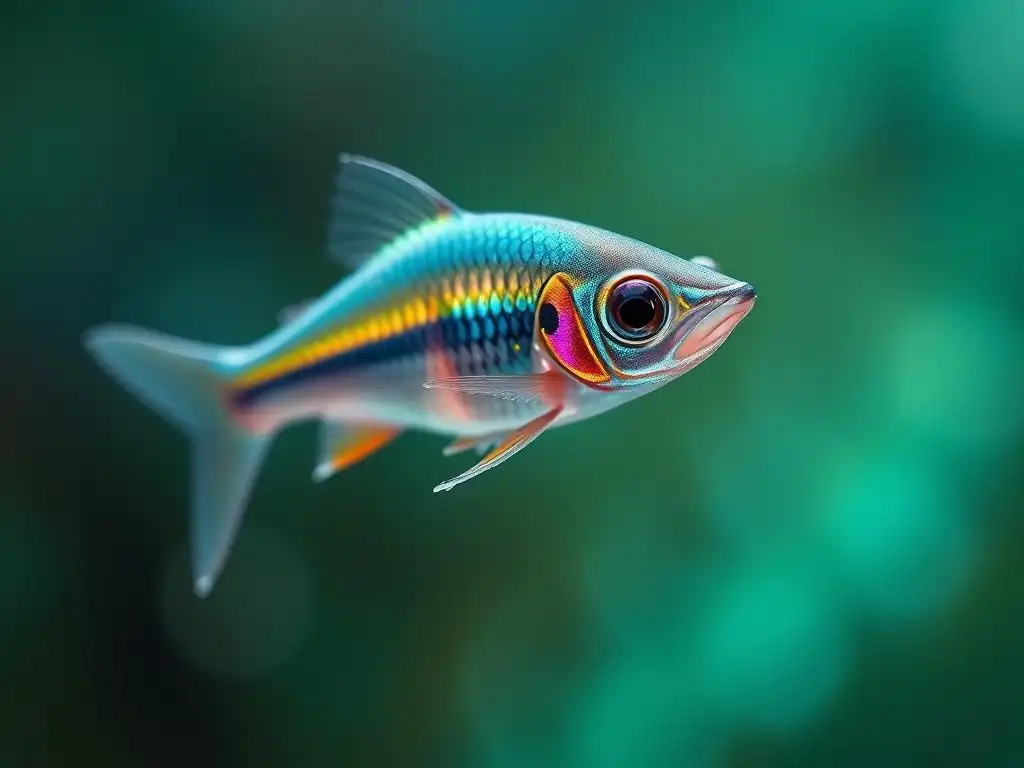
For experienced aquarists looking to delve deeper into the nuances of Apistogramma agassizii husbandry, advanced care techniques can elevate their success from merely keeping the fish alive to truly seeing them thrive and exhibit their full potential, especially in breeding and natural behavior. These tips often involve a more meticulous approach to water chemistry, biotope replication, and behavioral observation, building upon foundational Apistogramma care guide tips.
Mastering these advanced aspects not only enhances the well-being of the fish but also provides a more profound understanding and appreciation of this captivating dwarf cichlid. It's about fine-tuning the environment to perfectly match their specific needs, thereby unlocking their most vibrant colors and complex social interactions.
Maintaining Optimal Water Parameters for Breeding and Health
For consistent breeding success and peak health in Apistogramma agassizii, maintaining exceptionally stable and precise water parameters is paramount. While a pH of 4.5-6.5 and GH of 0-5 dGH are generally recommended, experienced aquarists often target the lower end of this spectrum, such as a pH of 5.0-5.5 and GH of 1-2 dGH, especially for specific wild-caught variants or for encouraging spawning. This level of precision often necessitates the exclusive use of reverse osmosis (RO) water, which is then carefully remineralized with products like Seachem Equilibrium or specific GH boosters to achieve the exact desired hardness.
Furthermore, the addition of natural tannins through Indian almond leaves, alder cones, or specific blackwater extracts (e.g., Seachem Discus Buffer, Brightwell Aquatics Blackwater) is crucial. These not only lower pH and soften water but also provide anti-bacterial and anti-fungal properties, mimicking their natural environment and reducing stress. Monitoring these parameters daily with high-quality digital meters (for pH and TDS/conductivity, which correlates with GH) provides immediate feedback, allowing for minor adjustments before they become significant issues, a hallmark of advanced Apistogramma care guide tips.
Creating a Biotope Aquarium for Apistogramma agassizii
Creating a biotope aquarium for Apistogramma agassizii is an advanced approach that aims to replicate their natural habitat as accurately as possible, both aesthetically and chemically. This involves meticulous selection of substrate, decor, and plant species that are endemic to or commonly found in their native Amazonian blackwater environments. For example, a biotope setup for Apistogramma agassizii might feature a fine sand bed, abundant leaf litter (e.g., dried oak or Indian almond leaves), tangled driftwood roots, and low-light plants such as Echinodorus species (Amazon swords), Cabomba, or Nymphaea species (water lilies) that thrive in soft, acidic water.
The lighting should be subdued, often achieved with floating plants or low-intensity LED lights. Water flow should be minimal, and the water itself should have a distinct tea-colored tint from tannins. This level of environmental specificity not only provides the most natural and stress-free conditions for the fish but also offers a highly rewarding aesthetic experience for the aquarist. A true biotope tank, carefully researched and executed, allows Apistogramma agassizii to display their most natural behaviors and vibrant coloration, going beyond basic Apistogramma care guide tips.
Understanding Apistogramma agassizii Behavior: Interpreting Their Actions
For the experienced aquarist, understanding the subtle nuances of Apistogramma agassizii behavior offers valuable insights into their health, mood, and social dynamics. Observing their interactions within a pair or community can reveal much about their well-being. For instance, a healthy male will often display vibrant colors and engage in fin-flaring displays towards females or perceived rivals, while a female ready to breed will intensify her yellow coloration and begin cleaning a chosen spawning site.
Conversely, clamped fins, rapid breathing, or prolonged hiding can indicate stress, poor water quality, or illness. Subtle changes in feeding response or social hierarchy can also signal underlying issues. For example, if a previously dominant male suddenly becomes reclusive, it may indicate internal parasites or environmental stress. Learning to interpret these behavioral cues allows for proactive problem-solving, enabling aquarists to adjust conditions or intervene before serious problems arise. This deep level of behavioral understanding is a pinnacle of advanced Apistogramma care guide tips, transforming observation into informed action.
Troubleshooting Common Apistogramma agassizii Problems
Even with the best Apistogramma care guide tips and diligent maintenance, aquarists may encounter common problems with Apistogramma agassizii. These issues often stem from subtle imbalances in the tank environment, leading to stress, aggression, or health decline. Knowing how to identify and effectively troubleshoot these problems is essential for maintaining a healthy and thriving dwarf cichlid aquarium.
Prompt and appropriate intervention can prevent minor issues from escalating into significant challenges, ensuring the long-term well-being of your Apistogramma agassizii. This section provides practical solutions to common dilemmas faced by aquarists keeping these elegant fish.
Addressing Aggression and Territoriality
Aggression and territoriality are common challenges in Apistogramma agassizii setups, particularly between males or towards similarly shaped tank mates. This behavior is often amplified in tanks that are too small or lack sufficient hiding spots and visual barriers. For instance, if two male Apistogramma agassizii are housed in a 20-gallon tank without adequate line-of-sight breaks, constant chasing and fin nipping are almost inevitable, leading to stress and potential injury.
To mitigate aggression, increase tank size if possible, aiming for at least 30 gallons for multiple males or a breeding trio. Ensure the tank is heavily planted and features abundant driftwood and rockwork to create numerous caves and visual breaks. Adding dither fish (e.g., a school of 8-10 Cardinal Tetras) can also help by making the Apistogramma feel more secure and less focused on territorial disputes.
If aggression persists and causes harm, separating the offending fish or rehoming one may be the only solution. Implementing these structural changes is a vital Apistogramma care guide tip for managing their territorial instincts.
Dealing with Poor Water Quality Issues
Poor water quality is arguably the most common cause of health problems and stress in Apistogramma agassizii. Symptoms often include clamped fins, faded coloration, lethargy, rapid breathing, or the onset of diseases like fin rot. The primary culprits are usually elevated nitrates, ammonia, or nitrites, often due to insufficient water changes, overfeeding, or inadequate filtration. For example, if nitrate levels consistently exceed 20 ppm, Apistogramma agassizii will become visibly stressed and susceptible to illness.
The immediate solution is to perform a significant water change, often 50-70%, ensuring the replacement water is precisely matched in temperature, pH, and hardness. Following this, increase the frequency and/or volume of regular water changes (e.g., from 20% weekly to 30% twice a week). Review feeding habits to prevent overfeeding, and check the filter to ensure it's clean and functioning optimally. Testing water parameters daily for a week after an incident helps confirm stability. Proactive and consistent water quality management is the most important Apistogramma care guide tip to prevent these issues.
Solving Feeding Problems and Dietary Deficiencies
Sometimes Apistogramma agassizii may exhibit feeding problems, such as a sudden refusal to eat or a general lack of enthusiasm for food, which can indicate stress, illness, or simply a lack of dietary variety. A diet consistently lacking in essential nutrients can lead to stunted growth, faded colors, and a weakened immune system. For instance, feeding only dry flake food for prolonged periods can result in a deficiency of crucial fatty acids and vitamins found in live or frozen foods.
To address feeding issues, first rule out underlying health problems or poor water quality. If the fish appear healthy, try offering a wider variety of high-quality live or frozen foods, such as newly hatched brine shrimp, daphnia, or bloodworms, which are often irresistible to these fish. If a fish is refusing to eat dry food, try soaking it in a vitamin supplement like Vita-Chem to make it more palatable and nutritious. Consistency in offering varied, high-quality foods is a key Apistogramma care guide tip for ensuring proper nutrition and stimulating their appetite.
Conclusion: Mastering Apistogramma agassizii Care for a Stunning Aquarium Display
Mastering the care of Apistogramma agassizii is a deeply rewarding endeavor that culminates in a stunning and vibrant aquarium display. Their captivating colors, intricate behaviors, and manageable size make them a truly exceptional choice for the dedicated freshwater aquarist. Achieving success with these elegant dwarf cichlids hinges on a comprehensive understanding of their specific needs, from replicating their soft, acidic blackwater habitat to providing a diverse, high-protein diet and fostering a peaceful community environment.
By diligently applying the Apistogramma care guide tips outlined, focusing on stable water parameters, meticulous tank maintenance, and keen observation of their behavior, aquarists can ensure their Apistogramma agassizii not only survive but truly thrive. This commitment to detailed care unlocks their full potential, allowing them to display their most brilliant hues and engage in their fascinating natural behaviors, transforming your aquarium into a dynamic and captivating slice of the Amazon.
Frequently Asked Questions
What are the key considerations when setting up an Apistogramma Agassizii tank?
The most important factors are providing a species-appropriate environment including soft, acidic water and plenty of hiding places such as driftwood and plants. A stable temperature is also crucial for their well-being.
What should I feed my Apistogramma Agassizii?
Apistogramma Agassizii are primarily carnivores. A varied diet of high-quality flake food, frozen foods (like bloodworms and brine shrimp), and live foods will keep them healthy and vibrant.
How often should I perform water changes in my Apistogramma Agassizii aquarium?
Regular water changes are vital to maintain water quality. Aim for 25-50% water changes weekly or bi-weekly, depending on the tank size and bio-load.
What are some common health issues that affect Apistogramma Agassizii?
Apistogramma Agassizii can be susceptible to common aquarium diseases like Ich (white spot disease) and bacterial infections if water quality is poor. Prevention is key!
What tank mates are suitable for Apistogramma Agassizii?
Choose peaceful tank mates that won't compete for food or territory. Suitable companions include small tetras, rasboras, and peaceful bottom dwellers like Corydoras catfish.
Final Reflection: Embracing the Art of Apistogramma Care
The journey of keeping Apistogramma agassizii extends far beyond simply filling a tank with water and adding fish. It's about understanding the delicate balance of their ecosystem and dedicating oneself to providing the optimal environment for these stunning creatures to thrive. This commitment to responsible fishkeeping directly translates to a deeper appreciation for the biodiversity of our planet and the interconnectedness of all living things. The knowledge shared in this guide, we hope, empowers aquarists to not just keep, but truly care for these elegant spear tails.
The allure of Apistogramma agassizii lies not only in their vibrant colors and intricate behaviors, but also in the challenge they present to the aquarist. Successfully navigating their care requirements fosters patience, observation skills, and a profound respect for the natural world. In the end, we will conserve only what we love; we will love only what we understand; and we will understand only what we are taught.
- Baba Dioum. This quote perfectly encapsulates the importance of education and understanding in conservation efforts, starting right in our own aquariums.
Now, armed with this knowledge and a deeper understanding of Apistogramma agassizii's needs, we challenge you to reflect on your own role in the aquarium hobby. Are you simply a collector, or a responsible steward of these magnificent creatures? Embrace the art of Apistogramma care, and in doing so, contribute to the preservation of their beauty and the health of our planet's aquatic ecosystems. Let your aquarium be a testament to your dedication, a vibrant microcosm of the wonders of the natural world.
Ignite Your Apistogramma Adventure!
Thanks for diving into the world of Apistogramma agassizii! We hope this guide has empowered you with the knowledge to successfully care for these captivating fish. Ready to take the next step?
- Embark on Your Agassizii Journey: Set up a thriving aquarium tailored specifically for these beautiful spear tails, paying close attention to water parameters, tank mates, and enriching decor.
- Delve Deeper: Share your successful (or challenging!) Agassizii keeping experiences in the comments below. What unexpected behaviors have you observed?
- Spread the Love: Help other aquarists discover the joy of Apistogramma agassizii by sharing this article with your friends!
What unique aquascaping element are you planning to incorporate into your Agassizii's home to mimic their natural Amazonian habitat?