
Why Your Betta Breathes Air: The Marvel of the Labyrinth Fish


Welcome to Aquarium Mastery! Ever wondered why your Betta fish breathes air at the surface, even in a perfectly maintained aquarium? Dive in to uncover the fascinating secret of the Labyrinth organ, and learn how this unique adaptation impacts your Betta's health and well-being. Prepare to unlock a deeper understanding of these captivating creatures and ensure a thriving aquatic environment!
- Understanding Betta Fish Respiration: More Than Just Gills
- The Labyrinth Organ: A Betta's Unique Adaptation for Air Breathing
- Betta Fish Behavior: Recognizing Normal and Abnormal Air Breathing
- Factors Affecting Betta Fish Air Breathing: Water Quality and Tank Conditions
- Addressing Breathing Issues in Betta Fish: Solutions and Prevention
- Understanding Betta Fish and Surface Air: Debunking Common Myths
- Creating a Betta-Friendly Habitat: Optimizing for Air Breathing and Overall Health
- Conclusion: Appreciating the Unique Respiratory Needs of Your Betta
-
Frequently Asked Questions
- Why does my Betta fish breathe air?
- Is it normal for a Betta fish to frequently come to the surface for air?
- What does the labyrinth organ do for a Betta fish?
- Could my Betta fish be sick if it's breathing air more often than usual?
- How can I ensure my Betta fish has enough oxygen in the water, even though it breathes air?
- Final Reflection: The Enduring Wonder of Adaptation
- Dive Deeper: Cultivate Your Betta's Best Life!
Understanding Betta Fish Respiration: More Than Just Gills
The Dual Respiratory System of Betta Fish: Gills and Labyrinth Organ
Unlike most common aquarium fish that rely solely on their gills for oxygen extraction from water, Betta fish possess a remarkable dual respiratory system. They are equipped with fully functional gills that efficiently absorb dissolved oxygen from their aquatic environment, just like other fish species. These delicate, feathery structures are constantly at work, processing the water that passes over them to sustain the Betta's basic metabolic needs.
However, the Betta's unique adaptation lies in its specialized accessory respiratory organ, known as the labyrinth organ. This highly vascularized, maze-like structure is located in the Betta's head, just above its gills. When a Betta fish breathes air from the surface, this organ acts much like a primitive lung, enabling it to directly absorb atmospheric oxygen, providing a crucial supplement to its gill respiration.
Why Betta Fish Need to Breathe Air: Low Oxygen Environments and Natural Habitat
The necessity for Betta fish to breathe air from the surface stems directly from their natural habitat. Originating from the shallow, often stagnant, and warm waters of Southeast Asia—specifically rice paddies, slow-moving streams, and temporary ponds in countries like Thailand, Cambodia, Vietnam, and Laos—these environments are frequently oxygen-depleted. Warm water naturally holds less dissolved oxygen than cooler water, and the decomposition of organic matter in these shallow, still pools further reduces oxygen levels.
In such challenging conditions, relying solely on gill respiration would often be insufficient for survival. The evolutionary development of the labyrinth organ provided Betta fish with a critical advantage, allowing them to thrive where other fish might perish. This adaptation means that even when the water quality deteriorates or dissolved oxygen plummets, a Betta fish breathing air from the surface can still obtain the oxygen necessary to survive, making them incredibly resilient.
The Labyrinth Organ: A Betta's Unique Adaptation for Air Breathing
How the Labyrinth Organ Works: A Detailed Look at Air Exchange
When a Betta fish surfaces to take a gulp of air, that air is drawn into its labyrinth organ. This organ is not a simple sac but a complex arrangement of folded, bone-supported membranes that are richly supplied with blood vessels. The intricate folds dramatically increase the surface area available for gas exchange, making it highly efficient at absorbing oxygen from the gulped air directly into the bloodstream and simultaneously releasing carbon dioxide.
This specialized structure allows for rapid diffusion of gases. The thin membranes and dense capillary network within the labyrinth organ facilitate quick oxygen uptake, enabling the Betta to extract a significant amount of oxygen from a single gulp of air. This remarkable physiological process explains why Betta fish breathing air can survive in conditions that would quickly prove fatal to many other aquatic species.
Evolutionary Advantage: Why the Labyrinth Organ Developed in Betta Fish
The development of the labyrinth organ in Betta fish is a classic example of natural selection at work, driven by intense environmental pressures. The ancestral Betta species inhabited environments that were highly unpredictable, prone to seasonal droughts, and often contained water with extremely low dissolved oxygen levels. Fish that could supplement their oxygen intake by breathing air from the surface had a significantly higher chance of survival and reproduction.
Over generations, this advantageous trait became more pronounced, leading to the highly specialized labyrinth organ seen in modern Betta fish. This unique adaptation allowed Betta fish to colonize and flourish in ecological niches that were inaccessible to fish relying solely on gill respiration, effectively reducing inter-species competition. The ability of a Betta fish breathing air is a testament to their remarkable adaptability and evolutionary success in challenging aquatic environments.
Betta Fish Behavior: Recognizing Normal and Abnormal Air Breathing

Normal Air Breathing Behavior: Frequency and Location
For a healthy Betta fish, surfacing to breathe air is a completely normal and essential part of their physiology. The frequency of a Betta fish breathing air can vary depending on several factors, including water temperature, dissolved oxygen levels in the tank, and the fish's activity level. Typically, a healthy Betta might surface every few minutes to every hour for a quick gulp of air, returning to its activities without signs of distress.
These normal gulps are usually calm and unhurried. The Betta will approach the surface, open its mouth briefly to take in a bubble of air, and then submerge again. For instance, in a well-maintained 5-gallon tank with stable parameters, a Betta might surface for air approximately 1-3 times per hour. Observing this calm, consistent behavior is key to understanding what constitutes normal Betta fish breathing air.
Signs Your Betta Fish is Struggling to Breathe: Identifying Respiratory Distress
While occasional surfacing is normal, frequent, rapid, or labored gulping of air is a strong indicator of respiratory distress. If your Betta is constantly at the surface, appearing to gasp frantically, or seems to be struggling to take in air, it's a significant red flag. Other accompanying signs of distress might include lethargy, clamped fins, loss of appetite, changes in coloration, or rubbing against tank decorations.
For example, if your Betta fish is breathing air every 10-20 seconds, or is persistently staying at the water's surface, almost "hanging" there, it suggests that its gills are not effectively extracting enough oxygen from the water. This could be due to critically low dissolved oxygen, high levels of toxic ammonia or nitrite, or an underlying illness affecting its respiratory system. Prompt action is crucial in such situations.
Factors Affecting Betta Fish Air Breathing: Water Quality and Tank Conditions
The Impact of Ammonia and Nitrite on Betta Fish Respiration
Ammonia (NH3) and nitrite (NO2-) are highly toxic compounds that are byproducts of fish waste and uneaten food. Even at low concentrations, these substances can severely damage a Betta's delicate gills, impairing their ability to absorb oxygen from the water. When gills are compromised, the Betta fish is forced to rely more heavily on its labyrinth organ, leading to increased frequency of Betta fish breathing air at the surface.
Maintaining undetectable levels of ammonia (0 ppm) and nitrite (0 ppm) is paramount for Betta health. Studies show that ammonia levels as low as 0.25 ppm can cause significant stress and gill irritation, while nitrite levels around 0.5 ppm can lead to "brown blood disease" by interfering with oxygen transport in the blood. Consistent exposure to these toxins will inevitably result in a Betta fish breathing air excessively out of desperation.
Optimal Water Parameters: Temperature, pH, and Hardness for Breathing
Maintaining stable and optimal water parameters is crucial for a Betta's respiratory health. Betta fish thrive in tropical temperatures ranging from 76-82°F (24-28°C). While warmer water generally reduces the amount of dissolved oxygen it can hold, maintaining a consistent temperature within this optimal range minimizes stress and supports a healthy metabolism, which in turn affects oxygen demand.
Regarding pH and hardness, Bettas prefer slightly acidic to neutral water, with a pH between 6.5 and 7.5, and soft to moderately hard water (GH 3-10 dGH, KH 3-8 dKH). Extreme fluctuations or prolonged exposure to parameters outside this range can stress the fish, weaken its immune system, and negatively impact gill function. This stress can manifest as increased Betta fish breathing air, as the fish struggles to cope with suboptimal conditions.
Tank Size and Surface Area: Ensuring Adequate Air Exchange
While Betta fish can survive in smaller tanks due to their air-breathing capability, a larger tank with a generous surface area is always preferable for optimal health and oxygenation. A minimum of 5 gallons for a single Betta is widely recommended, as it provides more stable water parameters and better gas exchange. A tank with a wider surface area, such as a 10-gallon long tank, facilitates more efficient oxygen absorption from the air into the water.
This increased surface area allows for natural aeration, where oxygen from the atmosphere dissolves into the water. Gentle surface agitation from a low-flow filter or a small air stone can further enhance this process without creating strong currents that stress the Betta. A well-designed tank ensures that the Betta fish breathing air is a supplementary act of choice rather than a constant necessity due to low dissolved oxygen.
Addressing Breathing Issues in Betta Fish: Solutions and Prevention
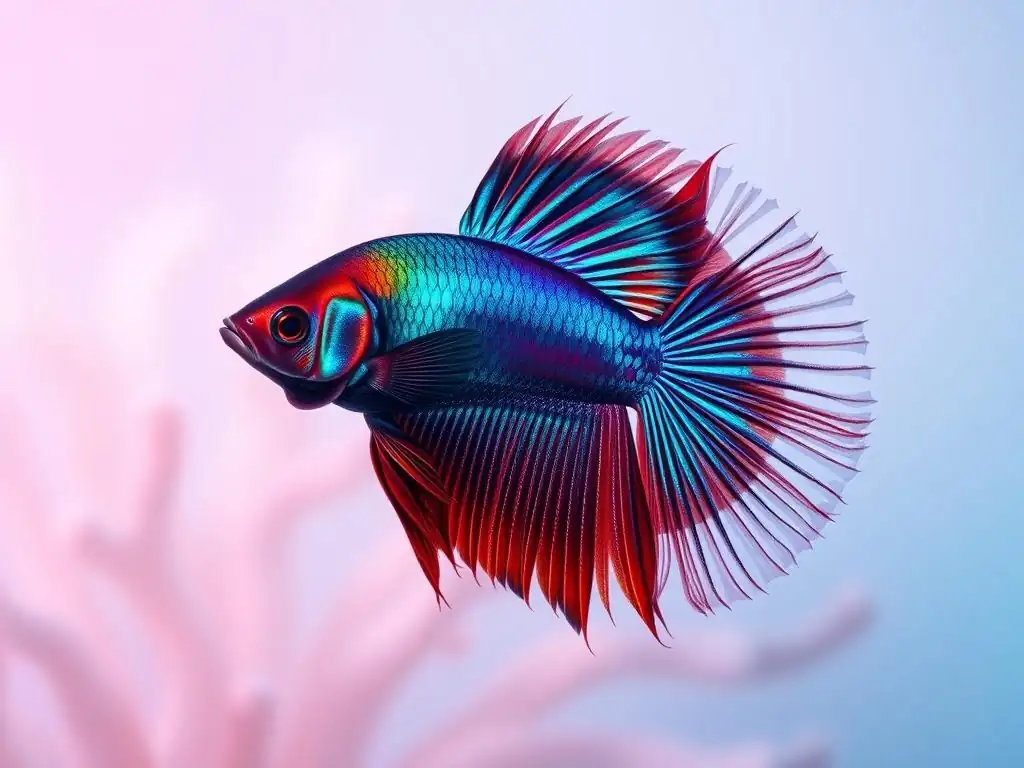
Treating Betta Fish with Breathing Difficulties: Medications and Remedies
If your Betta fish is showing signs of respiratory distress, the immediate priority is to assess water quality. Perform a significant water change, often 50% or more, using dechlorinated water that is temperature-matched to the tank. Simultaneously, gently increase surface agitation if possible, to improve dissolved oxygen levels. For instance, you might slightly increase the flow of your filter or add a small, gentle air stone.
If water quality issues are ruled out and symptoms persist, a disease affecting the gills or overall health might be present. Bacterial gill rot, parasitic infections like flukes, or even fungal infections can impair gill function. In such cases, specific medications, such as broad-spectrum antibiotics for bacterial infections or anti-parasitic treatments, may be necessary. Always consult a reputable aquarist or veterinarian for diagnosis and follow medication instructions meticulously.
Preventing Respiratory Problems: Maintaining a Healthy Aquarium Environment
Prevention is always better than cure when it comes to Betta fish health. Regular water testing for ammonia, nitrite, nitrate, and pH is fundamental to preventing the buildup of toxins that can harm gills. Consistent partial water changes, typically 25% weekly, are essential to dilute nitrates and replenish trace elements. Avoid overfeeding, as uneaten food quickly breaks down, contributing to ammonia spikes and oxygen depletion.
Furthermore, equipping your Betta tank with a properly sized filter provides crucial mechanical, chemical, and biological filtration, removing physical waste and converting harmful nitrogenous compounds. A reliable aquarium heater ensures stable water temperatures, preventing thermal stress and supporting optimal oxygen solubility. These preventative measures significantly reduce the likelihood of your Betta fish breathing air excessively due to poor conditions.
The Importance of Regular Water Changes and Cycling for Oxygen Intake
Regular water changes play a critical role in ensuring adequate oxygen intake for your Betta fish. As organic waste accumulates in the tank, it consumes dissolved oxygen through decomposition. Fresh, conditioned water introduced during water changes has a higher dissolved oxygen content, directly contributing to a healthier environment and reducing the reliance on the labyrinth organ for the Betta fish breathing air.
Moreover, a fully established nitrogen cycle in your aquarium is paramount. This biological process, carried out by beneficial bacteria, converts highly toxic ammonia and nitrite into less harmful nitrates. A stable, cycled tank ensures that these gill-damaging toxins remain at zero, allowing the Betta's gills to function optimally. This balance minimizes the stress on their respiratory system, making Betta fish breathing air a natural supplement rather than a desperate attempt for survival.
Understanding Betta Fish and Surface Air: Debunking Common Myths
Myth: Betta Fish Only Breathe Air; Reality: They Use Gills Too
A common misconception among new aquarists is that because Betta fish possess a labyrinth organ, they rely solely on breathing air from the surface and their gills are largely vestigial. This is incorrect. While the labyrinth organ is a vital adaptation, especially in low-oxygen conditions, Betta fish primarily use their gills for respiration in a well-oxygenated aquatic environment. The gills are constantly active, extracting oxygen dissolved in the water.
The labyrinth organ acts as a supplementary breathing apparatus, a crucial backup system that allows them to survive in oxygen-poor waters. It is not a replacement for gill respiration. A Betta fish cannot survive indefinitely without access to water, nor can it survive long-term solely by breathing air if its gills are severely damaged. Their dual system makes them incredibly versatile, but both components are essential for their overall well-being.
Myth: Frequent Surface Breathing is Always a Problem; Reality: It Can Be Normal
Another prevalent myth is that any instance of a Betta fish breathing air at the surface indicates a problem. While excessive or labored surface breathing is indeed a cause for concern, occasional and calm gulps of air are perfectly normal behavior for a healthy Betta. This is simply them utilizing their natural physiological adaptation.
The key is to observe the nature and frequency of the surface breathing. A Betta that calmly surfaces every few minutes or so, takes a quick gulp, and then swims away normally is likely just topping up its oxygen levels or exploring its environment. Factors like recent activity, slightly warmer water (which holds less oxygen), or even just curiosity can lead to healthy Betta fish breathing air. It's only when the behavior becomes frantic, constant, or accompanied by other signs of distress that it warrants investigation.
Creating a Betta-Friendly Habitat: Optimizing for Air Breathing and Overall Health
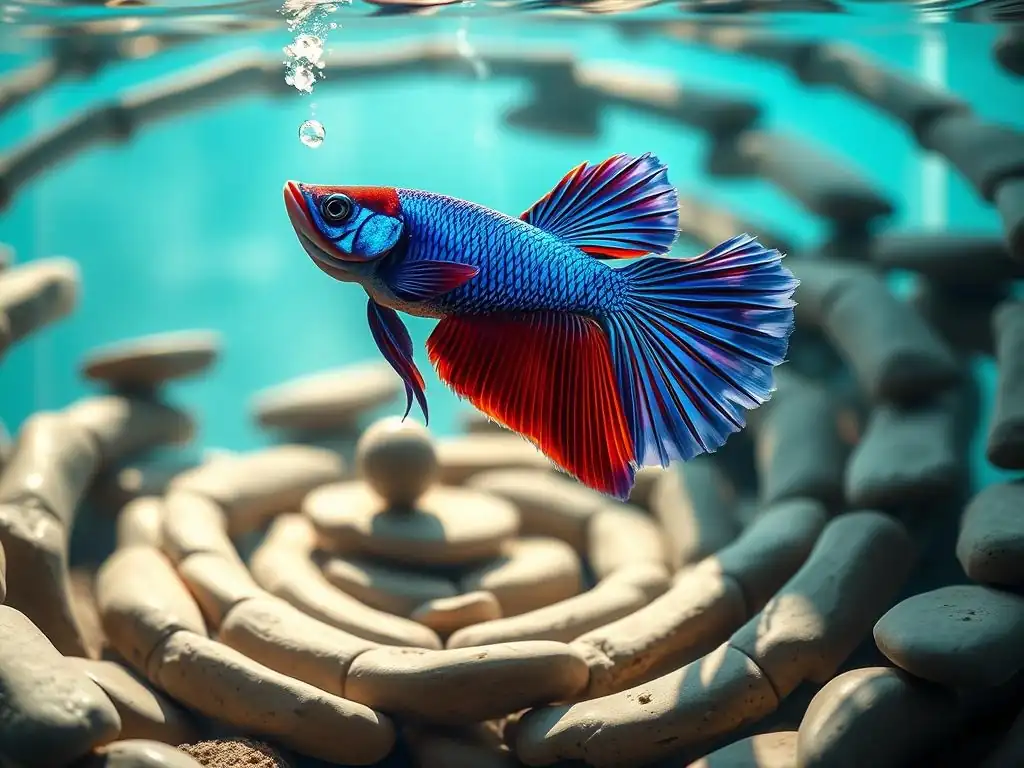
The Ideal Betta Fish Tank Setup: Considerations for Air Access
Designing an ideal habitat for your Betta fish involves several considerations to optimize both water and air access. Ensure that there is always an unobstructed path to the water surface. While floating plants can provide excellent cover and enrichment, they should not completely cover the entire surface, as this can hinder your Betta fish breathing air freely. Leave several open patches for easy access.
Additionally, a secure tank lid is crucial to prevent your Betta from jumping out, a common behavior for these curious fish. However, ensure the lid is not completely airtight, as a small amount of air exchange above the water surface is beneficial. Keeping the water level slightly below the rim of the tank, perhaps by an inch or two, also provides a convenient air gap for your Betta to surface comfortably without hitting the lid.
Plant Selection and Natural Oxygenation: Enhancing the Aquarium Environment
Incorporating live plants into your Betta tank offers numerous benefits, including natural oxygenation and improved water quality. During the day, live plants perform photosynthesis, releasing oxygen into the water, which can slightly increase dissolved oxygen levels. They also absorb nitrates, a byproduct of the nitrogen cycle, thereby helping to keep the water cleaner and healthier.
Excellent choices for Betta tanks include hardy, low-light plants such as Anubias, Java Fern, and various mosses (e.g., Java Moss). Floating plants like Frogbit or Dwarf Water Lettuce can also be beneficial, providing shade and security, as long as they don't completely block surface access for your Betta fish breathing air. These plants contribute to a more natural, stable, and oxygen-rich environment for your Betta.
Conclusion: Appreciating the Unique Respiratory Needs of Your Betta
Ensuring a Long and Healthy Life for Your Air-Breathing Betta Fish
The ability of Betta fish to breathe air through their labyrinth organ is a fascinating evolutionary marvel, a testament to their adaptability in challenging natural environments. Understanding this unique dual respiratory system is key to providing optimal care for your aquatic companion. While their capacity for Betta fish breathing air allows them to tolerate lower oxygen levels than many other fish, it does not negate the importance of excellent water quality.
To ensure a long and healthy life for your air-breathing Betta fish, prioritize maintaining pristine water conditions through regular testing and consistent water changes. Provide a stable environment with appropriate temperature, pH, and sufficient tank size that allows easy access to the surface. By appreciating and accommodating their unique respiratory needs, you empower your Betta to thrive, showcasing its vibrant colors and engaging personality for years to come.
Frequently Asked Questions
Why does my Betta fish breathe air?
Betta fish are labyrinth fish, meaning they possess a specialized organ called the labyrinth organ. This organ allows them to breathe atmospheric air in addition to extracting oxygen from the water, which is essential for survival.
Is it normal for a Betta fish to frequently come to the surface for air?
Yes, it's entirely normal! Frequent trips to the surface indicate that your Betta is using its labyrinth organ to supplement its oxygen intake. However, excessive gasping may suggest poor water quality.
What does the labyrinth organ do for a Betta fish?
The labyrinth organ acts as a supplemental respiratory system, allowing Betta fish to thrive in oxygen-poor environments. It enables them to survive in conditions where other fish might suffocate, like in stagnant water of rice paddies.
Could my Betta fish be sick if it's breathing air more often than usual?
Possibly. Increased air-breathing can be a sign of low dissolved oxygen in the tank due to poor water quality, or it could indicate a respiratory illness. Regular water changes and monitoring water parameters are crucial.
How can I ensure my Betta fish has enough oxygen in the water, even though it breathes air?
Maintaining a clean and well-oxygenated aquarium is still important. Ensure adequate filtration, perform regular water changes, and consider adding an air stone to increase dissolved oxygen levels, creating a healthy environment for your Betta.
Final Reflection: The Enduring Wonder of Adaptation
The preceding exploration of the Betta fish's unique ability to breathe air underscores a vital truth: adaptation is the cornerstone of survival and a testament to the resilience of life itself. In a world increasingly shaped by environmental pressures, understanding these adaptive mechanisms, even in a creature as seemingly simple as a Betta, offers profound insights into the delicate balance of our ecosystems and the importance of conservation.
This fascinating characteristic of the Betta fish, its labyrinth organ, has not only allowed it to thrive in oxygen-poor environments but has also captured the imagination of aquarists and scientists alike. The ongoing fascination with these vibrant fish serves as a constant reminder of the intricate beauty and surprising capabilities hidden within the natural world. In the struggle for survival, the fittest win out at the expense of their rivals because they succeed in adapting themselves best to their environment.
- Charles Darwin. This quote perfectly encapsulates the Betta's story, a story of evolutionary success driven by the necessity to breathe.
Now, consider the implications of this remarkable adaptation. How can we, as stewards of this planet, learn from the Betta's resilience and apply these lessons to our own lives and communities? Let us strive to cultivate a deeper appreciation for the interconnectedness of all living things and commit to protecting the environments that allow such marvels to flourish. Let the Betta's breath inspire you to breathe new life into your commitment to conservation and a more sustainable future.
Dive Deeper: Cultivate Your Betta's Best Life!
Thanks for exploring the fascinating world of Betta fish and their unique breathing abilities! Now that you understand the marvel of the labyrinth organ, let's put that knowledge into action.
- Immediately assess your Betta's environment. Is the water clean and appropriately aerated, even with its labyrinth organ?
- Share this article with fellow Betta enthusiasts to spread awareness of their special needs.
- Consider researching uncommon Betta tank mates that thrive in similar low-flow environments.
What small change will you make today to ensure your Betta is living its happiest, healthiest life?