
Caves, Coconuts, & Cover: Essential Hiding Spots for Happy Dwarf Cichlids

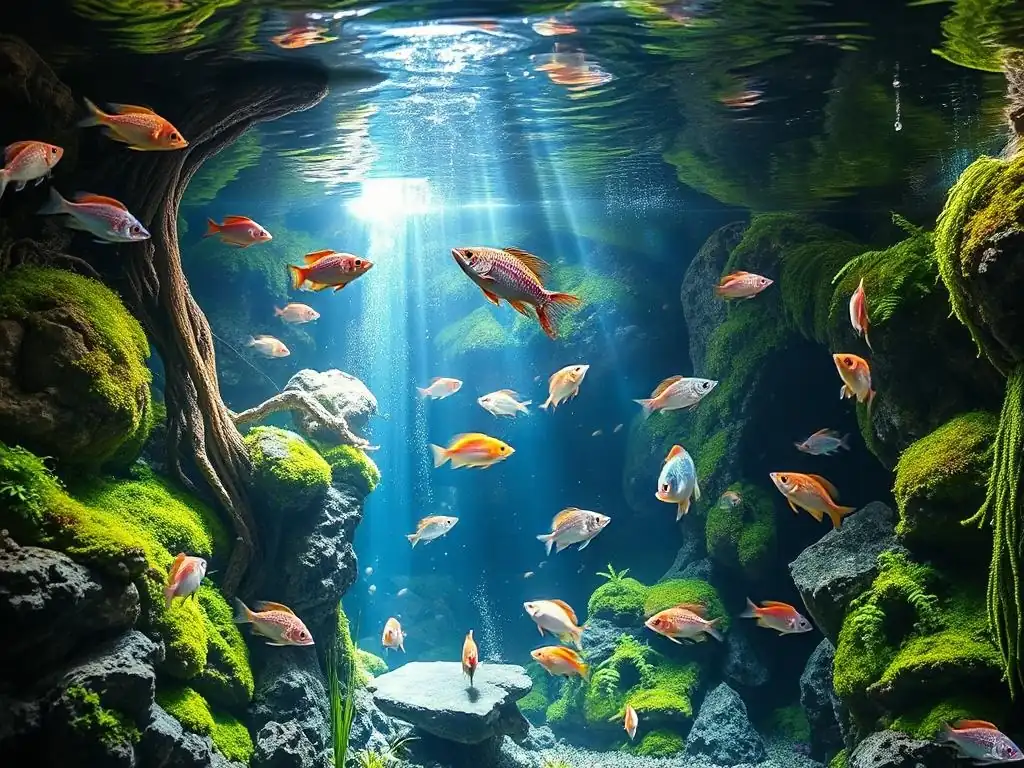
Welcome to Aquarium Mastery!
Ever wondered what secrets lie behind a perfectly happy dwarf cichlid? Hint: it's not just about pristine water! Discover how providing the right "Caves, Coconuts, & Cover" can unlock their vibrant colors and playful personalities. Dive in to explore the essential dwarf cichlid hiding caves that will transform your freshwater aquarium into a thriving, miniature ecosystem. Prepare to be amazed!
- Understanding the Importance of Hiding Places for Dwarf Cichlids
- Types of Dwarf Cichlid Hiding Caves and Decor
- Setting Up Your Dwarf Cichlid Hiding Places
- Choosing the Right Size and Number of Hiding Places
- Maintaining Dwarf Cichlid Hiding Caves and Decor
- Observing Your Dwarf Cichlids' Behavior Around Hiding Places
- DIY Cichlid Caves: Creating Custom Hiding Spots
-
Frequently Asked Questions
- Why are hiding caves so important for dwarf cichlids?
- What are some good materials for creating dwarf cichlid hiding caves?
- How many hiding caves should I provide for my dwarf cichlids?
- Where should I place the hiding caves in my aquarium?
- How do I encourage my dwarf cichlids to use the hiding caves?
- Final Reflection: Sheltering Secrets for Thriving Cichlids
- Unleash Your Cichlids' Natural Bliss!
Understanding the Importance of Hiding Places for Dwarf Cichlids
Why Dwarf Cichlids Need Secure Retreats in the Aquarium
Dwarf cichlids, such as the vibrant German Blue Rams ( Mikrogeophagus ramirezi) or the intricate Apistogramma species, are naturally shy and territorial fish. In their native habitats, like the slow-moving rivers and flooded forests of the Amazon basin or the rocky streams of West Africa, they constantly seek shelter from larger predators and aggressive competitors. Without adequate dwarf cichlid hiding caves and cover in an aquarium, these fish live in a perpetual state of stress, which severely compromises their immune systems and overall well-being.
The physiological effects of chronic stress in dwarf cichlids are significant and observable. Fish may exhibit faded coloration, clamped fins, rapid respiration, and a reluctance to feed. This heightened stress makes them highly susceptible to common aquarium diseases, including Ich ( Ichthyophthirius multifiliis), fin rot, and various bacterial infections. Providing ample, secure dwarf cichlid hiding caves is not merely an aesthetic choice but a fundamental requirement for fostering healthy, vibrant, and long-lived dwarf cichlids, allowing them to thrive rather than merely survive.
Stress Reduction and Territorial Boundaries Through Hiding Spots
Dwarf cichlid hiding caves serve as crucial visual barriers, allowing subdominant or less aggressive fish to escape the direct line of sight of their more dominant tank mates. This is particularly vital in community tanks or setups with multiple male dwarf cichlids, where constant chasing and fin nipping can lead to severe injury or even death. For instance, a dominant male Apistogramma cacatuoides might claim a specific cave, but the presence of other well-placed dwarf cichlid caves ensures that a less assertive male or a female can retreat to a safe zone.
These designated territories, often centered around secure dwarf cichlid caves, enable the establishment of a natural pecking order within the tank without resorting to excessive physical aggression. For breeding pairs, a private, enclosed cave is indispensable for spawning and the subsequent protection of their fry. This sense of security encourages natural behaviors such as courtship rituals, egg-laying, and diligent parental care, behaviors rarely observed in barren or under-furnished aquariums. Research often indicates a significant reduction in inter-species aggression when complex structures are provided.
How Hiding Places Mimic the Natural Habitat of Dwarf Cichlids
Replicating the natural environment is key to the successful keeping of dwarf cichlids, and their hiding places are a core component of this. For example, many Apistogramma species originate from blackwater environments rich in leaf litter, submerged roots, and dense vegetation, providing countless crevices and shaded areas. Kribensis cichlids ( Pelvicachromis pulcher) from West Africa often prefer rocky outcrops, root tangles, and small caves along riverbanks. Appropriately chosen dwarf cichlid hiding caves directly mimic these vital natural structures.
By simulating these natural conditions with proper dwarf cichlid caves and decor, aquarists encourage the fish to exhibit their full range of natural behaviors. This includes foraging, displaying vibrant breeding colors, performing intricate courtship dances, and providing dedicated parental care to their offspring. Fish in well-furnished tanks appear more active, display more intense coloration, and engage in more complex social interactions than those kept in open, exposed tanks where they often appear stressed, pale, and withdrawn.
Types of Dwarf Cichlid Hiding Caves and Decor
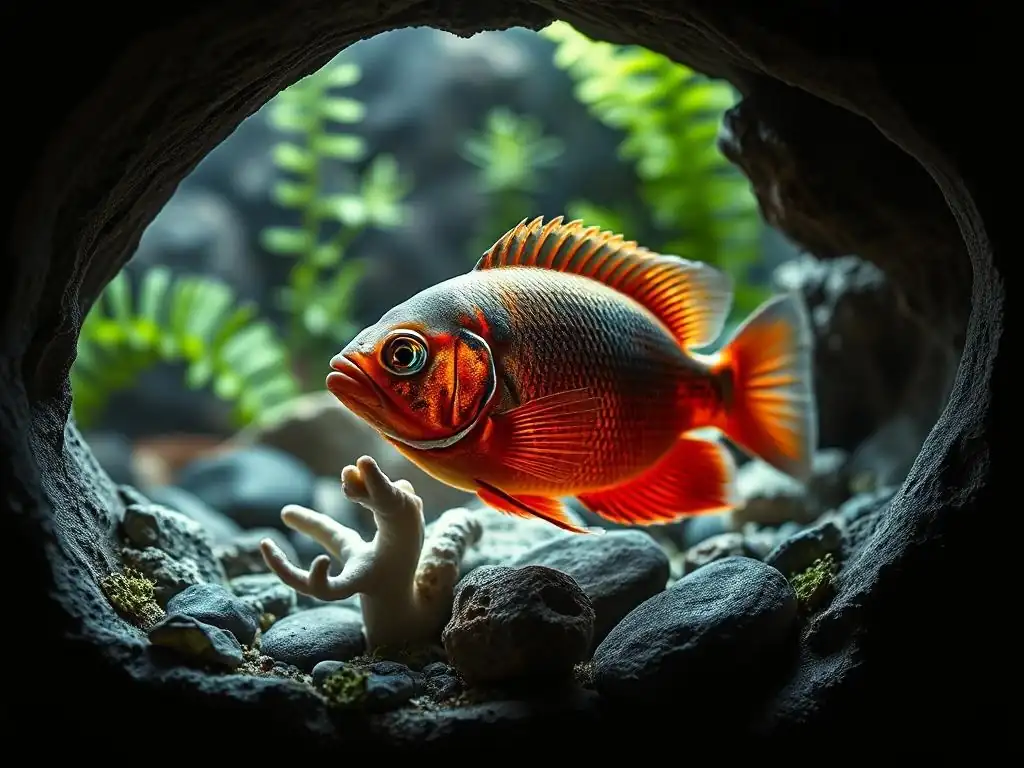
Commercially Available Cichlid Caves: A Buyer's Guide
Ceramic Caves: Durability and Design Options
Ceramic dwarf cichlid caves are a popular choice due to their inert nature, meaning they will not alter your water chemistry, which is crucial for sensitive dwarf cichlids. They are highly durable, easy to clean, and typically heavy enough to stay put without needing to be buried. These caves come in a wide variety of shapes, including tubes, half-domes, stacked rock formations, and even realistic hollow logs. Many are designed with a natural, earthy or slate-like finish to blend seamlessly into an aquascape.
When selecting ceramic dwarf cichlid caves, it's important to inspect them for smooth edges. Some cheaper options might have rough or sharp spots that could injure the delicate fins and scales of your fish. Popular types include "cichlid logs," which are open-ended tubes, and "breeding cones," which are often preferred by species like German Blue Rams for laying eggs on the inner surface. Prices for ceramic caves typically range from $8 for a small tube to $25 or more for larger, more intricate designs.
Resin Caves: Realistic Aesthetics and Safety Considerations
Resin dwarf cichlid caves offer exceptional realism, mimicking natural elements such as weathered driftwood, intricate rock formations, or even sunken shipwrecks and barrels. They are generally lighter than ceramic options but should always be thoroughly rinsed before introduction to the aquarium to remove any manufacturing residues. Their detailed textures and colors can significantly enhance the visual appeal of your tank while providing essential shelter.
When purchasing resin dwarf cichlid caves, always ensure they are explicitly labeled as "aquarium safe" to guarantee they won't leach harmful chemicals into the water. It is also crucial to inspect the decor for any sharp edges or small openings that could potentially trap or injure fish. Reputable brands produce high-quality resin decor designed to be non-toxic and durable. Popular resin options include hollow tree trunks, intricate archways, and rockwork with multiple entry points, offering both aesthetic appeal and functional hiding spots.
Natural Hiding Places: Coconuts, Driftwood, and Rocks
Using Coconut Shells as Natural Cichlid Caves
Coconut shells offer an excellent, cost-effective, and natural option for dwarf cichlid hiding caves. To prepare them for aquarium use, thoroughly clean the shell, removing all fibrous material. Then, boil the half-shell for at least 30-60 minutes to sterilize it and help leach out tannins, which can slightly tint your water but are harmless and often beneficial for soft-water dwarf cichlids. Finally, sand down any rough or sharp edges around the opening.
Their natural, irregular shape and dark interior make them highly appealing to many dwarf cichlid species, particularly Apistogramma and Kribensis, as breeding sites and general shelters. For example, a single prepared coconut shell often becomes the preferred breeding cave for a pair of Kribensis cichlids, leading to successful spawns within weeks due to the secure environment it provides. They are also easily camouflaged with plants or other decor.
Driftwood: Providing Cover and Water Chemistry Benefits
Driftwood is another superb natural element for creating dwarf cichlid hiding caves and general cover. Large pieces with natural crevices, hollows, or intricate branching structures offer numerous secure retreats. Popular types include Malaysian, Manzanita, and Cholla wood. Beyond providing shelter, driftwood releases beneficial tannins that naturally lower the pH and soften the water, mimicking the blackwater conditions favored by many Amazonian dwarf cichlids like Rams and Apistos.
Proper preparation of driftwood is essential. It must be thoroughly soaked for several days to weeks, or boiled, to make it waterlogged so it sinks and to release excess tannins. Always select pieces that are free of sharp splinters or unstable elements that could pose a risk to your fish. A substantial piece of driftwood can serve as a central focal point in your aquascape while simultaneously offering multiple effective dwarf cichlid shelters and contributing positively to water parameters.
Rock Structures: Creating Complex and Secure Hiding Places
Smooth, inert rocks can be carefully arranged to form natural-looking dwarf cichlid caves, overhangs, and intricate tunnels. Suitable rock types include slate, lava rock (ensure it's not too abrasive), and river rocks. When stacking rocks, it is paramount to ensure their stability by interlocking them or using aquarium-safe silicone to prevent collapses, which could severely injure or kill your fish.
It is crucial to select rocks that will not significantly alter your water chemistry, especially for soft-water dwarf cichlids. Avoid calcareous rocks like limestone or marble, which can raise pH and water hardness. For instance, flat pieces of slate can be artfully stacked to create layered caves with narrow crevices, which are particularly appealing to species that prefer tight, secure spaces. These structures provide both shelter and visual interest, mimicking natural rock formations.
Planted Cover: Live Plants for Shy Cichlids
Dense Plantings: Vallisneria, Anubias, and Java Fern
Dense live plants offer natural dwarf cichlid hiding caves and crucial visual barriers within the aquarium. Tall, background plants like Vallisneria create thickets that provide excellent cover for fish to retreat into. Mid-ground plants such as Anubias species and Java Ferns, often attached to driftwood or rocks, offer shaded leaf cover and small pockets that fish can utilize as secure hiding spots.
Beyond providing physical cover, live plants significantly improve water quality by absorbing nitrates and other waste products, contributing to a healthier environment. For example, a lush stand of Cryptocoryne or Amazon Sword plants at the back of the tank provides a "living wall" that makes shy Apistogramma species feel more secure, encouraging them to display more vibrant colors and natural behaviors. The complexity of a planted tank enhances overall fish welfare.
Floating Plants: Creating Shade and Security from Above
Floating plants, such as Water Lettuce ( Pistia stratiotes), Dwarf Water Hyacinth ( Eichhornia crassipes), or Frogbit ( Limnobium laevigatum), play a vital role in creating a secure environment for dwarf cichlids. Their leaves diffuse overhead light, creating shaded areas below, which is highly appreciated by many species that prefer subdued lighting, mimicking the canopy-covered conditions of their natural habitats.
The roots of floating plants provide additional cover and act as a natural filter, absorbing excess nutrients from the water column. This overhead cover significantly reduces stress caused by perceived threats from above, such as sudden human movements or room lighting changes, making the tank feel more secure overall. This natural element complements physical dwarf cichlid hiding caves by providing an extra layer of comfort and security.
Setting Up Your Dwarf Cichlid Hiding Places
Planning Your Tank Layout for Optimal Hiding Spots
Effective tank layout for dwarf cichlids begins with thoughtful planning before water is even introduced. Strategically arrange your dwarf cichlid hiding caves and decor, considering the footprint of each piece and ensuring multiple escape routes and clear territorial boundaries. A general guideline is to provide at least one more secure hiding spot than the number of dwarf cichlids you intend to keep, minimizing competition for prime locations.
Consider creating distinct "zones" within your aquarium. For instance, one side of the tank could be heavily planted with a large, intricate piece of driftwood, while the other features a stack of inert rocks and several ceramic dwarf cichlid caves. This allows different fish to establish and defend their own territories without constant direct confrontation. For a 20-gallon long tank housing a pair of Rams, aiming for 3-4 distinct and varied hiding spots would be an excellent starting point.
Arranging Caves and Decor to Minimize Aggression
To effectively minimize aggression, distribute your dwarf cichlid hiding caves throughout the tank rather than clustering them in one area. This prevents a single dominant fish from monopolizing all the best spots. Additionally, ensure that each cave or hiding place has multiple entry and exit points where feasible, preventing a fish from being trapped by an aggressor.
Breaking up lines of sight is crucial in a dwarf cichlid tank. Utilize tall plants, large pieces of driftwood, or strategically placed rock structures to create visual barriers. For example, positioning a dense clump of Vallisneria between two dwarf cichlid caves can prevent continuous eye contact between rival males, significantly reducing the likelihood of prolonged aggression. This technique is particularly effective for highly territorial species like Apistogramma borellii.
Creating a Natural-Looking Environment for Dwarf Cichlids
Achieving a natural-looking environment for dwarf cichlids involves blending artificial and natural elements seamlessly. Use a substrate that mimics their natural habitat, such as fine sand for Rams or a mix of sand and small gravel for Apistos. Arrange your dwarf cichlid hiding caves and decor in a way that appears organic and established, rather than simply placed.
Employ layering techniques to create depth and complexity in your aquascape. Start by positioning larger pieces of driftwood or rocks, then add smaller dwarf cichlid caves and plants around them. For example, a substantial central piece of driftwood with a ceramic cave tucked discreetly beneath it, surrounded by low-growing plants like Cryptocoryne, provides a multi-level hiding system that is both functional and aesthetically pleasing, enhancing the overall natural feel of the tank.
Choosing the Right Size and Number of Hiding Places
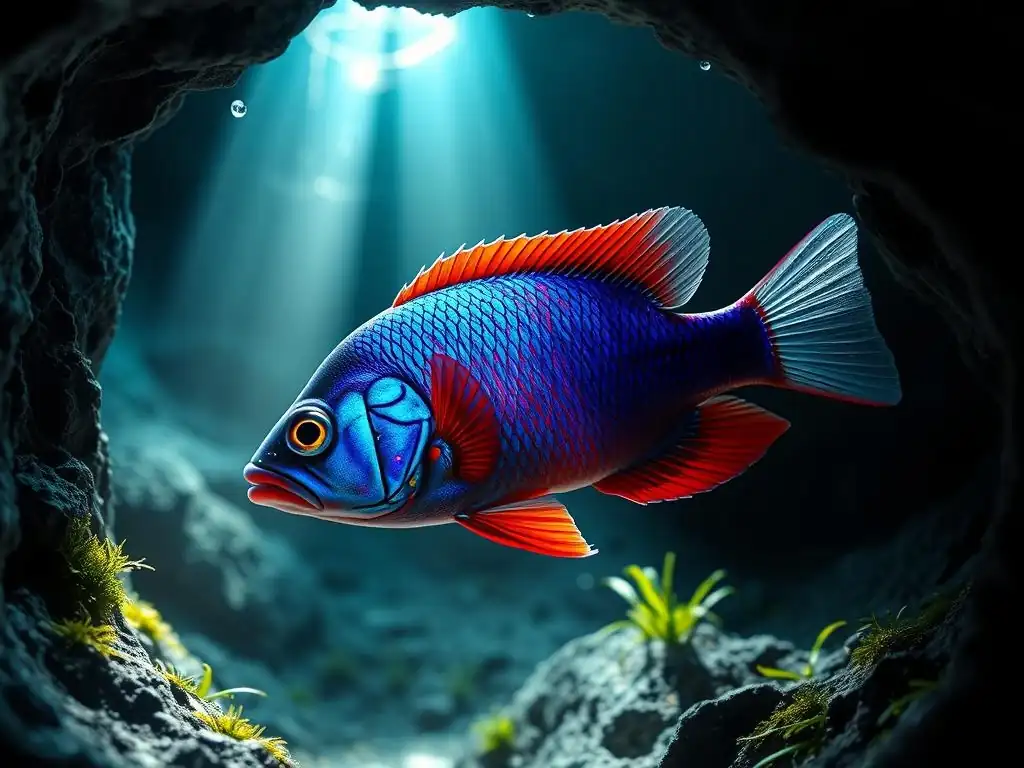
Determining the Appropriate Cave Size for Different Dwarf Cichlid Species
The ideal size of a dwarf cichlid hiding cave depends directly on the adult size of the species you are keeping. For smaller species like Apistogramma borellii or Nannacara anomala, an opening of approximately 1 to 1.5 inches (2.5-3.8 cm) in diameter is generally sufficient. Larger species, such as Kribensis ( Pelvicachromis pulcher), may prefer openings closer to 2 to 2.5 inches (5-6.3 cm) for comfortable entry and exit. The cave itself should be snug enough to provide a sense of security but large enough for the fish to turn around inside.
For breeding purposes, especially for egg-laying species, the dwarf cichlid cave should be dark, enclosed, and appropriately sized. For instance, a ceramic tube designed for Ram cichlids typically has a diameter of 1.5 to 2 inches and a length of 4 to 6 inches, providing a perfect snug space for a pair to enter, lay eggs on the inner ceiling or floor, and protect their spawn effectively. A well-chosen breeding cave significantly increases the chances of successful spawning.
How Many Hiding Spots Do You Need?
A general guideline for the number of dwarf cichlid hiding caves and secure spots is to provide at least one more than the total number of dwarf cichlids in your tank. For a single pair, having 3-4 distinct and varied hiding places is ideal. If you are keeping a small group or multiple dwarf cichlids in a community tank, aiming for double the number of fish in terms of available hiding options is a good strategy to ensure ample choices and reduce competition.
The rationale behind providing an excess of dwarf cichlid hiding caves is to reduce direct competition and allow subdominant or weaker fish to retreat without being constantly harassed. This abundance of options helps diffuse aggression and promotes a more peaceful environment. In a 29-gallon tank housing 3-4 dwarf cichlids, for example, incorporating 6-8 varied dwarf cichlid caves, along with dense plant clumps, would be an excellent starting point, allowing for observation and adjustments based on fish behavior.
Considering Tank Size and Cichlid Population Density
The overall tank size and the density of your cichlid population directly influence the number and arrangement of dwarf cichlid hiding caves. In smaller tanks (e.g., 10-20 gallons), fewer, but well-placed, hiding spots are necessary to avoid clutter and ensure adequate swimming space. In contrast, larger tanks (e.g., 40 gallons or more) can accommodate more elaborate structures and multiple types of hiding places, allowing for the creation of diverse and distinct territories.
When keeping multiple male dwarf cichlids, providing an abundance of visual barriers and dwarf cichlid hiding caves is paramount to prevent fatal aggression. A 40-gallon breeder tank, for instance, housing three male Apistogramma species, would greatly benefit from at least 8-10 distinct hiding spots, strategically placed to break lines of sight and create numerous individual territories. This higher density of cover is critical for maintaining peace in multi-male setups.
Maintaining Dwarf Cichlid Hiding Caves and Decor
Cleaning and Maintaining Artificial Caves
Routine cleaning is essential for maintaining the hygiene of your artificial dwarf cichlid caves. During regular water changes (typically 25-30% weekly), ceramic or resin caves should be periodically removed from the tank. Gently scrub them with an aquarium-safe brush to remove any accumulated algae, detritus, or biofilm. It is crucial to avoid using soaps, detergents, or any harsh chemicals, as residues can be highly toxic to fish and disrupt the delicate aquatic ecosystem.
Regularly inspect your dwarf cichlid hiding caves for any blockages or developing sharp edges. Over time, gravel, fish waste, or other debris can accumulate inside caves, reducing the usable space or potentially trapping fish. Similarly, inspect resin decor for any wear and tear that might create sharp points; if found, carefully smooth them down to prevent injury to the delicate fins and bodies of your dwarf cichlids.
Preventing Algae Growth on Natural Hiding Places
Managing algae growth on natural dwarf cichlid hiding places like driftwood and rocks is an ongoing aspect of aquarium maintenance. The most effective prevention methods include maintaining good overall tank hygiene, ensuring appropriate lighting duration (typically 8-10 hours per day), and keeping nutrient levels balanced through regular water changes and moderate feeding. Introducing algae-eating invertebrates, such as Nerite snails or designated fish like Otocinclus catfish, can also help control minor algae films.
For stubborn or excessive algae growth, natural decor can be carefully removed from the tank. It can then be gently scrubbed with an aquarium brush, or for more severe cases, briefly soaked in a diluted bleach solution (e.g., 1 part bleach to 19 parts water), followed by extensive rinsing and treatment with a dechlorinator before being returned to the tank. However, this method should be used sparingly for driftwood to preserve its beneficial tannin-releasing properties.
Ensuring Water Quality Around Hiding Spots
Detritus and uneaten food can easily accumulate around and inside dwarf cichlid hiding caves, leading to localized pockets of poor water quality, elevated nitrates, and even anaerobic conditions. During routine gravel vacuuming, pay extra attention to these areas. Gently siphon around the base of caves and even carefully inside larger, accessible structures to remove trapped waste, ensuring these spots remain clean and healthy.
Adequate water flow is critical to prevent detritus buildup in and around dwarf cichlid hiding caves. Ensure that caves are not placed in "dead spots" where water circulation is minimal, as this exacerbates the accumulation of waste. A well-positioned filter outlet or a small, aquarium-safe powerhead can help maintain even water flow throughout the tank, preventing the formation of anaerobic zones that can negatively impact fish health and water parameters.
Observing Your Dwarf Cichlids' Behavior Around Hiding Places
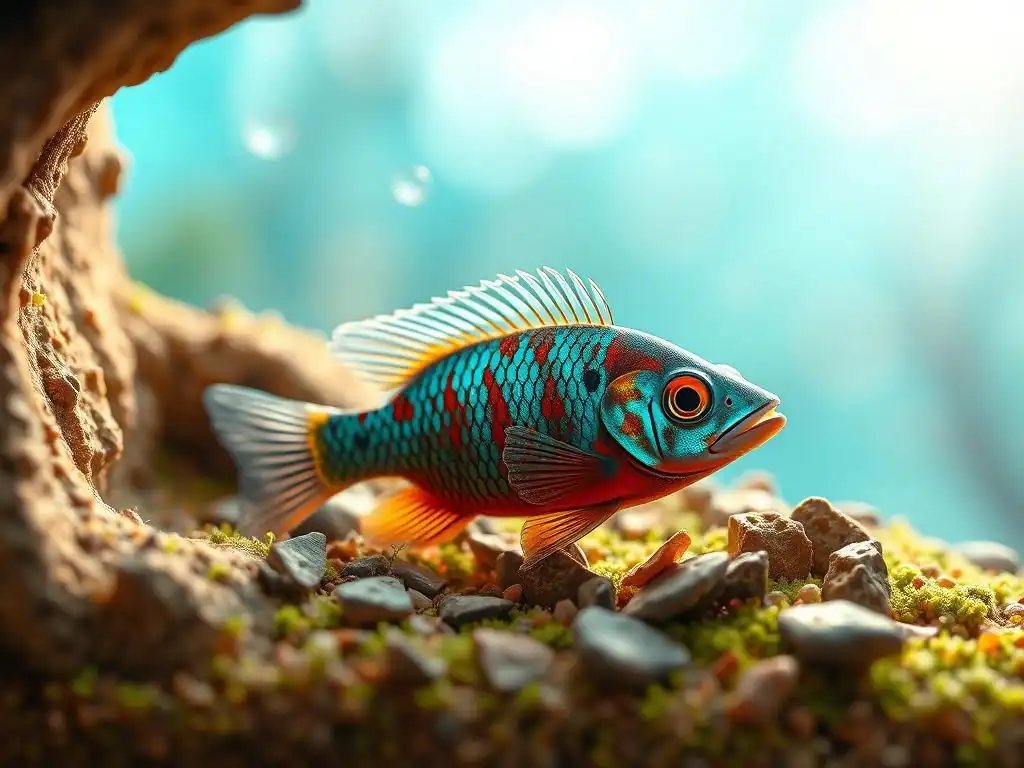
Observing how your dwarf cichlids utilize their hiding places provides invaluable insight into their well-being and social dynamics. Signs of stress typically include faded coloration, clamped fins, rapid breathing, constant hiding, or frantic darting. Aggression, on the other hand, might manifest as relentless chasing, fin nipping, or flared fins and gill covers. If a particular dwarf cichlid hiding cave is consistently contested, it often indicates insufficient alternative options or an imbalance in the social structure.
For example, if a male Ram cichlid is persistently chasing a female into a corner of the tank, despite the presence of multiple dwarf cichlid caves, it suggests that the existing caves might not be providing adequate escape routes or that their shapes are not effectively breaking lines of sight. Such behavior warrants a re-evaluation of your tank layout and the placement or addition of more dwarf cichlid shelters to diffuse the tension.
Adjusting Hiding Places Based on Cichlid Behavior
Being flexible with your tank decor is crucial for the long-term well-being of your dwarf cichlids. If you observe persistent aggression, excessive shyness, or a lack of natural behavior, rearranging or adding more dwarf cichlid hiding caves can often resolve the issue. Sometimes, simply shifting a piece of driftwood or introducing another ceramic cave can create a new, desirable territory or an effective escape route that significantly diffuses existing tensions.
Experimenting with different types of dwarf cichlid shelters can also be beneficial. If your fish seem to ignore one type of cave, try introducing another. For instance, a Kribensis pair might prefer a natural coconut shell over a commercially manufactured ceramic tube for breeding, while an Apistogramma might favor a densely planted area as its primary retreat. Observing which spots are most frequently used provides direct feedback on what your fish prefer and need.
Using Hiding Spots to Monitor Cichlid Health
Healthy dwarf cichlids will actively use their hiding places but also venture out regularly to explore their environment, forage for food, and interact with tank mates. If a fish is constantly hidden, refuses to come out even for feeding, or appears lethargic and withdrawn within its dwarf cichlid cave, it is often an early and significant sign of illness, severe stress, or an underlying water quality issue.
Conversely, a dwarf cichlid that is rarely seen in its hiding spots and instead remains constantly exposed, even when not actively feeding, might be overly dominant, or perhaps the tank lacks sufficient cover to make it feel genuinely secure. Regular and attentive observation of how your dwarf cichlids utilize their hiding caves is a fundamental aspect of proactive fishkeeping, allowing for early detection of problems and timely intervention.
DIY Cichlid Caves: Creating Custom Hiding Spots
Easy DIY Cichlid Cave Projects
Creating your own dwarf cichlid caves can be a rewarding and cost-effective endeavor. Unglazed terracotta pots, either used whole (with drainage holes plugged and smoothed) or broken into pieces with smooth edges, make excellent, natural-looking shelters. PVC pipes, cut to appropriate sizes and thoroughly sanded, offer a simple, functional, and easily cleanable option, particularly favored by some breeders due to their consistent shape and ease of disinfection.
For a simple PVC cave, select a pipe with a diameter of 1.5 to 2 inches and cut it to a length of 4 to 6 inches. Crucially, sand all cut edges thoroughly to remove any sharpness that could injure fish. Rinse the pipe extensively before adding it to the tank. These basic dwarf cichlid shelters can then be easily camouflaged with plants or strategically placed rocks to integrate them into your aquascape.
Safe Materials for DIY Cichlid Shelters
When embarking on DIY dwarf cichlid shelters, selecting safe, inert materials is paramount. Recommended materials include unglazed terracotta (pots, saucers), aquarium-grade PVC pipe, natural stones (such as river rock, slate, or lava rock – ensuring they are smooth and don't leach chemicals), and thoroughly prepared coconut shells. Always avoid materials that have been treated with chemicals, paints, or glazes not specifically labeled as "aquarium safe."
Proper preparation of DIY materials is critical. Unglazed terracotta should be boiled for at least 15-20 minutes to sterilize it. PVC pipe requires thorough sanding of all cut edges and extensive rinsing. For natural rocks, scrub them rigorously with a brush and perform a vinegar test: if a rock fizzes when a few drops of white vinegar are applied, it indicates a high calcium carbonate content, which will raise pH and hardness, making it unsuitable for most soft-water dwarf cichlids. Always prioritize the safety of your fish above all else.
DIY Cave Design Ideas
Unleash your creativity when designing DIY dwarf cichlid caves. Stacked pieces of slate can be glued together with aquarium-safe silicone to create multi-level caves with numerous entrances and exits, mimicking natural rock formations. A large, hollowed-out piece of properly prepared driftwood can serve as a central hub for several fish, offering multiple internal hiding spots and external perching areas. Even simple ceramic tiles can be cut and glued to form custom-sized and shaped shelters.
Consider incorporating your DIY dwarf cichlid shelters seamlessly into your aquascape. For instance, embed a PVC pipe or a terracotta pot within a larger rock or driftwood structure to make it less visible and more integrated into the overall design. This approach provides highly effective dwarf cichlid hiding caves that blend naturally into your tank, enhancing both functionality and aesthetic appeal for your aquatic inhabitants.
Frequently Asked Questions
Why are hiding caves so important for dwarf cichlids?
Dwarf cichlids are naturally shy and territorial fish. Hiding caves provide them with a sense of security and a place to retreat from stress, which is crucial for their overall health and well-being.
What are some good materials for creating dwarf cichlid hiding caves?
Excellent materials include small terracotta pots, coconut shells, and slate rock. These offer natural-looking shelter and can be easily arranged within the aquarium.
How many hiding caves should I provide for my dwarf cichlids?
As a general rule, provide at least one cave per cichlid, plus a few extras. This helps minimize aggression and allows each fish to establish its own territory and sense of security.
Where should I place the hiding caves in my aquarium?
Place caves in areas with moderate to low lighting and near plants or other decorations to create a more natural and secure environment. Varying their placement can also help reduce territorial disputes.
How do I encourage my dwarf cichlids to use the hiding caves?
Ensure that the caves are appropriately sized for the fish and that the aquarium water parameters are stable and suitable. Adding leaf litter can also create a more natural and inviting environment.
Final Reflection: Sheltering Secrets for Thriving Cichlids
The insights shared in this article highlight more than just the practicalities of providing dwarf cichlid hiding caves; they underscore the fundamental importance of security and comfort in fostering healthy and vibrant aquatic ecosystems. Understanding the specific needs of these fascinating fish, from the texture of the substrate to the dimensions of their potential shelters, is crucial for responsible fishkeeping and ensuring their well-being in our care.
This exploration into the world of dwarf cichlid habitats has profoundly shaped my understanding of their complex needs. It's a reminder that successful aquascaping isn't just about aesthetics, but about creating environments that mimic their natural homes and allow them to thrive. As Carl Safina eloquently stated, We need another and a wiser and perhaps a more mystical concept of animals.
This quote resonates deeply, urging us to move beyond simple ownership and embrace a more profound understanding of the creatures we share our world with.
Now, as you consider your own aquarium, I invite you to reflect on the principles we've discussed. Are you providing adequate shelter for your dwarf cichlids? Are you truly understanding their needs beyond the surface level? Take a moment to observe their behavior, to consider their perspective, and to create a sanctuary where they can feel safe, secure, and truly at home. By doing so, you'll not only enhance their lives but also enrich your own experience as a dedicated and compassionate aquarist.
Unleash Your Cichlids' Natural Bliss!
Thank you for diving into the world of dwarf cichlids and their hiding needs! We hope you've gained valuable insights into creating a thriving environment for your finned friends. Now, let's put that knowledge into action and truly elevate your aquarium.
Here's how you can make a difference for your cichlids:
- Immediately assess your tank: Do you have at least one hiding spot per cichlid? This is crucial for reducing stress and promoting natural behaviours.
- Explore the possibilities! Try incorporating a unique element – maybe a half-buried coconut shell or an overturned, aquarium-safe terracotta pot – to diversify their habitat.
- Share your cichlid's upgraded hideout with the Aquarium Mastery community! Post a picture on social media using #CichlidCondos and inspire other aquarists.
What surprising hiding spot have you considered adding to your cichlid tank to enhance their wellbeing?