
The Life Cycle of a Zoanthid Colony: From Single Polyp to Mat

Welcome to Aquarium Mastery!
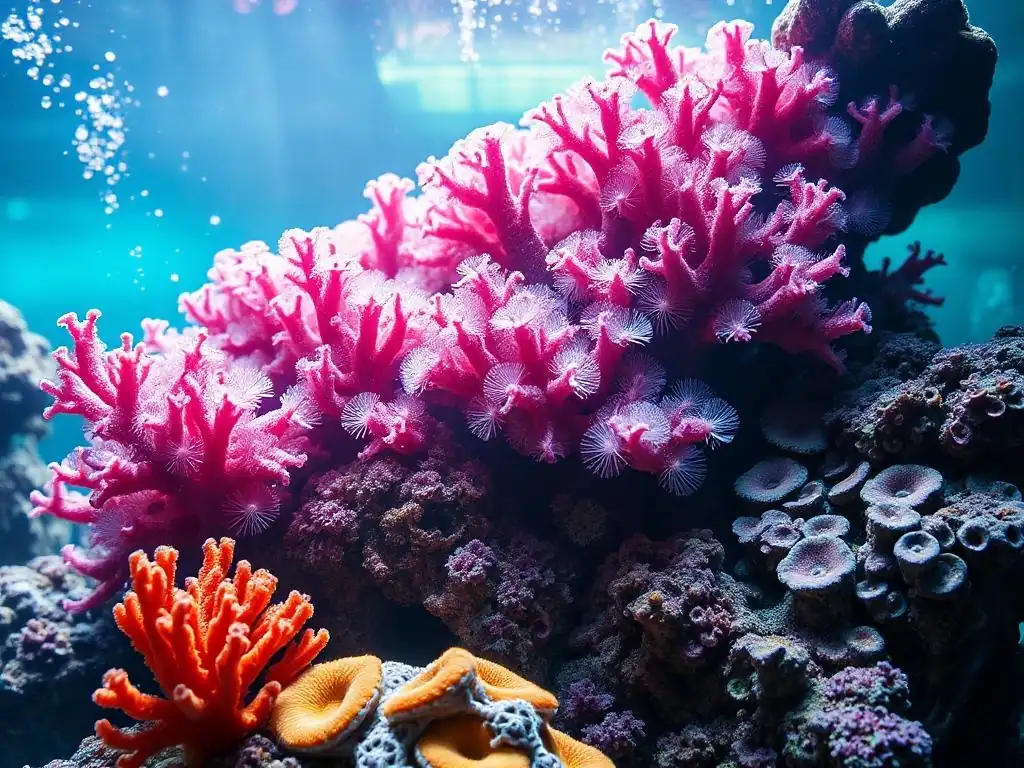
Ever wondered how a single, unassuming Zoanthid polyp explodes into a vibrant, thriving colony? Dive in as we unravel the fascinating secrets of Zoanthid colony growth stages, exploring everything from initial polyp formation to the development of a full-blown mat. Ready to witness the journey? Let's explore!
- Understanding Zoanthid Growth Patterns in Reef Aquariums
- Stage 1: The Single Zoanthid Polyp - Origin and Initial Development
- Stage 2: Budding and Polyp Multiplication - The Beginning of a Colony
- Stage 3: Colony Expansion and Mat Formation - Rapid Growth Phase
- Stage 4: Mature Zoanthid Colony - Stability and Maintenance
- Optimizing Zoanthid Colony Growth Stages in Your Reef Tank
- Advanced Techniques for Promoting Zoanthid Colony Growth
- Conclusion: Mastering Zoanthid Colony Growth in Your Aquarium
-
Frequently Asked Questions
- How quickly can a new Zoanthid colony establish itself in an aquarium?
- What are the key environmental factors that influence Zoanthid colony growth stages?
- What does the "mat" stage of Zoanthid colony growth refer to?
- What are some common signs that a Zoanthid colony is not thriving and experiencing stunted growth?
- Can different Zoanthid species grow at different rates, and if so, why?
- Final Reflection: Unveiling the Secrets of Zoanthid Resilience
- Ignite Your Reef: Propagate Your Own Zoanthid Paradise!
Understanding Zoanthid Growth Patterns in Reef Aquariums
Introduction to Zoanthids: An Overview of Popular Soft Corals
Zoanthids, often referred to as "button polyps" or "Zoas," are a highly popular group of soft corals among reef aquarists, celebrated for their vibrant colors, diverse patterns, and relatively forgiving care requirements. These colonial polyps belong to the order Zoantharia and are widely distributed across the world's tropical and subtropical oceans. Their appeal lies not only in their aesthetic beauty but also in their hardiness, making them an excellent choice for both beginner and experienced hobbyists looking to add dynamic life to their marine aquariums.
These fascinating invertebrates derive a significant portion of their energy from a symbiotic relationship with zooxanthellae, photosynthetic algae living within their tissues. In their natural habitats, Zoanthids typically inhabit shallow, sunlit reef zones, often found encrusting rocks, rubble, or even other coral skeletons. Their ability to form dense, expansive mats over time is a key characteristic, and understanding this inherent Zoanthid colony growth pattern is fundamental to their successful long-term cultivation in a home aquarium.
The Importance of Understanding Zoanthid Colony Development
Grasping the intricate Zoanthid colony growth stages is paramount for any aquarist aiming for a thriving and balanced reef environment. This knowledge empowers hobbyists to anticipate the coral's expansion, manage its footprint effectively, and ensure it coexists harmoniously with other tank inhabitants. Without this understanding, a rapidly growing Zoanthid colony can quickly outcompete slower-growing corals for light and space, leading to imbalances within the ecosystem.
Furthermore, a comprehensive understanding of Zoanthid colony development enables proactive troubleshooting. Recognizing the signs of healthy growth versus stunted growth or recession allows for early intervention, whether it's adjusting lighting, water flow, or addressing potential pests. By knowing what to expect at each stage, aquarists can tailor their care routines, optimize conditions, and ultimately cultivate a vibrant, stable Zoanthid display that enhances the overall beauty and health of their reef tank.
Stage 1: The Single Zoanthid Polyp - Origin and Initial Development
The Arrival of a New Zoanthid Polyp: Introduction to the Reef Tank
The journey of a Zoanthid colony typically begins with the introduction of a single polyp or a small frag, often consisting of just a few polyps attached to a frag plug or a small piece of live rock. Upon arrival, it is crucial to properly acclimate the new addition to the aquarium's specific water parameters.
This usually involves a drip acclimation process over 30-60 minutes to slowly equalize temperature, salinity, and pH, minimizing stress on the delicate polyp. The initial appearance of a newly introduced Zoanthid may be concerning; polyps are often retracted, closed, or appear dull due to the stress of shipping and environmental change.
Once acclimated, the frag should be placed in a suitable location within the display tank, ideally on the substrate or a rock ledge where it receives appropriate light and flow. During these first few days, the single Zoanthid polyp's primary goal is recovery and stabilization. It might take anywhere from a few hours to several days for the polyp to fully extend, showcasing its vibrant colors and characteristic patterns. Patience is key during this initial phase, as the polyp needs time to adjust to its new surroundings before any significant Zoanthid growth can commence.
Early Growth and Acclimation: Adapting to Aquarium Conditions
Following the initial introduction, the single Zoanthid polyp enters a critical acclimation period where it adapts to the specific conditions of the reef tank. During this time, the polyp will gradually begin to fully extend, opening its tentacles to capture light and any available food particles.
Signs of successful acclimation include consistent opening of the polyps during the light cycle, vibrant coloration, and a general appearance of health. The focus for the aquarist during this stage is maintaining stable water parameters, including temperature (ideally 76-82°F or 24-28°C) and salinity (1.025-1.026 specific gravity), as fluctuations can significantly hinder the polyp's ability to settle in.
True Zoanthid polyp growth, specifically the budding of new polyps, is typically not observed immediately. This early phase is dedicated to energy conservation, tissue repair, and establishing a secure attachment to its substrate. The polyp is essentially "rooting" itself into its new home. It is absorbing light, processing nutrients, and building up the energy reserves necessary for the subsequent stages of asexual reproduction and Zoanthid colony development. Monitoring the polyp daily for any signs of stress, such as prolonged retraction or discoloration, is crucial to ensure a smooth transition.
Nutritional Needs of a Single Zoanthid Polyp: Feeding and Lighting
The nutritional requirements of a single Zoanthid polyp are primarily met through photosynthesis, thanks to the symbiotic zooxanthellae residing within its tissues. Adequate lighting is therefore paramount for its survival and subsequent Zoanthid growth. Zoanthids generally thrive under moderate to high light levels, with ideal PAR (Photosynthetically Active Radiation) values typically ranging from 50 to 150. A blue-rich spectrum is often preferred, as it not only supports photosynthesis but also enhances the coral's natural pigmentation, leading to more vivid colors. Insufficient light can cause the polyp to stretch and appear dull, while excessive light can lead to bleaching.
While photosynthetic, Zoanthids are also heterotrophic, meaning they can capture and consume particulate matter from the water column. Supplementing their diet with target feeding can significantly boost their health and accelerate Zoanthid colony development. Finely crushed mysis shrimp, zooplankton, or specialized coral foods like Reef Roids are excellent choices. Feeding a single polyp once or twice a week using a pipette or turkey baster ensures it receives additional nutrients beyond what photosynthesis provides, strengthening it for the upcoming budding phase and promoting more robust Zoanthid growth.
Stage 2: Budding and Polyp Multiplication - The Beginning of a Colony
Asexual Reproduction in Zoanthids: Budding Explained
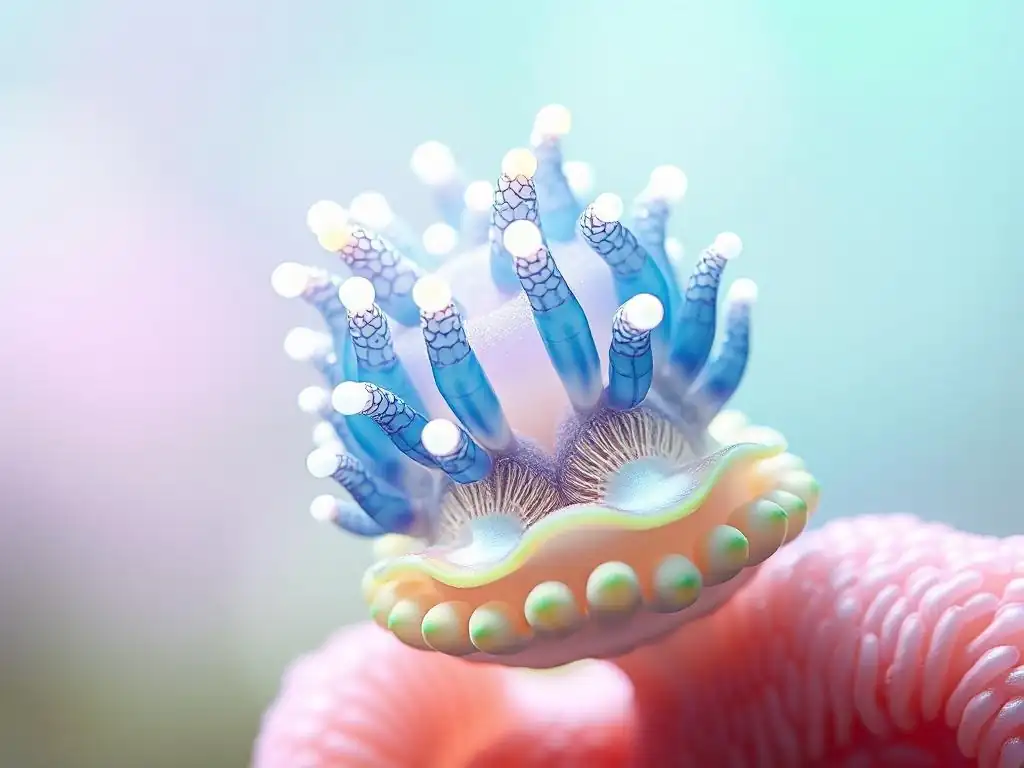
The transition from a single polyp to a burgeoning colony is marked by asexual reproduction, primarily through a process known as budding. This remarkable mechanism involves the emergence of new, miniature polyps directly from the base or side of an existing, healthy polyp. Initially, these new polyps appear as small, inconspicuous bumps on the mat or stolon. Over a period of days to weeks, these bumps gradually differentiate, developing into fully formed polyps complete with tentacles and a mouth, albeit on a much smaller scale than the parent polyp.
Budding is the most common and efficient method by which Zoanthids expand their territory in a reef aquarium. It signifies a thriving coral that has successfully acclimated and accumulated sufficient energy reserves. Unlike sexual reproduction, which involves the release of gametes and is less frequently observed in home aquariums, budding allows for rapid and localized expansion, ensuring the continuous Zoanthid colony growth and establishment of a dense mat. This process is a clear indicator of the coral's overall health and its readiness to form a robust Zoanthid colony.
Initial Polyp Clustering: First Signs of Colony Formation
As budding progresses, the newly formed polyps remain attached to the parent polyp or the expanding stolon, leading to the formation of small, distinct clusters. This initial clustering is the unmistakable first sign of Zoanthid colony formation. Instead of isolated polyps, you will observe several polyps growing closely together, often sharing a common base or tissue mat that is beginning to spread across the substrate. These clusters typically start with 3-5 polyps and expand outwards.
This clustering phase is vital for the nascent Zoanthid colony. The polyps within a cluster benefit from shared resources and a collective defense mechanism against potential threats. The developing mat or stolon, which connects the individual polyps, strengthens their collective hold on the rockwork or frag plug, making them more resilient. Observing this dense grouping of polyps confirms that the conditions in the aquarium are conducive to continuous Zoanthid growth, paving the way for the rapid expansion of the colony.
Environmental Factors Influencing Budding Rate: Temperature, Flow, Water Quality
The rate at which Zoanthids bud and multiply is significantly influenced by a trifecta of environmental factors: temperature, water flow, and overall water quality. Consistent and stable water temperatures, ideally maintained between 76-82°F (24-28°C), are crucial, as fluctuations can stress the polyps and slow down their metabolic processes, thereby inhibiting Zoanthid growth. Similarly, stable salinity (1.025-1.026 specific gravity) is essential for osmotic balance.
Moderate and indirect water flow is optimal. It ensures that detritus and waste products do not settle on the polyps, which can lead to tissue necrosis, while also preventing direct, harsh flow that can cause polyps to remain retracted. Pristine water quality, characterized by low levels of nitrates (ideally below 10 ppm) and phosphates (below 0.05 ppm), is equally important. High nutrient levels can fuel nuisance algae growth, which directly competes with the Zoanthid colony for space and light, thus suppressing budding. Maintaining these parameters consistently provides the ideal environment for robust Zoanthid colony development.
Stage 3: Colony Expansion and Mat Formation - Rapid Growth Phase
Horizontal Growth and Mat Development: Covering the Substrate
Once budding is well underway, the Zoanthid colony enters a rapid growth phase characterized by extensive horizontal expansion and the development of a cohesive mat. The individual polyps continue to multiply, and their basal tissues fuse, creating a common, fleshy stolon or mat that spreads outwards across the rockwork or substrate. This mat can adhere strongly to surfaces, effectively "encrusting" the area it covers. The rate of expansion can be quite impressive; a healthy Zoanthid colony can double its surface area within 3 to 6 months under optimal conditions, transforming from a small frag to a significant patch.
This aggressive horizontal spread is how Zoanthids dominate space in their natural environment and in the aquarium. The continuous formation of new polyps along the edges of the mat allows the colony to colonize new territory efficiently. This characteristic Zoanthid mat formation is highly desirable for aquarists aiming to create a vibrant, carpet-like display of these colorful corals. However, it also necessitates careful planning regarding their placement within the reef tank to manage their spread effectively.
Competition and Space: Managing Zoanthid Colony Spread
The rapid Zoanthid colony growth rate, particularly their ability to form expansive mats, means they can quickly outcompete slower-growing corals for vital resources like light and space. This is especially true for LPS (Large Polyp Stony) corals and SPS (Small Polyp Stony) corals, which can be stung or overgrown by aggressive Zoanthids. Strategic placement is therefore crucial. Aquarists often choose to isolate Zoanthid colonies on a dedicated rock island or in a specific area of the sand bed, surrounded by bare substrate, to create natural "fire breaks" that contain their spread.
Regular monitoring and management are essential to prevent a Zoanthid takeover. If a Zoanthid colony begins to encroach on neighboring corals, manual intervention may be necessary. This can involve carefully prying the mat off the rock, or in more advanced cases, using a sharp scalpel or razor blade to trim back the edges of the mat. While some species like Palythoa are generally more aggressive and toxic than typical Zoanthus species, all Zoanthids have the potential for significant spread, requiring proactive management to maintain a balanced and diverse reef aquarium.
Color Variations and Morph Development During Colony Expansion
As a Zoanthid colony expands and matures, it's common to observe subtle yet fascinating color variations and the development of distinct "morphs" within the same colony. While individual polyps within a colony are genetically identical, environmental factors such as specific light spectrums, intensity, and nutrient availability can influence the expression of their pigments. For example, some blue or green pigments may become more vivid under certain LED light settings, while reds and oranges might pop under others.
This dynamic interplay between genetics and environment means that a single frag can evolve into a multi-hued Zoanthid mat formation over time, adding to the visual complexity and aesthetic appeal of the aquarium. Aquarists often refer to these unique color combinations as "morphs," and collecting different morphs is a popular aspect of the hobby. Understanding that these color shifts are part of the natural Zoanthid colony development allows aquarists to fine-tune their tank parameters to enhance the coloration they desire, further enriching the visual spectacle of their expanding Zoanthid display.
Stage 4: Mature Zoanthid Colony - Stability and Maintenance
Maintaining a Healthy and Vibrant Zoanthid Mat
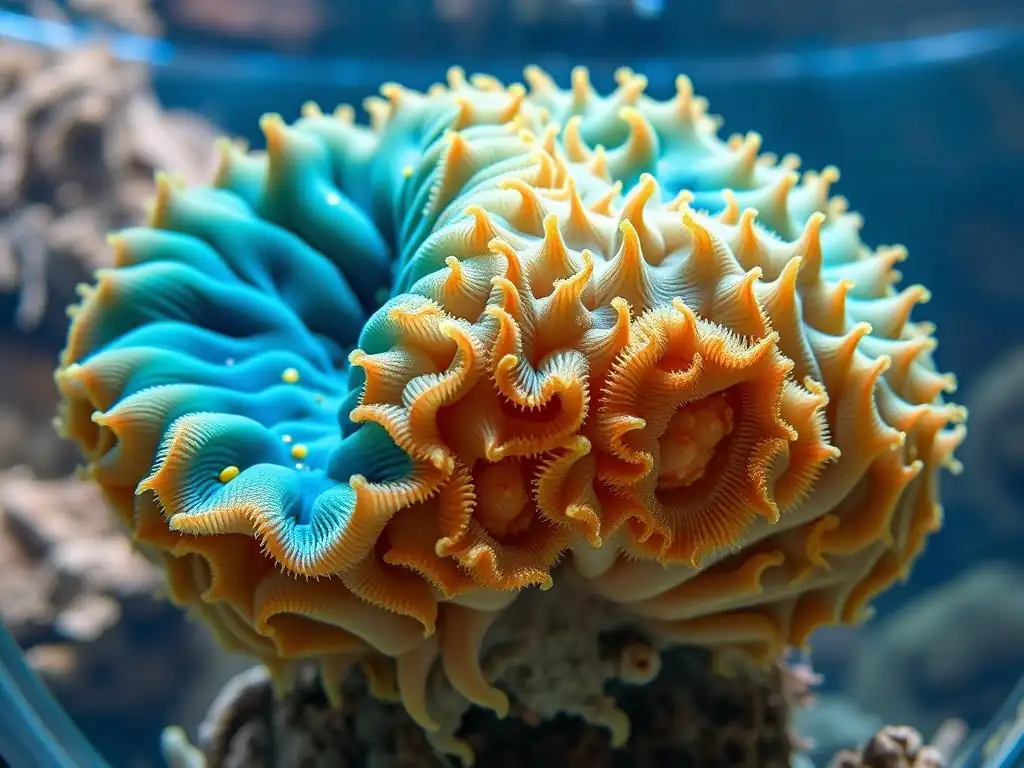
Once a Zoanthid colony has matured and formed a substantial mat, the focus shifts from promoting rapid Zoanthid growth to maintaining its health, vibrancy, and controlled expansion. Routine maintenance becomes paramount. This includes consistent bi-weekly water changes of 10-20% to replenish essential trace elements and remove accumulated nitrates and phosphates. Regular monitoring of water parameters (salinity, alkalinity, calcium, magnesium) is crucial to ensure stability, as a mature Zoanthid mat thrives on consistent conditions.
Algae control is also a continuous effort. Nuisance algae, such as hair algae or cyanobacteria, can quickly overgrow and smother a Zoanthid mat if left unchecked, leading to polyp recession or loss. Ensuring adequate flow around the colony helps prevent detritus buildup, which can fuel algae growth. A healthy, stable environment minimizes stress on the mature Zoanthid colony, allowing it to maintain its vibrant coloration and dense, carpet-like appearance, providing a stunning focal point in the reef aquarium.
Fragmentation and Propagation of Mature Colonies
A significant advantage of having a mature Zoanthid colony is the ability to fragment and propagate it. This serves multiple purposes: controlling the colony's spread, sharing with fellow hobbyists, or creating new colonies for trade or sale. Fragmentation is a relatively straightforward process. Using a sharp, sterile scalpel or razor blade, sections of the Zoanthid mat can be carefully cut from the main colony. It's important to handle Zoanthids with care, as some species, particularly Palythoa, can release palytoxin, a potent neurotoxin. Wearing gloves and eye protection is highly recommended.
Once cut, the fragged pieces can be attached to new frag plugs or small pieces of live rock using cyanoacrylate super glue gel. The success rate for Zoanthid fragmentation is remarkably high, provided the parent colony is healthy and the process is done gently. These new frags will typically acclimate quickly and begin their own Zoanthid colony growth stages, demonstrating the resilience and prolific nature of these soft corals. This propagation method is key to managing the long-term health and size of your Zoanthid mat.
Addressing Common Issues in Established Zoanthid Colonies: Zoanthid Eating Nudibranchs, Algae, Receding
Even established Zoanthid colonies can encounter issues that require intervention. One of the most notorious pests is the Zoanthid eating nudibranch ( Phyllodesmium species), which specifically preys on Zoanthids. Signs of an infestation include polyps that won't open, visible bite marks, or the presence of the nudibranchs themselves, often camouflaged to match the coral. Treatment usually involves manual removal, repeated coral dips (using solutions like Coral RX or Revive), or introducing natural predators like certain wrasse species.
Another common problem is algae overgrowth, which can smother polyps and compete for light. This often indicates elevated nutrient levels (nitrates/phosphates) or insufficient flow. Addressing the root cause through improved filtration, water changes, and adjusting flow is crucial. Lastly, receding polyps, where the colony appears to shrink or polyps remain closed, can be a symptom of various issues: poor water quality, too much or too little light, insufficient flow, or the presence of pests. Diligent observation and systematic troubleshooting are essential to identify the underlying cause and restore the Zoanthid colony to its healthy, thriving state.
Optimizing Zoanthid Colony Growth Stages in Your Reef Tank
Proper Lighting for Zoanthid Growth and Coloration
Optimizing lighting is a cornerstone for robust Zoanthid growth and vibrant coloration throughout all their life stages. Zoanthids, being highly photosynthetic, require specific light intensity and spectrum to thrive. Ideal PAR levels for most Zoanthid species range from 50 to 150, although some more demanding morphs might appreciate slightly higher intensity. Too much light can cause polyps to bleach or retract, appearing washed out, while too little light can lead to polyps stretching towards the light source, becoming leggy and dull.
A balanced spectrum, leaning towards the blue end, is generally recommended. Blue light (450-470nm) not only supports the photosynthetic processes of zooxanthellae but also enhances the natural fluorescent pigments in many Zoanthid morphs, making their colors pop. Maintaining a consistent photoperiod, typically 8-10 hours daily, is also important. LED lighting systems are highly advantageous due to their controllability, allowing aquarists to fine-tune intensity and spectrum to maximize Zoanthid colony growth and achieve the most stunning coloration.
Water Chemistry Parameters for Optimal Zoanthid Health
Stable and optimal water chemistry parameters are non-negotiable for the sustained health and impressive Zoanthid colony growth. While Zoanthids are generally more forgiving than SPS corals, maintaining precise parameters will unlock their full potential. Key parameters to monitor include:
- Salinity: Maintain a consistent specific gravity of 1.025-1.026 (35 ppt).
- Alkalinity: Aim for 7-9 dKH. Stable alkalinity supports calcification of their very basic skeleton and overall metabolic functions.
- Calcium: Keep calcium levels between 400-450 ppm.
- Magnesium: Maintain 1300-1400 ppm, as magnesium helps stabilize alkalinity and calcium.
Beyond these, maintaining ultra-low levels of nitrates (ideally below 10 ppm) and phosphates (below 0.05 ppm) is crucial. Elevated nutrients can lead to nuisance algae outbreaks, which directly compete with the Zoanthid colony for light and space, potentially smothering polyps and inhibiting Zoanthid growth. Regular water changes (10-20% bi-weekly) are often sufficient to keep these parameters in check for a healthy Zoanthid mat.
Flow and Placement Considerations for Zoanthid Colonies
Appropriate water flow and strategic placement are critical for optimizing Zoanthid colony growth and preventing issues. Zoanthids prefer moderate, indirect flow. This type of flow is gentle enough not to cause polyps to remain closed or be damaged, yet strong enough to prevent detritus from settling on the polyids' surfaces, which can lead to tissue necrosis and algae growth. It also ensures efficient nutrient delivery and waste removal around the Zoanthid mat. Avoid direct, laminar flow that can stress the polyps.
When considering placement, remember the potential for rapid Zoanthid mat formation. Position Zoanthids on a dedicated rock or an isolated area of the sand bed where they can spread without encroaching on other, more sensitive corals. Providing them with a "fire break" of bare rock or sand around their intended growth area is a wise strategy to manage their expansion. This thoughtful placement, combined with optimal flow, will help ensure your Zoanthid colony thrives and maintains its aesthetic appeal without becoming a nuisance in your reef tank.
Advanced Techniques for Promoting Zoanthid Colony Growth
Target Feeding Strategies for Enhanced Polyp Development
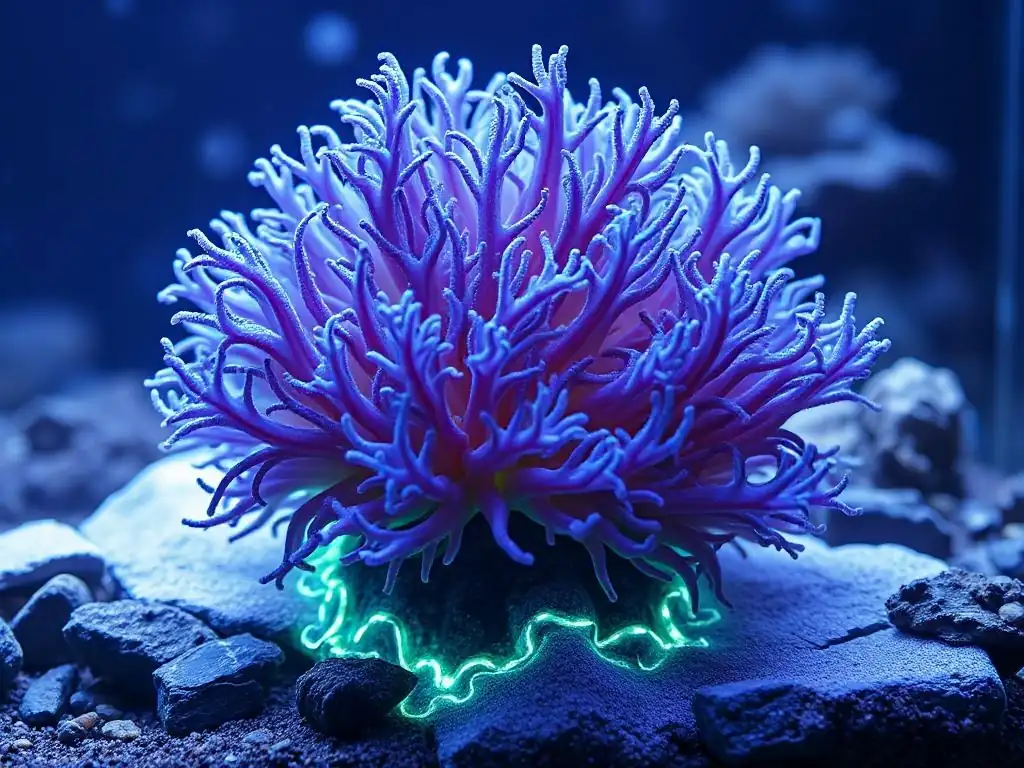
While Zoanthids are primarily photosynthetic, implementing advanced target feeding strategies can significantly enhance Zoanthid polyp development and accelerate Zoanthid colony growth. This involves directly delivering nutrient-rich foods to the polyps using a turkey baster or a specialized coral feeder. Suitable foods include finely crushed mysis shrimp, enriched brine shrimp, various zooplankton preparations, and powdered coral foods like Reef Roids or Polyp Lab's Polyp Booster.
Feeding 2-3 times per week can provide the additional energy and building blocks necessary for faster budding and more robust overall growth. This method bypasses competition from fish and other corals, ensuring the Zoanthids receive a concentrated dose of nutrition. Beyond growth, regular target feeding can also intensify the coral's coloration, making the Zoanthid mat appear even more vibrant and striking. Always ensure the food particles are appropriately sized for the polyps to consume effectively.
Using Supplements to Boost Zoanthid Color and Growth
For aquarists looking to push their Zoanthid colony growth and coloration to the next level, selective supplementation can be beneficial, though it should always be approached with caution and regular testing. While water changes typically replenish many essential trace elements, specific supplements can provide targeted support. Iodine, for instance, is thought to play a role in coral health and coloration, while potassium can enhance certain blue and purple pigments in Zoanthids. Strontium is another trace element that can contribute to overall coral health.
Beyond trace elements, amino acid and vitamin supplements are gaining popularity. These provide a direct source of organic nutrients that can be readily absorbed by the corals, potentially leading to more rapid Zoanthid growth and more intense, richer coloration. When using any supplement, it is crucial to follow the manufacturer's dosing instructions precisely and to monitor the corals' response closely. Overdosing can be detrimental, so start with lower doses and observe for positive changes in your Zoanthid mat.
Controlling Pests and Diseases Affecting Zoanthid Colonies
Proactive pest and disease control are paramount for maintaining the health and unchecked Zoanthid colony growth. The most notorious pest is the Zoanthid eating nudibranch ( Phyllodesmium species), which can decimate a colony rapidly. A crucial advanced technique is to meticulously dip all new Zoanthid frags in a coral dip solution (e.g., Revive Coral Cleaner, Coral RX) before introducing them to the display tank. This helps eliminate nudibranchs, their eggs, and other potential hitchhikers like sundial snails.
Regular, close inspection of your Zoanthid mat is also key. Look for any signs of receding polyps, discoloration, or visible pests. If an infestation is detected, manual removal of nudibranchs (using tweezers) and targeted coral dips of the affected colony can be effective. Beyond pests, maintaining pristine water quality and stable parameters is the best defense against bacterial or fungal diseases, as a healthy Zoanthid colony is far more resilient to environmental stressors and pathogens. Early detection and swift action are vital for preserving your vibrant Zoanthid display.
Conclusion: Mastering Zoanthid Colony Growth in Your Aquarium
Mastering Zoanthid colony growth stages in your aquarium is a rewarding journey that transforms a single polyp into a vibrant, sprawling mat. From the initial acclimation of a new frag to the dynamic process of budding and the eventual establishment of a mature colony, understanding each phase is crucial. By meticulously managing environmental factors such as optimal lighting, stable water chemistry, and moderate flow, aquarists can create an environment where Zoanthids not only survive but truly flourish.
The ability to identify and address common issues, from managing Zoanthid eating nudibranchs to controlling algae, further solidifies your expertise. Furthermore, employing advanced techniques like targeted feeding and judicious supplementation can unlock even more impressive Zoanthid growth and breathtaking coloration. Ultimately, patience, consistent care, and a keen eye for detail are the cornerstones of cultivating a thriving Zoanthid mat that will undoubtedly become a spectacular focal point in any reef aquarium.
Frequently Asked Questions
How quickly can a new Zoanthid colony establish itself in an aquarium?
The initial establishment phase depends on factors like water quality and lighting, but new Zoanthids typically begin to show growth within a few weeks of being introduced. They need stable parameters to thrive.
What are the key environmental factors that influence Zoanthid colony growth stages?
Optimal water parameters (especially alkalinity, calcium, and magnesium), sufficient lighting, and a consistent food source (like phytoplankton or small invertebrates) are critical for healthy growth. Inadequate conditions will stall or even reverse growth.
What does the "mat" stage of Zoanthid colony growth refer to?
The "mat" stage describes the point where Zoanthids have proliferated and formed a dense, interconnected layer across the substrate. This indicates a healthy and well-established colony.
What are some common signs that a Zoanthid colony is not thriving and experiencing stunted growth?
Signs of trouble include closed or retracted polyps, pale coloration (bleaching), and a general lack of expansion. These issues often stem from poor water quality or inadequate lighting, so check these parameters first.
Can different Zoanthid species grow at different rates, and if so, why?
Yes, different species exhibit varying growth rates due to genetic factors and their specific environmental requirements. Some are naturally faster growers than others, and water flow and placement can also affect growth.
Okay, here's a final reflection designed to close your article "The Life Cycle of a Zoanthid Colony: From Single Polyp to Mat," optimized for the keyword "Zoanthid colony growth stages" and following the structure you provided:
Final Reflection: Unveiling the Secrets of Zoanthid Resilience
The intricate journey of a zoanthid, from a solitary polyp to a sprawling mat, is more than just a biological process; it's a testament to the remarkable adaptability and resilience found within even the smallest life forms in our oceans. Understanding these growth stages, as we've explored, is crucial not only for successful reef keeping but also for appreciating the delicate balance of coral ecosystems facing unprecedented challenges.
This exploration into the Zoanthid colony growth stages has deepened my own appreciation for the interconnectedness of life within a reef environment. It highlights the importance of responsible reef keeping practices and the need for continued research to understand and protect these vibrant ecosystems. As Jacques Cousteau so eloquently stated: The sea, once it casts its spell, holds one in its net of wonder forever.
This wonder, this responsibility, rests on our shoulders.
Now, armed with this knowledge of the Zoanthid colony growth stages, I invite you to reflect on your own role in preserving these underwater wonders. Consider how your actions, both big and small, can contribute to the health and longevity of coral reefs worldwide. Let us all strive to be informed stewards of the ocean, ensuring that future generations can marvel at the beauty and complexity of zoanthid colonies thriving in their natural habitats.
Ignite Your Reef: Propagate Your Own Zoanthid Paradise!
Thanks for diving deep into the fascinating life cycle of Zoanthids! We hope this guide has given you a new appreciation for these captivating corals and the incredible journey they undertake. Now, let's put that knowledge to good use!
Ready to take action?
- Start with a single polyp! Visit your local reef store, select a vibrant zoanthid polyp, and begin observing its growth in your own aquarium.
- Share your Zoanthid propagation journey! Post pictures and updates on social media using #AquariumMasteryZoas.
- Research uncommon Zoanthid morphs: Dive into the world of rare colors and patterns to discover your next aquatic obsession!
What unique spot in your reef tank will you choose for your new Zoanthid colony to thrive?