
Painting with Life: A Plant Selection & Arrangement Guide for Aspiring Aquascape Artists

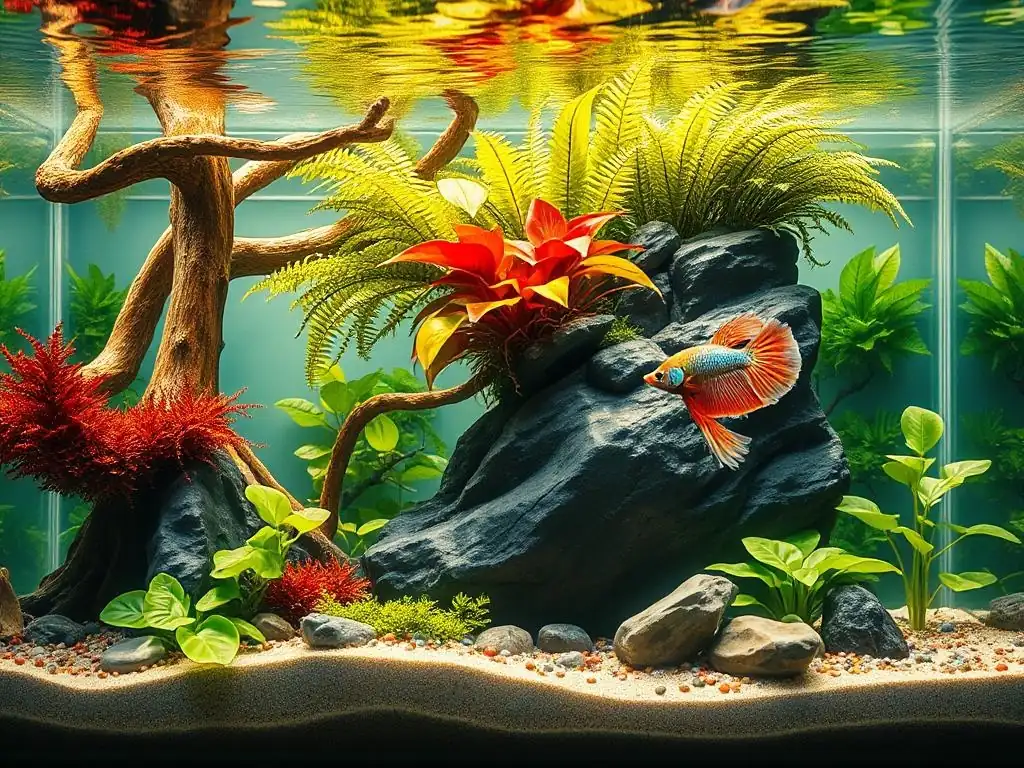
Welcome to Aquarium Mastery!
Ever dreamed of transforming your aquarium into a breathtaking underwater masterpiece? Dive into our Aquarium Plant Arrangement Guide and unlock the secrets to creating stunning aquascapes. We'll help you choose the perfect plants and master the techniques to bring your vision to life. Ready to paint with life? Let's get started!
- The Planted Aquarium: Selection, Arrangement, and Care Guide
- Introduction to Planted Aquariums
- Selecting Plants for Your Aquarium
- Aquascaping Techniques: Design and Implementation
- Planting and Initial Care
- Maintaining a Healthy Planted Aquarium
- Troubleshooting Plant Health Issues
- Advanced Aquascaping Styles
- Conclusion: Cultivating a Thriving Underwater Garden
-
Frequently Asked Questions
- What factors should I consider when planning my aquarium plant arrangement?
- How do I choose the right plants for my specific aquarium setup?
- What are some basic principles of aquascaping to create a visually appealing arrangement?
- How do I properly plant and anchor aquarium plants in the substrate?
- How do I maintain my aquarium plant arrangement and prevent overgrowth?
- Final Reflection: Cultivating Underwater Harmony
- Unleash Your Inner Aquascape Artist!
The Planted Aquarium: Selection, Arrangement, and Care Guide
Introduction to Planted Aquariums
The Benefits of a Planted Aquarium
A planted aquarium offers a myriad of advantages beyond mere aesthetics, contributing significantly to the overall health and stability of the aquatic ecosystem. Live plants actively absorb harmful nitrates, ammonia, and nitrites, which are byproducts of fish waste and decaying food.
This natural filtration process helps maintain pristine water quality, reducing the frequency of large water changes and mitigating the risk of algae blooms. Furthermore, during photosynthesis, plants release vital oxygen into the water column, often increasing dissolved oxygen levels by 10-20 mg/L in a heavily planted tank during daylight hours, which is crucial for the respiration of fish and beneficial bacteria.
Beyond their ecological contributions, aquatic plants create a natural, enriching environment for aquarium inhabitants. The intricate foliage provides essential hiding spots and territories, significantly reducing stress levels in shy or schooling fish species like Neon Tetras or Dwarf Cichlids. A well-designed aquascape, guided by an effective aquarium plant arrangement guide, can transform a simple glass box into a dynamic, living artwork, offering a tranquil and captivating focal point for any room. This biotope-like setting encourages natural behaviors in fish, leading to healthier, more vibrant specimens.
Understanding Essential Plant Needs
To cultivate a thriving planted aquarium, understanding the fundamental requirements of aquatic plants is paramount. The primary needs include adequate lighting, a consistent supply of carbon dioxide (CO2), and a balanced array of macro and micronutrients. Lighting is the energy source for photosynthesis; its intensity (measured in PAR – Photosynthetically Active Radiation) and duration directly impact plant growth. For instance, low-light plants like Java Fern thrive on 15-25 PAR, while demanding carpeting plants such as Hemianthus callitrichoides 'Cuba' may require 50-80+ PAR to flourish.
In addition to light, plants require CO2 for photosynthesis, especially in high-tech setups. While fish respiration provides some CO2, supplemental injection often becomes necessary for robust growth in densely planted tanks, aiming for levels between 25-35 ppm. Nutrients, both macronutrients (nitrogen, phosphorus, potassium) and micronutrients (iron, manganese, boron), are absorbed from the water column and substrate. A rich substrate, such as aquasoil, provides a nutrient reservoir, while liquid fertilizers replenish nutrients in the water. Maintaining stable water parameters, including a pH typically between 6.0-7.5 and a temperature range of 22-26°C (72-79°F), further ensures optimal plant health.
Selecting Plants for Your Aquarium
Matching Plants to Your Aquarium Size and Lighting
The success of your planted aquarium hinges significantly on selecting plants appropriate for your tank's specific dimensions and lighting capabilities. A smaller aquarium, such as a 10-gallon nano tank, is best suited for compact species like Anubias Nana Petite, Staurogyne repens, or various types of moss. Attempting to grow large background plants like Amazon Swords (Echinodorus amazonicus) in such a confined space would quickly overwhelm the layout and limit swimming room for fish. Conversely, a spacious 55-gallon or larger aquarium offers ample vertical and horizontal space for taller, bushier plants, allowing for greater diversity and a more dramatic aquascape.
Lighting is another critical factor in plant selection. Before purchasing plants, assess your aquarium's lighting system. Low-light setups (e.g., standard fluorescent tubes, basic LED fixtures providing less than 20 PAR) are ideal for resilient plants like Java Fern, Anubias, and Cryptocoryne species.
These plants grow slowly and require minimal intervention. High-light setups (e.g., powerful LED arrays providing 50+ PAR), often paired with CO2 injection, open up possibilities for vibrant red stem plants, challenging carpeting plants, and fast-growing species that demand intense illumination to achieve their full potential. Understanding your lighting budget and capabilities is crucial for an effective aquarium plant arrangement guide.
Low-Tech Plant Options
Low-tech planted aquariums are characterized by their simplicity and resilience, typically operating without supplemental CO2 injection and relying on moderate lighting. This approach is ideal for beginners or those seeking a beautiful yet low-maintenance setup. Excellent choices for low-tech tanks include epiphytic plants like Anubias barteri varieties (e.g., Anubias Nana, Anubias Congensis) and Java Fern (Microsorum pteropus).
These plants absorb nutrients primarily from the water column and thrive when attached to hardscape elements such as driftwood or rocks, rather than being planted directly into the substrate. They exhibit slow to moderate growth rates, often producing just 1-2 new leaves per month for Anubias, minimizing the need for frequent pruning.
Another staple of low-tech setups are various Cryptocoryne species (e.g., Cryptocoryne wendtii, Cryptocoryne undulata). These root-feeding plants establish well in a nutrient-rich substrate, offering a wide range of leaf shapes and colors, from green to reddish-brown. Mosses, such as Java Moss (Taxiphyllum barbieri) and Christmas Moss (Vesicularia montagnei), are also highly adaptable and can be used to create lush carpets or cover hardscape. These low-tech options are robust and forgiving, making them perfect for those exploring an aquarium plant arrangement guide without diving into complex equipment.
High-Tech Plant Options
High-tech planted aquariums represent the pinnacle of aquascaping, allowing for the cultivation of a vast array of vibrant, fast-growing, and often more challenging plant species. These setups necessitate supplemental CO2 injection, high-intensity lighting (typically 50 PAR or more), and a comprehensive fertilization regimen. The added CO2 significantly boosts photosynthesis, leading to rapid growth and more intense coloration. Popular high-tech choices include most stem plants like Rotala rotundifolia, Ludwigia repens, and Alternanthera reineckii, which can display stunning reds, oranges, and pinks under optimal conditions. These plants often grow several inches per week, requiring regular trimming.
Carpeting plants such as Hemianthus callitrichoides 'Cuba' (HC Cuba), Monte Carlo (Micranthemum tweediei), and Dwarf Hairgrass (Eleocharis parvula) also thrive in high-tech environments, forming dense, verdant lawns across the substrate. Without sufficient CO2 and light, these plants often struggle to carpet, becoming leggy or melting away. The precise balance of light, CO2, and nutrients is critical for high-tech plants; a slight imbalance can lead to stunted growth or algae outbreaks. Mastering the nuances of a high-tech aquarium plant arrangement guide allows aquarists to achieve breathtaking, dynamic underwater landscapes.
Popular Plant Species for Aquascaping
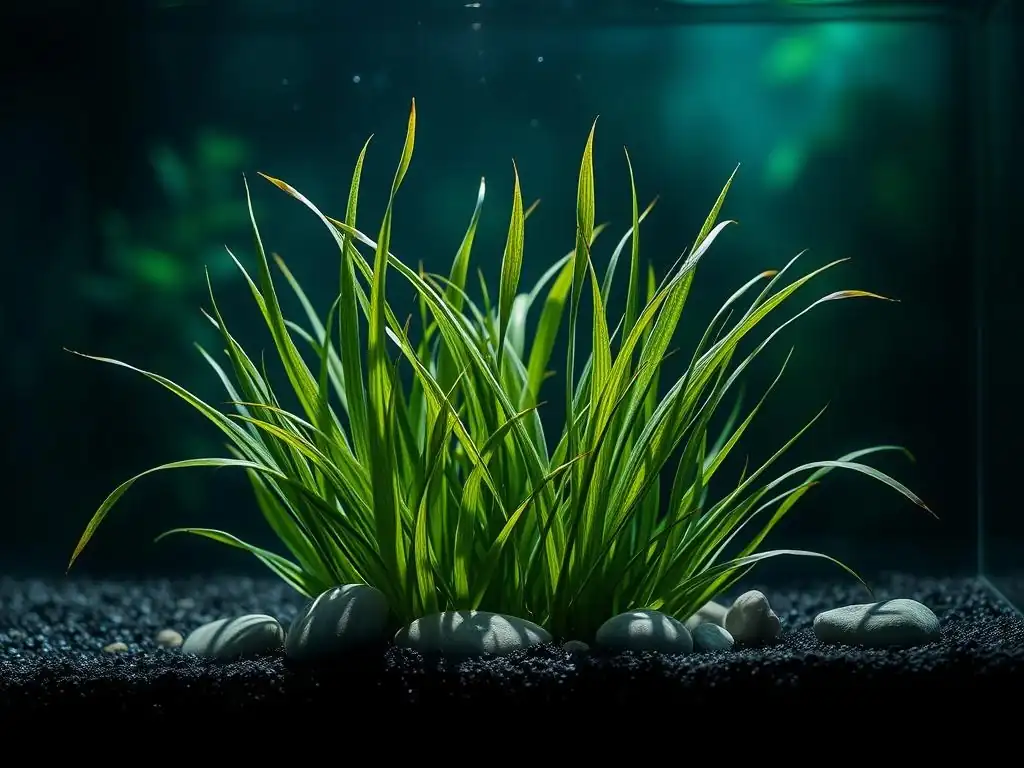
When designing an aquascape, plants are typically categorized by their intended placement within the tank – foreground, midground, and background. This strategic grouping allows aquascapers to create a sense of depth, perspective, and visual interest, mimicking the layered appearance of natural landscapes. Understanding these categories is fundamental to any effective aquarium plant arrangement guide, enabling the creation of balanced and aesthetically pleasing layouts.
Each category offers a unique set of species, contributing distinct textures, colors, and growth habits to the overall composition. From low-lying carpets that define the front of the tank to tall, flowing plants that obscure equipment and provide a lush backdrop, the careful selection and placement of these species are key to a successful aquascape.
Foreground Plants: Creating Carpets and Ground Cover
Foreground plants are typically low-growing species that create a lush carpet effect or delicate ground cover at the front of the aquarium. Popular choices include Monte Carlo (Micranthemum tweediei), known for its small, round leaves and rapid carpeting ability under high light and CO2. Dwarf Hairgrass (Eleocharis parvula) forms fine, grass-like strands, providing a natural, wild look. Hemianthus callitrichoides 'Cuba' (HC Cuba) is one of the smallest carpeting plants, demanding intense light and CO2 to thrive. Glossostigma elatinoides, another fast-growing option, produces small, spoon-shaped leaves. These plants usually reach a height of 1-3 inches (2.5-7.5 cm).
Midground Plants: Adding Texture and Structure
Midground plants serve as a transition between the low foreground and tall background, adding essential texture, volume, and structure to the aquascape. Cryptocoryne wendtii varieties are excellent midground choices, offering a range of leaf colors from green to reddish-brown and growing to about 4-8 inches (10-20 cm). Staurogyne repens is a popular bushy plant with vibrant green leaves, often used to create dense clumps.
Bucephalandra species, known for their unique leaf textures and slow growth, are epiphytes often attached to rocks or wood in the midground. Anubias Nana and Anubias Nana Petite, with their dark green, oval leaves, are also frequently placed here, typically reaching 3-6 inches (7.5-15 cm) in height.
Background Plants: Establishing Depth and Height
Background plants are chosen for their height and ability to create a lush, dense backdrop, often obscuring equipment and providing a sense of depth. Rotala rotundifolia is a popular stem plant that can display beautiful red tips under high light, growing rapidly to the water surface. Ludwigia repens also offers vibrant reds and oranges, providing a strong vertical element.
Amazon Sword (Echinodorus amazonicus) is a classic choice, forming large, bushy plants that can reach over 12 inches (30 cm). Vallisneria spiralis (Corkscrew Val) and Hygrophila corymbosa are other tall, fast-growing options that provide a natural, curtain-like effect. These plants typically grow upwards of 8-10 inches (20-25 cm) and often reach the surface of most standard aquariums.
Ensuring Plant Compatibility
When curating your plant selection, it's crucial to consider not only the plants' individual needs but also their compatibility with your chosen fish species and with each other. Certain fish, particularly larger cichlids (e.g., Oscar cichlids, some African Cichlids), Goldfish, and some species of Plecos (e.g., Common Pleco), are known for uprooting plants or grazing on their leaves.
For such species, it's advisable to select robust, tough-leaved plants like Anubias or Java Fern, or to prioritize hardscape elements over dense planting. Conversely, small, peaceful schooling fish like Chili Rasboras or Ember Tetras thrive in heavily planted environments and pose no threat to delicate plants.
Plant-to-plant compatibility also plays a significant role in a balanced aquascape. Fast-growing stem plants, if left unchecked, can quickly overshadow slower-growing foreground or midground plants, depriving them of essential light. For instance, a dense canopy of Rotala Macrandra could stunt the growth of a Monte Carlo carpet beneath it.
Therefore, regular pruning of aggressive growers is essential to ensure all plants receive adequate light and nutrients. Additionally, consider the nutrient demands; very demanding plants might outcompete less demanding ones for available nutrients if fertilization is not precisely managed, highlighting the intricate balance required when implementing an aquarium plant arrangement guide.
Aquascaping Techniques: Design and Implementation
Planning Your Layout: Composition and Flow
The foundation of a captivating aquascape lies in meticulous planning of the layout, focusing on composition and flow. Before introducing any elements, sketch out your ideas, considering the overall shape and balance you wish to achieve.
A common approach is to visualize the tank as a canvas, deciding where open spaces will be, where plants will cluster, and how hardscape elements will guide the viewer's eye. The concept of "flow" refers to the visual path created by the arrangement of elements, leading the eye smoothly through the scape from one point of interest to another, often from foreground to background or across the midground.
Consider the negative space within your design – the areas left open, free of plants or hardscape. These spaces are just as important as the filled areas, providing resting points for the eyes and enhancing the perception of depth. For example, leaving a clear, sandy path winding through a dense forest of stem plants can create an inviting sense of mystery and exploration. A well-planned layout, guided by a thoughtful aquarium plant arrangement guide, ensures that all components work harmoniously to create a cohesive and visually engaging underwater scene, rather than a chaotic jumble of plants and rocks.
Establishing a Focal Point
Every compelling aquascape benefits from a clear focal point – an area or element that immediately draws the viewer's attention. This could be a particularly striking piece of driftwood, a uniquely shaped rock formation, or a vibrant cluster of specific plants. The focal point serves as the anchor of your design, around which other elements are arranged to complement and enhance its prominence. For instance, a beautifully gnarled piece of Manzanita wood, strategically placed, can become the central element, with plants carefully positioned to highlight its contours and textures.
To emphasize the focal point, you can use contrasting plant colors, textures, or heights around it. A patch of bright red Alternanthera reineckii might be placed next to a dark, moss-covered rock to create a vivid contrast. Alternatively, a large, solitary plant like a Red Tiger Lotus can serve as a natural focal point in a minimalist design.
The placement of the focal point is often guided by principles like the Rule of Thirds or the Golden Ratio to achieve optimal visual balance and impact, ensuring the viewer's gaze is naturally drawn to the intended area. This deliberate choice is a cornerstone of any effective aquarium plant arrangement guide.
Utilizing the Rule of Thirds for Visual Balance
The Rule of Thirds is a fundamental compositional guideline in art and photography that is highly applicable to aquascaping, ensuring visual balance and interest. Imagine your aquarium's front glass divided into nine equal sections by two equally spaced horizontal and two equally spaced vertical lines. The theory suggests that placing key compositional elements, such as your focal point or significant plant groupings, along these lines or at their intersections creates a more engaging and aesthetically pleasing layout than centering them.
For example, instead of placing a prominent rock directly in the middle of the tank, positioning it at one of the four intersection points (e.g., the bottom-left or top-right intersection) can create a dynamic and natural-looking scene. This asymmetrical placement prevents the aquascape from appearing static or overly symmetrical, which can be less visually appealing.
By intentionally breaking the central axis and distributing visual weight across the "thirds," you guide the viewer's eye through the composition more effectively, making the aquascape feel more artistic and less contrived. Applying this principle is a key recommendation in any comprehensive aquarium plant arrangement guide.
Creating Depth and Perspective
Achieving a convincing sense of depth and perspective is crucial for transforming a flat glass box into a dynamic, three-dimensional underwater landscape. One primary technique involves using varying plant heights and sizes, placing taller, larger plants in the background, medium-sized plants in the midground, and shorter, smaller plants in the foreground. This creates an optical illusion that the background is further away than it actually is. For instance, a dense forest of tall Rotala in the back, transitioning to Cryptocoryne species in the middle, and finally a carpet of Monte Carlo at the front, significantly enhances perceived depth.
Another powerful method is the strategic use of "vanishing points" or converging lines, often created with hardscape elements. Arranging rocks or driftwood so that they appear to converge towards a distant point in the background can draw the eye into the scape, making the tank seem much deeper than its actual dimensions.
Additionally, maintaining clear, open spaces in the foreground, often a bare sand path, can provide a sense of expansive distance before the denser planting begins. The judicious application of these techniques, as detailed in an advanced aquarium plant arrangement guide, can make a 2-foot tank appear to stretch for miles.
Integrating Hardscape: Rocks and Wood
Hardscape elements, primarily rocks and driftwood, are the skeletal framework of any aquascape, providing structure, texture, and naturalism even before plants are introduced. They define the overall layout, create visual pathways, and offer attachment points for epiphytic plants like Anubias and Bucephalandra. When selecting hardscape, aim for pieces that complement each other in shape, size, and color to maintain a cohesive theme. For instance, using several pieces of Dragon Stone (Ohko Stone) with similar textures and varying sizes can create a harmonious mountain range effect, as seen in Iwagumi style aquascapes.
Driftwood, such as Manzanita or Malaysian wood, adds an organic, gnarled aesthetic, often mimicking tree roots or submerged branches. It can be used to create dramatic overhangs, intricate root systems, or even serve as the main focal point. Before placing hardscape, consider its contribution to the overall flow and balance of the layout.
Rocks can form crevices for shy fish or create distinct zones, while wood can provide vertical interest. A well-executed aquarium plant arrangement guide always emphasizes the symbiotic relationship between hardscape and plants, where the hardscape dictates the initial structure and the plants soften and enhance its form.
Planting and Initial Care
Acclimation and Preparation
Proper acclimation and preparation of new aquatic plants are crucial steps to minimize shock and ensure a successful transition into your aquarium. Upon receiving plants, gently remove them from their packaging, rock wool, or pots. For potted plants or those with rock wool, carefully rinse away all traces of the growing medium from the roots, as it can contain fertilizers or debris unsuitable for your tank. Trim any dead or decaying leaves and excessively long roots, leaving approximately 1-2 inches (2.5-5 cm) of healthy root material. This encourages new root growth and helps the plant establish itself more quickly.
Before planting, it's beneficial to give plants a brief dip in a mild disinfectant solution, such as a very diluted potassium permanganate or hydrogen peroxide solution, to eliminate snails, their eggs, or any unwanted algae spores. Follow specific product instructions for dilution and duration. After rinsing, the plants are ready for placement. For stem plants, separating them into individual stems or small bunches of 2-3 stems allows for better light penetration and water flow, promoting healthier growth from the outset. This meticulous preparation is a vital first step in implementing any aquarium plant arrangement guide.
Pruning and Propagation
Pruning is an essential maintenance activity in a planted aquarium, vital for maintaining the desired aquascape design, promoting healthier growth, and facilitating plant propagation. For stem plants, regular trimming encourages bushier growth. When a stem plant reaches the desired height or becomes leggy, simply cut the stem just above a leaf node. The cut top portion can then be replanted into the substrate to propagate new plants, effectively cloning the parent plant. This method is particularly effective for species like Rotala or Ludwigia, allowing you to quickly fill out areas of your tank.
For rosette plants like Cryptocoryne or Amazon Swords, pruning involves removing older, decaying, or excessively large outer leaves at their base. This directs the plant's energy towards producing new, healthier growth. Many rosette plants and carpeting species (e.g., Monte Carlo, Dwarf Hairgrass) also propagate through runners. When these runners develop significant roots and a few leaves, they can be carefully separated from the parent plant and replanted elsewhere in the tank to expand your plant coverage. Consistent pruning, guided by your aquarium plant arrangement guide, ensures your aquascape maintains its intended form and vitality.
Effective Planting Methods
The method of planting significantly impacts a plant's ability to establish and thrive in your aquarium. For stem plants, use tweezers to gently insert the trimmed stem into the substrate, ensuring at least 1-2 inches (2.5-5 cm) of the stem is buried. Angle the tweezers slightly to avoid damaging the stem, and once buried, gently pull the tweezers out, allowing the substrate to settle around the plant. Plant individual stems or small groups of 2-3 stems spaced 0.5-1 inch (1.2-2.5 cm) apart to allow for proper light penetration and water circulation, preventing rot and promoting bushier growth.
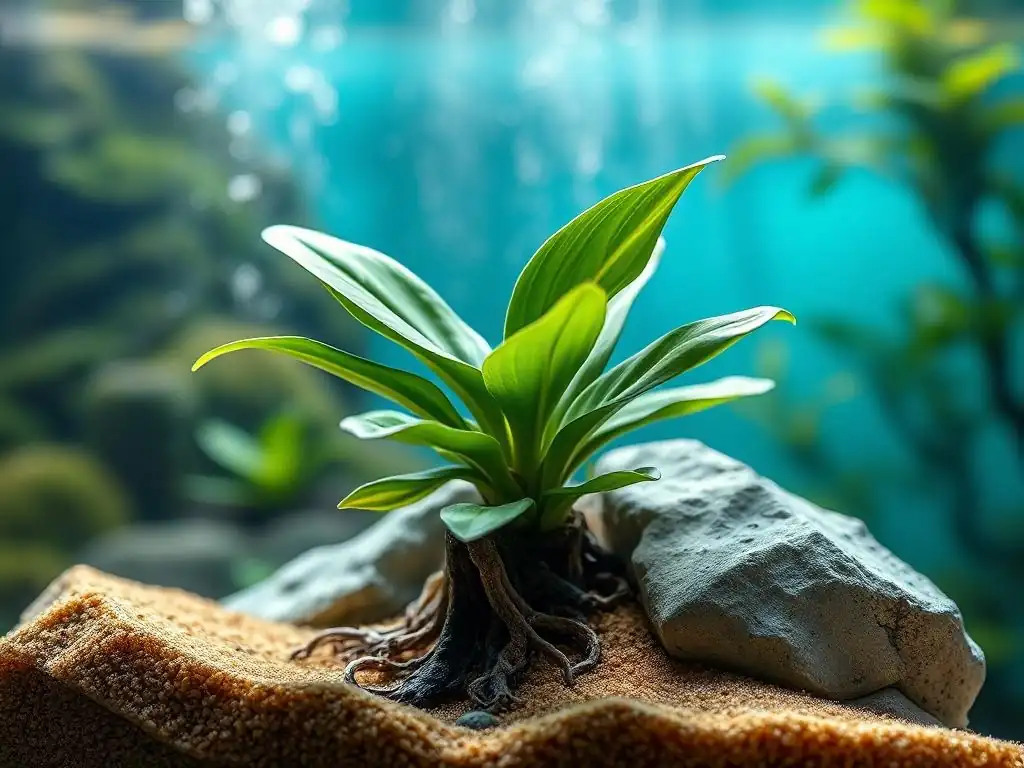
Epiphytic plants, such as Anubias, Java Fern, and Bucephalandra, should never have their rhizomes (the thick horizontal stem from which leaves and roots grow) buried in the substrate, as this will cause them to rot. Instead, attach these plants to driftwood or rocks using fishing line, cotton thread, or super glue gel. Over time, their roots will naturally cling to the hardscape.
For carpeting plants like Monte Carlo or Dwarf Hairgrass, plant small portions (about 1 square inch or 2.5 cm x 2.5 cm) systematically across the desired area, ensuring good substrate contact. A consistent approach to planting, as outlined in a detailed aquarium plant arrangement guide, will lead to a more successful and lush aquascape.
Substrate and Nutrient Considerations
The substrate forms the foundation of a planted aquarium, providing both an anchor for roots and a vital source of nutrients. For most planted tanks, a specialized aquasoil (e.g., ADA Aqua Soil, Fluval Stratum) is highly recommended. These substrates are typically rich in organic matter and essential nutrients, buffer the water to a slightly acidic pH (often 6.0-6.8), and have a porous structure that promotes beneficial bacterial colonization and root penetration. Aquasoils can actively absorb nutrients from the water column and release them slowly, providing a stable environment for root-feeding plants like Cryptocorynes and Echinodorus species.
Alternatively, a layered substrate approach can be employed, starting with a base layer of nutrient-rich plant substrate (e.g., Seachem Flourite, API First Layer Pure Laterite) covered by an inert top layer of sand or fine gravel (1-3 mm grain size). This prevents nutrients from leaching directly into the water column and keeps the tank cleaner.
Regardless of the substrate type, regular fertilization, either through liquid dosing for water column feeders or root tabs for heavy root feeders, is often necessary to replenish consumed nutrients and support vigorous plant growth, especially in high-tech setups. Understanding these options is critical for any comprehensive aquarium plant arrangement guide.
Maintaining a Healthy Planted Aquarium
Water Parameters: pH, KH, GH, and Temperature
Maintaining stable and appropriate water parameters is paramount for the long-term health and vibrancy of aquatic plants. Most freshwater aquatic plants thrive in a slightly acidic to neutral pH range, typically between 6.0 and 7.5. Extremes outside this range can hinder nutrient uptake and stress plants. Carbonate Hardness (KH) and General Hardness (GH) are also crucial. KH influences pH stability, acting as a buffer, while GH measures the concentration of calcium and magnesium, essential micronutrients for plant growth and overall water hardness. A GH of 3-8 dGH (50-140 ppm) is generally suitable for a wide variety of plants.
Temperature consistency is equally important. Most tropical aquatic plants prefer temperatures between 22-26°C (72-79°F). Fluctuations can stress plants and make them more susceptible to disease or melting. Regular testing of these parameters (at least weekly for the first few months, then bi-weekly or monthly once stable) allows for timely adjustments. For example, if pH drops too low, a small water change or the addition of a buffer might be necessary. Consistent water parameters, as detailed in any thorough aquarium plant arrangement guide, create a stable environment where plants can flourish.
Fertilization Strategies
Effective fertilization is key to providing plants with the necessary macro and micronutrients for robust growth and vibrant coloration. There are two primary approaches: water column fertilization and substrate fertilization. Water column fertilization involves dosing liquid fertilizers directly into the water, benefiting plants that absorb nutrients primarily through their leaves, such as stem plants, Java Fern, and Anubias. These liquid fertilizers often come in "all-in-one" formulas or separate macro (nitrogen, phosphorus, potassium – NPK) and micro (iron, manganese, boron, etc.) solutions, allowing for precise dosing based on plant mass and growth rate.
For heavy root feeders like Amazon Swords, Cryptocorynes, and many carpeting plants, substrate fertilization is crucial. This is achieved by using nutrient-rich aquasoils or by burying root tabs (slow-release solid fertilizers) near the plant's root zone. Root tabs typically last for several months (e.g., 3-6 months per tab) before needing replacement. A balanced fertilization strategy, often combining both methods, is usually the most effective for a mixed planted tank. The exact dosing will depend on factors like lighting intensity, CO2 levels, and plant density, making it a critical component of any comprehensive aquarium plant arrangement guide.
CO2 Supplementation: Benefits and Considerations
Carbon dioxide (CO2) supplementation is a cornerstone of high-tech planted aquariums, significantly boosting plant growth and allowing for the successful cultivation of demanding species. CO2 is a primary reactant in photosynthesis; when it's readily available, plants can grow faster, denser, and exhibit more vibrant coloration, often showing increased growth rates of 200-300% compared to tanks without CO2. High levels of CO2 (typically 25-35 ppm) also make plants more competitive against algae for available nutrients, helping to suppress unwanted algal growth.
Implementing CO2 supplementation usually involves a pressurized CO2 system, consisting of a CO2 cylinder, a regulator with a solenoid valve, a bubble counter, and a diffuser. The solenoid allows for automated on/off control, typically turning on 1-2 hours before lights and off 1 hour before lights. Diffusers break down CO2 into fine bubbles for efficient dissolution.
While highly beneficial, CO2 injection requires careful monitoring with a drop checker to maintain optimal levels without harming fish. Overdosing CO2 can lead to fish distress or even fatalities by rapidly lowering pH and oxygen levels. A thorough aquarium plant arrangement guide for high-tech setups will always detail CO2 considerations.
Optimizing Lighting Schedules
Lighting is the engine of photosynthesis, and an optimized lighting schedule is crucial for healthy plant growth while minimizing algae issues. The ideal duration for most planted aquariums is generally 8-10 hours per day. Shorter durations (e.g., 6 hours) might be suitable for very low-light setups or during initial tank cycling to prevent algae, while longer durations (e.g., 12+ hours) can significantly increase the risk of algae blooms without proportional plant benefit. Using a timer to ensure consistent on/off times is highly recommended, as irregular light cycles can stress plants and trigger algae.
The intensity of light also needs to be carefully managed. High-intensity lighting (e.g., 50+ PAR) demands higher CO2 and nutrient levels to prevent plants from stunting or developing deficiencies. Conversely, too much light for a low-tech setup can quickly lead to rampant algae growth.
Some aquascapers use a "siesta" period, where lights are on for 4-5 hours, off for 2-4 hours, then on again for another 4-5 hours. This break can help reduce algae growth by interrupting their photosynthetic cycle while allowing plants to recover and utilize built-up CO2. Adjusting lighting intensity and duration is a key variable in any adaptive aquarium plant arrangement guide.
Algae Control: Prevention and Management
Algae are a common nuisance in planted aquariums, often signaling an imbalance in the ecosystem. The most effective strategy for algae control is prevention, achieved by maintaining a healthy balance of light, CO2, and nutrients. Overdosing fertilizers, excessive lighting duration or intensity, and insufficient CO2 are common culprits that favor algae growth over plant growth. For instance, if CO2 is limited in a high-light tank, plants cannot fully utilize the light energy, leaving excess energy and nutrients for algae to exploit.
Should algae appear, identification is key to effective management. Green spot algae often indicate low phosphate, while hair algae can point to low CO2 or nutrient imbalance. Black beard algae (BBA) frequently appears in tanks with fluctuating CO2 or poor water flow. Manual removal (e.g., scraping, siphoning, toothbrush twirling) is always the first step. Addressing the underlying imbalance is crucial for long-term control; this might involve adjusting CO2 levels (e.g., ensuring 25-35 ppm), reducing lighting duration, increasing water changes, or fine-tuning fertilization. A well-executed aquarium plant arrangement guide focuses on cultivating strong, healthy plants that naturally outcompete algae.
Troubleshooting Plant Health Issues
Identifying and Addressing Nutrient Deficiencies
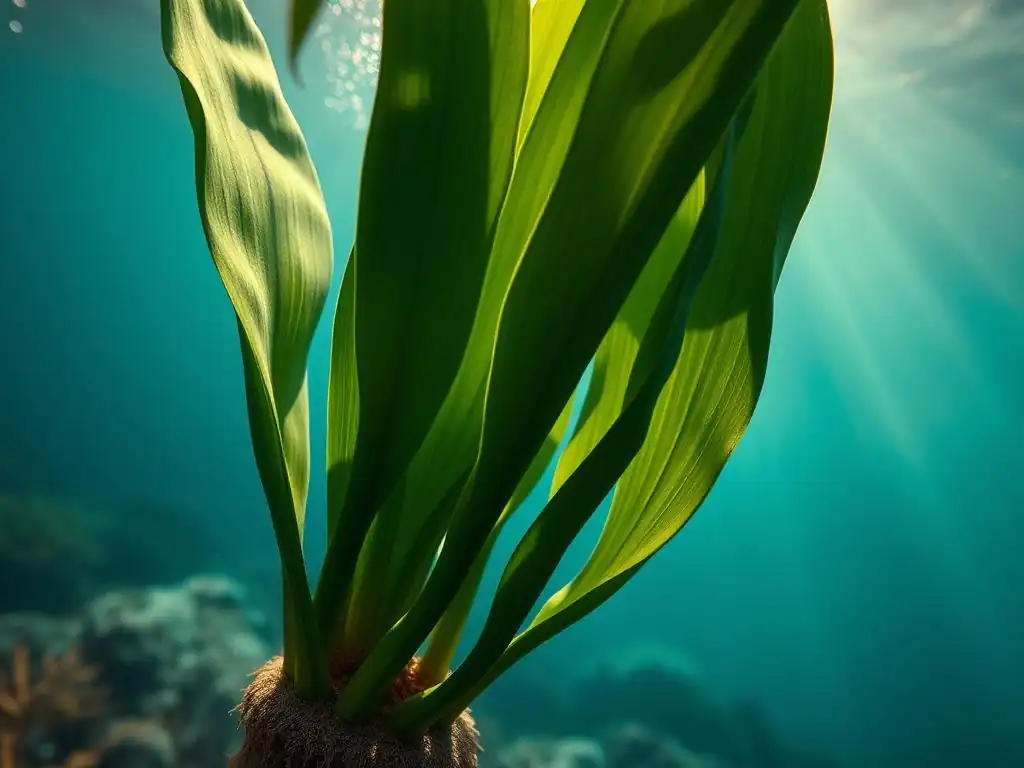
Plant nutrient deficiencies manifest in distinct ways, providing clues to what your plants are lacking. Yellowing or pale new leaves, often accompanied by stunted growth, typically indicate an iron deficiency, as iron is crucial for chlorophyll production. Older leaves turning yellow and eventually melting, especially in stem plants, often points to a lack of nitrogen, a primary macronutrient. If older leaves develop holes or turn dark green with stunted growth, phosphorus might be the missing element. Potassium deficiency often presents as yellowing or holes in older leaves, especially around the edges.
Once identified, addressing the deficiency requires targeted action. For iron, increase the dose of a comprehensive micronutrient fertilizer. Nitrogen, phosphorus, and potassium deficiencies are typically resolved by increasing the dosage of NPK fertilizers or by adding specific macro-nutrient supplements. For instance, if you observe general yellowing of older leaves and slow growth, increasing your nitrate (NO3) dosage by 5-10 ppm might be the solution. Consistent observation and precise dosing adjustments based on plant response are critical, ensuring your plants receive the specific nutrients they need to thrive, a core principle in any detailed aquarium plant arrangement guide.
Diagnosing and Treating Plant Diseases
While true plant diseases (caused by pathogens) are less common in aquariums than nutrient deficiencies, they can occur and are often exacerbated by poor water quality or stress. Bacterial infections might cause soft, mushy spots or rotting stems. Fungal infections can appear as white, fuzzy growths on decaying plant tissue. Viral diseases are rare but can cause distorted growth or unusual patterns on leaves. Often, what appears to be a disease is actually severe melting due to environmental shock, such as drastic changes in water parameters, lighting, or CO2, or a lack of essential nutrients.
Treatment for plant diseases typically involves immediate removal of affected plant parts to prevent spread. Improving water quality through increased water changes and ensuring optimal parameters (pH, temperature, GH, KH) can help plants recover.
For bacterial or fungal issues, some aquarists use very mild, short-term dips in potassium permanganate or hydrogen peroxide solutions, but this should be done with extreme caution as it can harm fish or beneficial bacteria. The best defense against plant disease is a robust, healthy plant grown in stable conditions, as strong plants are naturally more resistant to pathogens, a concept emphasized in any comprehensive aquarium plant arrangement guide.
Common Problems and Solutions
Beyond nutrient deficiencies and diseases, several common problems can plague a planted aquarium. One frequent issue is "algae blooms," often caused by an imbalance in light, CO2, or nutrients. Solution: Reduce lighting duration (e.g., from 10 to 8 hours), ensure CO2 levels are consistently 25-35 ppm (in high-tech tanks), and review fertilization to ensure nutrients are not in excess or deficit. Another problem is plants melting after being introduced to a new tank, particularly Cryptocorynes. This "crypt melt" is typically a response to environmental shock; the solution is patience and stable conditions, as they often recover with new growth.
Leggy stem plants, where the lower leaves drop off and stems grow tall with sparse foliage, usually indicate insufficient light reaching the lower portions of the plant. Solution: Increase light intensity or prune and replant tops to encourage bushier growth. Slow or stunted growth, even with seemingly adequate light and CO2, often points to a lack of macronutrients (N, P, K) or micronutrients (especially iron). Solution: Implement a comprehensive fertilization regimen, dosing both macro and micro elements. Addressing these common issues systematically, as detailed in an effective aquarium plant arrangement guide, ensures a thriving aquascape.
Advanced Aquascaping Styles
Iwagumi: The Art of Stone Arrangement
The Iwagumi style, originating from Japan, is a minimalist aquascaping approach that focuses primarily on the arrangement of carefully selected rocks, with plants playing a supporting, often sparse, role. The core principle involves using an odd number of stones, typically three, to create a naturalistic mountain or island scape.
The largest stone, the "Oyaishi" (main stone), is the focal point, around which two smaller stones, the "Fukuishi" (subordinate stone) and "Soeishi" (companion stone), are placed to complement its form and direction. A final, smallest stone, the "Suteishi" (sacrificial stone), might be added to enhance depth or complete the composition, though it is often partially obscured.
Plants in an Iwagumi aquascape are typically low-growing, carpeting species like Hemianthus callitrichoides 'Cuba' (HC Cuba), Eleocharis parvula (Dwarf Hairgrass), or Glossostigma elatinoides, which create a green "lawn" around the stones. Occasionally, small patches of Anubias Nana Petite or Bucephalandra might be attached to the rocks.
The beauty of Iwagumi lies in its simplicity, emphasizing the natural contours and textures of the stones and the serene, open spaces. Achieving a balanced and harmonious Iwagumi requires meticulous attention to the placement and orientation of each rock, making it a challenging but rewarding style for any aquascape artist following an advanced aquarium plant arrangement guide.
Nature Aquarium: Emulating Natural Landscapes
The Nature Aquarium style, pioneered by Takashi Amano, seeks to replicate terrestrial landscapes in miniature underwater environments. This style emphasizes natural beauty, often drawing inspiration from forests, valleys, or riverbeds. It heavily utilizes both hardscape (driftwood and rocks) and a diverse array of aquatic plants to create a harmonious, realistic ecosystem. Unlike the stark simplicity of Iwagumi, Nature Aquariums are often lush and vibrant, featuring a rich tapestry of plant species arranged to create depth, perspective, and a sense of natural chaos.
Key characteristics of the Nature Aquarium include the use of large, intricate pieces of driftwood to mimic tree trunks or root systems, often covered with mosses or epiphytic plants. Rocks are used to create hills, cliffs, or riverbeds.
Plants are strategically chosen and placed to form distinct layers – foreground carpets, midground bushes, and dense background foliage – to create the illusion of distance and scale. This style demands a deep understanding of plant growth, composition, and long-term maintenance to achieve and sustain its breathtaking beauty, making it a complex but highly rewarding endeavor for those consulting an advanced aquarium plant arrangement guide.
Dutch Style: Focusing on Plant Variety and Color
The Dutch style aquascape is a vibrant and highly structured approach that prioritizes dense groupings of diverse plant species, emphasizing color, texture, and leaf shape contrasts. Unlike Iwagumi or Nature Aquarium, hardscape elements like rocks and wood are minimal or entirely absent, allowing the plants themselves to be the sole focus of the design. The tank is often viewed as an underwater garden, with plants arranged in "Dutch streets" or terraces, creating distinct blocks of color and form.
A hallmark of the Dutch style is the meticulous arrangement of 5-10 or more different plant species in contrasting groups, typically with no more than one or two species of the same color or leaf shape adjacent to each other. Tall, red stem plants like Alternanthera reineckii might be placed next to a group of fine-leaved green Rotala, creating striking visual interest.
The rule of thumb is to avoid planting the same species in adjacent groups to maximize variety. This style demands rigorous pruning and a strong understanding of plant growth to maintain its manicured appearance and prevent any single species from dominating, making a detailed aquarium plant arrangement guide invaluable for its execution.
Conclusion: Cultivating a Thriving Underwater Garden
Cultivating a thriving planted aquarium is a deeply rewarding journey that blends art, science, and patience. From the initial selection of plants tailored to your tank's size and lighting, through the meticulous arrangement guided by principles like the Rule of Thirds, to the ongoing care involving precise water parameters and nutrient management, each step contributes to the vitality and beauty of your underwater garden. The benefits extend beyond aesthetics, as live plants significantly enhance water quality, provide a natural habitat for fish, and offer a serene, living piece of nature within your home.
Whether you aspire to the minimalist elegance of an Iwagumi, the naturalistic charm of a Nature Aquarium, or the vibrant diversity of a Dutch style aquascape, a comprehensive understanding of plant needs and aquascaping techniques is paramount. Consistent observation, proactive maintenance, and a willingness to learn from both successes and challenges will ultimately lead to a lush, balanced ecosystem that captivates and inspires. Embrace the process, and you will unlock the full potential of your aquarium, transforming it into a dynamic, living masterpiece.
Frequently Asked Questions
What factors should I consider when planning my aquarium plant arrangement?
Consider the size of your aquarium, the light requirements of the plants, and the growth habits of each species. Think about creating visual depth and focal points.
How do I choose the right plants for my specific aquarium setup?
Consider whether you have a freshwater or saltwater aquarium. Match plant species to your tank's water parameters like pH, temperature, and hardness. Also, think about the fish you have and what the plants need.
What are some basic principles of aquascaping to create a visually appealing arrangement?
Aim for the golden ratio or rule of thirds to create balance. Use varying heights and textures. Create a sense of depth by placing smaller plants in the background and larger ones in the foreground.
How do I properly plant and anchor aquarium plants in the substrate?
Ensure the substrate is deep enough for root development. Use plant weights or glue for plants that tend to float. Be gentle to avoid damaging the root system.
How do I maintain my aquarium plant arrangement and prevent overgrowth?
Regularly trim your plants to maintain their shape and size. Monitor nutrient levels to prevent algae growth. Ensure adequate lighting and CO2 supplementation, if needed, for optimal plant health.
Final Reflection: Cultivating Underwater Harmony
The journey of aquascaping, as we've explored, is far more than simply placing plants in a tank; it's about creating miniature ecosystems that reflect the beauty and balance of the natural world. The principles of design, the careful selection of flora, and the understanding of aquatic environments all converge to transform a glass box into a living work of art. This pursuit of underwater harmony resonates deeply in a world increasingly disconnected from nature, offering a tangible connection to the tranquility and wonder of the aquatic realm.
This art form has profoundly influenced how we perceive our relationship with nature, blurring the lines between art and science. The dedication required to nurture a thriving aquascape mirrors the commitment needed to protect our planet's delicate ecosystems. In nature, nothing is perfect and everything is perfect. Trees can be contorted, bent in weird ways, and they're still beautiful.
- Alice Walker. This quote perfectly encapsulates the beauty found in the imperfections and natural variations that make each aquascape, and indeed each ecosystem, unique and captivating.
Now, as you embark on your own aquascaping adventure, remember that patience, observation, and a deep respect for the life you cultivate are your greatest tools. Let the principles outlined in this guide serve as a foundation, but allow your creativity and intuition to guide you. Embrace the challenge, celebrate the successes, and learn from the inevitable setbacks. The underwater world awaits your artistic touch – go forth and paint with life!
Unleash Your Inner Aquascape Artist!
Thanks for diving into the world of aquascaping with us! We hope you've discovered new inspiration and practical tips to elevate your underwater landscapes. Now, it's time to bring those ideas to life!
Here's how you can start creating your dream aquascape today:
- Boldly begin your aquascaping journey by selecting and strategically arranging plants to form the heart of your aquascape. This is where your artistic vision truly comes to life!
- Experiment with unexpected plant combinations in a small container before committing to your main tank. This "test scape" can save you time and prevent costly mistakes.
- Share photos of your aquascaping progress (and any plant selection questions!) in our community forum. Let's grow together!
What unique plant are you most excited to incorporate into your next aquascape, and why?