
Lush Layers, Clear Vision: Mastering Foreground, Midground & Background Planting Techniques

Welcome to Aquarium Mastery!
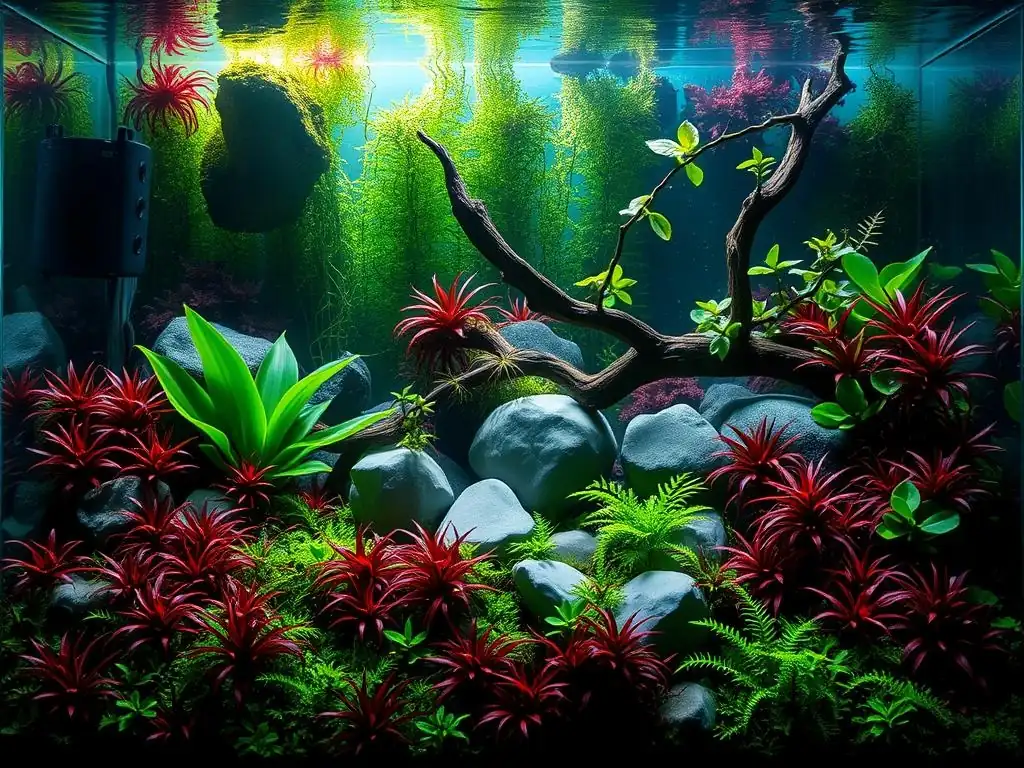
Ever dreamed of a saltwater aquarium so vibrant, so alive, it feels like a piece of the ocean floor in your living room? Achieve just that! Dive into our guide on Saltwater aquarium foreground plant layering and discover the secrets to creating stunning, layered aquascapes. Ready to bring depth and dimension to your underwater world? Let's get started!
- Lush Layers, Clear Vision: Mastering Foreground, Midground & Background Macroalgae Techniques for Reef Aquariums
- Introduction to Layered Macroalgae Aquascaping in Reef Tanks
- Selecting the Right Macroalgae for Layering in Reef Tanks
- Mastering Planting Techniques for Layered Reef Macroalgae Aquariums
- Optimizing Lighting and Nutrients for Layered Reef Macroalgae Growth
- Troubleshooting Common Issues in Layered Reef Macroalgae Aquascapes
- Examples of Stunning Layered Reef Macroalgae Aquascapes
- Conclusion: Creating a Thriving and Beautiful Layered Reef Macroalgae Aquarium
-
Frequently Asked Questions
- What is foreground plant layering in a saltwater aquarium, and why is it important?
- What are some suitable saltwater aquarium foreground plants?
- How do I prepare my aquarium substrate for foreground plant layering?
- What lighting conditions are ideal for saltwater aquarium foreground plant layering?
- How often should I trim or maintain my saltwater aquarium foreground plants?
- Final Reflection: Cultivating Depths of Beauty
- Craft Your Dream Aquascape Today!
Lush Layers, Clear Vision: Mastering Foreground, Midground & Background Macroalgae Techniques for Reef Aquariums
Introduction to Layered Macroalgae Aquascaping in Reef Tanks
The Importance of Depth and Dimension in Reef Aquariums with Macroalgae
A truly captivating reef aquarium transcends a simple collection of corals and fish; it becomes a vibrant, living ecosystem with depth and dimension. Layering macroalgae is a powerful technique to achieve this, transforming a flat, two-dimensional glass box into a dynamic, multi-faceted underwater landscape. This approach not only enhances visual appeal by mimicking natural reef environments but also provides crucial benefits for tank inhabitants, offering hiding spots, foraging areas, and a sense of security. The strategic placement of macroalgae creates visual pathways and points of interest, drawing the viewer's eye deeper into the aquascape.
The concept of layered aquascaping, particularly saltwater aquarium foreground plant layering, significantly contributes to the perceived size and realism of a reef tank. By creating distinct zones, aquarists can guide the viewer's gaze, making a smaller tank feel more expansive and a larger tank more intricate. This naturalistic approach, where different macroalgae species occupy various vertical spaces, replicates the complexity of wild reef habitats. The psychological appeal of a well-layered tank is immense, as it evokes the feeling of peering into a thriving, untouched underwater world, offering a dynamic and ever-evolving display.
Understanding Foreground, Midground, and Background Zones for Macroalgae
Effective macroalgae aquascaping relies on a clear understanding of the three primary zones within a reef aquarium: foreground, midground, and background. The foreground is the area closest to the viewer, typically occupied by low-growing macroalgae that create a carpet or delicate accents.
The midground serves as a transitional space, featuring medium-height macroalgae that bridge the gap between the low foreground and the tall background, adding visual interest and complexity. The background, located at the rear of the tank, is where the tallest macroalgae species are placed, providing a lush backdrop and often serving to conceal equipment such as heaters or powerheads.
These distinct zones work in concert to create a cohesive and visually appealing saltwater aquarium foreground plant layering design. By carefully selecting and placing macroalgae appropriate for each zone, aquarists can achieve a seamless flow and impressive depth. For instance, a vibrant red macroalgae carpet in the foreground can lead the eye to a bushy green midground, which then transitions into a tall, flowing background. This thoughtful arrangement ensures that the aquascape is not just a random collection of plants, but a meticulously crafted environment that balances aesthetics with the biological needs of the macroalgae and other inhabitants.
Selecting the Right Macroalgae for Layering in Reef Tanks
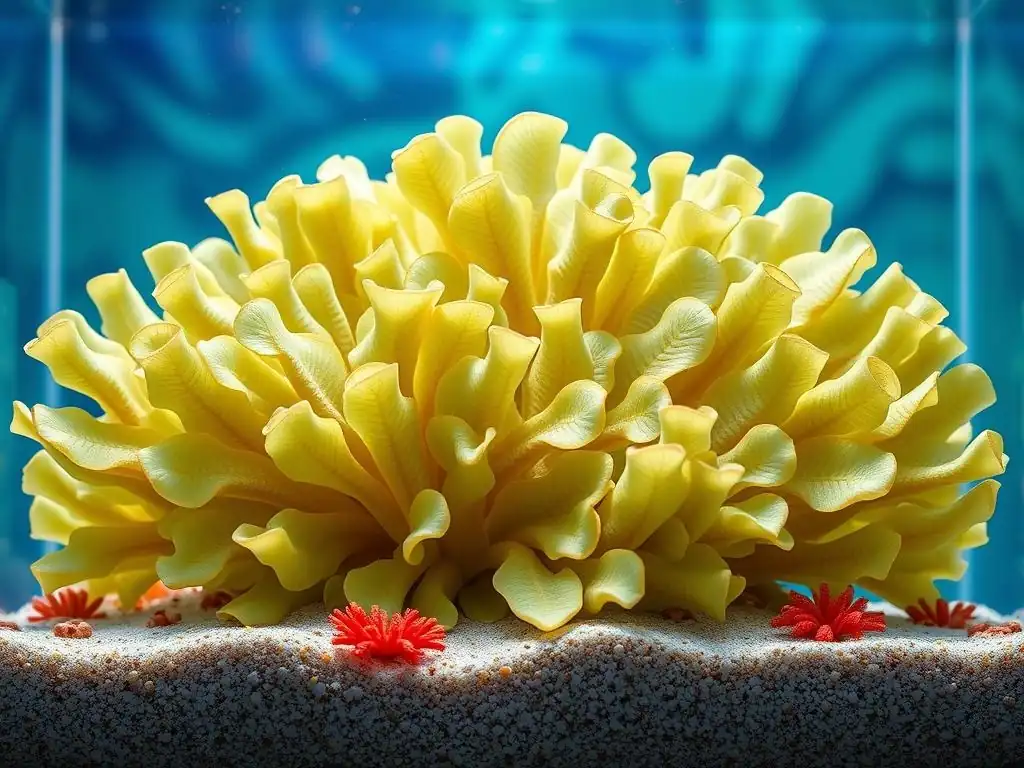
Choosing Foreground Macroalgae for a Stunning Reef Aquascape
The selection of foreground macroalgae is critical for establishing the initial impression of your reef aquascape. Ideal foreground species are typically low-growing, possess a creeping or carpeting growth habit, and often exhibit vibrant colors that contrast beautifully with the substrate or rockwork. Their resilience to grazing, if herbivores are present, is also a valuable characteristic. These macroalgae serve to define the front edge of your aquascape, creating a clean, manicured look or a wild, natural turf, depending on your chosen aesthetic.
When considering saltwater aquarium foreground plant layering, these choices directly influence the overall visual impact. A dense, healthy foreground carpet provides a sense of stability and completeness to the aquascape. Beyond aesthetics, some foreground macroalgae can contribute to nutrient export, albeit on a smaller scale than larger background species. Their low stature ensures they do not block the view of midground or background elements, maintaining the layered effect and allowing light to penetrate effectively to the substrate.
Low-Growing Turf Algae and Gracilaria species for the Reef Aquarium Foreground
For a natural carpeting effect, certain low-growing turf algae species, such as some Dictyota or controlled Bryopsis (though Bryopsis can be notoriously invasive if not managed), can adhere to rockwork and create a dense mat. A more popular and manageable option for saltwater aquarium foreground plant layering is Gracilaria parvispora, commonly known as Red Ogo.
While it can grow several inches tall, it responds well to regular trimming, allowing it to be maintained as a compact, vibrant red carpet of 1-2 inches in height. This species is known for its relatively fast growth, often adding an inch or more per week under optimal conditions, requiring consistent pruning to maintain its low profile.
These foreground macroalgae typically thrive under moderate to high Photosynthetically Active Radiation (PAR) levels, generally in the range of 100-250 PAR, ensuring dense and healthy growth. They also benefit from stable water flow that prevents detritus accumulation but isn't so strong as to dislodge them. Gracilaria species, in particular, are excellent nutrient exporters and can add a striking splash of color, making them a top choice for creating a lush, low-lying landscape that enhances the overall depth of the reef tank.
Reef Aquarium Foreground Macroalgae Options: Beyond Turf Algae
While turf algae and Gracilaria are excellent choices, the realm of saltwater aquarium foreground plant layering extends to other unique macroalgae. Small forms of Halimeda (money plant algae), particularly dwarf species or fragments, can be strategically placed to add a calcified, coin-like texture. Although typically slow-growing, perhaps adding a few new segments per month, their unique appearance provides a distinct visual element. Another less conventional but effective option is Chaetomorpha linum (spaghetti algae); while primarily used in refugiums, it can be trimmed very short and anchored to create a unique, fine-textured "grass" if managed diligently.
These alternative foreground options often have specific requirements. Halimeda species, being calcified, demand stable calcium (400-450 ppm) and alkalinity (7-11 dKH) levels to support their skeletal growth. Chaetomorpha, while highly adaptable, benefits from good water flow to prevent detritus buildup within its dense structure. Utilizing these species allows for a more diverse and intricate saltwater aquarium foreground plant layering design, offering varied textures and subtle color differences that enrich the visual complexity of the aquascape.
Midground Macroalgae Selection: Creating Visual Interest
Midground macroalgae serve as the crucial link between the low-lying foreground and the taller background elements, playing a pivotal role in creating visual interest and seamless transitions. These species typically reach a medium height, preventing a stark line between the foreground and background and guiding the viewer's eye through the aquascape. Their varied forms, textures, and colors contribute significantly to the overall aesthetic, adding complexity and natural appeal.
The thoughtful placement of midground macroalgae is essential for a fluid design. They can act as focal points, drawing attention with their unique shapes or vibrant hues, or they can be used to soften hardscape elements. By carefully selecting species that complement both the saltwater aquarium foreground plant layering and the background, aquarists can achieve a harmonious and natural flow, making the entire aquascape appear more cohesive and established.
Popular Midground Macroalgae Choices for Reef Aquariums
For the midground, several macroalgae species excel at providing visual interest and bridging the height gap. Caulerpa prolifera is a highly popular choice, with its broad, blade-like fronds that can grow to a moderate height of 4-8 inches, offering a lush green texture. Caulerpa racemosa, with its distinctive grape-like clusters, provides a unique, bubbly texture and can also be maintained at mid-level heights. Another stunning option is Halymenia floresia, often called Dragon's Breath Algae, which boasts striking red, translucent fronds that create a bushy, ethereal form, typically growing to 6-10 inches in height.
Caulerpa species are known for their relatively fast growth, potentially adding several inches per week under ideal conditions, necessitating regular pruning to maintain their desired height and prevent overgrowth. Halymenia floresia, while slower-growing (perhaps 1-2 inches per month), maintains its structure beautifully and offers a vibrant splash of color. Both types benefit from moderate to strong lighting (100-200 PAR) and consistent water flow to thrive, making them excellent candidates for creating dynamic and colorful midground focal points in a layered reef aquascape.
Considerations for Midground Macroalgae Height and Texture
When selecting midground macroalgae, it is paramount to consider their mature height and how their texture will integrate with the rest of the aquascape. Species that typically grow between 4 to 8 inches are ideal for a typical midground, ensuring they don't overshadow the delicate saltwater aquarium foreground plant layering or get lost behind the taller background plants. Texture plays a significant role in visual appeal; the feathery fronds of some Caulerpa species offer a soft contrast to the broader leaves of others, or the unique, almost cartilaginous feel of Halymenia.
Planning for the mature size of your chosen midground macroalgae is crucial to prevent them from blocking light to lower-lying species or disrupting the visual flow. For instance, a Caulerpa species known to reach 10 inches should be placed where its eventual height won't cast unwanted shadows on a 3-inch foreground carpet. This foresight in placement and an understanding of each species' growth habit are key to maintaining the intended depth and dimension of your layered aquascape.
Background Macroalgae Choices for Reef Aquascapes: Adding Height and Structure
Background macroalgae are the foundational elements of your layered aquascape, providing height, structure, and a lush backdrop that frames the entire display. These species are typically the tallest in the tank, creating a sense of depth and often serving the practical purpose of concealing unsightly equipment such as heaters, powerheads, or overflow boxes. Their robust nature and significant biomass also contribute substantially to nutrient export, enhancing the overall health of the reef environment.
The careful selection and placement of background macroalgae are vital for completing the layered look, ensuring that the visual journey from the delicate saltwater aquarium foreground plant layering extends all the way to the rear of the tank. They provide a naturalistic feel, mimicking the denser, taller growth found in the deeper parts of a reef or in mangrove forests, thereby enriching the realism and complexity of your aquascape.
Tall and Flowing Background Macroalgae for Reef Tanks
For creating a dense, forest-like backdrop in a reef tank, several tall and flowing macroalgae species are excellent choices. Sargassum species, such as Sargassum fluitans or Sargassum natans, are particularly effective, often growing over 12 inches in height and forming bushy, intricate structures. Their branching forms and small, leaf-like structures provide a rich texture and can sway gracefully with the tank's flow. Another striking option is Botryocladia (Red Grape Algae), which can also reach significant heights, offering unique clusters of red, spherical "grapes" that add an unusual and captivating texture to the background.
Sargassum species can exhibit relatively fast growth, sometimes adding several inches per week under high light and ample nutrient conditions, requiring occasional pruning to manage their size. Botryocladia tends to be a slower grower, perhaps adding 1-2 inches per month, but maintains its distinct form well. Both types generally thrive under moderate to high lighting (80-150 PAR) and benefit from strong, yet gentle, water flow to prevent detritus accumulation and support their upright structure, making them ideal for creating a dynamic and lush background.
Using Background Macroalgae to Hide Equipment and Enhance Aesthetics
One of the significant practical benefits of using background macroalgae is their ability to effectively conceal aquarium equipment. Tall, dense species can strategically hide heaters, circulation pumps, filter intakes, and overflow boxes, transforming a cluttered rear wall into a verdant, natural scene. This functional concealment dramatically improves the overall aesthetic appeal of the tank, allowing the viewer's focus to remain on the vibrant aquascape rather than on the mechanics of the system.
Beyond their utility, background macroalgae contribute immensely to the naturalistic feel of the tank. They create a lush, living wall that complements the saltwater aquarium foreground plant layering and midground elements, completing the illusion of a thriving underwater ecosystem. This dense growth also provides excellent refuges and foraging grounds for various reef inhabitants, further enhancing the tank's biodiversity and ecological balance. The visual impact of a well-utilized background of macroalgae is transformative, lending a sense of maturity and depth to the entire display.
Mastering Planting Techniques for Layered Reef Macroalgae Aquariums
Preparing Your Reef Aquarium Substrate for Macroalgae Growth
The success of a layered reef macroalgae aquascape, particularly the delicate saltwater aquarium foreground plant layering, hinges significantly on proper substrate preparation. Unlike many corals that derive nutrients directly from the water column, many macroalgae species either root into the substrate or require a stable attachment point to thrive. A well-chosen and prepared substrate provides the necessary anchorage and, for some species, a source of essential nutrients that contribute to robust growth and vibrant coloration.
Investing time in preparing your substrate or rockwork ensures the long-term health and stability of your macroalgae display. This foundational step prevents issues like plants detaching, struggling with nutrient deficiencies, or being outcompeted by nuisance algae. A stable and supportive base is crucial for the macroalgae to establish quickly, spread, and form the desired lush layers that define a successful aquascape.
Choosing the Right Substrate or Rockwork for Macroalgae
The choice of substrate or rockwork depends largely on the specific macroalgae species you intend to cultivate. For rooted macroalgae like many Caulerpa species, a sand bed of at least 2-3 inches, preferably aragonite sand with a grain size of 0.5-2 mm, provides ample depth for rhizoid development and nutrient absorption. Live sand can also offer beneficial bacteria and microfauna that support the overall ecosystem. For epiphytic species, which attach to surfaces, rough, porous live rock offers abundant attachment points and crevices.
Many foreground macroalgae, particularly those used in saltwater aquarium foreground plant layering, can be attached to small pieces of rubble or frag plugs and then placed on top of the sand or nestled into rockwork. For instance, a small fragment of Gracilaria can be glued to a half-inch frag plug for easy placement and relocation. The key is to select a substrate or attachment method that mimics the macroalgae's natural habitat, ensuring optimal growth and stability within your reef tank.
Amending the Substrate for Optimal Macroalgae Health
While many reef tanks are designed to be nutrient-poor to prevent nuisance algae, some macroalgae species benefit from targeted substrate amendments or water column fertilization. For rooted species, enriching the sand bed with specialized macroalgae fertilizers or iron supplements can promote more vigorous growth and richer coloration. However, caution is advised to prevent over-enrichment, which can lead to unwanted algae blooms.
It's generally recommended to test water parameters regularly to identify any deficiencies before dosing. For example, if macroalgae show signs of paling or stunted growth, and water tests reveal very low nitrates (below 1 ppm) or phosphates (below 0.01 ppm), a targeted liquid supplement for these macronutrients, or iron (typically dosed at 0.05-0.1 ppm weekly), might be beneficial. This careful balance of nutrients is essential for the health of all macroalgae, including those contributing to the vibrant saltwater aquarium foreground plant layering.
Attaching Foreground Macroalgae: Achieving a Dense and Healthy Look
Securing foreground macroalgae is paramount to achieving a dense, healthy, and stable carpet or accent. Due to their small size and low profile, these macroalgae are particularly susceptible to being dislodged by strong water flow, curious tank inhabitants, or inadequate initial attachment. Proper techniques ensure they establish quickly, preventing them from floating around the tank and potentially blocking pumps or filters.
The goal is to provide a firm anchor that allows the macroalgae to focus their energy on growth and spreading, rather than on re-attaching. This meticulous approach to attachment is crucial for the success of saltwater aquarium foreground plant layering, as it directly impacts the speed at which a desired dense look is achieved and maintained.
Techniques for Attaching Small Foreground Macroalgae
Several effective techniques exist for attaching small foreground macroalgae. Reef-safe super glue (cyanoacrylate gel) is a popular choice; small pieces of macroalgae, typically 1-2 inches in length, can be dabbed with glue and then pressed onto frag plugs, small pieces of live rock rubble, or directly onto the main rockwork. Allowing the glue to cure for a few minutes in the air before submerging can improve adhesion. Alternatively, small fragments can be carefully wedged into crevices within the live rock, relying on friction and eventual natural attachment.
For species that naturally adhere, temporary measures like using fishing line or small rubber bands to tie them to a rock can be effective until they establish a hold. Once attached, these temporary aids can be removed. For instance, a 1-inch piece of Red Ogo ( Gracilaria parvispora) can be glued to a 1-inch frag plug and then strategically placed in the desired foreground area, allowing it to spread naturally over time, contributing to an effective saltwater aquarium foreground plant layering.
Preventing Detachment of Foreground Macroalgae in Reef Tanks
Preventing detachment of foreground macroalgae is an ongoing task that involves addressing common culprits: excessive water flow, grazing fish or invertebrates, and poor initial attachment. To mitigate flow issues, ensure powerheads are directed in a way that provides adequate circulation for the entire tank but avoids blasting delicate foreground areas. Adjusting flow rates to perhaps 10-20 times the tank volume per hour, with gentle laminar flow over the foreground, is often ideal.
Choosing macroalgae species that are less palatable to common herbivores (e.g., Gracilaria is generally less appealing than Caulerpa to some tangs) or carefully selecting tank inhabitants can also help. Most importantly, ensure the initial attachment is robust; if using glue, use a sufficient amount and allow adequate curing time. Regularly inspecting the saltwater aquarium foreground plant layering for any signs of loosening and re-attaching promptly will maintain the integrity of your aquascape.
Attaching Midground Macroalgae: Creating Focal Points and Transitions
Midground macroalgae are typically larger than their foreground counterparts and often require more stable attachment methods, as they are meant to create visual focal points or smooth transitions. Their placement is strategic, aiming to draw the eye, define certain areas, or bridge the height difference between the low saltwater aquarium foreground plant layering and the taller background. Proper attachment ensures these plants remain in their intended positions, contributing to the overall design.
The method of attachment for midground macroalgae often involves securing them to stable pieces of live rock or burying their rhizoids deeply within the substrate. This ensures they can grow to their full potential without becoming dislodged, maintaining the visual integrity and flow of the aquascape from the foreground to the background.
Grouping Midground Macroalgae for Visual Impact
To maximize visual impact and create a more natural appearance, midground macroalgae are often more effective when planted in clusters or small groups rather than as isolated specimens. This grouping technique adds depth and realism, mimicking the way plants grow together in natural environments. Applying principles like the "rule of thirds" or planting in odd-numbered groups (e.g., three or five stalks) can enhance aesthetic appeal and create stronger focal points.
For example, a cluster of three to five stalks of Caulerpa prolifera planted closely together can form a striking, lush clump that contrasts with the surrounding rockwork or sand. Similarly, grouping several fronds of Halymenia floresia can create a vibrant, bushy effect. This deliberate grouping helps to define the midground zone more clearly and prevents the aquascape from looking sparse or unorganized, ensuring a seamless visual transition from the saltwater aquarium foreground plant layering.
Supporting Midground Macroalgae as They Grow
As midground macroalgae mature and grow bushier or taller, some species may require additional support to maintain their upright posture and prevent them from overshadowing lower plants. This can involve gently wedging them into rock crevices, using small pieces of live rock to prop them up, or in some cases, utilizing specialized macroalgae clips if they are designed to be reef-safe and unobtrusive.
Regular pruning is also essential to manage their growth and maintain their desired shape. For fast-growing species like Caulerpa, trimming every 2-4 weeks can prevent them from overgrowing and blocking light to the saltwater aquarium foreground plant layering or other corals. Pruning not only controls size but also encourages denser, bushier growth, contributing to a fuller and more visually appealing midground.
Attaching Background Macroalgae: Establishing a Strong Foundation
Background macroalgae, being the tallest elements in your aquascape, require the most secure anchoring to ensure their stability and longevity. Their significant size and potential to sway with water currents necessitate robust attachment methods that prevent them from uprooting, falling over, or becoming a hazard to other tank inhabitants. A strong foundation for background macroalgae is critical for the structural integrity and aesthetic appeal of the entire layered aquascape.
By securely establishing these towering plants, you ensure they can effectively fulfill their role as a lush backdrop, providing cover for equipment and completing the visual journey that begins with the delicate saltwater aquarium foreground plant layering. This stability allows the macroalgae to thrive and maintain the intended depth and dimension of your reef tank.
Anchoring Tall Background Macroalgae Securely
For tall background macroalgae, particularly those with rhizoids, burying them deep within the sand bed (at least 3-4 inches for rooted species like larger Caulerpa or Mangroves) provides excellent anchorage. For species that attach to rockwork, such as large Sargassum or Botryocladia, robust reef-safe super glue, epoxy, or even fishing line can be used to secure them to large, stable pieces of live rock. The key is to ensure the attachment point is substantial enough to withstand strong water flow and the plant's mature size.
For instance, a cluster of Sargassum can be tied to a porous, heavy piece of live rock with fishing line, allowing it to naturally adhere over several weeks before the line is removed. Alternatively, wedging the base of the macroalgae firmly into a deep crevice within the rockwork and then surrounding it with smaller rock rubble can provide additional stability. This secure anchoring is crucial for the long-term success and stability of your layered reef aquascape, from the saltwater aquarium foreground plant layering to the tallest background elements.
Pruning and Maintaining Background Macroalgae
Regular pruning is essential for maintaining background macroalgae. This not only manages their size and prevents them from overgrowing and shading lower macroalgae or corals but also promotes healthier, bushier growth. For species like Sargassum, pruning can involve snipping stems above a node to encourage branching, leading to a denser, more attractive backdrop. For bushy species, thinning out inner growth can improve water circulation and light penetration, reducing the risk of detritus accumulation.
Always remove pruned macroalgae from the tank promptly to export the nutrients they have absorbed, preventing them from decaying and contributing to nutrient spikes. Timely removal of older, decaying fronds also promotes new growth and maintains the overall aesthetic. This proactive maintenance ensures the background remains a vibrant and healthy component, complementing the saltwater aquarium foreground plant layering and other elements of your aquascape.
Optimizing Lighting and Nutrients for Layered Reef Macroalgae Growth
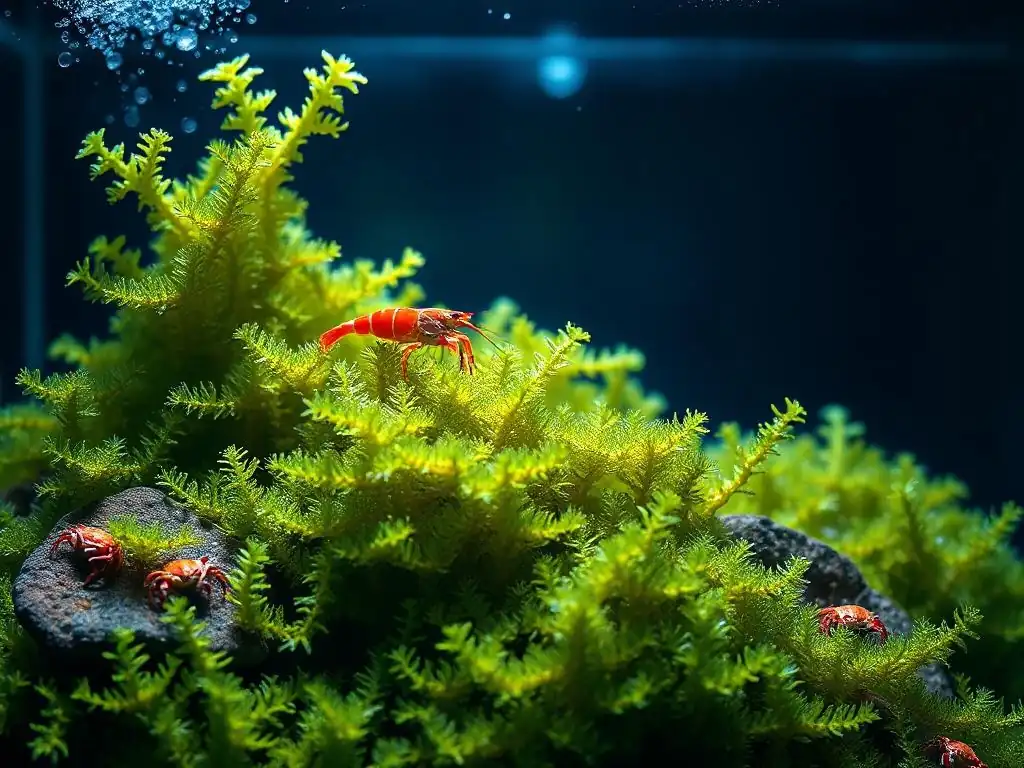
The Role of Lighting in Reef Macroalgae Health and Color
Lighting is a fundamental component for the health, growth, and vibrant coloration of all photosynthetic organisms in a reef tank, including macroalgae. Just like corals, macroalgae rely on specific light spectrums and intensities to perform photosynthesis efficiently. The right lighting not only ensures robust growth but also enhances the aesthetic appeal of your layered aquascape, bringing out the rich reds, greens, and browns of your macroalgae.
Proper lighting ensures that each layer, from the delicate saltwater aquarium foreground plant layering to the towering background, receives adequate energy for its specific needs. This thoughtful illumination highlights the depth and dimension you've created, making your macroalgae aquascape truly come alive with color and vitality.
Selecting the Right Lighting Spectrum for Macroalgae Growth
For optimal macroalgae growth, a full-spectrum LED fixture with a strong blue component (around 450-470nm) is highly effective, as this spectrum penetrates water deeply and is crucial for photosynthesis. The inclusion of some red (620-660nm) and green (520-560nm) wavelengths also promotes a broader range of macroalgae growth and enhances their natural colors. A Kelvin temperature range of 6,500K to 14,000K is generally suitable, with bluer light often intensifying the reds and purples in certain macroalgae species.
High-quality reef LED fixtures designed for coral growth are typically more than sufficient for macroalgae. Alternatively, T5 fluorescent bulbs can be used, with a mix of actinic (blue) and daylight (10,000K or 14,000K) bulbs providing a balanced spectrum. For instance, a 60-gallon macroalgae-focused tank might utilize a 4-bulb T5 fixture with two actinic and two 10,000K bulbs to provide ample and appropriate light for all layers.
Adjusting Lighting Intensity for Different Macroalgae Zones
While a single light source illuminates the entire tank, the effective intensity (PAR) can vary significantly across different zones due to depth, shading from rockwork, and other aquascape elements. Foreground macroalgae, being closest to the substrate and generally receiving less shading, often thrive at higher PAR levels (e.g., 150-250 PAR). Midground macroalgae might prefer moderate PAR (100-200 PAR), while background species, especially if shaded by rockwork or other tall plants, might tolerate or even prefer slightly lower PAR (80-150 PAR).
It's crucial to acclimate macroalgae to new lighting by starting with lower intensity and gradually increasing it over several weeks to prevent shock or bleaching. Using a PAR meter, if available, can help precisely measure light levels at various depths and locations. Without one, careful observation of macroalgae growth and coloration is key. Ensuring appropriate intensity for each zone optimizes growth and color across your saltwater aquarium foreground plant layering and subsequent layers.
Nutrient Requirements for Reef Aquarium Macroalgae
While macroalgae are celebrated for their role in nutrient export, they are also photosynthetic organisms that require a consistent supply of certain nutrients to thrive. A balanced approach to nutrient management is essential: enough to support robust macroalgae growth without leading to nuisance algae blooms. Understanding and meeting these requirements ensures your layered macroalgae aquascape remains vibrant and healthy.
Providing adequate, but not excessive, nitrates, phosphates, and trace elements directly supports the lush growth of all macroalgae in your tank. This careful balance is critical for the success of your saltwater aquarium foreground plant layering and the entire tiered system, ensuring strong coloration and vigorous expansion.
Fertilizing Foreground, Midground, and Background Macroalgae
Macroalgae require primary macronutrients such as nitrogen (as nitrate) and phosphorus (as phosphate), along with various micronutrients like iron, manganese, boron, and iodine. In many reef tanks, nutrient levels are intentionally kept very low for coral health, which can sometimes starve macroalgae. Targeted supplementation may be necessary if macroalgae show signs of deficiency (e.g., pale coloration, stunted growth).
For optimal macroalgae growth, maintaining nitrates at 5-10 ppm and phosphates at 0.03-0.05 ppm can be beneficial, higher than what is typically recommended for SPS corals but still low enough to deter aggressive nuisance algae. Liquid iron supplements are often dosed weekly at approximately 0.05 ppm to prevent yellowing, especially in red macroalgae. Always test your water parameters before and after dosing to avoid over-supplementation and subsequent unwanted algae outbreaks.
Maintaining Proper Water Parameters for Macroalgae Growth
Consistent and stable water parameters are paramount for the long-term health of reef macroalgae. Key parameters include salinity (1.025-1.026 specific gravity), alkalinity (7-11 dKH), calcium (400-450 ppm), and magnesium (1250-1350 ppm). While macroalgae are generally more tolerant of fluctuations than corals, stability prevents stress and promotes consistent, healthy growth.
Regular water changes, typically 10-20% bi-weekly, are crucial for replenishing essential trace elements that macroalgae consume and for removing excess organic waste. A well-functioning refugium, especially one stocked with fast-growing macroalgae like Chaetomorpha, can further aid in stabilizing nutrient levels, providing a continuous source of beneficial compounds and acting as a natural filter for the entire system. This stability directly benefits all layers of your aquascape, including the delicate saltwater aquarium foreground plant layering options.
Troubleshooting Common Issues in Layered Reef Macroalgae Aquascapes
Controlling Unwanted Algae in Reef Aquariums
While desirable macroalgae are key to a thriving aquascape, the appearance of unwanted microalgae or pest macroalgae can quickly detract from its beauty and indicate an underlying imbalance. Differentiating between the two is crucial for effective management. Nuisance algae blooms often signify excess nutrients, insufficient flow, or inadequate competition from desirable organisms.
A healthy, well-established population of desirable macroalgae, including the vibrant saltwater aquarium foreground plant layering, can actively outcompete nuisance algae for available nutrients. This natural biological control is often the most sustainable long-term solution, reducing the need for chemical interventions.
Identifying and Addressing Algae Blooms
Common nuisance algae include diatoms (brown film), dinoflagellates (slimy, often bubbly brown or red mats), cyanobacteria (red slime algae), and various forms of hair algae (green, stringy growth). Identification is primarily by visual appearance and growth patterns. Diatoms often appear in new tanks or after silicates are introduced, while dinoflagellates and cyanobacteria typically indicate high organic nutrients and low flow. Hair algae thrives on elevated nitrates and phosphates.
Addressing these blooms requires a multi-pronged approach. For hair algae, reducing phosphates to below 0.03 ppm and nitrates below 5 ppm is critical. Manual removal (siphoning, scrubbing) should always be the first step. Increasing water flow in stagnant areas can prevent detritus accumulation that fuels algae. For severe cases, specific algaecides can be used cautiously, but addressing the root cause (nutrient imbalance, flow issues) is paramount for long-term control.
Algae-Eating Invertebrates for Reef Tanks with Macroalgae
Introducing beneficial herbivorous invertebrates can be an effective biological control for nuisance algae. Snails such as Trochus, Turbo, and Nassarius are excellent grazers, consuming various types of film and hair algae. Hermit crabs, particularly Blue Leg and Scarlet Reef hermits, also contribute to algae control by foraging on rockwork and sand. Sea hares are voracious eaters of hair algae and can quickly clear large patches, though they have a shorter lifespan and are often a temporary solution.
Caution must be exercised, however, as some common algae-eating fish, such as certain tangs (e.g., Yellow Tangs), are known to graze on desirable macroalgae as well as nuisance species. If preserving your macroalgae is a high priority, research potential tank mates thoroughly. A single Trochus snail, for instance, can effectively graze a square inch of glass or rock surface in minutes, providing continuous maintenance.
Addressing Nutrient Deficiencies in Reef Macroalgae
While the focus in reef tanks often shifts to controlling excess nutrients, macroalgae can also suffer from nutrient deficiencies. When essential elements are too scarce, macroalgae may exhibit pale coloration, stunted growth, or even tissue necrosis. This can undermine the visual appeal and health of your layered aquascape, including the vibrant saltwater aquarium foreground plant layering.
Diagnosing and treating these deficiencies is crucial for ensuring the continued vitality and beauty of all your macroalgae. A proactive approach to nutrient management helps maintain the lush, thriving appearance you strive for in a well-balanced reef system.
Diagnosing and Treating Nutrient Deficiencies
Symptoms of nutrient deficiencies in macroalgae vary by element. Pale green or yellowing fronds, particularly in older growth, often indicate an iron deficiency. Stunted growth, a general lack of vibrancy, or tissue loss can point to insufficient nitrates or phosphates. For example, if nitrates consistently test below 1 ppm or phosphates are undetectable, despite healthy macroalgae biomass, targeted supplementation might be necessary.
To treat, first confirm the deficiency with accurate test kits. If iron is low, a liquid iron supplement can be dosed weekly, typically aiming for a concentration of 0.05 ppm. For low macronutrients, careful dosing of nitrate and phosphate solutions can bring levels into the optimal range for macroalgae (e.g., 5-10 ppm nitrates, 0.03-0.05 ppm phosphates). Always start with small doses and monitor the macroalgae's response and water parameters closely.
The Importance of Regular Water Changes and Refugiums
Regular water changes are a cornerstone of reef tank husbandry and are vital for preventing nutrient deficiencies in macroalgae. Performing routine water changes, such as 10-20% bi-weekly, replenishes essential trace elements that macroalgae consume and helps maintain overall water quality by exporting accumulated undesirable substances. This consistent replenishment ensures that the macroalgae have access to a broad spectrum of necessary micronutrients.
Furthermore, a well-established refugium, particularly one with fast-growing macroalgae like Chaetomorpha, plays a significant role in nutrient cycling and stability. A refugium can process substantial amounts of nitrate, potentially exporting 5-10 ppm of nitrate per week in a moderately stocked tank, creating a stable nutrient environment. This stable environment directly benefits the macroalgae in the display tank, including the delicate saltwater aquarium foreground plant layering, by providing a consistent supply of nutrients and maintaining overall water quality.
Maintaining Macroalgae Health in a Reef Environment
Beyond managing lighting and nutrients, ongoing care routines are essential for the long-term health and aesthetic appeal of your layered reef macroalgae aquascape. This includes regular pruning, proactive pest control, and continuous monitoring of the macroalgae's condition. Consistent maintenance helps prevent issues before they escalate, ensuring your aquascape remains vibrant and robust.
Proactive maintenance ensures the longevity and beauty of your entire layered macroalgae display, from the intricate saltwater aquarium foreground plant layering to the lush background. It allows you to address subtle changes in health or growth patterns early, preserving the integrity and visual impact of your carefully designed ecosystem.
Pruning and Trimming Techniques
Regular pruning and trimming are crucial for maintaining the desired shape, density, and health of your macroalgae. For carpeting foreground macroalgae, frequent trimming (e.g., every 2-4 weeks) with sharp, long-handled scissors encourages denser growth and prevents them from overgrowing their designated area. For bushy midground and background species, thinning out inner growth improves water circulation and light penetration, reducing the risk of detritus buildup and decay.
Always remove any dead or decaying fronds promptly to prevent them from breaking down and releasing nutrients back into the water column, which can fuel nuisance algae. When pruning, aim for clean cuts to minimize damage to the plant. After trimming, carefully siphon out any detached fragments to ensure nutrient export. This regular care keeps your saltwater aquarium foreground plant layering and other layers looking their best.
Preventing Macroalgae Diseases and Pests
While macroalgae are generally hardy, they can occasionally suffer from "melt" (sudden tissue loss), often triggered by drastic shifts in water parameters, nutrient starvation, or sometimes, an unknown pathogen. Preventing melt involves maintaining highly stable water parameters and ensuring consistent nutrient availability. Additionally, new macroalgae should always be quarantined for at least 2 weeks before introduction to the main display tank to prevent the transfer of unwanted pests or diseases.
Pests like certain types of small snails or amphipods can sometimes graze on desirable macroalgae, though this is less common than in planted freshwater tanks. Regular inspection of your macroalgae for any signs of damage or unusual growth can help identify and address issues early. If melt occurs, immediately remove affected parts and meticulously check all water parameters to identify any recent fluctuations or deficiencies.
Examples of Stunning Layered Reef Macroalgae Aquascapes
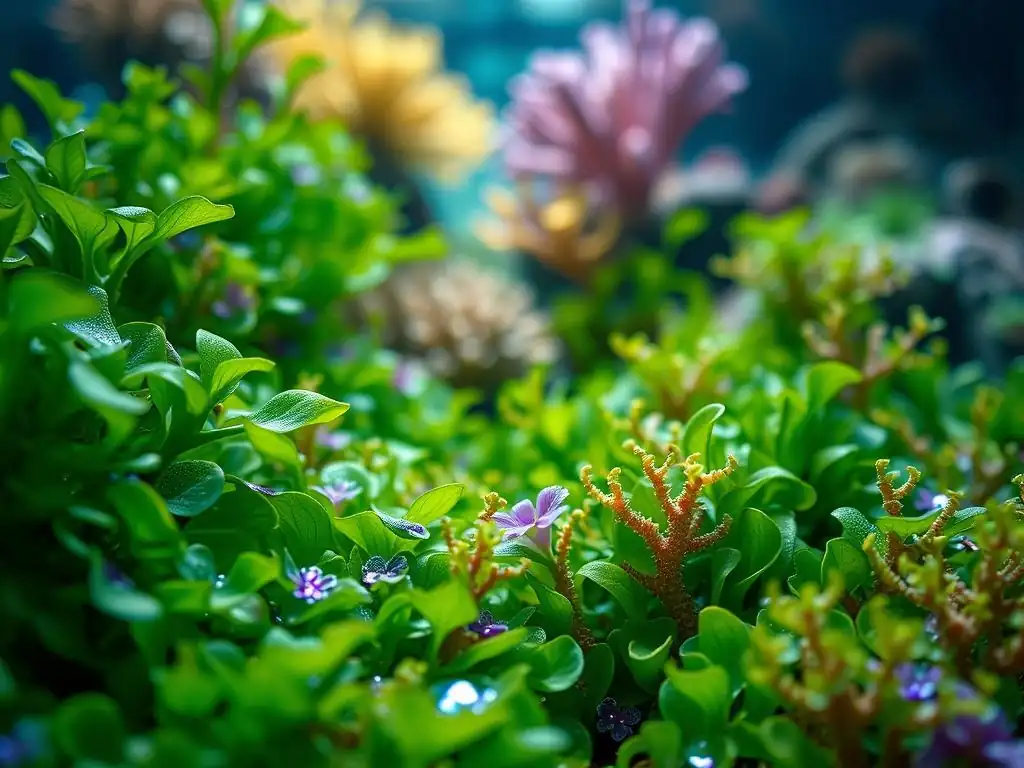
Case Study 1: The Vibrant Lagoon - A Detailed Analysis
Imagine a 90-gallon reef aquarium, meticulously designed as a "Vibrant Lagoon." The foreground is dominated by a dense, striking carpet of bright red Gracilaria parvispora (Red Ogo), meticulously trimmed to maintain a height of 1-2 inches, providing a vivid contrast against the white aragonite sand bed. This saltwater aquarium foreground plant layering creates an inviting visual pathway into the tank. The midground features artfully placed clusters of lush green Caulerpa prolifera and bushy, translucent red Halymenia floresia (Dragon's Breath Algae), reaching heights of 4-6 inches. These species create a stunning, colorful transition, adding significant visual interest and texture.
The background is anchored by several tall stalks of Sargassum fluitans, which gracefully sway with the current, reaching towards the surface at 10-14 inches, effectively concealing a discreet internal overflow box and a heater. Lighting is provided by a full-spectrum LED fixture set at 180 PAR at the substrate level, promoting vibrant colors and robust growth across all layers.
Water parameters are carefully maintained with nitrates at 5 ppm and phosphates at 0.04 ppm, supplemented weekly with a liquid iron additive at 0.05 ppm. This aquascape achieved full foreground coverage within approximately three months, demonstrating the rapid growth potential of Gracilaria under optimized conditions.
Case Study 2: The Mangrove Biotope - A Detailed Analysis
Consider a 120-gallon reef tank designed as a "Mangrove Biotope," focusing on a natural, estuarine aesthetic. The foreground consists of sparse, naturalistic patches of dark green Dictyota turf algae adhering to small, scattered live rock rubble, mimicking a natural tidal zone. This subtle saltwater aquarium foreground plant layering evokes a sense of realism. The midground is populated with loose clumps of Caulerpa racemosa (grape Caulerpa) and some smaller, more compact Sargassum species, growing to a height of 6-8 inches, creating a semi-dense, transitional area that offers visual depth.
The background is the focal point, featuring several real mangrove propagules ( Rhizophora mangle) planted in a deep, 6-inch sand bed, with their aerial roots extending into the water. Interspersed among the mangroves are tall, robust Sargassum fluitans that reach the water surface, providing a natural filter and intricate structure.
Lighting is a warmer spectrum LED (8,000K) set at a moderate 120 PAR, which is ideal for mangrove growth and enhances the natural greens and browns of the macroalgae. This tank consistently maintains nitrates below 2 ppm and phosphates below 0.02 ppm due to the high nutrient uptake of the mangroves and background macroalgae, creating a highly stable environment that benefits all inhabitants, including the delicate saltwater aquarium foreground plant layering.
Conclusion: Creating a Thriving and Beautiful Layered Reef Macroalgae Aquarium
The Art and Science of Reef Aquascaping with Macroalgae
Creating a lush, layered reef macroalgae aquarium is a rewarding endeavor that beautifully marries artistic vision with scientific understanding. It involves a meticulous process of selecting the right macroalgae species for each zone, mastering precise planting techniques, and diligently optimizing environmental parameters such as lighting and nutrient levels. The successful execution of this aquascaping style transforms a simple glass box into a dynamic, multi-dimensional underwater landscape that mimics the intricate beauty of natural reef ecosystems.
The integration of saltwater aquarium foreground plant layering, midground focal points, and a structural background ultimately results in a visually stunning and ecologically beneficial reef environment. This harmonious blend of aesthetics and biology not only provides a captivating display for the aquarist but also offers enhanced habitat and stability for the tank's inhabitants, proving that a thriving macroalgae aquascape is indeed a testament to both art and science.
Further Resources for Reef Aquarium Macroalgae Enthusiasts
The journey of mastering reef aquascaping with macroalgae is continuous, filled with opportunities for learning and discovery. Enthusiasts are encouraged to delve deeper into the specifics of macroalgae biology, water chemistry, and advanced aquascaping techniques. Engaging with the broader aquarist community through online forums and local aquarium clubs can provide invaluable insights, practical tips, and access to a diverse range of macroalgae species.
Patience, keen observation, and a willingness to make continuous adjustments are key virtues in this pursuit. Every reef tank is unique, and understanding its specific dynamics is crucial for long-term success. By embracing these principles, aquarists can achieve a truly lush, vibrant, and beautiful layered reef macroalgae aquarium, from the intricate saltwater aquarium foreground plant layering to the majestic background.
Frequently Asked Questions
What is foreground plant layering in a saltwater aquarium, and why is it important?
Foreground plant layering is the strategic placement of low-growing plants in the front of your saltwater aquarium. It's important for creating a natural-looking aquascape and providing shelter for smaller fish.
What are some suitable saltwater aquarium foreground plants?
Unfortunately, true aquatic plants that thrive fully submerged in saltwater are limited. However, some macroalgae like Chaetomorpha or Halimeda can be used, though they require careful management.
How do I prepare my aquarium substrate for foreground plant layering?
Ensure you have a nutrient-rich substrate suitable for the type of macroalgae you choose. A layer of aragonite sand mixed with a substrate fertilizer is often recommended.
What lighting conditions are ideal for saltwater aquarium foreground plant layering?
Most macroalgae used as foreground plants require moderate to high lighting. Research the specific lighting needs of your chosen species to ensure they thrive.
How often should I trim or maintain my saltwater aquarium foreground plants?
Regular trimming is crucial to prevent foreground plants from overgrowing and blocking light to other areas. Observe your plants and trim them as needed to maintain a desired height and shape.
Final Reflection: Cultivating Depths of Beauty
The principles of foreground, midground, and background layering, as explored in this article, are not merely aesthetic choices for a saltwater aquarium; they represent a fundamental understanding of creating a thriving and balanced ecosystem. Just as a well-composed landscape painting draws the eye into its depths, a thoughtfully layered aquarium fosters a sense of immersion and harmony, vital for the health and well-being of its inhabitants. This approach, especially when applied to saltwater aquariums with their unique challenges, elevates the hobby from simple fishkeeping to a true art form.
The impact of mastering these layering techniques extends beyond the visual appeal of our tanks. It fosters a deeper connection with the natural world, encouraging us to observe, learn, and appreciate the intricate relationships within a marine environment. The careful selection and placement of plants, particularly in the foreground, transforms a sterile glass box into a vibrant microcosm. As the renowned aquascaper Takashi Amano once said, To know Mother Nature, is to love her smallest creations.
This love, born from understanding, fuels our commitment to responsible reefkeeping and conservation.
Now, consider the potential of your own saltwater aquarium. Embrace the principles of layering, not just as a technique, but as a philosophy. Observe the natural world, experiment with different plant combinations, and cultivate your own unique underwater landscape. Let your aquarium be a testament to your dedication, a reflection of your understanding, and a source of endless inspiration. The beauty you create will not only enrich your own life but also contribute to a greater appreciation for the delicate balance of our oceans.
Craft Your Dream Aquascape Today!
Thank you for diving deep into the art of layered planting! Now that you're equipped with the knowledge to create stunning depth and dimension in your aquarium, let's bring those ideas to life.
Here are a few ways to get started:
- Design your aquascape on paper first! Sketch out your vision, noting the placement of foreground, midground, and background plants, before you even touch your tank. This avoids costly mistakes.
- Visit your local fish store or trusted online vendor and choose plants specifically suited for each layer. Don't be afraid to ask for advice!
- Share your aquascaping journey! Post pictures of your layered planting progress on social media using #AquariumMastery, and let's inspire each other.
What captivating plant combination will you unveil in your next aquascape?