
Scarlet Reef Hermit Crab (Paguristes cadenati): The Ideal Algae Grazer?

Welcome to Aquarium Mastery!
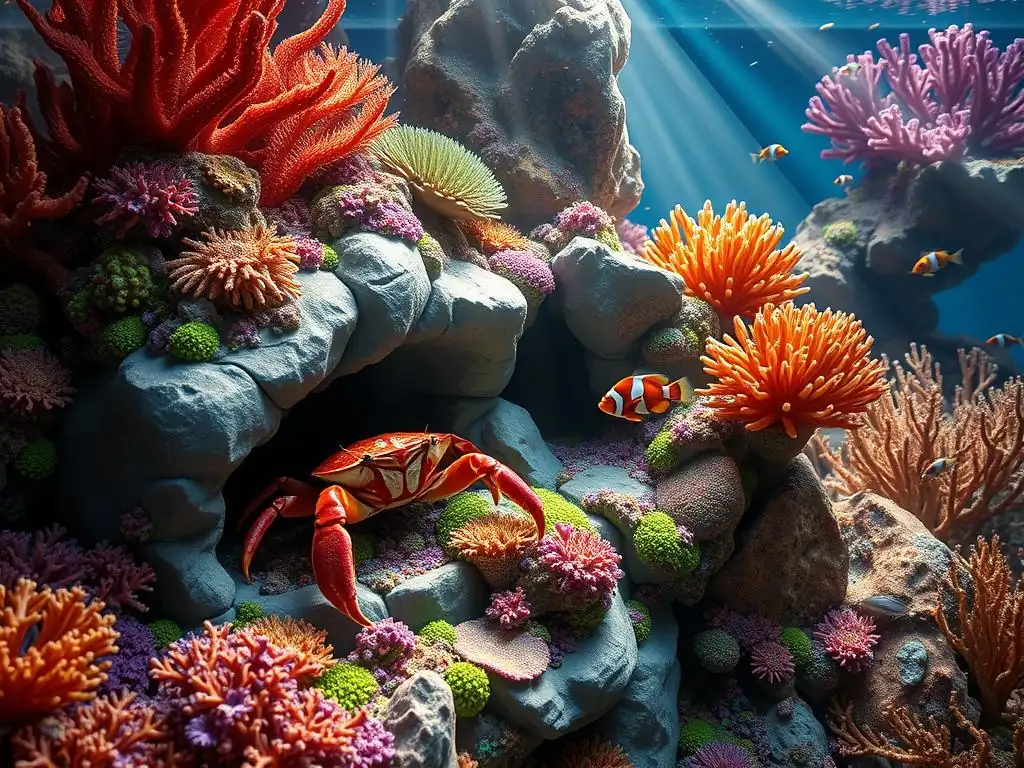
Ever wondered how to keep your reef tank sparkling clean naturally? Dive in and explore the fascinating world of the Scarlet Reef Hermit Crab – could Paguristes cadenati be the ultimate algae-eating hero your aquarium needs? Discover everything you need to know about Scarlet Hermit Crab Care and unlock the secrets to a thriving, balanced reef ecosystem. Let's get started!
- Introduction to the Scarlet Reef Hermit Crab
- Scarlet Hermit Crab Care: A Comprehensive Guide
- Scarlet Hermit Crab Behavior and Compatibility
- The Scarlet Hermit Crab as an Algae Control Solution
- Potential Problems and Solutions in Scarlet Hermit Crab Care
- Breeding Scarlet Reef Hermit Crabs: Is It Possible?
- Where to Buy Scarlet Reef Hermit Crabs
- Scarlet Hermit Crab vs. Other Algae-Eating Invertebrates
- Conclusion: The Value of Scarlet Hermit Crabs in Saltwater Aquariums
-
Frequently Asked Questions
- What makes the Scarlet Reef Hermit Crab ( Paguristes cadenati ) a good choice for an aquarium?
- What are the basic requirements for Scarlet Reef Hermit Crab Care in an aquarium setting?
- What should I feed my Scarlet Reef Hermit Crab besides algae?
- What water parameters are ideal for Scarlet Reef Hermit Crabs?
- Are Scarlet Reef Hermit Crabs compatible with other invertebrates and fish?
- Final Reflection: A Tiny Guardian of Reef Health
- Unleash the Algae-Busting Power of the Scarlet Reef Hermit!
Introduction to the Scarlet Reef Hermit Crab
Why Consider a Scarlet Hermit Crab for Your Saltwater Tank?
The Scarlet Reef Hermit Crab ( Paguristes cadenati) is a highly sought-after invertebrate for saltwater aquariums, primarily due to its vibrant coloration and invaluable role as a member of the clean-up crew. These striking crustaceans are renowned for their diligent algae-grazing habits, making them an excellent natural solution for maintaining a pristine tank environment. Beyond their aesthetic appeal, their continuous foraging helps to break down detritus and consume nuisance algae, which can otherwise quickly overwhelm a reef system.
Their active nature and relatively peaceful disposition also contribute to their popularity. Unlike some larger or more aggressive hermit crab species, Scarlet Reef Hermit Crabs tend to coexist well with most reef-safe inhabitants, adding a dynamic splash of color without posing significant threats. Many aquarists report a noticeable reduction in common algae types within weeks of introducing these crabs, with some tanks experiencing up to a 25% decrease in visible detritus accumulation, demonstrating their efficiency.
Understanding Paguristes cadenati: A Brief Overview
Paguristes cadenati, commonly known as the Scarlet Reef Hermit Crab, is a small, striking decapod crustacean native to the Western Atlantic Ocean, primarily found in the Caribbean Sea. They are easily identified by their brilliant red legs and bright yellow antennae, a color combination that makes them stand out vividly against the backdrop of live rock and sand in a marine aquarium.
This species typically grows to a maximum size of about 1.5 to 2 inches (3.8 to 5 cm) in leg span, making them suitable for a wide range of tank sizes, from nano reefs to large community systems.
These fascinating creatures are true hermits, meaning they do not grow their own shells but instead inhabit the discarded shells of various marine snails. As they grow, they periodically molt their exoskeletons and must find larger shells to accommodate their increasing size. In a well-maintained aquarium with proper Scarlet Hermit Crab Care, these invertebrates can live for approximately 2 to 3 years, with some individuals even reaching up to 5 years under optimal conditions, providing long-term benefits to the aquarium ecosystem.
Scarlet Hermit Crab Care: A Comprehensive Guide
Essential Water Parameters for Scarlet Hermit Crab Health
Maintaining stable and appropriate water parameters is fundamental for successful Scarlet Hermit Crab Care and ensuring the long-term health of these invertebrates. They thrive in conditions that mimic their natural marine environment, which typically means a well-cycled and mature saltwater aquarium. The ideal temperature range for Paguristes cadenati is between 72-78°F (22-26°C), with a specific gravity of 1.023-1.026. Consistent salinity is crucial, as rapid fluctuations can be highly stressful and even fatal for these sensitive crustaceans.
Furthermore, a stable pH level between 8.1 and 8.4 is essential, along with adequate alkalinity (8-12 dKH), calcium (400-450 ppm), and magnesium (1200-1350 ppm). While Scarlet Hermit Crabs are not as demanding as some corals in terms of nutrient uptake, these parameters support their molting process and overall physiological functions. Regular weekly water testing is highly recommended to monitor these levels, allowing for prompt adjustments to prevent stress or health issues, ensuring robust Scarlet Hermit Crab Care.
Choosing the Right Size Tank for Scarlet Reef Hermit Crabs
When considering Scarlet Hermit Crab Care, tank size is an important factor, although these invertebrates are relatively small. For a single Scarlet Reef Hermit Crab, a minimum tank size of 10 gallons is generally sufficient, provided it is a well-established system with plenty of live rock for foraging and hiding. However, to house a small group of 2-3 crabs, a 20-gallon or larger aquarium is recommended to provide ample space and reduce potential competition for resources, including shells.
A larger tank also offers greater stability in water parameters and provides more surface area for algae growth and detritus accumulation, which forms a significant part of their natural diet. For instance, a 30-gallon reef tank can comfortably house 4-5 Scarlet Hermit Crabs, allowing them to effectively contribute to the clean-up crew without overcrowding. Ensuring a mature tank with a diverse microfauna population will also provide a continuous food source and a more natural environment for these active scavengers.
Diet and Feeding Habits of the Scarlet Reef Hermit Crab
What Does a Scarlet Hermit Crab Eat? A Detailed Look
The Scarlet Reef Hermit Crab is an opportunistic omnivore, primarily functioning as a detritivore and scavenger within the aquarium ecosystem. Their natural diet consists largely of various types of algae, including diatoms (brown film algae) and cyanobacteria (red slime algae), which they tirelessly graze from live rock, sand, and tank surfaces. They are also highly efficient at consuming uneaten fish food, decaying organic matter, and various forms of detritus that accumulate in the tank, effectively recycling nutrients.
Their constant foraging activity helps to keep the substrate clean and prevents the buildup of unsightly and potentially harmful waste products. While they are known for their algae-eating prowess, it's important to understand that they are not specialized grazers for tough, fibrous algae like Bryopsis or Bubble Algae. However, their contribution to general tank cleanliness by consuming softer algae and detritus is significant; a healthy population of Scarlet Hermit Crabs can reduce visible detritus by an estimated 15-20% in a well-stocked reef tank.
Supplementing the Diet: Ensuring Optimal Nutrition
While Scarlet Hermit Crabs are excellent scavengers, relying solely on tank detritus and algae may not always provide complete nutrition, especially in very clean or newly established tanks. Therefore, supplementing their diet is an important aspect of comprehensive Scarlet Hermit Crab Care. If you notice your crabs are less active or seem to be constantly searching for food, it's a good indication that supplemental feeding is necessary.
Offer high-quality sinking pellets formulated for invertebrates, small pieces of dried seaweed (nori), or even small bits of frozen mysis shrimp or spirulina flakes a few times per week. Providing a variety of food sources ensures they receive a balanced diet, including essential vitamins and minerals crucial for their growth and successful molting. Calcium-rich foods or supplements can also be beneficial, as calcium is vital for the development and hardening of their new exoskeleton after molting.
Acclimation Process: Safely Introducing Your New Crab
Proper acclimation is a critical step in Scarlet Hermit Crab Care, minimizing stress and ensuring a smooth transition into their new environment. Due to their sensitivity to sudden changes in water parameters, a slow drip acclimation method is highly recommended over simply floating the bag and direct transfer. This process gradually equalizes the temperature, salinity, and pH between the transport water and the aquarium water, significantly reducing shock.
To begin, place the crab, still in its transport bag, into a small container or bucket. Then, use an air line tubing with a knot or control valve to create a slow drip from your main aquarium into the container. Aim for a drip rate of about 2-3 drops per second. Continue this process for at least 30-60 minutes, or until the volume of water in the container has quadrupled. Once acclimated, gently net the crab (avoiding contact with the shell opening) and introduce it directly into the aquarium, discarding the transport water.
Scarlet Hermit Crab Behavior and Compatibility
Observing Natural Behaviors in Your Aquarium
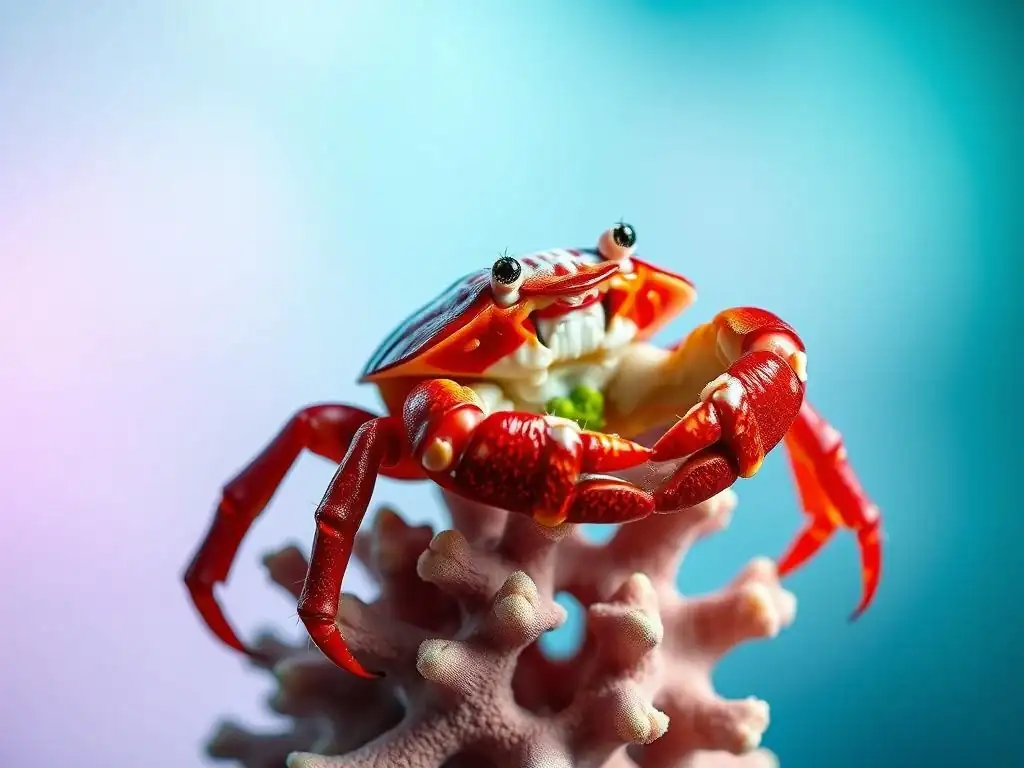
Observing the natural behaviors of Scarlet Reef Hermit Crabs can be a fascinating aspect of Scarlet Hermit Crab Care. These crustaceans are inherently curious and active, constantly exploring their environment. You'll often see them diligently sifting through the sand, meticulously cleaning algae from live rock, or clambering over corals in search of detritus. Their distinctive bright red legs and yellow antennae make them easy to spot as they navigate the tank.
One of the most intriguing behaviors is their shell-swapping ritual. As they grow, Scarlet Hermit Crabs must find larger shells to inhabit. They will carefully inspect potential new homes, often trying out several before settling on the perfect fit. During molting, they become very vulnerable, often hiding for several days while shedding their old exoskeleton and hardening their new one. It's crucial not to disturb them during this period, as stress can lead to molting complications.
Scarlet Hermit Crab Compatibility with Other Tank Inhabitants
Ideal Tank Mates for Scarlet Reef Hermit Crabs
Scarlet Reef Hermit Crabs are generally considered peaceful and compatible with most common reef tank inhabitants, making them excellent additions to a diverse clean-up crew. Ideal tank mates include a wide variety of peaceful fish species such as clownfish, gobies, blennies, and most small to medium-sized wrasses. They also coexist well with other non-aggressive invertebrates like most types of snails (Nassarius, Trochus, Turbo snails), various shrimp species (peppermint, cleaner, blood red fire shrimp), and other peaceful hermit crabs like the Dwarf Blue Leg Hermit.
When it comes to corals, Scarlet Hermit Crabs are typically reef-safe. They will generally not bother soft corals, LPS (Large Polyp Stony) corals, or SPS (Small Polyp Stony) corals. Their small size and gentle foraging habits mean they are unlikely to cause damage to coral polyps. In fact, their activity around corals can help keep them free of nuisance algae and detritus, indirectly contributing to coral health.
Potential Aggression and How to Mitigate It
While generally peaceful, Scarlet Hermit Crabs can exhibit aggression, particularly towards other hermit crabs or snails, if there is a scarcity of suitable empty shells. This aggression stems from their fundamental need to find larger shells as they grow. If an appropriate empty shell is not readily available, a crab may attempt to evict another inhabitant from its shell, which can result in injury or even death for the victim.
To mitigate this potential aggression, a crucial aspect of Scarlet Hermit Crab Care is to always provide a generous supply of empty shells of various sizes and openings within the aquarium. A good rule of thumb is to offer at least 1-2 empty shells per crab, ensuring there are options slightly larger than their current dwelling. This proactive measure significantly reduces inter-species competition and helps maintain peace within the clean-up crew. Monitoring their behavior and promptly removing any overly aggressive individuals if issues persist can also be necessary.
Shell Selection and Availability: Providing Options
Why Shell Availability is Crucial for Hermit Crab Wellbeing
The availability of suitable empty shells is arguably the single most critical factor in successful Scarlet Hermit Crab Care and their overall wellbeing. Unlike snails, hermit crabs do not grow their own shells; instead, they rely entirely on finding discarded mollusk shells for protection. As a Scarlet Hermit Crab grows, it periodically molts its exoskeleton, and immediately after molting, it needs to find a larger shell to accommodate its increased size.
Without access to appropriately sized and shaped empty shells, a growing hermit crab will become stressed, vulnerable to predators, and may even cease to grow. This scarcity is a primary driver of aggression among hermit crabs, leading them to fight over existing shells, which can result in injury, death, or even the loss of limbs. Providing a continuous supply of shells ensures your crabs can grow safely and comfortably, contributing to a harmonious aquarium environment.
Recommended Shell Types and Sizes for Paguristes cadenati
When selecting shells for your Scarlet Reef Hermit Crabs, opt for natural, unpolished shells with round or D-shaped openings. Avoid painted or artificially decorated shells, as these can contain harmful chemicals that leach into the water. Popular choices include various types of turbo snail shells, nassarius snail shells, and other small conch shells. The key is to offer a variety of sizes, with openings slightly larger than the crab's current shell, to accommodate their growth.
For a juvenile Scarlet Hermit Crab, shells with openings ranging from 0.25 to 0.5 inches (0.6 to 1.2 cm) are often appropriate. As they mature, adult Scarlet Hermit Crabs may require shells with openings between 0.5 to 1 inch (1.2 to 2.5 cm) in diameter. It's beneficial to have a mix of slightly different shapes and weights, as individual crabs can have preferences. Placing several empty shells strategically throughout the tank allows crabs easy access when they need a new home, essential for proper Scarlet Hermit Crab Care.
The Scarlet Hermit Crab as an Algae Control Solution
Effective Algae Grazing: How Scarlet Hermits Keep Your Tank Clean
Scarlet Reef Hermit Crabs are highly effective algae grazers, making them a valuable asset to any saltwater clean-up crew. Their constant foraging and scavenging behavior means they are continuously working to keep your tank clean. They meticulously pick at algae and detritus on live rock, glass, and sand surfaces, reaching into crevices and small nooks that larger clean-up crew members might miss. This diligent grazing helps to prevent the proliferation of nuisance algae, which can quickly diminish the aesthetic appeal and health of a reef aquarium.
Their effectiveness lies in their persistent nature and broad diet. They consume not only visible algae films but also microscopic biofilm and decaying organic matter, contributing to the overall nutrient export and stability of the tank. For example, a group of five Scarlet Hermit Crabs in a 50-gallon reef tank can significantly reduce the need for manual algae scrubbing on glass surfaces and help maintain a cleaner sand bed by consuming settled detritus.
Types of Algae Scarlet Hermit Crabs Consume
Scarlet Reef Hermit Crabs are opportunistic eaters and will graze on several types of common nuisance algae found in saltwater aquariums. Their preferred targets include diatom algae, which often appears as a brown film on surfaces, and various forms of cyanobacteria, commonly known as red slime algae. They are also known to consume some shorter, softer strands of hair algae, though they are generally less effective against dense or tougher varieties.
While they are excellent general grazers, it's important to note that Scarlet Hermit Crabs typically do not consume all types of algae. They are not effective against stubborn, calcified algae like coralline algae (which is beneficial) or more resilient nuisance algae such as Bryopsis or Bubble Algae. For these specific types, other specialized clean-up crew members or targeted treatments may be required. However, their contribution to managing the most common types of nuisance algae is substantial.
Maximizing Algae Control with Scarlet Hermit Crabs: Tips and Tricks
To maximize the algae control benefits of Scarlet Reef Hermit Crabs, consider a few strategic tips as part of your Scarlet Hermit Crab Care regimen. Firstly, ensure proper stocking density; a general guideline is to add 1-2 Scarlet Hermit Crabs per 10 gallons of aquarium volume, depending on the existing algae load and other clean-up crew members. Overstocking can lead to starvation or increased aggression, while understocking may not provide sufficient algae control.
Secondly, combine Scarlet Hermit Crabs with other complementary clean-up crew members. For instance, pairing them with snails like Trochus or Turbo snails (which excel at glass cleaning) and Nassarius snails (great for sand sifting) creates a diverse and efficient team that targets different areas and types of algae. Lastly, maintaining excellent water quality, avoiding overfeeding, and performing regular water changes will reduce the overall nutrient load, making the crabs' job easier and preventing excessive algae growth in the first place.
Potential Problems and Solutions in Scarlet Hermit Crab Care
Common Health Issues and How to Prevent Them
Despite their hardiness, Scarlet Reef Hermit Crabs can face several health issues, primarily linked to poor water quality, lack of suitable shells, or improper handling. One common problem is molting complications, where the crab struggles to shed its old exoskeleton, often due to insufficient iodine or calcium in the water, or simply stress. Ensuring stable water parameters, especially calcium and alkalinity, and providing a varied diet that includes calcium-rich foods can prevent this.
Another significant issue arises from the use of copper-based medications. Copper, even in very low concentrations (e.g., above 0.1-0.2 ppm), is highly toxic to all invertebrates, including Scarlet Hermit Crabs, and can be lethal within hours. Always remove invertebrates from the display tank before administering any copper treatments. Additionally, aggression due to shell scarcity can lead to injury or death; providing a wide selection of empty shells is crucial for prevention, a cornerstone of responsible Scarlet Hermit Crab Care.
Dealing with Empty Shells and Molting Problems
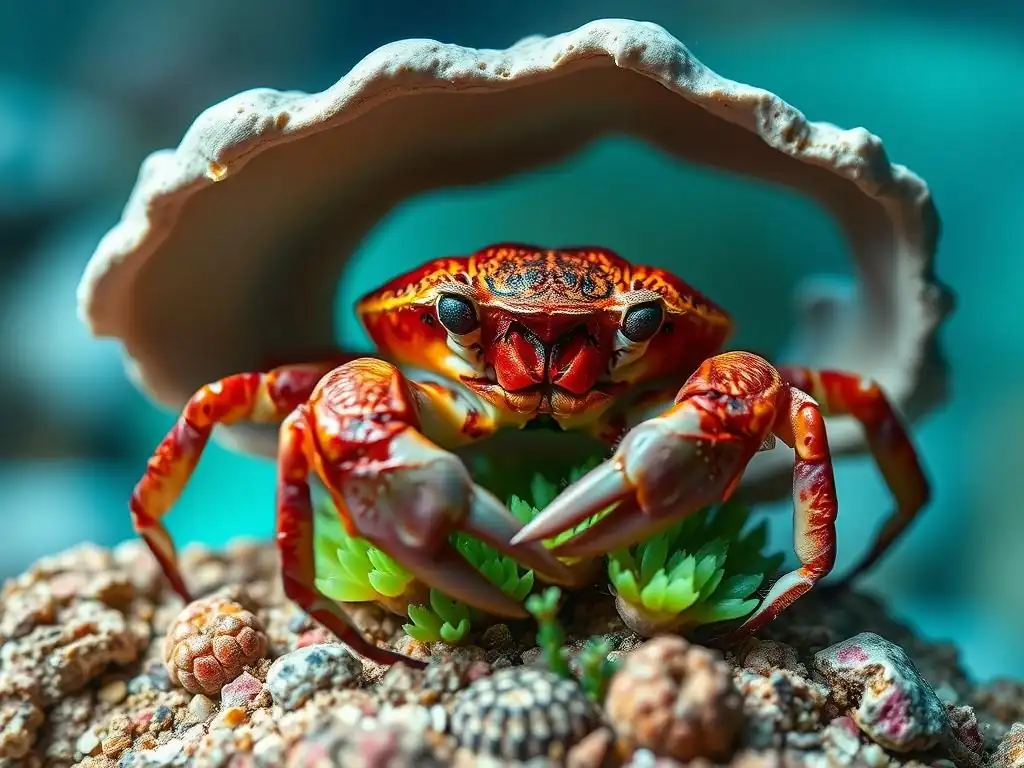
When a Scarlet Reef Hermit Crab molts, it sheds its entire outer exoskeleton, leaving behind a complete, translucent "ghost" of itself. This can often be mistaken for a dead crab. It's crucial not to remove these empty exoskeletons immediately, as the crab might consume parts of it to reabsorb valuable calcium and other minerals. During the molting process, the crab is extremely vulnerable and will typically hide for several days until its new exoskeleton hardens.
If you find an empty shell that appears to be from a dead crab, gently check for any foul odor, which would confirm death. Otherwise, assume it's a molt. To support healthy molting, ensure your tank's calcium and alkalinity levels are within the recommended ranges. Always keep a variety of empty shells available in the tank, slightly larger than the current shells your crabs inhabit. This proactive approach to Scarlet Hermit Crab Care ensures they have a safe and readily available new home after their vulnerable molting period.
Addressing Aggression Issues within a Community Tank
While Scarlet Reef Hermit Crabs are generally peaceful, aggression can arise, particularly in tanks with insufficient resources or inappropriate tank mates. The most common cause of aggression among hermit crabs, including Paguristes cadenati, is a lack of available empty shells. If a crab outgrows its shell and cannot find a larger one, it may attempt to forcibly take a shell from another hermit crab or even a snail, which can lead to conflict, injury, or even death for the weaker individual.
To address aggression, the primary solution is to ensure a generous supply of diverse empty shells in the aquarium, offering a variety of sizes and opening shapes. Aim for at least 1-2 empty shells per crab. If aggression persists despite ample shell availability, it might indicate overcrowding. Increasing the tank size or reducing the number of hermit crabs can alleviate stress. In rare cases, an individual crab may be unusually aggressive; if it consistently harms other inhabitants, relocating it to a separate tank may be necessary.
Breeding Scarlet Reef Hermit Crabs: Is It Possible?
Understanding the Reproductive Cycle of Paguristes cadenati
The reproductive cycle of the Scarlet Reef Hermit Crab, like many marine invertebrates, involves a complex series of stages. In their natural habitat, male and female Paguristes cadenati engage in sexual reproduction. The female carries the fertilized eggs under her abdomen, protected within her shell, until they hatch into a larval stage known as zoea. These zoea are planktonic, meaning they drift freely in the water column and undergo several molts and transformations.
During this planktonic phase, the zoea larvae are incredibly small and require specific microscopic food sources. They develop through various zoeal stages before transforming into a megalopa stage, which is a transitional form resembling a miniature crab with a tail. Finally, the megalopa settles out of the water column and undergoes its final metamorphosis into a tiny, benthic (bottom-dwelling) juvenile hermit crab, ready to find its first shell. This intricate life cycle presents significant challenges for captive breeding.
Challenges and Opportunities in Captive Breeding
Successfully breeding Scarlet Reef Hermit Crabs in a home aquarium setting is exceptionally challenging and rarely achieved by hobbyists. The primary hurdle lies in rearing the delicate planktonic larval stages. These zoeal larvae require very specific environmental conditions, including precise water parameters, gentle water flow, and a consistent supply of appropriately sized live phytoplankton and rotifers as food. Maintaining these conditions without specialized equipment and expertise is extremely difficult.
Furthermore, the high mortality rate during the larval and post-larval stages is a significant barrier. Due to these complexities, the vast majority of Scarlet Reef Hermit Crabs available in the aquarium trade are wild-caught. While there are ongoing efforts in aquaculture research to breed various marine invertebrates, widespread commercial or hobbyist captive breeding of Paguristes cadenati remains an elusive goal. This makes responsible collection practices and proper Scarlet Hermit Crab Care even more vital for the sustainability of their populations.
Where to Buy Scarlet Reef Hermit Crabs
Selecting a Reputable Supplier
When looking to add Scarlet Reef Hermit Crabs to your aquarium, selecting a reputable supplier is a crucial aspect of responsible Scarlet Hermit Crab Care. A good supplier prioritizes the health and ethical sourcing of their livestock. Look for local fish stores or online retailers that have positive reviews regarding the quality of their invertebrates and their shipping practices. A reputable dealer will typically have clean tanks, healthy-looking specimens, and knowledgeable staff who can answer questions about their origin and care requirements.
Avoid suppliers that offer crabs at unusually low prices, as this can sometimes indicate poor handling or unhealthy stock. Inquire about their acclimation procedures and whether they quarantine new arrivals. A supplier that takes the time to properly condition their animals before sale is more likely to provide you with robust and long-lived specimens. Supporting businesses that practice sustainable sourcing also contributes to the health of wild populations.
Ensuring Healthy Specimens: What to Look For
Once you've found a reputable supplier, knowing what to look for in a healthy Scarlet Reef Hermit Crab can prevent future problems and ensures you're starting with the best possible specimen for your Scarlet Hermit Crab Care efforts. A healthy crab should be active and moving around, not lethargic or withdrawn inside its shell for extended periods. Observe its legs and antennae; they should be intact, without missing limbs or signs of damage.
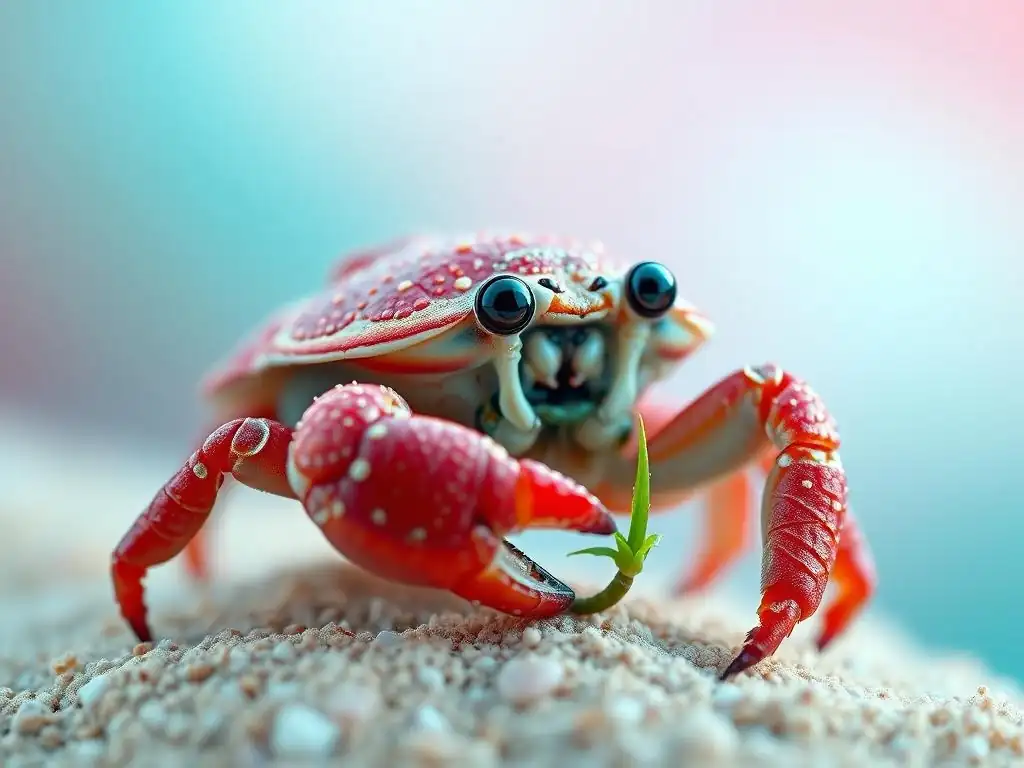
Their coloration should be vibrant and characteristic of the species – bright red legs and yellow antennae. Avoid crabs that appear pale, discolored, or have any visible lesions or parasites. Check the water in the holding tank; it should be clean and clear, without excessive detritus or signs of poor water quality. A healthy crab will often retract quickly into its shell if gently disturbed, indicating good responsiveness. Taking these precautions will significantly increase the likelihood of your new Scarlet Hermit Crab thriving in your aquarium.
Scarlet Hermit Crab vs. Other Algae-Eating Invertebrates
A Comparison of Algae Grazers: Is the Scarlet Hermit the Best Choice?
When selecting an algae-eating clean-up crew, aquarists often compare the Scarlet Hermit Crab to other popular invertebrates like various snails (Turbo, Trochus, Nassarius), Emerald Crabs, and other hermit crab species (e.g., Blue Leg). Each has its strengths and weaknesses. Scarlet Hermit Crabs excel as general scavengers and grazers, effectively consuming diatoms, cyanobacteria, and detritus from all surfaces, including intricate rockwork. Their small size allows them to navigate tight spaces that larger snails or crabs might struggle to reach.
However, snails like Turbo and Trochus snails are often superior at cleaning flat glass surfaces, while Nassarius snails are unparalleled at sifting sand. Emerald Crabs are more specialized for consuming bubble algae, which Scarlet Hermits ignore. The Scarlet Hermit Crab stands out for its vibrant color, active foraging across diverse surfaces, and generally peaceful temperament compared to the potentially more aggressive Blue Leg Hermit Crab or opportunistic Emerald Crab. For comprehensive algae control, a combination of these invertebrates is often the most effective strategy.
Advantages of Scarlet Hermit Crabs over Other Clean-Up Crew Members
The Scarlet Reef Hermit Crab offers several distinct advantages that make it a highly desirable member of a saltwater clean-up crew, often surpassing other invertebrates in specific aspects of Scarlet Hermit Crab Care. Firstly, their striking red coloration with yellow antennae makes them one of the most aesthetically pleasing clean-up crew members, adding a vibrant splash of color to any reef tank, unlike many more camouflaged or drab-looking snails and crabs.
Secondly, their broad diet and active foraging habits mean they effectively consume a wider range of detritus and softer algae types across various tank surfaces – rock, sand, and glass. They are less specialized than some other grazers, providing a more general cleaning service. Lastly, compared to other popular hermit crab species like the Blue Leg Hermit Crab, Paguristes cadenati is generally considered less aggressive towards other tank inhabitants, particularly if ample empty shells are provided. This makes them a safer choice for community tanks with other peaceful invertebrates and corals.
Conclusion: The Value of Scarlet Hermit Crabs in Saltwater Aquariums
Summarizing the Benefits of Paguristes cadenati for Algae Control and Tank Health
The Scarlet Reef Hermit Crab ( Paguristes cadenati) is an exceptional addition to nearly any saltwater aquarium, offering a multitude of benefits that contribute significantly to both algae control and overall tank health. Their tireless foraging habits effectively manage nuisance algae, particularly diatoms and cyanobacteria, and help to break down detritus, thereby reducing the organic load in the system. This natural cleaning service helps maintain pristine water quality and a balanced ecosystem, reducing the need for manual intervention.
Beyond their ecological role, their vibrant red and yellow coloration adds a dynamic splash of visual appeal to the aquarium, making them a popular choice for aquarists seeking both functionality and beauty. Their generally peaceful nature and compatibility with a wide range of reef-safe fish and invertebrates further solidify their status as a preferred clean-up crew member, contributing to a harmonious and thriving aquatic environment.
Final Thoughts on Responsible Scarlet Hermit Crab Care
Responsible Scarlet Hermit Crab Care is essential for the longevity and well-being of these invaluable invertebrates. This includes diligent attention to stable water parameters, providing a consistent supply of appropriately sized empty shells, and supplementing their diet when necessary. Understanding their natural behaviors, such as molting and shell-swapping, allows aquarists to provide an environment that supports their growth and reduces stress.
By adhering to these comprehensive Scarlet Hermit Crab Care guidelines, hobbyists can ensure these charismatic crustaceans not only thrive but also continue to provide their indispensable services as part of a healthy and vibrant saltwater aquarium clean-up crew. Their unique combination of beauty, activity, and effective algae control makes the Scarlet Reef Hermit Crab a truly ideal choice for any marine aquarist.
Frequently Asked Questions
What makes the Scarlet Reef Hermit Crab ( Paguristes cadenati ) a good choice for an aquarium?
Scarlet Reef Hermit Crabs are excellent choices due to their algae-eating abilities. They help keep your tank clean and require relatively simple care. They are also generally peaceful.
What are the basic requirements for Scarlet Reef Hermit Crab Care in an aquarium setting?
They need a tank with established water parameters (salinity, pH, temperature), plenty of live rock for grazing, and a source of small algae patches to consume. Provide extra shells for them to change into as they grow.
What should I feed my Scarlet Reef Hermit Crab besides algae?
Supplement their diet with small amounts of prepared foods such as algae wafers or sinking pellets. They also benefit from occasional small meaty foods like frozen mysis shrimp.
What water parameters are ideal for Scarlet Reef Hermit Crabs?
Maintain a salinity of 1.023-1.025 specific gravity, a pH between 8.1-8.4, and a temperature between 72-78°F (22-26°C) for optimal health.
Are Scarlet Reef Hermit Crabs compatible with other invertebrates and fish?
They are generally peaceful but can sometimes nip at soft corals or smaller, slow-moving invertebrates. Avoid keeping them with aggressive fish that might prey on them.
Okay, here's a final reflection designed to close your article "Scarlet Reef Hermit Crab (Paguristes cadenati): The Ideal Algae Grazer?" and connect with readers interested in "Scarlet Hermit Crab Care," using the requested Markdown format:
Final Reflection: A Tiny Guardian of Reef Health
The information presented throughout this article underscores the vital role the Scarlet Reef Hermit Crab plays in maintaining a balanced and thriving reef aquarium. Understanding the nuances of Paguristes cadenati care isn't just about keeping a pet alive; it's about actively contributing to the health and stability of a miniature ecosystem, mirroring the delicate balance found in natural coral reefs.
The journey of understanding these creatures has profoundly shaped my perspective on responsible reef keeping. Witnessing their tireless work in controlling algae blooms and contributing to a cleaner environment highlights the significance of even the smallest inhabitants. In the end, we will conserve only what we love; we will love only what we understand; and we will understand only what we are taught.
- Baba Dioum. This quote resonates deeply, reminding us that informed care is the foundation of genuine appreciation and conservation.
As you embark on, or continue, your journey of Scarlet Hermit Crab care, I encourage you to reflect on the profound impact even the smallest actions can have. By prioritizing responsible research, providing optimal conditions, and observing these fascinating creatures with attentive care, you are not just keeping a pet; you are becoming a steward of a miniature reef, contributing to the beauty and health of a vibrant underwater world. Let's all strive to be informed and compassionate reef keepers, ensuring a thriving future for these tiny guardians.
Unleash the Algae-Busting Power of the Scarlet Reef Hermit!
Thanks for diving into the world of Scarlet Reef Hermit Crabs with us! We hope you've gained valuable insights into how these colorful critters can contribute to a thriving reef aquarium. Now, it's time to put that knowledge into action and see the difference they can make.
Here are a few ways to get started:
- Introduce a Scarlet Reef Hermit Crab to your aquarium and observe its algae-eating habits firsthand. Remember to ensure your tank parameters are stable and provide supplemental food as needed.
- Share this article with fellow reefing enthusiasts and discuss your experiences with Scarlet Reef Hermit Crabs. Collaborative learning is the best learning!
- Research other beneficial invertebrates that can contribute to a balanced aquarium ecosystem, expanding your knowledge and improving your reefing skills.
What's one specific algae type you're hoping a Scarlet Reef Hermit Crab will help you conquer in your aquarium?