
Identifying Common Saltwater Aquarium Crabs: A Visual Primer

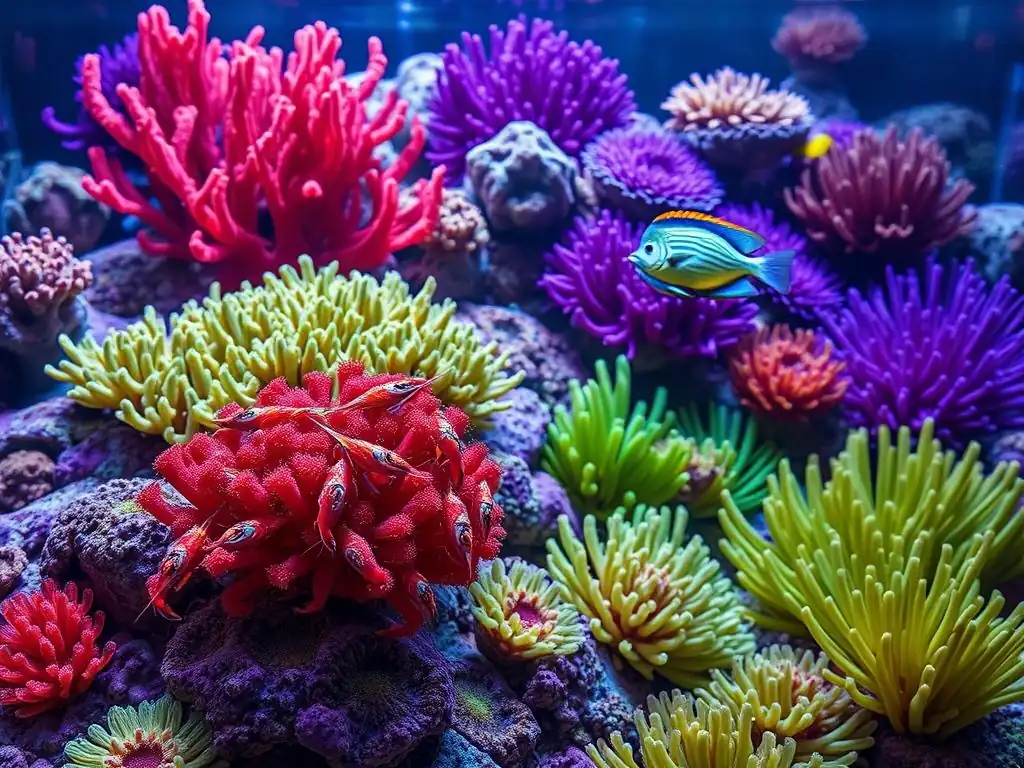
Welcome to Aquarium Mastery! Ever wondered what that scurrying critter is in your saltwater tank? Our Saltwater Crab Identification Guide is here to unveil the mysteries of these fascinating invertebrates. Dive in and learn to distinguish friend from foe, ensuring a thriving ecosystem for your aquatic companions. Curious to know if that crab is a helpful algae eater or a potential threat to your corals? Let's find out!
- Identifying Common Saltwater Aquarium Crabs: A Visual Primer for Aquarists
- Introduction to Saltwater Crabs in Aquariums
- Saltwater Crab Identification Guide: Key Features and Characteristics
- Common Saltwater Aquarium Crabs: A Species-Specific Identification Guide
- Distinguishing Between Similar Saltwater Crab Species
- Tips for Accurate Saltwater Crab Identification
- Preventing Unwanted Crabs in Your Saltwater Aquarium
- Conclusion: Mastering Saltwater Crab Identification for a Healthy Aquarium
-
Frequently Asked Questions
- What is the purpose of a saltwater crab identification guide?
- Why is accurate identification important for saltwater aquarium crabs?
- Where can I find reliable information for saltwater crab identification?
- What are some common characteristics used to identify saltwater aquarium crabs?
- What should I do if I'm unsure about a crab's identification in my aquarium?
- Final Reflection: Unveiling the Aquarium's Hidden Inhabitants
- Uncover Your Reef's Hidden World!
Identifying Common Saltwater Aquarium Crabs: A Visual Primer for Aquarists
Introduction to Saltwater Crabs in Aquariums
The Role of Crabs in a Saltwater Ecosystem
Crabs play incredibly diverse and often vital roles within natural marine ecosystems, and these functions frequently translate into the captive environment of a saltwater aquarium. From microscopic larvae to large, formidable predators, crabs contribute significantly to nutrient cycling, waste removal, and maintaining ecological balance. Many species are invaluable detritivores, diligently consuming uneaten food, decaying organic matter, and nuisance algae, thereby acting as essential members of a tank's clean-up crew.
Beyond their scavenging duties, some crabs also serve as herbivores, effectively controlling the growth of undesirable algae, including challenging types like bubble algae. Others are filter feeders, straining plankton from the water column, while a smaller number are predatory, helping to control populations of pests like bristle worms. Understanding these varied roles is the first step in appreciating their potential impact, whether beneficial or detrimental, on your carefully curated aquarium environment.
Why Accurate Saltwater Crab Identification is Crucial
Accurate saltwater crab identification guide is not merely an academic exercise; it is a critical skill for any responsible aquarist. The primary reason lies in the vast difference between beneficial, reef-safe species and potentially harmful, predatory ones. Misidentifying a crab can lead to unforeseen and often devastating consequences, ranging from the gradual decimation of a clean-up crew to the sudden disappearance of prized fish or the irreversible damage to delicate coral colonies.
Consider the stark contrast: introducing a beneficial Emerald Crab can help control unsightly bubble algae, maintaining a pristine aquascape. Conversely, an unnoticed "hitchhiker" Gorilla Crab, with its powerful crushing claws, can single-handedly destroy an entire snail population or severely damage corals overnight. A precise saltwater crab identification guide empowers aquarists to make informed decisions about what to introduce, what to remove, and how to manage the inhabitants of their marine ecosystem, safeguarding the health and stability of the entire tank.
Saltwater Crab Identification Guide: Key Features and Characteristics
Understanding Crab Anatomy for Identification Purposes
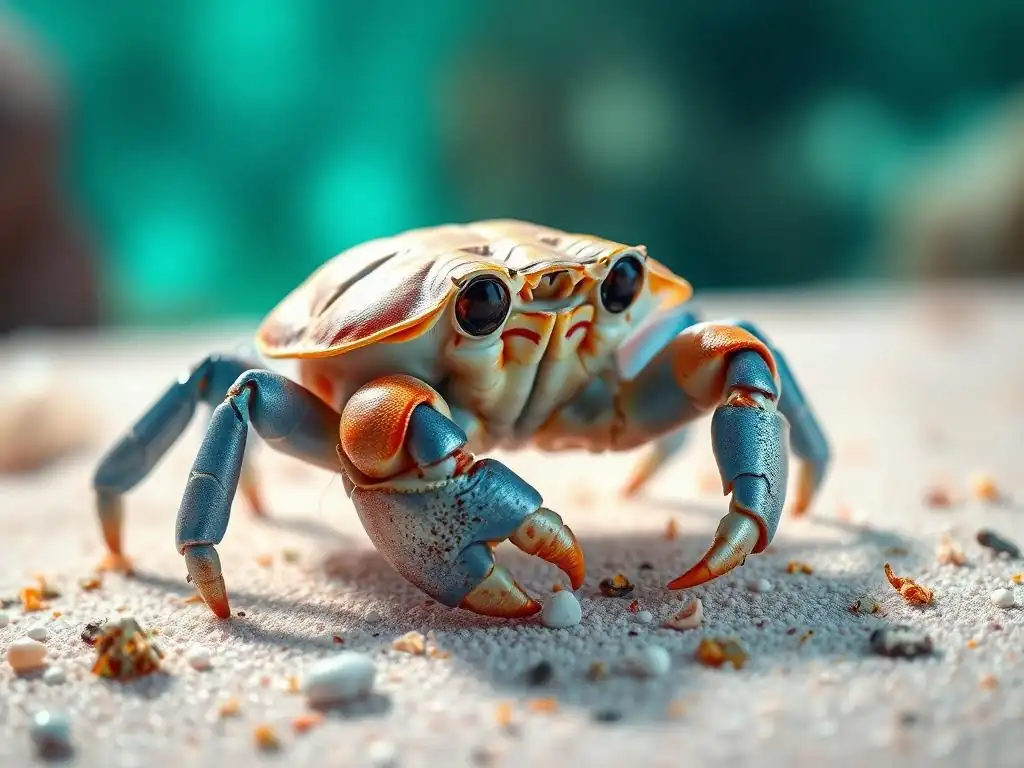
To effectively identify saltwater crabs, a basic understanding of their external anatomy is indispensable. Key structures include the carapace (the hard, dorsal shell covering the cephalothorax), the chelipeds (the first pair of legs, modified into claws), the walking legs (typically four pairs, used for locomotion), and the eye stalks. Subtle variations in the shape, size, texture, and coloration of these specific body parts provide critical clues for distinguishing between species, even those that appear superficially similar.
For instance, the overall outline of the carapace can indicate whether a crab is a broad, flat porcelain crab or a more rounded, robust gorilla crab. Similarly, the morphology of the claws—whether they are delicate and fan-like, long and slender, or large and powerful—is a primary identifier. Paying close attention to these anatomical nuances forms the bedrock of any reliable saltwater crab identification guide.
Carapace Shape and Markings
The carapace, or main body shell, offers some of the most immediate and distinguishing visual cues for saltwater crab identification guide. Its overall shape can vary dramatically: some crabs exhibit a classic rounded or oval carapace, while others, like the Arrow Crab, possess a distinctly triangular one. Porcelain crabs, for example, are characterized by a notably flattened, often heart-shaped carapace that allows them to hide effectively in tight crevices or beneath anemones.
Beyond the fundamental shape, the texture and markings on the carapace are equally vital. Some species have smooth, glossy shells, while others are covered in fine hairs, prominent spines, or a bumpy, granular texture. The Emerald Crab ( Mithrax sculptus) often displays a slightly textured, almost pebbled carapace. Furthermore, specific color patterns, spots, or stripes—though sometimes variable—can be unique to a species, aiding significantly in precise identification.
Claw Morphology and Size
The form and relative size of a crab's chelipeds, or claws, provide critical insights into its species and potential behavior, making them a cornerstone of any saltwater crab identification guide. These appendages are highly specialized, reflecting the crab's primary mode of feeding or defense. Some crabs possess small, delicate claws, such as the fan-like maxillipeds of the filter-feeding Porcelain Crab, which are perfectly adapted for straining plankton from the water.
In stark contrast, predatory crabs like those in the Xanthidae family (often referred to as Gorilla Crabs) are characterized by disproportionately large, robust, and often uneven claws designed for crushing shells or grasping prey. The Arrow Crab ( Stenorhynchus seticornis) is easily identifiable by its remarkably long, slender, and pointed claws. Observing these distinct variations in claw shape, size, and even the presence of specific teeth or spines is paramount for accurate identification.
Leg Structure and Number of Spines
The structure of a crab's walking legs—including their length, thickness, and the presence or absence of spines, hairs, or specialized adaptations—offers further critical details for saltwater crab identification guide. Most true crabs possess eight walking legs, in addition to their two chelipeds. The overall appearance of these legs can provide clues about the crab's habitat and lifestyle. For instance, some crabs have broad, flattened legs, indicative of a swimming lifestyle, while others have robust, spiny legs suited for clinging to rocks or burrowing.
Consider the Arrow Crab, whose legs are notably long, thin, and often covered in small spines, contributing to its spider-like appearance. Conversely, the legs of problematic Gorilla Crabs are typically thick, short, and densely covered in coarse hairs, aiding their powerful grip and secretive movements within live rock. The precise arrangement and density of spines or hairs on the legs can often be the deciding factor when differentiating between closely related or superficially similar species.
Visual Cues for Identifying Saltwater Aquarium Crabs
Beyond specific anatomical features, a holistic approach incorporating various visual cues and behavioral patterns significantly enhances the accuracy of saltwater crab identification guide. The overall color pattern, while sometimes variable due to diet or environment, often adheres to a general species-specific palette. For example, the vibrant green of an Emerald Crab is a strong indicator, though some individuals may appear brownish.
Size is another important factor; observing the maximum size a crab reaches can help rule out certain species. Furthermore, how a crab interacts with its environment—its activity patterns (nocturnal vs. diurnal), its preferred hiding spots, its speed of movement, and its interaction with other tank inhabitants—provides invaluable behavioral cues. Is it constantly scavenging, or does it appear to be hunting? Does it hide deep within the rockwork, or is it openly foraging? These observations, combined with anatomical analysis, create a comprehensive picture for confident identification.
Common Saltwater Aquarium Crabs: A Species-Specific Identification Guide
Beneficial Crabs: Identifying Clean-Up Crew Members
Emerald Crab (Mithrax sculptus): Identifying Features and Care
The Emerald Crab, Mithrax sculptus, is a highly sought-after member of the clean-up crew in saltwater aquariums, primarily valued for its voracious appetite for nuisance algae. These crabs typically grow to a carapace width of about 1.5 to 2 inches (3.8 to 5 cm). Their most striking identifying feature is their vibrant green coloration, though some individuals may exhibit a brownish-green hue, often with lighter patches that provide camouflage against live rock. Their carapace is relatively flat and has a slightly bumpy or granular texture.
A key anatomical characteristic for the Emerald Crab is its unique paddle-shaped claws, which are perfectly adapted for scraping algae off surfaces, including the challenging bubble algae ( Valonia ventricosa), which they are particularly known to consume. They are generally peaceful and considered reef-safe, making them an excellent addition to most mixed reef tanks. Provide them with ample hiding spots within rockwork and ensure stable water parameters. While generally safe, very large specimens might occasionally nip at soft corals if food is scarce, so monitoring is advised. This species is a cornerstone of any saltwater crab identification guide for beneficial invertebrates.
Porcelain Crab (Petrolisthes spp. ): Identifying Features and Care
Porcelain Crabs, encompassing several species within the Petrolisthes genus, are fascinating and entirely reef-safe additions to a saltwater aquarium. These small crabs typically do not exceed 1 inch (2.5 cm) in carapace width. Their most distinguishing characteristics are their remarkably flattened, often heart-shaped carapaces and, most notably, their two large, fan-like appendages (maxillipeds) located near their mouths. These specialized appendages are constantly fanned through the water to filter out plankton and small detritus particles.
Their coloration varies widely, often mottled with browns, whites, and oranges, allowing them to blend seamlessly with their surroundings, particularly when they associate with anemones or corals. Porcelain Crabs are obligate filter feeders and pose no threat to corals, fish, or other invertebrates. They require an established tank with sufficient water flow to facilitate their feeding. Observing their unique, continuous filter-feeding motion is a definitive sign of their identity, a crucial point in this saltwater crab identification guide.
Arrow Crab (Stenorhynchus seticornis): Identifying Features and Care
The Arrow Crab, Stenorhynchus seticornis, is one of the most visually distinctive crabs commonly found in saltwater aquariums, making its saltwater crab identification guide relatively straightforward. Its defining features include an exceptionally long, pointed rostrum (snout) and equally long, slender legs, giving it a characteristic spider-like appearance. Its body is typically triangular, and its leg span can reach up to 6 inches (15 cm) in larger specimens.
Coloration usually consists of light brown or tan with darker brown or black stripes or spots, particularly noticeable on its long legs. Its chelipeds are notably thin and pointed. Arrow Crabs are opportunistic predators, renowned for their ability to consume bristle worms ( Hermodice carunculata and others), making them useful for pest control. However, aquarists should exercise caution, as larger Arrow Crabs may occasionally prey on small, slow-moving fish, ornamental shrimp, or other small invertebrates if hungry. They are generally considered reef-safe concerning corals but require ample rockwork for hiding.
Potentially Harmful Crabs: Identifying Problematic Species
Gorilla Crab (Xanthidae family): Identifying Features, Risks, and Removal
Gorilla Crabs, belonging to the diverse Xanthidae family, are among the most notorious and destructive hitchhikers that can enter a saltwater aquarium. Their saltwater crab identification guide is crucial due to their significant predatory threat. They are characterized by their stout, often very hairy bodies and disproportionately large, robust claws, which are frequently dark-tipped or entirely black. Their carapace is typically rounded or oval, and their coloration usually ranges from dark brown to black or mottled grey, allowing them to blend expertly with live rock. They can grow to several inches across, with larger specimens posing a greater threat.
The risks associated with Gorilla Crabs are substantial: they are highly predatory and omnivorous, consuming anything from detritus and uneaten food to snails, other crabs, small fish, and even coral polyps. Their powerful claws can easily crush the shells of snails or hermits, and they can nip at coral tissue, causing significant damage. Since they are nocturnal and elusive, their presence is often only revealed by unexplained disappearances of tank inhabitants or damaged corals. Removal typically requires trapping using a baited container placed near their suspected hiding spot at night.
Acropora Eating Crab (AEFW): Identifying Features, Impact on Corals, and Control
While the acronym AEFW most commonly refers to Acropora Eating Flatworms ( Amakusaplana acroporae), some specific crab species can also be significant pests for Acropora and other small polyp stony (SPS) corals. These problematic crabs are typically small, highly cryptic, and possess flattened bodies with spiny or hairy legs, allowing them to hide seamlessly within the intricate branches of SPS corals. Their coloration usually matches that of the coral or surrounding live rock, making visual saltwater crab identification guide extremely challenging.
The impact of these crabs on corals can range from localized tissue recession and bleaching to complete coral mortality, particularly on sensitive Acropora species. They typically graze directly on coral polyps or tissue, causing characteristic bite marks or areas of stripped skeleton. Control involves rigorous inspection of new corals, often requiring prophylactic coral dips specifically formulated to dislodge or kill pests. Manual removal, if the crab is spotted, is also an option. Vigilant observation for unexplained tissue loss on your SPS corals is a key indicator of their presence, necessitating immediate action to protect your reef.
Mantis Shrimp (Stomatopoda): Identifying Features, Dangers, and Removal
Mantis Shrimp, though not true crabs, are common hitchhikers that often pose a greater threat than many crab species, making their inclusion in a comprehensive saltwater crab identification guide essential. These fascinating crustaceans are characterized by their powerful, raptorial appendages, which are specialized either for "smashing" (club-like) or "spearing" (barbed). They exhibit bright, often iridescent coloration, have independently moving stalked eyes, and a distinctive "hood" over their head. Sizes vary greatly, from less than an inch to over 12 inches (2.5 to 30 cm) in length.
The dangers posed by Mantis Shrimp are significant: smashing types can deliver blows powerful enough to crack aquarium glass and kill large fish or invertebrates with a single strike, while spearing types are adept at impaling soft-bodied prey. Their presence is often indicated by unexplained clicking or thumping sounds emanating from the rockwork, sudden disappearances of tank inhabitants (especially snails, crabs, or small fish), or damaged shells. Due to their elusive nature and powerful strikes, removal is challenging, often requiring specialized traps or the careful removal of the specific live rock they inhabit.
Other Saltwater Crab Species Commonly Found in Aquariums
Hermit Crabs (Paguroidea): Identifying Features, Types, and Care
Hermit crabs are distinct from true crabs in that their soft, curled abdomens are not covered by a hardened exoskeleton. Instead, they rely on discarded gastropod shells for protection, carrying their "home" with them. Their saltwater crab identification guide hinges on this unique adaptation and several key features. They typically have asymmetrical claws (one often larger, used to block the shell opening), stalked eyes, and often hairy legs. Common species include the Blue Leg Hermit Crab ( Clibanarius tricolor), Red Leg Hermit Crab ( Paguristes cadenati), and Halloween Hermit Crab ( Ciliopagurus strigatus).
Hermit crabs are highly valued members of the clean-up crew, primarily consuming detritus, uneaten food, and various forms of nuisance algae. Blue Leg Hermits are small, reaching about 0.5 inches (1.2 cm), and are excellent algae grazers, identifiable by their blue legs banded with red or orange. Red Leg Hermits are slightly larger with vibrant red legs. To ensure their well-being and prevent them from preying on snails for shells, always provide a consistent supply of empty shells of various sizes as they grow. While generally reef-safe, they can occasionally knock over small coral frags.
Sally Lightfoot Crab (Percnon gibbesi): Identifying Features, Pros, and Cons
The Sally Lightfoot Crab, Percnon gibbesi, is a highly agile and fast-moving crab frequently encountered in saltwater aquariums. Its saltwater crab identification guide is characterized by its flattened, often brownish-red to dark purple carapace, which can reach up to 3 inches (7.5 cm) in width. It possesses long, spiny legs that allow it to cling tightly to rocks and navigate vertical surfaces with remarkable speed and dexterity. Distinct yellow or orange markings are often visible around its eyes and leg joints, and its carapace typically has a rough, textured appearance.
Sally Lightfoot Crabs are omnivores, consuming nuisance algae, cyanobacteria, and detritus, making them effective contributors to the clean-up crew. However, their opportunistic nature means they can become problematic as they mature and grow larger. Larger specimens may occasionally prey on small, slow-moving fish, sleeping fish, or even corals, particularly soft corals or polyps, especially if insufficient natural food sources are available. While their benefits often outweigh the risks in larger, fish-only systems, caution is advised in mixed reef tanks, and careful monitoring is recommended for this species.
Distinguishing Between Similar Saltwater Crab Species
Comparing Emerald Crab vs. Gorilla Crab: A Detailed Look
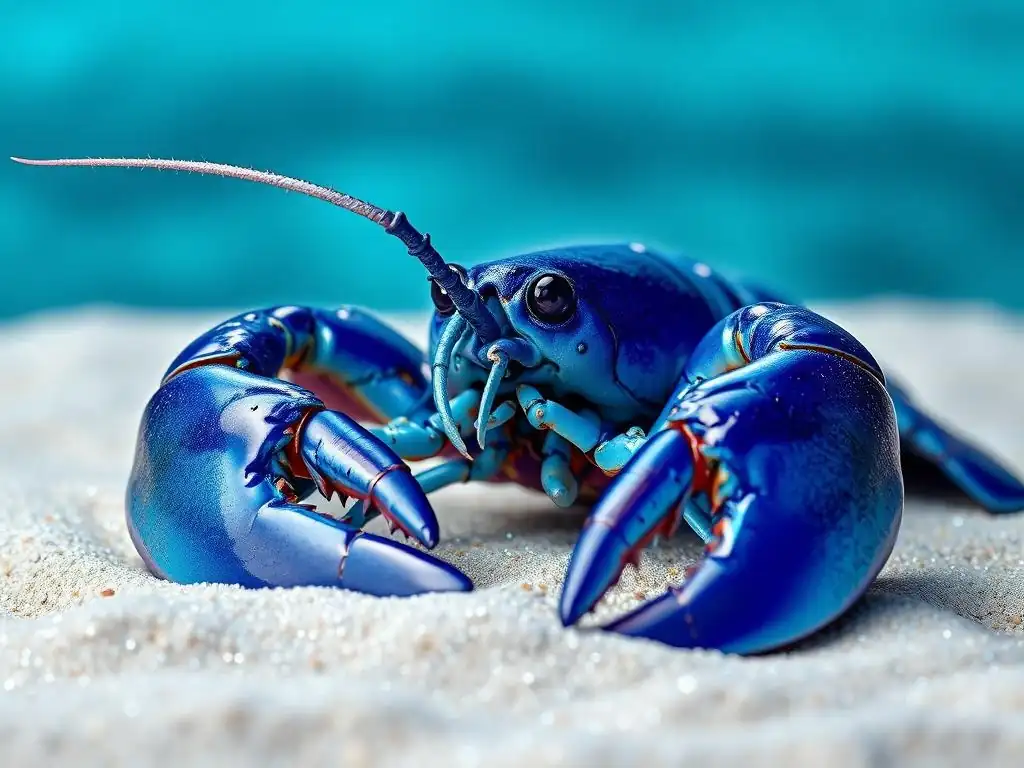
Distinguishing between an Emerald Crab ( Mithrax sculptus) and a Gorilla Crab (Xanthidae family) is one of the most critical saltwater crab identification guide challenges for aquarists, as one is generally beneficial while the other is highly destructive. The Emerald Crab typically has a relatively flat, less hairy carapace that is predominantly bright green, though it can be brownish-green. Its claws are distinctively paddle-shaped, designed for scraping algae, and are generally proportionate to its body size, rarely exceeding 2 inches (5 cm) in carapace width. Behaviorally, they are often seen openly foraging for algae during the day.
In stark contrast, Gorilla Crabs possess a rounder, often very hairy or spiny body, and their most defining feature is their disproportionately large, robust claws, which are frequently dark-tipped or entirely black. Their coloration usually ranges from dark brown to black, providing camouflage against live rock. They are notoriously shy and nocturnal, preferring to hide deep within rock crevices, emerging primarily at night to scavenge or hunt. Observing these distinct anatomical differences in carapace shape, hairiness, claw morphology, and their respective activity patterns is paramount for accurate identification and appropriate management.
Differentiating Between Various Hermit Crab Species
Differentiating between the various species of hermit crabs is essential for a comprehensive saltwater crab identification guide, as while most are beneficial, some can be more prone to bothering snails or corals. The most common species encountered include the Blue Leg Hermit Crab ( Clibanarius tricolor), the Red Leg Hermit Crab ( Paguristes cadenati), and the Halloween Hermit Crab ( Ciliopagurus strigatus). Each has distinct visual cues.
- Blue Leg Hermit Crabs are small, typically under 0.5 inches (1.2 cm), and are easily identified by their blue legs banded with red or orange. They are excellent algae eaters.
- Red Leg Hermit Crabs are slightly larger, with vibrant red legs and sometimes a red-orange body. They are effective detritivores.
- Halloween Hermit Crabs are striking with their bold orange and black banded legs and often a dark, patterned carapace. They are larger and more active scavengers.
Beyond these common types, other species like the Dwarf Zebra Hermit Crab ( Calcinus laevimanus) are identifiable by their black and white striped claws. Observing leg coloration, the specific patterns on their claws, their maximum size, and their preferred shell types significantly aids in distinguishing between these beneficial clean-up crew members.
Tips for Accurate Saltwater Crab Identification
Observe Crab Behavior and Activity Patterns
Beyond mere visual characteristics, observing a crab's behavior and activity patterns provides invaluable clues for accurate saltwater crab identification guide. Is the crab primarily active during daylight hours, openly grazing on rocks and glass, or does it only emerge under the cover of darkness? For instance, beneficial Emerald Crabs are often seen actively foraging during the day, whereas problematic Gorilla Crabs are notoriously nocturnal and reclusive, rarely venturing out during daylight.
Pay attention to how the crab moves: does it scuttle rapidly, or is its movement slow and deliberate? Does it hide deep within crevices, or does it sit exposed on rockwork? Most importantly, observe its interactions with other tank inhabitants. Is it constantly nipping at corals, chasing fish, or bothering snails? Unexplained disappearances of snails or small fish, or the appearance of damaged coral tissue, are strong behavioral indicators of a predatory crab or mantis shrimp.
Use a Magnifying Glass for Detailed Examination
Many of the subtle yet critical identifying features of saltwater crabs are simply too small to discern with the naked eye, especially for young or cryptic species. Therefore, employing a magnifying glass, jeweler's loupe, or even the macro lens on a modern smartphone can dramatically improve the accuracy of your saltwater crab identification guide. This close-up examination allows you to observe minute details on the carapace, the precise structure of the claws, and the presence or pattern of spines or hairs on the legs.
If a crab is small and accessible, gently removing the specific live rock it inhabits and examining it outside the main display tank (in a separate container of tank water) can provide the best opportunity for detailed inspection. This focused observation can reveal the crucial distinguishing characteristics that differentiate a beneficial species from a harmful one, preventing potential misidentification and subsequent issues in your aquarium.
Consult Reliable Online Resources and Forums
When faced with an unfamiliar crab, consulting reliable online resources and engaging with experienced aquarist communities can be an invaluable step in your saltwater crab identification guide process. Numerous reputable websites, online databases, and dedicated aquarium forums host extensive libraries of species profiles and identification guides. These platforms often feature high-quality photographs and detailed descriptions that can help you cross-reference your observations.
When using online forums, be sure to provide clear, well-lit photographs of the crab from multiple angles, along with a detailed description of its size, coloration, behavior, and any specific observations (e.g., "found on live rock," "nipping at zoanthids"). While forum advice can be incredibly helpful, always cross-reference information from multiple reputable sources to ensure accuracy. Leveraging the collective knowledge of the aquarist community can often lead to a swift and precise identification, especially for more obscure hitchhikers.
Preventing Unwanted Crabs in Your Saltwater Aquarium
Quarantine New Live Rock and Corals
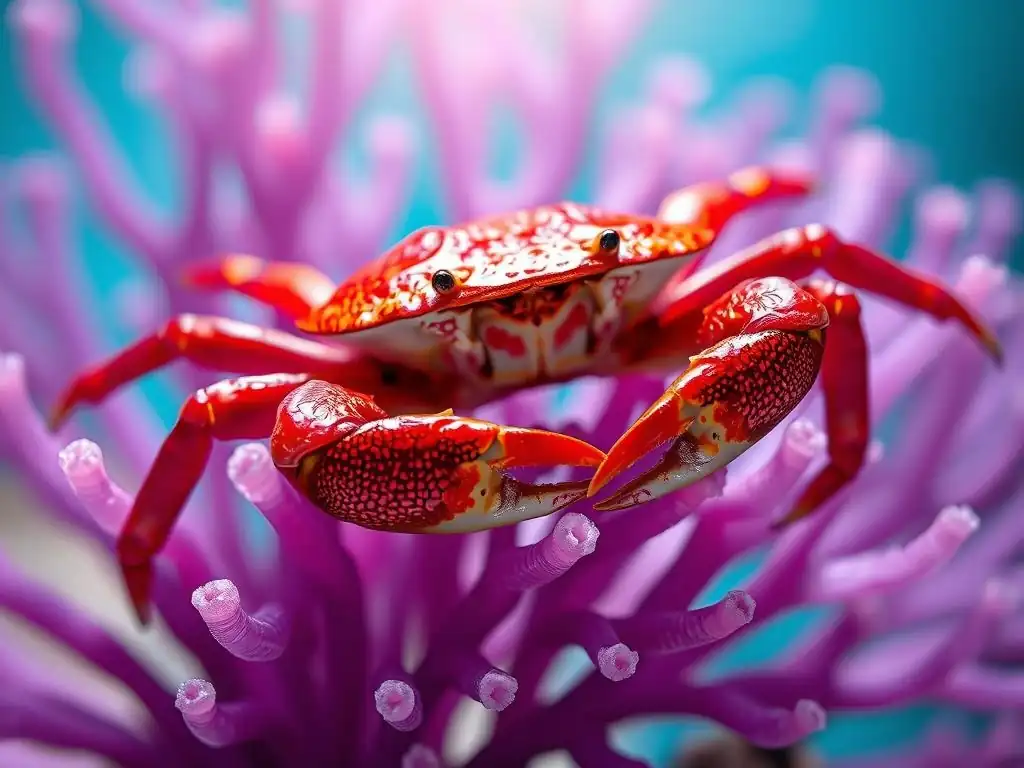
The most effective proactive measure against the introduction of unwanted crabs and other pests into your saltwater aquarium is to rigorously quarantine all new live rock and corals before adding them to your main display tank. A dedicated quarantine tank (QT) allows for a period of observation and potential treatment in isolation, preventing the direct transfer of problematic hitchhikers that can devastate an established ecosystem. This step is paramount for any aquarist committed to a healthy tank.
During quarantine, live rock can be soaked in a separate container with circulating saltwater for several weeks, encouraging any hidden creatures, including cryptic crabs or mantis shrimp, to emerge. Corals should undergo prophylactic dipping procedures using coral-specific solutions known to dislodge or eliminate common pests, followed by a thorough rinse in clean saltwater. Regular inspection of the quarantine tank and its inhabitants is essential for effective saltwater crab identification guide and removal before they ever enter your main system.
Inspect New Additions Carefully
Even with a robust quarantine protocol, a thorough visual inspection of all new inhabitants – including fish, invertebrates, corals, and live rock – is a critical last line of defense before they enter your main display tank. Many problematic crabs are masters of camouflage, blending seamlessly with the texture and coloration of live rock and coral structures, making them incredibly difficult to spot.
Before introducing any new item, carefully scrutinize every surface, crevice, and overhang. Gently swirling new live rock in a bucket of saltwater can sometimes dislodge hidden creatures. For corals, pay close attention to their bases and undersides. Look for any unusual movements, tiny legs protruding from holes, or subtle signs of life. A detailed, meticulous pre-addition check, informed by your saltwater crab identification guide knowledge, significantly reduces the risk of introducing unwanted predators or pests into your established marine environment.
Implement Effective Crab Trapping Techniques
Despite the most diligent efforts in quarantine and inspection, unwanted crabs can sometimes find their way into the main display tank. In such scenarios, trapping is often the most humane and effective method for removal, especially for larger, elusive predatory crabs like Gorilla Crabs. Attempting to manually extract a fast-moving or deep-hiding crab can be frustrating and may cause undue stress to your tank's inhabitants and aquascape.
A simple yet effective homemade trap can often be constructed using a small plastic bottle or container with a narrow opening, baited with a tempting piece of frozen shrimp or clam. Place the trap in the tank just before the lights go out, near where the problematic crab has been observed or is suspected to be hiding. Check the trap first thing in the morning. Repeat this process nightly until the target crab is caught. This proactive management tool complements your saltwater crab identification guide knowledge, ensuring you can address issues effectively.
Conclusion: Mastering Saltwater Crab Identification for a Healthy Aquarium
Mastering saltwater crab identification guide is an indispensable skill for any dedicated aquarist striving to maintain a thriving and balanced marine ecosystem. By understanding the diverse roles crabs play, recognizing their key anatomical features, and familiarizing yourself with common beneficial and potentially harmful species, you gain the knowledge necessary to make informed decisions that safeguard your aquarium's health. This detailed approach not only enhances your ability to appreciate the intricate biodiversity within your tank but also empowers you to act decisively when faced with a problematic hitchhiker.
Ultimately, a combination of accurate identification, proactive measures such as diligent quarantine and careful inspection of all new additions, and the readiness to implement effective trapping techniques will lead to a more stable, vibrant, and rewarding aquarium experience. Continual learning and vigilance are key to preventing unwanted predation and competition, ensuring your saltwater aquarium remains a flourishing microcosm of the marine world.
Frequently Asked Questions
What is the purpose of a saltwater crab identification guide?
The purpose is to help aquarists accurately identify crabs in their saltwater tanks, distinguishing between beneficial species and potential pests. This allows for informed decisions about tank management.
Why is accurate identification important for saltwater aquarium crabs?
Accurate identification is crucial because some crabs are reef-safe and beneficial, while others can prey on corals and invertebrates, causing significant damage to the aquarium ecosystem.
Where can I find reliable information for saltwater crab identification?
Websites like AquariumMastery.com offer visual guides and detailed descriptions to help identify saltwater crabs. These resources often include information on crab behavior and potential risks.
What are some common characteristics used to identify saltwater aquarium crabs?
Key characteristics include shell shape, claw size and color, and behavioral patterns. Observing these features helps differentiate between various crab species.
What should I do if I'm unsure about a crab's identification in my aquarium?
If unsure, quarantine the crab in a separate container and consult with experienced aquarists or online forums. Providing clear pictures will aid in accurate identification.
Okay, here's a final reflection designed to close your article, "Identifying Common Saltwater Aquarium Crabs: A Visual Primer," optimized for the keyword "Saltwater crab identification guide" and following the structure you provided:
The ability to accurately identify the inhabitants of our saltwater aquariums, especially often-overlooked creatures like crabs, is more crucial than ever. Understanding the role each species plays in the delicate ecosystem we create is paramount to maintaining a healthy and thriving aquatic environment. This guide, hopefully, provides a solid foundation for that understanding, empowering aquarists to make informed decisions about their tanks.
This journey into the world of saltwater crabs has hopefully illuminated the often-unseen complexities within our glass boxes. The ability to distinguish between a beneficial algae grazer and a potentially destructive predator is not just about knowledge; it's about responsible stewardship of the life we choose to nurture. As the renowned marine biologist Sylvia Earle once said, No water, no life. No blue, no green.
This simple yet profound statement reminds us of the interconnectedness of all life, even within the confines of our aquariums.
Now, armed with this visual primer, I encourage you to look anew at your saltwater aquarium. Take the time to observe, identify, and understand the crabs that share this space with you. By becoming more knowledgeable and attentive aquarists, we can ensure the well-being of our underwater ecosystems and contribute to a greater appreciation for the incredible diversity of marine life. Let this guide be the starting point for a deeper connection with the fascinating world beneath the waves.
Thanks for diving into the fascinating world of saltwater aquarium crabs! We hope this visual guide has helped you identify the common characters (and potential troublemakers) lurking in your tank. Now it's time to put that knowledge into action!
Ready to take the next step? Here are some actions you can take:
- Carefully observe your tank for at least 15 minutes each day - noting any crab behaviors or new additions to the crustacean crew. This will enhance your identification skills and help you spot any potential issues early!
- Share this guide with fellow reef enthusiasts! Help them identify their own aquarium inhabitants and contribute to a stronger community.
- Take a picture of a crab in your tank and try to identify it. If you are having trouble, post it on social media!
What interesting (or troublesome!) crabs have you spotted in your aquarium lately, and what did you learn about them?