
Pindani/Powder Blue Socolofi (Pseudotropheus socolofi): A Gentler Mbuna?

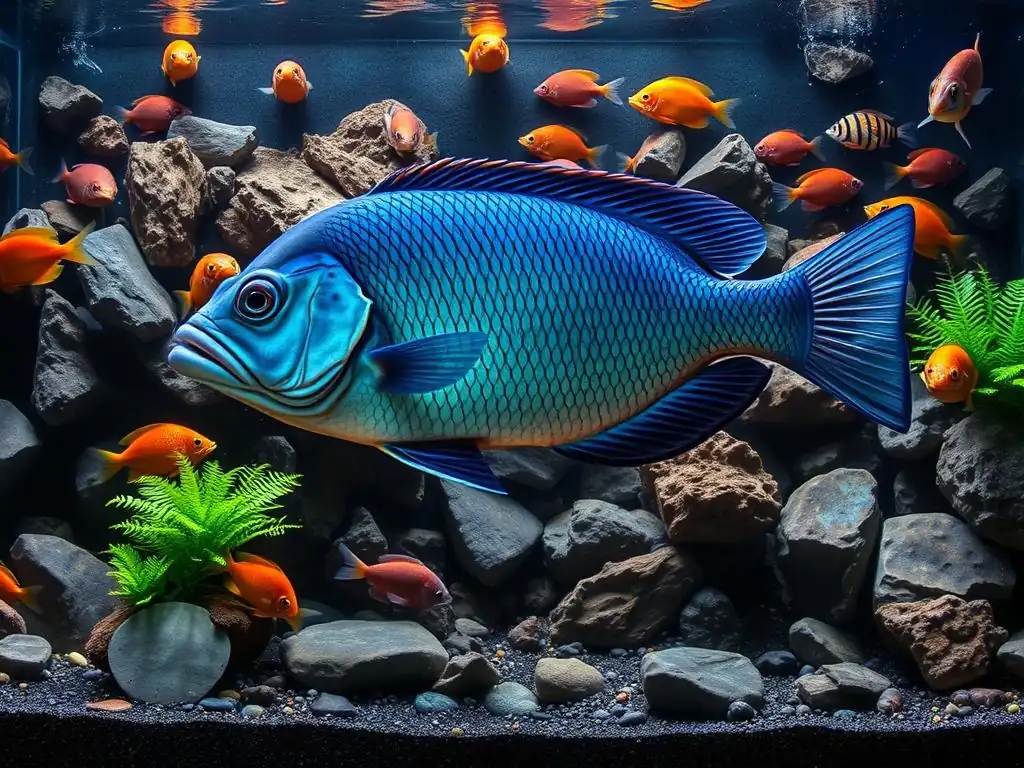
Welcome to Aquarium Mastery!
Ever wondered if you could keep a vibrant, active Mbuna without the usual territorial battles? Dive in and discover the secrets to successfully keeping the Pindani Socolofi, also known as the Powder Blue Socolofi, a surprisingly manageable cichlid. This Pindani Socolofi care guide will unravel everything you need to know, from ideal tank conditions to compatible tank mates. Ready to unlock the potential of this stunning freshwater fish? Let's get started!
- Pindani/Powder Blue Socolofi (Pseudotropheus socolofi): A Gentler Mbuna? - AquariumMastery.com
- Introduction to the Powder Blue Socolofi: A Beginner-Friendly Mbuna?
-
Frequently Asked Questions
- How difficult is it to care for Pindani Socolofi compared to other Mbuna cichlids?
- What is the ideal tank size for keeping Pindani Socolofi?
- What type of diet should I provide for my Pindani Socolofi?
- What are the ideal water parameters for a Pindani Socolofi aquarium?
- What are some common health issues that affect Pindani Socolofi, and how can I prevent them?
- Final Reflection: The Enduring Allure of the Pindani
- Unleash the Beauty: Transform Your Aquarium Today!
Pindani/Powder Blue Socolofi (Pseudotropheus socolofi): A Gentler Mbuna? - AquariumMastery.com
Introduction to the Powder Blue Socolofi: A Beginner-Friendly Mbuna?
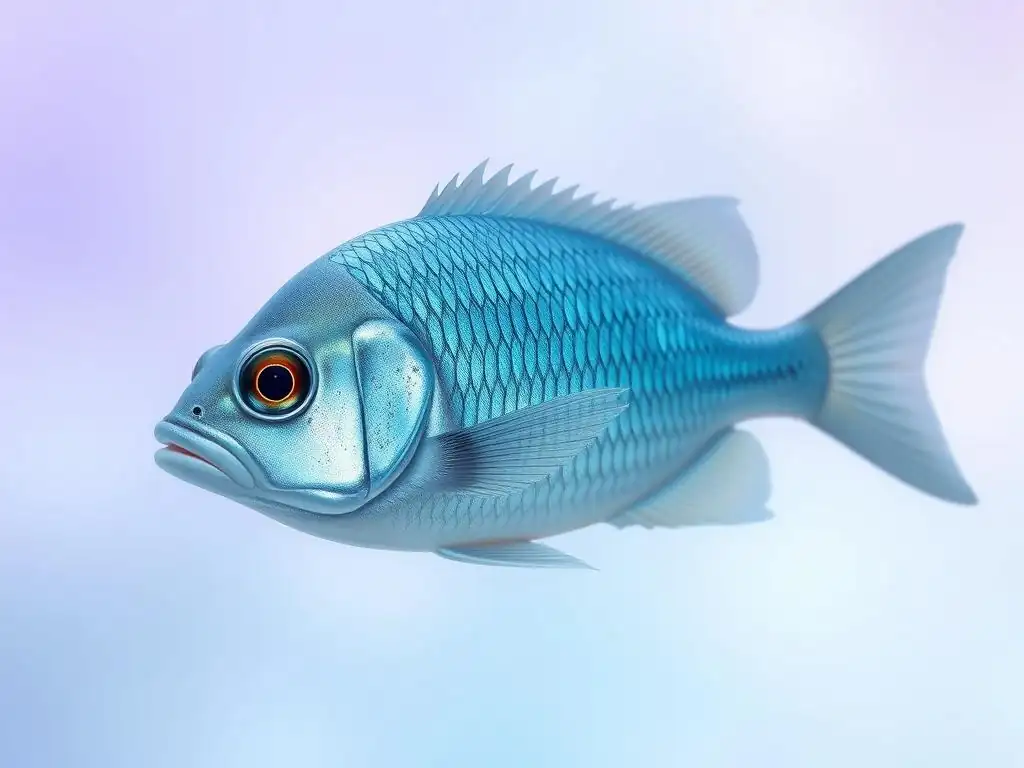
Overview of Pseudotropheus socolofi and its appeal to aquarists
The Pseudotropheus socolofi, widely recognized as the Pindani Socolofi or Powder Blue Socolofi, is a captivating freshwater cichlid native to the rocky shores of Lake Malawi in East Africa. Its primary allure lies in its striking, uniform powder blue coloration, which intensifies during breeding or territorial displays, especially in mature males.
Unlike some Mbuna species that exhibit complex patterns or sexual dimorphism in color, the socolofi maintains a consistent blue hue across both sexes, though males generally grow slightly larger, reaching about 4 to 5 inches (approximately 10-13 cm) in length, while females typically stay around 3.5 to 4 inches (9-10 cm). This vibrant blue, combined with their active swimming patterns and relatively manageable size for an African cichlid, makes them a highly sought-after species among aquarists looking to establish a dynamic and visually appealing Mbuna setup.
Beyond their aesthetic appeal, Pindani Socolofi are appreciated for their curious and engaging personalities. They are often seen exploring rockwork, sifting through substrate, and interacting with their environment, providing constant entertainment for observers. For those embarking on a Pindani Socolofi care guide journey, understanding their natural behaviors and needs is crucial to ensuring their well-being. Their consistent popularity in the aquarium trade is a testament to their hardiness and adaptability, provided their specific environmental requirements, mimicking their Lake Malawi origins, are met. This includes stable water parameters and appropriate tank decor that offers ample hiding spots and territories.
Why the Pindani Socolofi is considered a "gentler" Mbuna
Within the context of African Rift Lake cichlids, particularly the Mbuna group known for its robust and often aggressive territorial behavior, the Pindani Socolofi earns its reputation as a "gentler" species. While no Mbuna is truly docile, Pseudotropheus socolofi typically exhibits lower levels of inter-species aggression compared to notorious species like Melanochromis auratus or Maylandia estherae (Red Zebra cichlid).
This relative calm makes them a more suitable choice for mixed Mbuna tanks, reducing the likelihood of severe bullying or injury among tank mates. Their aggression is primarily directed at conspecifics, particularly males challenging each other for dominance or females during spawning.
However, it is imperative to understand that "gentler" is a relative term in this context and does not imply passivity. Pindani Socolofi are still territorial and will defend their chosen space, especially during breeding periods. To mitigate aggression and ensure a harmonious environment, a well-planned Pindani Socolofi care guide emphasizes the importance of proper stocking densities and tank size.
For instance, maintaining a male-to-female ratio of 1:3 or more, or keeping a single male in a larger community tank (e.g., 75 gallons or more), can significantly disperse aggression and prevent any single female from being overly harassed. Providing an abundance of rockwork and caves also helps establish clear territories, further reducing conflict.
Frequently Asked Questions
How difficult is it to care for Pindani Socolofi compared to other Mbuna cichlids?
Pindani Socolofi are generally considered to be easier to care for than many other Mbuna. They are less aggressive and more adaptable to slightly varied water parameters, making them a good choice for beginner cichlid keepers.
What is the ideal tank size for keeping Pindani Socolofi?
A minimum tank size of 40 gallons is recommended for a small group (5-6) of Pindani Socolofi. This allows them ample space to establish territories and reduce aggression. Larger tanks are always preferable.
What type of diet should I provide for my Pindani Socolofi?
Pindani Socolofi are primarily herbivores, so their diet should consist mainly of algae-based flake food or pellets. Supplement with vegetable matter like spirulina or blanched spinach to ensure they receive essential nutrients.
What are the ideal water parameters for a Pindani Socolofi aquarium?
Maintain a water temperature between 78-82°F (25-28°C), a pH between 7.8-8.6, and a water hardness (GH) between 10-20 dGH. Regular water changes are crucial to maintain these parameters.
What are some common health issues that affect Pindani Socolofi, and how can I prevent them?
Common issues include Malawi bloat and Ich. Prevent these by maintaining excellent water quality, providing a balanced diet, and avoiding overstocking. Quarantine new fish before introducing them to the main tank.
Final Reflection: The Enduring Allure of the Pindani
The preceding exploration of Pseudotropheus socolofi, affectionately known as the Pindani, underscores its enduring appeal in the aquascaping world. This gentle Mbuna, with its striking powder blue hue, offers a unique opportunity to experience the vibrant world of African cichlids without the aggressive temperament often associated with the group. Understanding their specific needs, as detailed in this care guide, allows aquarists of all levels to successfully cultivate these captivating creatures, bringing a slice of Lake Malawi into their homes.
The Pindani's popularity speaks volumes about our evolving relationship with nature. We are increasingly drawn to species that allow us to connect with the wild in a responsible and sustainable manner. The careful consideration of their environment, diet, and social dynamics, as outlined in this guide, reflects a growing awareness of the interconnectedness of all living things. In the end, we will conserve only what we love; we will love only what we understand; and we will understand only what we are taught.
- Baba Dioum. This quote perfectly encapsulates the importance of accessible information, like this care guide, in fostering appreciation and responsible stewardship.
Now, as you embark on your own journey with the Pindani Socolofi, I encourage you to reflect on the broader implications of your choices. Consider how your aquarium can become a microcosm of a healthy ecosystem, a testament to the beauty and fragility of the natural world. Let the gentle presence of these powder blue jewels inspire you to learn more, share your knowledge, and contribute to the preservation of the remarkable biodiversity that our planet holds. The future of these magnificent creatures, and indeed the health of our planet, rests in our hands.
Unleash the Beauty: Transform Your Aquarium Today!
Thank you for diving into the world of Powder Blue Socolofi and discovering their unique place in the Mbuna family! We hope this article has equipped you with valuable insights into their care and behavior. Now, let's turn that knowledge into action.
Here are a few ways to continue your journey:
- Embrace the Challenge: Research and plan a Socolofi-specific tank setup, focusing on creating a stress-free environment to showcase their personality and minimize aggression.
- Share this guide with fellow aquarium enthusiasts on your favorite forums or social media platforms. Help spread awareness about this fascinating, less-aggressive Mbuna species.
- Visit your local fish store and observe their Mbuna tank setups. What works? What doesn't? Identify design choices that might benefit your future Socolofi habitat.
Ready to start planning your Powder Blue paradise? What's the first design element you'll consider for your Socolofi tank?