
Peppermint Shrimp Power: The AiptasiaEating Marvels of Your Reef

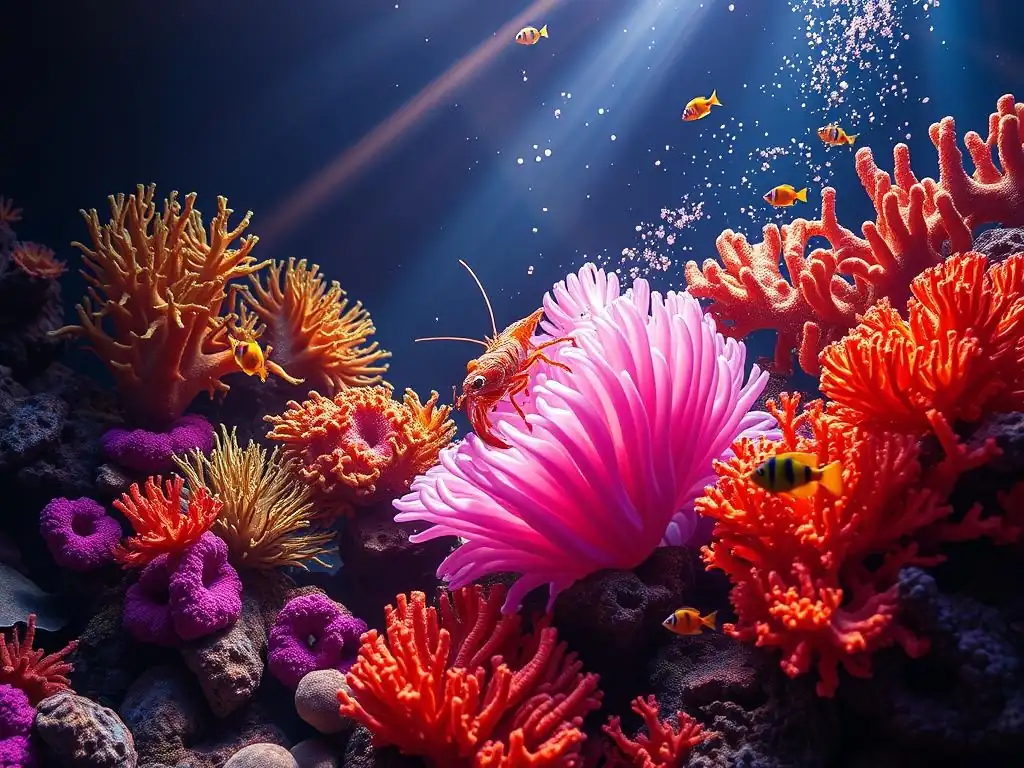
Welcome to Aquarium Mastery!
Ever watched a pesky Aiptasia anemone slowly take over your reef tank? It's frustrating, right? Dive into our guide, " Peppermint Shrimp Power: The Aiptasia-Eating Marvels of Your Reef," and discover if Aiptasia shrimp best practices are the key to a pest-free and thriving aquarium. Ready to unlock the secrets of these tiny reef guardians? Let's get started!
- Aiptasia Control with Peppermint Shrimp: A Comprehensive Guide
- Understanding Aiptasia in Reef Aquariums
- Peppermint Shrimp: The Aiptasia-Eating Solution
- Selecting and Acclimating Peppermint Shrimp
- Creating an Optimal Environment for Peppermint Shrimp
- Aiptasia Eradication with Peppermint Shrimp: A Practical Approach
- Troubleshooting: Addressing Ineffective Aiptasia Consumption
- Alternative Aiptasia Control Methods
- Long-Term Peppermint Shrimp Care
- The Broader Role of Peppermint Shrimp in Reef Ecology
- Conclusion: Utilizing Peppermint Shrimp for Effective Aiptasia Control
-
Frequently Asked Questions
- What are Aiptasia and why are they a problem in reef aquariums?
- How do Peppermint Shrimp help control Aiptasia?
- Are all Peppermint Shrimp guaranteed to eat Aiptasia?
- What are some best practices for introducing Peppermint Shrimp to my aquarium?
- Besides Peppermint Shrimp, what other methods can I use to control Aiptasia?
- Final Reflection: The Tiny Guardians of Our Reefs
- Unleash the Power of Peppermint Shrimp!
Aiptasia Control with Peppermint Shrimp: A Comprehensive Guide
Understanding Aiptasia in Reef Aquariums
Identifying Aiptasia and Its Impact on Reef Health
Aiptasia, often referred to as glass anemones, are a common and unwelcome pest in many reef aquariums. These opportunistic anemones typically appear as translucent, trumpet-shaped polyps, ranging in color from light brown to white, with delicate, stinging tentacles. They can range in size from a few millimeters to several centimeters, sometimes reaching up to 10 cm in diameter in mature colonies. Aiptasia reproduce rapidly, both sexually by releasing gametes and asexually through fragmentation, where even a tiny piece of tissue can regenerate into a full anemone within days, leading to swift population explosions.
The impact of Aiptasia on reef health is significant and detrimental. Their primary mode of damage is through their potent stinging nematocysts, which can directly sting and damage delicate coral tissues, leading to tissue necrosis and eventual coral death. They compete aggressively for space, light, and nutrients, quickly overgrowing live rock, substrate, and even encrusting corals.
This competition can suppress the growth of desirable corals, particularly slower-growing LPS (Large Polyp Stony) and SPS (Small Polyp Stony) corals. Beyond the direct harm, a severe Aiptasia infestation can severely degrade the aesthetic appeal of a reef tank, turning a vibrant underwater landscape into an unsightly patch of pest anemones, potentially leading to substantial financial losses for aquarists invested in expensive coral colonies.
The Risks of Uncontrolled Aiptasia Growth
The unchecked proliferation of Aiptasia poses several severe risks to the stability and biodiversity of a reef aquarium. As these anemones multiply, they can quickly colonize vast areas of live rock and sand beds, effectively reducing the available surface area for beneficial organisms and desirable corals.
Their aggressive stinging capabilities mean that corals placed in close proximity will suffer, often leading to bleached areas, tissue recession, or complete loss of the coral colony. In heavily infested tanks, Aiptasia can cover over 50% of rock surfaces within a few months, outcompeting even fast-growing soft corals like Xenia and creating an imbalance in the delicate reef ecosystem.
Beyond the physical damage and competition, a large Aiptasia population can also contribute to nutrient cycling issues. While they do consume some nutrients, their rapid growth can indicate an underlying nutrient excess, and their eventual decay, whether naturally or through unsuccessful removal attempts, can release nitrates and phosphates back into the water column, further fueling nuisance algae and other undesirable growths.
A single Aiptasia can release thousands of larvae, making their control a constant battle if not addressed promptly and effectively. Without proactive Aiptasia shrimp best practices, a tank can quickly become overwhelmed, requiring drastic measures or even a complete breakdown and restart, representing a significant investment of time and resources.
Biological Control: A Natural Solution Using Peppermint Shrimp
Given the challenges posed by Aiptasia, aquarists often seek effective and sustainable control methods. Biological control, which involves introducing natural predators to manage pest populations, offers an appealing and environmentally friendly solution for reef tanks. Among the various options, the Peppermint shrimp, specifically Lysmata wurdemanni, stands out as a highly recommended and widely utilized biological agent for Aiptasia eradication.
The use of Peppermint shrimp as a biological control agent aligns perfectly with Aiptasia shrimp best practices because it provides a natural and non-chemical approach to pest management. Unlike chemical treatments that can introduce unwanted substances into the water or manual removal methods that often lead to fragmentation and increased Aiptasia spread, Peppermint shrimp offer a continuous, proactive solution.
They are generally considered reef-safe, meaning they pose minimal threat to corals, other invertebrates, and fish, making them a valuable addition to the tank's clean-up crew. Their natural instinct to prey on Aiptasia makes them an efficient and desirable choice for maintaining a healthy and Aiptasia-free reef environment.
Peppermint Shrimp: The Aiptasia-Eating Solution
Lysmata wurdemanni: The Effective Aiptasia Predator
When discussing Aiptasia shrimp best practices, the focus invariably turns to Lysmata wurdemanni, the true Peppermint shrimp, renowned for its voracious appetite for Aiptasia. These shrimp are characterized by their translucent bodies adorned with distinctive red or reddish-brown stripes and spots, often appearing broken or dashed, particularly on their tail. They typically grow to an adult size of about 2.5 inches (6-7 cm) and are generally nocturnal, preferring to hunt for food, including Aiptasia, under the cover of darkness.
The effectiveness of Lysmata wurdemanni as an Aiptasia predator stems from its natural predatory instincts and its preference for these pest anemones. While they are scavengers by nature and will consume detritus and uneaten food, Aiptasia provides a readily available and protein-rich food source. Adult Lysmata wurdemanni can consume multiple small Aiptasia anemones daily, especially when hungry, making a noticeable difference in heavily infested tanks within a few weeks. Their relatively small size allows them to navigate intricate rockwork and reach Aiptasia in tight crevices that would be inaccessible to other control methods.
Differentiating Lysmata wurdemanni from Look-Alikes
A critical aspect of successful Aiptasia shrimp best practices is ensuring you acquire the correct species of Peppermint shrimp. Several other Lysmata species are often sold as "Peppermint Shrimp" but exhibit little to no interest in consuming Aiptasia. The most common look-alike is Lysmata rathbunae, which has more solid, unbroken red stripes compared to the more fragmented or dashed markings of L. wurdemanni. Other species like Lysmata californica or even the visually distinct Lysmata debelius (Blood Shrimp) are sometimes mistakenly grouped, but they do not possess the same Aiptasia-eating habits.
To differentiate Lysmata wurdemanni accurately, pay close attention to the patterns on its body and tail. L. wurdemanni typically displays a series of broken, often somewhat irregular, reddish-brown bands or spots, particularly along the abdomen and on the tail fan. In contrast, L. rathbunae usually features more uniform, unbroken longitudinal red stripes along its body.
Studies have shown that Lysmata wurdemanni exhibits a significantly higher preference for Aiptasia compared to other Lysmata species, with some individuals consuming up to 90% of available Aiptasia in controlled environments, whereas their doppelgängers might ignore the pests entirely. This distinction is paramount, as purchasing the wrong species will inevitably lead to disappointment and continued Aiptasia proliferation.
Natural Diet and Aiptasia Consumption Habits
Peppermint shrimp are opportunistic scavengers in their natural habitat, consuming a varied diet of detritus, uneaten food particles, small invertebrates, and algae. This broad dietary preference makes them excellent candidates for a reef tank's clean-up crew. However, their unique affinity for Aiptasia anemones sets them apart as a specialized pest control agent. They are attracted to the chemical signals emitted by Aiptasia and will actively seek them out as a food source, particularly when other food sources are scarce.
Their consumption habits are influenced by several factors. Hunger level plays a significant role; a well-fed Peppermint shrimp may show less interest in Aiptasia compared to one that is slightly underfed. The size of the Aiptasia also matters; shrimp typically prefer smaller, more manageable Aiptasia, often leaving larger, more established specimens untouched until smaller ones are consumed or until they grow large enough to tackle them collectively.
This is why a sufficient number of shrimp and proper feeding strategies are crucial for effective Aiptasia shrimp best practices. While they are primarily Aiptasia predators, if all Aiptasia are eradicated, they will revert to their general scavenging habits, requiring supplemental feeding to maintain their health and prevent them from potentially picking at corals out of extreme hunger, though this behavior is rare for L. wurdemanni.
Selecting and Acclimating Peppermint Shrimp
Choosing Healthy Shrimp at the Local Fish Store
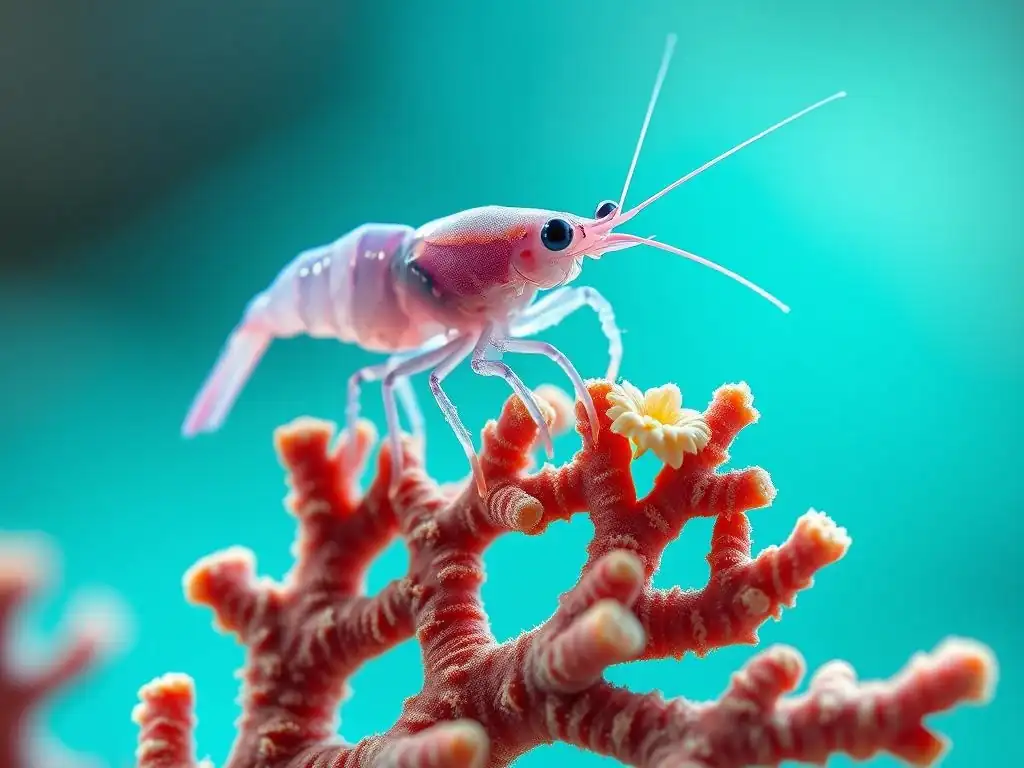
Selecting healthy Peppermint shrimp is a foundational step in ensuring successful Aiptasia shrimp best practices. When visiting your local fish store, observe the shrimp carefully before making a purchase. Look for individuals that are active and alert, moving around their holding tank rather than remaining lethargic or hidden. Their bodies should appear clear and translucent, free from any cloudy patches, white spots, or visible parasites. All antennae and legs should be intact and moving fluidly.
Avoid shrimp that appear stressed, are missing appendages, or have any signs of physical damage or disease. It is also beneficial, if possible, to observe the shrimp in the store tank for any signs of Aiptasia consumption, though this is often difficult in a retail setting. Purchasing from a reputable dealer who maintains clean tanks and practices good husbandry will significantly increase your chances of acquiring healthy and effective Aiptasia-eating shrimp, setting a positive precedent for your Aiptasia shrimp best practices journey.
Quarantine and Observation Procedures
To safeguard your existing reef tank inhabitants, implementing a quarantine procedure for all new livestock, including Peppermint shrimp, is a highly recommended Aiptasia shrimp best practices measure. While shrimp are less likely to carry common fish diseases like Ich or marine velvet, they can still introduce bacterial infections, unwanted parasites, or even other pest invertebrates. A dedicated quarantine tank, even a small 5 to 10-gallon setup with a heater, air stone, and a small piece of inert live rock or PVC for shelter, provides a safe environment for observation.
During the quarantine period, typically 2 to 4 weeks, you can closely monitor the shrimp for any signs of illness, stress, or unusual behavior without risking the health of your main display tank. This allows the shrimp to recover from the stress of transportation and acclimate to new water parameters gradually. If any issues arise, they can be addressed in the isolated environment, preventing potential outbreaks in your established reef. This proactive approach minimizes risks and ensures that only healthy, robust shrimp are introduced to your main system, contributing to long-term success in Aiptasia shrimp best practices.
Acclimation to Reef Tank Conditions
Proper acclimation is absolutely crucial for the survival of Peppermint shrimp, as they are highly sensitive to sudden changes in salinity, temperature, and pH. A rapid shift in water parameters can lead to osmotic shock, which is often fatal for delicate invertebrates. The drip acclimation method is universally recommended as the best Aiptasia shrimp best practices for introducing new shrimp to your reef tank.
Begin by floating the sealed bag containing the shrimp in your sump or display tank for 15-30 minutes to equalize the water temperature. After temperature equalization, carefully open the bag and pour the shrimp and their original water into a clean bucket or container. Using an airline tube, start a slow drip of water from your display tank into the bucket, aiming for a rate of 1-2 drops per second.
Allow the water volume in the bucket to slowly increase, ideally to three or four times its original volume, over a period of 1 to 2 hours. Once acclimation is complete, gently net the shrimp and introduce them into your display tank, discarding the acclimation water (never add it to your main tank) to prevent the introduction of unwanted contaminants.
Creating an Optimal Environment for Peppermint Shrimp
Water Parameters for Shrimp Health and Effectiveness
Maintaining stable and optimal water parameters is fundamental for the health and effectiveness of Peppermint shrimp, directly impacting your Aiptasia shrimp best practices. These invertebrates thrive in conditions mirroring a healthy reef environment. Ideal salinity should be maintained between 1.023 and 1.026 specific gravity, or 32-35 parts per thousand (ppt). The temperature range should be kept stable between 72-78°F (22-25.5°C). pH levels should remain within 8.1-8.4, and ammonia and nitrite must always be undetectable (0 ppm) as even small amounts are highly toxic to shrimp.
While shrimp are tolerant of slightly higher nitrates, keeping levels below 10-20 ppm is advisable for overall reef health and to encourage Aiptasia consumption, as high nutrients can sometimes lead to Aiptasia proliferation. Additionally, ensuring stable levels of calcium (400-450 ppm), alkalinity (8-12 dKH), and magnesium (1250-1350 ppm) is important for their molting process and overall skeletal health. Consistent monitoring with reliable test kits and regular water changes are essential to maintain these parameters, creating an environment where your Peppermint shrimp can thrive and effectively carry out their Aiptasia-eating duties.
Compatible and Incompatible Tank Mates
The success of your Aiptasia shrimp best practices also hinges on the compatibility of your Peppermint shrimp with other tank inhabitants. Generally, Peppermint shrimp are peaceful and can coexist with most common, non-aggressive reef fish such as clownfish, gobies, blennies, and peaceful wrasses. They also integrate well with other members of the clean-up crew like snails, hermit crabs, and various filter feeders. Their nocturnal nature often allows them to avoid direct confrontations with daytime active fish.
However, certain fish and invertebrates are known predators of shrimp and should be avoided. These include large predatory fish such as triggerfish, hawkfish, lionfish, large wrasses (e.g., adult six-line wrasses, large hogfish), some puffers, and certain types of aggressive crabs like Sally Lightfoot crabs or large emerald crabs. Even seemingly peaceful fish might opportunistically prey on shrimp, especially immediately after a molt when the shrimp's exoskeleton is soft and vulnerable. Careful consideration of tank mates is crucial to prevent your valuable Aiptasia-eating assets from becoming a meal, thus ensuring the long-term effectiveness of your Aiptasia shrimp best practices.
Providing Adequate Shelter and Hiding Spots
Peppermint shrimp, like most invertebrates, require ample shelter and hiding spots within the aquarium to feel secure and thrive. This is particularly important for their survival during molting, a process where they shed their old exoskeleton to grow. During this period, they are extremely vulnerable to predation as their new exoskeleton is soft and takes time to harden. Providing adequate crevices, caves, and overhangs within your live rock structure is an essential Aiptasia shrimp best practices component.
You can enhance their sense of security by strategically arranging live rock to create numerous nooks and crannies. Even small pieces of PVC pipe hidden within the rockwork can serve as excellent, safe havens. These hiding spots not only protect them from potential predators but also reduce stress, allowing the shrimp to feel more comfortable and active in their environment. A stress-free shrimp is a more effective shrimp, contributing directly to its ability to actively seek out and consume Aiptasia, thereby maximizing the impact of your Aiptasia shrimp best practices.
Aiptasia Eradication with Peppermint Shrimp: A Practical Approach
Determining the Appropriate Number of Shrimp
One of the most common questions in Aiptasia shrimp best practices is how many shrimp are needed for effective control. The appropriate number of Peppermint shrimp depends largely on the size of your aquarium and the density of the Aiptasia infestation. A general rule of thumb suggests starting with one Peppermint shrimp per 10-20 gallons of tank volume for a moderate infestation. For example, a 50-gallon tank with a moderate Aiptasia problem might benefit from 3-5 shrimp, while a 100-gallon tank with widespread Aiptasia could require 5-10 or even more shrimp to make a significant impact.
In cases of very heavy infestations, a higher stocking density, perhaps one shrimp per 5-10 gallons, might be necessary to overwhelm the Aiptasia population. Many aquarists report significant Aiptasia reduction within 2-4 weeks when stocking 1 shrimp per 15 gallons in tanks with moderate infestations, while one or two shrimp might only make a dent in a larger population.
It's often better to start with a slightly higher number and observe their effectiveness, as adding more later can be more challenging if the Aiptasia population spirals out of control. This strategic stocking is a key element of successful Aiptasia shrimp best practices.
Monitoring Consumption and Shrimp Behavior
Once Peppermint shrimp are introduced, consistent monitoring is crucial to assess their effectiveness and adjust your Aiptasia shrimp best practices as needed. Observe your tank regularly, particularly during the evening or early morning hours when the nocturnal shrimp are most active. Look for a noticeable reduction in the size and number of Aiptasia anemones over several days to weeks. Pay attention to the shrimp's behavior; they should be actively exploring the rockwork, especially in areas where Aiptasia are present.
If, after a few weeks, you notice that Aiptasia are still abundant, proliferating, or that the shrimp seem lethargic or uninterested, it's time to re-evaluate. This could indicate an insufficient number of shrimp, overfeeding, or underlying stress factors. Sometimes, shrimp may target smaller Aiptasia first, leaving larger ones until later. Consistent observation allows you to make informed decisions, such as adding more shrimp or modifying your feeding schedule, ensuring your Aiptasia shrimp best practices remain on track for effective eradication.
Supplemental Feeding After Aiptasia Control
A common oversight in Aiptasia shrimp best practices is neglecting the shrimp's diet once the Aiptasia population has been significantly reduced or eradicated. While Peppermint shrimp are excellent Aiptasia predators, they are also scavengers and will need alternative food sources to remain healthy and active once their primary food source is gone. If left unfed, they may become stressed, weaken, or, in rare cases, begin to pick at corals if extremely hungry, though this behavior is not typical for Lysmata wurdemanni.
Once Aiptasia are under control, begin offering small, meaty foods a few times a week. Excellent options include frozen mysis shrimp, brine shrimp, finely chopped seafood (like shrimp or squid), or high-quality pellet foods. Feed sparingly to avoid overfeeding and impacting water quality. Providing supplemental nutrition ensures your Peppermint shrimp remain robust, contributing to the overall health of your clean-up crew and preventing them from seeking alternative, potentially undesirable, food sources within your reef tank. This proactive feeding strategy is vital for long-term Aiptasia shrimp best practices.
Troubleshooting: Addressing Ineffective Aiptasia Consumption
Insufficient Shrimp Quantity
The most frequent reason for ineffective Aiptasia consumption, even when following other Aiptasia shrimp best practices, is simply having too few shrimp for the size of the infestation. If you've introduced Peppermint shrimp and are not seeing a noticeable decline in Aiptasia numbers after a few weeks, especially in a tank with a moderate to severe outbreak, the solution is often straightforward: add more shrimp.
While a general guideline of 1 shrimp per 10-20 gallons exists, a tank with 20-30 small Aiptasia might require at least 3-4 Peppermint shrimp to see significant results within a month, whereas one or two shrimp might only make a minimal impact on the population.
It's crucial to assess the actual Aiptasia population and density. A small number of shrimp in a heavily infested tank will be overwhelmed and unable to keep up with the Aiptasia's rapid reproduction rate. Increasing the shrimp population provides a larger hunting force, allowing them to systematically clear the anemones more efficiently. This often proves to be the quickest and most effective adjustment when initial efforts fall short, solidifying its place as a key troubleshooting step in Aiptasia shrimp best practices.
Overfeeding and Reduced Aiptasia Consumption
Paradoxically, too much food can hinder your Peppermint shrimp's Aiptasia-eating efforts. If your shrimp are consistently well-fed on other sources, such as excess fish food, detritus, or supplemental feedings, their motivation to actively seek out and consume Aiptasia will naturally decrease. A full shrimp is a less hungry shrimp, and thus a less effective predator. This scenario is a common pitfall in Aiptasia shrimp best practices that aquarists sometimes overlook.
If you suspect overfeeding is the issue, temporarily reduce or even cease supplemental feeding for a few days to a week. This will encourage the shrimp to forage more aggressively for natural food sources, including Aiptasia. Monitor your water parameters during this period to ensure there are no adverse effects. Once Aiptasia consumption picks up, you can gradually reintroduce supplemental feeding, but in smaller, more controlled amounts, ensuring that the shrimp remain slightly hungry enough to prioritize the pest anemones. Balancing feeding is a delicate but crucial part of successful Aiptasia shrimp best practices.
Identifying and Mitigating Stress Factors
Stress can significantly reduce a Peppermint shrimp's activity levels, appetite, and overall effectiveness in consuming Aiptasia. A stressed shrimp is likely to hide more, become lethargic, and show little interest in foraging for pests. Identifying and mitigating these stress factors is therefore a vital component of effective Aiptasia shrimp best practices. Common stressors include poor water quality, the presence of incompatible or aggressive tank mates, inadequate hiding spots, and sudden or drastic changes in water parameters (e.g., temperature swings, salinity fluctuations).
Begin by meticulously checking all your water parameters – salinity, temperature, pH, ammonia, nitrite, and nitrate – and address any imbalances promptly. Ensure that your tank has plenty of secure hiding places and consider the behavior of your other tank inhabitants. If you have a fish known to nip at or chase shrimp, you might need to reconsider its place in your tank.
Observe the shrimp for signs of stress such as unusual molting patterns (e.g., failed molts), discoloration, or prolonged periods of inactivity. By creating a stable, safe, and optimal environment, you empower your Peppermint shrimp to perform their crucial role in Aiptasia control effectively.
Alternative Aiptasia Control Methods
Chemical Treatments: Considerations and Risks
While Peppermint shrimp are a preferred method in Aiptasia shrimp best practices, aquarists sometimes turn to chemical treatments for stubborn or isolated Aiptasia. Products like Aiptasia-X or Red Sea Aiptasia Control work by injecting a concentrated solution directly into the anemone, causing it to retract and dissolve. These treatments can be effective for spot-treating individual Aiptasia that are easily accessible and not too numerous.
However, chemical treatments come with significant considerations and risks. An overdose or imprecise application can harm other desirable tank inhabitants, including corals and beneficial invertebrates. The decaying Aiptasia can release nutrients (nitrates and phosphates) into the water, potentially fueling nuisance algae blooms. Furthermore, a stressed Aiptasia, when injected, may release larvae or spores, leading to a population explosion of new, smaller anemones. For these reasons, chemical treatments are generally best reserved for very few, isolated Aiptasia, and used with extreme caution, often as a last resort or in conjunction with biological methods.
Manual Removal: Limitations and Techniques
Manual removal involves physically removing Aiptasia from the aquarium. Techniques include scraping them off the rockwork, siphoning them out, or even removing an affected piece of live rock for a targeted freshwater dip. While seemingly straightforward, manual removal has significant limitations and can often exacerbate the Aiptasia problem rather than solve it.
The primary risk associated with manual removal is fragmentation. Aiptasia are incredibly resilient, and even a tiny fragment of tissue left behind can regenerate into a new, full-sized anemone. Scraping them off often leads to numerous small pieces scattering throughout the tank, resulting in a population explosion of new Aiptasia within days or weeks.
For this reason, manual removal is generally not recommended as a primary Aiptasia shrimp best practices method. It is only advisable for very few, isolated Aiptasia that can be completely and cleanly removed without any fragmentation, such as carefully siphoning a single anemone from a smooth surface.
Other Biological Control Options: Berghia Nudibranchs and Fish
Beyond Peppermint shrimp, other biological control options exist for Aiptasia, though each comes with its own set of considerations. Berghia Nudibranchs ( Berghia verrucicornis) are highly specialized Aiptasia predators. They are exceptionally effective at consuming Aiptasia of all sizes and will typically clear a tank completely.
However, they are expensive, often difficult to acquire, nocturnal, and have a very specific diet; once all Aiptasia are gone, they will starve unless continually provided with their specific food source. They are best suited for severe, widespread Aiptasia infestations where other methods have failed, and the aquarist is prepared for their specific care requirements.
Certain fish species, particularly some butterflyfish like the Copperband Butterflyfish ( Chelmon rostratus), are known to occasionally pick at Aiptasia. While they can be effective in some cases, they are not always reef-safe and may nip at desirable corals or other invertebrates. They can also be challenging to keep in a home aquarium, requiring specific diets and conditions. Due to their unpredictable nature and potential for harm to other tank inhabitants, fish are generally not recommended as a primary solution for Aiptasia control for most reef aquarists, making Aiptasia shrimp best practices a more reliable and widely applicable choice.
Long-Term Peppermint Shrimp Care
Water Quality Management and Parameter Stability
Long-term success with Peppermint shrimp, and indeed any reef tank inhabitant, hinges on consistent water quality management and parameter stability. As outlined previously, maintaining ideal ranges for salinity (1.023-1.026 SG), temperature (72-78°F), pH (8.1-8.4), and undetectable levels of ammonia and nitrite is paramount. Regular testing with reliable kits allows you to monitor these parameters and make timely adjustments.
Routine water changes, typically 10-20% bi-weekly or monthly, are crucial for replenishing essential trace elements that shrimp utilize for molting and overall health, while simultaneously diluting nitrates and other accumulated waste products. Stable water parameters minimize stress on the shrimp, ensuring they remain active, healthy, and effective members of your clean-up crew. This proactive approach to water quality is a cornerstone of sustainable Aiptasia shrimp best practices.
Avoiding Copper-Based Treatments
A critical, non-negotiable aspect of Aiptasia shrimp best practices is the absolute avoidance of copper-based medications or treatments in your reef aquarium. Copper, while effective against certain fish parasites, is highly toxic to all invertebrates, including Peppermint shrimp, snails, crabs, and corals. Even trace amounts of copper, often as low as 0.1 ppm, can be lethal to most ornamental shrimp species within a few hours to days.
If you need to treat fish for parasitic infections that require copper, it is imperative to remove the fish to a separate hospital tank for treatment. Never administer copper directly into your main reef tank. Always check the ingredients of any new product you introduce to your aquarium – from medications to water conditioners – to ensure it does not contain copper or other heavy metals that are harmful to invertebrates. This vigilance is essential for the long-term survival and well-being of your Peppermint shrimp and the entire reef ecosystem.
Recognizing Signs of Illness and Disease
Observing your Peppermint shrimp regularly for signs of illness or disease is important for their long-term care. Healthy shrimp are typically active, have clear bodies, and molt successfully. Signs of illness can include lethargy, prolonged hiding, loss of appetite, discoloration (e.g., cloudy or opaque body), unusual molting patterns (such as a failure to completely shed their exoskeleton, often seen as a ring around their body), or the presence of white spots or fuzzy growths (indicating parasites or fungal/bacterial infections).
If you notice signs of illness, the first step is to re-evaluate your water parameters to ensure they are optimal and stable. Often, poor water quality is a primary stressor that weakens a shrimp's immune system. If possible, isolating a sick shrimp in a small quarantine tank can prevent potential spread to other invertebrates. Avoid using broad-spectrum medications not specifically formulated for invertebrates, as many common treatments can be harmful. Prevention through excellent husbandry, including stable water parameters and a compatible environment, remains the best defense against disease, upholding the principles of Aiptasia shrimp best practices.
The Broader Role of Peppermint Shrimp in Reef Ecology
Integration into a Reef Tank Clean-Up Crew
While their primary fame lies in their Aiptasia-eating prowess, Peppermint shrimp are far more than just pest control agents; they are valuable, multifaceted members of a reef tank's clean-up crew. Beyond their specific appetite for glass anemones, these industrious invertebrates are opportunistic scavengers. They actively forage for and consume detritus, uneaten fish food, and small amounts of nuisance algae that accumulate on live rock and substrate.
Their contribution to the overall cleanliness of the aquarium helps to reduce the build-up of organic waste, which in turn aids in nutrient cycling and helps maintain pristine water quality. By consuming decaying matter, they prevent the release of excess nitrates and phosphates, which can fuel undesirable algal blooms. Integrating Peppermint shrimp alongside other beneficial scavengers like snails (e.g., Nassarius, Trochus, Turbo snails) and hermit crabs creates a diverse and efficient clean-up crew that continuously works to maintain a healthy, balanced, and aesthetically pleasing reef environment.
Contributions to a Balanced Reef Ecosystem
The presence of Peppermint shrimp extends beyond mere waste removal; they play a significant role in fostering a balanced and resilient reef ecosystem within the confines of an aquarium. By effectively controlling Aiptasia populations, they prevent these aggressive pests from outcompeting and stinging desirable corals, thereby preserving the diversity and health of the coral inhabitants. This proactive pest management reduces the need for manual intervention or the use of chemical treatments, which can be disruptive to the delicate biological balance of the tank.
Their consistent scavenging activities contribute to nutrient export and the breakdown of organic matter, which helps prevent nutrient build-up that can lead to outbreaks of nuisance algae and cyanobacteria. In essence, by keeping undesirable organisms in check and participating in the natural recycling of nutrients, Peppermint shrimp help to create a more stable and self-sustaining micro-ecosystem. Their presence encourages a healthier, more natural reef environment, underscoring the holistic benefits derived from following Aiptasia shrimp best practices and integrating these fascinating invertebrates into your aquatic world.
Conclusion: Utilizing Peppermint Shrimp for Effective Aiptasia Control
The Future of Biological Pest Control in Reef Keeping
Peppermint shrimp, specifically Lysmata wurdemanni, stand out as an indispensable tool in the arsenal of any reef aquarist battling Aiptasia. Their natural predatory instinct, combined with their generally reef-safe nature and ease of care, makes them a cornerstone of effective Aiptasia shrimp best practices.
By understanding how to select, acclimate, and care for these industrious invertebrates, aquarists can harness their power to maintain a pristine, pest-free reef environment without resorting to harsh chemicals or risky manual removal methods. Their role extends beyond simple pest control, as they actively contribute to the overall health and balance of the reef ecosystem as part of a robust clean-up crew.
Looking ahead, the emphasis on biological pest control in reef keeping is likely to grow. As aquarists strive for more sustainable and natural methods of managing their captive ecosystems, the demand for effective, species-specific predators like the Peppermint shrimp will only increase.
Ongoing research may lead to the discovery of other specialized biological controls or even the selective breeding of more potent strains of existing predators. The success achieved with Peppermint shrimp in controlling Aiptasia serves as a testament to the power of working with nature, rather than against it, fostering a future where reef aquariums are not only beautiful but also ecologically balanced and resilient through advanced Aiptasia shrimp best practices.
Frequently Asked Questions
What are Aiptasia and why are they a problem in reef aquariums?
Aiptasia are nuisance anemones that can quickly overpopulate a reef tank. They sting corals and compete for resources, harming your reef ecosystem.
How do Peppermint Shrimp help control Aiptasia?
Peppermint Shrimp are known to be natural predators of Aiptasia. They actively hunt and consume these anemones, helping to keep their population in check.
Are all Peppermint Shrimp guaranteed to eat Aiptasia?
No, not all Peppermint Shrimp will eat Aiptasia. Some individuals may show no interest in them, and there are also look-alike species that are not effective.
What are some best practices for introducing Peppermint Shrimp to my aquarium?
Acclimate them slowly to your tank's water parameters. Observe them carefully to ensure they are actively hunting Aiptasia and are not being harassed by other tank inhabitants.
Besides Peppermint Shrimp, what other methods can I use to control Aiptasia?
Other methods include chemical treatments like Aiptasia-X, biological controls such as certain fish, and physical removal although this is often difficult and may spread the anemones.
Final Reflection: The Tiny Guardians of Our Reefs
The journey through understanding Aiptasia shrimp best practices reveals more than just effective pest control; it unveils the delicate balance within our reef ecosystems and the profound impact even the smallest creatures can have. The information shared underscores the importance of responsible reef keeping, highlighting how informed decisions can lead to thriving, healthy aquatic environments.
This exploration into the world of peppermint shrimp has not only provided practical solutions but has also deepened our appreciation for the intricate web of life within our aquariums. The ongoing battle against Aiptasia serves as a constant reminder of the interconnectedness of every element in our reef tanks, and the responsibility we bear as custodians of these miniature oceans. In nature, nothing exists alone.
- Rachel Carson. This quote perfectly encapsulates the symbiotic relationships that define a healthy reef, and the peppermint shrimp's role is a testament to this truth.
Now, armed with knowledge and a renewed sense of responsibility, consider the power you hold to cultivate a thriving reef. Reflect on the lessons learned about careful introduction, observation, and the importance of maintaining a balanced ecosystem. Embrace these Aiptasia shrimp best practices not just as a solution to a problem, but as a pathway to a deeper understanding and appreciation for the wonders of the underwater world you've chosen to nurture.
Unleash the Power of Peppermint Shrimp!
Thanks for diving into the world of peppermint shrimp and their amazing aiptasia-eating abilities! Now that you know how these little crustaceans can help keep your reef tank healthy, let's put that knowledge into action.
Here's how you can take the next step:
- Start by carefully assessing your aiptasia problem and determining the right number of peppermint shrimp for your tank. A well-planned introduction is key to success!
- Explore local fish stores or reputable online vendors to find healthy, vibrant peppermint shrimp. Ask about their aiptasia-eating history if possible!
- Share this article with fellow reefing enthusiasts! Help spread the word about this natural and effective solution for aiptasia control.
Ready to introduce peppermint shrimp to your reef tank and say goodbye to aiptasia?