
Hybrid Cichlids: The Ethics and Risks of CrossBreeding Mbuna & Peacocks

Welcome to Aquarium Mastery!
Ever wondered what happens when the vibrant world of cichlids gets a little too adventurous? Dive deep with us into the captivating, yet complex, topic of ethical cichlid crossbreeding risks. Are hybrid Mbuna and Peacocks a dazzling display of nature's artistry, or a potential threat to the integrity of these magnificent fish? Let's explore the implications and discover the responsible path forward in the world of aquarium keeping. Intrigued? Keep reading!
- Understanding Hybrid Cichlids: A Growing Concern in the Aquarium Hobby
- The Ethical Implications of Cichlid Crossbreeding
- The Risks Associated with Hybrid Cichlids
- Crossbreeding Mbuna and Peacocks: A Specific Case Study
- Identifying Hybrid Cichlids: Key Indicators
- Preventing Unintentional Cichlid Hybridization
- The Future of Cichlid Keeping: Promoting Responsible Practices
- Alternatives to Hybrid Cichlids: Exploring Stunning Purebred Varieties
-
Frequently Asked Questions
- What are the primary ethical concerns surrounding cichlid crossbreeding, particularly with Mbuna and Peacocks?
- What are the potential risks to the aquarium hobby associated with widespread cichlid crossbreeding?
- How does cichlid crossbreeding impact conservation efforts for wild cichlid populations?
- What factors should aquarists consider before attempting to crossbreed cichlids?
- Where can aquarists find reliable information to ensure they are practicing ethical and responsible cichlid keeping?
- Final Reflection: Navigating the Murky Waters of Hybridization
- Unleash Your Inner Aquarist: Embrace Ethical Cichlid Keeping!
Understanding Hybrid Cichlids: A Growing Concern in the Aquarium Hobby
What are Hybrid Cichlids and Why are They Created?
Hybrid cichlids are the offspring resulting from the interbreeding of two distinct species or subspecies. In the aquarium hobby, these are often created either intentionally by breeders seeking novel color patterns and traits, or unintentionally by hobbyists keeping multiple cichlid species in a single tank where cross-spawning occurs. The primary motivation for intentional creation often stems from a desire to produce fish with unique appearances that may appeal to a broader market, such as the vibrant yet often unpredictable color combinations seen in some hybrid strains.
Beyond aesthetics, there can be a commercial incentive. Some breeders aim to produce fish that grow faster or exhibit different body shapes, which can sometimes be achieved through hybridization, although often at the expense of genetic integrity. These hybrid creations are then sold to aquarists, sometimes without clear disclosure of their mixed lineage, leading to a proliferation of non-purebred fish in the market and raising questions about ethical cichlid crossbreeding risks.
The Appeal of Unique Cichlid Coloration and Patterns
The allure of hybrid cichlids largely lies in their often-unpredictable and sometimes striking coloration and patterns that do not exist in pure species. For instance, a cross between a blue Aulonocara (Peacock) and a yellow Labidochromis caeruleus (Electric Yellow Mbuna) might yield offspring with a unique greenish-yellow hue or an unusual blend of blue and yellow markings. This novelty can be highly attractive to aquarists looking for something different or a fish that stands out in their display tank.
This pursuit of unique aesthetics, however, often overlooks the underlying genetic and ethical considerations. While a pure Metriaclima estherae (Red Zebra Mbuna) displays a consistent fiery orange or red, and a pure Aulonocara stuartgranti (Ngara Flametail Peacock) boasts distinct blue and red patterns, hybrids can present a chaotic mix. This visual appeal, though superficial, drives demand and contributes to the ethical cichlid crossbreeding risks prevalent in the trade.
Distinguishing Hybrid Cichlids from Pure Species
Distinguishing hybrid cichlids from pure species can be incredibly challenging, even for experienced aquarists. Hybrids typically display a mosaic of traits from their parent species, making their identification ambiguous. For example, a hybrid might have the body shape of one parent but the fin structure or a diluted color pattern of the other, making it difficult to match to any known pure species profile.
Accurate identification requires a deep understanding of the specific characteristics of numerous pure cichlid species, including subtle differences in finnage, scale patterns, and adult size. Without this specialized knowledge, it's easy for aquarists to unknowingly purchase or breed hybrids. This difficulty in identification exacerbates the ethical cichlid crossbreeding risks, as misidentified fish can perpetuate the problem through further unintended breeding.
The Ethical Implications of Cichlid Crossbreeding
The Impact on Genetic Integrity of Mbuna and Peacock Cichlids
The crossbreeding of Mbuna and Peacock cichlids, or any distinct cichlid species, profoundly impacts their genetic integrity. Each cichlid species, whether it's a Maylandia zebra Mbuna or an Aulonocara jacobfreibergi Peacock, possesses a unique genetic blueprint developed over millennia in specific ecological niches within Lake Malawi. When these distinct species interbreed, their unique genetic markers become diluted and mixed, leading to a loss of the pure genetic lines.
This dilution means that future generations may not express the characteristic traits of either parent species purely, but rather an unpredictable blend. Over time, if widespread, this practice could lead to a significant reduction in the availability of genetically pure strains in the hobby, making it increasingly difficult for aquarists to acquire and maintain true-to-type fish. This erosion of genetic purity is a primary ethical cichlid crossbreeding risk.
Compromising Wild-Type Genetics: A Conservation Perspective
While most aquarium cichlids are captive-bred, the principle of maintaining wild-type genetics is critical from a conservation standpoint. Aquarists often serve as a living gene bank for species that might face threats in their natural habitats. By preserving pure strains, the hobby contributes to biodiversity and offers a potential source for reintroduction programs, should they ever be needed.
Uncontrolled hybridization directly undermines this conservation role. If the genetic purity of captive populations is compromised, their value as a genetic reservoir diminishes significantly. This poses a long-term ethical cichlid crossbreeding risk, as it reduces our collective ability to support the preservation of these magnificent fish in their purest forms, both in aquaria and potentially in the wild.
Misrepresentation and Deception in the Aquarium Trade
A significant ethical concern surrounding hybrid cichlids is the misrepresentation and deception prevalent within some segments of the aquarium trade. Hybrids are often sold without proper labeling or, in some cases, are intentionally marketed as rare, exotic, or newly discovered pure species to command higher prices. This practice misleads consumers who believe they are acquiring a specific, purebred cichlid.
This lack of transparency not only financially disadvantages the buyer but also contributes to the unwitting proliferation of hybrids within the hobby. Aquarists who purchase mislabeled fish may unknowingly breed them, further spreading diluted genetics. This deception erodes trust between hobbyists and suppliers, highlighting the pressing need for greater accountability regarding ethical cichlid crossbreeding risks.
Responsible Breeding Practices: Maintaining Species Purity
Responsible breeding practices are paramount to mitigating the ethical cichlid crossbreeding risks. These practices prioritize the maintenance of species purity and genetic integrity above all else. This involves meticulous record-keeping of lineage, ensuring that breeding pairs are unequivocally purebred, and maintaining strict single-species tanks to prevent accidental crossbreeding.
Breeders committed to ethical standards invest significant effort in researching and verifying the origins of their stock, often sourcing directly from reputable, well-documented lines. By adhering to these principles, responsible breeders not only preserve the distinct characteristics of each cichlid species but also uphold the long-term health and vitality of the entire cichlid hobby, ensuring that future generations of aquarists can enjoy truly pure and authentic fish.
The Risks Associated with Hybrid Cichlids
Genetic Instability and Unpredictable Traits
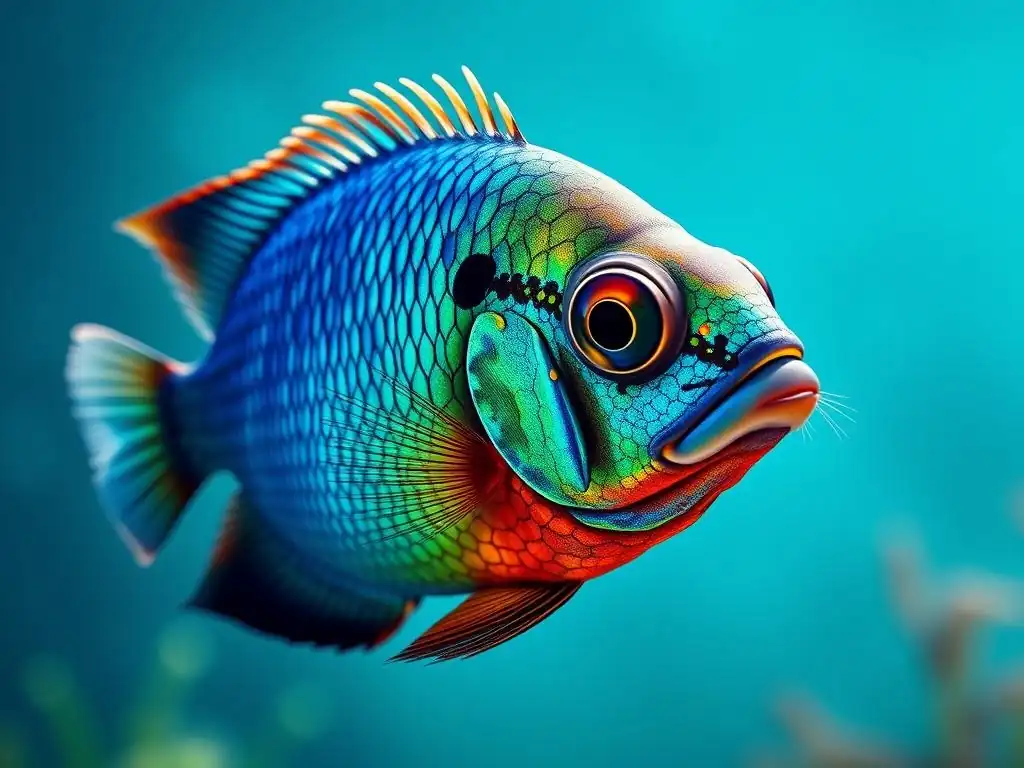
One of the primary risks of hybrid cichlids is their inherent genetic instability, which often leads to unpredictable traits. When two distinct species interbreed, the resulting offspring may not inherit the best characteristics of either parent. Instead, they might exhibit compromised immune systems, reduced fertility, or even physical deformities such as malformed jaws, curved spines, or abnormal fin development. For example, some hybrid crosses between Aulonocara and Maylandia have shown a higher incidence of stunted growth or susceptibility to conditions like Malawi Bloat due to their mixed genetic makeup.
Furthermore, the desired vibrant coloration that motivates many hybridizations often fails to materialize consistently. Instead of a stunning new color, many hybrid offspring display dull, "muddy," or indistinct patterns that are less appealing than the pure parent species. This unpredictability means that a significant portion of a hybrid spawn may be undesirable, leading to difficult decisions for the aquarist regarding their welfare and disposal.
Increased Susceptibility to Diseases in Hybrid Cichlids
Hybrid cichlids often exhibit an increased susceptibility to diseases compared to their purebred counterparts. This vulnerability stems from a potential lack of genetic robustness and adaptive capabilities that pure species have developed over generations in specific environments. While purebred fish have evolved strong immune responses to common pathogens within their natural range, hybrids may lack this finely tuned defense mechanism.
Anecdotal evidence from the hobby suggests that hybrid strains frequently experience higher rates of common cichlid ailments such as Ich (white spot disease), fungal infections, and particularly Malawi Bloat, a severe digestive disorder often linked to stress and diet. This heightened vulnerability translates to more frequent health issues, increased medication costs, and a shorter lifespan for the fish, underscoring the welfare implications of ethical cichlid crossbreeding risks.
Aggression and Behavioral Problems in Hybrid Offspring
The behavioral traits of hybrid cichlids can be highly unpredictable and often problematic. Mbuna cichlids are known for their high levels of aggression, territoriality, and strong social hierarchies, while Peacock cichlids are generally more docile and less confrontational. When these two groups are crossbred, the offspring can inherit an unpredictable blend of these temperaments, often resulting in an overly aggressive or unmanageable fish.
For instance, a hybrid might combine the robust size and tenacity of a Mbuna with the predatory instincts of some Peacock species, leading to a fish that is excessively dominant and bullies or even kills tank mates. This heightened and unpredictable aggression can destabilize an entire aquarium, making it challenging to maintain a peaceful community and posing significant ethical cichlid crossbreeding risks to the well-being of all fish involved.
Difficulty in Identifying and Classifying Hybrid Cichlids
The difficulty in accurately identifying and classifying hybrid cichlids presents a significant challenge for aquarists and the hobby as a whole. Because hybrids display a mix of parental traits, they rarely fit the established descriptions of any known pure species. This makes it almost impossible to determine their specific care requirements, adult size, or precise temperament, as these are often species-specific.
This inability to classify also hinders responsible breeding. Without knowing the exact lineage, aquarists might unknowingly breed hybrids with other fish, further diluting genetic lines and perpetuating the problem. The lack of clear identification also impacts the scientific understanding of cichlid genetics and behavior, as undocumented hybrids obscure natural patterns and relationships, adding to the ethical cichlid crossbreeding risks.
Crossbreeding Mbuna and Peacocks: A Specific Case Study
Why Mbuna and Peacock Cichlids are Commonly Crossbred
Mbuna and Peacock cichlids are among the most commonly crossbred groups in the aquarium hobby, primarily due to their shared origin in Lake Malawi and their similar breeding behaviors. Despite belonging to distinct genera (e.g., Maylandia or Labidochromis for Mbuna, and Aulonocara for Peacocks), they can readily interbreed in the confined environment of an aquarium. This ease of cross-spawning, coupled with a desire for novel color combinations, drives much of the intentional and unintentional hybridization.
Many aquarists, particularly beginners, may house a mix of Mbuna and Peacocks in the same tank, unaware of the significant ethical cichlid crossbreeding risks. The male cichlids, driven by instinct, will attempt to breed with any available female, regardless of species, leading to hybrid offspring. The visual appeal of combining the robust, active nature of Mbuna with the iridescent, often more elongated Peacocks also contributes to their frequent mixing.
The Resulting Hybrid Traits: Coloration, Temperament, and Size
The traits of Mbuna x Peacock hybrids are notoriously unpredictable. In terms of coloration, offspring often exhibit a "muddy" or washed-out appearance, lacking the crisp, defined patterns and vibrant hues of pure species. For example, a pure Aulonocara stuartgranti (Ngara Flametail) boasts distinct blue and red, while a hybrid might display an indistinct, dull purplish-brown. The desired bright yellows or blues often become diluted or mottled.
Behaviorally, hybrids can inherit an unfortunate combination of traits: the high aggression and territoriality of Mbuna, coupled with the larger size potential of some Peacock species. This can result in an extremely dominant and disruptive fish that relentlessly bullies or injures tank mates. Their adult size can also be unpredictable, sometimes exceeding the average size of either parent, further complicating tank stocking and management, adding to the ethical cichlid crossbreeding risks.
The Impact on Tank Dynamics and Community Aquariums
The introduction of Mbuna x Peacock hybrids can severely disrupt the delicate balance of a community aquarium. Their unpredictable and often heightened aggression can lead to chronic stress, injury, and even death for other fish in the tank. An overly aggressive hybrid might constantly chase and harass less dominant species, preventing them from feeding or finding adequate shelter, ultimately compromising their health and well-being.
This instability makes it incredibly challenging for aquarists to maintain a peaceful and thriving environment. Many hobbyists are forced to rehome aggressive hybrids, set up dedicated single-species tanks, or face the difficult reality of losing other valuable fish. The unforeseen challenges posed by these hybrids highlight the significant ethical cichlid crossbreeding risks and the importance of informed species selection for a harmonious aquarium.
Identifying Hybrid Cichlids: Key Indicators
Physical Characteristics: Examining Body Shape, Fin Structure, and Color Patterns
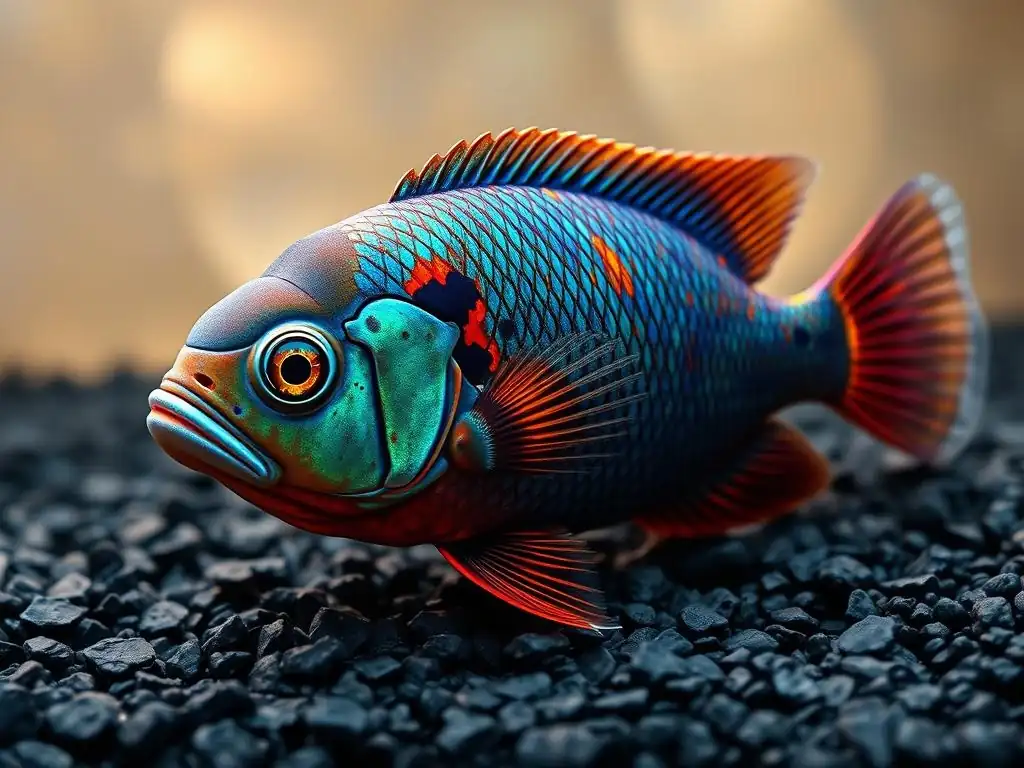
Identifying hybrid cichlids often involves a careful examination of their physical characteristics, as they tend to display a blend of traits from their parent species. For instance, pure Mbuna cichlids typically have a stockier, more robust body shape with rounded fins, and their coloration often features bold, distinct bars or patches, such as the clear black and blue bars of a Pseudotropheus demasoni. Peacock cichlids ( Aulonocara species), conversely, are generally more elongated, with pointed dorsal and anal fins, and exhibit iridescent, shimmering colors like the brilliant yellow of an Aulonocara baenschi.
A hybrid might show a mix: perhaps a slightly elongated body with the rounded fins of a Mbuna, or a Mbuna-like body with a dull, mixed iridescence. The most telling sign often lies in the color patterns—hybrids frequently have indistinct, blurred, or "dirty" coloration that doesn't match any known pure species. For example, a fish might have a vague blue-yellow wash rather than the crisp patterns of a pure Metriaclima estherae or a distinct Aulonocara.
Beyond physical appearance, behavioral clues can also strongly indicate a cichlid's hybrid nature. Pure Mbuna are predominantly herbivorous or omnivorous, constantly grazing on algae and asserting strong territoriality. Pure Peacocks are primarily insectivores or carnivores, sifting sand for food, and are generally less aggressive. A hybrid might exhibit unusual feeding habits, such as a fish resembling a Peacock aggressively grazing algae, or a fish that looks like a Mbuna but is unusually timid or, conversely, excessively aggressive for its apparent type.
Observing social interactions within the tank can also be revealing. A hybrid might display an unpredictable temperament, being either unusually dominant or submissive within a group of otherwise pure species. For instance, a hybrid might relentlessly chase fish much larger than itself or show an uncharacteristic lack of interest in defending a territory. These behavioral inconsistencies are often a strong indicator of mixed genetics and contribute to the ethical cichlid crossbreeding risks within a community tank.
Researching the Origin and Lineage of Your Cichlid
The most reliable method for confirming a cichlid's purity, or identifying it as a potential hybrid, is to thoroughly research its origin and lineage. Reputable breeders and suppliers maintain meticulous records of their fish's parentage, often able to trace back several generations to wild-caught or documented pure strains. This transparency is a hallmark of ethical breeding practices and provides critical assurance regarding the fish's genetic integrity.
When acquiring cichlids, always inquire about their source. Ask specific questions about the parents, whether they were wild-caught or captive-bred, and if the breeder maintains single-species tanks to prevent accidental crossbreeding. A seller who is unwilling or unable to provide this information, or whose fish exhibit highly variable appearances within a "species" group, should raise a red flag. Prioritizing documented lineage helps aquarists avoid the ethical cichlid crossbreeding risks associated with unknown or mixed ancestry.
Preventing Unintentional Cichlid Hybridization
Understanding Breeding Requirements and Compatibility
Preventing unintentional cichlid hybridization begins with a thorough understanding of their breeding requirements and compatibility. Mbuna and Peacock cichlids, despite belonging to different genera, share similar spawning triggers and behaviors, including the use of caves or flat rocks for egg deposition and mouthbrooding by the female. This natural compatibility, combined with the confined space of an aquarium, makes cross-species spawning remarkably easy.
Aquarists must recognize that if different species are housed together, particularly if there is an imbalance in male-to-female ratios or a lack of suitable mates of their own kind, cichlids will often attempt to breed with whatever is available. This inherent drive underscores the importance of intentional tank setup and species selection to avoid the ethical cichlid crossbreeding risks. Knowledge of specific species' natural breeding patterns is crucial for prevention.
Maintaining Single-Species Tanks for Mbuna and Peacocks
The most effective and widely recommended strategy to prevent unintentional cichlid hybridization is to maintain single-species tanks for Mbuna and Peacocks. This means housing only one distinct cichlid species in a given aquarium, thereby eliminating any possibility of interbreeding. For example, a tank dedicated solely to Labidochromis caeruleus (Electric Yellow Labs) ensures that any offspring will be purebred Electric Yellow Labs.
Beyond preventing hybridization, single-species tanks also allow aquarists to optimize water parameters, diet, and tank decor specifically for that species' needs, leading to healthier fish and more predictable behavior. While it may limit the number of different species an aquarist can keep, it is the most responsible approach to preserve genetic purity and avoid the ethical cichlid crossbreeding risks associated with mixed setups.
Carefully Sourcing Cichlids from Reputable Breeders
Carefully sourcing cichlids from reputable breeders is a cornerstone of preventing unintentional hybridization. Ethical breeders prioritize genetic purity and often specialize in specific species or groups, maintaining meticulous records of their fish's lineage. They take active measures to prevent crossbreeding, such as keeping breeding colonies in dedicated single-species tanks and documenting parentage.
Before purchasing cichlids, aquarists should research potential suppliers, read reviews, and ask detailed questions about their breeding practices. A reputable breeder will be transparent about the origin of their fish, their facility setup, and their commitment to species integrity. By choosing to support these ethical breeders, aquarists directly contribute to the preservation of pure cichlid lines and actively reduce the prevalence of hybrids in the hobby, mitigating ethical cichlid crossbreeding risks.
The Future of Cichlid Keeping: Promoting Responsible Practices
Educating Aquarists about Ethical Cichlid Crossbreeding Risks
The future of cichlid keeping hinges on a well-informed community of aquarists. Many newcomers, and even some experienced hobbyists, are simply unaware of the profound ethical cichlid crossbreeding risks and the long-term consequences of hybridization. Educational initiatives, such as detailed articles, community forums, and specialized clubs, play a vital role in disseminating this crucial information.
By raising awareness about genetic dilution, health problems, and behavioral issues associated with hybrids, aquarists can make more responsible and informed decisions. This collective understanding empowers hobbyists to avoid accidental hybridization, advocate for purebred species, and understand the broader implications for the genetic health of cichlids in captivity. Promoting education is the first step towards a more ethical and sustainable hobby.
Supporting Conservation Efforts for Wild Cichlid Populations
While most aquarium cichlids are captive-bred, supporting the maintenance of pure strains in captivity indirectly contributes to the conservation efforts for their wild counterparts. Captive populations of genetically pure cichlids can serve as invaluable genetic reservoirs, providing a safeguard against potential declines or extinctions in wild habitats. These "living gene banks" ensure that the unique genetic diversity of these species is preserved for future generations.
Aquarists can contribute to these conservation efforts by actively seeking out and purchasing only purebred fish from reputable sources. Additionally, participating in cichlid associations that promote species purity and responsible breeding practices helps to foster a community dedicated to genetic integrity. These actions, though seemingly small, collectively strengthen the long-term viability of cichlid species both within the aquarium hobby and, by extension, in their natural environments.
Choosing Purebred Species: Making Informed Decisions for Your Aquarium
Making informed decisions about the cichlids you choose for your aquarium is fundamental to promoting responsible practices. Opting for purebred species over hybrids offers numerous benefits: predictable growth rates, stable and well-documented coloration, consistent temperament, and a greater likelihood of long-term health. These predictable traits make purebred cichlids easier to care for and significantly more rewarding to keep.
Instead of seeking out "unique" hybrids, aquarists are encouraged to explore the immense and stunning diversity that already exists within purebred Mbuna and Peacock cichlids. There are hundreds of naturally occurring species and geographical variants, each with its own distinct beauty and fascinating behaviors, providing endless possibilities without the ethical compromises associated with hybrid crosses.
Alternatives to Hybrid Cichlids: Exploring Stunning Purebred Varieties
The Beauty and Diversity of Mbuna Cichlids
Mbuna cichlids, whose name translates to "rockfish" in Tonga, are renowned for their vibrant, bold colors and active, territorial behavior. Originating from the rocky shores of Lake Malawi, they thrive in environments with ample rockwork for hiding and establishing territories. Their natural diet primarily consists of algae and small invertebrates, and their colors range from brilliant blues and yellows to striking oranges and blacks.
The diversity within the Mbuna group is astonishing, offering a wide array of patterns and color morphs that are entirely natural and stunning. From the electric yellow of Labidochromis caeruleus to the intense blue and black barring of Pseudotropheus demasoni, Mbuna cichlids provide ample visual appeal without the need for crossbreeding. Their robust nature and engaging behaviors make them a captivating addition to any dedicated cichlid aquarium.
The Vibrant Colors of Peacock Cichlids
Peacock cichlids, belonging to the Aulonocara genus, are celebrated for their dazzling, iridescent, and often metallic coloration. These fish typically inhabit the sandy areas and open waters of Lake Malawi, distinguishing them from the rock-dwelling Mbuna. Peacocks are generally less aggressive than Mbuna and are primarily insectivores, sifting sand for small invertebrates.
Their natural colors span a breathtaking spectrum of blues, reds, yellows, and oranges, often shimmering under aquarium lights. The "Sunshine Peacock" ( Aulonocara stuartgranti 'Mdoka') with its radiant yellow body and blue highlights, or the "Eureka Red Peacock" ( Aulonocara jacobfreibergi 'Eureka') with its deep red body and blue face, exemplify the exquisite natural beauty available. These purebred varieties offer all the vibrancy an aquarist could desire, free from ethical cichlid crossbreeding risks.
Examples of Stunning Purebred Mbuna and Peacock Species
For aquarists seeking truly stunning fish without the ethical compromises of hybrids, numerous purebred Mbuna and Peacock species offer unparalleled natural beauty. Among Mbuna, the Melanochromis cyaneorhabdos (Maingano) is a striking example, boasting electric blue and black horizontal stripes. Another is the Cynotilapia afra (Jalo Reef), known for its distinct vertical black bars on a pale blue body. These species exemplify the crisp, defined patterns that make Mbuna so appealing.
In the Peacock category, the Aulonocara baenschi (Benga Yellow Peacock) stands out with its intense yellow body contrasting with blue facial markings. The Aulonocara korneliae (Korneliae Peacock) displays a captivating blend of blue, red, and orange hues, showcasing the genus's signature iridescence. These purebred species demonstrate that the natural world provides an abundance of vibrant and unique cichlids, rendering the creation of hybrids unnecessary and avoiding the associated ethical cichlid crossbreeding risks.
Frequently Asked Questions
What are the primary ethical concerns surrounding cichlid crossbreeding, particularly with Mbuna and Peacocks?
Ethical concerns center around the creation of unnatural hybrids that can dilute the genetic purity of wild-type species. This also fuels the demand for "designer" fish, potentially harming wild populations.
What are the potential risks to the aquarium hobby associated with widespread cichlid crossbreeding?
Widespread crossbreeding can lead to difficulty in identifying pure species and can create unpredictable temperaments in the resulting hybrids. This can result in increased aggression and incompatibility within the aquarium.
How does cichlid crossbreeding impact conservation efforts for wild cichlid populations?
Hybridization can contaminate gene pools if hybrids are released into the wild, disrupting local ecosystems. This undermines conservation strategies aimed at preserving the integrity of naturally occurring cichlid species.
What factors should aquarists consider before attempting to crossbreed cichlids?
Aquarists should consider the ethical implications, their ability to properly care for the offspring, and the potential impact on the overall hobby. They must have a clear understanding of genetics and responsible breeding practices.
Where can aquarists find reliable information to ensure they are practicing ethical and responsible cichlid keeping?
Aquarists should consult reputable sources like scientific journals, respected aquarium societies, and AquariumMastery.com for accurate information. These resources can guide them toward responsible breeding practices and species identification.
The exploration of hybrid cichlids, specifically the crossbreeding of Mbuna and Peacocks, reveals a complex ethical landscape that demands careful consideration. The allure of creating novel color patterns and unique fish is undeniable, yet the potential consequences for genetic integrity and the overall health of the aquarium hobby are profound. Ignoring these risks in pursuit of aesthetic novelty is a disservice to the delicate balance of the aquatic world and the responsible keeping of these fascinating creatures.
The creation and proliferation of hybrid cichlids have undeniably impacted the aquarium hobby, blurring the lines between natural beauty and artificial creation. This exploration has personally reinforced the importance of prioritizing conservation and ethical practices over fleeting trends. The ease with which these hybrids are produced and distributed often overshadows the long-term implications for the purity of wild populations and the potential for unforeseen health issues in these artificially created fish. The question is not, 'Can they reason?' nor, 'Can they talk?' but rather, 'Can they suffer?'
- Jeremy Bentham. This quote, often applied to animal welfare, resonates deeply when considering the potential suffering of hybrid cichlids bred without regard for their well-being.
As we conclude this examination of ethical cichlid crossbreeding risks, I urge you to reflect on your own role in the aquarium hobby. Are you contributing to the preservation of natural species, or inadvertently fueling the demand for potentially problematic hybrids? Consider the long-term consequences of your choices and strive to be a responsible steward of these incredible creatures. Let us all commit to prioritizing ethical practices and supporting breeders who prioritize the health and genetic integrity of cichlids, ensuring a vibrant and sustainable future for the aquarium hobby.
Unleash Your Inner Aquarist: Embrace Ethical Cichlid Keeping!
Thank you for diving into the world of hybrid cichlids with us. We hope this article has illuminated the complexities and potential pitfalls of crossbreeding. Now, let's put that knowledge into action and promote responsible aquarium practices.
Here are a few ways you can contribute to the well-being of cichlids and the aquarium hobby:
- Commit to ethical sourcing: Before adding any new cichlid to your aquarium, research its lineage and ensure it is a purebred species from a reputable breeder.
- Engage with the community: Share your knowledge about the risks of hybridization on aquarium forums and social media groups. You might be surprised how many aquarists are unaware.
- Try something different: Consider focusing on breeding purebred cichlids or supporting conservation efforts for endangered species in their natural habitats.
What steps will you take to advocate for responsible cichlid keeping in your own aquarium or community?