
Betta Filtration Explained: Gentle Flow for Sensitive Fins

Welcome to Aquarium Mastery!
Curious about keeping your Betta happy and healthy? Choosing the right Betta tank filter type is crucial for their well-being, but with so many options, where do you even begin? Dive in and discover the secrets to gentle, effective filtration that will keep your Betta thriving, and avoid common mistakes that can stress these sensitive fish. Let's unlock the key to a crystal-clear and Betta-friendly aquarium!
- Understanding Betta Fish and Their Unique Filtration Needs
- Exploring Different Betta Tank Filter Types
- Choosing the Best Betta Tank Filter Type for Your Aquarium
- Optimizing Filtration for Betta Fish Health and Well-being
- DIY Betta Tank Filter Modifications for Gentle Flow
- Common Mistakes to Avoid When Filtering a Betta Tank
-
Frequently Asked Questions
- What are the most common Betta tank filter types recommended for a 5-gallon aquarium?
- Why is a gentle flow so important when selecting Betta tank filter types?
- Can I use a hang-on-back (HOB) filter in my Betta tank, and if so, how do I minimize the current?
- Are sponge filters a good choice for Betta tanks, and what are their advantages?
- How often should I clean my Betta tank filter, regardless of the Betta tank filter types I choose?
- Final Reflection: Nurturing Life in Still Waters
- Unleash Your Betta's Best Life!
Understanding Betta Fish and Their Unique Filtration Needs
Why Betta Fish Require Specific Filtration
Betta fish, scientifically known as Betta splendens, originate from slow-moving, shallow waters such as rice paddies, canals, and floodplains in Southeast Asia. Unlike many other aquarium fish, Bettas possess a specialized organ called the labyrinth organ, which allows them to breathe atmospheric air directly from the surface. This adaptation means they are less reliant on highly oxygenated, fast-flowing water, which can actually be detrimental to their well-being. Their natural habitat teaches us that strong currents are not only unnecessary but also harmful, making the selection of appropriate Betta tank filter types crucial for their care.
Furthermore, many popular Betta varieties, such as Halfmoon, Crowntail, and Veiltail Bettas, boast long, flowing fins that are exquisitely beautiful but also incredibly delicate. These elaborate fins are easily damaged or torn by strong water currents, which can lead to stress, fin rot, and other health issues. While a Betta's bioload (the amount of waste it produces) is relatively low for a single fish, effective filtration remains essential to maintain water quality by removing ammonia, nitrite, and nitrate, ensuring a stable and healthy environment within the aquarium.
The Importance of Gentle Water Flow for Betta Health
Strong water flow is a significant source of stress for Betta fish. When a Betta is constantly fighting a powerful current, it expends excessive energy, leading to exhaustion, lethargy, and a weakened immune system. This chronic stress can manifest as clamped fins, loss of appetite, and increased susceptibility to diseases like fin rot. For instance, a Betta housed in a tank with a powerful filter often hides behind decor or at the bottom, avoiding the main flow, whereas a Betta in a tank with gentle filtration will actively explore its environment and display natural behaviors.
Beyond stress, the physical damage inflicted by strong currents on a Betta's delicate fins is a major concern. Tears and splits can occur, making the fish vulnerable to bacterial and fungal infections. Even if the fins aren't visibly damaged, the continuous effort to swim against the current can lead to muscle fatigue and overall poor health. Therefore, when selecting from various Betta tank filter types, prioritizing gentle water flow is paramount to ensure the fish's physical integrity and long-term vitality, allowing them to thrive rather than just survive.
Exploring Different Betta Tank Filter Types
Sponge Filters: A Betta-Friendly Filtration Option
Advantages of Sponge Filters for Betta Tanks
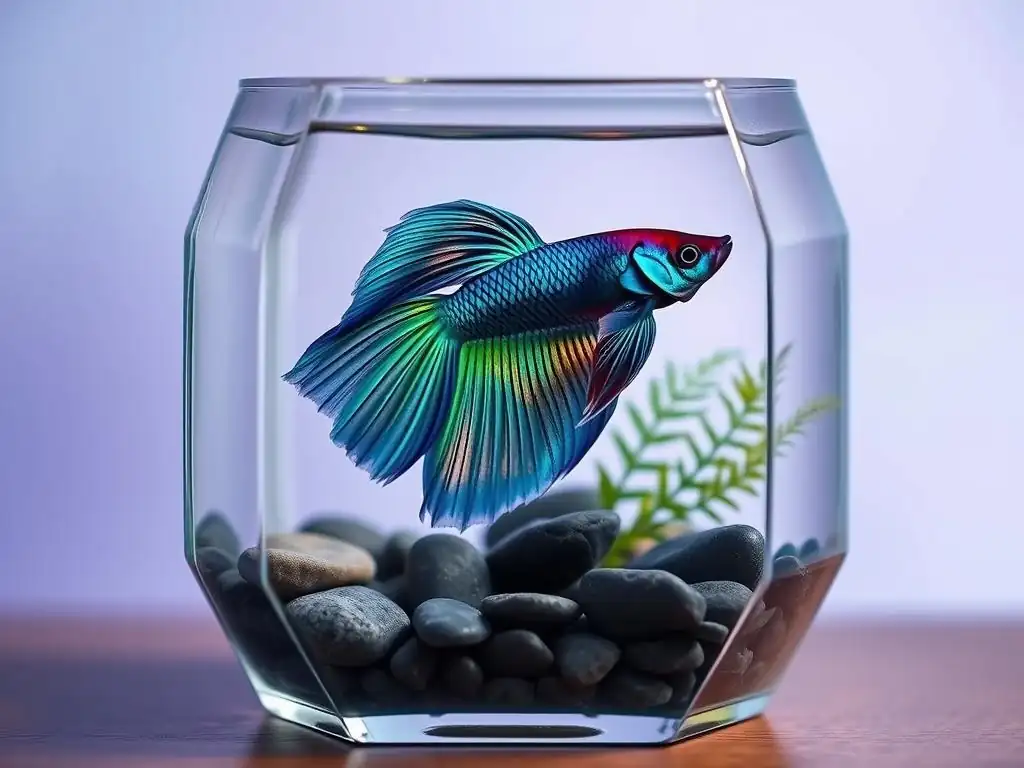
Sponge filters operate by drawing water through a porous sponge via an air pump and airline tubing, providing both mechanical and biological filtration. Their primary advantage for Betta tanks lies in their incredibly gentle water flow, which is ideal for a Betta's delicate fins and calm demeanor. The large surface area of the sponge provides an excellent substrate for beneficial bacteria to colonize, effectively converting toxic ammonia and nitrite into less harmful nitrate, thus ensuring robust biological filtration without aggressive water movement.
Moreover, sponge filters are exceptionally safe for all tank inhabitants, including Betta fry, small invertebrates like snails or shrimp (common Betta tank mates), as they lack impellers that could injure or trap them. They are also cost-effective, easy to set up, and straightforward to maintain. For example, a small sponge filter rated for up to 10 gallons can effectively filter a 5-gallon Betta tank, maintaining pristine water quality with minimal disturbance.
Setting Up a Sponge Filter in Your Betta Aquarium
Setting up a sponge filter is a simple process. You will need the sponge filter unit itself, an air pump, airline tubing, and a check valve (essential to prevent water from siphoning back into your air pump during a power outage). Begin by connecting one end of the airline tubing to the air pump and the other end to the intake stem of the sponge filter. Place the sponge filter securely at the bottom of your Betta tank, ensuring it is fully submerged.
Once the filter is in place, position the air pump above the water level or use a check valve if the pump is below. Plug in the air pump, and air will begin to bubble through the filter, drawing water through the sponge. A new sponge filter typically requires 2 to 6 weeks to establish a mature colony of beneficial bacteria. During this cycling period, it is crucial to regularly test water parameters (ammonia, nitrite, and nitrate) and perform small, frequent water changes (e.g., 25% every few days) to keep toxin levels safe for your Betta.
Hang-On-Back (HOB) Filters: Choosing the Right Model for Bettas
Modifying HOB Filters for Gentle Flow in Betta Tanks
Hang-On-Back (HOB) filters are popular due to their efficiency and ease of use, but many models produce a flow rate that is too strong for Betta fish. Fortunately, HOB filters can often be modified to create a gentler current. A common and highly effective modification is to place a pre-filter sponge over the filter's intake tube. This not only reduces the suction strength, preventing delicate Betta fins from being pulled in, but also adds extra surface area for biological filtration and traps larger debris.
To further reduce the outflow current, a baffle can be created. A simple DIY baffle can be made from a clean plastic water bottle (e.g., a 16.9 oz bottle). Cut the bottle lengthwise and attach it to the filter's outflow spout, directing the water towards the tank wall or downwards into the substrate.
This disperses the concentrated flow, transforming a strong jet into a gentle cascade. For instance, a HOB filter designed for a 10-20 gallon tank might have a GPH (gallons per hour) rating of 100-200, which is excessive for a Betta. Baffling can effectively reduce the perceived flow by 50% or more.
Selecting a HOB Filter with Adjustable Flow Rate
When considering HOB filters for a Betta tank, prioritizing models with an adjustable flow rate is highly recommended. Many modern HOB filters come equipped with a dial or lever that allows you to manually reduce the water flow, often by a significant percentage from its maximum output. This feature provides direct control over the current, enabling you to fine-tune the flow to suit your individual Betta's comfort level.
For a 5-gallon Betta tank, selecting a HOB filter with a maximum GPH of around 50-75 GPH that can be adjusted down to a much gentler flow (e.g., 15-25 GPH) is ideal. Always observe your Betta's behavior after installing or adjusting the filter. If your fish appears stressed, struggles to swim, or constantly hides from the current, the flow is still too strong, and further adjustments or modifications are necessary. These adjustable Betta tank filter types offer versatility for various setups.
Internal Filters: Compact Filtration for Smaller Betta Tanks
Internal Filter Placement and Flow Adjustment for Bettas
Internal filters are submersible units that sit inside the aquarium, making them a compact option, especially for smaller Betta tanks (e.g., 2.5 to 10 gallons). However, many internal filters, despite their small size, can produce a surprisingly strong and direct outflow. To mitigate this, strategic placement is key. Position the filter so that its outflow is directed towards a tank wall, a piece of decor, or dense live plants. This helps to break up and dissipate the current before it reaches the main swimming areas.
Additionally, many internal filters come with built-in adjustable flow valves or spray bars. If available, utilize these features to reduce the flow to the lowest possible setting while still ensuring adequate water circulation. For models without adjustable flow, a DIY solution such as attaching a small, coarse sponge or a piece of filter floss over the outflow nozzle can effectively diffuse the current. For example, an internal filter rated for a 10-gallon tank might need its flow reduced by 30-50% to be suitable for a 5-gallon Betta habitat.
Maintaining Internal Filters for Optimal Betta Tank Health
Due to their compact size and often smaller filter media volume, internal filters require more frequent maintenance than some other Betta tank filter types to remain effective. The filter sponge or cartridge should be rinsed regularly, typically every 1 to 2 weeks, during your routine water changes. It is crucial to rinse the media in old tank water that you've just siphoned out, rather than tap water, as tap water contains chlorine that can kill the beneficial bacteria essential for biological filtration.
Neglecting to clean internal filters can lead to clogged media, reduced flow, and ultimately, a buildup of harmful toxins in the water. If your internal filter uses carbon cartridges, these typically need to be replaced every 3-4 weeks, as carbon loses its adsorptive properties over time. Always replace only one type of media at a time, or rinse existing media, to preserve the established bacterial colony and prevent a mini-cycle that could harm your Betta.
Undergravel Filters: Are They Suitable for Betta Tanks?
The Potential Drawbacks of Undergravel Filters for Betta Fish
Undergravel filters (UGFs) operate by drawing water down through the substrate, which acts as the filter media, providing a large surface area for beneficial bacteria. While they offer decent biological filtration, they are generally not recommended as the primary Betta tank filter types due to several significant drawbacks. The constant, diffuse upward flow created by UGFs can still be a subtle source of stress for Bettas, who prefer still water.
More critically, undergravel filters are prone to trapping detritus and uneaten food beneath the filter plates. Over time, this trapped organic matter can decompose in oxygen-deprived (anaerobic) conditions, leading to the production of harmful gases like hydrogen sulfide. Cleaning an undergravel filter thoroughly without completely disrupting the tank setup and the beneficial bacterial colony is also challenging. For instance, a 10-gallon tank with a UGF might accumulate significant waste beneath the plates within 3-6 months, potentially leading to fluctuating water parameters and health issues for the Betta.
Choosing the Best Betta Tank Filter Type for Your Aquarium
Factors to Consider When Selecting a Betta Filter
Tank Size and Betta Stocking Levels
The size of your Betta tank is a primary factor in determining the most suitable filter type. For the commonly recommended 5-gallon minimum tank size for a single Betta, a small sponge filter or a compact, adjustable internal filter is often the best choice, as they provide gentle flow and adequate filtration for a low bioload.
Larger tanks, such as 10-gallon or 20-gallon setups, offer more flexibility, allowing for modified Hang-On-Back (HOB) filters or larger sponge filters, which can handle a slightly higher bioload if you plan to add peaceful tank mates like a few snails or a small school of pygmy corydoras.
It is crucial to match the filter's capacity to the tank volume and the number of inhabitants. While a 10-gallon tank with a single Betta might seem over-filtered by volume with a filter rated for 10-20 gallons, the key is to ensure the actual flow rate is gentle. For example, a HOB filter designed for a 20-gallon tank can be perfectly suitable for a 10-gallon Betta tank if its flow is significantly reduced and baffled, prioritizing gentle water movement over raw GPH.
Budget and Maintenance Requirements
When selecting Betta tank filter types, consider both your initial budget and the ongoing maintenance commitment. Sponge filters are typically the most economical option, requiring only the filter unit, an air pump, and airline tubing, with minimal running costs. They are also very low maintenance, primarily needing only periodic rinsing of the sponge.
HOB filters vary widely in price and often involve recurring costs for replacement cartridges or media. Their maintenance involves cleaning the impeller and sometimes replacing carbon inserts. Internal filters are generally affordable but require more frequent cleaning of their smaller media to prevent clogging and maintain efficiency. Evaluate how much time and effort you are willing to dedicate to filter upkeep, as consistent maintenance is crucial for any filter's effectiveness in maintaining a healthy Betta environment.
Betta Fish Behavior and Preferences
Observing your individual Betta's behavior is vital when selecting and optimizing their filtration system. While general guidelines exist, some Bettas may be more sensitive to subtle currents than others. A healthy Betta should be active, curious, and display natural behaviors like exploring its tank, flaring (if male), and building bubble nests. If your Betta appears stressed, lethargic, constantly hides, or struggles to swim, the water flow is likely too strong, regardless of the filter type.
Pay attention to how your Betta navigates the tank. If it avoids certain areas or struggles to rest comfortably, the filter may be creating too much turbulence. The ideal Betta tank filter types setup will allow your fish to swim effortlessly throughout the entire tank without being pushed around or expending excessive energy. Fine-tuning the flow based on your Betta's reactions ensures their comfort and long-term well-being.
Optimizing Filtration for Betta Fish Health and Well-being
Maintaining a Clean and Stable Betta Tank Environment
Effective filtration is a cornerstone of a healthy Betta tank, but it is part of a larger ecosystem that requires comprehensive care. Beyond the filter, regular tank cleaning is essential. This includes weekly gravel vacuuming to remove uneaten food, fish waste, and plant debris that accumulate on the substrate. Wiping down the inside of the tank glass to remove algae buildup also contributes to water quality and aesthetic appeal.
A stable environment is characterized by consistent water parameters, including temperature (ideally 78-80°F or 25.5-26.5°C), pH, and ammonia, nitrite, and nitrate levels. Regular monitoring with a reliable test kit allows you to catch and correct issues before they become harmful. Consistent cleaning reduces the bioload on your chosen Betta tank filter types, allowing them to operate more efficiently and preventing the rapid buildup of toxins.
The Role of Beneficial Bacteria in Betta Tank Filtration
The most critical function of any aquarium filter, especially for Betta tanks, is biological filtration, which relies on beneficial bacteria. These microscopic organisms colonize the filter media (and other surfaces in the tank) and are responsible for the nitrogen cycle. They convert highly toxic ammonia (from fish waste and decaying matter) into slightly less toxic nitrite, and then convert nitrite into much less harmful nitrate.
To maintain a robust colony of beneficial bacteria, avoid over-cleaning filter media or replacing all media at once. When cleaning, always rinse filter sponges or cartridges in old tank water that you've removed during a water change. Never rinse them under tap water, as the chlorine will kill these vital bacteria, potentially crashing your tank's nitrogen cycle and leading to dangerous ammonia or nitrite spikes. A well-established filter, like a mature sponge filter in a 5-gallon tank, can effectively process the ammonia from a single Betta within 24 hours.
Water Changes and Their Importance in Betta Tank Care
Even with excellent filtration and a healthy colony of beneficial bacteria, nitrates will accumulate in an aquarium. While nitrates are less toxic than ammonia or nitrite, high levels (generally above 20 ppm) can still stress fish and contribute to algae growth. This is where regular water changes become indispensable. For a single Betta in a 5-gallon tank, a 25-30% weekly water change is a common recommendation to dilute nitrates and replenish essential trace minerals.
The process involves siphoning out the specified amount of water, ideally using a gravel vacuum to remove debris from the substrate. The new water added back into the tank must be dechlorinated and temperature-matched to avoid shocking the Betta. Consistent water changes, in conjunction with your chosen Betta tank filter types and routine cleaning, are the ultimate safeguard against the buildup of toxins and contribute significantly to the overall health, vibrancy, and longevity of your Betta fish.
DIY Betta Tank Filter Modifications for Gentle Flow
Creating a Baffle for Hang-On-Back (HOB) Filters
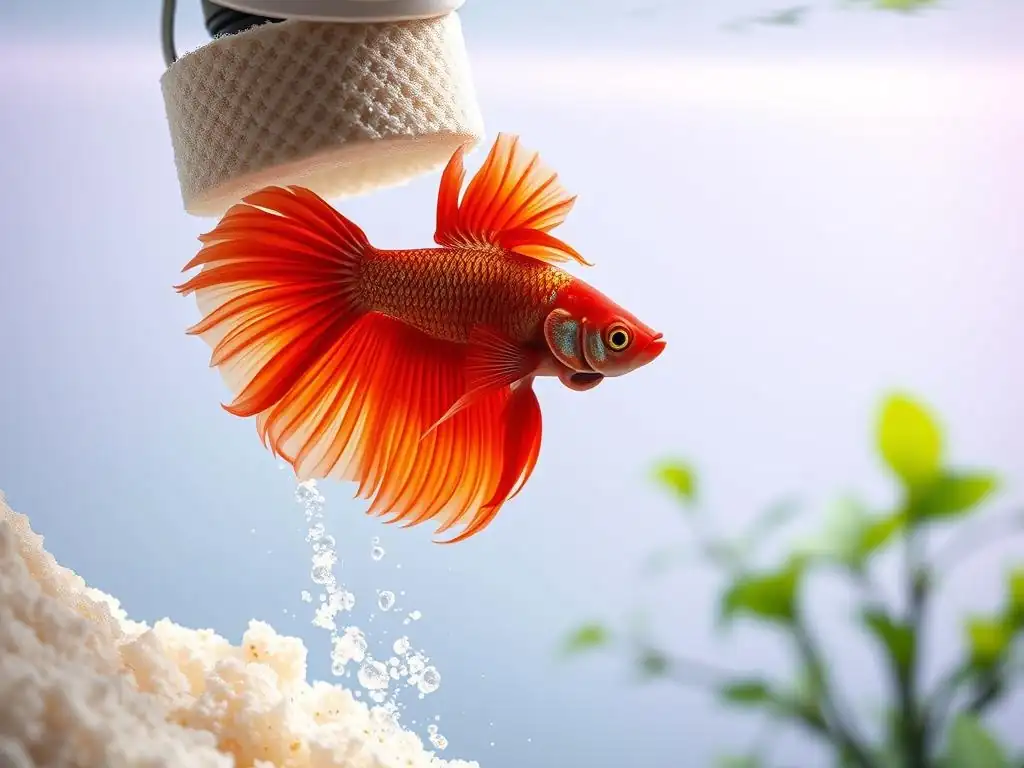
For HOB filters that produce too strong a current, a simple DIY baffle can effectively diffuse the flow. You'll need a clean, empty plastic bottle (a 1-liter soda or water bottle works well) and a pair of scissors. First, cut the bottle to a size that fits over the outflow spout of your HOB filter. A common method is to cut the bottle lengthwise, creating a scoop-like shape.
Once cut, position the baffle over the filter's outflow so that the water hits the plastic and is redirected. You can aim the redirected flow towards the tank wall or downwards into the substrate. The baffle physically breaks the concentrated stream of water, dispersing it over a wider area and significantly reducing its velocity. This transforms a strong, direct current into a gentle ripple or cascade, making the water movement safe and comfortable for your Betta's delicate fins.
Adjusting Sponge Filter Airflow for Optimal Betta Comfort
While sponge filters are inherently gentle, the airflow from the air pump can sometimes be too vigorous, creating more bubbles and surface agitation than a Betta prefers. To fine-tune the flow of your sponge filter, you can use an airline control valve, also known as a gang valve or a simple inline air valve. These small plastic devices are inexpensive and readily available at pet stores.
Insert the control valve into the airline tubing between your air pump and the sponge filter. By adjusting the lever or knob on the valve, you can restrict the air supply, thereby reducing the intensity of the bubbles and the water movement generated by the sponge filter. Observe your Betta's reaction as you make adjustments. The goal is to achieve minimal surface disturbance and gentle water movement that is just enough to draw water through the sponge effectively, ensuring optimal comfort for your fish.
Using Pre-Filter Sponges to Reduce Flow
A pre-filter sponge is an excellent and versatile modification for various Betta tank filter types, particularly HOB and internal filters. These are typically coarse foam sponges designed to slide over the filter's intake tube. Their primary purpose is to physically block larger debris from entering the filter, protecting the impeller from clogging and wear, and extending the life of your main filter media.
Crucially for Bettas, a pre-filter sponge significantly reduces the suction strength at the filter's intake. This prevents a Betta's long, delicate fins from being pulled into the filter, a common cause of fin damage. Additionally, the sponge itself provides a large surface area for beneficial bacteria to colonize, offering extra biological filtration. By slowing the water's entry into the filter, a pre-filter sponge can also subtly reduce the overall flow rate of the filter, making it even more Betta-friendly.
Common Mistakes to Avoid When Filtering a Betta Tank
Over-Filtration vs. Under-Filtration in Betta Aquariums
A common misconception in Betta care is that more filtration is always better. However, for Bettas, "over-filtration" often refers to a filter that generates excessive water current, rather than one that simply has a high biological capacity. Choosing a filter with a powerful flow rate that is too strong for your Betta's delicate fins and calm nature is a significant mistake, leading to stress and physical harm.
Conversely, "under-filtration" means the filter is not sufficient to process the waste produced by your Betta, leading to poor water quality and dangerous levels of ammonia and nitrite. The ideal balance for Betta tank filter types is to choose a filter that provides robust biological and mechanical filtration while maintaining an extremely gentle water flow. It's better to have a filter with a high biological capacity (e.g., a large sponge filter) that produces minimal flow, rather than a small filter that cannot handle the bioload or a powerful filter that creates a turbulent environment.
Choosing Filters That Create Excessive Current
One of the most frequent mistakes made by new Betta owners is selecting a filter designed for more active, schooling fish that prefer strong currents. Many standard power filters or internal filters, without modification, produce a direct, powerful jet of water that can quickly exhaust and injure a Betta. These filters are simply not suited for the calm, still-water preferences of Betta splendens.
Always scrutinize the GPH (gallons per hour) rating and the outflow design of any filter before purchasing it for a Betta tank. If the filter does not have an adjustable flow rate or an easily baffled outflow, it is likely to create excessive current. Prioritizing the Betta's comfort and well-being over raw filtration power is paramount. A filter that creates turbulence will lead to a chronically stressed and unhealthy Betta, regardless of how clean the water may appear.
Neglecting Filter Maintenance and Water Changes
Even the most appropriate and well-chosen Betta tank filter types will become ineffective if neglected. A common mistake is to assume that once a filter is installed, it requires little to no attention. Over time, filter media can become clogged with detritus, reducing water flow and hindering the colonization and efficiency of beneficial bacteria. A clogged filter cannot effectively remove toxins, leading to a rapid decline in water quality.
Similarly, relying solely on filtration without performing regular water changes is another critical error. While filters remove ammonia and nitrite, they do not eliminate nitrates, which accumulate over time. Neglecting routine filter cleaning and consistent water changes (e.g., 25-30% weekly) will inevitably lead to high nitrate levels, causing stress, weakened immunity, and potential health issues for your Betta. A holistic approach combining the right filter, diligent maintenance, and regular water changes is essential for a thriving Betta habitat.
Frequently Asked Questions
What are the most common Betta tank filter types recommended for a 5-gallon aquarium?
The most common options are sponge filters due to their gentle flow, internal filters which offer a compact design, and hang-on-back (HOB) filters modified for reduced flow. Choosing the right filter is crucial for your Betta's health.
Why is a gentle flow so important when selecting Betta tank filter types?
Bettas have long, delicate fins that can be easily damaged by strong currents. A gentle flow prevents fin nipping and stress, ensuring the Betta can swim comfortably and remain healthy in its Betta tank.
Can I use a hang-on-back (HOB) filter in my Betta tank, and if so, how do I minimize the current?
Yes, but you must baffle the output. Use a sponge, plastic bottle, or commercially available baffle to reduce the current and create a more suitable environment. You can also lower the water level to further minimize flow.
Are sponge filters a good choice for Betta tanks, and what are their advantages?
Yes, sponge filters are excellent. They provide gentle filtration, are safe for Betta fins, and offer a surface for beneficial bacteria to colonize. Sponge filters are also relatively inexpensive.
How often should I clean my Betta tank filter, regardless of the Betta tank filter types I choose?
Clean your filter only when the flow noticeably decreases. Over-cleaning removes beneficial bacteria. Rinse the filter media in used aquarium water to preserve the bacterial colonies.
Final Reflection: Nurturing Life in Still Waters
The exploration of betta tank filter types, as we've seen, isn't merely about technical specifications; it's about understanding and respecting the delicate ecosystem we create for these vibrant creatures. The gentle balance of filtration and flow is paramount to a betta's well-being, and recognizing this is the first step towards responsible fishkeeping in today's world, where information overload often overshadows the fundamental needs of our aquatic companions.
This understanding extends beyond the individual tank, influencing the broader conversation around ethical pet ownership and the importance of mimicking natural habitats. My own journey into betta keeping has underscored the profound responsibility we undertake when bringing an animal into our care, a responsibility that demands continuous learning and adaptation. The greatness of a nation and its moral progress can be judged by the way its animals are treated.
- Mahatma Gandhi. This quote resonates deeply, reminding us that even the smallest act of care, like choosing the right filter, reflects our commitment to a more compassionate world.
Now, consider the lessons we've uncovered about betta filtration and apply them to your own approach to fishkeeping. Are you providing an environment that truly caters to your betta's needs? Let this article serve as a catalyst for reflection and action, inspiring you to create a thriving, peaceful sanctuary for your finned friend, ensuring their health and happiness for years to come.
Unleash Your Betta's Best Life!
Thanks for diving into the world of Betta filtration with us! We hope you’ve gained a clear understanding of how to create the perfect, gentle environment for your finned friend. Now, let's put that knowledge into action!
Here are a few things you can do right now to enhance your Betta's life:
- Prioritize a Low-Flow Filter. Don't delay! Check your Betta's tank today and adjust or replace your filter to create a gentler flow. Your Betta will thank you!
- Explore a DIY Betta-Safe Filter. Get creative! Research or design your own filter modification using readily available materials for ultimate control over water flow.
- Share Your Successes (and Challenges)! Post a photo of your Betta's tank setup and filtration solution on social media using #AquariumMasteryBetta.
What innovative filtration method have you found to be most effective for your Betta's delicate fins?