
Are Your Fish Pestering Your Clams? Identifying and Solving Compatibility Issues

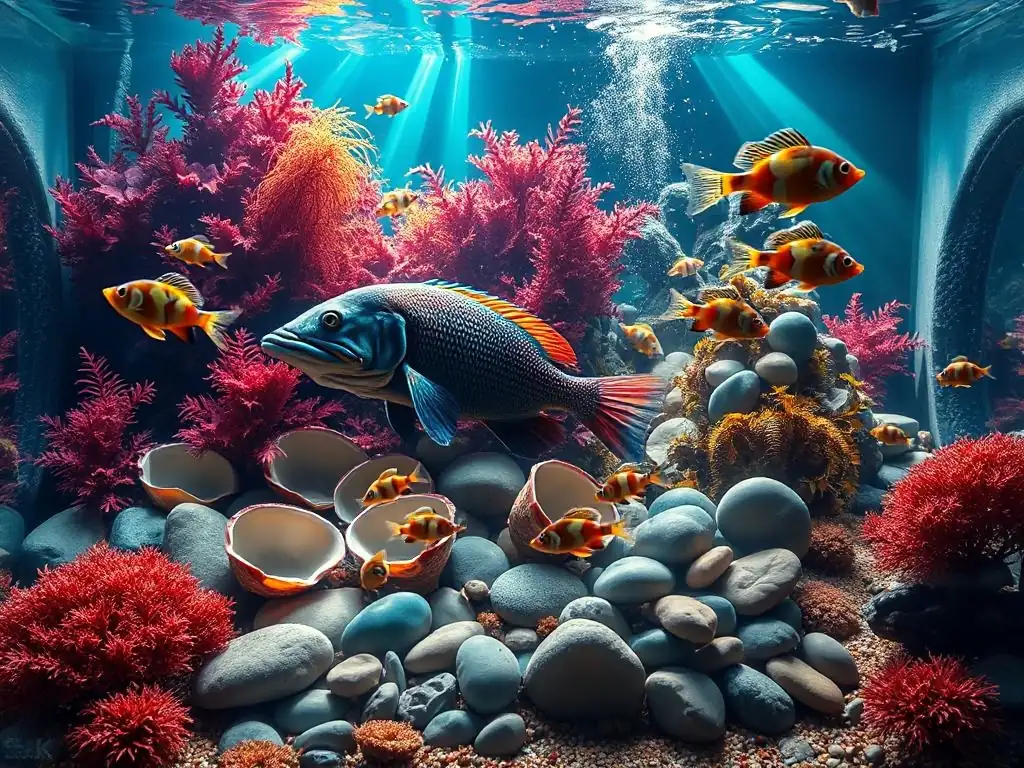
Welcome to Aquarium Mastery!
Ever wondered if your finned friends are secretly stressing out your clams? This can be a common issue when keeping a saltwater aquarium. Dive into this article to explore the fascinating world of clams and fish compatibility. Discover how to identify potential problems and create a harmonious underwater ecosystem that keeps everyone thriving. Let's unlock the secrets to a peaceful reef tank!
- Introduction: Understanding Clams and Fish Compatibility in Reef Aquariums
- Identifying Fish That May Harass Clams
- Diagnosing the Root Cause of Clam Harassment
-
Solutions for Resolving Clam and Fish Incompatibility
- Rehoming the Offending Fish: Finding a New Aquarium
- Introducing a Refugium: Providing a Safe Haven for Clams
- Creating Physical Barriers: Protecting Clams with Rockwork or Cages
- Acclimation Strategies: Minimizing Stress During Introduction
- Modifying Fish Behavior: Training or Re-arranging the Tank Environment
- Promoting a Peaceful Reef Tank Environment
- Monitoring and Adjusting Your Reef Tank Setup
- Conclusion: Achieving Harmony Between Fish and Clams in Your Reef Aquarium
-
Frequently Asked Questions
- How can I tell if my fish are bothering my clams?
- Which types of fish are most likely to harass clams in an aquarium?
- What water parameters are crucial for keeping both clams and fish healthy?
- How can I protect my clams from fish that might harass them?
- What should I do if I observe a fish actively harassing my clam?
- Final Reflection: Harmony Beneath the Waves
- Unleash Harmony in Your Aquarium!
Introduction: Understanding Clams and Fish Compatibility in Reef Aquariums
The Importance of Compatible Tank Mates for a Thriving Reef Environment
Establishing a harmonious reef aquarium hinges significantly on the careful selection of compatible tank mates. When fish and invertebrates, such as clams, coexist peacefully, the entire ecosystem benefits, leading to reduced stress, lower susceptibility to disease, and vibrant displays of natural behavior. Ignoring the nuances of clams and fish compatibility can lead to chronic stress for sensitive inhabitants, potentially resulting in their decline or even death, representing a substantial loss of both financial investment and the overall health of your aquatic display.
A well-balanced reef environment also minimizes the need for intervention, allowing the natural processes of the ecosystem to thrive. For instance, a clam that isn't constantly harassed can fully extend its mantle, efficiently filter feed, and contribute to the tank's biodiversity. Conversely, a stressed clam will retract, cease feeding, and become susceptible to infections, impacting the biological filtration and aesthetic appeal of your reef.
Why Clams are Sensitive to Fish Behavior: Clams are filter feeders with exposed mantles, making them vulnerable to nipping and physical disturbance from certain fish.
Clams, particularly popular species like Tridacna clams, are highly vulnerable in a reef tank due to their unique anatomy and feeding strategy. Their large, colorful mantles, which are essential for photosynthesis and filter feeding, are openly exposed to the water column. This makes them an easy target for fish that are naturally inclined to nip at soft tissues or graze on sessile invertebrates.
Any consistent nipping or physical disturbance directly interferes with the clam's ability to feed and respire, leading to chronic stress and a compromised immune system. For example, a clam that repeatedly withdraws its mantle in response to fish harassment expends significant energy, diverting resources away from growth and overall health. Over time, this constant stress can lead to tissue recession, starvation, and ultimately, the demise of the clam, highlighting the critical nature of clams and fish compatibility.
Identifying Fish That May Harass Clams
Common Fish Species Known to Nuisance Clams
Butterflyfish: A Potential Threat to Clam Mantles
Many species of butterflyfish, while beautiful, possess specialized mouths designed for picking at corals and invertebrates in their natural habitat. While some, like the Copperband Butterflyfish ( Chelmon rostratus), are often considered "reef safe with caution" and primarily target aiptasia anemones, individual specimens may develop a taste for clam mantles. Larger species, such as the Longnose Butterflyfish ( Forcipiger flavissimus), are generally more prone to nipping at soft polyp corals and could extend this behavior to clam tissues if their dietary needs aren't fully met or if they feel territorial.
The risk associated with butterflyfish varies significantly by species and individual temperament, making careful observation paramount. Even a species generally considered safe might, in rare cases, become an opportunistic clam nipper, proving that achieving perfect clams and fish compatibility requires ongoing vigilance and understanding of individual fish behaviors.
Angelfish: Assessing the Risk to Your Clams
Angelfish are another group where clams and fish compatibility can be problematic, particularly with larger species. Many angelfish, especially those from the genera Pomacanthus and Holacanthus (e.g., Emperor Angelfish, Queen Angelfish), are omnivores that naturally graze on sponges, tunicates, and other sessile invertebrates. As they mature, their dietary preferences can shift, and they may begin to nip at clam mantles, mistaking them for part of their natural diet.
Dwarf angelfish (genus Centropyge), such as the Flame Angelfish ( Centropyge loricula) or Coral Beauty Angelfish ( Centropyge bispinosa), are generally considered safer for reef tanks. However, even these smaller species can occasionally develop an undesirable habit of nipping at clam mantles or coral polyps, especially if the tank is not adequately fed or if their natural grazing instincts are strong. It's always a calculated risk when introducing angelfish into a tank with clams.
Triggerfish: Understanding Their Predatory Instincts
Triggerfish are perhaps one of the most significant threats to clams in a reef aquarium due to their powerful jaws and natural diet of hard-shelled invertebrates. Species like the Clown Triggerfish ( Balistoides conspicillum) or Undulated Triggerfish ( Balistapus undulatus) are notorious for their destructive capabilities, easily crushing mollusk shells to access the soft tissue within. Their predatory instincts are strong and cannot be "trained" out of them.
Therefore, clams and fish compatibility with almost any triggerfish species is virtually non-existent. Introducing a triggerfish into a tank with clams is an almost guaranteed path to clam destruction, regardless of tank size or feeding regimen. These fish are best suited for FOWLR (Fish Only With Live Rock) tanks or dedicated predator setups without delicate invertebrates.
Pufferfish: Why They May Nibble on Clams
Similar to triggerfish, many pufferfish species possess powerful, beak-like mouths designed for crushing and grinding hard-shelled prey like crabs, snails, and bivalves. Even seemingly docile species, such as the Dogface Puffer ( Arothron nigropunctatus), can inflict significant damage on clams. Their curiosity and natural feeding habits often lead them to test new textures and potential food sources, making clam mantles an irresistible target.
The risk of a pufferfish damaging or consuming clams is exceedingly high. Their ability to deliver a powerful bite means that even a single encounter can be fatal for a clam. For successful clams and fish compatibility, pufferfish are generally not recommended additions to a reef aquarium housing these delicate invertebrates.
Wrasses: Species That Might Bother Clams
While many wrasses are considered reef-safe and beneficial for pest control (e.g., eating flatworms or pyramid snails), certain species can pose a threat to clams. Larger wrasses, or those with a diet primarily consisting of crustaceans and mollusks, might view a clam as a potential meal. For instance, some larger Halichoeres wrasses, while excellent for pest control, might occasionally nip at clam mantles.
Even smaller, generally benign wrasses like the Six-line Wrasse ( Pseudocheilinops hexataenia) have been observed to occasionally pester clams, although this is less common and often due to individual temperament or lack of alternative food sources. It's crucial to research specific wrasse species thoroughly before adding them to a clam-filled reef tank to ensure optimal clams and fish compatibility.
Clam Mantle Damage: A Visual Indicator of Fish Aggression
One of the most obvious and concerning signs of fish aggression towards clams is visible mantle damage. This can manifest as tears, nicks, frayed edges, or even receding tissue along the clam's vibrant mantle. The siphons, which are essential for filter feeding and respiration, are particularly vulnerable and may appear chewed or ragged.
This damage is not merely aesthetic; it severely impairs the clam's ability to photosynthesize and filter feed, leading to a decline in health. Furthermore, open wounds on the mantle can become entry points for bacterial infections, which can quickly overwhelm an already stressed clam. Prompt identification of such damage is critical for addressing clams and fish compatibility issues.
Reduced Clam Extension: Observing Changes in Clam Behavior
Healthy clams typically exhibit full mantle extension, with their colorful tissues spread wide to maximize light absorption and filter-feeding surface area. When a clam is stressed by fish harassment, it will often retract its mantle significantly, exposing less of its tissue to the water column. This reduced extension is a defensive mechanism, but it comes at the cost of vital metabolic processes.
A clam that consistently displays reduced mantle extension, even during peak lighting hours, is likely experiencing stress from its tank mates. Over time, this chronic retraction leads to starvation and weakness, making the clam even more susceptible to further damage or disease. Observing this behavioral change is a key indicator of poor clams and fish compatibility.
Clam Withdrawal: A Sign of Severe Fish Harassment
While clams will naturally withdraw their mantles briefly in response to shadows or sudden movements, prolonged or frequent withdrawal is a clear sign of severe harassment. If a clam remains tightly closed for extended periods, or if it snaps shut aggressively every time a particular fish approaches, it indicates a significant and ongoing threat. This behavior is a desperate attempt by the clam to protect itself from persistent nipping.
A clam that is constantly withdrawn cannot feed, photosynthesize, or breathe efficiently. This leads to rapid deterioration of its health, often resulting in starvation and eventual mortality within days or weeks, depending on the severity of the harassment. Persistent withdrawal is a critical alarm bell for clams and fish compatibility issues that require immediate attention.
Diagnosing the Root Cause of Clam Harassment
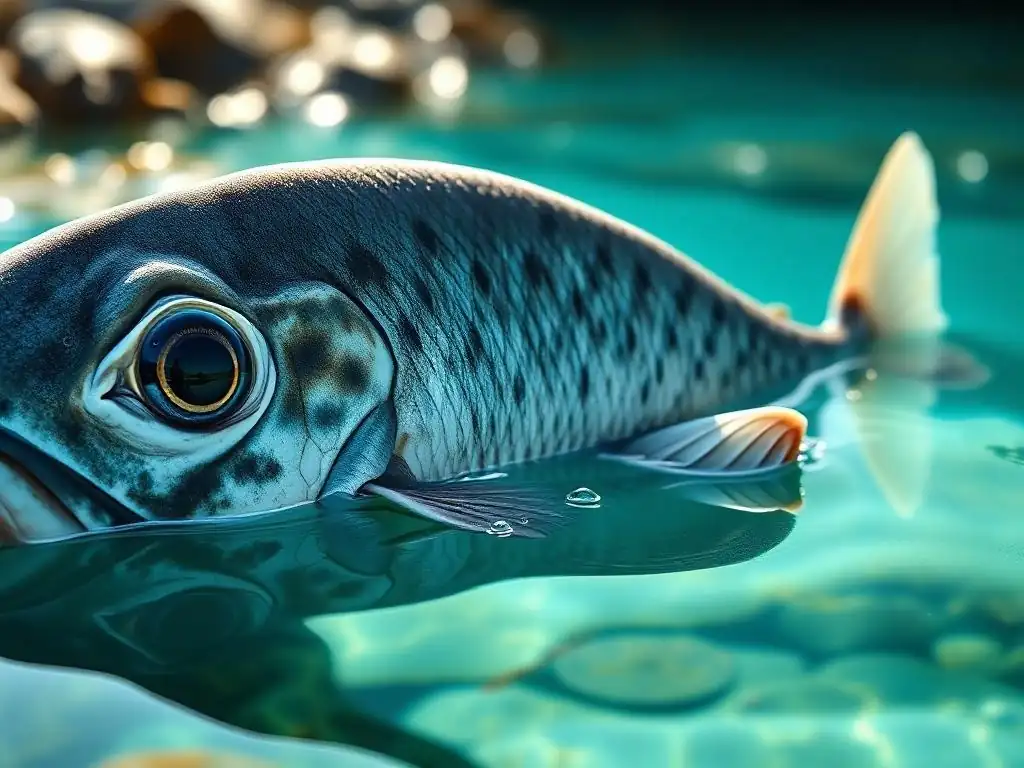
Observing Fish Behavior: Identifying the Culprit
Accurately identifying the fish responsible for harassing your clams requires diligent and patient observation. Spend extended periods watching your tank, especially during feeding times when fish are most active, or during quiet periods when clams are fully extended. Pay close attention to any fish that repeatedly approaches the clam, hovers over it, or makes darting movements towards its mantle or siphons.
It can be helpful to observe from a distance or use a camera to record behavior without disturbing the tank. Note which fish species, or even specific individuals within a species, exhibit aggressive or curious behavior towards the clams. Sometimes, the culprit is not a commonly known clam-nipper but an opportunistic fish that has developed a taste for the clam's mantle, emphasizing that successful clams and fish compatibility relies on understanding individual tendencies.
Evaluating Tank Size and Overcrowding: Impact on Fish Aggression
Tank size and stocking density play a crucial role in fish behavior and can indirectly lead to clam harassment. An overcrowded tank or one that is too small for its inhabitants can lead to increased stress, territoriality, and aggression among fish. For example, a medium-sized angelfish, which might be peaceful in a 120-gallon system, could become aggressive and begin nipping at clams in a 75-gallon tank due to perceived lack of space.
When fish feel confined or constantly compete for resources, they may lash out at vulnerable tank mates like clams. A general guideline is to provide at least 1-2 pounds of live rock per gallon for adequate structure and hiding places, and to research the adult size and territorial needs of each fish species. Ensuring sufficient space is a fundamental step towards promoting harmonious clams and fish compatibility.
Assessing Water Quality: The Role of Water Parameters in Clam Health and Fish Behavior
While not a direct cause of nipping, poor water quality can significantly contribute to clam vulnerability and fish aggression. Clams are highly sensitive to unstable or substandard water parameters. Fluctuations in alkalinity (e.g., below 8 dKH or above 12 dKH), calcium (below 400 ppm), or elevated nitrates (above 10 ppm) can stress clams, making them weaker and less able to defend themselves. A stressed clam may retract more frequently or fail to fully extend, making it appear sick or vulnerable, which can attract opportunistic nippers.
Moreover, persistently poor water quality can stress fish, making them more irritable, aggressive, or prone to opportunistic behaviors. Maintaining stable and optimal parameters—such as salinity at 1.025-1.026, alkalinity between 8-12 dKH, calcium 400-450 ppm, and magnesium 1300-1400 ppm—is crucial. Regular water changes (e.g., 10-20% bi-weekly) and consistent testing are essential to create a healthy environment that supports robust clams and fish compatibility.
Solutions for Resolving Clam and Fish Incompatibility
Rehoming the Offending Fish: Finding a New Aquarium
The most definitive and often necessary solution for persistent clam harassment is to rehome the offending fish. If a fish has developed a strong habit of nipping or actively preying on clams, it is unlikely to cease this behavior, regardless of other interventions. Attempting to "train" a fish out of its natural predatory instincts is usually futile and only prolongs the clam's suffering.
Options for rehoming include trading the fish in at your local fish store, selling it to another hobbyist, or, if you have the resources, setting up a separate dedicated tank for the problem fish. This ensures the clam's safety and the overall peace of your reef aquarium. While sometimes difficult, rehoming is often the kindest and most effective way to restore clams and fish compatibility.
Introducing a Refugium: Providing a Safe Haven for Clams
A refugium, typically a separate compartment in the sump or a connected external tank, can serve as an excellent safe haven for clams experiencing harassment. This isolated area allows clams to extend fully, filter feed without disturbance, and recover from stress. It also provides a stable environment for microfauna to flourish, which can further benefit the main display tank.
Clams can be placed in the refugium temporarily for recovery or permanently if the main display tank cannot achieve consistent clams and fish compatibility. Ensure the refugium has adequate flow, lighting, and stable parameters suitable for clam health. While not a solution for the fish's behavior, it directly protects the clam.
Creating Physical Barriers: Protecting Clams with Rockwork or Cages
For minor or occasional nipping, or as a temporary measure, creating physical barriers can offer some protection to clams. Strategically placed live rock can form crevices, overhangs, or caves where clams can be nestled, making it harder for fish to access their mantles. This method relies on the clam being positioned in a way that its vulnerable parts are shielded.
Alternatively, dedicated clam cages made from plastic mesh or acrylic can be used. These enclosures allow light and water flow to reach the clam while physically preventing fish from nipping. While potentially unsightly, a clam cage can be a highly effective short-term solution or a last resort for highly valued clams when clams and fish compatibility is severely compromised.
Acclimation Strategies: Minimizing Stress During Introduction
Proper acclimation is vital not only for the clam's initial survival but also for its long-term resilience against potential harassment. When introducing a new clam, use a slow drip acclimation method over 1-2 hours to gradually match the tank's salinity and pH. Dimming the tank lights during the introduction period can also reduce stress, allowing the clam to acclimate to its new surroundings without immediate intense light exposure.
For fish, ensure they are well-acclimated and settled into the tank before introducing a clam. A stressed or new fish is more likely to exhibit unusual or aggressive behaviors. By minimizing stress during introduction for both parties, you lay a stronger foundation for successful clams and fish compatibility.
Modifying Fish Behavior: Training or Re-arranging the Tank Environment
In some limited cases, minor adjustments to the tank environment or feeding regimen can reduce nipping behavior. Increasing the frequency of feedings (e.g., 2-3 small meals per day instead of one large one) can ensure fish are satiated and less likely to seek alternative food sources like clam mantles out of hunger. Offering a varied diet, including plenty of frozen foods, can also help.
Rearranging the rockwork can sometimes disrupt established territories, potentially reducing aggression among fish that then might turn their attention to clams. However, it's crucial to understand that these methods are generally less effective for species with strong predatory instincts or individuals that have developed a persistent nipping habit. For true peace, achieving clams and fish compatibility often requires more direct intervention.
Promoting a Peaceful Reef Tank Environment
Selecting Compatible Fish Species: Research Before You Buy
The most effective strategy for ensuring long-term clams and fish compatibility is to conduct thorough research before purchasing any new fish. Prioritize species that are known to be consistently "reef-safe" and have a low likelihood of nipping or consuming invertebrates. Examples of generally safe fish include most gobies (e.g., Yellow Watchman Goby, Diamond Watchman Goby), blennies (e.g., Lawnmower Blenny, Starry Blenny), cardinalfish (e.g., Banggai Cardinalfish), and many species of fairy and flasher wrasses.
Avoid species with a known propensity for eating corals or invertebrates, even if they are marketed as "reef safe with caution." Understand that individual fish can vary, but starting with species known for their peaceful nature significantly reduces the risk of future compatibility issues. This proactive approach saves both stress and potential financial losses in the long run.
Providing Adequate Hiding Places: Reducing Fish Stress and Aggression
A well-structured aquascape with ample live rock and numerous hiding places is crucial for reducing stress and aggression among fish. Providing enough caves, crevices, and overhangs allows fish to establish territories without constant conflict and offers weaker or less dominant fish places to retreat and feel secure. A general guideline is to use at least 1 to 1.5 pounds of live rock per gallon of tank volume to create sufficient structure.
When fish feel secure and have their own space, they are less likely to exhibit aggressive behaviors towards tank mates, including clams. This reduces overall stress levels in the aquarium, contributing significantly to a harmonious environment and fostering better clams and fish compatibility.
Ensuring Proper Feeding: Satisfying Fish Hunger to Minimize Nipping
Underfed fish are more likely to seek out alternative food sources, and for some species, this can include the soft tissues of clams. Ensuring your fish are properly fed with a varied and nutritious diet can significantly reduce the likelihood of them nipping at clams out of hunger or curiosity. Feed small amounts multiple times a day (e.g., 2-3 times daily) rather than one large meal, as this mimics their natural grazing behavior and keeps them satiated.
Offer a diverse diet that includes high-quality flakes, pellets, and various frozen foods such as mysis shrimp, brine shrimp, and spirulina-enriched preparations. A well-fed fish is a less aggressive fish, and consistent, appropriate feeding is a simple yet powerful tool for maintaining clams and fish compatibility.
Maintaining Optimal Water Quality: Creating a Healthy Ecosystem
Consistently maintaining optimal water quality is fundamental to the health and well-being of all reef inhabitants, including both fish and clams. Stable parameters reduce overall stress, making clams more resilient and fish less prone to stress-induced aggression. Regular testing of parameters such as salinity (1.025-1.026), alkalinity (8-12 dKH), calcium (400-450 ppm), magnesium (1300-1400 ppm), and nitrates (below 10 ppm) is essential.
Perform routine water changes (e.g., 10-20% every two weeks) to replenish trace elements and remove accumulated pollutants. A healthy and stable aquatic environment promotes natural behaviors and reduces the likelihood of stress-related nipping, thereby strengthening the foundation for excellent clams and fish compatibility.
Monitoring and Adjusting Your Reef Tank Setup
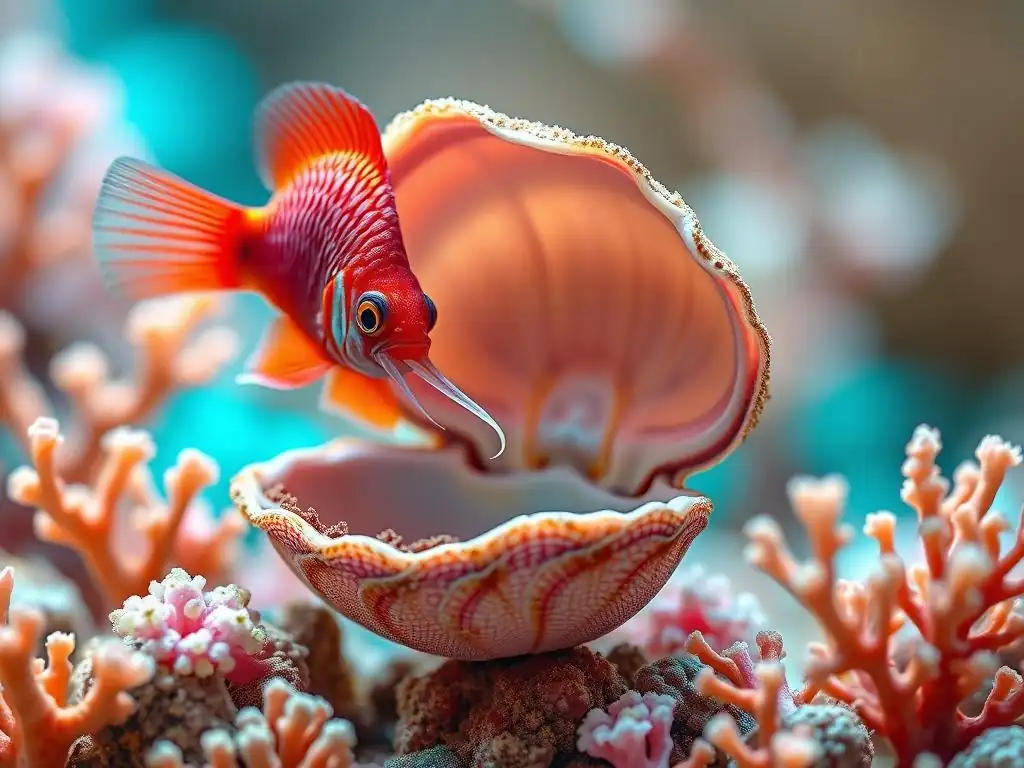
Regular Observation: Detecting Problems Early
Continuous and regular observation is perhaps the most crucial ongoing task for any reef aquarist, especially when maintaining a tank with sensitive invertebrates like clams. Make it a daily habit to visually inspect all your inhabitants, paying close attention to the behavior of your fish and the extension and health of your clams. Early detection of nipping or stress signs can prevent minor issues from escalating into irreversible damage.
Specific times for observation, such as during morning clam extension or at feeding times, can provide valuable insights into fish interactions. Keeping a simple log of observations can help identify patterns or specific culprits over time, allowing for proactive adjustments to maintain optimal clams and fish compatibility.
Testing Water Parameters: Maintaining a Stable Environment
Beyond initial setup, consistent water parameter testing is indispensable for long-term reef health. Even in established tanks, parameters can fluctuate due to consumption by corals and clams, evaporation, or changes in biological load. Weekly testing of alkalinity, calcium, and magnesium, along with bi-weekly checks for nitrates and phosphates, ensures that the environment remains stable and supportive.
Using reliable test kits and maintaining a consistent dosing regimen for essential elements will prevent the subtle stresses that can make clams vulnerable and fish agitated. A stable environment is a healthy environment, and consistent water chemistry is a cornerstone of successful clams and fish compatibility.
Adapting to Changes: Adjusting Your Approach as Needed
A reef aquarium is a dynamic ecosystem, and what works perfectly today might require adjustment tomorrow. Fish grow, their personalities can change, and new additions can alter the tank's social dynamics. Be prepared to adapt your approach based on ongoing observations and test results. This might involve altering feeding schedules, adjusting flow patterns, or even making the difficult decision to rehome a problematic fish.
Flexibility and a willingness to make necessary changes are key to long-term success. The goal is to maintain a peaceful and thriving environment for all inhabitants, and sometimes that means evolving your strategies to ensure sustained clams and fish compatibility.
Conclusion: Achieving Harmony Between Fish and Clams in Your Reef Aquarium
Key Takeaways: Ensuring Long-Term Clam and Fish Compatibility
Achieving lasting harmony between fish and clams in your reef aquarium is a rewarding endeavor that requires careful planning, diligent observation, and proactive management. The cornerstone of success lies in meticulous research and selection of truly compatible fish species, avoiding those with known predatory instincts towards invertebrates. Equally important are providing an appropriately sized tank with ample hiding places, maintaining impeccable water quality through regular testing and husbandry, and ensuring your fish are well-fed to minimize opportunistic nipping.
By understanding the delicate nature of clams and the potential behaviors of various fish, aquarists can create a stable, stress-free environment where these magnificent filter feeders can thrive alongside their finned companions. Continuous monitoring and a willingness to adapt are crucial for addressing any emerging challenges, ensuring the long-term success of your vibrant reef ecosystem.
Further Resources: Expanding Your Knowledge of Reef Keeping
For more in-depth information on specific fish profiles, detailed water chemistry guides, and advanced tank setup strategies, explore the comprehensive resources available on AquariumMastery.com. Understanding the nuances of each species and the intricacies of reef husbandry will empower you to create and maintain a truly spectacular and harmonious aquatic environment.
Frequently Asked Questions
How can I tell if my fish are bothering my clams?
Look for signs of clam retraction, mantle damage, or unusual inactivity. Fish nipping at the clam's siphon or foot are clear indicators of harassment.
Which types of fish are most likely to harass clams in an aquarium?
Certain triggerfish, pufferfish, and some large angelfish are notorious for preying on clams. Invertebrate-eating fish should be avoided.
What water parameters are crucial for keeping both clams and fish healthy?
Maintaining stable calcium levels, proper alkalinity, and low nitrate levels is essential for both clams and fish thriving in a reef environment. Monitor water quality closely.
How can I protect my clams from fish that might harass them?
Consider using clam cages or placing clams in locations inaccessible to problematic fish. Introducing a refugium can also provide a safe haven.
What should I do if I observe a fish actively harassing my clam?
The best course of action is to remove the offending fish to a separate tank or sump. Rehoming the fish is also a viable option to ensure the clam's safety.
Final Reflection: Harmony Beneath the Waves
The delicate balance of a saltwater aquarium, as we've explored, hinges on understanding the intricate relationships between its inhabitants. Ensuring the compatibility of clams and fish is not merely about aesthetics; it's about fostering a thriving, sustainable ecosystem within the confines of glass. The health and well-being of each creature are inextricably linked, and neglecting this crucial aspect can lead to stress, disease, and ultimately, the failure of the entire system.
This exploration into clam and fish compatibility has profoundly influenced my own perspective on responsible reef keeping. It's a constant reminder that our actions have direct consequences on the lives of the creatures we choose to care for. The sea, once it casts its spell, holds one in its net of wonder forever.
- Jacques Cousteau. This quote encapsulates the responsibility we bear when we bring a piece of the ocean into our homes. Understanding the needs and behaviors of each species is paramount to creating a harmonious and thriving environment.
As you consider the future of your own reef aquarium, I urge you to reflect on the lessons learned here. Don't just see your tank as a collection of beautiful organisms, but as a complex and interconnected community. Research, observe, and adapt your approach to ensure the well-being of every inhabitant. By embracing a mindful and informed approach to reef keeping, you can contribute to the preservation of these delicate ecosystems, one aquarium at a time.
Unleash Harmony in Your Aquarium!
Thanks for diving deep into the world of aquarium compatibility! Now that you're armed with the knowledge to identify potential fish and clam conflicts, let's put that wisdom into action. Here’s how you can create a thriving, peaceful underwater paradise.
- Prioritize Peace: Carefully observe your aquarium's inhabitants for signs of stress or aggression, especially between fish and clams. This proactive step is the single most impactful action you can take!
- Explore the web!: Delve into further research by identifying fish and clam species by name in your search and reading about aquarium compatibility.
- Share your insights! Discuss your findings with fellow aquarists or help others by posting in aquarium forums.
What surprising fish and clam dynamics have you observed in your aquarium?