
Designer Clownfish Decoded: From Picasso to Platinum – Anemone Compatibility Guide

Welcome to Aquarium Mastery!
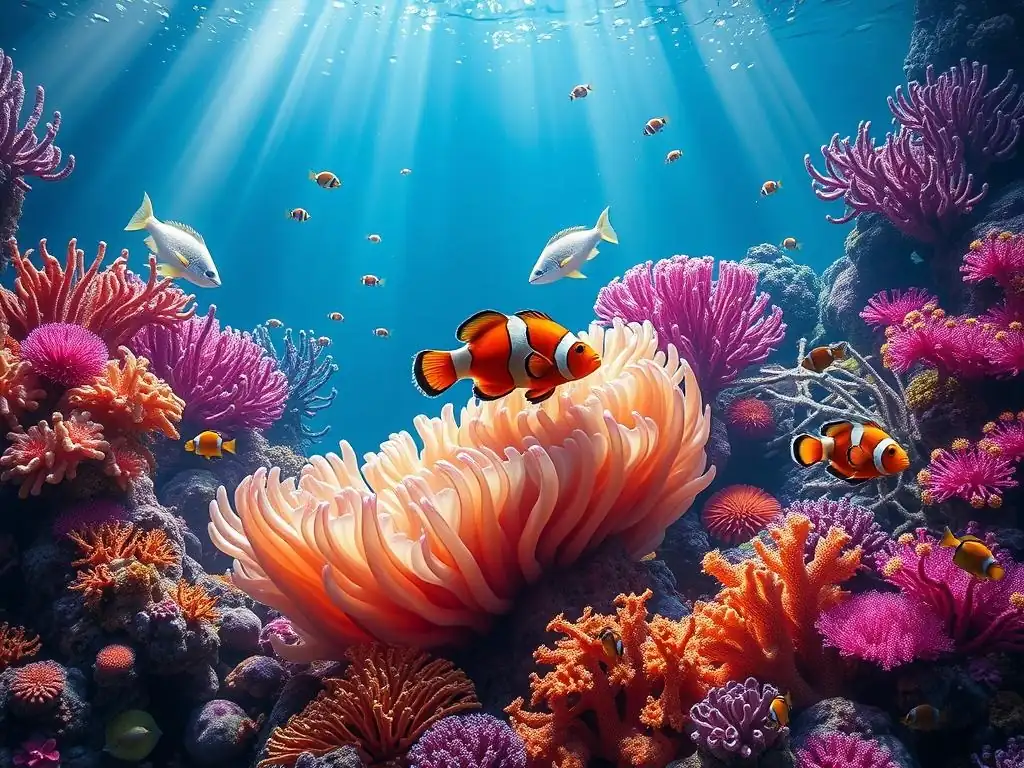
Ever wondered if your prized Picasso Clownfish will happily host that magnificent anemone you've been eyeing? Dive into our comprehensive guide to understanding Clownfish anemone compatibility! Unravel the secrets to creating a thriving symbiotic relationship in your saltwater aquarium, and unlock the potential for a truly stunning and harmonious underwater world. Let's explore the fascinating world of designer Clownfish and their perfect anemone partners!
- Clownfish and Anemone Compatibility: A Guide to Symbiotic Relationships
- Understanding Clownfish and Anemone Symbiosis
-
Clownfish Anemone Compatibility Guide: Species-Specific Recommendations
- Ocellaris Clownfish (Amphiprion ocellaris) and Compatible Anemones
- Percula Clownfish (Amphiprion percula) and Ideal Anemones
- Maroon Clownfish (Premnas biaculeatus) Anemone Preferences
- Tomato Clownfish (Amphiprion frenatus) Anemone Options
- Skunk Clownfish (Amphiprion akallopisos) and Anemone Pairing
- Clarkii Clownfish (Amphiprion clarkii) Anemone Compatibility
- Anemone Care for Clownfish: Maintaining a Healthy Environment
- Troubleshooting Clownfish and Anemone Interactions
- Anemone Size and Placement in the Aquarium
- Conclusion: Creating a Successful Symbiotic Relationship
-
Frequently Asked Questions
- What is the importance of anemone compatibility for Clownfish, according to Aquarium Mastery?
- Does Aquarium Mastery's "Clownfish Anemone Compatibility Guide" cover both freshwater and saltwater aquariums?
- Where can I find information on specific Designer Clownfish varieties, like Picasso or Platinum, and their anemone preferences on Aquarium Mastery?
- What kind of troubleshooting advice does Aquarium Mastery offer if my Clownfish isn't hosting in its anemone?
- Does the "Clownfish Anemone Compatibility Guide" on Aquarium Mastery provide information on the water chemistry requirements for both Clownfish and anemones?
- Final Reflection: The Symbiotic Dance of Life
- Unleash the Clownfish Keeper Within!
Clownfish and Anemone Compatibility: A Guide to Symbiotic Relationships
Understanding Clownfish and Anemone Symbiosis
The Benefits of Anemone Hosting for Clownfish
The symbiotic relationship between clownfish and host anemones is one of nature's most fascinating partnerships, offering significant mutual benefits. For the clownfish, the primary advantage is unparalleled protection from predators, such as lionfish, moray eels, and various piscivorous fish, which are deterred by the anemone's stinging nematocysts. Clownfish possess a unique mucus coating that renders them immune to these stings, allowing them to safely shelter within the anemone's tentacles. Beyond defense, the anemone provides a secure territory, a clean environment due to the clownfish's active removal of debris, and even a supplementary food source from the anemone's leftovers.
In return, the anemone benefits from its clownfish host in several ways. Clownfish are known to actively defend their anemone from predators, such as butterflyfish, which might attempt to eat the anemone's tentacles. Their constant movement within the tentacles also helps improve water circulation around the anemone, aiding in oxygenation and waste removal.
Some studies suggest that clownfish may also assist in feeding the anemone by bringing small food particles, though this is less documented than the protective and cleaning aspects. This complex interplay ensures a healthier and often longer lifespan for both species in a shared environment, making a successful clownfish anemone compatibility guide crucial for aquarists.
Factors Affecting Anemone Choice for Clownfish
Selecting the right anemone for a clownfish is not merely about finding any two species that can coexist; it involves understanding the specific natural host relationships and environmental requirements. There are approximately 30 known species of clownfish, but only about 10 species of host anemones are commonly found to host them in the wild.
A key factor is the clownfish's innate recognition mechanisms, which guide them towards specific anemone species based on chemical cues and tentacle texture. For instance, while a juvenile Ocellaris clownfish might initially attempt to host a carpet anemone, its long-term compatibility is typically with species like the Bubble Tip Anemone, which provides suitable protection without overwhelming its natural defenses.
Beyond the species-specific pairing, the health and stability of the aquarium environment are paramount. Anemones are highly sensitive invertebrates that require pristine water quality, specific lighting intensities, and appropriate water flow to thrive. A stressed or unhealthy anemone, perhaps due to fluctuating salinity or inadequate PAR levels, will not only be less likely to host a clownfish but could also pose a risk to the fish.
For example, an anemone suffering from bleaching due to insufficient light may lose its ability to properly sting or protect, making it an unsuitable host. Therefore, a comprehensive clownfish anemone compatibility guide must always consider the environmental conditions necessary for the anemone's well-being.
Clownfish Anemone Compatibility Guide: Species-Specific Recommendations
Ocellaris Clownfish (Amphiprion ocellaris) and Compatible Anemones
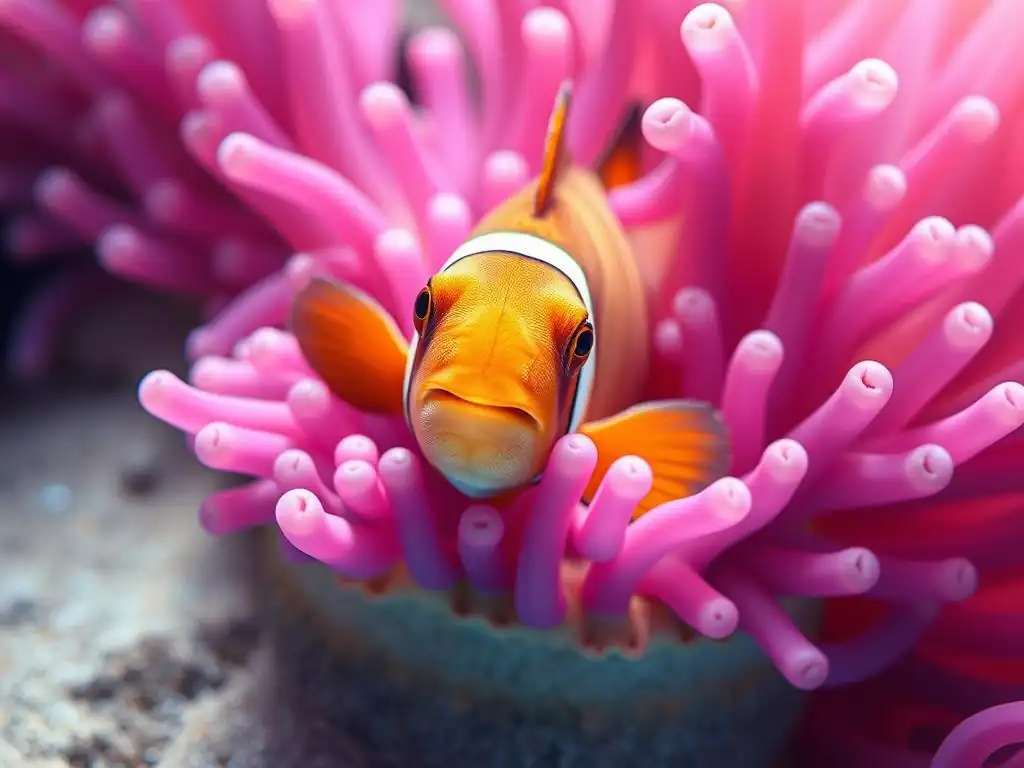
Ocellaris clownfish, often referred to as False Percula, are one of the most recognized and widely kept clownfish species due to their docile nature and relatively small adult size, typically reaching 3 inches. In their natural Indo-Pacific habitats, particularly around Australia and Southeast Asia, they are frequently found associating with a limited number of anemone species.
Studies indicate that their primary hosts in the wild are the Bubble Tip Anemone and the Sebae Anemone, making these ideal choices for a successful clownfish anemone compatibility guide in a home aquarium. Their adaptability makes them a popular choice for beginners looking to establish a symbiotic relationship.
For Ocellaris clownfish, the Bubble Tip Anemone (Entacmaea quadricolor) is arguably the most popular and successful host in captivity, with a high percentage of Ocellaris accepting it within days or weeks. This anemone is relatively hardy and adaptable to varying tank conditions, making it suitable for aquarists who are new to hosting anemones.
The Sebae Anemone (Heteractis crispa) is another natural host, though it can be more challenging to keep due to its specific light and water flow requirements, often preferring moderate to strong flow and high PAR. While Ocellaris clownfish may occasionally host other anemones in captivity, such as the Magnificent Anemone, these two offer the most reliable and natural clownfish anemone compatibility.
Percula Clownfish (Amphiprion percula) and Ideal Anemones
True Percula clownfish are distinct from Ocellaris, though visually similar, often displaying a brighter orange coloration and typically reaching a slightly smaller adult size of around 2.5-3 inches. Hailing from the Western Pacific, their natural hosting preferences are quite specific. In the wild, they are predominantly found hosting two particular species of anemones, establishing a strong symbiotic bond that is essential for their survival against predators like large wrasses and moray eels. Understanding these natural inclinations is key for any comprehensive clownfish anemone compatibility guide, ensuring the well-being of both the fish and the invertebrate.
The Bubble Tip Anemone (Entacmaea quadricolor) is a primary natural host for Percula clownfish, and they readily accept it in aquarium environments, often within a few days of introduction. This anemone's distinctive "bubbles" on its tentacles provide ample shelter and a familiar texture for the Percula. Another highly compatible natural host is the Magnificent Anemone (Heteractis magnifica).
While stunning and providing an impressive display, the Magnificent Anemone demands very stable water parameters, intense lighting (often 400+ PAR), and strong, turbulent flow, making it more suitable for experienced aquarists with mature reef systems. When considering a clownfish anemone compatibility guide for Perculas, these two species offer the most natural and successful hosting opportunities.
Maroon Clownfish (Premnas biaculeatus) Anemone Preferences
Maroon clownfish are known for their striking deep red color and a single, prominent spine on their cheek, which gives them their scientific name "biaculeatus" (two spines, referring to the cheek spines). They are one of the largest and most aggressive clownfish species, reaching up to 6 inches in length. Originating from the Indo-Pacific, particularly around Indonesia and Papua New Guinea, their natural host range is somewhat broader than other clownfish species.
Their robust nature means they require a large, established aquarium, typically 75 gallons or more, especially if hosting an anemone that will also grow significantly. This aggressive nature also influences their host selection, as they tend to prefer more robust anemone species.
The Bubble Tip Anemone (Entacmaea quadricolor) is a frequent host for Maroon clownfish, proving quite durable against the Maroon's more assertive behavior and larger size. This pairing is often successful in captivity, with Maroons quickly settling into BTAs. The Sebae Anemone (Heteractis crispa) is another compatible option, though it requires precise water conditions and good lighting to thrive, preferring stable temperatures around 78°F and strong light.
Furthermore, the Long Tentacle Anemone (Macrodactyla doreensis) is a natural host that Maroons readily accept; this anemone is characterized by its long, flowing tentacles and requires a deep sand bed to anchor its foot. Due to the Maroon's size and potential for aggression, ensuring the chosen anemone is sufficiently large and healthy is paramount for a successful clownfish anemone compatibility guide with this species.
Tomato Clownfish (Amphiprion frenatus) Anemone Options
Tomato clownfish are characterized by their vibrant reddish-orange bodies, often with a single white stripe behind their eyes when young, which may fade with age. They are moderately aggressive and can grow to about 5 inches, making them a good choice for tanks 40 gallons and larger, especially as they mature. Found in the Western Pacific, from Malaysia to Japan, they have a somewhat flexible range of natural hosts, demonstrating their adaptability. Their active swimming and somewhat territorial nature mean they benefit greatly from the security an anemone provides, offering them a safe retreat from other tank inhabitants.
For Tomato clownfish, the Bubble Tip Anemone (Entacmaea quadricolor) is a very common and successful host in captivity, often accepted quickly due to its hardiness and widespread availability. This anemone's resilience makes it a suitable choice for a moderately active clownfish. The Leather Anemone (Heteractis crispa), often referred to as Sebae anemone in the hobby, and the Sebae Anemone (Heteractis crispa) itself are also natural hosts for Tomato clownfish.
The Leather Anemone is particularly hardy and can be a good choice for aquarists seeking a more forgiving host in terms of water stability. When applying a clownfish anemone compatibility guide for Tomato clownfish, ensuring the anemone is well-established and robust enough to handle the clownfish's active nature is important for a lasting symbiotic relationship.
Skunk Clownfish (Amphiprion akallopisos) and Anemone Pairing
Skunk clownfish are easily identifiable by the distinctive white stripe running along their dorsal fin, resembling a skunk's stripe. They are generally peaceful and smaller than many other clownfish species, typically reaching 3-4 inches in adult size. Their natural range extends across the Indo-Pacific, from East Africa to Samoa. Unlike some other clownfish, Skunk clownfish are often found in larger groups in the wild, sometimes numbering a dozen or more individuals sharing a single large anemone. This schooling behavior can sometimes be replicated in very large home aquariums, though it requires careful planning to manage aggression dynamics.
The Leather Anemone (Heteractis crispa) (often referred to as Sebae anemone in the hobby) is a common natural host for Skunk clownfish, readily accepted in captivity. This anemone's firm texture and often less potent sting are well-suited to the Skunk's gentle nature, making it a reliable choice. Another natural host is the Delicate Anemone (Heteractis malu), also known as the Malu anemone.
This anemone is recognized by its often short, stubby tentacles and can be a bit more challenging to keep than the Bubble Tip, requiring stable parameters and specific flow. When constructing a clownfish anemone compatibility guide for Skunk clownfish, these two anemone species offer the most reliable and natural pairing, fostering a peaceful coexistence.
Clarkii Clownfish (Amphiprion clarkii) Anemone Compatibility
Clarkii clownfish are one of the most widespread and adaptable clownfish species, found across the entire Indo-Pacific region. They exhibit significant color variation depending on their geographical origin, ranging from yellow to orange to dark brown, often with two prominent white bars. They are also one of the larger clownfish, reaching up to 5 inches, and can be moderately aggressive, especially as they mature. Their broad distribution correlates with a wider range of natural host anemones, making them quite versatile in captivity compared to more specialized clownfish species.
The Sebae Anemone (Heteractis crispa) is a very common host for Clarkii clownfish both in the wild and in aquariums. Its robust nature and large size are well-suited to the Clarkii's temperament and adult dimensions, providing ample space for hosting. The Bubble Tip Anemone (Entacmaea quadricolor) is another highly compatible option, often readily accepted by Clarkiis and known for its hardiness.
Furthermore, the Magnificent Anemone (Heteractis magnifica) is a natural host, offering a grand display for a large Clarkii clownfish, though it demands pristine water quality, intense lighting (often exceeding 350 PAR), and strong, turbulent flow. This broad clownfish anemone compatibility guide for Clarkiis means aquarists have several viable options, provided the anemone's specific care requirements are met.
Anemone Care for Clownfish: Maintaining a Healthy Environment
Water Parameters for Anemones: Salinity, Temperature, and Alkalinity
Maintaining stable and optimal water parameters is critical for the health and longevity of host anemones, which directly impacts the success of the clownfish anemone compatibility guide. Salinity should ideally be maintained at 1.025-1.026 specific gravity, mimicking natural seawater conditions. Fluctuations, even by 0.002, can cause significant stress, leading to retraction or even death. Temperature should be kept stable between 76-80°F (24-27°C); sudden drops or spikes of more than 2°F can be detrimental, causing the anemone to move erratically in search of more favorable conditions.
Alkalinity is equally vital, ideally maintained between 8-12 dKH, with calcium levels at 400-450 ppm and magnesium at 1200-1350 ppm. These parameters are crucial for the anemone's skeletal development (though they are soft-bodied, they require these for cellular processes) and overall metabolic functions. Regular testing, at least weekly, is recommended to ensure stability, as even minor shifts can lead to stress. For instance, a drop in alkalinity below 7 dKH can inhibit an anemone's ability to maintain its turgor and properly expel waste, leading to a gradual decline in health.
Lighting Requirements for Anemones: PAR and Spectrum
Anemones, particularly those that host clownfish, are photosynthetic invertebrates, relying heavily on symbiotic zooxanthellae algae within their tissues for energy. Therefore, appropriate lighting is paramount for their survival and health. Photosynthetically Active Radiation (PAR) levels vary by species, but most host anemones require moderate to high PAR, typically ranging from 150-350 PAR at the anemone's location. For example, a Bubble Tip Anemone can thrive with 150-250 PAR, while a Magnificent Anemone may require 300-400+ PAR to prevent bleaching and ensure robust growth.
The spectrum of light is also important for the zooxanthellae. Full spectrum lighting with a strong blue component (around 450-470nm) is highly beneficial, as it promotes optimal photosynthesis. Lights with a color temperature between 10,000K and 20,000K are generally suitable for most host anemones. Inadequate lighting can lead to an anemone bleaching (expelling its zooxanthellae), shrinking, or losing its vibrant coloration, ultimately jeopardizing the clownfish anemone compatibility guide as a stressed anemone is not a good host and may even harm the clownfish.
Feeding Anemones: Supplementation and Target Feeding
While host anemones derive a significant portion of their energy from light through photosynthesis, supplemental feeding is crucial for their long-term health, growth, and vibrant coloration. In a thriving reef tank, an anemone may catch small food particles from the water column, but target feeding is often necessary to ensure they receive adequate nutrition. Feeding frequency can range from once or twice a week to every other week, depending on the anemone's size, species, and overall health, with larger anemones generally requiring more frequent feeding.
Suitable foods include small pieces of silverside fish, mysis shrimp, krill, or finely chopped raw shrimp. The food item should be small enough for the anemone to engulf easily without tearing. For example, a 6-inch Bubble Tip Anemone might consume a quarter of a silverside, while a smaller Sebae anemone might prefer a few mysis shrimp.
When target feeding, gently place the food onto the anemone's oral disc using tongs or a pipette. A well-fed anemone will be plump and sticky, indicating good health, which is essential for a successful clownfish anemone compatibility guide. Overfeeding, however, can lead to water quality issues if the food decays.
Troubleshooting Clownfish and Anemone Interactions
Reasons Why Clownfish Might Not Host an Anemone
Despite following a detailed clownfish anemone compatibility guide, a clownfish may sometimes refuse to host an anemone, which can be perplexing for aquarists. One common reason is that the clownfish may have been captive-bred and never exposed to an anemone, thus lacking the natural instinct or experience to initiate hosting. These individuals often require more time and patience, or may never host. Another factor could be the anemone's health; a stressed, shrinking, or otherwise unhealthy anemone may not release the necessary chemical cues to attract the clownfish, or its sting might be too potent if it's not well.
Tank dynamics can also play a significant role in a clownfish's reluctance to host. Aggressive tank mates might stress the clownfish, making it hesitant to leave its hiding spot to explore the anemone. Furthermore, if the clownfish has already established a "host" in the tank, even if it's not an anemone (e.g., a powerhead, a specific rock, or a large coral like a torch or hammer), it may prefer that familiar territory over a new anemone.
In some cases, the clownfish might simply not like the specific anemone species offered, even if it's listed as compatible. Patience is key; some clownfish take weeks or even months to host, while others may never do so.
Introducing Clownfish and Anemones: Acclimation and Observation
Proper acclimation is crucial for both the clownfish and the anemone to minimize stress and increase the chances of a successful host relationship. Both organisms should be drip acclimated over at least 30-60 minutes to slowly adjust to the aquarium's water parameters, including salinity, temperature, and pH. Introducing the anemone first and allowing it to settle for several weeks or even a month before adding the clownfish can be beneficial, ensuring the anemone is fully expanded, healthy, and has found its preferred spot in the tank. This allows the anemone to establish itself and emit the necessary chemical signals.
Once both are in the tank, observe their interactions closely but avoid interfering. Initially, the clownfish might cautiously approach or nip at the anemone's tentacles. Do not force interaction by pushing the clownfish towards the anemone. Provide ample space and hiding spots for both. If the clownfish shows signs of severe stress (e.g., rapid breathing, clamped fins, erratic swimming) or the anemone retracts significantly and stays closed when touched by the clownfish, separate them temporarily. A successful clownfish anemone compatibility guide emphasizes slow and careful introduction to foster natural hosting behavior and minimize potential harm.
Recognizing and Addressing Common Anemone Diseases
Anemones, like other invertebrates, can suffer from various ailments, often stemming from poor water quality, inadequate lighting, insufficient feeding, or physical damage. Common signs of distress include shrinking drastically, loss of vibrant color (bleaching), inability to stick to surfaces, tentacles becoming limp or stringy, and expulsion of mesenterial filaments (white, stringy material from the mouth). For instance, a Bubble Tip Anemone shrinking to half its size, turning pale white, and failing to inflate over a few days is a strong indicator of bleaching due to light shock or prolonged poor water quality.
Addressing these issues requires immediate and careful action. First, meticulously check all water parameters (salinity, temperature, alkalinity, nitrates, phosphates) and correct any imbalances gradually. Increase water flow if the anemone appears sluggish or is accumulating detritus.
If bleaching is suspected, slowly reduce light intensity or provide temporary shade, then gradually increase it over several weeks as the anemone recovers. In some cases, a bacterial infection might cause lesions or necrosis; however, broad-spectrum antibiotics are rarely used in the main tank due to their potential harm to beneficial bacteria and other invertebrates. Prevention through consistent optimal care, as outlined in a good clownfish anemone compatibility guide, is the best defense against anemone diseases.
Anemone Size and Placement in the Aquarium
Selecting an Appropriate Anemone Size for Clownfish
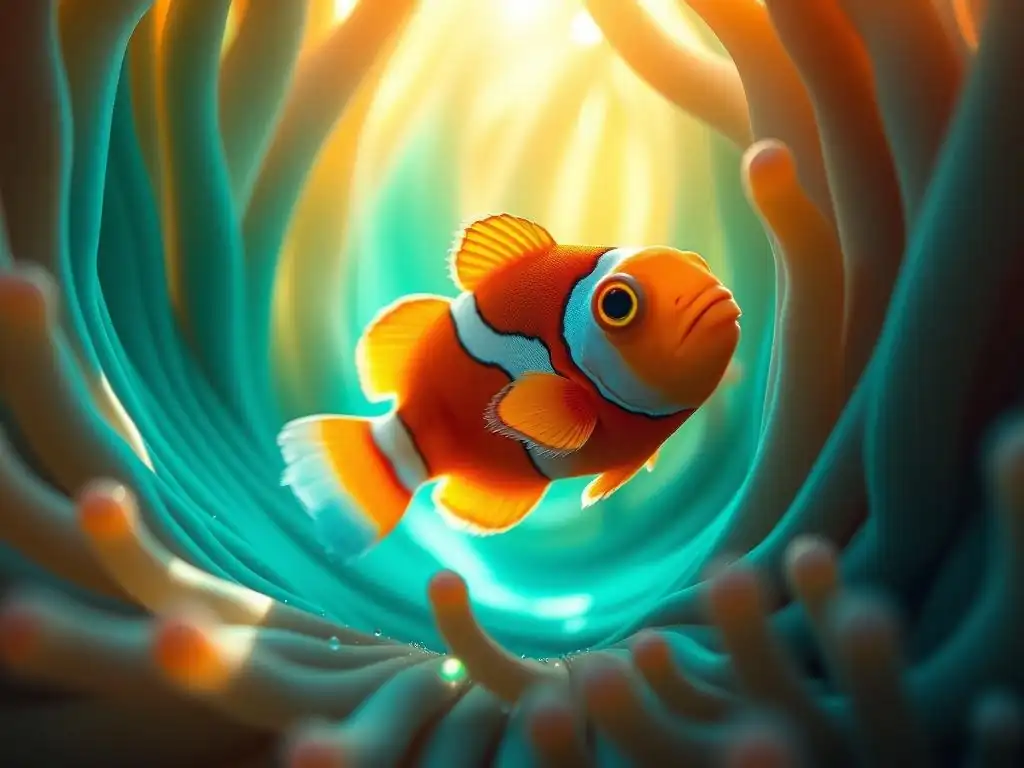
The size of the anemone relative to the clownfish is an important consideration for both the anemone's health and the clownfish's comfort and safety. A general rule of thumb is that the anemone should be at least three to four times the length of the adult clownfish when fully expanded. For example, a 3-inch Ocellaris clownfish would ideally host an anemone that is 9-12 inches in diameter.
An anemone that is too small might become stressed or damaged by an overly enthusiastic clownfish, especially if multiple clownfish are attempting to host a single, undersized anemone. This can lead to the anemone retracting frequently or failing to thrive.
Conversely, a very large anemone in a small tank can quickly dominate the aquascape, potentially stinging other corals or fish as it expands or moves. Consider the anemone's potential adult size; a small 3-inch Bubble Tip Anemone purchased today can easily grow to 12-18 inches in a few years with proper care and feeding.
Planning for this growth is crucial for long-term clownfish anemone compatibility guide success and overall tank health, ensuring adequate space for all inhabitants. Always choose an anemone that is already healthy, fully expanded, and actively sticky, avoiding those that are shriveled, pale, or exhibiting signs of stress.
Anemone Placement to Prevent Stinging Other Inhabitants
Anemones are notorious for their ability to move around the tank, often settling in unexpected locations if they are unhappy with their initial spot, light, or flow conditions. Their powerful stinging nematocysts can cause significant damage or even death to corals and other sessile invertebrates. Therefore, careful placement is essential from the outset.
Place the anemone in an area with stable rockwork, away from strong powerhead flow that might dislodge it, and at a safe distance from other corals. A recommended minimum distance from corals is often 6-12 inches, depending on the anemone's size and the coral's sensitivity (e.g., LPS corals are highly vulnerable).
Providing a "safe zone" for the anemone, often a dedicated rock or sand bed area, can encourage it to stay put. Some aquarists create an "anemone island" by isolating a rock with a bare sand perimeter or placing the anemone on a piece of rock that is not touching other rock structures. Ensure that the anemone has access to appropriate light and flow in its chosen spot, as these are primary drivers for movement.
Regularly check its position, especially after adding new inhabitants or making changes to flow, as these can prompt an anemone to relocate. This proactive approach is vital for maintaining a harmonious ecosystem and following a practical clownfish anemone compatibility guide.
Conclusion: Creating a Successful Symbiotic Relationship
Establishing a successful symbiotic relationship between clownfish and their host anemones is a rewarding aspect of marine aquaria, offering a captivating glimpse into nature's intricate partnerships. The journey begins with thorough research and careful selection, adhering to a comprehensive clownfish anemone compatibility guide that considers species-specific preferences and behaviors. Understanding the mutual benefits, where the clownfish gains protection and the anemone receives cleaning and defense, lays the foundation for a thriving partnership.
Ultimately, the longevity and health of this unique bond hinge on the aquarist's commitment to providing optimal conditions for the anemone. Consistent water quality, appropriate lighting, and regular supplemental feeding are not merely beneficial but essential for the anemone's well-being. A healthy, robust anemone is the cornerstone of a happy and secure clownfish. Patience, keen observation, and a proactive approach to troubleshooting potential issues will ensure that your clownfish and their chosen anemone not only survive but truly flourish, providing years of enjoyment in your home aquarium.
Frequently Asked Questions
What is the importance of anemone compatibility for Clownfish, according to Aquarium Mastery?
Anemone compatibility is crucial because Clownfish rely on anemones for protection and shelter in their natural habitat. Choosing the wrong anemone can lead to the Clownfish being stung or rejected.
Does Aquarium Mastery's "Clownfish Anemone Compatibility Guide" cover both freshwater and saltwater aquariums?
No, the guide specifically focuses on saltwater aquariums, as Clownfish and their host anemones are exclusively marine species. Freshwater tanks are not suitable for them.
Where can I find information on specific Designer Clownfish varieties, like Picasso or Platinum, and their anemone preferences on Aquarium Mastery?
The guide provides profiles on various Designer Clownfish varieties, outlining their preferred anemone species and any unique considerations for their care. It helps match the Clownfish to a compatible anemone.
What kind of troubleshooting advice does Aquarium Mastery offer if my Clownfish isn't hosting in its anemone?
Aquarium Mastery offers guidance on factors influencing hosting behavior, such as water quality, tank size, and introduction techniques. It also suggests solutions like introducing the Clownfish slowly or using a "Clownfish starter cube".
Does the "Clownfish Anemone Compatibility Guide" on Aquarium Mastery provide information on the water chemistry requirements for both Clownfish and anemones?
Yes, the guide emphasizes the importance of stable water parameters, including salinity, pH, and temperature, for the health of both Clownfish and their host anemones. It provides recommended ranges and monitoring guidelines.
Final Reflection: The Symbiotic Dance of Life
The journey we've taken, from understanding the humble Picasso clownfish to the shimmering Platinum variant, underscores the enduring power of symbiosis in the natural world and our responsibility to understand it. This guide, while practical in its application, highlights a deeper truth: that even in the seemingly simple ecosystem of a reef tank, intricate relationships dictate survival and thriving. The choices we make as aquarists directly impact these delicate balances.
This exploration of clownfish and anemone compatibility has not only provided practical guidance, but also illuminated the profound interconnectedness of life. My own fascination with this topic stems from a deep respect for the delicate balance of nature, a balance we must strive to understand and protect. In nature, nothing exists alone.
- Rachel Carson. This quote perfectly encapsulates the essence of the clownfish-anemone relationship and serves as a constant reminder of the interconnectedness of all living things.
Now, armed with this knowledge, I invite you to reflect on your own role in this intricate dance. Consider how your choices, both within the aquarium and beyond, contribute to the health and well-being of our planet. Let this guide not just inform your aquascaping decisions, but inspire a deeper appreciation for the symbiotic relationships that sustain life, and a commitment to preserving them for generations to come.
Unleash the Clownfish Keeper Within!
Thanks for diving into the world of designer clownfish and anemone pairings! We hope you’ve gained valuable insights into creating a thriving reef ecosystem. Now it's time to take action and bring your dream aquarium to life!
- Plan your ideal anemone and clownfish pairing: Take your notes and decide which species would work best in your tank based on size, compatibility, and your personal preferences.
- Delve deeper! Research the specific care requirements of your chosen anemone. Understanding its light, flow, and feeding needs is crucial for success.
- Share your dream pairing! What designer clownfish and anemone combo are you most excited to try and why? Post a comment and let's talk!
What's the first step you'll take to create the perfect clownfish and anemone paradise in your home aquarium?