
Sand Substrates in Planted Tanks: Tips for Success and Avoiding Pitfalls

Welcome to Aquarium Mastery!
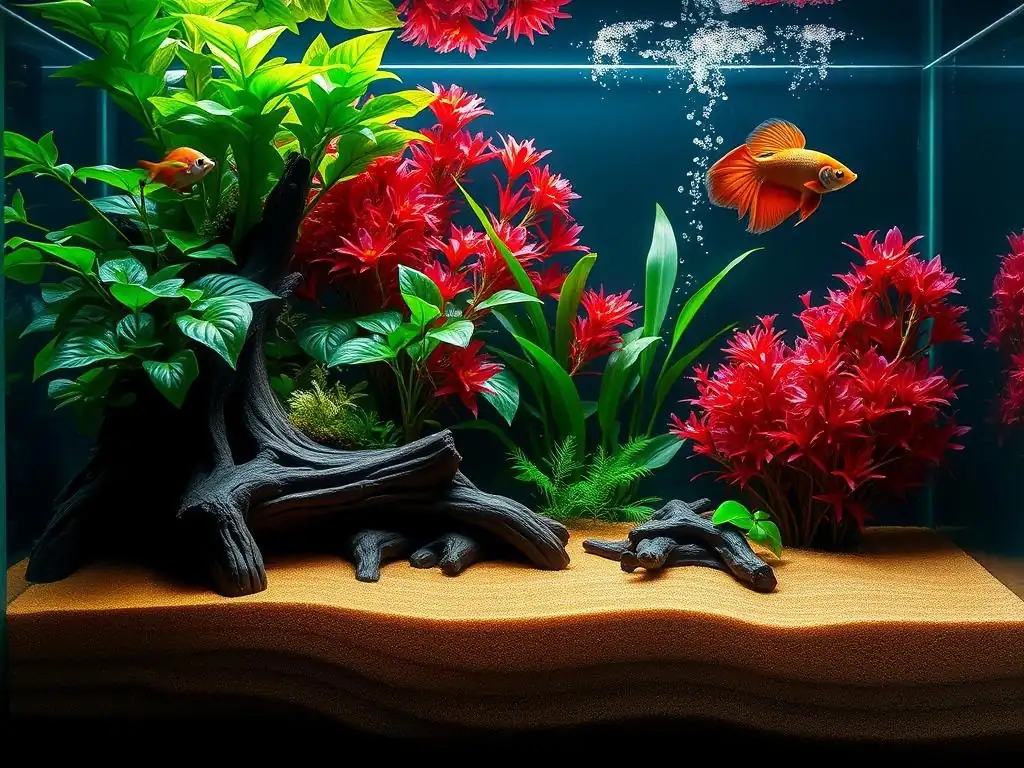
Ever dreamt of a lush, thriving planted aquarium with vibrant colors and healthy growth? The secret might be beneath your feet... or rather, beneath your plants! Dive in and discover everything you need to know about using planted tank sand substrate to create a flourishing underwater paradise. But be warned, not all sands are created equal! We'll guide you through the pros, cons, and potential pitfalls, setting you up for success. Intrigued? Let's get started!
- Understanding Sand Substrates for Planted Aquariums
-
Frequently Asked Questions
- What are the benefits of using sand as a substrate in a planted tank?
- What types of sand are suitable for a planted tank?
- How deep should the sand substrate be in a planted tank?
- What are some common problems associated with using sand in planted tanks, and how can I avoid them?
- Can I use fertilizers with a sand substrate in a planted tank?
- Final Reflection: The Enduring Allure of the Natural Aquascape
- Unleash Your Aquatic Creativity!
Understanding Sand Substrates for Planted Aquariums
What is a Sand Substrate? Defining Sand for Planted Tanks
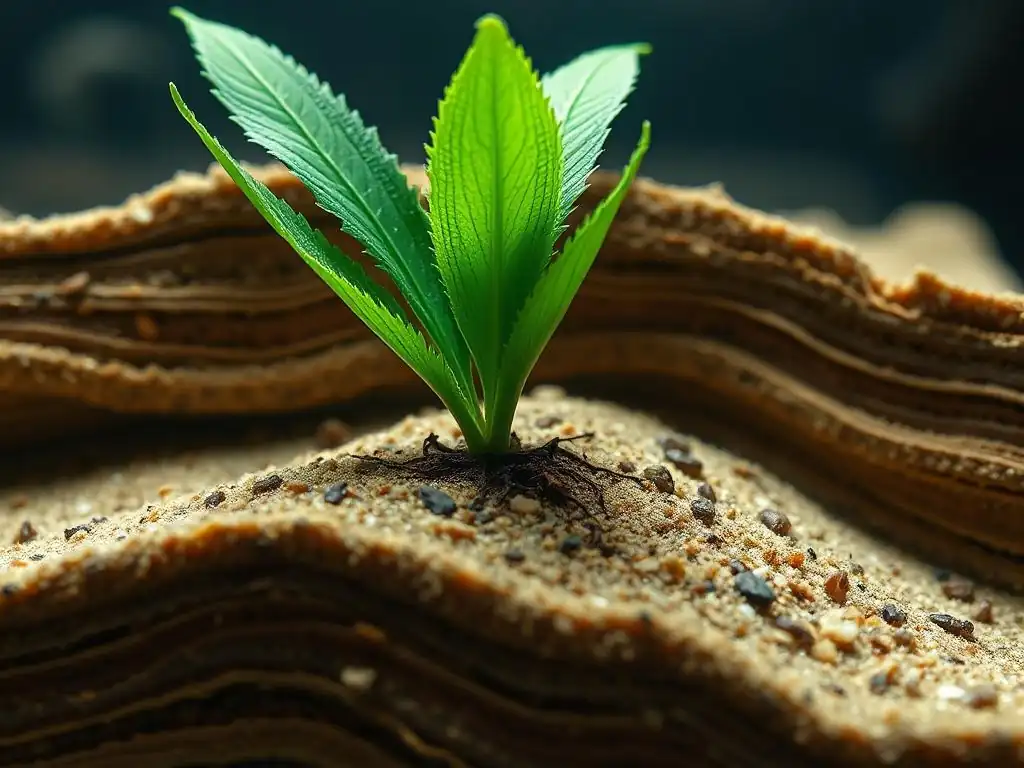
A sand substrate in a planted aquarium refers to a layer of fine particulate material, typically with a grain size ranging from 0.1 mm to 2.0 mm, that forms the bottom bed of the tank. Unlike coarser gravel or specialized granular aquasoils, sand provides a dense, compact medium for plant roots to anchor and spread.
Its composition usually consists of inert silicates like quartz or silica, ensuring it does not significantly alter water chemistry unless specifically designed to do so (like aragonite). This fine texture also minimizes the accumulation of detritus within the substrate itself, as waste tends to settle on the surface where it can be more easily siphoned.
The primary function of a sand substrate in a planted tank is to provide a stable, nutrient-holding environment for aquatic plants. Its compact nature prevents light and water flow from penetrating too deeply, which can help foster beneficial anaerobic bacteria crucial for nitrogen cycling in deeper layers. For aquarists aiming for a natural aesthetic, sand offers a serene, riverbed-like appearance that complements a wide array of aquatic plants and fish. Choosing the right planted tank sand substrate is fundamental to long-term success, influencing everything from water parameters to plant health and tank maintenance.
Benefits of Using Sand in Planted Tanks
The use of sand as a planted tank sand substrate offers several distinct advantages that appeal to many aquarists. Firstly, its fine grain size provides excellent anchoring for plant roots, allowing even delicate stem plants to establish firmly without floating away. This dense compaction also means that nutrients, whether from root tabs or a nutrient-rich base layer, are retained more effectively within the substrate, making them readily available to root-feeding plants and reducing their dispersal into the water column where they might fuel algae growth.
Secondly, sand creates a highly natural and aesthetically pleasing environment. Its smooth texture and uniform appearance can mimic real aquatic habitats, enhancing the visual appeal of a planted tank. Furthermore, sand is generally safer for bottom-dwelling fish species like Corydoras catfish or Kuhli loaches, as its fine grains prevent damage to their delicate barbels, unlike rougher gravel. From a maintenance perspective, detritus tends to sit on top of the sand rather than sinking deep into it, making cleaning with a gravel vacuum more efficient and less disruptive to the substrate bed.
Different Types of Sand Substrate Options
When selecting a planted tank sand substrate, aquarists have several options, each with unique characteristics that influence its suitability for specific setups. The most common types include quartz sand, pool filter sand, and aragonite sand, among others. Each type varies in composition, grain size, and impact on water chemistry, making an informed choice crucial for the health of your aquatic plants and the overall stability of your aquarium ecosystem.
Quartz Sand vs. Pool Filter Sand
Quartz sand, often sold specifically for aquariums, is a popular choice for a planted tank sand substrate due to its inert nature and aesthetic versatility. It is composed primarily of silica (silicon dioxide), which means it will not alter water parameters like pH or hardness. Available in various natural colors, from white to light brown, quartz sand allows for diverse aquascaping designs. Its grain size can vary, but typically it is fine enough to provide good root anchoring for plants.
Pool filter sand, on the other hand, is a highly cost-effective and equally inert alternative to specialized aquarium sands. It is also silica-based, typically a uniform medium-fine grain size (often around 0.45 mm to 0.85 mm), and is pre-washed to remove most dust, reducing the amount of rinsing required before use.
Its consistency and inertness make it an excellent planted tank sand substrate, providing a stable and safe environment for plants and bottom-dwelling fish without impacting water chemistry. Many aquarists report excellent plant growth and ease of maintenance with pool filter sand, making it a budget-friendly yet highly effective option.
Aragonite Sand: Suitability for Freshwater Planted Tanks
Aragonite sand is primarily composed of calcium carbonate (CaCO3) and is commonly used in saltwater aquariums to help maintain stable pH and alkalinity. In freshwater planted tanks, however, its suitability is generally limited.
Aragonite sand actively dissolves over time, releasing calcium and carbonate ions into the water, which significantly increases both the general hardness (GH) and carbonate hardness (KH), and consequently, the pH. While some hardy plants can tolerate higher pH and harder water, the vast majority of popular freshwater aquatic plants, especially those from soft, acidic water environments (like many Amazon sword plants or Cryptocorynes), will struggle or fail to thrive in such conditions.
For a typical planted tank focused on lush growth and a diverse range of plant species, aragonite sand is not recommended as a planted tank sand substrate. The constant elevation of pH and hardness can stress plants, inhibit nutrient uptake, and potentially lead to deficiencies. It might only be considered for very specific freshwater setups, such as African cichlid tanks that require high pH and hardness and feature a limited selection of highly adaptable plants. For the average freshwater planted aquarium, inert sand types like quartz or pool filter sand are far superior choices.
Frequently Asked Questions
What are the benefits of using sand as a substrate in a planted tank?
Sand provides a natural aesthetic and allows for easy root penetration for many aquatic plants. It can also be more economical than other substrate options.
What types of sand are suitable for a planted tank?
Avoid using play sand or construction sand, as these may contain harmful chemicals or impurities. Opt for aquarium-specific sand or pool filter sand that is inert and safe for aquatic life.
How deep should the sand substrate be in a planted tank?
A depth of 1-2 inches is generally sufficient for most rooted aquatic plants. Deeper layers can lead to anaerobic pockets, which can produce harmful gases.
What are some common problems associated with using sand in planted tanks, and how can I avoid them?
Sand can become compacted, leading to poor root growth and anaerobic conditions. Regular gravel vacuuming and the introduction of Malaysian Trumpet Snails (MTS) can help prevent these issues.
Can I use fertilizers with a sand substrate in a planted tank?
Yes, you can use root tabs or liquid fertilizers to provide nutrients to your plants. Root tabs are particularly effective as they deliver nutrients directly to the plant roots in the sand.
Final Reflection: The Enduring Allure of the Natural Aquascape
The journey through the nuances of planted tank sand substrates reveals more than just the technical aspects of aquarium keeping; it underscores our innate desire to recreate miniature ecosystems within our homes. The success of a planted tank, particularly one relying on sand, speaks volumes about our ability to understand and nurture delicate balances, mirroring the larger ecological challenges we face in the world around us.
This exploration into sand substrates has profoundly influenced my perspective on aquarium keeping, transforming it from a mere hobby into a deeper appreciation for the interconnectedness of life. Witnessing the vibrant growth of plants rooted in sand, the thriving microfauna, and the overall health of the aquarium ecosystem is a constant reminder of the power of patience and careful observation. The best time to plant a tree was 20 years ago. The second best time is now.
This ancient proverb resonates deeply with the patience required for a thriving planted tank, reminding us that consistent effort yields lasting beauty.
Now, as you consider the information shared, I invite you to reflect on your own relationship with nature and the potential for creating harmonious environments, both within your aquarium and beyond. Embrace the challenge of cultivating a thriving planted tank with sand, and in doing so, discover a deeper connection to the natural world and the profound satisfaction of nurturing life. Let your aquarium be a testament to the beauty and resilience that can emerge from even the simplest of substrates.
Unleash Your Aquatic Creativity!
Thanks for diving into the world of sand substrates! We hope you've gained valuable insights to create a thriving planted tank. Now, it's time to put that knowledge into action.
- Boldly transform your tank! Replace your existing substrate with sand, following our guide for a seamless transition and optimal plant growth. This is your chance to create a stunning aquascape!
- Share your progress! Post photos of your sand substrate planted tank on social media using #AquariumMasterySand and inspire fellow aquascapers.
- Experiment with different sand types! Research less common options like black blasting sand for a unique aesthetic and share your findings with the Aquarium Mastery community in the comments.
What's the first plant you're adding to your newly sand-scaped aquarium, and why?