
Assassin Snails (Clea helena): The Natural Solution to Pest Snail Overpopulation

Welcome to Aquarium Mastery!
Tired of pesky snails taking over your beautiful aquarium? Curious about a natural, effective solution? Dive into our comprehensive guide to Assassin Snails (Clea helena) and discover how these fascinating invertebrates can help you regain control. Get ready to say goodbye to snail infestations and hello to a healthier, more balanced aquatic ecosystem!
- Assassin Snails (Clea helena): Natural Pest Control for Freshwater Aquariums
- Understanding Snail Overpopulation in Aquariums
- Assassin Snails (Clea helena) as a Solution
-
Frequently Asked Questions
- How do Assassin Snails help control pest snails in an aquarium?
- Are Assassin Snails safe for all aquarium inhabitants?
- How many Assassin Snails do I need to control a pest snail infestation?
- What do Assassin Snails eat if there are no pest snails left?
- Can Assassin Snails completely eradicate all snails from my aquarium?
- Final Reflection: The Silent Guardians of Balance
- Unleash Your Tank's Potential: Become a Snail Master!
Assassin Snails (Clea helena): Natural Pest Control for Freshwater Aquariums
Understanding Snail Overpopulation in Aquariums
Identifying Common Pest Snails
Snail overpopulation in freshwater aquariums often stems from the rapid reproduction of certain common species, frequently introduced unintentionally. Three of the most prevalent pest snails are the Malaysian Trumpet Snail ( Melanoides tuberculata), Ramshorn Snail ( Planorbella spp.), and Pond/Bladder Snails ( Lymnaea spp. or Physa spp.). Malaysian Trumpet Snails are easily identified by their elongated, conical shells, typically reaching up to 1 inch (2.5 cm) in length, and their habit of burrowing into the substrate. They reproduce asexually through parthenogenesis, meaning a single snail can quickly establish a thriving colony, laying dozens of eggs per week.
Ramshorn Snails feature a distinctive, flat, coiled shell that resembles a ram's horn, varying in color from red to brown, and also growing to about 1 inch (2.5 cm). These hermaphroditic snails lay visible gelatinous egg clutches containing 10-50 eggs, often on aquarium glass or plant leaves. Pond and Bladder Snails are generally smaller, usually under 0.5 inches (1.2 cm), with more rounded or oval shells.
They are prolific breeders, with a single snail capable of laying egg clutches containing anywhere from 20 to 200 eggs, leading to exponential population growth within weeks. These species are often hitchhikers on new plants, decorations, or even live food.
Negative Impacts of Excessive Snail Populations
While a small number of snails can be beneficial for consuming algae and detritus, an excessive population can significantly degrade aquarium health and aesthetics. A primary concern is the increased bioload they impose on the filtration system.
Hundreds of snails produce substantial waste, which, along with the decaying bodies of deceased snails, contributes to elevated levels of ammonia, nitrite, and nitrate. For instance, an infestation of just 50 small snails in a 10-gallon tank can produce waste equivalent to a small fish, potentially overwhelming the beneficial bacteria responsible for the nitrogen cycle and leading to dangerous water parameter spikes that stress or even kill fish.
Beyond water quality issues, an overabundance of snails can become an unsightly nuisance, covering tank surfaces and plants. They also compete directly with fish and other invertebrates for food, especially if the tank is overfed. In situations where food is scarce, some pest snail species, particularly larger ones, might begin to consume delicate live plants, causing visible damage.
For example, a severe Ramshorn snail infestation can quickly decimate a planted tank, as they graze on softer plant leaves when algae and detritus are insufficient. This makes effective Assassin snails control pests a crucial aspect of maintaining a balanced and healthy freshwater aquarium.
Assassin Snails (Clea helena) as a Solution
Overview of Clea helena
The Assassin Snail, scientifically known as Clea helena, is a fascinating freshwater predatory snail native to the slow-moving waters and rivers of Southeast Asia, specifically found in countries like Thailand, Malaysia, and Indonesia. Renowned among aquarists for their highly effective role in biological pest control, these snails primarily subsist on other snails, making them an excellent natural solution for managing unwanted snail populations in freshwater aquariums. Their predatory nature targets common pest snails without posing a threat to the vast majority of other aquarium inhabitants.
Unlike many common pest snails, Clea helena are not hermaphroditic; they require both a male and a female to reproduce. This characteristic is a significant advantage in aquarium settings, as it prevents them from becoming an overpopulation problem themselves. Their breeding rate is considerably slower and more controlled compared to pest snails, typically producing only a few offspring at a time. With a lifespan that can range from 2 to 5 years under optimal conditions, a small group of Assassin Snails can provide long-term, sustainable Assassin snails control pests for most home aquariums.
Physical Characteristics and Identification
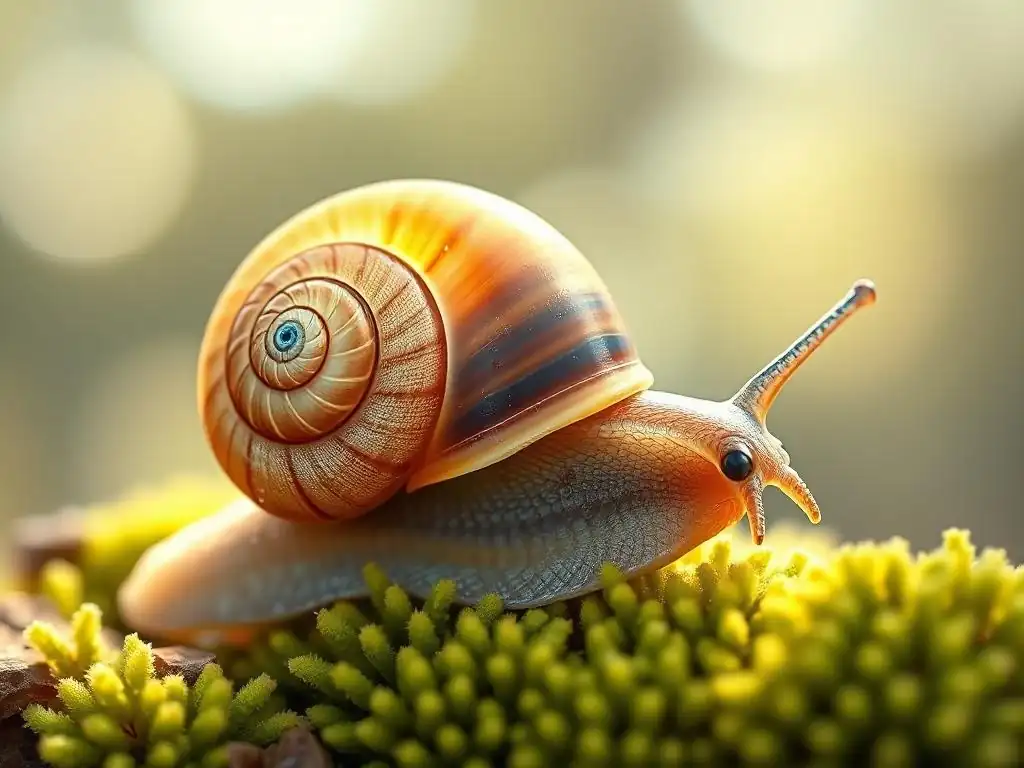
Clea helena possesses distinct physical characteristics that make them easily identifiable. Their most striking feature is their conical shell, which typically measures between 0.5 to 1 inch (1.2 to 2.5 cm) in length when fully grown. The shell coloration is a beautiful combination of yellow or cream with dark brown or black spiral bands, although the intensity and width of these bands can vary between individuals. This banded pattern gives them a striped appearance, contributing to their popular "bumblebee snail" nickname.
Another key feature is their prominent, elongated siphon, which they extend to detect food and oxygen in their environment. This siphon is a crucial tool in their hunting strategy, allowing them to locate prey even when buried in the substrate. Assassin Snails also possess an operculum, a hard, protective trapdoor that allows them to completely seal off their shell, providing defense against potential threats or adverse water conditions. When at rest or burrowed, they often retract into their shells, with only the tip of their siphon occasionally visible above the substrate.
Natural Behavior and Aquarium Compatibility
The natural behavior of Clea helena is primarily driven by their carnivorous diet, making them highly specialized in consuming other snails. This predatory instinct is what makes Assassin snails control pests such an effective and sought-after method for aquarists.
They actively hunt down and consume pest snails, including Malaysian Trumpet Snails, Ramshorn Snails, and Pond Snails, by inserting their proboscis into the prey's shell and consuming its soft tissues. While they do exhibit nocturnal tendencies, often becoming more active during the evening hours, they will readily emerge during the day if they detect the presence of food or if they are particularly hungry.
In terms of aquarium compatibility, Assassin Snails are generally considered peaceful and safe additions to most freshwater community tanks. They pose no threat to healthy fish, shrimp, or live plants. Their diet is specifically geared towards other snails, and they will only scavenge on dead or dying fish and shrimp, rather than actively preying on them.
They typically spend a good portion of their time burrowed in the substrate, emerging to hunt or when food is available. For effective pest control, a general guideline is to introduce 1 Assassin Snail per 2-3 gallons of water, or 1 for every 5-10 gallons for ongoing maintenance, depending on the severity of the pest snail infestation.
Frequently Asked Questions
How do Assassin Snails help control pest snails in an aquarium?
Assassin snails primarily control pest snails by preying on them. They hunt and consume other snails, effectively reducing their population within the aquarium environment.
Are Assassin Snails safe for all aquarium inhabitants?
Generally, yes. Assassin snails are peaceful towards fish and shrimp. They primarily target snails and are not known to harm other aquarium inhabitants unless the inhabitant is too weak or dead.
How many Assassin Snails do I need to control a pest snail infestation?
The number depends on the severity of the infestation. A good starting point is one Assassin snail per 5 gallons of water. You can adjust the number based on the effectiveness of snail control.
What do Assassin Snails eat if there are no pest snails left?
If pest snails are depleted, Assassin snails can be fed sinking pellets or other meaty foods. They are not solely reliant on snails and can adapt to other food sources to prevent starvation.
Can Assassin Snails completely eradicate all snails from my aquarium?
While effective, Assassin snails might not completely eradicate all snails. Some snails may survive in hard-to-reach areas. Also, Assassin snails reproduce slowly, preventing them from overwhelming the tank.
Final Reflection: The Silent Guardians of Balance
The journey into the world of Clea helena, the assassin snail, reveals more than just a natural solution to pest snail overpopulation; it highlights the delicate balance within our ecosystems and the power of biological control in maintaining aquatic harmony. Understanding the role of these tiny predators is increasingly relevant as we grapple with the consequences of invasive species and strive for sustainable solutions in our aquariums and beyond. The assassin snail, therefore, represents a microcosm of the larger ecological challenges we face.
This exploration has underscored the importance of mindful intervention and the potential for nature to regulate itself, even in controlled environments. Witnessing the impact of these snails firsthand, observing their efficiency and the resulting equilibrium in the aquarium, has been a powerful reminder of the interconnectedness of all living things. Look deep into nature, and then you will understand everything better.
- Albert Einstein. This quote resonates deeply, reminding us that understanding natural processes is key to solving many of the problems we create.
Now, consider the implications of this knowledge. How can we apply the principles of biological control, learned from the humble assassin snail, to larger ecological challenges? How can we, as responsible stewards of our planet, embrace sustainable solutions that promote balance and harmony? Let us all strive to be more mindful of the delicate ecosystems around us and actively seek ways to contribute to their preservation, remembering that even the smallest creatures can play a vital role in maintaining the health of our world.
Unleash Your Tank's Potential: Become a Snail Master!
Thanks for diving into the world of Assassin Snails! We hope you've gained valuable insights into how these fascinating creatures can help you maintain a balanced and thriving aquarium ecosystem. Now, it’s time to put that knowledge into action!
Here are a few next steps you can take:
- Take the plunge and introduce Assassin Snails to your aquarium! Witness firsthand how they naturally control pest snail populations and contribute to a healthier tank.
- Explore the fascinating world of freshwater invertebrates. Research other beneficial creatures that can enhance your aquarium's ecosystem, like Amano shrimp or Nerite snails.
- Share your success stories (or challenges!) with fellow aquarists. Let's start a discussion on the best practices for keeping Assassin Snails and creating a balanced tank environment.
What's the first step you'll take to bring balance to your aquarium?