
Troubleshooting Substrate Issues: Compaction, Gas Pockets, and Solutions

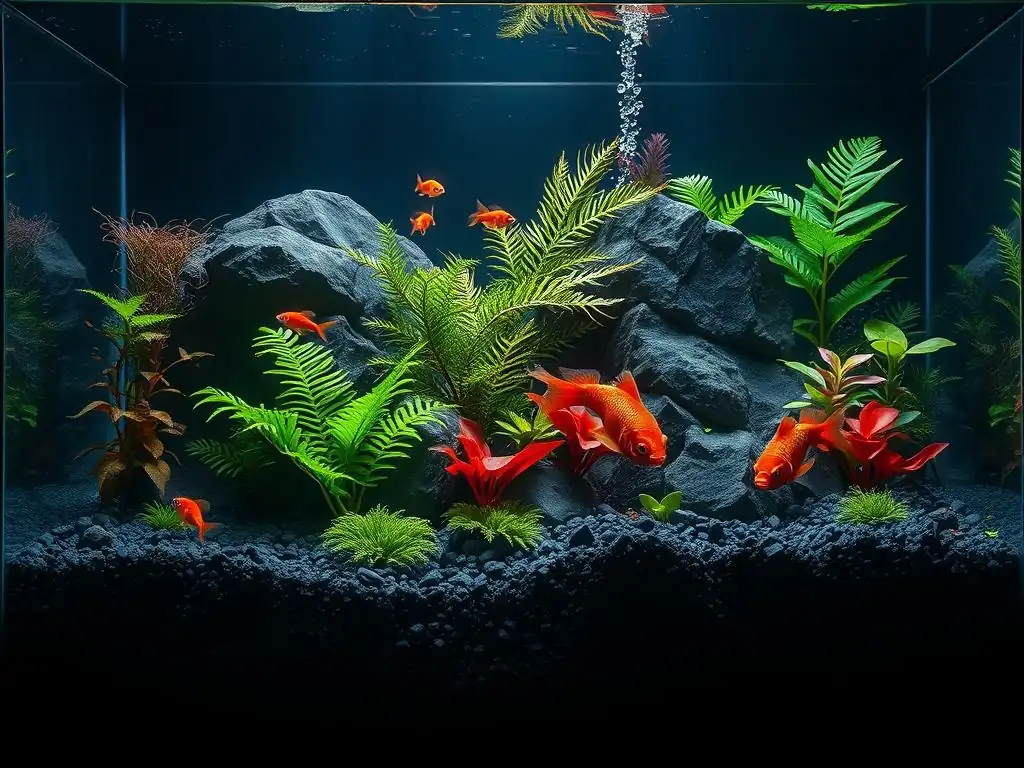
Welcome to Aquarium Mastery!
Ever wondered why your aquatic plants aren't thriving, despite your best efforts? The secret might lie beneath the surface... literally. Dive into our comprehensive guide on compacted aquarium substrate solutions, and unlock the secrets to a healthy, vibrant planted tank. Discover how to combat compaction, eliminate harmful gas pockets, and create the perfect foundation for your aquatic ecosystem. Ready to learn more and revitalize your aquarium? Let's get started!
- Troubleshooting Planted Aquarium Substrate: Compaction, Anaerobic Zones, and Solutions
- Understanding Planted Aquarium Substrate and Its Importance
- Identifying and Addressing Substrate Compaction
- Dealing with Anaerobic Zones in Substrate
- Solutions and Prevention Strategies for Substrate Issues
- Long-Term Maintenance for a Healthy Substrate
- Advanced Techniques for Revitalizing Substrate
- Choosing the Right Tools for Substrate Maintenance
- Case Studies: Resolving Substrate Issues in Planted Aquariums
-
Frequently Asked Questions
- How does substrate compaction affect my aquarium?
- What are the signs of substrate compaction in my aquarium?
- What are gas pockets, and why are they problematic in an aquarium?
- How can I prevent substrate compaction in my freshwater aquarium?
- What are some compacted aquarium substrate solutions for an established aquarium?
- Final Reflection: Cultivating Thriving Aquatic Ecosystems
- Uncover a Thriving Aquascape!
Troubleshooting Planted Aquarium Substrate: Compaction, Anaerobic Zones, and Solutions
Understanding Planted Aquarium Substrate and Its Importance
The Role of Substrate in a Planted Aquarium Ecosystem
The substrate in a planted aquarium serves as much more than just a decorative base; it is a vital component of the entire aquatic ecosystem. Primarily, it acts as an anchor for aquatic plants, providing the physical stability necessary for their root systems to develop and spread. Beyond this structural role, the substrate is a dynamic environment where crucial biological processes unfold, housing vast colonies of beneficial bacteria that are essential for the nitrification cycle, converting harmful ammonia and nitrite into less toxic nitrates. This intricate biological filtration within the substrate significantly contributes to overall water quality and stability.
Furthermore, a healthy substrate functions as a nutrient reservoir for plants. It absorbs and releases essential macro and micronutrients, making them available to root-feeding plants. The substrate’s ability to exchange ions, known as its Cation Exchange Capacity (CEC), dictates how effectively it can store and deliver these vital elements. This direct nutrient supply to the roots is often more efficient and consistent than relying solely on water column fertilization, leading to more robust plant growth and a healthier, more balanced aquarium environment.
Types of Planted Aquarium Substrate and Their Properties
Planted aquarium substrates come in various forms, each with distinct properties that influence their suitability for different setups. Inert substrates, such as gravel and sand, are widely available and cost-effective. While they provide a good anchor for plants, they offer minimal nutritional value and have low CEC, meaning they require regular supplementation with root tabs or liquid fertilizers to support plant growth. Sand, with its fine particles, can be prone to compaction, potentially leading to anaerobic zones if not managed carefully.
In contrast, specialized planted tank substrates, often referred to as aqua soils or nutrient-rich substrates, are designed to provide a comprehensive nutritional base for plants. Products like ADA Aqua Soil or Fluval Stratum are typically made from baked volcanic ash or clay, offering a high CEC that readily absorbs and releases nutrients.
These substrates often buffer water parameters, maintaining a slightly acidic pH (typically between 6.0 and 7.0) which is ideal for many aquatic plants and beneficial bacteria. While more expensive, their nutrient-rich composition and excellent porosity often lead to superior plant growth and can alleviate the need for frequent compacted aquarium substrate solutions.
Recognizing Signs of a Healthy vs. Unhealthy Substrate
A healthy planted aquarium substrate is the cornerstone of a thriving aquatic environment, manifesting in several positive indicators. Visually, the substrate should appear relatively clean, with good water clarity above it, and plant roots should be white, robust, and visibly spreading throughout the medium. There should be no foul odors emanating from the substrate, and the water surface should not show signs of oily film or excessive biofilm. Healthy substrates often host a diverse microfauna, such as copepods and detritus worms, which contribute to the breakdown of organic matter and maintain substrate porosity.
Conversely, an unhealthy substrate often presents clear warning signs that necessitate intervention, sometimes requiring compacted aquarium substrate solutions. Stunted plant growth, yellowing or melting leaves, and a general lack of vigor in plants are common indicators. Dark black patches or streaks within the substrate, particularly if accompanied by a rotten egg smell (hydrogen sulfide) when disturbed, are definitive signs of anaerobic zones. Excessive algae growth, cloudy water, or fish exhibiting signs of stress (e.g., gasping at the surface, lethargy) can also point to underlying substrate issues, as toxic compounds may be leaching into the water column.
Identifying and Addressing Substrate Compaction
What is Substrate Compaction and Why Does it Occur?
Substrate compaction refers to the reduction of pore space within the aquarium substrate, leading to a dense, impermeable layer. This phenomenon impedes the vital flow of water, nutrients, and gases (especially oxygen) through the substrate, creating an inhospitable environment for plant roots and beneficial aerobic bacteria. Compaction primarily occurs due to the settling of fine particles over time, particularly in substrates with a uniform, small grain size like fine sand. The weight of the water column and the natural settling of detritus also contribute to this densification.
Furthermore, a lack of regular, gentle disturbance can exacerbate compaction. In tanks with very dense root systems, such as those heavily carpeted with plants like Dwarf Hairgrass (Eleocharis parvula) or Monte Carlo (Micranthemum tweediei), the roots themselves can intertwine and form a tight mat that prevents water and gas exchange. Overfeeding, leading to excessive organic matter accumulation, can also fill in pore spaces, contributing to the problem. Addressing these root causes is essential for effective compacted aquarium substrate solutions.
Visual Signs of Substrate Compaction in Planted Tanks
Identifying substrate compaction early is crucial for preventing more severe issues. One of the most apparent visual signs is the stunted or unhealthy growth of plants, particularly those that are heavy root feeders. You might observe yellowing leaves, slow growth, or even melting (rapid decay) of plant tissue in specific areas of the tank. The substrate itself may appear unusually hard or solid when gently probed, rather than loose and porous.
Another tell-tale sign is the appearance of black spots or patches within the substrate, especially near the bottom or in areas of thick plant growth. These black areas are often indicative of anaerobic zones, which are a direct consequence of severe compaction preventing oxygen penetration. If you gently disturb these areas, you might notice small bubbles rising, which can be trapped gases like hydrogen sulfide. Additionally, a noticeable buildup of detritus on the substrate surface that doesn't seem to get integrated into the substrate can also signal poor water flow and compaction.
The Impact of Compacted Substrate on Plant Health and Water Quality
The impact of compacted substrate on plant health is profound and multifaceted. When the substrate becomes dense, oxygen struggles to penetrate, leading to anoxic (oxygen-deprived) conditions around plant roots. This lack of oxygen suffocates the roots, impairing their ability to absorb nutrients and water, ultimately leading to stunted growth, nutrient deficiencies (e.g., iron deficiency causing chlorosis), and root rot. Plants may appear weak, their leaves may yellow or brown, and in severe cases, entire plants can melt away, contributing to an increased organic load in the tank.
Beyond plant health, compacted substrate severely compromises overall water quality. Anaerobic zones, which are a direct result of compaction, become breeding grounds for anaerobic bacteria. These bacteria break down organic matter in the absence of oxygen, producing highly toxic compounds such as hydrogen sulfide (H2S), ammonia, and methane.
When these gases are released into the water column, even in small amounts, they can be highly detrimental to fish and invertebrates, causing stress, gill damage, and even death. The disruption of beneficial aerobic bacteria in the substrate also impairs the tank's natural filtration capacity, leading to elevated ammonia and nitrite levels, further stressing the aquatic inhabitants and necessitating immediate compacted aquarium substrate solutions.
Solutions: Prevention of Substrate Compaction
Preventing substrate compaction begins with thoughtful planning during the aquarium setup phase. Choosing a substrate with appropriate particle size distribution is paramount; a mix of fine, medium, and coarse grains (e.g., 1-3 mm) can create better porosity and reduce the likelihood of settling into a dense mass compared to uniform fine sand.
Additionally, avoiding excessively deep substrate layers, typically limiting them to 2-3 inches for most planted setups, helps ensure better water circulation and oxygen penetration. For specific aquascaping designs requiring deeper substrate, incorporating a base layer of highly porous material like lava rock can significantly improve aeration and drainage.
Ongoing maintenance plays a crucial role in preventing compaction. Gentle, regular agitation of the substrate surface with a long-handled tool, such as a chopstick or skewer, can help to release trapped gases and prevent the settling of fine particles. This should be done carefully to avoid disturbing plant roots.
Furthermore, introducing substrate-dwelling organisms like Malaysian Trumpet Snails (MTS) can provide continuous, natural aeration as they burrow through the substrate. A population of 20-30 MTS per 10 gallons can effectively prevent compaction by constantly turning over the substrate, ensuring it remains loose and well-oxygenated. These proactive measures are key to avoiding the need for drastic compacted aquarium substrate solutions down the line.
Dealing with Anaerobic Zones in Substrate
Understanding Anaerobic Zones: Formation and Composition (Hydrogen Sulfide)
Anaerobic zones are areas within the aquarium substrate that are devoid of oxygen. They typically form when water flow and gas exchange are severely restricted, often due to substrate compaction or excessive accumulation of organic detritus. In these oxygen-deprived conditions, aerobic (oxygen-requiring) bacteria cannot survive. Instead, anaerobic bacteria thrive, breaking down organic matter through a different metabolic pathway called anaerobic respiration. This process is far less efficient than aerobic respiration and produces various byproducts, some of which are highly toxic.
The most notorious byproduct of anaerobic decomposition in aquariums is hydrogen sulfide (H2S), a colorless gas with a distinctive rotten egg smell. Other compounds like methane (CH4) and ammonia (NH3) can also be produced. Hydrogen sulfide is formed by sulfate-reducing bacteria, which use sulfate ions (SO4^2-) as electron acceptors in the absence of oxygen, converting them into sulfide ions (S^2-) that then react with hydrogen to form H2S. This gas is extremely toxic to aquatic life, even in small concentrations, making the presence of anaerobic zones a serious threat to the aquarium ecosystem.
Identifying Anaerobic Zones: Symptoms and Indicators
Identifying anaerobic zones is critical for maintaining a healthy aquarium. The most definitive visual indicator is the presence of black spots or patches within the substrate, particularly noticeable when the substrate is disturbed, revealing darker layers beneath the surface. These black areas are often iron sulfides, formed when hydrogen sulfide reacts with iron in the substrate. Plant roots in these affected areas may also appear black or show signs of decay, as they are deprived of oxygen and exposed to toxins.
Beyond visual cues, the most common and unmistakable symptom of anaerobic zones is a strong, foul odor resembling rotten eggs. This smell is hydrogen sulfide being released when the substrate is disturbed, even slightly, such as during a water change or when moving a plant. Fish may also exhibit signs of distress, such as rapid gill movement, lethargy, or gasping at the surface, if a significant amount of H2S is suddenly released into the water column. Early recognition of these symptoms is vital for implementing effective compacted aquarium substrate solutions.
The Risks Associated with Anaerobic Zones in Planted Aquariums
The risks posed by anaerobic zones in planted aquariums are severe and can lead to catastrophic consequences for the entire ecosystem. The primary danger stems from the production of hydrogen sulfide (H2S), a highly toxic gas. Even small, gradual releases of H2S can accumulate in the water, causing chronic stress to fish and invertebrates, leading to weakened immune systems, gill damage, and increased susceptibility to disease. For instance, concentrations as low as 0.01 mg/L can be lethal to sensitive fish species over time.
A sudden, large release of hydrogen sulfide, often triggered by aggressively disturbing a heavily anaerobic substrate during maintenance, can be instantly lethal. This "sulfide crash" can wipe out entire fish populations within minutes, as H2S interferes with cellular respiration, effectively suffocating aquatic life. Beyond acute toxicity, anaerobic zones also impair the beneficial aerobic bacterial colonies crucial for the nitrogen cycle, leading to dangerous spikes in ammonia and nitrite. Furthermore, the toxic environment inhibits healthy root growth, causing plant melt and contributing to a cycle of decay that further fuels anaerobic conditions, making compacted aquarium substrate solutions a necessity.
Safe Methods for Releasing Trapped Gases
When anaerobic zones are detected, releasing the trapped gases, particularly hydrogen sulfide, must be done with extreme caution to avoid harming aquatic inhabitants. The safest method involves a slow, controlled approach. Use a long, thin, blunt tool, such as a chopstick or a specific substrate poker, to gently and slowly poke small sections of the substrate (e.g., a 1-inch square area) at a time. This allows any trapped gases to diffuse gradually into the water column where they can be diluted and oxidized.
It is highly recommended to perform this aeration immediately before or during a significant water change (e.g., 25-50%). This ensures that any released toxins are quickly diluted and removed from the tank. Never aggressively stir or dig through large areas of the substrate, as this can lead to a sudden, massive release of hydrogen sulfide, which can be fatal to fish. For heavily compacted areas, repeat the gentle poking process over several days or even weeks, targeting different small sections each time, until the substrate shows signs of improved aeration and any foul odors dissipate.
Solutions and Prevention Strategies for Substrate Issues
Substrate Vacuuming Techniques for Planted Aquariums
Substrate vacuuming in planted aquariums requires a delicate approach to prevent disturbing plant roots and beneficial bacterial colonies while still effectively removing accumulated detritus. Unlike bare-bottom or fish-only tanks, deep vacuuming is generally discouraged. Instead, focus on light, surface vacuuming to remove fish waste, uneaten food, and decaying plant matter that settles on top of the substrate.
Use a gravel vacuum with a wide mouth and control the suction by pinching the hose or lifting the vacuum slightly above the substrate. For densely planted areas, a turkey baster or a small-diameter siphon hose can be used for spot cleaning, targeting specific detritus accumulations without uprooting plants. This gentle method helps prevent the buildup of organic matter that contributes to compaction and anaerobic zone formation, thereby reducing the need for more intensive compacted aquarium substrate solutions. Regular, light vacuuming, perhaps during weekly water changes, is key to long-term substrate health.
Using Substrate Amendments to Improve Aeration and Drainage (Laterite, Vermiculite)
Substrate amendments are materials added to the primary substrate to enhance its properties, particularly aeration and drainage, which are crucial for preventing compaction and anaerobic zones. Laterite, a clay-based iron-rich soil, is a popular amendment. When mixed into the bottom layers of the substrate, it not only provides a slow-release source of iron for plants but also improves the cation exchange capacity (CEC), enhancing nutrient availability. Its porous structure can also contribute to better water flow within the substrate.
Vermiculite, a hydrated magnesium-aluminum-silicate mineral, is another effective amendment. When expanded, vermiculite becomes highly porous and lightweight. Mixing it into the substrate increases aeration and improves water retention, creating a more favorable environment for root growth and beneficial bacteria. Both laterite and vermiculite help to create larger pore spaces within the substrate, preventing fine particles from settling too densely and thus promoting better oxygen penetration and gas exchange. These amendments are typically incorporated during the initial setup of a planted tank to proactively address potential compaction issues.
The Benefits of Malaysian Trumpet Snails (MTS) for Substrate Health
Malaysian Trumpet Snails (Melanoides tuberculata) are widely regarded as one of the best natural compacted aquarium substrate solutions due to their unique burrowing behavior. These snails spend most of their time buried in the substrate during the day, emerging at night to scavenge for food. As they burrow, they constantly churn and aerate the substrate, preventing compaction and ensuring proper water and gas exchange throughout the substrate layers.
Their continuous movement helps to break down and distribute organic detritus, preventing the buildup of decaying matter that can lead to anaerobic zones. By doing so, MTS effectively release trapped gases slowly and safely, mitigating the risk of sudden, large releases of hydrogen sulfide. A healthy population, typically around 20-30 snails per 10 gallons, can significantly improve substrate porosity, promote root health, and contribute to a more stable and oxygenated environment for beneficial bacteria, making them an invaluable asset for long-term substrate maintenance.
Selecting the Right Substrate for Your Planted Aquarium Needs
Choosing the appropriate substrate is a foundational step in preventing future substrate issues and ensuring the long-term health of your planted aquarium. The ideal substrate depends on the specific needs of your plants and the type of ecosystem you aim to create. For instance, heavy root feeders like Amazon Swords (Echinodorus spp.) or Cryptocorynes (Cryptocoryne spp.) thrive in nutrient-rich substrates such as specialized aqua soils or inert gravel amended with laterite or nutrient-rich clay. These substrates offer a high Cation Exchange Capacity (CEC), effectively storing and releasing essential nutrients directly to the roots.
Conversely, for tanks primarily featuring epiphytic plants (e.g., Anubias, Java Fern) attached to hardscape or plants that absorb nutrients primarily from the water column, a less nutrient-rich, inert substrate like fine gravel or sand may suffice. However, regardless of the type, consider the particle size distribution. A mix of particle sizes (e.g., 1-3 mm) promotes better porosity and water flow compared to uniform fine sand, significantly reducing the risk of compaction and anaerobic zone formation. A well-chosen substrate from the outset is the most effective proactive measure against needing extensive compacted aquarium substrate solutions later on.
Long-Term Maintenance for a Healthy Substrate
Regular Water Changes and Their Impact on Substrate Health
Regular water changes are a cornerstone of overall aquarium health and play a significant, albeit indirect, role in maintaining a healthy substrate. By performing routine water changes, typically 25-30% weekly, dissolved organic compounds, nitrates, and other waste products are removed from the water column. This reduction in the overall organic load directly impacts the substrate, as less organic matter settles and decays within it. A lower organic burden in the substrate means less fuel for anaerobic bacteria and a reduced risk of compaction caused by accumulating detritus.
Furthermore, fresh water replenishes essential minerals and micro-nutrients that plants and beneficial bacteria utilize, helping to maintain a balanced chemical environment. This stable environment supports robust plant growth, which in turn utilizes available nutrients more efficiently, further preventing their accumulation in the substrate. Consistent water changes also help to maintain stable water parameters, which are crucial for the health of the microbial communities living within the substrate. This holistic approach significantly contributes to preventing the conditions that necessitate compacted aquarium substrate solutions.
Proper Fertilization Techniques to Avoid Substrate Imbalances
Proper fertilization is crucial for plant health, but incorrect techniques can inadvertently lead to substrate imbalances and issues. Over-fertilizing, especially with liquid fertilizers, can result in excess nutrients settling into the substrate, contributing to an undesirable buildup of organic matter. This excess organic material can then decompose anaerobically, leading to the formation of harmful gases and promoting compaction. Conversely, under-fertilizing can stunt plant growth, causing leaves to melt or die back, which also adds to the organic load in the substrate.
For heavy root-feeding plants, the strategic use of root tabs is highly recommended. These tabs deliver essential nutrients, such as iron and trace elements, directly to the plant roots within the substrate, minimizing their release into the water column. This targeted delivery reduces the risk of nutrient imbalances that could fuel algae growth or contribute to substrate decay.
For example, burying a root tab near the base of a Cryptocoryne every 3-6 months, depending on the product and plant density, ensures a steady nutrient supply without impacting the water column significantly. A balanced approach combining root tabs for substrate nutrition and carefully dosed liquid fertilizers for water column nutrients is key to a thriving planted tank and preventing future compacted aquarium substrate solutions.
Monitoring Key Water Parameters to Ensure Substrate Stability
Consistent monitoring of key water parameters is indispensable for ensuring the long-term stability and health of your aquarium substrate. Parameters such as pH, General Hardness (GH), Carbonate Hardness (KH), and nutrient levels (nitrate, phosphate, iron) directly influence the chemical and biological processes occurring within the substrate. Significant fluctuations in pH, for instance, can stress plants and beneficial bacterial colonies, impairing their ability to process waste and absorb nutrients effectively, thereby contributing to substrate issues.
Stable water parameters create an optimal environment for the aerobic microbial communities that break down organic matter and prevent anaerobic conditions. For example, maintaining a consistent pH range of 6.5-7.5 is generally ideal for most planted tanks, as it optimizes nutrient availability from the substrate and supports the healthy functioning of nitrifying bacteria. Regular testing allows aquarists to detect deviations early and make necessary adjustments, preventing the accumulation of harmful compounds and supporting the overall health of the substrate. This proactive approach to water chemistry is a critical component of preventing the need for compacted aquarium substrate solutions.
Advanced Techniques for Revitalizing Substrate
Deep Cleaning Methods for Heavily Compacted Substrates
For heavily compacted substrates where gentle aeration and natural methods have proven insufficient, more intensive deep cleaning methods may be necessary. One approach involves a partial substrate removal and replacement. This method requires carefully siphoning out a section of the old, compacted substrate (e.g., 1/4 to 1/3 of the total area) during a large water change, and then replacing it with fresh, well-rinsed substrate. It is crucial to perform this gradually over several weeks or months to avoid crashing the tank's beneficial bacterial cycle, which largely resides in the substrate.
Another method for revitalizing severely compacted areas, particularly those with significant anaerobic zones, is a controlled, targeted stirring. This involves carefully removing plants from a small, affected section, then gently stirring the exposed substrate with a long tool to release trapped gases. Immediately after, use a siphon to remove the stirred-up detritus and cloudy water.
This should be done with extreme caution, preferably with inhabitants temporarily removed or during very large water changes (50% or more) to dilute any released toxins. While effective, these are drastic compacted aquarium substrate solutions and should only be undertaken when other methods have failed.
Layering Substrates for Optimal Plant Growth and Aeration
Layering substrates is an advanced technique employed during initial tank setup or major overhauls to optimize plant growth and prevent compaction and anaerobic zones. This method typically involves placing a base layer of nutrient-rich soil or amended clay (like laterite) at the bottom, providing a long-term food source for root-feeding plants. This nutrient layer, often 1 to 2 inches deep, is rich in iron and other trace elements.
On top of this nutrient layer, an inert cap layer, usually 1.5 to 2.5 inches of fine gravel or coarse sand, is added. This cap layer serves multiple purposes: it prevents the nutrient-rich soil from clouding the water, anchors plants securely, and provides a clean surface for beneficial aerobic bacteria.
For enhanced aeration, some aquarists also place a very coarse, porous material like lava rock or larger gravel beneath the nutrient layer. This creates significant void spaces at the very bottom, promoting excellent water flow and gas exchange, which drastically reduces the risk of compaction and the formation of anaerobic zones, effectively acting as a preventative compacted aquarium substrate solution.
Utilizing Root Tabs and Fertilizers Effectively
Effective utilization of root tabs and fertilizers is paramount for sustained plant health and, by extension, substrate well-being. Root tabs are designed to deliver essential nutrients directly to the root zone of heavy root-feeding plants such as Cryptocorynes, Amazon Swords, and Valisneria. By strategically burying root tabs near the base of these plants, nutrients like iron, potassium, and trace elements are made available precisely where they are needed, minimizing their release into the water column.
This targeted approach reduces the likelihood of nutrient imbalances in the water, which can otherwise contribute to algae growth or excessive organic buildup in the substrate. For instance, placing 2-3 root tabs per 10 gallons every 4-6 weeks, depending on plant density and product instructions, can maintain a steady nutrient supply.
Liquid fertilizers, on the other hand, primarily supply nutrients to plants through their leaves in the water column. A balanced fertilization strategy often combines both: root tabs for substrate-bound nutrients and liquid fertilizers for water column nutrients like nitrates and phosphates. This comprehensive feeding regime ensures that plants receive all necessary macronutrients and micronutrients, promoting vigorous growth. Healthy, thriving plants are less likely to decay, thus reducing the organic load that contributes to substrate compaction and anaerobic zone formation, making proper fertilization a crucial preventative measure against future compacted aquarium substrate solutions.
Choosing the Right Tools for Substrate Maintenance
Essential Substrate Cleaning Tools and Their Uses
Having the right tools is crucial for effective and safe substrate maintenance in a planted aquarium. Long-handled tweezers (10-12 inches) are indispensable for planting new stems, replanting displaced plants, and removing small debris without extensively disturbing the substrate or plant roots. A substrate spatula or sand flattener is excellent for leveling the substrate surface after planting or during maintenance, ensuring an even aesthetic and preventing uneven settling that could lead to compaction.
For detritus removal, a gravel vacuum specifically designed for planted tanks is ideal. These often have adjustable suction or a wider mouth that allows for gentle surface cleaning without disturbing deep substrate layers or uprooting plants. A turkey baster is surprisingly useful for spot cleaning small accumulations of detritus in hard-to-reach areas, offering precise suction without siphoning large volumes of water.
Finally, a long, thin skewer or chopstick is a simple yet effective tool for gently poking and aerating compacted areas, carefully releasing trapped gases without causing a major disturbance. These tools are fundamental for ongoing substrate health and for implementing compacted aquarium substrate solutions.
Considerations for DIY Substrate Cleaning Solutions
While commercial tools are readily available, aquarists can also consider DIY solutions for substrate cleaning, keeping safety and effectiveness in mind. For gentle aeration, a clean, unused wooden or bamboo chopstick is an excellent substitute for a dedicated substrate poker. Its blunt tip allows for controlled, localized stirring without the risk of piercing tank liners or severely damaging plant roots. Similarly, a small-diameter airline tubing or a thin siphon hose can be used for very precise spot cleaning in densely planted areas, offering more control over suction than a large gravel vacuum.
However, caution must be exercised with DIY tools. Avoid using sharp metal objects that could scratch or puncture the aquarium glass or acrylic. Ensure any materials used are inert and thoroughly cleaned to prevent introducing contaminants into the tank. For instance, while a plastic bottle can be fashioned into a crude siphon, ensure it's made from food-grade plastic and has no residues. The primary goal is to perform maintenance effectively and safely, avoiding any unintended harm to the aquatic environment or its inhabitants.
Avoiding Damage to Plant Roots During Substrate Maintenance
Protecting plant roots during substrate maintenance is paramount, as damaged roots can lead to plant stress, nutrient deficiency, and even plant melt. When planting or replanting, always create a sufficiently sized hole in the substrate first using tweezers or your fingers. Gently insert the plant's root system into this hole, ensuring the roots are spread out rather than bundled, and then carefully cover them with substrate. Avoid forcing roots into compacted areas, as this can crush them.
During aeration or the gentle release of trapped gases, proceed slowly and deliberately. Use a blunt tool like a chopstick and only poke shallowly, targeting areas away from known dense root masses. If a plant needs to be moved or removed, gently loosen the surrounding substrate first to minimize tearing or breaking delicate root hairs. For instance, when removing a large Amazon Sword, gently rock it back and forth while pulling upwards to slowly free its extensive root system. This careful approach is essential to maintain plant health and prevent setbacks when applying compacted aquarium substrate solutions.
Case Studies: Resolving Substrate Issues in Planted Aquariums
Case Study 1: Overcoming Substrate Compaction in a High-Tech Tank
A hobbyist with a 50-gallon high-tech planted aquarium, equipped with CO2 injection and high lighting, observed a significant decline in their dense carpet of Dwarf Hairgrass (Eleocharis parvula) after approximately eight months. Despite optimal CO2 levels (around 30 ppm) and consistent fertilization, the grass was yellowing, showing stunted growth, and black patches were appearing within the aquasoil substrate. The owner had used a fine-grained aquasoil without any initial coarser base layer, and due to the dense carpet, had avoided any substrate agitation.
The solution involved a multi-pronged approach to address the severe compaction. First, the owner introduced a controlled population of 40 Malaysian Trumpet Snails (MTS), which began to burrow and aerate the substrate naturally over the next 2-3 weeks. Concurrently, the hobbyist began a regimen of gentle, localized substrate poking with a chopstick, targeting small, affected areas during weekly 30% water changes to slowly release trapped gases.
Within a month, the black spots noticeably diminished, and new, vibrant green runners began to emerge from the hairgrass carpet, demonstrating the effectiveness of combining natural and manual compacted aquarium substrate solutions. The MTS continued to provide long-term aeration, preventing recurrence.
Case Study 2: Eliminating Anaerobic Zones in a Low-Tech Planted Aquarium
A 20-gallon low-tech planted tank, established for a year with inert gravel and Cryptocoryne plants, started emitting a distinct rotten egg smell during routine 25% water changes. Some Cryptocoryne leaves were showing signs of melting, and a few bladder snails had died unexpectedly. The substrate was approximately 3 inches deep and had never been disturbed or vacuumed beyond surface detritus removal. Upon closer inspection, dark black areas were visible deep within the gravel, confirming the presence of severe anaerobic zones.
To address this, the owner immediately performed a 50% water change to dilute any existing toxins. Over the next two days, they carefully used a thin, blunt skewer to gently poke very small, localized sections of the substrate (roughly 1 square inch at a time) during daily 25% water changes. This allowed the trapped hydrogen sulfide to diffuse slowly into the water, where it was then diluted and removed.
After this initial detoxification, a thin, 0.5-inch layer of laterite mixed with new, rinsed fine gravel was added to improve nutrient availability and porosity. Finally, 15 Malaysian Trumpet Snails were introduced to provide continuous, natural aeration. Within two weeks, the foul smell disappeared, the Cryptocorynes showed signs of new growth, and the tank returned to a healthy state, successfully managing the anaerobic zones with a combination of manual intervention and natural compacted aquarium substrate solutions.
Lessons Learned: Best Practices for Substrate Management
The case studies highlight several crucial lessons for effective substrate management in planted aquariums. Firstly, proactive measures are far more effective and less disruptive than reactive solutions. This includes choosing an appropriate substrate type and particle size distribution during setup, considering a mixed or layered substrate to enhance porosity, and immediately introducing beneficial substrate-dwelling organisms like Malaysian Trumpet Snails. These initial steps can significantly reduce the likelihood of compaction and anaerobic zone formation.
Secondly, consistent and gentle maintenance is key. Regular, light surface vacuuming to remove detritus, along with occasional, careful aeration of the substrate using a chopstick or skewer, prevents the buildup of organic matter and the densification of particles. Finally, observation is paramount. Early detection of subtle signs like stunted plant growth, localized black spots, or faint odors allows for timely and less drastic intervention. A healthy, well-maintained substrate is not just a base for plants; it is the foundation of a stable, thriving planted aquarium ecosystem, making these compacted aquarium substrate solutions essential knowledge for any serious aquarist.
Frequently Asked Questions
How does substrate compaction affect my aquarium?
Substrate compaction reduces water circulation and oxygen flow within the substrate. This can lead to the formation of anaerobic zones and the buildup of harmful gases.
What are the signs of substrate compaction in my aquarium?
Key signs include blackened areas in the substrate, a rotten egg smell emanating from the substrate, and poor plant growth due to nutrient deficiencies.
What are gas pockets, and why are they problematic in an aquarium?
Gas pockets are accumulations of toxic gases like hydrogen sulfide and methane. They are problematic because they can poison your fish and disrupt the biological balance of the tank.
How can I prevent substrate compaction in my freshwater aquarium?
Regularly stir the substrate during water changes, consider using substrate additives to improve porosity, and ensure proper water circulation within the tank.
What are some compacted aquarium substrate solutions for an established aquarium?
Options include using a substrate vacuum to remove debris, adding Malaysian trumpet snails to aerate the substrate, or in severe cases, a partial or full substrate replacement.
Final Reflection: Cultivating Thriving Aquatic Ecosystems
The challenges of maintaining a healthy aquarium substrate, as explored throughout this article, are not merely technical hurdles; they represent a microcosm of our broader responsibility to nurture balanced ecosystems. Understanding and addressing issues like compaction and gas pockets is fundamentally about fostering life and preventing decay within a confined environment. The principles of aeration, appropriate substrate selection, and mindful maintenance extend beyond the glass walls of an aquarium, offering valuable lessons in sustainable practices and environmental stewardship.
The persistent impact of a poorly maintained substrate underscores the delicate balance within any aquatic environment. My own experiences with struggling aquariums have taught me the profound importance of proactive care and a deep understanding of the underlying biological processes. The health of the substrate directly influences the well-being of the entire ecosystem, highlighting the interconnectedness of all living things. The best time to plant a tree was 20 years ago. The second best time is now.
This ancient proverb resonates deeply when considering the long-term benefits of investing in a healthy aquarium substrate.
As you consider the information presented in this article, I encourage you to reflect on your own relationship with the natural world. Whether you're an experienced aquarist or simply curious about the complexities of aquatic ecosystems, remember that even small actions can have a significant impact.
Take the time to understand the needs of your environment, whether it's a home aquarium or a larger ecosystem, and actively work to create a thriving and sustainable future. Your dedication to understanding and addressing these challenges will not only benefit your aquatic inhabitants but also contribute to a greater appreciation for the delicate balance of life on Earth.
Uncover a Thriving Aquascape!
Thanks for diving into the world of substrate solutions! We hope you've gained valuable insights into managing common aquarium substrate issues. Now, let's put that knowledge into action and create the perfect foundation for your aquatic ecosystem.
Here are a few things you can do right now:
- Boldly revamp your substrate. Take the plunge and implement one of the solutions discussed to tackle compaction or gas pockets in your tank this weekend.
- Share your successful (or not-so-successful!) substrate experiments with fellow aquarists on our forum. Your experiences could help someone else overcome their aquarium challenges.
- Experiment with a plant-based substrate! Even if you're not heavily planted, the added nutrients and beneficial bacteria can create a healthier environment for your fish.
What's one small tweak you can make to your substrate today to dramatically improve the health of your aquarium?