
Temperament Guide: Matching Clownfish Personalities for Peaceful Anemone Coexistence

Welcome to Aquarium Mastery!
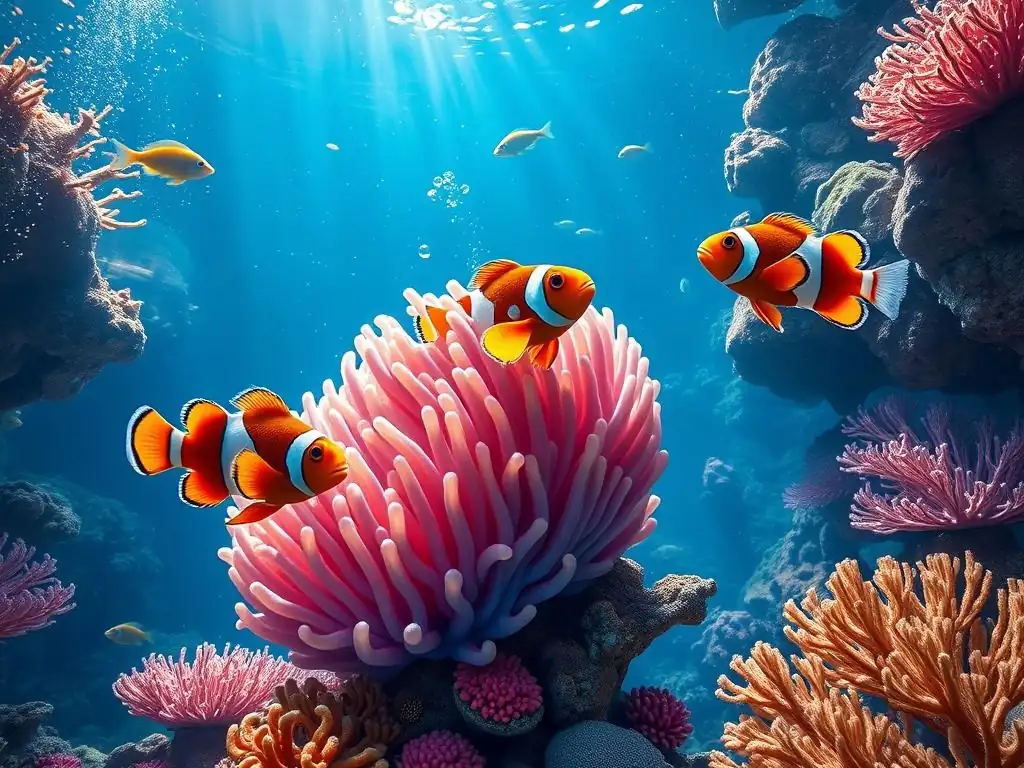
Dive into the fascinating world of clownfish and anemones! Ever wondered if your clownfish get along as well as they should? This guide on "Clownfish personality compatibility anemones" will unravel the secrets to creating a harmonious reef tank, ensuring your clownfish thrive alongside their anemone hosts. Let's explore the nuances of clownfish behavior and discover how to foster a peaceful coexistence!
- Understanding Clownfish Temperament for Anemone Harmony
- Assessing Clownfish Personalities: A Comprehensive Guide
- Anemone Compatibility: Matching Clownfish Species to Host Anemones
- Introducing Clownfish to Anemones: A Step-by-Step Approach
- Troubleshooting Clownfish Aggression in Anemone Tanks
- Creating a Peaceful Anemone Environment: Tank Setup and Maintenance
- Specific Clownfish Species and Anemone Pairings: Temperament Considerations
- Advanced Clownfish Behavior: Understanding Complex Social Dynamics
- Ensuring Long-Term Success: Maintaining a Harmonious Clownfish-Anemone Relationship
-
Frequently Asked Questions
- How important is Clownfish personality when introducing them to an anemone?
- What are some signs of Clownfish incompatibility that I should look for?
- How does anemone selection influence Clownfish behavior and personality?
- Can I introduce multiple Clownfish to an anemone at the same time to avoid personality conflicts?
- What should I do if my Clownfish are showing signs of aggression towards each other or the anemone?
- Final Reflection: Harmony in the Reef
- Ignite Your Reef: Discover Your Clownfish Compatibility!
Understanding Clownfish Temperament for Anemone Harmony
The Importance of Clownfish Personality Compatibility
Matching clownfish personalities is paramount for establishing and maintaining a peaceful, thriving aquarium, especially when an anemone is involved. A successful pairing ensures not only the well-being of the clownfish themselves but also the health and stability of their host anemone. When clownfish personality compatibility anemones is overlooked, the consequences can range from chronic stress and fin nipping to severe aggression, often resulting in injury or even death for the submissive fish or stress-induced decline in the anemone.
A harmonious relationship allows both the clownfish and the anemone to exhibit natural behaviors, such as the clownfish tending to the anemone and the anemone providing protection. Conversely, a mismatched pair can lead to constant harassment, preventing the submissive clownfish from feeding properly or even forcing it out of the anemone entirely. This constant stress suppresses the immune system, making the fish more susceptible to diseases like Marine Ich, which can quickly spread through the entire tank.
Factors Influencing Clownfish Behavior in Anemones
Several factors significantly influence a clownfish's behavior and its interaction with an anemone. Genetic predisposition plays a primary role; for instance, Maroon Clownfish ( Premnas biaculeatus) are inherently more aggressive than Ocellaris Clownfish ( Amphiprion ocellaris). Environmental factors within the aquarium also heavily shape behavior, including tank size, the complexity of the aquascape, the presence of other tank mates, and even food availability. A smaller tank, for example, can intensify aggression due to limited territory.
Individual experience is another critical factor. A clownfish that has previously been bullied may remain skittish, while one that has successfully dominated prior tank mates might continue to exhibit assertive behaviors. The specific type and size of theemone can also affect behavior; a very large anemone might encourage more territoriality, while a small anemone might be stressed by an overly boisterous clownfish. Understanding these influences is key to predicting and managing clownfish personality compatibility anemones effectively.
Assessing Clownfish Personalities: A Comprehensive Guide
Identifying Dominant Clownfish Traits
Identifying dominant clownfish traits is crucial for predicting how a pair will interact and for ensuring good clownfish personality compatibility anemones. A dominant clownfish typically exhibits assertive behaviors such as chasing, nipping at the fins of other tank mates or its potential partner, and flaring its fins to appear larger. They often monopolize feeding opportunities, darting quickly to secure food, and will vigorously defend their chosen territory, which often includes the host anemone.
Physically, the dominant clownfish, which will eventually become the female in a pair, is usually noticeably larger and often displays more vibrant coloration. They may swim with a more confident, direct motion and show less inclination to hide. Observing these behaviors, particularly during feeding times or when another fish approaches their perceived territory, provides clear indicators of a strong, dominant personality that will likely lead the pair dynamic.
Recognizing Submissive Clownfish Behaviors
Recognizing submissive clownfish behaviors is equally important for assessing clownfish personality compatibility anemones and ensuring the well-being of the less assertive fish. A submissive clownfish will typically exhibit avoidance behaviors, such as retreating quickly when approached by the dominant fish or hiding among the rockwork. They may keep their fins clamped close to their body, appearing smaller and less threatening, and their coloration might become noticeably paler, a common sign of stress in fish.
During feeding, a submissive clownfish might hesitate to approach food or may only eat after the dominant fish has consumed its fill. They often appear more skittish and may spend less time in the open or within the anemone if the dominant fish is present. Persistent submissive behavior without periods of relief can lead to chronic stress, weakened immune systems, and eventually starvation or disease, making early recognition vital for intervention.
Understanding Juvenile Clownfish Temperament
Juvenile clownfish generally exhibit a less defined temperament compared to their adult counterparts, which can make assessing clownfish personality compatibility anemones challenging at an early stage. Initially, most young clownfish are relatively peaceful and curious, exploring their surroundings without strong territorial displays. Their personalities, including their eventual dominance or submissiveness, tend to develop as they mature, particularly once they begin to approach sexual maturity and establish a social hierarchy.
When introducing two juvenile clownfish, especially for pairing, it's important to understand that their eventual roles as dominant female and submissive male will emerge over time. The larger or more assertive of the two will typically transition into the dominant female. It can take several months, sometimes up to a year, for a stable pair bond and clear hierarchy to form. During this developmental period, consistent observation is key to identifying any emerging aggressive tendencies or signs of chronic stress in either fish.
Anemone Compatibility: Matching Clownfish Species to Host Anemones
Best Anemone Types for Different Clownfish Temperaments
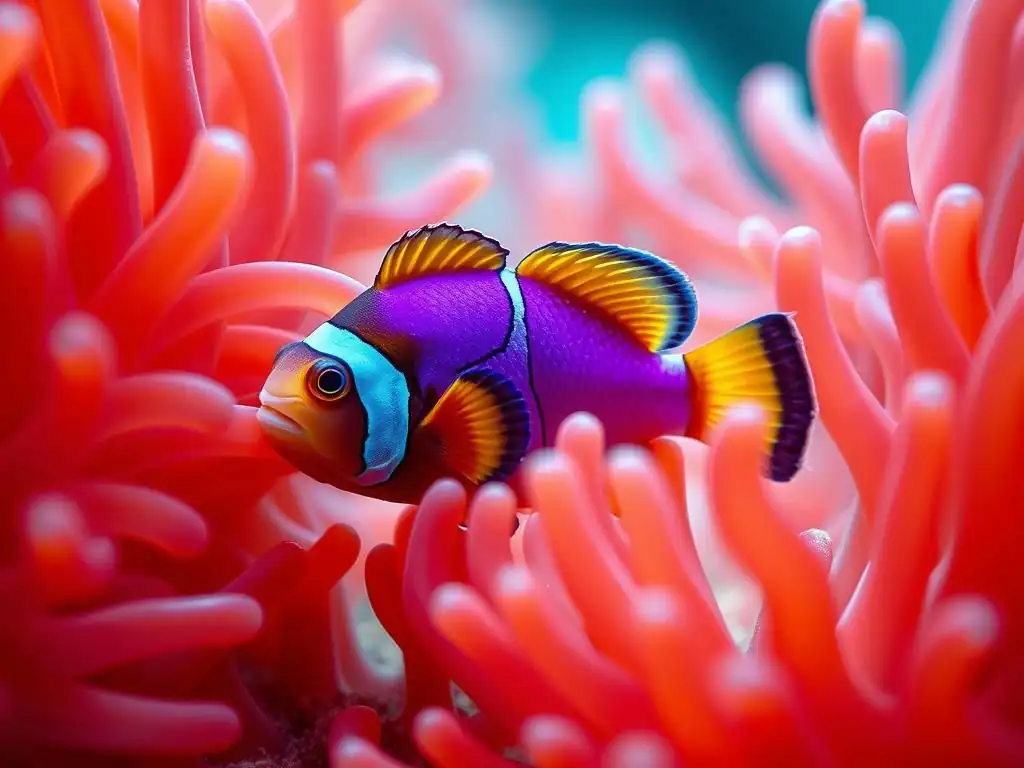
Choosing the right anemone type is crucial for successful clownfish personality compatibility anemones, as different anemones offer varying levels of shelter and space, impacting the clownfish's comfort and territorial behavior. The Bubble Tip Anemone ( Entacmaea quadricolor, BTA) is arguably the most popular choice due to its hardiness and ability to host a wide range of clownfish species, including the generally peaceful Ocellaris and Percula clowns. Its robust tentacles provide ample protection and space for these milder species.
For more adaptable or slightly larger clownfish like the Clarkii, the Sebae Anemone ( Heteractis crispa) or the Magnificent Sea Anemone ( Heteractis magnifica) can be excellent choices. These anemones are typically larger and can accommodate a more active or moderately aggressive host. However, for highly aggressive species such as the Maroon Clownfish, a very large and well-established BTA or a Magnificent Anemone is often preferred, as their substantial size can help diffuse some of the clownfish's intense territoriality, providing ample room within the host for the dominant and submissive fish.
Anemone Size and Clownfish Personality: Finding the Right Fit
The size of the anemone in relation to the clownfish's personality and size is a critical factor in ensuring a harmonious relationship. A general rule of thumb for clownfish personality compatibility anemones is that the anemone should be at least three to four times the length of the largest clownfish, though larger is always better, especially for more assertive species. A small anemone can become stressed and decline if constantly overwhelmed by a large or overly boisterous clownfish, particularly if the clownfish repeatedly attempts to dig into its base or moves it around excessively.
For instance, a 1-inch Ocellaris Clownfish might comfortably host in a 4-inch Bubble Tip Anemone. However, a 4-inch Maroon Clownfish, known for its strong territorial instincts and robust build, would require an anemone of 12 inches or more to provide adequate space and prevent stress to the host. When the anemone is too small, the dominant clownfish may completely monopolize it, leaving no room or protection for the submissive fish, which exacerbates aggression and stress within the pair.
Avoiding Anemone-Clownfish Temperament Clashes
Avoiding temperament clashes between clownfish and their host anemones is essential for the long-term health of both organisms. One common mistake is forcing a pairing by constantly trying to push a clownfish into an anemone it shows no interest in, or introducing a clownfish to an anemone that is clearly too small or appears stressed. If a clownfish repeatedly nips at the anemone's oral disc, causes it to shrink frequently, or prevents it from fully extending, these are clear signs of a potential clash that can compromise the anemone's health.
To prevent such clashes, observe the clownfish's initial reaction carefully. A true host will tentatively touch the anemone, not aggressively attack it. If the clownfish shows no interest after a few days, or if the anemone shows signs of persistent stress (e.g., deflating frequently, moving rapidly around the tank, or expelling zooxanthellae causing bleaching), it's best to separate them or consider a different host. Patience and observation are key to achieving successful clownfish personality compatibility anemones without undue stress on either creature.
Introducing Clownfish to Anemones: A Step-by-Step Approach
Quarantine Procedures Before Anemone Introduction
Before introducing clownfish to an anemone in the main display tank, rigorous quarantine procedures are paramount to prevent the introduction of diseases that could harm both the fish and the sensitive anemone. It is highly recommended to quarantine new clownfish in a separate observation tank for a minimum of three to four weeks. During this period, monitor them closely for signs of common ailments such as Marine Ich ( Cryptocaryon irritans), velvet ( Amyloodinium ocellatum), or bacterial infections.
While quarantining an anemone separately is often impractical due to their specific light and water flow requirements, it is essential to source them from reputable dealers and observe them in the main tank for at least a week prior to introducing the clownfish. Any signs of stress, shrinking, or unusual behavior in the anemone should delay the introduction. Proper quarantine minimizes the risk of disease transmission, which can severely impact the success of clownfish personality compatibility anemones and the overall health of the ecosystem.
Gradual Acclimation Techniques for Clownfish and Anemones
Gradual acclimation is crucial for minimizing stress when introducing both clownfish and anemones to a new environment, thereby promoting better clownfish personality compatibility anemones. For clownfish, drip acclimation is the preferred method. This involves slowly adding water from the display tank into the bag or container holding the clownfish over a period of 30-60 minutes, allowing them to gradually adjust to the new temperature, pH, and salinity. Rapid changes can induce osmotic shock, weakening the fish and making them more susceptible to stress and disease.
Similarly, anemones require slow acclimation to new water parameters. They are highly sensitive to sudden shifts in salinity, temperature, and even trace element concentrations. Drip acclimation for anemones, often over 60-90 minutes, is recommended. Once acclimated, introduce the clownfish to the main tank first, allowing them a few days to settle into their new surroundings before placing the anemone. This gives the clownfish time to establish initial comfort, which can sometimes encourage a more natural hosting behavior when the anemone is eventually introduced.
Monitoring Clownfish Behavior Post-Introduction
After introducing clownfish to an anemone, continuous and diligent monitoring of their behavior is essential for ensuring successful clownfish personality compatibility anemones and the well-being of both organisms. Immediately after introduction, it is common for clownfish to exhibit curiosity, gently nipping or rubbing against the anemone's tentacles. These initial interactions usually indicate a healthy interest in hosting. However, watch closely for signs of aggression directed towards the anemone, such as repeated harsh biting at its oral disc or base, which can cause significant stress or injury to the anemone.
Observe the clownfish's overall demeanor: are they swimming freely or constantly hiding? Is one fish consistently chasing the other, preventing it from feeding or resting? Note any changes in coloration, fin condition, or breathing rate, as these can be indicators of stress. For the anemone, look for signs of distress such as prolonged shrinking, deflating, expelling zooxanthellae (bleaching), or moving excessively around the tank. Persistent negative behaviors from either the clownfish or the anemone warrant intervention, such as separating the fish, adjusting the tank environment, or even removing the anemone if it's being severely harassed.
Troubleshooting Clownfish Aggression in Anemone Tanks
Common Causes of Clownfish Aggression
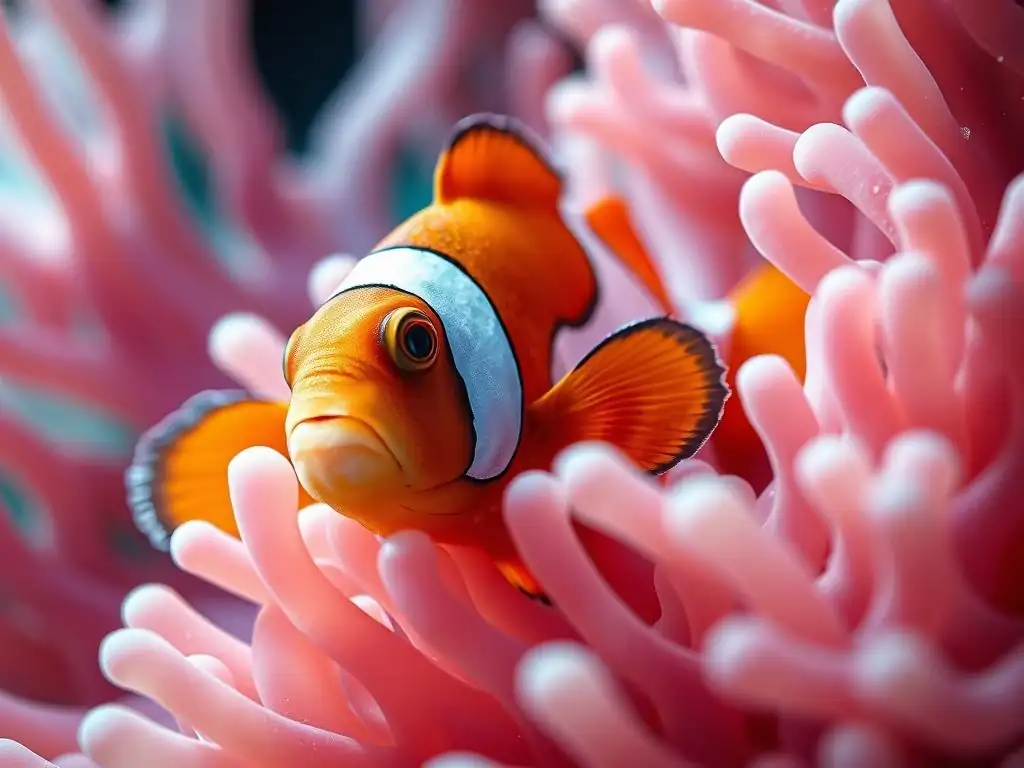
Clownfish aggression, particularly within a pair or towards other tank mates, is a common challenge in aquariums and can significantly hinder clownfish personality compatibility anemones. One of the primary causes is insufficient tank size. A pair of even relatively peaceful Ocellaris clownfish requires a minimum of 20 gallons, while more aggressive species like Maroon Clownfish demand 50-75 gallons or more to establish adequate territory. Without enough space, territorial disputes escalate into constant harassment.
Other common factors include the lack of sufficient hiding places for the submissive fish, leading to relentless pursuit by the dominant individual. Competition for food can also trigger aggression, especially if one clownfish consistently outcompetes the other. The introduction of new tank mates, particularly other clownfish or fish with similar body shapes, can also provoke territorial aggression. Lastly, inherent species-specific temperament, as seen in the highly territorial Maroon clownfish, often plays a significant role regardless of environmental conditions.
Strategies for Reducing Clownfish Dominance Displays
Several strategies can be employed to reduce clownfish dominance displays and foster better clownfish personality compatibility anemones. One effective method is to rearrange the tank's aquascaping, specifically the live rock. By breaking up lines of sight and creating new territories, you can disrupt established patterns of aggression and provide more hiding opportunities for the submissive fish. Adding more live rock or caves can significantly reduce stress by offering multiple escape routes.
Increasing the frequency of feeding can also help, as a well-fed clownfish is generally less likely to be aggressive due to food competition. Feeding small amounts multiple times a day ensures both fish get enough to eat. If aggression persists in a pair, consider temporarily separating the aggressive fish using a breeder box for a few days; this "time-out" can sometimes reset their dynamics upon reintroduction. For extreme cases, upgrading to a larger tank is often the most effective long-term solution, as it provides ample space for both the dominant and submissive clownfish to establish their own territories.
Separating and Reintroducing Aggressive Clownfish Pairs
When clownfish aggression within a pair becomes severe, leading to physical harm or chronic stress for the submissive fish, temporary separation is often necessary. The aggressive clownfish can be isolated in a breeder box within the main tank for a few days, or moved to a separate quarantine tank if a breeder box is unavailable or too small. This allows the submissive fish to recover from stress and injuries, regain strength, and re-establish its comfort in the main tank and its host anemone.
Upon reintroduction, it is often beneficial to rearrange the tank's aquascaping significantly. This creates a "new" environment where established territories are disrupted, potentially allowing for a more equitable re-establishment of the pair's dynamic and improved clownfish personality compatibility anemones. Introduce the submissive fish first, allowing it to settle for an hour or two, then reintroduce the dominant fish. Observe them closely for the next several hours and days. If aggression immediately resumes at a high level, permanent separation or a much larger tank may be the only viable long-term solutions.
Creating a Peaceful Anemone Environment: Tank Setup and Maintenance
Optimizing Tank Size and Aquascaping for Clownfish Comfort
Optimizing tank size and aquascaping is fundamental to creating a peaceful environment that promotes clownfish personality compatibility anemones. For a pair of common Ocellaris or Percula clownfish, a minimum tank size of 20 gallons is often cited, but 30 gallons or more is highly recommended to provide ample swimming space and reduce territorial disputes. More aggressive species like Maroon clownfish require at least 50-75 gallons for a pair, given their larger size and more intense territorial instincts.
Beyond volume, the aquascaping plays a vital role. Provide plenty of live rock structures with caves, overhangs, and tunnels, which serve as crucial hiding spots for the submissive clownfish to escape the dominant partner's pursuit. Breaking up lines of sight with rock formations can also reduce direct confrontations. Ensure there is an open sand bed area for the anemone to move and settle naturally, without being too close to powerheads or overflows, which can harm it. A well-designed aquascape mimics a natural reef environment, reducing stress and encouraging natural behaviors.
Maintaining Ideal Water Parameters for Clownfish and Anemone Health
Maintaining ideal and stable water parameters is paramount for the health of both clownfish and their host anemones, directly impacting clownfish personality compatibility anemones by reducing overall stress. For a thriving reef environment, salinity should be maintained consistently between 1.024 and 1.026 specific gravity. The water temperature should remain stable, typically between 75-80°F (24-27°C). Fluctuations in these parameters can cause significant stress, weakening the immune system of the fish and potentially leading to anemone bleaching or decline.
Nitrates should be kept below 10 ppm, and ammonia and nitrites must always be undetectable (0 ppm). Regular water changes (e.g., 10-20% bi-weekly) are essential to replenish trace elements and remove accumulated pollutants. Additionally, for anemones, parameters like calcium (400-450 ppm), alkalinity (8-12 dKH), and magnesium (1250-1350 ppm) need to be stable and within reef-safe ranges. Pristine water quality reduces the likelihood of disease and stress-induced aggression, allowing clownfish to exhibit more natural and less volatile temperaments.
Providing Adequate Hiding Places and Territory
Providing adequate hiding places and clearly defined territories is a critical component in managing clownfish personality compatibility anemones and preventing aggression. Even in a pair, the submissive clownfish needs safe havens where it can retreat from the dominant individual, especially during periods of stress or heightened aggression. Without these escape routes, the submissive fish can be relentlessly harassed, leading to chronic stress, refusal to eat, and eventual decline.
Live rock aquascaping should include numerous caves, overhangs, and crevices that are accessible to the clownfish but difficult for the larger, dominant fish to follow into. These structures also help to break up lines of sight, reducing the visual cues for aggression. While the anemone itself serves as the primary territory for the pair, secondary hiding spots throughout the tank offer crucial relief. For example, in a 50-gallon tank, aim for at least 40-50 pounds of well-placed live rock to create a complex and secure environment.
Specific Clownfish Species and Anemone Pairings: Temperament Considerations
Ocellaris Clownfish ( Amphiprion ocellaris ) and Anemone Compatibility
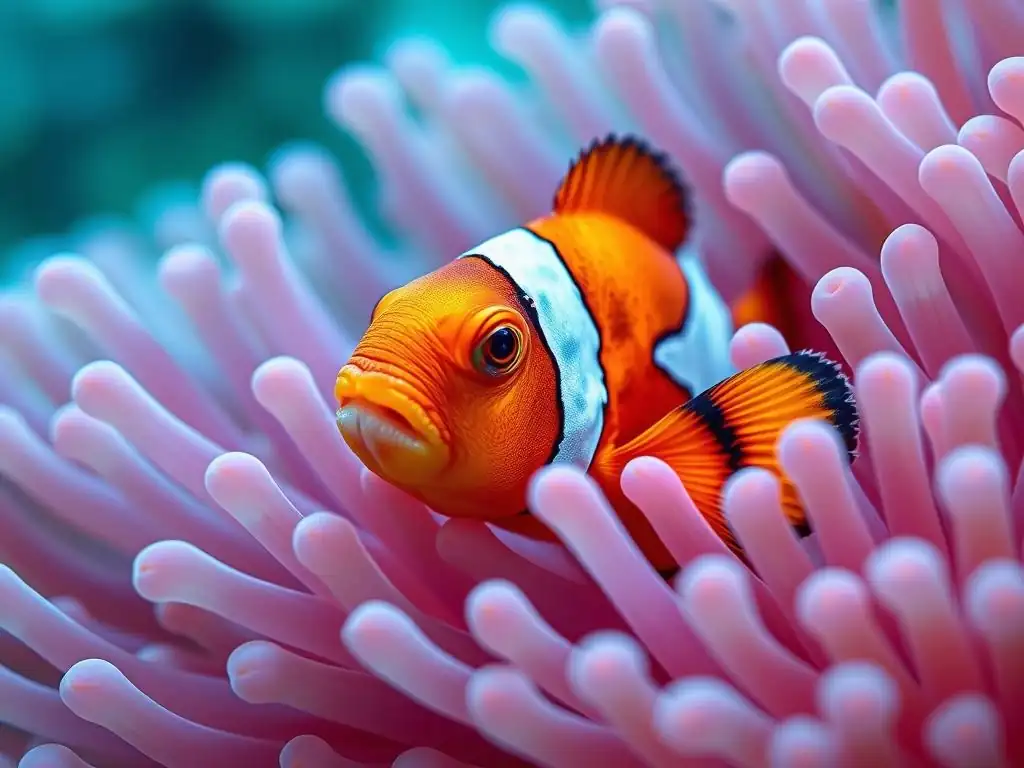
Ocellaris Clownfish ( Amphiprion ocellaris), often referred to as False Percula clownfish, are among the most popular and generally peaceful clownfish species, making them an excellent choice for beginners and those seeking high clownfish personality compatibility anemones. They typically reach a size of 3-4 inches and are known for their relatively docile nature, which minimizes aggression both within a pair and towards other tank inhabitants. They readily host in a variety of anemones, with the Bubble Tip Anemone ( Entacmaea quadricolor) being their most common and preferred host in captivity.
Their mild temperament means that aggression within an Ocellaris pair is usually limited to minor chasing or nipping, primarily during the establishment of the dominant female. They also show good compatibility with other peaceful reef fish. While they can host in other anemones like Sebae Anemones ( Heteractis crispa) and Magnificent Sea Anemones ( Heteractis magnifica), the Bubble Tip Anemone often provides the most natural and comfortable symbiosis for this species due to its size and tentacle structure.
Percula Clownfish ( Amphiprion percula) Temperament and Anemone Choices
Percula Clownfish ( Amphiprion percula), or True Percula clownfish, are very similar in appearance and temperament to Ocellaris clownfish, making their clownfish personality compatibility anemones profile almost identical. They are slightly smaller on average, typically growing to about 2.5-3 inches, and are also known for their peaceful disposition. This makes them excellent candidates for community reef tanks and for pairing with a host anemone without significant aggression concerns.
Like Ocellaris, Percula clownfish readily host in Bubble Tip Anemones ( Entacmaea quadricolor), which are considered their natural host in the wild. They can also adapt to other host anemones such as Sebae Anemones ( Heteractis crispa) and Magnificent Sea Anemones ( Heteractis magnifica), though the Bubble Tip is often the easiest to maintain and provides the best long-term home. Their gentle nature ensures a harmonious relationship with their host and generally peaceful interactions within the aquarium environment.
Maroon Clownfish ( Premnas biaculeatus) Aggression and Anemone Selection
Maroon Clownfish ( Premnas biaculeatus) stand in stark contrast to the Ocellaris and Percula in terms of temperament, being one of the most aggressive and territorial clownfish species available. This makes achieving successful clownfish personality compatibility anemones with Maroons a more challenging endeavor, requiring careful consideration of tank size and tank mates. Females can grow quite large, up to 6 inches, and are fiercely protective of their territory and host anemone, often displaying aggression towards even much larger fish.
Due to their aggressive nature, Maroon clownfish require larger aquariums, typically 50 gallons or more for a single specimen or a pair, to provide ample territory and reduce stress-induced aggression. They primarily host in Bubble Tip Anemones ( Entacmaea quadricolor) and Magnificent Sea Anemones ( Heteractis magnifica). It's crucial to select a very large and robust anemone to accommodate their size and intense hosting behavior. Pairing Maroons should ideally be done with a juvenile and an adult, allowing the juvenile to grow up under the dominant female, as introducing two adults can lead to fatal aggression.
Clarkii Clownfish ( Amphiprion clarkii) Temperament and Anemone Choices
Clarkii Clownfish ( Amphiprion clarkii), also known as Clark's Anemonefish, are a versatile and moderately aggressive species compared to Ocellaris or Percula, but less so than Maroons. They are highly adaptable and can grow up to 4-5 inches, making them suitable for a wider range of tank sizes, typically 30 gallons or more for a pair. Their clownfish personality compatibility anemones is quite broad, as they are known to host in a remarkable 10 out of the 10 known host anemone species in the wild, showcasing their adaptability.
In captivity, Clarkii clownfish commonly host in Bubble Tip Anemones ( Entacmaea quadricolor), Sebae Anemones ( Heteractis crispa), and Long Tentacle Anemones ( Macrodactyla doreensis). While they can be territorial, especially as they mature, their aggression is usually manageable in a sufficiently sized tank with appropriate aquascaping and compatible tank mates. They can be a good choice for aquarists looking for a clownfish with a bit more personality than the Ocellaris but without the extreme aggression of the Maroon.
Clownfish exhibit a fascinating and rigid social hierarchy, primarily driven by protandrous hermaphroditism, which significantly impacts clownfish personality compatibility anemones. All clownfish are born male. In a group, the largest and most dominant individual will undergo a sex change to become the female. The second largest and next most dominant fish will remain male, becoming the breeding male of the pair. Any other smaller clownfish in the group will remain non-reproductive males, suppressed by the dominant pair.
This social structure is maintained through subtle, and sometimes overt, displays of dominance and submission. The female will often assert her dominance over the male through chasing, fin nipping, and controlling access to food and the anemone. If the female dies, the breeding male will undergo a sex change to become the new female, and the next largest non-breeding male will mature into the new breeding male. This flexible hierarchy ensures the continuation of the species within their limited territory.
The host anemone plays a central and indispensable role in clownfish social interactions and the establishment of their hierarchy, deeply influencing clownfish personality compatibility anemones. The anemone serves as the pair's primary territory, providing protection from predators and a central point around which their social dynamics revolve. The dominant female typically occupies the most protected and central position within the anemone, often pushing the male to a less desirable spot.
The anemone acts as a stage for their daily interactions, from courtship rituals to displays of dominance. The female's control over the anemone reinforces her position in the hierarchy, as she regulates the male's access and movement within its tentacles. For any other clownfish present in a group, their proximity to the anemone is strictly controlled by the dominant pair, often limited to the periphery. The anemone's presence defines their world, shaping their behaviors, territoriality, and breeding success.
Understanding Protandry in Clownfish
Protandry is a remarkable form of sequential hermaphroditism where all clownfish are born male and have the ability to change sex to female later in life. This biological trait is fundamental to understanding clownfish personality compatibility anemones and their unique social structure. In any given group of clownfish, the largest and most dominant individual will invariably develop into the female. The second largest will mature into the breeding male, and all other smaller individuals will remain non-reproductive males, their sexual development suppressed by the presence of the dominant pair.
This process ensures that if the dominant female dies or is removed from the group, the breeding male will automatically begin to transition into a female, usually within a few weeks. The next largest male in the hierarchy will then mature to become the new breeding male. This ensures the continuity of the breeding pair within the anemone, optimizing reproductive success in a resource-limited environment. This inherent ability to change sex is why introducing two clownfish of different sizes is often recommended for pairing, as it allows the natural hierarchy to form without prolonged aggression.
Ensuring Long-Term Success: Maintaining a Harmonious Clownfish-Anemone Relationship
Regular Observation and Intervention Strategies
Ensuring long-term success in maintaining a harmonious clownfish-anemone relationship hinges on consistent and regular observation, coupled with timely intervention strategies. Daily visual checks of both the clownfish and the anemone are crucial. Look for signs of stress in the clownfish, such as clamped fins, faded coloration, rapid breathing, or constant hiding by the submissive fish. For the anemone, observe its extension, color, and whether it's moving excessively or shrinking for prolonged periods, which can indicate stress from the clownfish or water quality issues.
If signs of aggression (e.g., persistent chasing, fin nipping leading to tears) or stress are noted, immediate intervention is necessary. This might involve rearranging the aquascape to create new hiding spots, increasing feeding frequency to reduce competition, or temporarily separating the aggressive clownfish in a breeder box. Early detection and proactive measures are far more effective than waiting for severe problems to develop, ensuring the ongoing clownfish personality compatibility anemones and overall health of the system.
Nutritional Needs and Their Impact on Clownfish Temperament
The nutritional needs of clownfish directly impact their overall health, energy levels, and consequently, their temperament, playing a role in clownfish personality compatibility anemones. A well-fed clownfish is generally less prone to aggression, as competition for food is a common trigger for dominance displays. Providing a varied and high-quality diet is essential. This should include a mix of high-quality marine flakes or pellets specifically formulated for carnivores, supplemented with frozen foods such as mysis shrimp, brine shrimp (enriched), and spirulina-enriched foods.
Feed small amounts two to three times a day to ensure both the dominant and submissive clownfish get adequate nutrition. A diet deficient in essential nutrients can lead to weakened immune systems, lethargy, and increased stress, which can manifest as heightened aggression or susceptibility to being bullied. Ensuring consistent access to nutritious food helps maintain a healthy energy balance, reducing stress-related behaviors and promoting a more peaceful coexistence within the pair and with their host anemone.
Disease prevention is a cornerstone of maintaining a harmonious clownfish-anemone relationship, as illness can severely impact clownfish personality compatibility anemones and overall well-being. A stressed or sick clownfish is more likely to exhibit unusual behaviors, including increased aggression or heightened submissiveness, disrupting the established social dynamics. For instance, a dominant clownfish weakened by disease might become more irritable, or a submissive fish might become even more withdrawn, making it an easier target for bullying.
Strict quarantine procedures for all new fish and invertebrates (including the anemone, if feasible) are critical to prevent the introduction of pathogens. Maintaining pristine water quality through regular testing and water changes, ensuring stable parameters, and providing a balanced diet all contribute to robust immune systems, making clownfish less susceptible to disease. A healthy environment reduces overall stress levels, which in turn fosters more natural and peaceful social interactions within the clownfish pair and with their host anemone.
Frequently Asked Questions
How important is Clownfish personality when introducing them to an anemone?
Clownfish personality is crucial for anemone coexistence. Introducing incompatible personalities can lead to aggression and stress, potentially harming both the clownfish and the anemone.
What are some signs of Clownfish incompatibility that I should look for?
Signs of Clownfish incompatibility include excessive chasing, nipping, and one clownfish consistently dominating the other near or within the anemone. This can indicate a breakdown in the natural hierarchy.
How does anemone selection influence Clownfish behavior and personality?
Anemone selection plays a role, as certain species are more readily accepted by clownfish. A stressed anemone can also trigger negative behavior in clownfish seeking a host.
Can I introduce multiple Clownfish to an anemone at the same time to avoid personality conflicts?
Introducing multiple clownfish simultaneously can sometimes work, but it's not a guaranteed fix. Monitor closely for signs of aggression and ensure sufficient space and hiding places in the aquarium.
What should I do if my Clownfish are showing signs of aggression towards each other or the anemone?
If aggression occurs, consider separating the clownfish using a tank divider or removing the more aggressive individual. Re-evaluate the tank size and available anemones to ensure adequate resources.
Final Reflection: Harmony in the Reef
The delicate balance of a reef ecosystem, as explored in this guide, underscores the crucial role of understanding individual personalities in fostering peaceful coexistence. Just as incompatible clownfish pairings can disrupt the tranquility of an anemone, so too can a lack of empathy and understanding create discord in our own communities. The principles of careful selection and mindful observation highlighted here extend far beyond the aquarium, offering valuable lessons for navigating the complexities of human relationships.
The pursuit of harmony, whether in a vibrant reef or within our own social circles, is a continuous journey. This exploration of clownfish temperament has profoundly reminded me of the importance of patience and observation in fostering positive interactions. The best mirror is an old friend.
- George Herbert. This quote resonates deeply, emphasizing the value of understanding individual nuances and building relationships based on genuine compatibility, a principle equally applicable to clownfish and human connections.
As you consider the insights shared in this guide, I invite you to reflect on the dynamics within your own "anemone" – your home, your workplace, your community. Are you fostering an environment of understanding and acceptance, or are there subtle imbalances disrupting the peace? By applying the principles of mindful selection and patient observation, you can cultivate a more harmonious and thriving ecosystem, both within your aquarium and within your life.
Ignite Your Reef: Discover Your Clownfish Compatibility!
Thank you for diving deep into the world of clownfish personalities! We hope you’ve gained a clearer understanding of how to create a harmonious anemone home. Now, let's put that knowledge into action.
- Start observing! Spend extra time this week carefully watching your current clownfish's behavior to identify their dominant personality traits. This is your first step to successful pairing.
- Explore our forum! Share your findings and photos of your clownfish in the Aquarium Mastery community. Get personalized advice from fellow reef enthusiasts.
- Surprise your clownfish! Introduce a small, enriching element to their tank, like a new rock cave, and observe how their personalities react.
What subtle personality quirks have you noticed in your clownfish that you never realized before reading this?