
Glossostigma Elatinoides: Secrets to Success with This FastGrowing Carpet

Welcome to Aquarium Mastery!
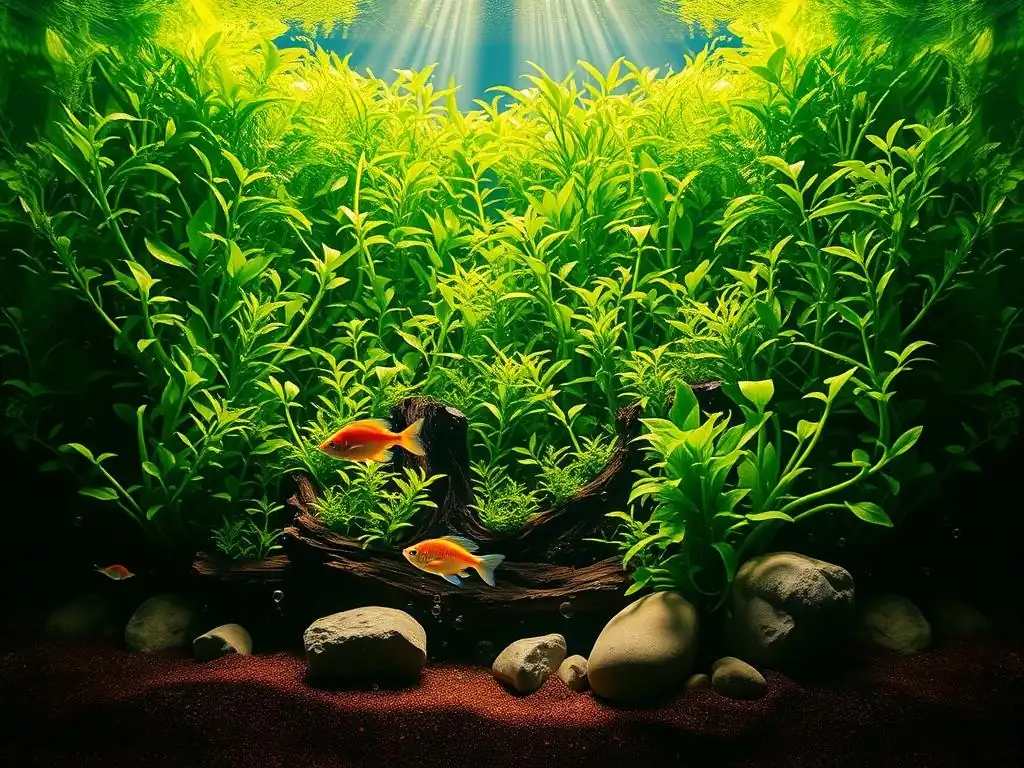
Ever dreamt of a lush, vibrant carpet of greenery in your aquarium? Dive in and unlock the secrets to achieving just that with Glossostigma Elatinoides. This fast-growing beauty can transform your tank, but mastering its care is key. Ready to discover how to make your Glossostigma Elatinoides truly thrive? Let's get started!
- Understanding Glossostigma Elatinoides for a Lush Aquarium Carpet
- Essential Requirements for Growing Glossostigma Elatinoides Successfully
- Planting and Propagating Glossostigma Elatinoides for Maximum Coverage
- Common Problems and Solutions When Growing Glossostigma Elatinoides
- Maintaining Your Glossostigma Elatinoides Carpet for Long-Term Health
- Glossostigma Elatinoides vs. Other Carpeting Plants: A Comparison
- Achieving the Perfect Glosso Carpet: Expert Tips and Tricks
-
Frequently Asked Questions
- How fast does Glossostigma elatinoides actually grow?
- What are the ideal water parameters for Glossostigma elatinoides?
- What kind of lighting is required for successful Glossostigma elatinoides growth?
- Does Glossostigma elatinoides need CO2 injection?
- What are some common problems with Glossostigma elatinoides and how can I fix them?
- Final Reflection: Cultivating Growth and Patience
- Cultivate Your Dream Carpet: It's Time to Act!
Understanding Glossostigma Elatinoides for a Lush Aquarium Carpet
What is Glossostigma Elatinoides? A Profile of Glosso
Glossostigma elatinoides, often simply called "Glosso," is a highly sought-after aquatic plant in the aquascaping world. Originating from Australia and New Zealand, this tiny, bright green foreground plant is celebrated for its ability to form a dense, low-lying carpet across the aquarium substrate. Its delicate appearance belies its demanding nature, requiring specific conditions to truly thrive and exhibit its characteristic rapid growth.
Scientifically classified within the Scrophulariaceae family, Glosso features minute, spatulate leaves, typically only 2-3 millimeters in length, growing on slender stems. When provided with optimal conditions, these stems send out numerous runners horizontally, allowing the plant to spread aggressively and completely cover the foreground, creating a vibrant, naturalistic look that enhances the depth and aesthetic appeal of any freshwater aquascape.
Benefits of Using Glosso in Your Freshwater Aquarium
The primary benefit of incorporating Glosso into your freshwater aquarium is its unparalleled ability to create a lush, vibrant green carpet. This dense ground cover provides an aesthetically pleasing foreground, effectively hiding the substrate and offering a natural, expansive feel to the aquascape. Its bright coloration contrasts beautifully with other plant types and hardscape elements, making it a staple in many award-winning layouts.
Beyond its visual appeal, Glosso also offers functional advantages. As a fast-growing plant, it efficiently absorbs excess nutrients from the water column, helping to mitigate algae growth by outcompeting it for resources. Furthermore, a dense Glosso carpet provides excellent shelter and foraging grounds for small invertebrates like shrimp and fry, contributing to a healthier, more balanced aquarium ecosystem by offering natural refuge.
Glossostigma Elatinoides Growth Habits: Why It's a Fast-Growing Favorite
Glossostigma elatinoides is renowned for its stoloniferous growth habit, meaning it propagates by sending out numerous horizontal runners (stolons) across the substrate surface. Each runner produces new plantlets, which then root and send out their own runners, leading to a rapid and expansive spread. This characteristic makes it one of the most effective plants for achieving a dense, seamless green carpet in a relatively short period, often within a few weeks to a couple of months under ideal conditions.
The aggressive lateral spread of Glosso is directly influenced by the availability of key resources. When provided with abundant light, a rich carbon dioxide supply, and a nutrient-dense substrate, the plant dedicates significant energy to producing these runners. This efficient mode of propagation is why Glossostigma Elatinoides is a fast-growing favorite among aquascapers aiming for quick and complete foreground coverage, making it a dynamic element in a planted tank.
Essential Requirements for Growing Glossostigma Elatinoides Successfully
Lighting: The Key to Dense Glosso Carpeting
Optimal Light Intensity for Glossostigma Elatinoides
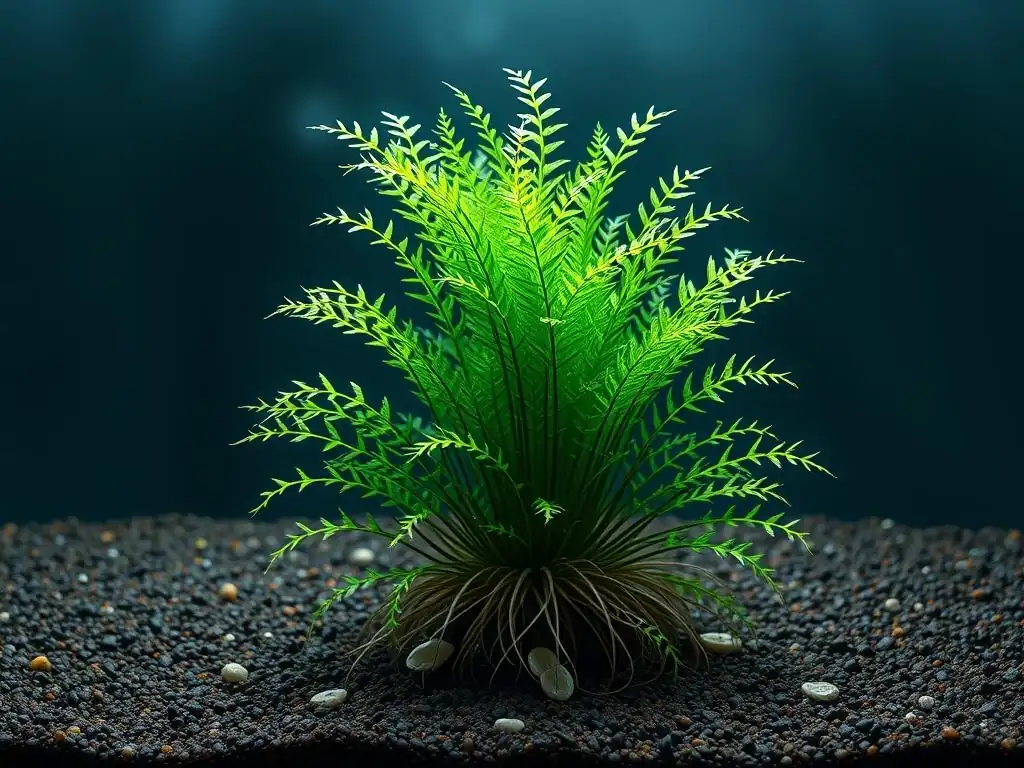
Glossostigma elatinoides is a high-light plant, and providing sufficient intensity is paramount for achieving a dense, low-lying carpet. Insufficient light will cause Glosso to "stretch" or become leggy, growing vertically in an attempt to reach the light source rather than spreading horizontally. For optimal carpeting, a PAR (Photosynthetically Active Radiation) intensity of 50-80 µmol/m²/s at the substrate level is typically recommended.
Maintaining this high light intensity for a duration of 8-10 hours daily is crucial for robust photosynthesis, which fuels the Glossostigma Elatinoides fast-growing habit. Consistency is key; sudden fluctuations in light duration or intensity can stress the plant and encourage algae. For deeper tanks, powerful LED or T5HO fixtures are often necessary to ensure adequate light penetration to the substrate where Glosso resides.
Choosing the Right Light Spectrum for Glosso Growth
While intensity is critical, the quality of light—its spectrum—also plays a significant role in Glosso's health and coloration. Full-spectrum lighting that closely mimics natural sunlight is ideal, providing all the necessary wavelengths for efficient photosynthesis. Specifically, wavelengths in the red (600-700 nm) and blue (400-500 nm) ranges are most crucial for chlorophyll production and overall plant growth.
Many high-quality aquarium LED lights offer customizable spectrums, allowing aquarists to fine-tune the light output. A color temperature between 6500K and 8000K is generally recommended for planted tanks, as it promotes healthy plant growth while also enhancing the natural colors of fish and plants. Utilizing a balanced spectrum ensures that Glossostigma Elatinoides receives the specific light energy it needs to thrive and form a vibrant, dense carpet.
CO2 Injection: Boosting Glossostigma Elatinoides Growth
CO2 Levels for Healthy Glosso Development
Carbon dioxide (CO2) injection is absolutely essential for successfully growing a dense, fast-growing Glossostigma Elatinoides carpet. As a demanding plant, Glosso requires a consistent and ample supply of CO2 to fuel its high rate of photosynthesis. Target CO2 levels should ideally be maintained between 20-30 parts per million (ppm) during the entire photoperiod.
Insufficient CO2 will severely stunt Glosso's growth, causing it to melt, turn pale, or fail to carpet effectively, regardless of light intensity. Monitoring CO2 levels with a drop checker, aiming for a consistent lime-green color, is highly recommended. Fluctuating CO2 levels can also stress the plant and make it susceptible to algae, so stability is just as important as the concentration.
DIY CO2 vs. Pressurized CO2 Systems for Glosso
For a high-demand plant like Glossostigma Elatinoides, a pressurized CO2 system is by far the superior choice for reliable and consistent CO2 delivery. These systems utilize a CO2 cylinder, a regulator with a solenoid valve, and a diffuser, allowing for precise control over the bubble rate and CO2 concentration throughout the day. This stability is crucial for achieving the desired rapid growth and dense carpeting.
While DIY CO2 systems (e.g., yeast-based setups) can provide some carbon for smaller, less demanding tanks, they are generally inconsistent in their output and cannot maintain the stable, elevated CO2 levels that Glosso requires. For anyone serious about growing a healthy, fast-growing Glossostigma Elatinoides carpet, investing in a quality pressurized CO2 system is a non-negotiable step to success.
Substrate: Providing a Foundation for Glosso Roots
Nutrient-Rich Substrates for Glossostigma Elatinoides
Glossostigma elatinoides is primarily a root feeder, meaning it absorbs a significant portion of its essential nutrients directly from the substrate. Therefore, a nutrient-rich active substrate, such as specialized aquasoils (e.g., ADA Aqua Soil, Fluval Stratum), is highly recommended for cultivating a thriving Glosso carpet. These substrates are designed to provide a steady supply of macronutrients (nitrogen, phosphorus, potassium) and micronutrients (iron, manganese, zinc) directly to the plant's root system.
The high cation exchange capacity (CEC) of aquasoils allows them to absorb and release nutrients as needed by the plants, creating an optimal environment for root development and nutrient uptake. Using an inert substrate like sand or gravel without a nutrient-rich base layer or supplemental root tabs will significantly hinder Glosso's growth and ability to form a dense carpet, as it will quickly deplete any available nutrients.
Substrate Depth and Texture for Optimal Rooting
For Glossostigma elatinoides to establish a robust root system and firmly anchor itself, the substrate depth is an important consideration. A minimum depth of 5-7 centimeters (approximately 2-3 inches) is generally recommended. This depth provides ample space for the delicate roots to spread and for the plantlets to secure themselves, preventing them from floating or being easily dislodged, especially during initial planting.
In terms of texture, a fine to medium-grained substrate is ideal for Glosso. The small particle size allows the plant's fine roots to penetrate easily and spread horizontally, forming a strong network that holds the carpet together. Coarse gravel can make planting difficult and may not provide the necessary anchorage, potentially leading to issues with Glosso lifting from the substrate as it grows.
Water Parameters: Maintaining a Thriving Glosso Environment
Ideal Water Hardness (GH) for Glossostigma Elatinoides
Glossostigma elatinoides generally thrives in soft to moderately hard water conditions. An ideal General Hardness (GH) range for this plant is typically between 3-8 dGH (degrees of General Hardness). While Glosso can tolerate slightly harder water, excessively high GH levels can sometimes impede nutrient uptake, particularly for certain micronutrients, and may contribute to slower or stunted growth.
Maintaining a stable GH within this preferred range helps ensure that essential minerals like calcium and magnesium are available in appropriate concentrations without causing undue stress to the plant. If your tap water is significantly harder, consider using a blend of tap water with reverse osmosis (RO) or deionized (DI) water, remineralized to the desired GH level, to create a more suitable environment for your Glossostigma Elatinoides carpet.
Maintaining the Correct pH Level for Glosso
A slightly acidic to neutral pH is generally preferred for Glossostigma elatinoides, with an ideal range typically falling between 6.0 and 7.0. This pH range is conducive to optimal nutrient availability for most aquatic plants, including Glosso, and also correlates well with the solubility of CO2 in the water, which is crucial for its growth. When CO2 is injected to achieve target levels of 20-30 ppm, the pH will naturally decrease into this acidic range.
Stability in pH is often more critical than hitting an exact number. Rapid or significant fluctuations in pH can stress the plant, leading to poor growth or even melting. Regular monitoring of pH using a reliable test kit is advisable, particularly when adjusting CO2 levels, to ensure a consistent and healthy environment for your Glossostigma Elatinoides to thrive and spread as a fast-growing carpet.
Planting and Propagating Glossostigma Elatinoides for Maximum Coverage
Planting Glosso: A Step-by-Step Guide
Preparing Glossostigma Elatinoides for Planting
Before planting Glossostigma elatinoides, proper preparation is crucial to ensure successful establishment. If you've purchased tissue culture cups, gently rinse off the agar medium under cool tap water, being careful not to damage the delicate roots. For potted Glosso, remove any rock wool from the roots. Once clean, divide the plant mass into very small clumps, approximately 1-2 centimeters square, or individual stems with a few leaves attached.
These small divisions are easier to plant and will quickly send out runners to form a dense carpet. It's essential to keep the Glosso moist during this preparation phase; a shallow tray of tank water or a damp paper towel will prevent the delicate plantlets from drying out, which can significantly reduce their initial survival rate and impact the speed at which they become a fast-growing carpet.
Planting Techniques for a Dense Glosso Carpet
To achieve a dense Glossostigma elatinoides carpet, precise planting is key. Using long, curved aquascaping tweezers, plant each small clump or individual stem firmly into the substrate. Push the base of the plant deep enough so that the roots are well buried and the plant is securely anchored, preventing it from floating to the surface. Space these small clumps about 1-2 centimeters apart across the desired carpeting area.
Planting in a dry start method (DSM) or with a very shallow water level in the aquarium can significantly ease the planting process, as there's no water resistance and the plants are less likely to float. Once planted, gently flood the tank. This meticulous initial planting, though time-consuming, lays the foundation for a uniform and rapidly spreading Glosso carpet, optimizing its potential as a fast-growing foreground plant.
Propagating Glosso: Expanding Your Green Carpet
Dividing and Replanting Glossostigma Elatinoides
Glossostigma elatinoides naturally propagates by sending out runners that establish new plantlets. Once your Glosso carpet has become established and sufficiently dense, you can easily propagate it further to expand coverage or start new tanks. Carefully lift a section of the established carpet, making sure to extract runners that have already developed roots. Using sharp scissors, cut these rooted sections from the main carpet.
These divided sections, complete with roots, can then be replanted in bare areas of your existing aquarium or transferred to a new setup. This method ensures that the new plantings have a head start, as they already possess a root system, allowing them to establish quickly and contribute to the rapid expansion of your Glossostigma Elatinoides carpet.
Encouraging Lateral Growth in Glosso
To encourage Glossostigma elatinoides to spread horizontally and form a dense, low-lying carpet rather than growing tall, regular trimming of vertical growth is essential. When the Glosso starts to grow upwards, trim the top portions using sharp aquascaping scissors. This signals the plant to divert energy into producing more lateral runners along the substrate, which is the key to its fast-growing carpeting ability.
Beyond trimming, consistent high light, ample CO2, and a rich nutrient supply are paramount for fueling the energy-intensive process of lateral runner production. A well-maintained environment with stable parameters ensures that the plant has all the resources it needs to continuously send out new stolons, leading to a truly dense and lush Glossostigma Elatinoides carpet across your aquarium floor.
Common Problems and Solutions When Growing Glossostigma Elatinoides
Algae Issues: Preventing and Treating Algae Growth on Glosso
Identifying Common Algae Types Affecting Glosso
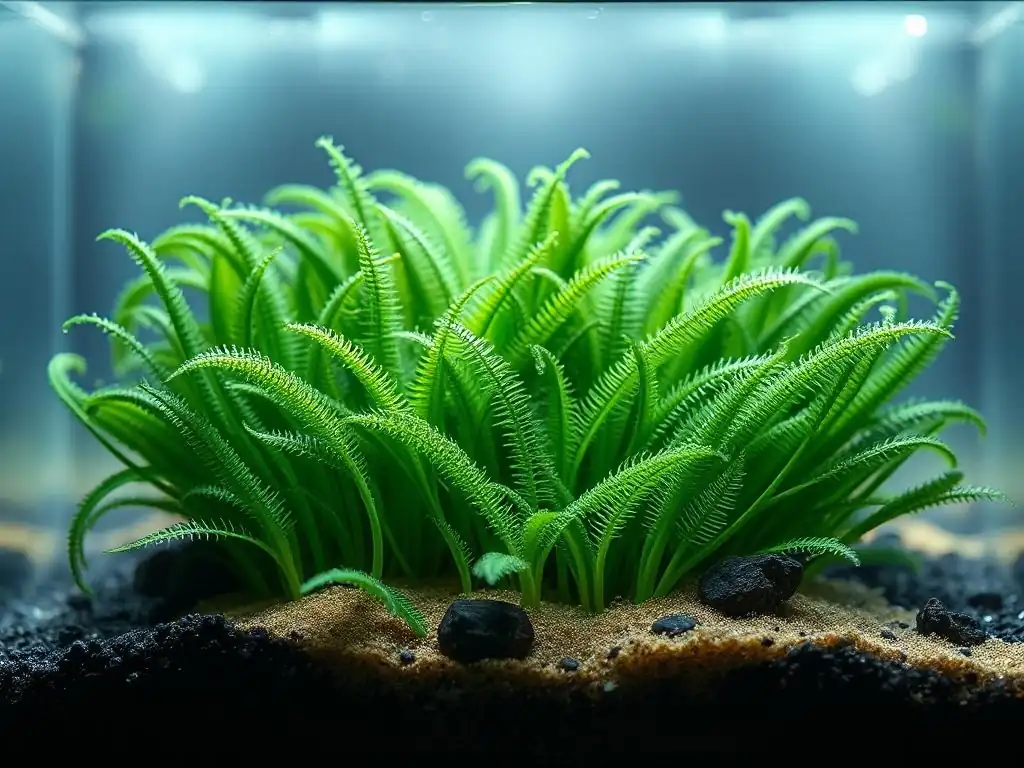
When growing Glossostigma elatinoides, particularly as a fast-growing carpet, algae can become a common nuisance. Identifying the type of algae is the first step to effective treatment. Green spot algae often appears as small, hard, dark green dots on the leaves, indicating low phosphate or CO2. Black beard algae (BBA) manifests as fuzzy, dark tufts, usually signaling fluctuating CO2 or nutrient imbalances. Hair algae, stringy and green, often points to excess nutrients or light.
Glosso's delicate leaves and initial slower establishment phase can make it particularly susceptible to algae infestations, especially if there's an imbalance in the tank's ecosystem. A common scenario is when high light is provided without sufficient CO2 and nutrients, leading to algae outcompeting the Glosso for resources, thereby hindering the development of a healthy Glossostigma Elatinoides carpet.
Effective Algae Control Methods for Glossostigma Elatinoides
Effective algae control for Glossostigma elatinoides hinges on addressing the root causes of the imbalance. First and foremost, ensure stable CO2 levels between 20-30 ppm throughout the photoperiod, as this is crucial for Glosso's competitive growth. Optimize light duration (8-10 hours) and intensity, avoiding excessive lighting without corresponding CO2 and nutrient levels. Consistent dosing of a comprehensive liquid fertilizer, including macronutrients (N, P, K) and micronutrients (especially iron), will ensure the Glosso is well-fed and can outcompete algae.
Manual removal of algae with a soft brush or by hand is a good immediate solution. Spot treatments with liquid carbon alternatives (like glutaraldehyde-based products) can be effective for localized algae outbreaks, but care must be taken not to overdose. Introducing algae-eating inhabitants such as Amano shrimp (Caridina multidentata) or Otocinclus catfish can also provide a biological control, helping to keep the Glossostigma Elatinoides carpet clean.
Nutrient Deficiencies: Recognizing and Addressing Nutrient Imbalances
Identifying Nutrient Deficiency Symptoms in Glosso
Glossostigma elatinoides, being a fast-growing and demanding plant, quickly exhibits symptoms of nutrient deficiencies. Yellowing or pale leaves, particularly in new growth, often indicate a lack of nitrogen (N) or iron (Fe). Stunted growth, small leaves, or a general lack of vigor can point to deficiencies in potassium (K) or phosphorus (P). Holes or melting leaves, especially older ones, are typically a sign of potassium deficiency.
Since Glosso relies heavily on a nutrient-rich substrate, deficiencies can arise if the substrate is depleted or if liquid fertilization is insufficient for the plant's rapid consumption rate. Observing these specific symptoms allows aquarists to pinpoint the missing nutrient and take corrective action before the entire Glossostigma Elatinoides carpet is compromised.
Supplementing with Liquid Fertilizers for Healthy Growth
To address nutrient deficiencies and ensure the vibrant, fast-growing nature of Glossostigma elatinoides, supplementing with liquid fertilizers is often necessary, even with a nutrient-rich substrate. A comprehensive liquid fertilizer that provides both macronutrients (Nitrogen, Phosphorus, Potassium - NPK) and a full spectrum of micronutrients (Iron, Manganese, Boron, Zinc, etc.) is crucial.
Dosing strategies vary, but methods like the Estimative Index (EI) or daily micro-dosing can be effective, ensuring a constant supply of nutrients. Regular water testing for key parameters like nitrates and phosphates can help fine-tune your dosing regimen. Consistent and balanced fertilization will prevent deficiencies, supporting the robust growth and intense green coloration of your Glossostigma Elatinoides carpet.
Lifting: Preventing Glossostigma Elatinoides from Uprooting
Causes of Glosso Lifting
One of the most frustrating issues when establishing a Glossostigma elatinoides carpet is the plant lifting from the substrate. Several factors contribute to this problem. Insufficient planting depth is a common cause; if the roots are not firmly buried, the buoyancy of the plant or gentle water currents can easily dislodge it. Strong water flow directly over the newly planted areas can also physically pull the delicate plantlets out of the substrate.
Furthermore, gas bubbles trapped within the substrate, often from anaerobic decomposition or excess CO2 off-gassing, can build up and physically push the Glosso upwards. New tank inhabitants, especially bottom-dwelling fish, can also disturb the substrate and uproot newly planted Glossostigma Elatinoides before its root system has had a chance to establish firmly.
Preventing and Correcting Glosso Lifting Issues
To prevent Glossostigma elatinoides from lifting, ensure meticulous planting from the start. Use tweezers to plant small clumps deeply and firmly into the substrate, making sure the roots are well-anchored. In the initial weeks, minimize strong water flow directly over the carpeted area; redirect filter outlets or use spray bars to diffuse the flow. If using a dry start method, allow the roots to establish for several weeks before flooding the tank.
If lifting occurs, gently replant the dislodged sections as soon as possible. For persistent issues, consider placing a fine mesh or a few small, smooth stones over the newly planted areas temporarily to hold them down until the roots take hold. Addressing underlying issues like excessive gas buildup in the substrate through gentle agitation or proper substrate layering can also mitigate the problem, allowing your Glossostigma Elatinoides carpet to grow unhindered.
Maintaining Your Glossostigma Elatinoides Carpet for Long-Term Health
Trimming and Pruning: Keeping Your Glosso Carpet Neat and Healthy
When and How to Trim Glossostigma Elatinoides
Regular trimming is essential for maintaining a healthy, dense, and low-lying Glossostigma elatinoides carpet. Glosso tends to grow vertically when it reaches the surface, or when the lower layers become shaded by the upper growth. You should trim your Glosso when it starts to grow taller than approximately 1-2 centimeters, or when the carpet appears overly thick and dense, potentially shading itself.
To trim, use sharp, long, curved aquascaping scissors. Cut the top 50-70% of the growth evenly across the carpet. This "haircut" encourages the plant to send out more lateral runners, promoting a denser spread and preventing the lower layers from dying off due to lack of light. Consistent trimming is key to maintaining the desired low profile and encouraging the Glossostigma Elatinoides fast-growing habit horizontally.
Tools for Effective Glosso Trimming
Effective trimming of Glossostigma elatinoides requires the right tools to achieve a neat and healthy carpet. Long, curved aquascaping scissors are highly recommended for this task. Their design allows for precise cuts across the undulating surface of the carpet without having to submerge your hands deeply into the aquarium. The curvature helps maintain an even height across the foreground.
The sharpness of the scissors is paramount; dull tools can crush plant tissue, leading to damage and potential melting, which can compromise the health of your Glosso carpet. Investing in high-quality, sharp stainless steel aquascaping scissors will make the trimming process easier, more efficient, and healthier for your Glossostigma Elatinoides.
Regular Water Changes: Maintaining Optimal Water Quality for Glosso
Regular water changes are a fundamental aspect of maintaining optimal water quality for a thriving Glossostigma elatinoides carpet. Performing weekly water changes of 30-50% helps to remove accumulated nitrates, phosphates, and other waste products that can build up in a heavily planted, high-tech aquarium. This replenishment of fresh water also reintroduces essential trace elements that Glosso and other plants consume rapidly.
Consistent water changes prevent the buildup of inhibiting substances and stabilize water parameters, which is crucial for the sensitive Glossostigma elatinoides. Stable parameters reduce stress on the plant, allowing it to focus its energy on robust growth and carpeting rather than struggling with fluctuating environmental conditions, thus supporting its fast-growing nature.
Monitoring and Adjusting CO2 and Nutrient Levels
For a high-demand plant like Glossostigma elatinoides, continuous monitoring and precise adjustment of CO2 and nutrient levels are non-negotiable for long-term health and a dense carpet. Regularly check your CO2 drop checker to ensure it remains a consistent lime-green color, indicating optimal levels of 20-30 ppm. Adjust your CO2 bubble count as needed, especially after water changes or if you notice changes in plant pearling.
Similarly, consistently monitor the levels of key nutrients, particularly nitrates and phosphates, using reliable test kits. Based on these readings and observations of your Glosso's growth, adjust your liquid fertilizer dosing regimen. A rapidly growing Glossostigma Elatinoides carpet will consume nutrients quickly, so proactive adjustments ensure a steady supply, preventing deficiencies and maintaining vigorous growth.
Glossostigma Elatinoides vs. Other Carpeting Plants: A Comparison
Glosso vs. Hemianthus Callitrichoides "Cuba" (Dwarf Baby Tears)
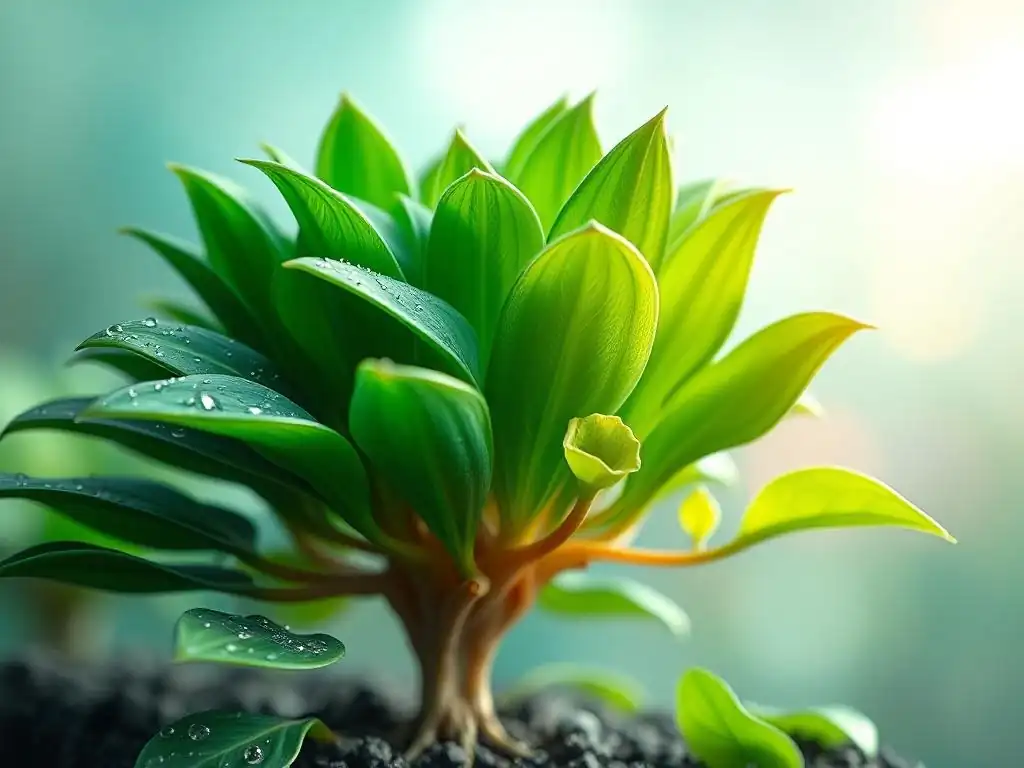
When comparing Glossostigma elatinoides with Hemianthus callitrichoides "Cuba" (HC Cuba or Dwarf Baby Tears), both are highly sought-after carpeting plants for high-tech aquascapes, but they have distinct differences. Glosso generally has slightly larger, more elongated leaves (2-3mm) and is known for its incredibly fast spreading capability under ideal conditions, making it excellent for quick coverage. HC Cuba, on the other hand, boasts the smallest leaves of any aquatic plant (1-2mm), creating an incredibly fine and dense texture.
In terms of difficulty, HC Cuba is often considered even more demanding than Glosso, requiring higher and more stable CO2, intense lighting, and pristine water conditions to thrive without melting. While both require high light and CO2 for their fast-growing carpet potential, Glosso can sometimes be slightly more forgiving in its initial establishment, though both are undoubtedly for experienced aquarists committed to high-tech setups.
Glosso vs. Monte Carlo
Monte Carlo (Micranthemum tweediei or Micranthemum sp. "Monte Carlo") offers a compelling alternative to Glossostigma elatinoides for carpeting. Monte Carlo features slightly larger, rounder leaves (5-10mm) and a darker green hue compared to Glosso's brighter, more elongated foliage. A key difference lies in their demands: Monte Carlo is generally considered less demanding regarding CO2 and light intensity than Glosso, making it a more accessible carpeting plant for those with moderate-tech setups.
Furthermore, Monte Carlo typically roots more easily and is less prone to lifting from the substrate than Glosso, which can be a significant advantage for new aquascapers or those looking for a slightly lower-maintenance carpet. While Glossostigma Elatinoides is a truly fast-growing carpet, Monte Carlo also spreads efficiently, offering a robust and attractive ground cover without the absolute necessity for extremely high CO2 levels required by Glosso or HC Cuba.
Choosing the Right Carpeting Plant for Your Aquarium
The choice between Glossostigma elatinoides and other carpeting plants ultimately depends on your aquarium setup, available equipment, and personal experience level. If you possess a high-tech aquarium with powerful lighting, a reliable pressurized CO2 system, and are committed to consistent nutrient dosing, then Glossostigma Elatinoides is an excellent choice. Its rapid growth and ability to form an incredibly dense, bright green carpet make it a top contender for aquascapes aiming for dramatic foreground impact.
Conversely, if your setup is more moderate-tech or you prefer a slightly less demanding plant, Monte Carlo might be a more suitable option, offering a beautiful carpet with less stringent requirements. Understanding the specific needs of each plant, particularly regarding light, CO2, and substrate, is crucial for making an informed decision that ensures the long-term success and vibrancy of your chosen foreground plant.
Achieving the Perfect Glosso Carpet: Expert Tips and Tricks
Optimizing Water Flow for Glossostigma Elatinoides
Optimizing water flow is a subtle yet critical factor in achieving a perfect Glossostigma elatinoides carpet. Moderate, even water flow across the substrate surface is essential to ensure that CO2 and dissolved nutrients are consistently delivered to every plantlet in the Glosso carpet. Without adequate flow, "dead spots" can occur, leading to stunted growth or localized nutrient deficiencies within the carpet.
However, excessively strong or turbulent water flow, especially over newly planted Glosso, can cause the delicate plants to uproot, hindering establishment. Position filter outlets and powerheads strategically to create a gentle, laminar flow that gently washes over the carpet without disturbing it. This balanced flow ensures that the Glossostigma Elatinoides receives the vital elements it needs to maintain its fast-growing, dense nature.
Using Root Tabs for Enhanced Growth
While a nutrient-rich aquasoil provides an excellent foundation for Glossostigma elatinoides, supplementing with root tabs can significantly enhance its growth and long-term health, particularly as the substrate ages and its initial nutrient reserves become depleted. Root tabs are solid fertilizers designed to be inserted directly into the substrate, providing a slow and sustained release of essential nutrients directly to the Glosso's root system.
These tabs are particularly beneficial for delivering macronutrients like iron, potassium, and trace elements that Glosso actively absorbs from its roots. Place root tabs strategically beneath the established carpet every few months, following the manufacturer's instructions. This targeted fertilization ensures that your Glossostigma Elatinoides carpet receives a continuous supply of vital nutrients, supporting its vigorous growth and maintaining its lush, vibrant appearance.
Maintaining a Balanced Ecosystem for Glosso Health
Achieving and maintaining a perfect Glossostigma elatinoides carpet is deeply intertwined with the overall balance of your aquarium ecosystem. A stable environment minimizes stress on the plants, allowing them to allocate their energy towards growth and carpeting. This includes maintaining consistent water parameters, avoiding sudden fluctuations in temperature, pH, or hardness, and ensuring a robust filtration system to manage waste.
Appropriate fish stocking levels also contribute to a balanced ecosystem; overstocking can lead to excess organic waste and nutrient imbalances that promote algae. Regular monitoring of water chemistry, consistent maintenance routines, and a proactive approach to potential issues will foster a thriving environment where your Glossostigma Elatinoides can truly flourish as a fast-growing, dense, and vibrant carpet.
Frequently Asked Questions
How fast does Glossostigma elatinoides actually grow?
Glossostigma elatinoides is known for its rapid growth under the right conditions. You can expect to see noticeable spreading within weeks, creating a dense carpet relatively quickly. It is considered fast growing in the aquarium hobby.
What are the ideal water parameters for Glossostigma elatinoides?
This plant thrives in soft, slightly acidic water. Aim for a pH between 6.0 and 7.0, a KH between 0-8 dKH, and a temperature between 72-82°F (22-28°C). Consistent water parameters are crucial for success.
What kind of lighting is required for successful Glossostigma elatinoides growth?
Glossostigma elatinoides requires high-intensity lighting to grow horizontally and form a dense carpet. Inadequate lighting will result in vertical growth, which is undesirable. Use a powerful light source to achieve the best results.
Does Glossostigma elatinoides need CO2 injection?
While it's possible to grow Glossostigma elatinoides without CO2 injection, CO2 supplementation is highly recommended. It significantly boosts growth rate, resulting in a thicker and more vibrant carpet.
What are some common problems with Glossostigma elatinoides and how can I fix them?
Common issues include algae growth, melting, and lack of horizontal spread. Ensuring proper CO2 levels, sufficient lighting, and good water circulation are key to preventing these problems.
Final Reflection: Cultivating Growth and Patience
The journey of cultivating a lush carpet of Glossostigma elatinoides is, in essence, a microcosm of life itself. The dedication, patience, and understanding required to coax this fast-growing plant into its full glory mirror the effort we invest in nurturing any worthwhile endeavor. Just as the right conditions – light, CO2, and nutrients – are crucial for Glosso's success, so too are the right environment and support essential for our own personal growth.
This exploration of Glossostigma elatinoides has not only deepened our understanding of aquatic ecosystems but also highlighted the profound connection between nature and nurture. The meticulous care required to achieve a thriving carpet serves as a constant reminder of the beauty that emerges from dedication and perseverance. The best time to plant a tree was 20 years ago. The second best time is now.
This ancient proverb resonates deeply with the cultivation of Glosso, urging us to embrace the present moment and begin the journey, regardless of perceived challenges.
Now, as you contemplate the vibrant images and detailed instructions shared within this article, consider how you can apply these principles of patience, dedication, and environmental awareness to your own life. Let the success of a Glossostigma elatinoides carpet inspire you to cultivate growth in all areas, fostering a thriving ecosystem within yourself and the world around you. Embrace the challenge, nurture the potential, and watch as your own "carpet" of success unfolds.
Cultivate Your Dream Carpet: It's Time to Act!
Thanks for exploring the captivating world of Glossostigma elatinoides with us. We hope you're feeling inspired and equipped to create a stunning, lush carpet in your aquarium. Now, let's transform that inspiration into action!
Here's how you can start cultivating your own thriving carpet today:
- Immediately assess your lighting: Is it strong enough to support Glosso? If not, consider upgrading your light fixture – this is the single most important factor for success!
- Join our Aquarium Mastery community forum to share your progress, ask questions, and connect with other passionate aquascapers.
- Experiment with different CO2 injection methods and record your results. Even small adjustments can make a big difference.
Ready to see your aquarium floor transformed into a vibrant, green carpet? What small adjustment will you make today to unlock the beauty of Glossostigma elatinoides in your own tank?