
Vallisneria Spiralis: Creating a Twisting Green Curtain in Your Aquarium

Welcome to Aquarium Mastery!
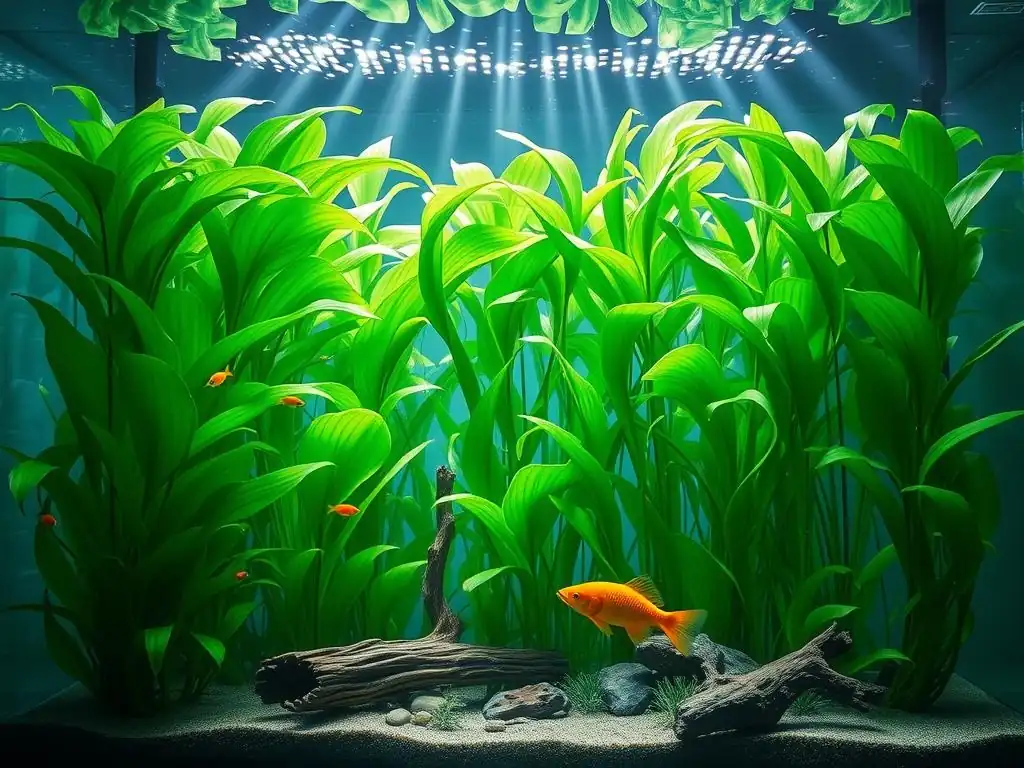
Ever dreamt of a lush, flowing underwater forest in your aquarium? Discover the secrets to cultivating vibrant Vallisneria spiralis and transforming your tank with its elegant, twisting leaves. Dive in to our detailed guide and unlock the secrets to perfect Vallisneria spiralis aquarium care – are you ready to create your own mesmerizing aquatic landscape?
- Understanding Vallisneria Spiralis: The Beginner-Friendly Aquarium Plant
- Vallisneria Spiralis Aquarium Care: A Comprehensive Guide
- Propagating Vallisneria Spiralis: Expanding Your Green Curtain
- Common Problems and Solutions for Vallisneria Spiralis
- Choosing Tank Mates for Vallisneria Spiralis
- Vallisneria Spiralis vs. Other Vallisneria Species: Identification and Selection
- Maintaining a Healthy Vallisneria Spiralis Aquarium: Long-Term Care Tips
- Vallisneria Spiralis: A Sustainable and Beautiful Addition to Your Aquarium
-
Frequently Asked Questions
- How much light does Vallisneria spiralis need in an aquarium?
- What are the ideal water parameters for Vallisneria spiralis?
- Can I use CO2 injection to improve Vallisneria spiralis growth?
- How do I propagate Vallisneria spiralis?
- What common aquarium issues affect Vallisneria spiralis and how can I address them?
- Final Reflection: Embracing the Aquatic Dance
- Cultivate Your Underwater Paradise!
Understanding Vallisneria Spiralis: The Beginner-Friendly Aquarium Plant
What is Vallisneria Spiralis? An Introduction to Eelgrass
Vallisneria spiralis, commonly known as "Eelgrass" or "Corkscrew Vallisneria," is a popular aquatic plant native to tropical and subtropical regions worldwide. Its distinctive long, ribbon-like leaves, which can grow up to 60 cm (24 inches) in length, often exhibit a graceful spiral twist, giving the plant its scientific name. This species is highly regarded in the aquarium hobby for its vibrant green coloration, rapid growth, and ability to form dense, flowing backgrounds in freshwater tanks, making it an excellent choice for aquascaping and enhancing the natural aesthetic of an aquatic environment.
This hardy and adaptable plant is particularly favored by beginners due to its relatively undemanding nature regarding water parameters and lighting. Unlike many more delicate aquatic plants, Vallisneria spiralis can thrive in a wide range of conditions, making comprehensive Vallisneria spiralis aquarium care straightforward for novice aquarists. Its robust root system and ability to propagate readily via runners contribute to its resilience and ease of maintenance, allowing hobbyists to quickly establish a lush, natural-looking aquascape without extensive specialized equipment or expertise.
Benefits of Adding Vallisneria to Your Freshwater Aquarium
Integrating Vallisneria spiralis into a freshwater aquarium offers numerous ecological and aesthetic advantages. From an environmental perspective, these plants are highly efficient at absorbing excess nitrates and phosphates from the water column, which are common byproducts of fish waste and uneaten food. This natural filtration process helps to improve water quality, reduce the frequency of water changes, and significantly inhibit the growth of nuisance algae by outcompeting them for essential nutrients. A healthy stand of Vallisneria can contribute to a more stable and balanced aquarium ecosystem.
Beyond water purification, Vallisneria spiralis provides crucial habitat and enrichment for aquarium inhabitants. Its tall, flowing leaves create excellent hiding spots and natural territories for shy fish species, reducing stress and promoting more natural behaviors. For species like livebearers or cichlids, the dense foliage offers shelter for fry, increasing their survival rates. The constant oxygenation provided by photosynthesis during daylight hours also contributes to a healthier environment for fish and beneficial bacteria, underscoring the multifaceted benefits of proper Vallisneria spiralis aquarium care.
Vallisneria Spiralis Aquarium Care: A Comprehensive Guide
Optimal Water Parameters for Vallisneria Growth
Temperature and pH Levels for Healthy Vallisneria
Vallisneria spiralis thrives within a broad range of water temperatures, making it compatible with most tropical freshwater fish. An ideal temperature range for robust growth is typically between 20°C and 28°C (68°F and 82°F). While the plant can tolerate temperatures slightly outside this range for short periods, maintaining stability within these parameters will encourage more vigorous growth and minimize stress. Fluctuations in temperature can hinder its development and potentially lead to melting or stunted growth, highlighting the importance of consistent environmental conditions in Vallisneria spiralis aquarium care.
Regarding pH levels, Vallisneria spiralis is remarkably adaptable, flourishing in a range from slightly acidic to moderately alkaline conditions. An optimal pH for this plant typically falls between 6.0 and 8.0. Many aquarists find that a neutral to slightly alkaline pH, around 7.0 to 7.5, often yields the best results, mirroring its natural habitats. Extreme pH values outside this range, particularly very low acidity, can impede nutrient uptake and overall plant health, so regular monitoring of pH is a fundamental aspect of effective Vallisneria spiralis aquarium care.
Water Hardness and Nutrient Requirements for Vallisneria Spiralis
Vallisneria spiralis generally prefers moderately hard water, thriving in a General Hardness (GH) range of 3-15 dGH and a Carbonate Hardness (KH) of 3-10 dKH. While it can adapt to softer water, adequate mineral content, particularly calcium and magnesium, is essential for healthy cell wall development and overall vitality. These minerals contribute to the plant's structural integrity and play a role in various metabolic processes, making water hardness an often-overlooked yet critical factor in successful Vallisneria spiralis aquarium care.
Beyond general hardness, Vallisneria spiralis requires a steady supply of macronutrients like nitrogen (nitrates), phosphorus (phosphates), and potassium, as well as essential micronutrients such as iron, manganese, and boron. While it can derive some nutrients from the water column, its primary nutrient uptake occurs through its roots. Therefore, a nutrient-rich substrate is highly beneficial, providing a sustained release of vital elements for robust root development and overall plant vigor. Consistent availability of these nutrients prevents deficiencies, which can manifest as yellowing leaves or stunted growth, underscoring their importance in comprehensive Vallisneria spiralis aquarium care.
Lighting Requirements for Vallisneria Spiralis in Aquariums
Choosing the Right Light Spectrum and Intensity
Vallisneria spiralis is a relatively low to moderate light plant, meaning it does not require intense illumination to thrive. For most home aquariums, a light intensity of approximately 15-30 PAR (Photosynthetically Active Radiation) at the substrate level is sufficient.
Full spectrum LED lights, with a color temperature around 6500K, are ideal as they mimic natural daylight and provide the necessary wavelengths for photosynthesis without promoting excessive algae growth. Overly intense lighting can stress the plant and encourage nuisance algae, which can quickly coat the leaves and inhibit light absorption, making proper light choice a key element of Vallisneria spiralis aquarium care.
The duration of the lighting period is also crucial; typically, 8 to 10 hours of light per day is optimal for Vallisneria spiralis. Providing a consistent photoperiod helps establish a natural rhythm for the plant's metabolic processes. Using a timer is highly recommended to ensure regularity and prevent accidental over or under-lighting.
While Vallisneria can tolerate lower light levels, its growth will be slower, and its characteristic spiraling may be less pronounced. Conversely, too much light, especially without adequate CO2 and nutrient levels, can lead to stunted growth and increased susceptibility to algae, emphasizing the delicate balance required in Vallisneria spiralis aquarium care.
Managing Algae Growth with Proper Lighting
One of the common challenges in aquatic plant care is managing algae, and Vallisneria spiralis is no exception. While Vallisneria competes with algae for nutrients, improper lighting can exacerbate algae problems. Excessive light intensity or duration often provides the perfect conditions for various algae types, such as green spot algae or hair algae, to proliferate on the plant's leaves. This not only detracts from the aesthetic appeal but also blocks light from reaching the plant's photosynthetic cells, directly impacting its health and growth.
To mitigate algae growth on Vallisneria spiralis, it is essential to calibrate your lighting setup correctly. If you observe persistent algae on your Vallisneria, consider slightly reducing the light intensity or shortening the photoperiod by an hour or two. For instance, if you are currently running lights for 10 hours, try reducing it to 8 hours for a week.
Ensuring sufficient CO2 and nutrient levels also helps the Vallisneria outcompete algae more effectively. Regular cleaning of the tank glass and occasional gentle wiping of Vallisneria leaves (if practical and not too numerous) can also help maintain a clean appearance and promote healthy Vallisneria spiralis aquarium care.
Substrate and Planting Vallisneria Spiralis
Best Substrate Types for Root Development
Vallisneria spiralis is a heavy root feeder, meaning it primarily absorbs nutrients through its extensive root system rather than directly from the water column. Therefore, the choice of substrate is paramount for successful Vallisneria spiralis aquarium care. Substrates rich in nutrients, such as specialized aquatic plant soils (e.g., ADA Aqua Soil, Fluval Stratum) or nutrient-enriched gravel, are highly beneficial. These substrates provide a slow, steady release of essential macro and micronutrients directly to the roots, promoting robust growth and vibrant coloration.
If using inert substrates like standard aquarium gravel or sand, it is crucial to supplement them with root tabs or a nutrient-rich base layer. A gravel size of 2-5 mm is generally ideal, allowing for good root penetration and adequate water circulation around the roots without becoming compacted.
Avoid very fine sand that can compact too much or very coarse gravel that doesn't hold nutrients well. The substrate layer should be at least 5-7 cm (2-3 inches) deep to allow the roots ample space to spread and anchor the plants effectively, ensuring long-term health in your Vallisneria spiralis aquarium care regimen.
How to Plant Vallisneria Spiralis Correctly
Proper planting technique is vital to prevent initial melting and ensure the establishment of Vallisneria spiralis. When planting, gently separate individual plantlets from the bunch, being careful not to damage the delicate roots. Create a small hole in the substrate using your fingers or tweezers, and carefully insert the roots into the substrate, ensuring that the crown (the point where the roots meet the leaves) is just above the substrate line. Burying the crown can lead to rot and plant death, which is a common pitfall in Vallisneria spiralis aquarium care.
After planting, gently push the substrate around the base of the plant to secure it. If the plant floats up, you may need to re-plant it or use a plant weight initially until its roots establish. Spacing is important; for a dense background effect, plant individual Vallisneria spiralis plants about 2-3 cm (around 1 inch) apart. They will quickly send out runners and fill in the gaps. Avoid planting them too close together initially, as this can impede nutrient uptake and light exposure for individual plants, affecting their overall health and growth within your Vallisneria spiralis aquarium care routine.
Fertilization for Vallisneria: Boosting Growth and Color
Liquid Fertilizers vs. Root Tabs for Vallisneria
When it comes to fertilizing Vallisneria spiralis, understanding its primary nutrient uptake method is key. As a heavy root feeder, Vallisneria benefits significantly from nutrients available in the substrate. Therefore, root tabs are often considered the most effective fertilization method.
These small, concentrated pellets are inserted directly into the substrate near the plant's roots, providing a slow and steady release of essential macro and micronutrients like iron, potassium, and trace elements. Root tabs ensure that nutrients are delivered exactly where the plant needs them most, minimizing their presence in the water column and reducing the likelihood of contributing to algae blooms.
While root tabs are paramount, liquid fertilizers can still play a supplementary role in Vallisneria spiralis aquarium care, especially for providing general water column nutrients that might benefit other plants or replenish trace elements. However, relying solely on liquid fertilizers for Vallisneria may not yield optimal results due to its root-feeding nature.
If using liquid fertilizers, ensure they are comprehensive and provide a balanced array of macro and micronutrients. Many aquarists use a combination: root tabs for consistent root-zone feeding and occasional liquid dosing for overall water column enrichment, particularly if other plant species in the tank are water column feeders.
Avoiding Nutrient Deficiencies in Vallisneria
Preventing nutrient deficiencies is crucial for maintaining healthy and vibrant Vallisneria spiralis. Common signs of deficiencies include yellowing leaves (chlorosis), stunted growth, or transparent areas. For instance, yellowing of older leaves often indicates a nitrogen deficiency, while pale new growth can point to a lack of iron. Holes in leaves or overall weakness may suggest a potassium deficiency. Regular application of root tabs, typically every 2-4 months depending on the brand and plant density, is the primary defense against these issues for Vallisneria spiralis aquarium care.
Beyond direct fertilization, maintaining a clean substrate and performing regular water changes contribute to overall nutrient balance. Overfeeding fish can lead to an accumulation of organic waste, which can sometimes provide some nutrients but also contribute to algae. Conversely, very clean tanks with minimal fish load might lack sufficient nitrates for robust plant growth, necessitating supplementation. Monitoring your Vallisneria's appearance closely and adjusting your fertilization regimen accordingly is an active and responsive approach to optimal Vallisneria spiralis aquarium care, ensuring the plant always has access to the elements it needs.
Propagating Vallisneria Spiralis: Expanding Your Green Curtain
Vallisneria Reproduction: Runners and Offshoots Explained
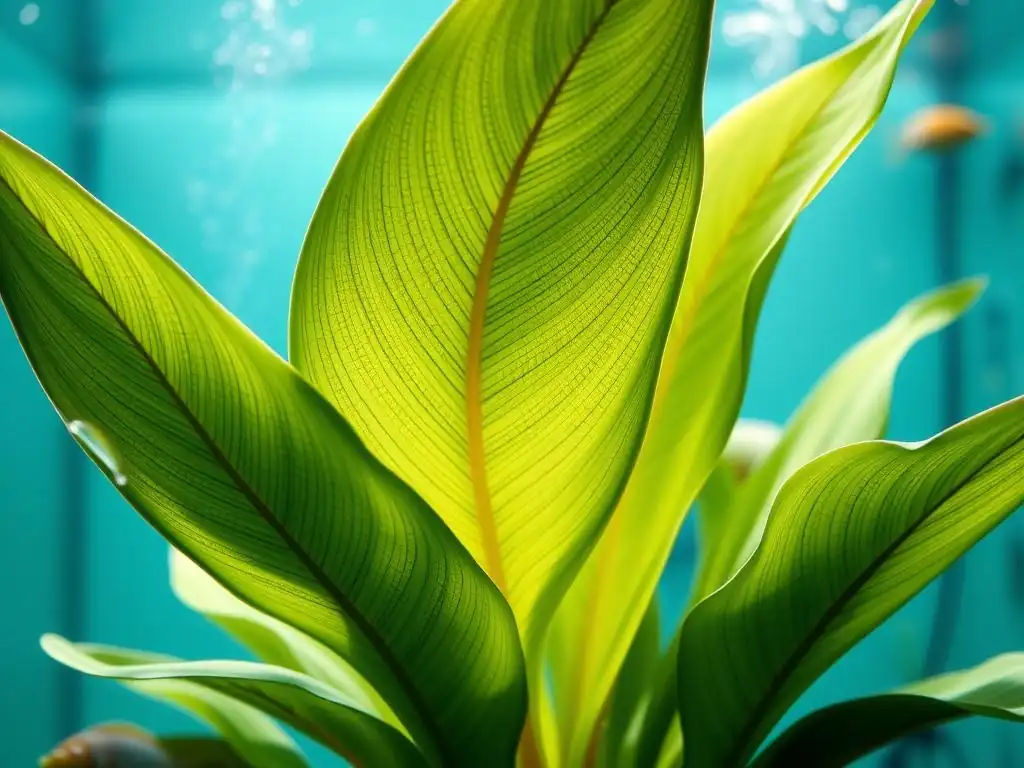
Vallisneria spiralis is renowned for its prolific and straightforward method of reproduction: via runners and offshoots, also known as "pups." The parent plant develops horizontal stolons, or runners, along the substrate surface. Along these runners, new plantlets (offshoots) emerge, each with its own root system and a few developing leaves. These runners can extend several inches from the main plant, allowing the new pups to establish themselves at a distance. This vegetative propagation method is highly efficient and enables Vallisneria to rapidly colonize an area, forming dense patches or a "green curtain" across the back of an aquarium.
The speed at which Vallisneria spiralis produces runners is influenced by factors such as light intensity, nutrient availability, and water parameters. In optimal conditions, a single parent plant can produce several new offshoots within a few weeks. This natural cloning process ensures that the new plants are genetically identical to the parent, inheriting its desirable characteristics. Understanding this reproductive strategy is fundamental to effective Vallisneria spiralis aquarium care, as it allows aquarists to actively manage and expand their plant population without needing to purchase new plants frequently.
Separating and Replanting Vallisneria Pups
Once Vallisneria spiralis pups have developed a few leaves and a noticeable root system, typically when they are about 5-10 cm (2-4 inches) tall, they are ready for separation from the parent plant. To do this, gently trace the runner back from the pup to the parent plant and use a sharp pair of aquatic scissors or a razor blade to cut the runner. Be careful not to disturb the parent plant or the pup excessively during this process. The newly detached pup is now an independent plant ready for replanting.
When replanting the Vallisneria pup, follow the same guidelines as planting a mature specimen: ensure the roots are buried in the substrate, but the crown remains exposed. This process is simple and can be done without removing the plant from the tank, minimizing stress to both the plant and the aquarium ecosystem. Regular separation of pups not only helps manage the plant's spread but also encourages the parent plant to produce more runners, making it an integral part of maintaining a vibrant and expanding Vallisneria spiralis display through diligent Vallisneria spiralis aquarium care.
Creating a Dense Vallisneria Background
To achieve a lush, dense "green curtain" effect with Vallisneria spiralis, strategic planting and consistent propagation management are key. Begin by planting initial specimens along the back or sides of your aquarium, spaced about 2-3 cm (1 inch) apart. As these parent plants send out runners and produce pups, allow some of them to establish naturally in the desired area. For quicker density, you can separate the pups as they form and replant them strategically in gaps or new areas where you want the curtain to thicken.
Over time, Vallisneria spiralis will naturally fill in the background, creating a visually stunning backdrop that sways gently with the water currents. To maintain this density and prevent overcrowding, regular thinning may be necessary. If the plants become too dense, they can start to shade each other, leading to stunted growth or yellowing of lower leaves due to lack of light. Pruning overgrown leaves and strategically removing older, less vigorous plants can help maintain optimal light penetration and nutrient access for the entire stand, ensuring the long-term success of your Vallisneria spiralis aquarium care efforts.
Common Problems and Solutions for Vallisneria Spiralis
Vallisneria Melting: Causes and Prevention
"Melting" in Vallisneria spiralis refers to the sudden deterioration and decomposition of plant leaves, often turning translucent or mushy. This is a common issue, particularly after initial planting or significant changes in tank conditions. The primary causes include transplant shock, where the plant struggles to adapt to new water parameters, lighting, or substrate; nutrient deficiencies, especially a lack of iron or potassium; or sudden shifts in CO2 levels. Poor water quality, such as high ammonia or nitrite, can also contribute to melting.
To prevent Vallisneria melting, acclimate new plants gradually if possible, although Vallisneria is generally robust. Ensure stable water parameters within the recommended ranges for Vallisneria spiralis aquarium care (temperature 20-28°C, pH 6.0-8.0, moderate hardness). Most importantly, provide a nutrient-rich substrate and supplement with root tabs, as Vallisneria is a heavy root feeder. Consistent lighting (8-10 hours) and avoiding dramatic changes in CO2 (if injected) are also crucial. If melting occurs, remove the affected leaves to prevent further decay, and the plant will often recover and produce new, healthier growth once conditions stabilize.
Dealing with Algae on Vallisneria Leaves
Algae growth on Vallisneria spiralis leaves is a common aesthetic and health concern. Green spot algae, brown diatom algae, or hair algae can coat the leaves, blocking light and inhibiting photosynthesis. The most frequent causes are excessive light intensity or duration, imbalances in nutrient levels (e.g., high phosphates without sufficient nitrates), or insufficient CO2 for the plant's needs, which gives algae an advantage. Poor water circulation can also create stagnant areas where algae thrive.
To combat algae on Vallisneria, first, assess your lighting. Reduce the photoperiod to 6-8 hours temporarily if algae is severe, and ensure light intensity is not too high for a low-to-moderate light plant. Review your fertilization routine; ensure a balanced supply of macro and micronutrients, as healthy plants are more resilient to algae.
Manual removal is possible by gently wiping the leaves with a soft cloth or your fingers, but be careful not to damage the delicate leaves. Introducing algae-eating tank mates like Otocinclus catfish or Amano shrimp can also help manage minor outbreaks, complementing your Vallisneria spiralis aquarium care regimen.
Vallisneria Not Growing? Troubleshooting Growth Issues
If your Vallisneria spiralis is not growing or appears stunted, several factors could be at play, despite diligent Vallisneria spiralis aquarium care. The most common culprits include insufficient light, particularly if the plant is overshadowed by taller plants or decorations. While Vallisneria is low-light tolerant, very dim conditions will result in slow or negligible growth. Nutrient deficiencies, especially in the substrate, are another major cause; if root tabs are not used or are depleted, the plant will starve.
Other potential issues include unstable or unsuitable water parameters (e.g., extreme pH, very soft water lacking minerals), CO2 deficiency (if you're aiming for fast growth in a high-tech setup), or competition from other plants. Fish that constantly disturb the roots, such as large cichlids, can also hinder establishment. To troubleshoot, verify your light intensity and duration, ensure root tabs are present and replaced regularly, test your water parameters for stability, and observe tank mates for disruptive behavior. Adjusting these factors systematically will typically resolve most growth-related issues in Vallisneria spiralis aquarium care.
Choosing Tank Mates for Vallisneria Spiralis
Compatible Fish and Invertebrates for a Vallisneria Aquarium
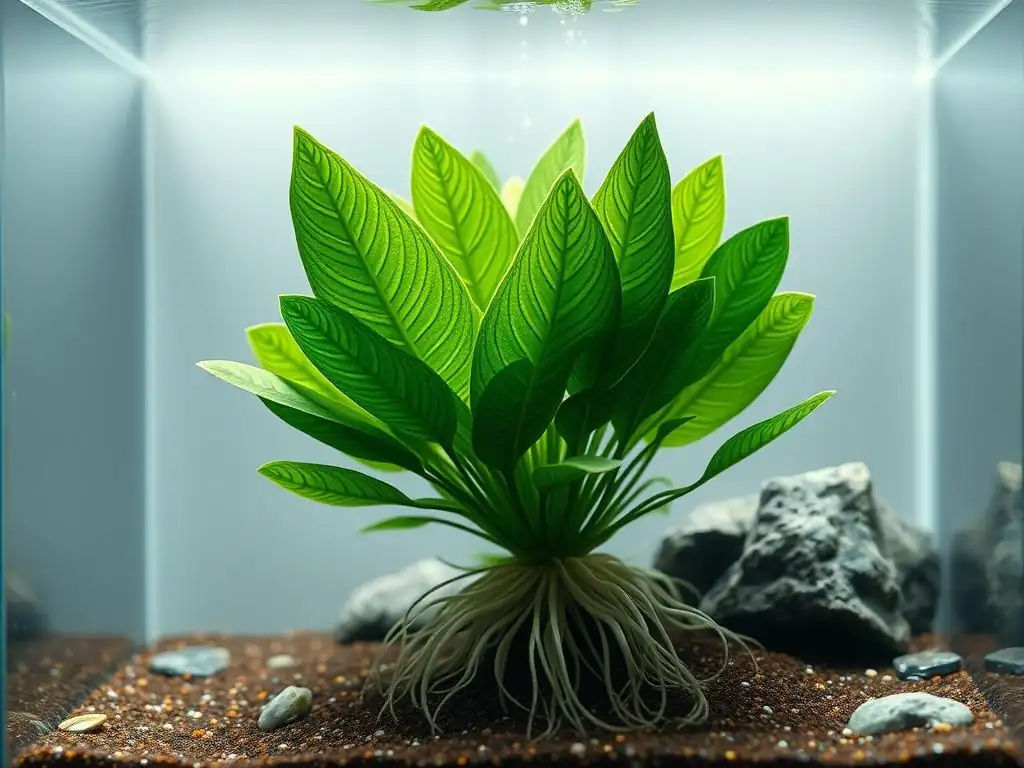
Vallisneria spiralis is an excellent plant for community aquariums, as it is generally hardy and not commonly targeted by fish as a food source. Compatible fish species include most small to medium-sized peaceful community fish such as tetras (e.g., Neon Tetras, Cardinal Tetras), rasboras (e.g., Harlequin Rasboras), guppies, mollies, platies, swordtails, and dwarf cichlids (e.g., German Blue Rams). These fish benefit from the natural cover and oxygenation provided by the dense Vallisneria, and their waste products contribute to the plant's nutrient supply, fostering a balanced ecosystem.
Invertebrates like Amano shrimp and cherry shrimp are highly compatible, as they are excellent algae eaters and will not harm the Vallisneria. Various snail species (e.g., Nerite snails, Mystery snails) also coexist well and help with algae control. When considering tank mates, prioritize species that prefer similar water parameters to Vallisneria (temperature 20-28°C, pH 6.0-8.0) to ensure a stable and healthy environment for all inhabitants. This careful selection is a key component of successful Vallisneria spiralis aquarium care.
Avoiding Fish That Eat or Damage Vallisneria
While Vallisneria spiralis is generally robust, certain fish species are known to graze on or uproot aquatic plants, and these should be avoided or carefully considered in a Vallisneria-dominant tank. Large, herbivorous cichlids such as many species of African Cichlids (e.g., Mbuna) are notorious for uprooting plants and consuming vegetation. Similarly, large goldfish can be problematic as they tend to nibble on softer plant leaves and disturb substrates, potentially dislodging newly planted Vallisneria.
Other species to be wary of include some larger plecos that may rasp on plant leaves as they grow, though smaller species like Bristlenose Plecos are generally safe. While not typically eaten, very large, boisterous fish can inadvertently damage delicate plant leaves or uproot plants during their movements. Therefore, when planning your aquascape and fish stocking, research species compatibility carefully to ensure your chosen fish will coexist peacefully with your Vallisneria spiralis, safeguarding your efforts in Vallisneria spiralis aquarium care.
Vallisneria Spiralis vs. Other Vallisneria Species: Identification and Selection
Distinguishing Vallisneria Spiralis from Vallisneria Nana and Vallisneria Gigantea
Vallisneria is a diverse genus with several species commonly found in the aquarium trade, each with distinct characteristics. Vallisneria spiralis is characterized by its long, thin, ribbon-like leaves, typically growing up to 60 cm (24 inches), which often exhibit a graceful "corkscrew" twist, especially under good lighting. Its moderate height makes it suitable for background or midground planting in most standard aquariums.
In contrast, Vallisneria nana (Dwarf Vallisneria) has much shorter, narrower leaves, usually reaching only 30-45 cm (12-18 inches) in length, and generally lacks the characteristic spiral twist. It forms a dense, grassy look and is ideal for smaller tanks or midground placement. Vallisneria gigantea (Giant Vallisneria) is, as its name suggests, much larger, with leaves that can grow well over 1 meter (3 feet) in length, often reaching the surface and floating across it.
Its leaves are broader and do not typically twist. Distinguishing these species is key for proper selection and tailored Vallisneria spiralis aquarium care, ensuring the plant fits your tank's size and aesthetic goals.
Selecting the Right Vallisneria for Your Aquarium Size
Choosing the appropriate Vallisneria species for your aquarium size is crucial for both aesthetic appeal and ease of maintenance. For smaller tanks, typically under 60 liters (15 gallons), or for midground planting in larger tanks, Vallisneria nana is an excellent choice due to its more compact size. It provides a natural, grassy look without overwhelming the space.
For standard community tanks ranging from 60 to 200 liters (15 to 50 gallons), Vallisneria spiralis is often the perfect fit. Its moderate height and characteristic twist create a dynamic and appealing background without requiring constant trimming to prevent it from reaching the surface too quickly.
For very large aquariums, particularly those over 200 liters (50 gallons), Vallisneria gigantea can be utilized to create an impressive, towering background, though it will likely require regular pruning to manage its substantial growth. Selecting the right species based on your tank's dimensions is a fundamental aspect of effective Vallisneria spiralis aquarium care, ensuring long-term success and visual harmony.
Maintaining a Healthy Vallisneria Spiralis Aquarium: Long-Term Care Tips
Regular Water Changes and Maintenance Schedules
Regular water changes are fundamental to maintaining a healthy Vallisneria spiralis aquarium, as they help replenish essential trace minerals and remove accumulated nitrates, phosphates, and other organic pollutants. A routine of 25-30% water change weekly or bi-weekly is generally recommended for most planted tanks. This practice helps to stabilize water parameters, prevent the buildup of toxins, and provide a fresh supply of elements that benefit both plants and fish. While Vallisneria absorbs nitrates, consistent water changes ensure overall water quality remains high, which is crucial for long-term plant health.
Beyond water changes, a consistent maintenance schedule is key for optimal Vallisneria spiralis aquarium care. This includes regularly cleaning the substrate to remove detritus, which can otherwise decompose and release harmful compounds. Gently siphoning around the base of the plants without disturbing their roots too much is advisable. Periodically checking and adjusting your lighting timer, replacing root tabs every 2-4 months, and monitoring plant growth for signs of deficiency or excess are also vital tasks that contribute to a thriving Vallisneria environment.
Pruning Vallisneria for Optimal Growth and Aesthetics
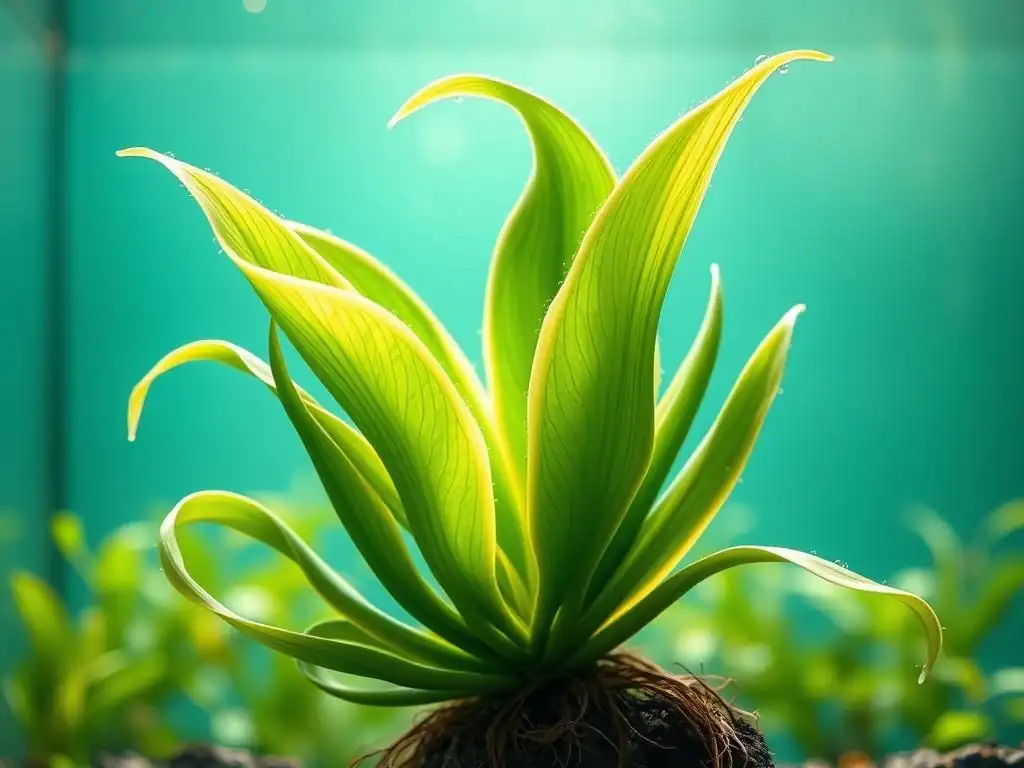
While Vallisneria spiralis is relatively low-maintenance, occasional pruning is necessary to maintain its aesthetic appeal and promote healthy growth. When Vallisneria leaves grow too long and reach the water surface, they can block light from reaching other plants or the lower parts of the Vallisneria itself. To prune, simply use sharp aquatic scissors to cut the longest leaves at the desired height, typically a few inches below the water surface. Cut the leaf straight across, as cutting at an angle can sometimes lead to browning.
It's important to note that Vallisneria leaves do not regrow from the cut point; new leaves will emerge from the crown of the plant. Therefore, selective removal of older, yellowing, or algae-covered leaves from the base is also beneficial to encourage new, vigorous growth. Regular pruning not only keeps the plant tidy but also stimulates the plant to produce more runners, contributing to a denser and healthier "green curtain." This active management is a practical aspect of advanced Vallisneria spiralis aquarium care, ensuring the plant remains a vibrant part of your aquascape.
Monitoring for Pests and Diseases in Your Vallisneria Aquarium
Although Vallisneria spiralis is generally robust, it's still important to monitor it for common aquarium pests and diseases that can affect aquatic plants. Snails are the most frequent "pests" on Vallisneria. While some snails like Nerites are beneficial algae eaters, others, such as pond snails or ramshorn snails, can multiply rapidly and become an aesthetic nuisance, though they rarely directly harm healthy Vallisneria leaves. If their population becomes excessive, manual removal or introducing snail-eating fish like Assassin Snails can help manage them.
Plant-specific diseases are less common with Vallisneria, but signs of widespread melting or unusual discoloration across multiple plants could indicate underlying water quality issues or nutrient deficiencies, rather than a specific pathogen. For instance, a sudden decline could signal a rapid drop in CO2 or nutrient depletion. Regular observation during your routine Vallisneria spiralis aquarium care, coupled with consistent water parameter testing, will allow you to quickly identify any anomalies and take corrective action, ensuring the long-term health and vitality of your twisting green curtain.
Vallisneria Spiralis: A Sustainable and Beautiful Addition to Your Aquarium
The Role of Vallisneria in Aquarium Ecosystems
Vallisneria spiralis plays a significant and often underestimated role in creating a balanced and thriving aquarium ecosystem. As a photosynthetic organism, it actively consumes carbon dioxide during the day and releases oxygen, contributing to better gas exchange and healthier water for fish. This natural oxygenation is particularly beneficial in tanks with higher fish loads or those without dedicated air stones. Furthermore, its dense root system helps to stabilize the substrate, preventing it from compacting too much and providing a habitat for beneficial nitrifying bacteria, which are crucial for the nitrogen cycle.
Beyond gas exchange and substrate stabilization, Vallisneria spiralis is a powerful natural filter. It efficiently absorbs excess nitrates and phosphates, which are byproducts of fish waste and uneaten food. By competing with algae for these nutrients, Vallisneria helps to keep the water clear and reduce the likelihood of unsightly algae blooms. Its presence also provides natural shelter and breeding grounds for fish, enriching their environment and promoting more natural behaviors. All these ecological contributions underscore why consistent Vallisneria spiralis aquarium care leads to a more stable, self-sustaining, and visually appealing aquatic environment.
Why Vallisneria Spiralis is a Great Choice for Beginners
Vallisneria spiralis stands out as an exceptional choice for beginner aquarists due to its remarkable hardiness and forgiving nature. Unlike many delicate aquatic plants that require precise water parameters, intense lighting, or CO2 injection, Vallisneria spiralis thrives in a wide range of conditions, tolerating varying pH and hardness levels, and flourishing under moderate lighting. This adaptability significantly reduces the complexity of initial setup and ongoing maintenance, making it less intimidating for newcomers to the hobby.
Furthermore, its rapid growth rate and prolific propagation via runners provide a rewarding experience for beginners, allowing them to quickly establish a lush, green aquascape. The ease with which new plants can be propagated from existing ones means that a small initial investment can quickly lead to a full, vibrant display. Coupled with its natural ability to improve water quality and provide shelter for fish, Vallisneria spiralis offers a comprehensive and stress-free introduction to the joys of planted aquariums, making effective Vallisneria spiralis aquarium care an accessible and fulfilling endeavor for anyone starting their aquatic journey.
Frequently Asked Questions
How much light does Vallisneria spiralis need in an aquarium?
Vallisneria spiralis thrives in moderate to high lighting. Insufficient light will cause the plant to grow slowly and potentially lose its vibrant green color.
What are the ideal water parameters for Vallisneria spiralis?
This plant prefers slightly alkaline water, ideally with a pH between 6.5 and 8.0. Maintaining a stable water temperature between 72-82°F (22-28°C) is also crucial for healthy growth.
Can I use CO2 injection to improve Vallisneria spiralis growth?
While Vallisneria spiralis doesn't necessarily require CO2 injection, supplementing with CO2 can promote faster and more robust growth. However, it's important to monitor levels to prevent imbalances.
How do I propagate Vallisneria spiralis?
Vallisneria spiralis propagates through runners that emerge from the base of the plant. Simply detach these new plantlets once they have developed their own root systems and replant them elsewhere in the aquarium.
What common aquarium issues affect Vallisneria spiralis and how can I address them?
Common issues include melting leaves (often due to sudden changes in water parameters), nutrient deficiencies, and algae growth. Ensure stable water conditions, provide adequate fertilization, and control algae with appropriate methods.
Final Reflection: Embracing the Aquatic Dance
The journey of cultivating Vallisneria spiralis in an aquarium, as we've explored, is more than just plant care; it's about creating a thriving ecosystem within a glass box. The principles of light, nutrients, and water parameters, meticulously balanced for this twisting green curtain, resonate far beyond the confines of a single tank, offering a microcosm of the delicate balance found in nature itself.
This seemingly simple plant, with its elegant spiral leaves, has profoundly influenced the aquascaping world, offering a natural and dynamic aesthetic. My own experience with Vallisneria has taught me patience and the importance of observation, skills applicable to so many aspects of life. The best time to plant a tree was 20 years ago. The second best time is now.
This ancient proverb reminds us that even small actions, like planting a single Vallisneria shoot, can yield breathtaking results over time.
Now, as you consider the information shared, I invite you to reflect on the power of small beginnings. How can you apply the lessons of Vallisneria spiralis aquarium care – the attention to detail, the understanding of interconnected systems, the patience in nurturing growth – to cultivate your own personal "aquarium" of life? Embrace the aquatic dance, and watch your own world flourish.
Cultivate Your Underwater Paradise!
Thanks for diving into the world of Vallisneria spiralis with us! We hope you've discovered how easy it is to add a touch of elegance and natural filtration to your aquarium. Now, it's time to bring that vision to life!
Here are a few ways to continue your aquarium journey:
- Dive into Action: Transform your tank by planting Vallisneria spiralis! Witness the magic as it grows into a stunning, twisting forest.
- Share Your Inspiration: Show off your aquascape's beauty! Post a picture of your tank with Vallisneria on social media, and inspire fellow aquarists with your underwater artistry.
- Explore Further: Delve deeper into aquatic flora! Research other beginner-friendly plants that complement Vallisneria and enhance your aquarium's ecosystem.
Ready to create your own aquatic masterpiece?