
Mastering LPS Water Parameters: Key to Thriving Euphyllia, Favia & Acans

Welcome to Aquarium Mastery!
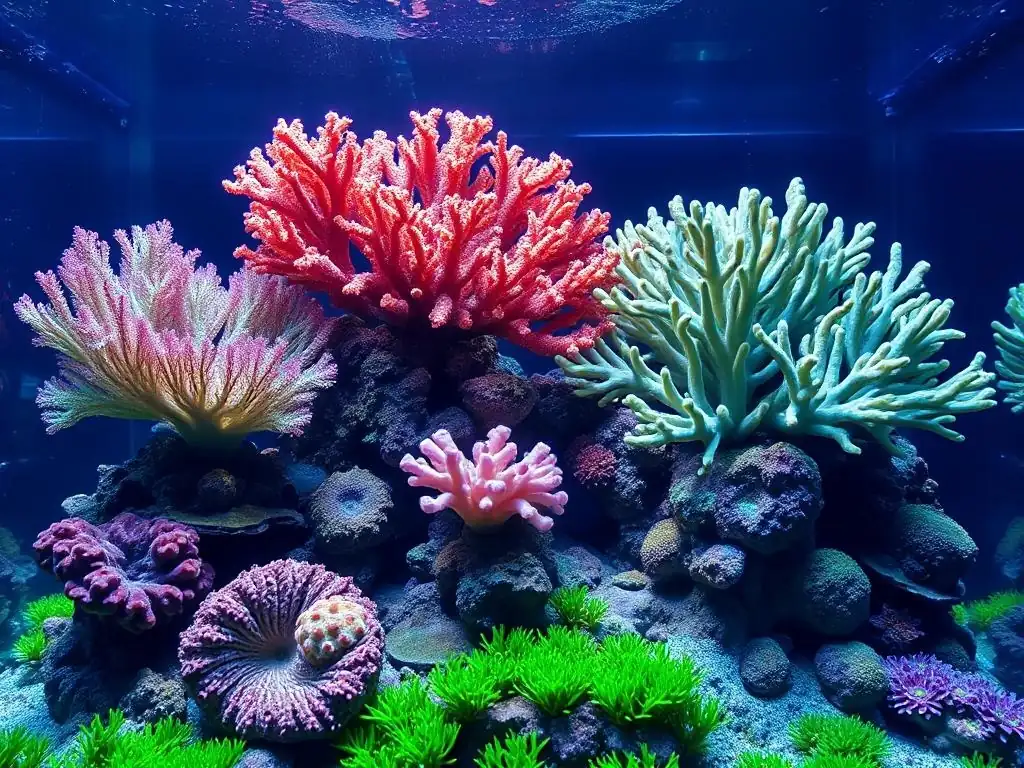
Ever wondered how to unlock the secret to vibrant, thriving LPS corals like Euphyllia, Favia, and Acans? You're in the right place! We're diving deep into the essential elements that contribute to their health and beauty. Get ready to explore everything you need to know about LPS coral water parameters and discover how to create the perfect aquatic environment for these stunning additions to your reef tank. Intrigued? Let's get started and transform your LPS corals' health and color!
- Mastering LPS Coral Water Parameters: Key to Thriving Euphyllia, Favia & Acans
- Understanding the Importance of Water Parameters for LPS Corals
- Key Water Parameters for Optimal LPS Coral Growth
- Testing Your Reef Tank Water: Accuracy and Frequency
- Adjusting Water Parameters: Safe and Effective Methods
- Troubleshooting Common LPS Coral Problems Related to Water Parameters
- Advanced Considerations for LPS Coral Water Chemistry
- Conclusion: Achieving Success with LPS Corals Through Precise Water Parameter Management.
-
Frequently Asked Questions
- What are the most important LPS coral water parameters I need to monitor?
- Why is alkalinity so critical for LPS corals?
- What happens if my calcium levels are too low for my LPS corals?
- How often should I be testing my LPS coral water parameters?
- Besides alkalinity, calcium, and magnesium, what other water parameters should I be aware of for LPS corals?
- Final Reflection: The Delicate Dance of Reef Chemistry
- Unleash the Vibrant Potential of Your LPS Coral!
Mastering LPS Coral Water Parameters: Key to Thriving Euphyllia, Favia & Acans
Understanding the Importance of Water Parameters for LPS Corals
Why Stable Water Chemistry is Crucial for LPS Health
LPS (Large Polyp Stony) corals, including popular species like Euphyllia, Favia, and Acans, are sessile organisms that thrive in highly stable marine environments. Unlike mobile animals, they cannot escape unfavorable conditions, making consistent water chemistry absolutely critical for their survival and long-term health. Their complex biological processes, from calcification to nutrient uptake and symbiotic algae maintenance, are finely tuned to specific environmental parameters. Any deviation or fluctuation in these LPS coral water parameters can induce significant stress, leading to a cascade of negative effects that compromise their immune system and energy reserves.
This inherent sensitivity means that even minor, prolonged shifts can halt vital functions. For example, a sudden drop in alkalinity from an optimal 9 dKH to 7 dKH over a few hours can immediately slow down the calcification process, where corals build their calcium carbonate skeletons. Chronically unstable conditions prevent corals from allocating energy to growth and defense, making them more susceptible to diseases and ultimately leading to tissue loss or complete demise. Maintaining precise and consistent LPS coral water parameters is therefore not just beneficial, but essential for these magnificent invertebrates.
The Impact of Fluctuating Parameters on Euphyllia, Favia & Acans
Fluctuations in key LPS coral water parameters can have immediate and severe consequences for Euphyllia, Favia, and Acans. Rapid changes in temperature, salinity, or the concentration of essential elements like calcium and alkalinity can trigger acute stress responses. Euphyllia species, such as the elegant Hammer (Euphyllia ancora) or Torch (Euphyllia glabrescens) corals, are particularly notorious for their sensitivity to alkalinity swings, often exhibiting retracted polyps, deflated vesicles, or even the dreaded "brown jelly disease" if conditions become erratic. Such stress responses are a coral's desperate attempt to cope with an environment that is rapidly becoming inhospitable.
Beyond immediate stress, chronic instability in LPS coral water parameters leads to long-term detrimental effects. Stunted growth is a common outcome, as corals divert energy from skeletal development to survival mechanisms.
A Favia coral, for instance, might show minimal growth over a year if its pH fluctuates daily by 0.3 units, whereas a counterpart in a tank with stable pH 8.2 could double its size under ideal conditions. Acan lordhowensis corals may lose their vibrant coloration and exhibit signs of tissue recession if nutrient levels or major elements swing wildly, demonstrating that consistency in LPS coral water parameters is paramount for both health and aesthetic appeal.
Key Water Parameters for Optimal LPS Coral Growth
Alkalinity: The Foundation of LPS Skeletal Growth
Alkalinity, often measured in dKH (degrees of carbonate hardness), is a measure of the water's buffering capacity—its ability to resist changes in pH—and represents the concentration of bicarbonate, carbonate, and borate ions. For LPS corals, alkalinity is the single most critical building block for their calcium carbonate skeletons. Without sufficient and stable alkalinity, corals like Euphyllia, Favia, and Acans cannot efficiently absorb calcium ions to build their rigid structures, leading to stunted growth and weakened skeletons.
Optimal alkalinity for LPS corals typically ranges from 7 to 11 dKH. Many experienced aquarists often aim for the lower end of this spectrum, specifically 7.5-8.5 dKH, as this range closely mimics natural reef conditions and minimizes the risk of precipitation issues while still providing ample building blocks for robust growth.
Maintaining consistent alkalinity within this target range is a continuous process due to coral consumption. A healthy Euphyllia glabrescens, for example, can deposit over 1 centimeter of new skeleton per month when alkalinity is consistently maintained around 8.0 dKH, demonstrating its direct impact on growth rates. The stability of these LPS coral water parameters is far more important than hitting an exact number, as rapid fluctuations can be more detrimental than slightly off-target but stable levels. Therefore, regular testing and consistent supplementation are vital to ensure a steady supply of these essential ions for your LPS corals.
Maintaining Optimal Alkalinity Levels for LPS
Maintaining optimal alkalinity levels for LPS corals requires a proactive and consistent approach. The most common methods involve regular testing and the daily or near-daily addition of alkalinity supplements. For a moderately stocked 100-gallon reef tank with a good number of LPS corals, daily alkalinity consumption can range from 0.5 to 1.0 dKH, meaning without supplementation, levels could drop significantly in a few days. To counteract this, aquarists often use two-part liquid solutions, which provide balanced calcium and alkalinity, or kalkwasser (limewater), which also helps to raise pH.
The key to success is to determine your tank's daily consumption rate through consistent testing over several days and then to dose accordingly. For example, if your alkalinity drops by 0.8 dKH every 24 hours, you would adjust your dosing regimen to add approximately 50-100 ml of a typical two-part solution (depending on concentration) to replenish this amount. Automation through dosing pumps is highly recommended for maintaining stable LPS coral water parameters, as it ensures precise and consistent delivery of supplements, preventing the daily swings that can stress sensitive corals.
Common Alkalinity Problems and Solutions
Common problems with alkalinity in reef tanks typically involve levels being either too low or too high, both of which can severely impact LPS coral health. If alkalinity drops too low (e.g., below 7 dKH), corals will exhibit stunted growth, pale coloration, and potentially tissue recession, as they lack the necessary building blocks for calcification.
Conversely, if alkalinity becomes too high (e.g., above 12 dKH), it can lead to calcium carbonate precipitation, visible as a white film on heaters and pumps, and can cause "alkalinity burn" or "snowing" on corals, where their tissue effectively starves due to elements becoming unavailable.
Solutions depend on the issue. If alkalinity is too low, increase your dosing gradually, or perform a small water change with a high-alkalinity salt mix to bring levels up safely. For example, a 20% water change using a salt mix with 10 dKH alkalinity can raise a 100-gallon tank's alkalinity by approximately 0.6-0.8 dKH if it was previously at 7 dKH.
If alkalinity is too high, cease dosing, increase the frequency of water changes (using a salt mix with lower alkalinity), and ensure adequate gas exchange. Always re-test after making adjustments to verify the effectiveness and to ensure LPS coral water parameters are stabilizing within the desired range.
Calcium: Essential for LPS Coral Calcification
Calcium is another fundamental element for the healthy growth and skeletal formation of LPS corals. It is the primary component of their calcium carbonate skeletons, which provide structure and protection for the coral polyps. Without adequate calcium, corals cannot build or maintain their skeletal framework, leading to poor growth, weakened structures, and increased susceptibility to damage. For optimal health and robust calcification in species like Favia and Acans, the ideal calcium levels in reef tanks are typically maintained between 400-450 ppm (parts per million).
While calcium is constantly consumed by corals, its consumption rate is often correlated with alkalinity consumption. Maintaining calcium within this recommended range is crucial for ensuring that the calcification process can proceed unimpeded. For instance, a tank with actively growing Euphyllia colonies can consume 10-20 ppm of calcium per week, necessitating regular supplementation to keep levels consistently within the 420-440 ppm sweet spot. Closely monitoring calcium as part of your LPS coral water parameters routine is essential to support the vibrant growth and structural integrity of your corals.
Recommended Calcium Levels for Healthy LPS Corals
As previously stated, the recommended calcium levels for healthy LPS corals are consistently within the range of 400-450 ppm. This range closely mirrors natural seawater levels and provides ample calcium ions for robust skeletal growth without risking unwanted precipitation. While it might seem intuitive that higher calcium levels would lead to faster growth, exceeding 450 ppm, especially without balanced alkalinity and magnesium, can actually lead to issues like calcium carbonate precipitation, making the calcium unavailable to corals and causing cloudy water or deposits on equipment.
The goal is stability within this range. A calcium level of 420 ppm that remains consistent is far more beneficial than a fluctuating level that swings between 380 ppm and 480 ppm. These fluctuations can stress LPS corals, causing them to retract their polyps or exhibit signs of discomfort. Therefore, when managing your LPS coral water parameters, prioritize maintaining calcium within the 400-450 ppm window through regular testing and precise supplementation to ensure your Euphyllia, Favia, and Acans can calcify efficiently and thrive.
Boosting Calcium Levels in Your Reef Tank
Boosting calcium levels in your reef tank can be achieved through several effective methods, depending on the tank's size and coral demand. For moderate consumption, liquid calcium supplements (often part of a two-part solution) or kalkwasser (limewater) are popular choices. Kalkwasser, in particular, has the added benefit of helping to raise pH while providing calcium and alkalinity. For example, if your calcium levels drop to 350 ppm, a measured dose of a liquid calcium supplement can gradually bring it back up over 24-48 hours.
For larger tanks or those with a very heavy coral load, calcium reactors offer an automated and highly efficient solution. These devices slowly dissolve a calcium carbonate media using CO2 gas, continuously replenishing calcium and alkalinity. Regardless of the method chosen, it is crucial to raise calcium levels slowly and steadily. A sudden increase, such as jumping from 350 ppm to 450 ppm in a single day, can shock sensitive LPS corals, causing them to retract polyps or show other signs of stress. Always re-test after adjustments to confirm the desired LPS coral water parameters have been achieved safely.
Magnesium: Stabilizing Alkalinity and Calcium
Magnesium is often referred to as the "unsung hero" of LPS coral water parameters because of its crucial role in maintaining the solubility of calcium and alkalinity. While not directly incorporated into the coral skeleton in large amounts like calcium, magnesium prevents calcium carbonate from precipitating out of the water column. Without sufficient magnesium, calcium and alkalinity can combine prematurely and fall out of solution, making them unavailable for corals to absorb, even if test kits indicate high levels. The ideal range for magnesium in a reef tank is typically 1250-1350 ppm.
The Role of Magnesium in LPS Coral Health
The primary role of magnesium in LPS coral health is to ensure that calcium and alkalinity remain soluble and readily available for the calcification process. It acts as a buffer, preventing the formation of calcium carbonate precipitates. If magnesium levels drop below critical thresholds, often below 1100 ppm, aquarists may observe a phenomenon known as "snowing" or "alkalinity burn," where fine white particles appear in the water or on coral tissue, indicating precipitation. This effectively starves the corals of essential elements, even if calcium and alkalinity test high.
An Acan lordhowensis, for example, might exhibit stunted growth or even tissue loss if magnesium levels are chronically low, regardless of seemingly adequate calcium and alkalinity. This is because the necessary building blocks are precipitating before the coral can utilize them. Therefore, while magnesium is consumed much slower than calcium or alkalinity, maintaining it within the 1250-1350 ppm range is vital for the overall stability of your LPS coral water parameters and the efficient utilization of other key elements.
Maintaining Proper Magnesium Levels
Maintaining proper magnesium levels typically involves less frequent dosing compared to calcium and alkalinity, as corals consume it at a slower rate. However, regular testing, perhaps weekly or bi-weekly depending on tank maturity and coral load, is still necessary to track consumption and prevent levels from dropping too low. When supplementation is required, liquid magnesium supplements are readily available. These are usually added directly to the display tank or sump, following the manufacturer's instructions.
For a 100-gallon reef tank, you might find that magnesium supplementation is only needed once or twice a month to keep levels consistently around 1300 ppm, assuming initial levels were optimal. It's important to raise magnesium levels slowly if they are significantly low, as rapid increases can also stress corals. Gradual adjustments, perhaps increasing by no more than 50-100 ppm per day, are recommended to maintain stable LPS coral water parameters and ensure the well-being of your Euphyllia, Favia, and Acans.
pH: Maintaining a Stable and Healthy Environment
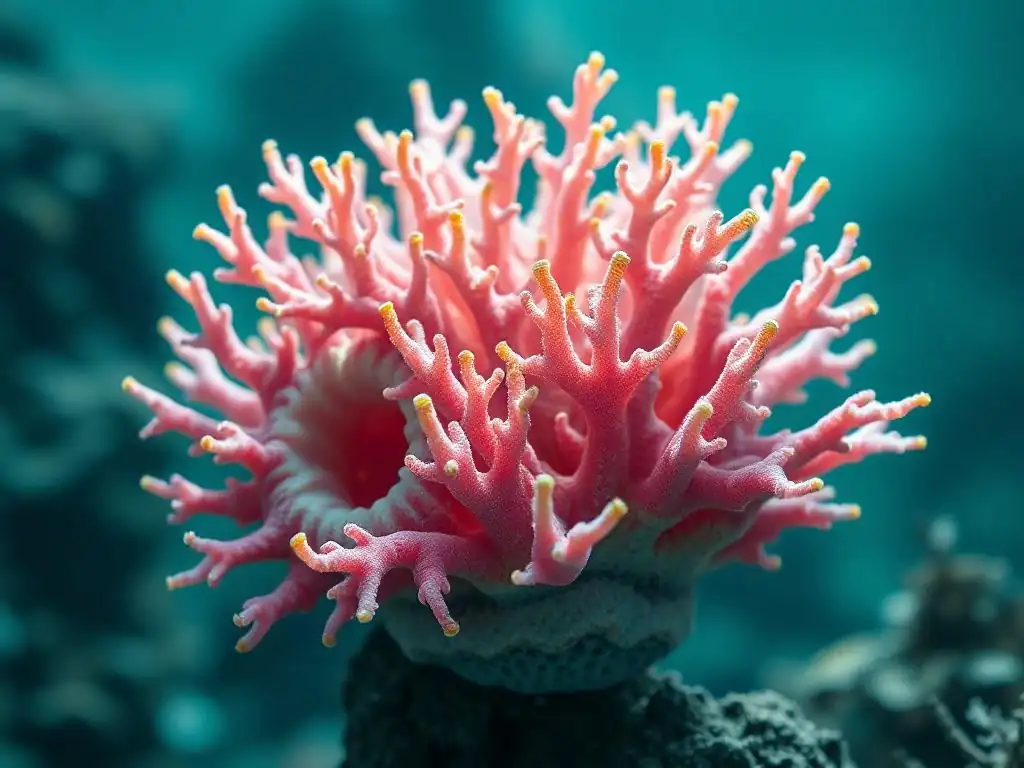
pH is a measure of the acidity or alkalinity of the water, expressed on a scale from 0 to 14. For reef tanks housing LPS corals, maintaining a stable pH is crucial for overall coral health and biological processes. While corals can tolerate a range, the ideal pH for LPS corals is generally considered to be between 7.8 and 8.5. However, consistency is often more important than hitting an exact number, as rapid or large swings can be highly detrimental. Natural seawater typically hovers around pH 8.2, which serves as a good benchmark for LPS coral water parameters.
Corals, particularly during their calcification process, are sensitive to pH changes. A stable pH ensures that the chemical reactions necessary for skeletal growth occur efficiently. While minor diurnal fluctuations (a drop of 0.1-0.2 units at night due to respiration) are normal and generally harmless, larger swings can stress corals and inhibit calcification. Therefore, monitoring and maintaining a stable pH is an integral part of managing LPS coral water parameters, contributing significantly to the long-term success of your reef aquarium.
Ideal pH Range for LPS Corals
The ideal pH range for LPS corals, as well as most other reef inhabitants, is generally between 7.8 and 8.5, with many aquarists aiming for the upper end of that range, typically 8.0-8.3. This range closely mimics the stable pH found in natural reef environments.
While diurnal swings of 0.2-0.3 pH units are common in a healthy reef tank (due to photosynthesis during the day consuming CO2 and respiration at night releasing it), larger or more erratic fluctuations can be detrimental. For instance, a pH consistently below 7.8 can significantly inhibit the calcification rates of LPS corals, leading to stunted growth and weakened skeletons.
Conversely, a pH consistently above 8.5, while less common, can contribute to the precipitation of calcium carbonate, making essential elements unavailable and potentially causing "burn" on coral tissue. The goal for LPS coral water parameters related to pH is not just to hit a specific number, but to maintain a consistent average within this optimal range, minimizing large or rapid swings that can stress sensitive Euphyllia, Favia, and Acans.
Controlling and Stabilizing pH Levels
Controlling and stabilizing pH levels in a reef tank involves several strategies, often working in conjunction. Adequate gas exchange is paramount; ensuring good surface agitation through powerheads or return pumps helps to off-gas excess CO2, which can otherwise depress pH. For example, increasing surface agitation can often raise pH by 0.1-0.2 units. Consistent alkalinity levels also play a crucial role, as alkalinity acts as a buffer, resisting pH changes.
Other methods include the use of kalkwasser (limewater) at night, which helps to counteract the natural pH drop that occurs when zooxanthellae are not photosynthesizing. For tanks with persistent low pH issues, particularly those with high CO2 levels from external sources or skimmer intakes, a CO2 scrubber can be employed. This device uses a soda lime media to remove CO2 from the air entering the skimmer, effectively raising the tank's pH. Regular monitoring of pH, ideally with a continuous probe, allows for timely adjustments to ensure stable LPS coral water parameters.
Nitrate and Phosphate: Balancing Nutrients for LPS Health
Nitrate and phosphate are essential nutrients in trace amounts for all living organisms, including corals and their symbiotic zooxanthellae. However, in excess, they become pollutants that can inhibit calcification, promote nuisance algae growth, and negatively impact coral health. For LPS corals, the goal is to maintain low but detectable levels of these nutrients.
Acceptable nitrate levels for LPS corals are generally below 10 ppm, with many aquarists aiming for 1-5 ppm. Phosphate levels should be even lower, typically below 0.1 ppm, ideally in the 0.02-0.05 ppm range. Achieving this delicate balance in LPS coral water parameters is crucial for vibrant colors and robust growth.
Acceptable Nitrate Levels for LPS Coral
For LPS corals, acceptable nitrate levels are generally considered to be in the range of 1-5 ppm. Unlike SPS corals, which often prefer ultra-low nutrient environments (ULNS) with nitrates near zero, many LPS species, including Euphyllia and Favia, can actually benefit from a small amount of nitrate. These corals are semi-photosynthetic and also derive nutrition from dissolved organic matter and particulate foods. Extremely low nitrate levels (e.g., undetectable) can sometimes lead to "ultra-low nutrient stress," characterized by pale coloration, stunted growth, or even tissue loss in some LPS, as their zooxanthellae require some level of nutrient for optimal function.
For example, a healthy Favia speciosa might display its most vibrant coloration and optimal polyp extension when nitrate levels are consistently around 3 ppm. Maintaining this slight presence of nitrate, while still preventing levels from climbing too high, is a key aspect of managing LPS coral water parameters for optimal health and appearance.
Acceptable Phosphate Levels for LPS Coral
Phosphate is generally considered more detrimental to corals than nitrate when present in higher concentrations. Acceptable phosphate levels for LPS corals should be kept very low, ideally between 0.02-0.05 ppm. Levels exceeding 0.1 ppm can directly inhibit the calcification process, making it difficult for corals to build their skeletons. High phosphates also fuel the growth of nuisance algae, which can outcompete and smother slow-growing LPS corals, blocking light and causing irritation.
While low levels are critical, ultra-low or undetectable phosphate can also be problematic for some LPS corals, leading to "burnt tips" or a washed-out appearance as their zooxanthellae struggle without any phosphate. The aim when managing LPS coral water parameters is a delicate balance: low enough to prevent algae and calcification inhibition, but not so low as to starve the coral's symbiotic algae.
Managing Nitrate and Phosphate Levels to Prevent Algae
Managing nitrate and phosphate levels effectively is crucial for preventing nuisance algae outbreaks that can outcompete and harm LPS corals. Several methods can be employed. Regular water changes (e.g., 10-20% bi-weekly) are fundamental, as they dilute accumulated nutrients. Overfeeding is a common cause of high nutrients; reducing the amount of food given to fish and inverts by 10-15% can often result in a noticeable drop in nitrate by 2-3 ppm over a few weeks in a moderately stocked tank.
Other effective strategies include:
- Protein Skimmer: A well-sized and efficiently operating protein skimmer removes organic waste before it breaks down into nitrate and phosphate.
- Refugium: A dedicated sump section with macroalgae (e.g., Chaetomorpha) can effectively absorb nitrates and phosphates as the algae grows.
- Chemical Filtration: Media like Granular Ferric Oxide (GFO) or activated alumina can passively absorb phosphates from the water column. For instance, running a small phosphate reactor with 100 grams of GFO can reduce phosphate levels from 0.15 ppm to 0.03 ppm in a 50-gallon tank within a week, significantly improving LPS coral water parameters.
- Bio-pellets: These carbon-based polymers provide a food source for beneficial bacteria that consume nitrates and phosphates, converting them into bacterial biomass that can then be skimmed out.
- Limiting Input: Being mindful of the source water (using RODI water), the quality of salt mix, and avoiding overstocking the tank can also significantly help in maintaining optimal nutrient levels for LPS corals.
Testing Your Reef Tank Water: Accuracy and Frequency
Choosing the Right Test Kits for LPS Coral Aquariums
Accurate water testing is the cornerstone of successful LPS coral husbandry. Without reliable data on your LPS coral water parameters, managing your tank becomes a guessing game, risking the health of your valuable corals. When choosing test kits for your LPS coral aquarium, prioritize reputable brands known for their precision and ease of use. Top choices often include Salifert, Hanna Instruments, Red Sea, and Triton. These brands offer a range of options, from traditional reagent-based kits to advanced electronic checkers.
For critical parameters like alkalinity, calcium, and magnesium, high-precision titration or colorimetric kits are essential. Hanna Instruments' electronic checkers, such as their dKH and Phosphate Checkers, offer digital readouts, significantly reducing human error in color interpretation common with traditional liquid kits. While reagent kits are suitable for nitrate and phosphate, consider a Hanna Phosphate Checker for greater accuracy with this particularly sensitive parameter. Investing in quality test kits is a non-negotiable step in maintaining stable LPS coral water parameters and ensuring your Euphyllia, Favia, and Acans thrive.
How Often Should You Test Your Water Parameters?
The frequency of testing your LPS coral water parameters depends largely on the maturity of your reef tank, the density of your coral population, and the stability you've already achieved. For newly set up tanks or those with a rapidly growing and dense LPS coral load, daily or every-other-day testing of alkalinity and calcium is often necessary. This allows you to quickly identify consumption rates and fine-tune your dosing regimens to prevent significant swings.
Once a tank is established and stable, and you've found a consistent dosing routine, you can typically reduce the frequency. Alkalinity and calcium might be tested 2-3 times per week, while magnesium can often be tested weekly. Nitrate and phosphate levels can usually be monitored bi-weekly, unless you are actively battling an algae issue or have recently changed your feeding habits.
pH should ideally be monitored daily, perhaps with a continuous probe, to track its natural diurnal swing. Regularly logging your test results provides a valuable historical record, allowing you to observe trends and anticipate future adjustments to your LPS coral water parameters.
Interpreting Your Water Test Results
Interpreting your water test results goes beyond simply looking at the numbers; it involves understanding the trends and correlating them with the appearance and behavior of your LPS corals. Consistency in your LPS coral water parameters is paramount. If your alkalinity test consistently shows a drop of 0.5 dKH every 24 hours, you've identified your tank's daily consumption rate, which informs your dosing strategy. Don't just react to a single out-of-range reading; instead, look for patterns over several days or weeks.
Always cross-reference your test results with the visual health of your Euphyllia, Favia, and Acans. If your Acan lordhowensis corals appear dull or retracted despite your test kits indicating "good" numbers, it might be a sign that your test kits are inaccurate, or there's another underlying issue not immediately apparent from standard tests. Keeping a detailed logbook or using a dedicated aquarium app to track historical LPS coral water parameters is highly recommended. This allows you to track consumption rates, identify potential problems before they become severe, and make informed adjustments to maintain a thriving reef environment.
Adjusting Water Parameters: Safe and Effective Methods
Water Changes: A Cornerstone of Parameter Control
Water changes are arguably the most fundamental and effective method for maintaining healthy LPS coral water parameters and overall reef tank stability. They serve multiple vital functions: replenishing essential trace elements that are consumed by corals and removed by filtration, diluting accumulated pollutants like nitrates and phosphates, and helping to stabilize major parameters like alkalinity, calcium, and magnesium. Regular water changes, typically 10-20% bi-weekly to monthly depending on the tank's bioload and nutrient levels, are a cornerstone of successful reef keeping.
Beyond just replenishing elements, water changes provide a "reset" for the tank's chemistry, preventing the gradual accumulation of undesirable substances and the depletion of beneficial ones. They are particularly important for tanks that may not have advanced dosing systems, as they naturally top off essential elements. Consistent water changes, combined with other methods, ensure that LPS coral water parameters remain within optimal ranges, promoting robust growth and vibrant coloration in Euphyllia, Favia, and Acans.
The Best Salt Mixes for LPS Coral Tanks
Choosing the right salt mix is crucial for establishing and maintaining optimal LPS coral water parameters. For reef tanks, particularly those housing sensitive LPS corals, it's essential to select a high-quality, synthetic salt mix specifically formulated for reef aquariums. These mixes are designed to dissolve into water with elevated and balanced levels of calcium, alkalinity, and magnesium, mimicking natural seawater while also providing a comprehensive array of trace elements.
Popular and highly regarded brands for LPS coral tanks include Red Sea Coral Pro, Tropic Marin Pro-Reef, and Instant Ocean Reef Crystals. Red Sea Coral Pro, for instance, typically mixes to an alkalinity of 11-12 dKH, calcium of 450 ppm, and magnesium of 1350 ppm, providing an excellent starting point for LPS coral water parameters.
While some aquarists prefer lower alkalinity salt mixes for more precise control, these "pro" or "reef" formulas often provide a robust foundation for healthy coral growth, minimizing the need for extensive initial supplementation. Always use RODI (Reverse Osmosis Deionized) water for mixing to ensure purity and prevent the introduction of unwanted contaminants.
Proper Water Change Techniques
Proper water change techniques are essential to minimize stress on your LPS corals and maintain stable LPS coral water parameters. First and foremost, always use high-quality RODI (Reverse Osmosis Deionized) water for mixing your new saltwater. Tap water contains chlorine, chloramines, phosphates, silicates, and heavy metals that are detrimental to corals. The new saltwater should be mixed thoroughly for at least 24 hours to ensure all salts are fully dissolved and the water is properly aerated.
Crucially, the temperature and salinity of the new saltwater must match those of your display tank as closely as possible. Aim for a temperature difference of no more than 1°F (0.5°C) and a salinity match within 0.001-0.002 specific gravity units.
Introducing new water that is significantly colder, hotter, or has a different salinity can shock sensitive LPS corals, causing polyp retraction, slime production, or even tissue necrosis. When adding the new water, do so slowly to avoid sudden shifts in water chemistry or flow patterns, allowing your Euphyllia, Favia, and Acans to gradually acclimate to the refreshed LPS coral water parameters.
Dosing Supplements: When and How to Use Them
Dosing supplements become necessary when your corals consume essential elements faster than they can be replenished by water changes alone. This is particularly true for calcium, alkalinity, and magnesium in tanks with moderate to heavy coral loads. Dosing allows for precise, daily adjustments to maintain stable LPS coral water parameters between water changes, preventing the dips that can stress corals and inhibit growth.
The "when" is determined by consistent testing and observing consumption rates. The "how" typically involves using two-part solutions, kalkwasser, or individual element supplements. Two-part solutions are popular for their simplicity, delivering balanced calcium and alkalinity in separate, non-reacting solutions. Kalkwasser, a saturated solution of calcium hydroxide, is effective for smaller tanks and also helps to raise pH. For example, if your tank consistently consumes 0.8 dKH of alkalinity daily, a daily dose of a two-part solution tailored to that consumption will maintain stability, ensuring optimal LPS coral water parameters.
Calcium and Alkalinity Supplements for LPS Corals
Calcium and alkalinity supplements are the most frequently dosed elements in a reef tank with LPS corals due to their rapid consumption rates. Two-part solutions are the most common and convenient method, consisting of two separate bottles: one for calcium chloride and another for sodium bicarbonate/carbonate. Brands like BRS Reagent Grade or ESV B-Ionic are highly regarded for their purity and effectiveness.
These solutions are dosed in equal amounts, typically daily, to maintain a balanced replenishment of both elements, critical for stable LPS coral water parameters. For instance, a 1 ml/gallon per day dose of a typical two-part solution might raise alkalinity by 0.2 dKH and calcium by 5 ppm in a 100-gallon tank.
Alternatively, kalkwasser (limewater) can be used, which is a saturated solution of calcium hydroxide. Kalkwasser offers the benefit of simultaneously raising calcium, alkalinity, and pH. It's particularly effective for smaller tanks or those with moderate consumption. The method chosen depends on tank size, coral demand, and personal preference, but the goal remains the same: consistent replenishment to maintain stable LPS coral water parameters.
Magnesium Supplements: A Necessary Addition?
Yes, magnesium supplements are a necessary addition to most reef tanks, especially those housing LPS corals. While magnesium is consumed much slower than calcium or alkalinity, it is still depleted over time and is not fully replenished by typical water changes alone. Its critical role in preventing the precipitation of calcium and alkalinity makes its consistent maintenance vital for the overall stability of your LPS coral water parameters.
If magnesium levels drop significantly (e.g., below 1200 ppm), you may notice issues with maintaining stable calcium and alkalinity, even with consistent dosing of those elements. Liquid magnesium supplements are readily available and are typically dosed less frequently than calcium and alkalinity solutions, perhaps weekly or bi-weekly, depending on consumption. For example, if your magnesium drops from 1350 ppm to 1200 ppm, a single, measured dose of a liquid magnesium supplement can safely bring it back up to optimal levels over 24-48 hours, ensuring that your Euphyllia, Favia, and Acans have access to all essential building blocks.
Reactors and Filtration: Advanced Parameter Control
For larger reef tanks or those with very heavy bioloads of LPS corals that exhibit high consumption rates, advanced parameter control methods like reactors and specialized filtration become highly beneficial, often automating and stabilizing LPS coral water parameters more effectively than manual dosing. These systems provide a more consistent and precise way to manage essential elements and nutrient levels, reducing the daily manual effort required.
Calcium Reactors for Maintaining Alkalinity and Calcium
Calcium reactors are advanced pieces of equipment designed to automate the replenishment of calcium and alkalinity in heavily stocked reef tanks. They work by using CO2 gas to lower the pH within a reaction chamber, dissolving a calcium carbonate media (like aragonite or crushed coral). The effluent, rich in calcium and alkalinity, is then slowly dripped into the sump or display tank. This provides a continuous and highly stable supply of these essential elements, eliminating the need for daily manual dosing of two-part solutions or kalkwasser.
For a 300-gallon reef tank with a dense LPS colony, a calcium reactor can reliably maintain alkalinity at 8.0 dKH and calcium at 420 ppm, even with high daily consumption. While the initial setup and tuning can be complex, a properly calibrated calcium reactor offers unparalleled stability in LPS coral water parameters, allowing Euphyllia, Favia, and Acans to thrive with consistent access to their building blocks.
Phosphate Reactors and Media
Phosphate reactors are specialized filtration devices used to actively remove phosphates from the water column, a critical step in maintaining optimal LPS coral water parameters and preventing nuisance algae. These reactors typically consist of a chamber through which tank water is slowly pushed, allowing it to tumble or flow through a specific media designed to absorb or bind phosphates.
The most common media used is Granular Ferric Oxide (GFO), which effectively binds phosphates, preventing them from fueling algae growth or inhibiting coral calcification. Activated alumina is another option.
For example, running a small phosphate reactor with 100 grams of GFO can effectively reduce phosphate levels from 0.15 ppm to 0.03 ppm in a 50-gallon tank within a week, significantly improving water quality for LPS corals. Phosphate reactors are a proactive tool to keep phosphate levels within the ideal 0.02-0.05 ppm range, ensuring your Euphyllia, Favia, and Acans are not stressed by elevated nutrient levels or outcompeted by aggressive algae.
LPS Coral Bleaching: Identifying the Causes and Solutions
LPS coral bleaching is a distressing symptom where the coral loses its symbiotic zooxanthellae, leading to a pale or stark white appearance. It's a severe stress response and can be fatal if not addressed promptly. While multiple factors can cause bleaching, incorrect LPS coral water parameters are frequently a primary culprit. Understanding the specific cause is crucial for effective intervention.
Bleaching due to High Temperatures
High temperatures are a very common cause of LPS coral bleaching. Corals, especially those from tropical reefs, are adapted to a narrow temperature range. When water temperatures consistently exceed 82°F (28°C) for extended periods, the symbiotic zooxanthellae within the coral tissue become stressed and are expelled, leading to the coral's white appearance. Even a 2°F temperature spike from 78°F to 80°F can stress some sensitive Euphyllia species, while prolonged exposure to temperatures above 84°F can cause rapid and widespread bleaching.
To address this, ensure your tank has adequate cooling. This might involve using cooling fans directed at the water surface to increase evaporative cooling, or installing a chiller for more precise temperature control in warmer climates or larger tanks. Monitoring your tank's temperature daily with a reliable thermometer is crucial to prevent this type of bleaching and maintain stable LPS coral water parameters.
Bleaching due to Incorrect Light Intensity
Incorrect light intensity, either too much or too little, can also cause LPS coral bleaching. LPS corals generally prefer moderate light levels compared to their SPS counterparts. If an LPS coral, such as an Acan, is suddenly exposed to excessively high PAR (Photosynthetically Active Radiation) levels (e.g., over 200 PAR, when it prefers 75-150 PAR), its zooxanthellae can become overwhelmed and expel themselves, leading to bleaching. Conversely, prolonged exposure to insufficient light can also cause bleaching as the zooxanthellae struggle to photosynthesize effectively, leading to a loss of their population.
Solutions involve adjusting your lighting. If light is too intense, you can dim your lights, raise the light fixture, or move the affected coral to a shadier spot in the tank. If light is insufficient, consider increasing intensity or moving the coral to a brighter area. Acclimation is key; introduce new corals gradually to full lighting or slowly increase light intensity over several weeks to allow their zooxanthellae to adapt to the new LPS coral water parameters in terms of light.
Bleaching due to Poor Water Quality
Poor water quality, characterized by sudden or prolonged imbalances in LPS coral water parameters, is a significant cause of bleaching. This includes spikes in ammonia or nitrite (common in new or crashed tanks), chronically high nitrates and phosphates, or rapid, dramatic swings in alkalinity, calcium, or pH. For instance, a sudden drop in alkalinity from 9 dKH to 6 dKH can cause widespread bleaching in sensitive LPS corals within hours due to the severe osmotic stress it imposes.
If you observe bleaching and suspect water quality as the cause, immediately test all your LPS coral water parameters. Perform a large water change (e.g., 25-30%) using high-quality, pre-mixed saltwater to dilute pollutants and stabilize parameters. Address the underlying issue, whether it's overfeeding, insufficient filtration, or inconsistent dosing. Ensuring stable and optimal LPS coral water parameters is the most effective way to prevent this type of bleaching and promote coral recovery.
Slow Growth or Stunted Development: Parameter Imbalances
Slow growth or stunted development in LPS corals is a common sign of chronic parameter imbalances in your reef tank. If your Euphyllia, Favia, or Acans are not exhibiting noticeable growth over several months, despite seemingly healthy appearance, it's often an indication that key LPS coral water parameters are consistently off. The most frequent culprits are chronically low levels of calcium, alkalinity, or magnesium, which are the fundamental building blocks for coral skeletons. If calcium levels consistently hover below 380 ppm, for example, a Favia coral's growth will be significantly inhibited.
However, slow growth can also stem from nutrient deficiencies if nitrate and phosphate levels are consistently near zero, leading to "starvation" of the zooxanthellae. Conversely, chronically high nitrates (above 10 ppm) or phosphates (above 0.1 ppm) can also inhibit calcification and overall coral vitality. The solution involves a thorough re-evaluation of all LPS coral water parameters, ensuring that calcium is within 400-450 ppm, alkalinity 7.5-8.5 dKH, and magnesium 1250-1350 ppm. Adjust dosing or feeding as necessary, aiming for stable, optimal conditions to stimulate robust growth in your LPS corals.
Tissue Recession: Recognizing and Addressing the Issue
Tissue recession in LPS corals is a serious and often rapidly progressing problem where the coral tissue pulls away from its skeleton, exposing the white or brown base. It's typically a sign of severe stress, disease, or extreme parameter issues, and requires immediate attention. While it can be caused by physical damage or bacterial infections (e.g., brown jelly disease), prolonged poor water quality is a frequent underlying factor, particularly chronic low alkalinity, high nitrates, or extreme fluctuations in LPS coral water parameters.
If an Euphyllia shows tissue receding from the base of its polyps, it's critical to act fast. First, isolate the affected coral if possible to prevent potential spread to other corals. Then, immediately perform a comprehensive test of all your LPS coral water parameters.
A significant water change (e.g., 25%) can help stabilize the environment. Ensuring alkalinity is stable around 8.0 dKH and nutrients are in check can sometimes halt the recession if the issue is purely water quality related. If bacterial infection is suspected, a coral dip (e.g., with iodine-based solutions) might be considered, but always address the underlying water quality issues to prevent recurrence and support recovery.
Advanced Considerations for LPS Coral Water Chemistry
The Role of Trace Elements in LPS Coral Health
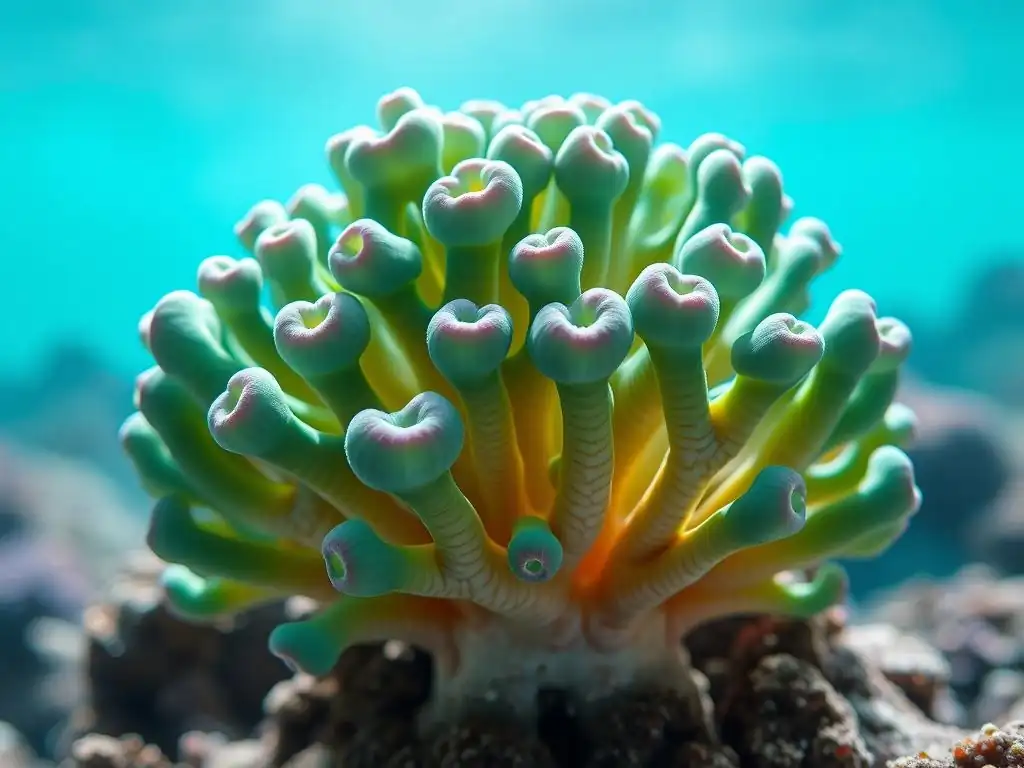
Beyond the major parameters like alkalinity, calcium, magnesium, and nutrients, trace elements play a subtle yet vital role in LPS coral health, coloration, and overall biological function. These elements, such as iodine, strontium, boron, potassium, and various heavy metals (in minute quantities), are consumed by corals for a wide range of metabolic processes, including enzymatic reactions, pigment production, and aiding in calcification. For instance, strontium, typically maintained at 8-10 ppm, is known to be incorporated into the coral skeleton alongside calcium, potentially aiding in calcification. Iodine (around 0.06 ppm) can enhance the vibrancy of certain coral pigments.
While high-quality salt mixes and regular water changes replenish many of these trace elements, heavily stocked reef tanks with significant coral growth may deplete them faster than they are naturally replaced. In such cases, targeted trace element dosing, often based on ICP-OES (Inductively Coupled Plasma Optical Emission Spectrometry) water analysis, can be beneficial. However, caution is advised; overdosing trace elements can be detrimental, so precise testing and careful adherence to recommended concentrations are crucial when attempting to fine-tune LPS coral water parameters with these supplements.
Maintaining Water Parameter Stability in Large Reef Tanks
Maintaining water parameter stability in large reef tanks (e.g., 200 gallons or more) presents both advantages and unique challenges for LPS coral water parameters. The larger water volume inherently provides greater stability, acting as a buffer against minor fluctuations. However, the sheer volume also means higher overall consumption of essential elements by a larger coral biomass. This increased demand often makes manual dosing impractical and less consistent.
Therefore, advanced automation and robust equipment become essential. Automated dosing systems for two-part solutions or kalkwasser are crucial for consistent daily replenishment. Calcium reactors are highly favored for large tanks, as they provide a continuous and precise supply of calcium and alkalinity, eliminating the need for frequent manual adjustments.
For example, a 500-gallon tank with a significant LPS coral bioload might consume 2 dKH of alkalinity daily, making a calcium reactor or a large two-part dosing system essential for stability. Large protein skimmers, sumps, and refugiums also contribute significantly to maintaining stable LPS coral water parameters by enhancing filtration and nutrient export.
Maintaining Stability in Mixed Reef Tanks
Maintaining stability in mixed reef tanks, which house a combination of LPS, SPS (Small Polyp Stony), and Soft corals, presents a unique challenge for LPS coral water parameters. Different coral types often have slightly different ideal parameter ranges, particularly concerning light, flow, and alkalinity. For instance, SPS corals typically prefer higher light and flow, and often thrive with alkalinity levels slightly higher than LPS, sometimes in the 8.5-9.5 dKH range.
The key to success in a mixed reef is to find a compromise for your LPS coral water parameters that is generally acceptable for all inhabitants. Aim for alkalinity in the middle of the spectrum (e.g., 7.5-8.5 dKH), calcium at 420-450 ppm, and magnesium at 1300 ppm. This range is usually well-tolerated by most coral types, though some highly sensitive SPS might not reach their absolute peak coloration or growth.
Careful placement of corals within the tank based on their specific light and flow requirements is also critical. Regular monitoring and fine-tuning are paramount to ensure that all your corals, including your beloved Euphyllia, Favia, and Acans, can coexist and thrive in a balanced environment.
Conclusion: Achieving Success with LPS Corals Through Precise Water Parameter Management.
Achieving lasting success with LPS corals like Euphyllia, Favia, and Acans hinges entirely on precise and consistent management of their water parameters. These magnificent invertebrates, with their vibrant colors and captivating polyp extension, are incredibly sensitive to their environment. Understanding the critical roles of alkalinity, calcium, magnesium, pH, nitrate, and phosphate, and maintaining them within optimal, stable ranges, is not merely a recommendation but a fundamental requirement for their survival and thriving.
The journey to mastering LPS coral water parameters involves diligent testing, informed adjustments, and a proactive approach to tank maintenance. Whether through regular water changes, precise dosing, or advanced filtration systems, every effort to ensure stability contributes directly to the health and beauty of your reef. By committing to these practices, you will unlock the full potential of your LPS corals, transforming your aquarium into a vibrant and flourishing underwater masterpiece, a testament to the rewards of dedicated reef husbandry.
Frequently Asked Questions
What are the most important LPS coral water parameters I need to monitor?
The most vital parameters are alkalinity, calcium, and magnesium. Maintaining stable levels within the recommended ranges is crucial for LPS coral skeletal growth and overall health.
Why is alkalinity so critical for LPS corals?
Alkalinity acts as a buffer, preventing drastic pH swings. Stable alkalinity levels are essential for LPS corals to effectively calcify and build their skeletons.
What happens if my calcium levels are too low for my LPS corals?
Low calcium levels hinder the ability of LPS corals to grow and thrive. This can lead to bleaching, recession, and ultimately, death if not corrected.
How often should I be testing my LPS coral water parameters?
Testing frequency depends on your tank's stability and bioload, but weekly testing of alkalinity, calcium, and magnesium is a good starting point. Adjust the frequency based on your observed trends and coral health.
Besides alkalinity, calcium, and magnesium, what other water parameters should I be aware of for LPS corals?
While those three are paramount, also monitor nitrates, phosphates, and temperature. These factors indirectly affect LPS coral health and can contribute to issues if out of range.
Final Reflection: The Delicate Dance of Reef Chemistry
The journey to mastering LPS coral water parameters is more than just a scientific pursuit; it's an art form that directly impacts the vibrant ecosystems we strive to recreate within our own homes. Understanding the delicate balance required for thriving Euphyllia, Favia, and Acans is not merely about hitting target numbers, but about fostering a stable and nurturing environment where these magnificent creatures can flourish.
This pursuit has profoundly influenced the reefing community, fostering a deeper appreciation for the intricate relationships within a reef aquarium. It's a constant reminder that our actions, however small, have far-reaching consequences for the life we choose to nurture. In the end, we will conserve only what we love; we will love only what we understand; and we will understand only what we are taught.
- Baba Dioum. This quote encapsulates the essence of responsible reef keeping: education, understanding, and ultimately, a deep love for the marine world.
Now, as you continue your reefing journey, I encourage you to reflect on the knowledge you've gained. Remember that the pursuit of perfect water parameters is a continuous process of learning and adaptation. Embrace the challenges, celebrate the successes, and never stop striving to create the best possible environment for your LPS corals. Your dedication will not only reward you with a stunning reef display, but also contribute to a greater understanding and appreciation for the fragile beauty of our oceans.
Unleash the Vibrant Potential of Your LPS Coral!
Thank you for diving into the world of LPS coral care! We hope you've found this guide valuable in understanding the nuances of water parameters and their impact on your Euphyllia, Favia, and Acans. Now it's time to put that knowledge into action and watch your reef flourish!
Here are a few ways to continue your journey:
- Take immediate action: Test your aquarium water today and record the results. Compare them to the ideal ranges discussed and identify any areas needing adjustment.
- Dive deeper! Research a specific coral species mentioned in the article that intrigues you. Learning its unique needs will further refine your approach to LPS care.
- Share your LPS success story (or challenges!) in the comments below. Helping others creates a stronger aquarium community.
What parameter adjustment will you focus on first to unlock the vibrant health of your LPS corals?