
Building Your Dream Reef: Essential Tank Mate Considerations for Beginners

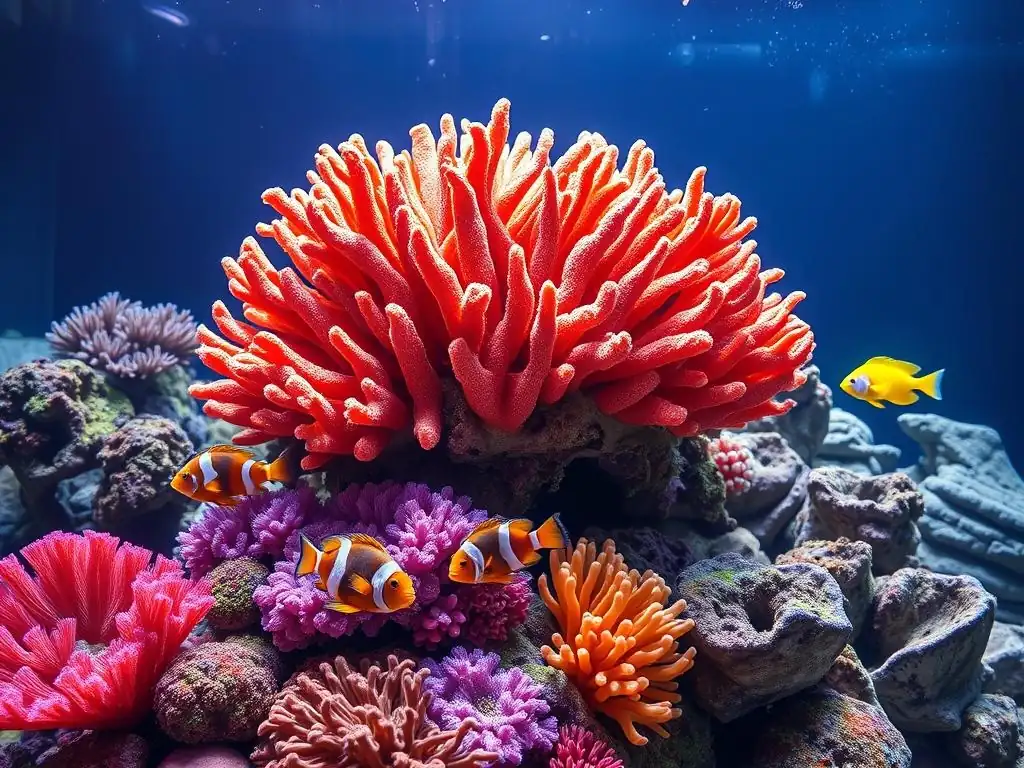
Welcome to Aquarium Mastery!
Ever dreamt of a vibrant, thriving reef teeming with life? Dive in and unlock the secrets to creating your own underwater paradise. Choosing the right inhabitants is crucial, especially when starting out. This guide focuses on reef tank beginner fish, offering essential considerations for building a harmonious and stunning reef aquarium. Ready to discover which finned friends are perfect for your first reef adventure? Let's get started!
- Introduction to Reef Tank Compatibility for New Aquarists
- Planning Your Reef Tank Ecosystem: A Beginner's Guide
- Top Reef Tank Beginner Fish: Safe and Hardy Choices
- Invertebrates as Reef Tank Mates: A Beginner's Perspective
- Fish to Avoid in a Beginner Reef Tank: Potential Problems
- Introducing New Fish to Your Reef Tank: A Gradual Process
- Maintaining a Balanced Reef Ecosystem: Long-Term Considerations
- Troubleshooting Common Issues in Beginner Reef Tanks
- Conclusion: Building a Thriving Reef Tank as a Beginner
-
Frequently Asked Questions
- What are the most important factors to consider when selecting reef tank beginner fish?
- What types of fish are generally not recommended for beginner reef tanks?
- How many fish can I safely introduce into my reef tank at the beginning?
- How do I ensure the fish I choose are compatible with my existing coral?
- What steps should I take to quarantine new fish before adding them to my reef tank?
- Final Reflection: A Thriving Ecosystem Awaits
- Dive Deeper: Start Building Your Reef Today!
Introduction to Reef Tank Compatibility for New Aquarists
Why Careful Selection of Reef Tank Inhabitants Matters
Building a thriving reef tank is a delicate balance of biology, chemistry, and careful planning. The inhabitants you choose play a pivotal role in this ecosystem's success or failure. Incompatible species can lead to chronic stress, disease outbreaks, relentless aggression, and irreversible damage to corals or other invertebrates.
For instance, introducing a highly territorial species like a Picasso Triggerfish into a tank with peaceful reef tank beginner fish can result in the constant harassment, fin nipping, or even death of the smaller, more docile inhabitants, quickly turning a dream tank into a nightmare. This not only causes distress to the animals but also represents a significant financial and time investment lost.
Furthermore, the long-term health of a reef aquarium relies on maintaining a harmonious environment. When fish are constantly stressed by aggressive tank mates, their immune systems are compromised, making them highly susceptible to common marine diseases such as Ich (Cryptocaryon irritans) or Marine Velvet (Amyloodinium ocellatum). These diseases can rapidly spread throughout the entire system, potentially wiping out an entire collection of fish and corals. Therefore, meticulous selection based on temperament, adult size, and specific needs is paramount to prevent these cascading negative effects and ensure a stable, flourishing marine habitat from the outset.
Understanding the Importance of Reef-Safe Fish for Beginners
"Reef-safe" is a critical term for any aspiring reef aquarist, particularly when selecting their first marine inhabitants. It primarily refers to fish and invertebrates that will not consume, nip at, or otherwise harm corals and other sessile invertebrates that form the backbone of a vibrant reef ecosystem.
Many popular and attractive marine fish, such as most Butterflyfish species or larger Angelfish, are known corallivores or opportunistic coral nippers, making them entirely unsuitable for a mixed reef tank. For beginners, choosing truly reef-safe reef tank beginner fish significantly reduces the risk of heartbreaking coral loss and simplifies tank management, allowing them to focus on water quality and basic husbandry.
Beyond coral compatibility, "reef-safe" also encompasses a species' general temperament and its impact on other tank mates. A peaceful disposition is crucial for a community reef tank, especially for new aquarists who may not yet have the experience to manage complex inter-species aggression.
Opting for hardy, non-aggressive, and non-coral-nipping species like Ocellaris Clownfish or various Goby species provides a robust foundation. These choices minimize common pitfalls, such as unexplained fish deaths or corals failing to thrive, thereby increasing the likelihood of a successful and enjoyable reef keeping journey and allowing the new aquarist to gradually gain confidence before tackling more challenging species.
Planning Your Reef Tank Ecosystem: A Beginner's Guide
Determining Your Reef Tank Size and Capacity for Fish
The size of your reef tank is the fundamental determinant of how many and what types of reef tank beginner fish you can safely house. While the common "inch-per-gallon" rule is often cited for freshwater tanks, it is largely inadequate for saltwater systems due to the higher bioload of marine fish and their specific swimming space requirements.
For instance, a 20-gallon nano reef tank, while suitable for certain small corals, can typically only comfortably house one or two very small, peaceful fish, such as a single Ocellaris Clownfish or a single Goby species like a Yellow Watchman Goby. Overstocking in smaller volumes leads to rapid accumulation of waste, unstable water parameters, and increased aggression among inhabitants due to limited territory.
As you consider larger tanks, the capacity for fish increases, but always with caution. A 75-gallon reef tank, a popular size for beginners, might accommodate a small school of peaceful Cardinalfish (e.g., 3-5 Pajama Cardinals) along with a pair of Clownfish and a Goby. This allows for more diverse species and natural behaviors like schooling.
However, it is crucial to research the adult size and territorial needs of each potential inhabitant. A fish that is 2 inches when purchased may grow to 6 inches, requiring significantly more space and generating a much larger bioload. Always plan for the adult size of your chosen reef tank beginner fish to ensure long-term success and minimize future rehoming challenges.
Considering Water Parameters and Their Impact on Fish Compatibility
Stable water parameters are the cornerstone of a healthy reef tank, directly impacting the health and compatibility of your reef tank beginner fish. Marine fish, especially those destined for a reef environment, thrive within very specific and narrow ranges for parameters such as salinity, temperature, pH, alkalinity, calcium, and magnesium. For example, salinity should ideally be maintained between 1.023 and 1.026 specific gravity (SG), and temperature consistently between 75-82°F (24-28°C). Fluctuations outside these ranges, even minor ones, can induce significant stress in fish, weakening their immune systems and making them more susceptible to disease and aggression from tank mates.
Beyond basic stability, optimal levels for alkalinity (8-12 dKH), calcium (400-450 ppm), and magnesium (1250-1350 ppm) are not only vital for coral growth but also contribute to the overall well-being of your fish. These parameters indirectly support fish health by ensuring a stable and robust ecosystem.
High nitrates or phosphates, often resulting from overfeeding or insufficient filtration, can also stress fish and lead to algae blooms that further degrade water quality. Regular testing (at least weekly for key parameters) and prompt adjustments are essential to maintain these narrow windows, providing a consistent and non-stressful environment where your chosen reef tank beginner fish can thrive without additional physiological challenges that might exacerbate territorial disputes or health issues.
Essential Equipment for a Healthy Reef Environment
Establishing a healthy reef environment for your reef tank beginner fish necessitates several key pieces of equipment, each playing a crucial role in maintaining stable water quality and supporting marine life. Beyond the aquarium itself and a sturdy stand, robust lighting is paramount, especially if you plan to keep corals; LED lights with adjustable spectrums and intensity (measured in PAR) are highly recommended.
Filtration is another critical component, typically involving a sump (an external reservoir for equipment), a protein skimmer to remove organic waste, and sometimes a refugium to grow beneficial macroalgae. A quality protein skimmer, for instance, can remove up to 30% of organic pollutants before they break down into nitrates and phosphates, significantly reducing the bioload and maintaining crystal-clear water for your fish.
Furthermore, strong water flow is vital for oxygenation and detritus suspension, which is achieved through powerheads or wavemakers strategically placed within the tank. Heaters are necessary to maintain a consistent temperature, preventing thermal stress for your fish and corals. Finally, an auto top-off (ATO) system is highly recommended to automatically replenish evaporated freshwater, keeping salinity stable.
While the initial investment in this equipment can be substantial, each component contributes to a stable, low-stress environment that is far more forgiving for the first-time reef keeper. Reliable equipment minimizes the daily maintenance burden and prevents common water quality issues that can quickly destabilize a young reef tank and jeopardize the health of your carefully selected reef tank beginner fish.
Top Reef Tank Beginner Fish: Safe and Hardy Choices
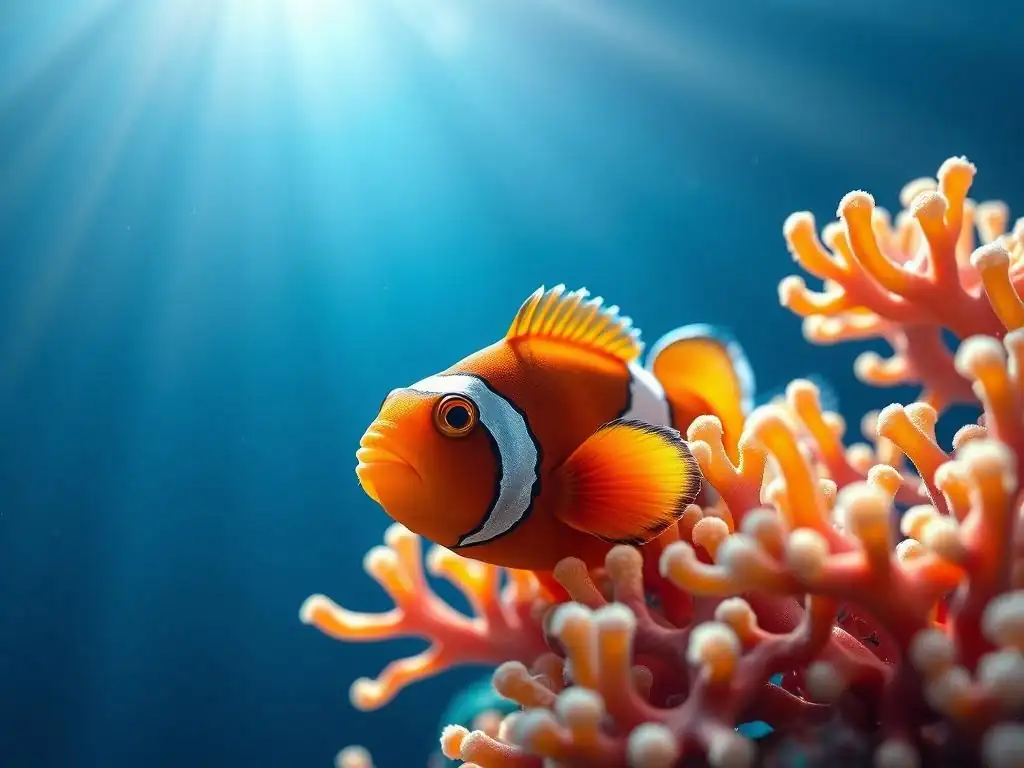
Clownfish: The Iconic Reef Dweller for Beginners
Understanding Different Clownfish Species and Their Temperaments
Clownfish are arguably the most recognizable and popular reef tank beginner fish, largely due to their iconic symbiotic relationship with anemones and their relatively hardy nature. The most common species available to hobbyists are the Ocellaris Clownfish ( Amphiprion ocellaris) and the Percula Clownfish ( Amphiprion percula). Both species typically grow to an adult size of 3-4 inches and can live for 10-15 years or more in a well-maintained aquarium.
They are generally peaceful, especially when kept as a pair (they are protandrous hermaphrodites, with the larger fish becoming female). However, they can exhibit territorial behavior towards other clownfish or fish that resemble them, particularly in smaller tanks (under 30 gallons).
While Ocellaris and Percula Clownfish are excellent choices for beginners, it is important to note that not all clownfish species share the same docile temperament. For example, the Maroon Clownfish ( Premnas biaculeatus) is known for being significantly more aggressive and territorial, often growing larger (up to 6 inches) and bullying other tank mates, making it a less suitable option for a mixed community reef tank, especially for a novice.
Understanding these species-specific nuances is crucial for successful tank mate selection. For the vast majority of new aquarists, sticking with the Ocellaris or Percula varieties ensures a peaceful and enduring addition to their burgeoning reef ecosystem.
Best Anemones for Clownfish in a Beginner Reef Tank
While the image of a clownfish nestled in an anemone is iconic, it's important for beginners to understand that hosting behavior is not guaranteed, and anemones themselves are often more challenging to care for than the clownfish. Clownfish may host in specific types of anemones, certain corals (like Duncan corals or Torch corals), or even powerheads.
For beginners considering an anemone, the Bubble Tip Anemone ( Entacmaea quadricolor) is often recommended as one of the hardier choices that commonly hosts Ocellaris and Percula Clownfish. However, even Bubble Tip Anemones require mature tanks (at least 6-12 months old), stable water parameters, and strong lighting (high PAR levels, typically 200-400 PAR) to thrive.
Another option, though generally less robust than the Bubble Tip, is the Sebae Anemone ( Heteractis crispa). It's crucial to research the specific needs of any anemone thoroughly before purchase, as their care requirements often exceed those of the clownfish themselves. Anemones can move around the tank, potentially stinging corals or getting sucked into powerheads.
For this reason, many beginner reef keepers opt to forgo an anemone initially, allowing their tank to stabilize before introducing such a sensitive invertebrate. A clownfish will live a perfectly healthy and happy life without an anemone, making it a truly adaptable reef tank beginner fish.
Damselfish: Hardy and Colorful (With Caveats)
Choosing Peaceful Damselfish Species for a Community Reef
Damselfish are often among the first fish considered by new saltwater aquarists due to their vibrant colors, relatively small size, and exceptional hardiness, making them appear to be ideal reef tank beginner fish. However, their reputation for aggression is well-founded, and careful species selection is paramount. Among the hundreds of damselfish species, a select few are considered peaceful enough for a community reef tank.
The Azure Damselfish ( Chrysiptera parasema) and the Yellow-tail Damselfish ( Chrysiptera parasema) are two of the best choices. Both typically remain small, reaching an adult size of around 2-3 inches, and are less prone to harassing tank mates compared to their more aggressive cousins.
When introducing these peaceful damselfish, it is often best to introduce them as the last fish in your stock or ensure they have ample hiding spots to establish their territory without overwhelming existing inhabitants. While generally more docile, they can still exhibit some territoriality, especially if kept in too small a tank (e.g., less than 30 gallons for a single specimen) or if multiple damselfish are introduced without careful planning.
Even species like the Blue Damselfish ( Chrysiptera cyanea) can be suitable if kept singly in a tank of at least 20 gallons and introduced into a tank already established with other, larger peaceful fish. Their hardiness makes them forgiving of minor beginner mistakes, but their temperament requires thoughtful consideration.
Avoiding Aggressive Damselfish in a Beginner Reef Tank
Despite the appeal of their hardiness and striking colors, many damselfish species are notoriously aggressive and entirely unsuitable for a beginner's community reef tank. These species can quickly become "tank bosses," relentlessly harassing, fin-nipping, and even killing other fish, especially smaller or more docile reef tank beginner fish. Prime examples of damselfish to strictly avoid include the Three Stripe Damselfish ( Dascyllus trimaculatus), the Domino Damselfish ( Dascyllus trimaculatus), and the Sergeant Major Damselfish ( Abudefduf saxatilis). These species are highly territorial and can grow up to 4-6 inches, making them a significant threat to a peaceful ecosystem.
Even larger tank sizes (e.g., 75 gallons or more) often struggle to mitigate the aggression of these particular damselfish. Once established, they can be extremely difficult to remove without tearing down rockwork. Their constant harassment stresses other fish, leading to poor health, faded colors, and increased susceptibility to disease. While they might survive challenging conditions due to their resilience, their negative impact on the entire tank's harmony far outweighs any aesthetic appeal. For a thriving and peaceful reef, it is always best to err on the side of caution and exclude these problematic species from your initial stocking plan.
Gobies: Small and Beneficial Reef Cleaners
Recommended Goby Species for New Reef Tank Keepers
Gobies are an incredibly diverse family of fish, and many species are considered excellent reef tank beginner fish due to their small size, peaceful nature, and beneficial roles within the ecosystem. They typically stay small, ranging from 2 to 5 inches, making them suitable for tanks as small as 10-20 gallons for some species.
Popular and highly recommended gobies include the Yellow Watchman Goby ( Cryptocentrus cinctus), the Diamond Watchman Goby ( Valenciennea puellaris), and various Cleaner Gobies ( Gobiosoma spp.). The Yellow Watchman Goby is particularly popular for its potential to form a symbiotic relationship with a Pistol Shrimp, where the shrimp maintains a burrow that both share, providing fascinating natural behavior.
Diamond Watchman Gobies are renowned sand sifters, constantly sifting through the substrate to find food particles and aerate the sand bed. Cleaner Gobies, on the other hand, are known for setting up "cleaning stations" where they remove parasites from other fish, contributing to the overall health of the tank. Many gobies are also microfauna hunters, helping to control copepod and amphipod populations.
Their generally peaceful demeanor means they pose little threat to corals or other fish, making them a safe and engaging addition to almost any beginner reef tank. Providing plenty of rockwork with crevices and a suitable sand bed will allow them to exhibit their natural behaviors.
Maintaining a Sand Bed with Gobies
For sand-sifting gobies like the Diamond Watchman Goby ( Valenciennea puellaris), a properly maintained sand bed is not just an aesthetic choice but a crucial component of their habitat and behavior. These gobies require a sand bed of at least 2-3 inches in depth to perform their natural sifting activities.
They will constantly take mouthfuls of sand, sift out detritus and small invertebrates, and expel clean sand through their gills. This continuous sifting action provides several benefits to the reef tank: it aerates the sand bed, preventing the buildup of anaerobic pockets (which can release harmful hydrogen sulfide gas), and helps to keep the substrate clean by consuming uneaten food and detritus.
However, it is important to note that while beneficial, a very active sand sifter can occasionally stir up fine detritus, leading to temporary cloudiness in the water. This is usually harmless and settles quickly. For the goby itself, a healthy, mature sand bed teeming with microfauna is essential for its diet.
While they will accept prepared foods like frozen mysis shrimp, their primary food source in the wild comes from the sand. Therefore, ensuring a vibrant live sand bed, possibly supplemented with beneficial bacteria, will contribute significantly to the long-term health and activity of your sand-sifting reef tank beginner fish.
Selecting Cardinalfish for a Calm Reef Environment
Cardinalfish are highly regarded as some of the most peaceful and low-stress reef tank beginner fish, making them excellent candidates for a calm and serene reef environment. They are typically slow-moving and often exhibit a somewhat shy or nocturnal nature, preferring to hover in shaded areas among rockwork during the day. The two most popular species for beginners are the Pajama Cardinalfish ( Sphaeramia nematoptera) and the Banggai Cardinalfish ( Pterapogon kauderni).
Both species generally reach an adult size of 3-4 inches. Their calm demeanor ensures they will not harass or intimidate other tank mates, and they are completely reef-safe, posing no threat to corals or invertebrates.
Pajama Cardinalfish are known for their distinctive patterns and their tendency to school, adding dynamic visual interest to the tank. Banggai Cardinalfish, while also peaceful, are mouthbrooders and can exhibit some mild intraspecific aggression if not kept in appropriate numbers or if there aren't enough hiding spots. Their unique appearance and relatively easy care make them a fascinating addition. For new aquarists seeking a tranquil display, Cardinalfish offer a perfect blend of beauty, interesting behavior, and compatibility, contributing significantly to the overall harmony of the reef ecosystem without introducing disruptive elements.
Creating a Schooling Environment for Cardinalfish
While many Cardinalfish species are peaceful, their social nature often means they thrive best when kept in groups, providing a more natural and less stressful environment for them. For species like the Pajama Cardinalfish, keeping a school of 3-5 individuals (odd numbers are often recommended to diffuse potential aggression if any arises) will allow them to exhibit their natural schooling behaviors.
This not only enhances their well-being but also creates a visually stunning display as they move in unison through the water column. For Banggai Cardinalfish, while they can be kept singly, a pair or a small group (3-4) in a larger tank (e.g., 40 gallons or more) can also work, provided there are ample hiding spots to break lines of sight.
To facilitate a successful schooling environment for these reef tank beginner fish, it's crucial to provide plenty of rockwork with caves, overhangs, and crevices where they can retreat if they feel threatened or need to rest. This sense of security is vital for schooling fish.
A tank of at least 30 gallons is generally recommended for a small school of Pajama Cardinalfish, allowing sufficient swimming space and territory. Adequate space and structural complexity in the aquascape help to minimize any potential stress or minor squabbles within the group, promoting a cohesive and healthy school that will be a highlight of your reef tank.
Invertebrates as Reef Tank Mates: A Beginner's Perspective
Snails: Essential Algae Control for Reef Tanks
Best Snail Species for Algae Control in Beginner Reefs
Snails are an indispensable component of any beginner reef tank's clean-up crew, playing a vital role in controlling nuisance algae and consuming detritus. Their presence significantly reduces the need for manual scrubbing and helps maintain a pristine environment for your reef tank beginner fish and corals. For new aquarists, several species are highly recommended due to their effectiveness, hardiness, and reef-safe nature.
Trochus snails ( Trochus histrio) are excellent for consuming film algae on rocks and glass, often reaching sizes of 1-2 inches and diligently grazing. Turbo snails (various species like Astraea tecta) are also powerful grazers, though some can grow quite large and may occasionally knock over small coral frags.
Nassarius snails ( Nassarius vibex) are detritivores that primarily scavenge in the sand bed, consuming uneaten food and decaying matter, helping to keep the substrate clean. Cerith snails ( Cerithium atratum) are versatile, grazing on algae on rocks and glass while also sifting through the sand. A good starting guideline is to introduce 1 snail per 5-10 gallons of tank volume, adjusting the numbers based on the observed algae growth. A diverse clean-up crew composed of these various snail species ensures comprehensive algae control across different tank surfaces and substrates, contributing to a healthier and more aesthetically pleasing reef.
Avoiding Snail Species That Can Harm Corals
While most snails commonly sold for marine aquariums are reef-safe, it's crucial for beginners to be aware that certain species can pose a threat to corals or become pests. Not all snails are created equal, and some are predatory or can proliferate to undesirable levels. For instance, certain Cone Snails ( Conus spp.)
are highly venomous predators that can kill fish and other invertebrates, although they are rarely sold in the general aquarium trade. More commonly, some hobbyists unknowingly introduce Vermetid snails, which secrete a mucus net to catch food particles, but these nets can irritate and even damage corals if they grow too close. While not directly predatory on corals, their nuisance factor can be significant.
Another group to be cautious of are larger, less mobile snails that, while not consuming corals, might inadvertently knock over or dislodge coral frags due to their size and clumsy movements. This is particularly relevant in nano tanks or those with freshly placed frag plugs. Always research any snail species thoroughly before adding it to your reef tank, ensuring it is explicitly listed as reef-safe for a mixed reef environment. Prioritizing species known for their beneficial algae-eating habits and peaceful nature will prevent future headaches and protect your valuable coral collection alongside your chosen reef tank beginner fish.
Hermit Crabs: Scavengers for a Clean Reef
Choosing Reef-Safe Hermit Crab Species
Hermit crabs are another valuable addition to the clean-up crew in a beginner reef tank, acting as diligent scavengers that consume detritus, uneaten food, and various forms of nuisance algae. Their active nature and relatively small size make them interesting and functional inhabitants. For a reef-safe environment, the most commonly recommended species are the Blue Leg Hermit Crab ( Clibanarius tricolor) and the Red Leg Hermit Crab ( Paguristes cadenati). Both typically remain small, usually under 1 inch, and are generally peaceful with fish and corals, making them excellent companions for your reef tank beginner fish.
Blue Leg Hermit Crabs are particularly good at scavenging on detritus and cyanobacteria (red slime algae), while Red Leg Hermit Crabs are effective at consuming film algae on rocks. A general guideline is to introduce 1 hermit crab per 10-20 gallons of tank volume, though this can be adjusted based on the tank's bioload and detritus levels. Their constant foraging contributes significantly to the overall cleanliness of the tank, breaking down waste products and preventing their accumulation, which in turn helps maintain stable water parameters crucial for both fish and corals.
Providing Empty Shells for Hermit Crabs
A critical aspect of caring for hermit crabs that beginners often overlook is the absolute necessity of providing an adequate supply of appropriately sized empty shells. Hermit crabs do not grow their own shells; instead, they rely on finding discarded mollusk shells to protect their soft abdomens. As they grow, they must upgrade to larger shells.
Without a sufficient supply of empty shells of various sizes, hermit crabs will resort to fighting over existing shells, often leading to the death of other hermit crabs or, more concerningly, predating on snails to acquire their shells. A single hermit crab might destroy several valuable snails in its quest for a new home.
To prevent such conflicts and ensure the well-being of your clean-up crew, it is advisable to offer at least 3-5 empty shells per hermit crab, with a range of opening sizes slightly larger than their current shells. These shells can be purchased from aquarium stores or online, ensuring they are clean and free of contaminants. By proactively providing these essential housing options, you significantly reduce aggression among your hermit crabs and protect your valuable snail population, contributing to a more harmonious and effective clean-up crew in your beginner reef tank.
Shrimp: Beneficial Cleaners and Interesting Inhabitants
Recommended Shrimp Species for Beginner Reef Tanks
Shrimp are fascinating and beneficial invertebrates that add both visual interest and practical utility to a beginner reef tank. Many species are excellent scavengers and some even provide cleaning services for fish. Among the best choices for new aquarists are the Skunk Cleaner Shrimp ( Lysmata amboinensis), the Peppermint Shrimp ( Lysmata wurdemanni), and the Blood Red Fire Shrimp ( Lysmata debelius). Skunk Cleaner Shrimp are renowned for setting up "cleaning stations" where fish will present themselves to have parasites and dead tissue removed, a truly captivating natural behavior. They typically grow to about 2-3 inches.
Peppermint Shrimp are highly valued for their ability to consume nuisance Aiptasia anemones, a common pest in reef tanks, though their effectiveness can vary. They are also excellent general scavengers. Blood Red Fire Shrimp are strikingly beautiful with their vibrant red coloration and white antennae, and they also act as general scavengers, often hiding in rockwork during the day.
All these recommended shrimp species are generally peaceful and completely reef-safe, posing no threat to corals or your reef tank beginner fish. They add diversity to the clean-up crew and provide unique behaviors that enhance the overall enjoyment of the aquarium.
Understanding Shrimp Molting and Care
Shrimp, like all crustaceans, grow by molting, a process where they shed their old, rigid exoskeleton to allow for a larger one to form. This is a natural and essential part of their life cycle. During and immediately after molting, a shrimp is very vulnerable as its new shell is soft and it may be lethargic or hide.
It is crucial not to remove the shed exoskeleton from the tank immediately, as the shrimp may consume it to reabsorb valuable calcium and other minerals, which are essential for hardening their new shell. This process can take anywhere from a few hours to a couple of days.
To support healthy molting, stable water parameters, particularly calcium (400-450 ppm) and alkalinity (8-12 dKH), are vital. These minerals are the building blocks of their new exoskeleton. Adequate hiding spots within the rockwork are also important, providing a safe refuge for the shrimp during its vulnerable post-molt period. Observing a shrimp successfully molt is a sign of a healthy environment. Understanding this process and providing the necessary conditions ensures the longevity and well-being of these beneficial invertebrates in your beginner reef tank.
Fish to Avoid in a Beginner Reef Tank: Potential Problems
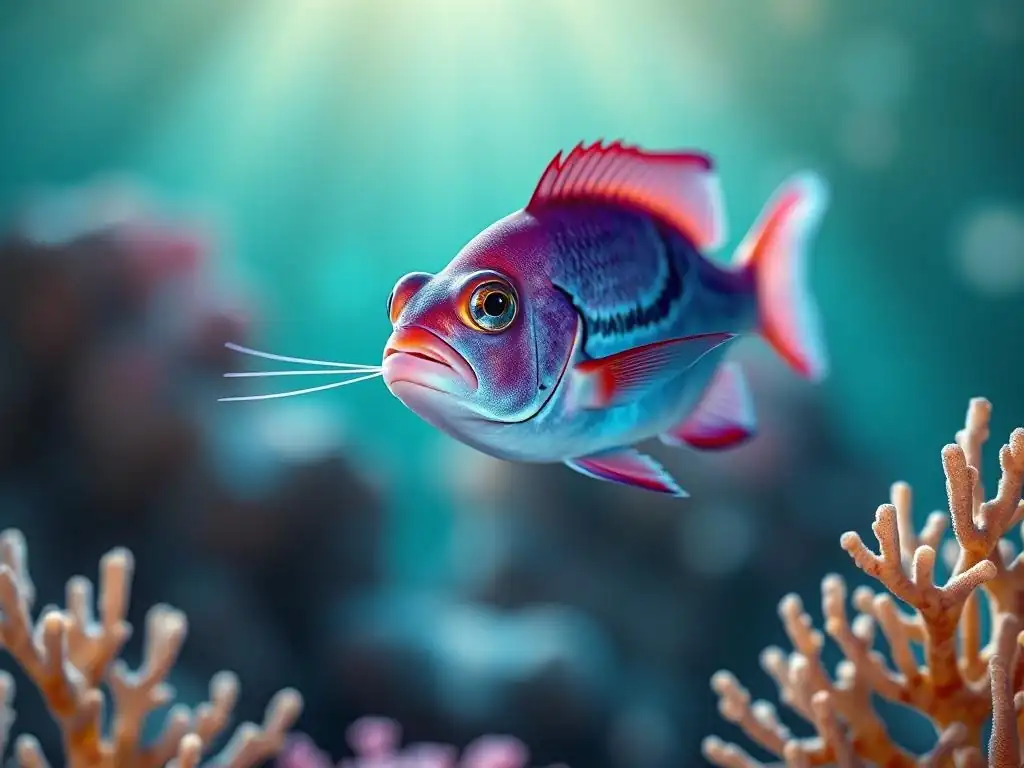
Butterflyfish: Coral Nippers and Difficult to Keep
While many Butterflyfish species possess striking beauty, the vast majority are entirely unsuitable for a beginner's reef tank due to their dietary habits and often specialized care requirements. Most Butterflyfish are obligate corallivores, meaning their natural diet consists primarily of coral polyps, or they are opportunistic coral nippers.
Even species sometimes marketed for their ability to eat Aiptasia anemones, such as the Copperband Butterflyfish ( Chelmon rostratus), are not truly reef-safe in the long term for corals and are known to pick at various soft and stony corals. Once they develop a taste for corals, it is almost impossible to dissuade them.
Beyond their coral-nipping tendencies, many Butterflyfish species are also notoriously difficult to acclimate to aquarium life and accept prepared foods. They often require a highly varied diet of live or specialized frozen foods and are prone to starvation in a typical home aquarium setup. Their sensitivity to water quality and stress makes them a poor choice for new aquarists.
Introducing a Butterflyfish into a mixed reef tank, especially one with valuable corals, carries a very high risk of significant damage and disappointment. It is best to avoid these species unless planning a dedicated fish-only-with-live-rock (FOWLR) system and possessing advanced experience.
Angelfish: Reef-Damaging Potential
Angelfish are another group of marine fish that, despite their stunning coloration and graceful swimming, pose a significant risk to the integrity of a mixed reef tank, making most species unsuitable for beginners. The vast majority of large Angelfish species, such as the Emperor Angelfish ( Pomacanthus imperator) or Queen Angelfish ( Holacanthus ciliaris), are known to actively nip at, consume, or otherwise damage corals.
Their strong beaks are designed for grazing on sponges and tunicates in the wild, which often translates to picking at coral polyps in an aquarium environment. These larger species also require very substantial tank sizes (120 gallons+) due to their adult size (often 10-15 inches) and active swimming habits.
Even the smaller "dwarf" angelfish (genus Centropyge), while sometimes considered "reef-safe with caution," carry a significant risk. Species like the Coral Beauty Angelfish ( Centropyge bispinosa) or Flame Angelfish ( Centropyge loricula) can become opportunistic coral nippers, especially on soft corals, LPS (Large Polyp Stony) corals, and clam mantles.
While some individuals may never bother corals, others will develop a taste for them, making them a gamble for any reef aquarist, let alone a beginner. The unpredictable nature of their reef-safeness means it is generally advisable for new aquarists to avoid all Angelfish species if their primary goal is a thriving coral reef.
Triggerfish: Aggressive and Destructive
Triggerfish are perhaps one of the most visually striking groups of marine fish, but their extreme aggression and destructive nature make them entirely incompatible with almost any community reef tank, especially one housing peaceful reef tank beginner fish or delicate invertebrates. Species like the Picasso Triggerfish ( Rhinecanthus aculeatus) or the Clown Triggerfish ( Balistoides conspicillum) are highly predatory and possess powerful jaws and teeth designed to crush crustaceans, snails, and even small fish. They will decimate a clean-up crew in short order, viewing snails and hermit crabs as snacks.
Beyond their predatory tendencies, Triggerfish are also intensely territorial and will relentlessly harass and attack other fish, often resulting in severe injury or death. Their aggressive nature is not limited to tank mates; they can also rearrange rockwork, knock over corals, and generally cause chaos within the aquarium.
Even in very large tanks (200+ gallons), integrating a Triggerfish into a community setting is a significant challenge, typically reserved for experienced aquarists managing a fish-only-with-live-rock (FOWLR) setup focused on large, robust species. For a beginner aiming for a harmonious reef filled with corals and peaceful inhabitants, Triggerfish are unequivocally on the "do not introduce" list.
Introducing New Fish to Your Reef Tank: A Gradual Process
Quarantine Procedures for New Reef Tank Additions
The most critical step to prevent the introduction of diseases and parasites into your established reef tank is to implement a strict quarantine procedure for all new fish. Skipping quarantine is the leading cause of devastating outbreaks of diseases like Marine Ich (Cryptocaryon irritans) and Marine Velvet (Amyloodinium ocellatum), which can quickly spread and wipe out your entire population of reef tank beginner fish and other inhabitants.
A quarantine tank (QT) does not need to be elaborate; a simple bare-bottom 10-20 gallon tank with a heater, a small power filter or sponge filter, and some PVC pipes for hiding spots is sufficient.
New fish should be kept in the QT for a minimum of 4-6 weeks. During this period, observe them closely for any signs of disease such as white spots, clamped fins, rapid breathing, lethargy, or loss of appetite. This is also the time to administer any necessary medications without harming your main display tank's corals or invertebrates.
For example, treating for Ich with copper-based medications is only safe in a QT. Even if a fish appears healthy, the quarantine period allows any latent diseases to manifest and be treated before they can spread to your main system, protecting your existing investment and ensuring the long-term health of your reef.
Acclimation Methods for Minimizing Stress
Once a new fish has completed its quarantine period and is deemed healthy, the next crucial step is proper acclimation to the display tank's water parameters. Gradual acclimation is vital to minimize stress, which can severely compromise a fish's immune system and make it susceptible to illness. The drip acclimation method is highly recommended for saltwater fish due to its ability to slowly equalize salinity, pH, and temperature.
To perform drip acclimation, place the new fish (still in its bag water) into a clean bucket. Use airline tubing with an air valve to siphon water from your display tank into the bucket, allowing it to drip slowly at a rate of 1-2 drops per second.
This process should take 30-60 minutes, gradually mixing the display tank water with the fish's transport water until the volume in the bucket has quadrupled. During acclimation, keep the lights dim or off to reduce stress.
Once acclimated, gently net the fish and transfer it to the display tank, discarding the water from the bucket to avoid introducing any remaining contaminants. By taking the time for this slow and gentle transition, you significantly reduce the physiological shock to your new reef tank beginner fish, ensuring a smoother integration into its new home and a much higher chance of long-term survival.
Monitoring New Fish for Disease and Aggression
After introducing new fish to your main display tank, continuous and diligent monitoring is essential for the first few days and weeks. Even after successful quarantine and acclimation, stress from a new environment or existing tank mates can sometimes trigger latent issues or behavioral problems. Closely observe the new addition for any signs of disease, such as the reappearance of white spots (Ich), unusual swimming patterns, clamped fins, rapid gilling, or refusal to eat. Also, pay close attention to the behavior of your existing reef tank beginner fish towards the newcomer.
Signs of aggression include constant chasing, fin nipping, the new fish hiding excessively and not coming out to eat, or a visible change in color (often darkening due to stress). If aggression is severe and persistent, you may need to intervene by rearranging rockwork to break up territories, adding more hiding spots, or, in extreme cases, removing the aggressive fish or the new fish back to a hospital tank.
Early detection of either disease or aggression allows for prompt intervention, significantly increasing the chances of successful treatment or resolution and preventing widespread issues that could jeopardize the health and harmony of your entire reef ecosystem.
Maintaining a Balanced Reef Ecosystem: Long-Term Considerations
Regular Water Testing and Maintenance
Maintaining a balanced reef ecosystem for your reef tank beginner fish and corals is an ongoing commitment that hinges on consistent water testing and regular maintenance. Weekly or bi-weekly testing of key parameters such as salinity (1.023-1.026 SG), alkalinity (8-12 dKH), calcium (400-450 ppm), magnesium (1250-1350 ppm), nitrates (<10 ppm), and phosphates (<0.03 ppm) is crucial. These tests provide a snapshot of your tank's health and allow you to make timely adjustments before problems escalate. For example, a consistent drop in alkalinity indicates a need for supplementation or increased water changes, which directly impacts coral growth and fish health.
Regular water changes are equally vital, typically 10-20% bi-weekly, using high-quality reverse osmosis/deionized (RO/DI) water mixed with a reputable marine salt mix. Water changes replenish essential trace elements consumed by corals and fish, while simultaneously removing accumulated nitrates, phosphates, and other pollutants that filtration alone cannot fully address.
This consistent replenishment and removal process is paramount for preventing nutrient buildup that can fuel nuisance algae and stress inhabitants. A proactive approach to water quality through diligent testing and routine changes forms the bedrock of a stable and thriving reef environment, ensuring the longevity and vibrancy of your reef tank beginner fish collection.
Feeding Your Reef Tank Inhabitants Properly
Proper feeding is a cornerstone of a healthy and balanced reef ecosystem, directly impacting the vitality and coloration of your reef tank beginner fish and invertebrates. It's not just about providing food, but providing the right food in the right amounts. Most reef fish benefit from a varied diet that includes high-quality pellets, flakes, and a range of frozen foods such as mysis shrimp, brine shrimp, and spirulina.
For instance, herbivorous fish like certain tangs require marine algae sheets, while carnivorous fish like gobies thrive on meaty frozen foods. Overfeeding is a common beginner mistake, leading to excess nutrients, algae blooms, and poor water quality.
It is generally better to feed small portions 1-2 times daily, ensuring all food is consumed within a few minutes. Observe your fish's feeding response; if food remains after 5 minutes, you are likely overfeeding. For shy or specialized feeders, target feeding with a pipette can ensure they receive adequate nutrition without polluting the entire tank.
A balanced diet prevents nutritional deficiencies, enhances immune function, and promotes natural behaviors, ensuring your reef tank beginner fish remain vibrant, active, and less susceptible to disease. Remember, a well-fed fish is a healthy fish, contributing to the overall stability and beauty of your reef.
Observing Fish Behavior for Early Signs of Problems
Daily observation of your reef tank inhabitants is one of the most powerful tools for early detection of problems, allowing for timely intervention that can often prevent minor issues from escalating into major crises. Spend a few minutes each day watching your reef tank beginner fish and invertebrates. Look for key indicators of health: active swimming, bright and consistent coloration, clear eyes, full fins without tears, and a keen appetite. A healthy fish will typically be alert and responsive to its environment.
Conversely, be vigilant for any signs of distress or illness. These include hiding excessively, rapid breathing (gilling), faded or patchy coloration, refusal to eat, scratching against rocks (flashing), or the appearance of visible spots, lesions, or growths on the body or fins. Changes in swimming patterns, such as listlessness or erratic movements, are also red flags.
Early detection of these subtle behavioral or physical changes allows you to address potential issues promptly, whether it's a water quality problem, an emerging disease, or an aggression issue. Prompt action significantly increases the chances of successful treatment and protects the well-being of your entire reef community, making daily observation an indispensable habit for any reef keeper.
Troubleshooting Common Issues in Beginner Reef Tanks
Dealing with Algae Blooms
Algae blooms are one of the most common and frustrating issues faced by beginner reef aquarists, often indicating an imbalance in the ecosystem. The primary causes are typically excess nutrients (nitrates and phosphates), too much light (either too long a photoperiod or too intense lighting), or an insufficient clean-up crew.
While some film algae on the glass is normal, persistent and widespread blooms of green hair algae, diatoms (brown algae), or cyanobacteria (red slime algae) are clear signals of underlying problems that can stress corals and diminish the aesthetic appeal of your tank, potentially even impacting your reef tank beginner fish by degrading water quality.
Effective solutions involve a multi-pronged approach. First, address the nutrient source: reduce feeding amounts, ensure all food is consumed, and increase the frequency or volume of water changes (e.g., 20% weekly). Second, optimize lighting: reduce the photoperiod to 8-10 hours daily and ensure light intensity is appropriate for your corals.
Third, bolster your clean-up crew with more snails (like Trochus or Turbo snails) and hermit crabs to graze on the algae. Utilizing phosphate-removing media (GFO) or establishing a refugium with macroalgae like Chaetomorpha can also effectively export excess nutrients. Consistent nutrient control is key to long-term algae management and maintaining a pristine environment.
Addressing Fish Diseases
Despite best efforts, fish diseases can sometimes manifest in a beginner reef tank, often due to stress, poor water quality, or, most commonly, the failure to quarantine new additions. The most prevalent diseases are Marine Ich ( Cryptocaryon irritans), characterized by white spots resembling salt grains, and Marine Velvet ( Amyloodinium ocellatum), which presents as a fine, dusty coating. If you observe these symptoms on your reef tank beginner fish, immediate action is crucial. The most effective and safest approach is to move the affected fish to a separate hospital tank (QT) for treatment.
Treating diseases directly in the main display tank is highly discouraged because most medications, particularly copper-based treatments for Ich, are toxic to corals and invertebrates. In the hospital tank, specific medications (e.g., copper for Ich, or chloroquine phosphate for Velvet) can be administered safely. For Velvet, freshwater dips can provide temporary relief but are not a cure.
Prevention through rigorous quarantine of all new fish, as discussed previously, remains the most effective strategy. Once a disease takes hold in a display tank, it can be incredibly challenging and costly to eradicate without harming your corals and invertebrates, emphasizing the importance of proactive measures to protect your reef tank beginner fish.
Managing Aggression in the Reef Tank
Aggression among reef tank beginner fish can stem from various factors, including territorial disputes, insufficient tank size, incompatible species choices, or introducing fish in the wrong order. While careful planning aims to prevent aggression, it can occasionally arise. Signs include constant chasing, nipping at fins, the bullied fish hiding excessively and not eating, or physical damage.
If aggression becomes a problem, several strategies can be employed. Firstly, rearrange the rockwork to break up established territories and create new hiding spots, which can often diffuse tension. Adding more hiding spots, such as PVC pipes or additional rock structures, can also provide refuge for bullied fish.
Introducing less aggressive fish first, allowing them to establish themselves before adding more assertive species, is a good preventative measure. If a particular fish is consistently the aggressor, it may need to be removed. A temporary "time-out" by placing the aggressive fish in a clear, perforated container within the tank for a few days can sometimes reset its territorial behavior.
In severe cases, the aggressive fish may need to be permanently rehomed. Addressing aggression promptly is vital, as chronic stress can weaken fish, making them susceptible to disease. Preventing aggression through careful species selection and appropriate stocking density is always easier than managing it once it starts.
Conclusion: Building a Thriving Reef Tank as a Beginner
The Rewards of Careful Planning and Research
Embarking on the journey of building a reef tank as a beginner is an incredibly rewarding endeavor, and its success is deeply rooted in careful planning and thorough research. The delicate balance of a reef ecosystem demands a thoughtful approach to every decision, from tank size and equipment selection to, most crucially, the compatibility of its inhabitants.
By meticulously selecting appropriate reef tank beginner fish and invertebrates, new aquarists significantly mitigate the common pitfalls of aggression, disease, and coral damage. This proactive approach ensures a smoother and more enjoyable experience, transforming what can be a challenging hobby into a truly captivating pursuit.
The effort invested in understanding water parameters, proper feeding, and the specific needs of each species pays dividends in the form of a vibrant, stable, and visually stunning underwater world. Watching a diverse community of marine life, from playful clownfish to diligent gobies, thrive and exhibit natural behaviors under your care provides immense satisfaction. A well-planned reef tank is not merely a collection of animals but a miniature, self-sustaining ecosystem that offers endless opportunities for observation and appreciation, making the initial research and planning an invaluable foundation for long-term success.
Continuous Learning and Improvement in Reef Keeping
The world of reef keeping is dynamic and ever-evolving, and building a thriving reef tank as a beginner marks the start of a continuous journey of learning and improvement. While this guide provides essential considerations for selecting reef tank beginner fish and establishing a stable environment, the hobby is rich with new techniques, equipment advancements, and deeper understandings of marine biology. Even with initial success, challenges will inevitably arise, from unexpected algae blooms to subtle shifts in fish behavior. Embracing these challenges as learning opportunities is key to becoming a proficient aquarist.
New aquarists are encouraged to remain curious, read widely from reputable sources, and actively engage with the vast and supportive reef keeping community through forums and local clubs. Sharing experiences, troubleshooting issues, and staying updated on best practices will not only enhance your knowledge but also contribute to the longevity and beauty of your reef. The commitment to continuous learning ensures that your dream reef tank evolves into a truly spectacular and enduring display, providing years of fascination and a profound connection to the intricate wonders of the marine world.
Frequently Asked Questions
What are the most important factors to consider when selecting reef tank beginner fish?
The most crucial factors are compatibility with other tank inhabitants, their adult size to ensure adequate space, and their dietary needs to maintain a healthy ecosystem.
What types of fish are generally not recommended for beginner reef tanks?
Aggressive species like some triggers and puffers, large fish that require massive tank volumes, and fish with specialized diets that are difficult to replicate in a beginner setup are best avoided.
How many fish can I safely introduce into my reef tank at the beginning?
It's best to start slow. Introduce only one or two hardy species initially to allow the biological filter to establish and prevent overwhelming the system with ammonia spikes.
How do I ensure the fish I choose are compatible with my existing coral?
Research is key! Some fish nip at corals, so select species known to be reef-safe. Observe fish behavior carefully after introduction for any signs of coral harassment.
What steps should I take to quarantine new fish before adding them to my reef tank?
Quarantining new fish in a separate tank for 3-4 weeks is essential to observe for disease symptoms and prevent the introduction of parasites or infections into your established reef tank.
Okay, here's a final reflection designed to close your article, "Building Your Dream Reef: Essential Tank Mate Considerations for Beginners," optimized for the keyword "Reef tank beginner fish" and following the structure you provided:
Final Reflection: A Thriving Ecosystem Awaits
The journey of establishing a reef tank is a testament to patience and informed decision-making, and as we've explored, the selection of reef tank beginner fish is paramount to its success. Understanding the delicate balance within a reef ecosystem is not just about choosing aesthetically pleasing creatures; it's about fostering a harmonious environment where all inhabitants can thrive. This knowledge empowers you to move beyond simply owning a tank and towards cultivating a living, breathing work of art.
The impact of responsible reef keeping extends far beyond the glass walls of your aquarium. The choices we make as hobbyists directly influence the health of our oceans and the sustainability of the marine trade. By carefully selecting compatible and ethically sourced reef tank beginner fish, we contribute to a more responsible and conscientious approach to the hobby. As Jacques Cousteau eloquently stated, The sea, once it casts its spell, holds one in its net of wonder forever.
Let us ensure that wonder is preserved for generations to come.
Now, armed with this knowledge, take a moment to reflect on the potential impact you can have. Consider the responsibility you undertake when introducing life into your reef. Choose wisely, research thoroughly, and observe patiently. Your dream reef, teeming with vibrant life and harmonious interactions, is within reach. Embrace the challenge, and let the beauty of your reef tank serve as a constant reminder of the interconnectedness of life and the importance of responsible stewardship.
Dive Deeper: Start Building Your Reef Today!
Thank you for exploring the fascinating world of reef tank mates! We hope you've gained valuable insights to help you create a thriving underwater ecosystem. Now it's time to put that knowledge into action.
Here are a few things you can do next:
- Prioritize your reef's well-being: Choose just one foundational fish or invertebrate from our guide to start building your reef community carefully.
- Explore a new angle. Delve into compatible coral pairings to discover striking visual contrasts that you can implement in your reef tank for an enhanced aesthetic appeal.
- Spread the love! Share this article with fellow aquarium enthusiasts and spark discussions about their favorite reef tank mates.
What unexpected benefit have you found from a particular tank mate combination in your reef?