
Advanced ReefKeeping: BiotopeSpecific Tank Mate Selections (e.g., Caribbean)

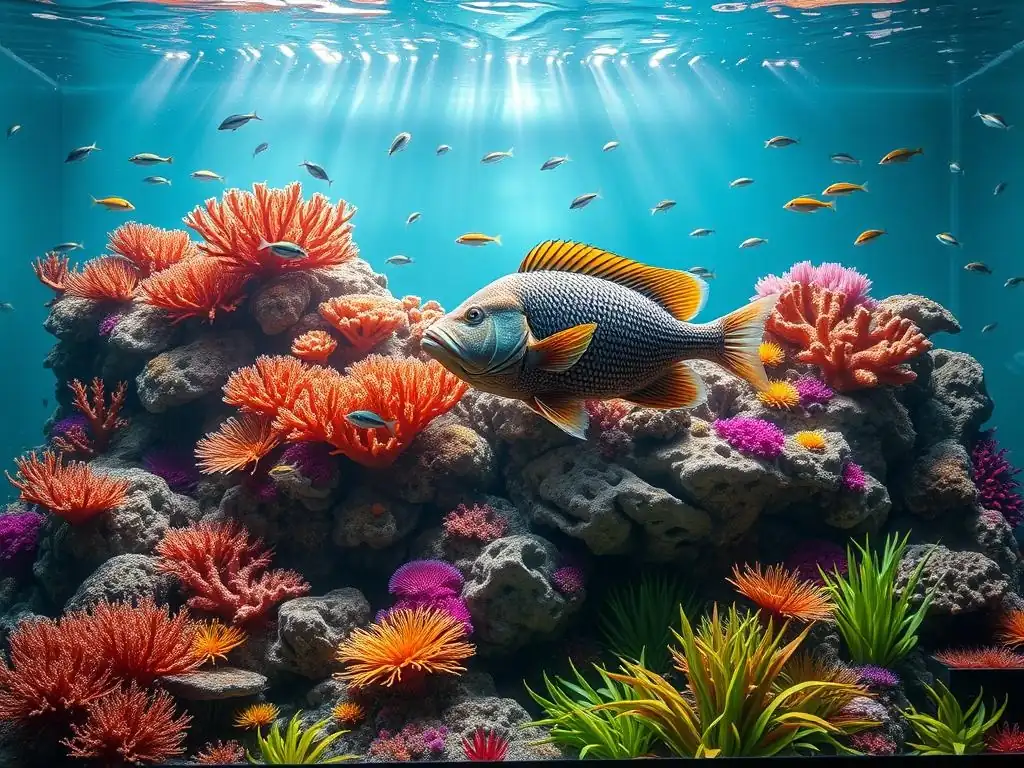
Welcome to Aquarium Mastery!
Ever dreamt of bringing the vibrant beauty of a Caribbean reef into your own home? Dive in and discover the secrets to creating a thriving, biotope-specific aquarium. This guide unlocks the keys to Caribbean reef tank mate selection, ensuring a harmonious and visually stunning underwater ecosystem. Ready to build your slice of paradise? Let's explore!
- Advanced ReefKeeping: Biotope-Specific Tank Mate Selections (e.g., Indo-Pacific)
- Introduction to Biotope Reef Aquariums and Tank Mate Selection
- Indo-Pacific Reef Tank Setup: Key Considerations
- Indo-Pacific Reef Tank Mate Selection: Fish Species
- Indo-Pacific Reef Tank Mate Selection: Invertebrates
- Feeding and Maintenance for an Indo-Pacific Biotope Reef Tank
- Troubleshooting Common Issues in Indo-Pacific Biotope Reef Tanks
- Advanced Considerations for Indo-Pacific Reefkeeping
- Conclusion: Mastering Indo-Pacific Reef Tank Mate Selection
-
Frequently Asked Questions
- What is a biotope aquarium, and why is it important for Caribbean reef tank mate selection?
- What factors should I consider when choosing Caribbean reef tank mates?
- What are some examples of generally compatible fish for a Caribbean reef tank?
- How does water chemistry impact Caribbean reef tank mate selection?
- Where can I find more detailed information on Caribbean reef tank mate selection and aquarium keeping in general?
- Final Reflection: Embracing the Caribbean Reef's Harmony
- Dive Deeper: Cultivate Your Reefkeeping Mastery!
Advanced ReefKeeping: Biotope-Specific Tank Mate Selections (e.g., Indo-Pacific)
Introduction to Biotope Reef Aquariums and Tank Mate Selection
Understanding Biotope Aquariums: Recreating Natural Reef Environments
A biotope aquarium is a specialized type of fish tank designed to replicate a specific natural habitat, including its water parameters, substrate, rockwork, plants, and the indigenous species that inhabit it. The goal is to create an ecosystem that is as close as possible to a particular geographical location and its unique environmental conditions. This approach goes beyond simply housing compatible species; it aims to provide the most natural and enriching environment for the inhabitants, promoting their natural behaviors and long-term health.
For reef aquariums, this means meticulously selecting corals, fish, and invertebrates that would naturally coexist in a chosen reef region, such as the Indo-Pacific. This commitment to biological accuracy not only enhances the aesthetic appeal of the tank but also contributes significantly to the well-being of the aquatic life within, as they are living in conditions optimized for their specific needs. It requires extensive research into the chosen biotope's geology, hydrology, and biodiversity to ensure an authentic and thriving miniature ecosystem.
The Importance of Biotope-Specific Tank Mate Selection
Selecting tank mates that are specific to a chosen biotope is crucial for several reasons, primarily focusing on ecological compatibility and the long-term health of the aquarium. When species are chosen from the same natural environment, they are inherently adapted to similar water parameters, temperature ranges, and dietary needs, which simplifies tank maintenance and reduces stress on the inhabitants. For instance, species from the Indo-Pacific region are accustomed to specific salinity levels, typically around 1.025-1.026 specific gravity, and stable temperatures averaging 78-82°F (25.5-27.8°C), making it easier to maintain a consistent environment for all.
Furthermore, biotope-specific selection minimizes inter-species aggression and competition for resources, as these species have evolved to coexist within their native habitats, often developing symbiotic or commensal relationships. Introducing species from vastly different biotopes can lead to unforeseen conflicts, dietary mismatches, or susceptibility to diseases not common in their native ranges. Adhering to biotope integrity ensures a harmonious community where each organism can thrive, exhibiting natural behaviors like schooling, pair bonding, or specific feeding strategies that might not manifest in a mixed-biotope setup.
Focusing on the Indo-Pacific Reef Ecosystem
The Indo-Pacific region represents the largest marine biogeographic region on Earth, encompassing the tropical waters of the Indian Ocean, the western and central Pacific Ocean, and the seas connecting them, including the Red Sea, the Persian Gulf, and the waters around Southeast Asia and Australia. This vast area is renowned for its unparalleled biodiversity, boasting approximately 75% of the world's coral species and a staggering number of fish and invertebrate species, making it an incredibly rich source for biotope aquarium inspiration.
Replicating an Indo-Pacific reef ecosystem in a home aquarium offers aquarists the opportunity to showcase some of the most vibrant and iconic marine life. From the intricate branching SPS corals like Acropora and Montipora to a diverse array of fish such as surgeonfish, angelfish, and various damselfish, the Indo-Pacific provides a wealth of options for creating a stunning and ecologically accurate display. Understanding the specific nuances of this region, including its typical water movement, light penetration, and common reef structures, is fundamental to successfully establishing and maintaining a thriving Indo-Pacific biotope reef tank.
Indo-Pacific Reef Tank Setup: Key Considerations
Replicating Indo-Pacific Water Chemistry and Parameters
Replicating the precise water chemistry and parameters of the Indo-Pacific reef system is paramount for the health and longevity of its inhabitants. Natural Indo-Pacific reefs typically exhibit stable conditions, with a salinity range of 1.025 to 1.026 specific gravity (35 ppt), a consistent temperature between 76°F and 82°F (24.4°C-27.8°C), and a pH level between 8.1 and 8.4. Maintaining these parameters within narrow fluctuations is critical, as even slight deviations can stress corals and fish, leading to health issues or even mortality.
Beyond the basic parameters, attention to alkalinity, calcium, and magnesium levels is crucial for coral growth. Ideal ranges include alkalinity (dKH) between 8.0-12.0, calcium (Ca) between 400-450 ppm, and magnesium (Mg) between 1250-1350 ppm. Regular testing, ideally weekly, using high-quality test kits is essential to monitor these levels. Aquarists often employ dosing pumps or kalkwasser reactors to replenish consumed elements, ensuring a stable environment that mimics the natural buffering capacity of the vast Indo-Pacific ocean.
Indo-Pacific Reef Substrate and Rockwork: Creating a Natural Habitat
The substrate and rockwork are foundational elements for creating an authentic Indo-Pacific reef biotope, providing both aesthetic appeal and crucial habitat for marine life. In their natural environment, Indo-Pacific reefs are characterized by extensive structures of live rock, primarily composed of dead coral skeletons overgrown with coralline algae and teeming with beneficial bacteria. This provides a diverse landscape of caves, crevices, and ledges, offering shelter, spawning sites, and foraging grounds for fish and invertebrates.
For an aquarium, using high-quality dry or cured live rock sourced responsibly is recommended. Aquascaping should focus on creating open swimming areas while also incorporating plenty of hiding spots and stable structures for coral placement. A typical Indo-Pacific setup might feature a "reef wall" or "island" design, mimicking the natural reef formations.
The substrate usually consists of a fine to medium-grain aragonite sand bed, 1-3 inches deep, which helps maintain pH stability and provides a suitable environment for sand-dwelling invertebrates like gobies or certain snails. Approximately 1-1.5 pounds of rock per gallon of tank volume is a common guideline, though this can vary based on desired aquascape density.
Lighting for a Thriving Indo-Pacific Reef Biotope
Appropriate lighting is a critical component for a thriving Indo-Pacific reef biotope, as it directly influences the health and growth of photosynthetic corals and indirectly impacts the entire ecosystem. In the shallow, clear waters of the Indo-Pacific, corals are exposed to intense, full-spectrum sunlight. Replicating this in a home aquarium requires powerful and versatile lighting fixtures. LED lights are currently the most popular choice due to their energy efficiency, controllability, and ability to provide a full spectrum of light, including crucial blue wavelengths (450-470nm) that promote coral coloration and growth.
The specific lighting requirements will vary based on the types of corals planned for the biotope. Soft corals and LPS (Large Polyp Stony) corals generally require moderate light, while SPS (Small Polyp Stony) corals like Acropora demand very high light intensity, often exceeding 400 PAR (Photosynthetically Active Radiation) at the coral's surface.
A typical lighting schedule would involve a 10-12 hour photoperiod, with a gradual ramp-up and ramp-down (dawn/dusk simulation) to minimize stress on the inhabitants. Many advanced LED units offer customizable spectrums and intensity settings, allowing aquarists to fine-tune the lighting to precisely mimic the natural Indo-Pacific conditions and meet the specific needs of their chosen coral species.
Indo-Pacific Reef Tank Mate Selection: Fish Species
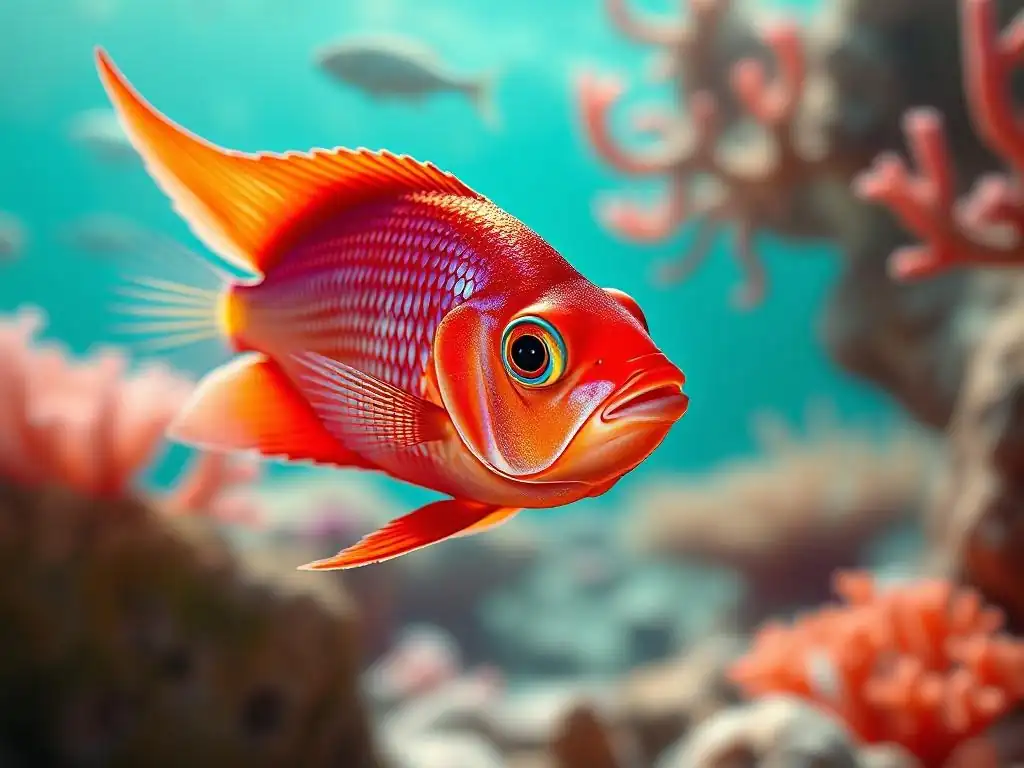
Selecting Indo-Pacific Reef Fish: Compatibility and Temperament
When selecting fish for an Indo-Pacific reef biotope, compatibility and temperament are paramount to ensuring a harmonious and thriving community. The vast Indo-Pacific region hosts an incredible diversity of fish, but not all are suitable for a typical home aquarium, especially one focused on corals. It's crucial to research each species' adult size, dietary needs, territoriality, and specific interactions with corals and other invertebrates. For instance, while many butterflyfish are native to the Indo-Pacific, several species are obligate corallivores and would decimate a reef tank.
A good strategy involves choosing fish that occupy different niches within the tank, reducing direct competition for food and space. For example, a sand-sifting goby occupies the bottom, a tang grazes algae from rocks, and schooling anthias inhabit the water column. Always introduce new fish slowly and observe their behavior, especially when adding to an established tank.
A general guideline is to add smaller, less aggressive fish first, allowing them to establish territories before introducing larger or more dominant species. Aim for a balance, typically keeping stocking density to about 1 inch of fish per 5 gallons of water, though this can vary based on filtration and fish activity levels.
Popular Indo-Pacific Reef Fish Species for a Biotope Aquarium
Clownfish (Amphiprioninae): A Classic Reef Resident
Clownfish, particularly species like the Ocellaris Clownfish ( Amphiprion ocellaris) and Percula Clownfish ( Amphiprion percula), are iconic inhabitants of Indo-Pacific reefs and a staple for many biotope aquariums. They are known for their symbiotic relationship with anemones, offering a captivating display of natural behavior. These hardy and relatively small fish, typically reaching 3-4 inches (7.5-10 cm) in length, are generally peaceful, making them excellent candidates for most reef tanks.
In the wild, clownfish pairs often defend a small territory around their host anemone. In an aquarium, providing a suitable host anemone (e.g., Bubble Tip Anemone, Entacmaea quadricolor, or Sebae Anemone, Heteractis crispa) is ideal, though they can thrive without one. They are omnivores, readily accepting a varied diet of high-quality flake food, pellets, and frozen foods like mysis shrimp and brine shrimp, ensuring they receive adequate nutrition for vibrant coloration and health.
Yellow Tang (Zebrasoma flavescens): Algae Grazer
The Yellow Tang ( Zebrasoma flavescens) is a highly sought-after and recognizable fish from the Indo-Pacific, particularly abundant in the waters around Hawaii. Renowned for its vibrant yellow coloration and efficient algae-grazing abilities, it plays a vital role in maintaining the cleanliness of a reef tank. This species typically grows to about 8 inches (20 cm) in length and requires a tank of at least 75-100 gallons to provide ample swimming space and allow for adequate algae growth for grazing.
Yellow Tangs are primarily herbivores, and their diet should consist predominantly of marine-based algae, nori, and high-quality vegetable flakes. While generally peaceful towards other species, they can be territorial with other tangs or similarly shaped fish, especially in smaller tanks. Providing plenty of live rock with surfaces for grazing and a varied diet will help keep them healthy and reduce aggression. Their continuous grazing helps control nuisance algae, contributing significantly to the overall health and aesthetic of an Indo-Pacific biotope.
Lyretail Anthias (Pseudanthias squamipinnis): Schooling Beauty
The Lyretail Anthias ( Pseudanthias squamipinnis) is a stunning and active schooling fish native to the Indo-Pacific, known for its vibrant colors and graceful swimming patterns. Males display more intense coloration, often with elongated fins, while females are typically orange-yellow. These fish are relatively small, reaching about 4-5 inches (10-12.5 cm), and thrive when kept in groups of at least 3-5, with one male and multiple females, to exhibit their natural schooling behavior.
Lyretail Anthias are planktivores in the wild, constantly feeding on zooplankton in the water column. In an aquarium, they require multiple small feedings throughout the day (3-5 times) of high-quality frozen foods like mysis shrimp, cyclop-eeze, and enriched brine shrimp. They are generally peaceful but can be shy initially. A tank of at least 75 gallons is recommended for a small group, providing ample open swimming space and moderate water flow to mimic their natural habitat. Their active nature and brilliant hues add dynamic beauty to an Indo-Pacific biotope.
Avoiding Problematic Fish Species in an Indo-Pacific Biotope Reef
While the Indo-Pacific boasts an incredible array of fish, not all species are suitable for a mixed-reef biotope, especially one with sensitive corals. Certain fish, though beautiful, are known coral nippers or outright corallivores, meaning they will actively consume or damage corals. Examples include many species of butterflyfish (e.g., Copperband Butterflyfish, Chelmon rostratus, while often sold for aiptasia control, can sometimes nip at LPS corals; Chaetodon octofasciatus is a known coral eater) and some angelfish (e.g., Emperor Angelfish, Pomacanthus imperator, and Queen Angelfish, Holacanthus ciliaris, are prone to nipping at fleshy corals).
Furthermore, some Indo-Pacific species grow too large for typical home aquariums or possess aggressive temperaments that can disrupt a peaceful community. For instance, certain larger triggerfish (e.g., Clown Triggerfish, Balistoides conspicillum) or groupers, while native, are highly predatory and will consume smaller fish and invertebrates. Even some surgeonfish, if not given adequate space or food, can become territorial. Thorough research into a fish's adult size, dietary needs, and compatibility with corals and other tank mates is essential before introduction to ensure the long-term stability and health of your Indo-Pacific biotope.
Indo-Pacific Reef Tank Mate Selection: Invertebrates
Essential Indo-Pacific Reef Invertebrates for a Balanced Ecosystem
Invertebrates are indispensable for creating a balanced and thriving Indo-Pacific reef ecosystem, fulfilling crucial roles from detritus consumption to algae control and contributing significantly to the tank's biodiversity. Beyond corals, a diverse clean-up crew (CUC) of snails, crabs, and starfish helps maintain water quality by consuming uneaten food, decaying matter, and nuisance algae. These organisms mimic the natural processes occurring on a real reef, where a complex web of scavengers and grazers keeps the environment pristine.
Moreover, various decorative invertebrates add aesthetic appeal and unique behaviors to the biotope. For example, specific shrimp species like the Skunk Cleaner Shrimp ( Lysmata amboinensis) offer a natural cleaning service for fish, removing parasites and dead skin. Feather Dusters ( Sabellastarte magnifica) filter the water column, adding a delicate, feathery display. The inclusion of these essential invertebrates ensures a more complete and self-sustaining miniature ecosystem, reflecting the intricate life found on natural Indo-Pacific reefs.
Corals: Choosing Indo-Pacific-Specific Species
Choosing Indo-Pacific-specific coral species is fundamental to maintaining the integrity of a biotope reef tank. The Indo-Pacific is the epicenter of coral diversity, boasting the vast majority of all known coral species, including the iconic Acropora (SPS), Euphyllia (LPS), and a wide array of soft corals. Selecting corals native to this region ensures they are adapted to the typical water parameters, lighting, and flow conditions maintained in an Indo-Pacific biotope, promoting optimal growth and coloration.
Beyond geographical origin, it's vital to consider the specific needs of each coral type within the context of your tank's conditions. For example, SPS corals generally demand high light and strong, turbulent flow, while many LPS corals prefer moderate light and flow. Soft corals are often more tolerant of fluctuating conditions but still thrive in stable Indo-Pacific parameters. Researching the specific light, flow, and placement requirements for each chosen coral ensures they can coexist harmoniously and flourish, creating a vibrant and natural reef display.
Acropora: SPS Coral Staple
Acropora corals are the quintessential Small Polyp Stony (SPS) corals of the Indo-Pacific, forming the backbone of many natural reef structures and representing a pinnacle for advanced reef keepers. With over 150 known species, they exhibit an incredible diversity of growth forms, from delicate branching colonies to table-like structures and robust encrusting forms. Their vibrant colors—ranging from electric blues and greens to purples, yellows, and pinks—are highly dependent on light intensity, spectrum, and stable water chemistry.
These corals demand pristine water quality, strong and turbulent water flow, and very high light levels (often exceeding 400 PAR). They are highly sensitive to fluctuations in alkalinity, calcium, and magnesium, requiring consistent supplementation to support their rapid calcification rates. A typical Acropora frag can grow several inches per year under optimal conditions. Due to their demanding nature, successful Acropora husbandry is often considered a benchmark for advanced reefkeeping, making them a challenging yet incredibly rewarding choice for an Indo-Pacific biotope.
Zoanthids: Colorful and Varied
Zoanthids are small, colonial soft corals (though technically cnidarians, not true corals) that are ubiquitous across Indo-Pacific reefs and a popular choice for reef aquariums due to their striking colors and relatively easy care. They are known for their vibrant polyps, which come in an astonishing array of patterns, often resembling miniature flowers. Common species like Palythoa and Protopalythoa are also frequently included, though aquarists should be aware of potential palytoxin concerns with some species.
Zoanthids are generally tolerant of a range of lighting and flow conditions, preferring moderate light and flow, making them suitable for various tank placements from the sand bed to rockwork. They are photosynthetic but also benefit from supplemental feeding of small particulate foods like zooplankton or broadcast feeds. They reproduce readily, often forming large mats that can quickly colonize available surfaces. Their hardiness and diverse coloration make them an excellent choice for adding visual interest and biodiversity to an Indo-Pacific biotope, even for less experienced reef keepers.
Invertebrate Clean-Up Crew for an Indo-Pacific Reef Tank
A robust and diverse clean-up crew (CUC) is indispensable for maintaining the ecological balance of an Indo-Pacific biotope reef tank, performing vital sanitation services that mimic natural reef processes. These invertebrates consume detritus, uneaten food, and various types of algae, preventing nutrient build-up and maintaining water clarity. The appropriate size and composition of the CUC depend on the tank's volume and stocking density, but a general guideline is 1-2 snails or small hermits per gallon for a moderately stocked tank.
A well-rounded CUC typically includes a variety of snails for different grazing habits, hermit crabs for scavenging, and sometimes other specialists like brittle stars for deep detritus removal. Sourcing these invertebrates from the Indo-Pacific region ensures they are accustomed to the same water parameters and environmental conditions as the rest of the biotope inhabitants, contributing to their longevity and effectiveness in the aquarium.
Nassarius Snails: Scavengers
Nassarius snails ( Nassarius vibex and Nassarius distortus are common Indo-Pacific species) are excellent scavengers and a vital component of any reef tank's clean-up crew. These small, conical-shelled snails are highly efficient at burrowing into the sand bed, where they consume detritus, uneaten food, and decaying organic matter. Their activity helps to aerate the sand bed, preventing the build-up of anaerobic pockets that can release harmful compounds.
When food is introduced into the tank, Nassarius snails quickly emerge from the sand, often in a "feeding frenzy," making them entertaining to watch. They typically grow to about 0.5-1 inch (1.2-2.5 cm) and are completely reef-safe, posing no threat to corals or other invertebrates. A common recommendation is to have 1 Nassarius snail per 5-10 gallons of tank volume, ensuring efficient detritus removal across the sand bed.
Turbo Snails: Algae Control
Turbo snails ( Turbanidae family, with species like Turbo fluctuosa and Tectus fenestratus being common Indo-Pacific imports) are among the most effective algae grazers for a reef tank, making them an essential part of the clean-up crew. These relatively large, robust snails are voracious consumers of various types of nuisance algae, including diatoms, film algae, and even some hair algae, which can quickly overrun a newly established or nutrient-rich tank.
Turbo snails typically grow to 1-3 inches (2.5-7.5 cm) and are active grazers, constantly moving across rockwork and tank walls. While highly efficient, they can sometimes be clumsy and may knock over unsecured frag plugs or small coral colonies, so careful placement of items in the tank is advised. They are completely reef-safe and tolerant of a wide range of water parameters. A general stocking guideline is 1 Turbo snail per 10-20 gallons, depending on the severity of algae issues.
Brittle Stars: Detritus Removal
Brittle stars, particularly smaller, reef-safe species like the Mini Brittle Star ( Ophiothrix fragilis or similar micro-species), are highly beneficial detritivores for an Indo-Pacific biotope. These fascinating invertebrates are nocturnal scavengers, using their long, spiny arms to probe crevices and under rocks, where they efficiently consume decaying organic matter, uneaten food, and even small amounts of detritus from the sand bed.
Unlike some larger predatory starfish, most brittle stars commonly found in the hobby are harmless to corals and fish. They are very cryptic, often hiding during the day and emerging at night to feed, which helps to process nutrients that might otherwise fuel nuisance algae. Their ability to access hard-to-reach areas makes them an excellent complement to snails and crabs in the clean-up crew. A stocking density of 1-2 small brittle stars per 20 gallons can significantly contribute to overall tank cleanliness.
Feeding and Maintenance for an Indo-Pacific Biotope Reef Tank
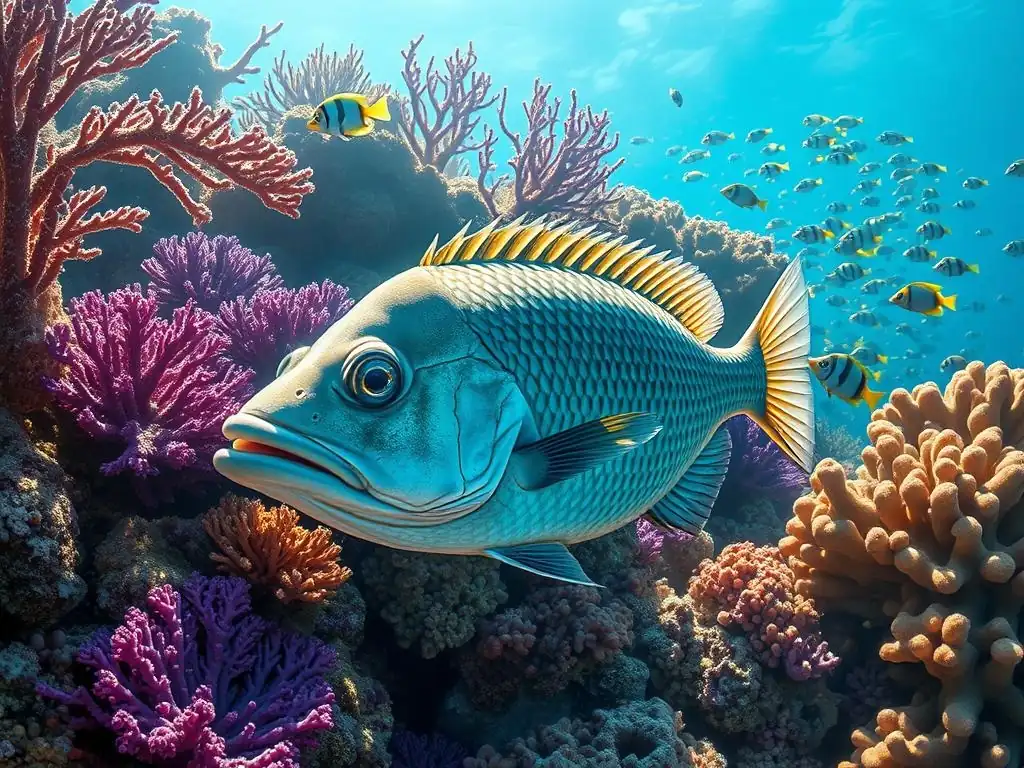
Replicating Natural Feeding Habits of Indo-Pacific Reef Inhabitants
Replicating the natural feeding habits of Indo-Pacific reef inhabitants is crucial for their long-term health, vibrant coloration, and natural behavior. In the wild, most reef fish and invertebrates feed opportunistically throughout the day, often on a diverse diet of plankton, algae, small invertebrates, or detritus. Therefore, in an aquarium, a varied diet offered in small, frequent feedings is generally more beneficial than large, infrequent meals. For example, planktivores like Anthias require multiple small feedings of mysis shrimp, cyclop-eeze, or finely chopped seafood throughout the day, ideally 3-5 times.
Herbivores such as Tangs and Surgeonfish need a constant supply of marine algae, supplemented with high-quality vegetable flakes or pellets. Nori sheets clipped to the side of the tank provide an excellent grazing opportunity. Carnivorous fish and invertebrates should receive a mix of frozen foods like brine shrimp, mysis shrimp, and chopped clams or shrimp. It's also important to consider the size of the food particles; smaller fish and corals require appropriately sized offerings. Overfeeding should be avoided, as it can quickly degrade water quality and contribute to nuisance algae growth.
Maintaining Optimal Water Quality in an Indo-Pacific Reef System
Maintaining optimal water quality is the cornerstone of a successful Indo-Pacific reef system, directly impacting the health and vitality of all inhabitants. The pristine waters of natural Indo-Pacific reefs are characterized by very low levels of nitrates, phosphates, and other pollutants. To replicate this in an aquarium, a robust filtration system is essential, typically comprising mechanical, biological, and chemical filtration. Mechanical filtration, such as filter socks or sponges, removes particulate matter, while biological filtration (live rock, bio-media) converts ammonia and nitrite into less toxic nitrate.
Chemical filtration, often using activated carbon and GFO (Granular Ferric Oxide) or other phosphate removers, helps to absorb dissolved organic compounds and phosphates, which can fuel nuisance algae and stress corals. Regular monitoring of key water parameters—salinity, temperature, pH, alkalinity, calcium, magnesium, nitrates, and phosphates—is non-negotiable. Aiming for nitrates below 10 ppm and phosphates below 0.03 ppm is ideal for a coral-rich Indo-Pacific biotope. Consistent parameter stability is often more critical than hitting exact numbers, as rapid fluctuations can be highly detrimental.
Regular Water Changes and Testing
Regular water changes are a fundamental and indispensable practice for maintaining the long-term health and stability of an Indo-Pacific reef biotope. They serve multiple critical functions: replenishing essential trace elements that are consumed by corals and invertebrates, diluting accumulated nitrates and phosphates, and removing dissolved organic compounds that chemical filtration might miss. For most established reef tanks, a weekly or bi-weekly water change of 10-20% of the total tank volume is a common and effective schedule.
Coupled with water changes, consistent and accurate water testing is crucial. Parameters to routinely monitor include salinity (with a refractometer), temperature, pH, alkalinity (dKH), calcium (Ca), magnesium (Mg), nitrates (NO3), and phosphates (PO4). Testing should be performed at least weekly, or more frequently if issues arise or new inhabitants are added. Maintaining detailed logs of test results helps identify trends and allows for proactive adjustments, ensuring the water parameters remain within the narrow, stable ranges that Indo-Pacific reef inhabitants require to thrive.
Troubleshooting Common Issues in Indo-Pacific Biotope Reef Tanks
Addressing Algae Blooms in an Indo-Pacific Reef Aquarium
Algae blooms are a common and frustrating issue in reef aquariums, often signaling an underlying imbalance in nutrient levels. In an Indo-Pacific biotope, controlling nuisance algae like diatoms, hair algae, or cyanobacteria is crucial for the health and aesthetic of the tank. The primary cause of most algae blooms is elevated levels of nitrates and phosphates, usually from overfeeding, insufficient water changes, inadequate filtration, or decaying organic matter. Addressing these root causes is the most effective long-term solution.
Immediate steps to combat an algae bloom include increasing the frequency and volume of water changes (e.g., 20% twice a week), manually removing as much algae as possible, and reducing feeding amounts. Enhancing mechanical filtration with filter socks or floss and ensuring a robust clean-up crew (snails, hermit crabs, tangs) can also help. For persistent issues, reviewing the effectiveness of chemical filtration (e.g., refreshing GFO or carbon) and checking RO/DI water quality for impurities are necessary steps to restore the pristine conditions required for an Indo-Pacific reef.
Managing Pests and Parasites in an Indo-Pacific Biotope
Managing pests and parasites is a critical aspect of maintaining a healthy Indo-Pacific biotope, as unwanted organisms can quickly decimate corals or stress fish. Common coral pests include Montipora-eating nudibranchs, Acropora-eating flatworms (AEFW), and various types of predatory snails. Fish parasites range from external ich ( Cryptocaryon irritans) to internal worms. Prevention is the best strategy, starting with rigorous quarantine procedures for all new fish and corals. Fish should be held in a separate tank for at least 4-6 weeks, observed for disease, and treated if necessary.
Corals should undergo a dip regimen (e.g., using iodine-based dips or specialized coral dips) to dislodge pests before introduction to the main display. Visual inspection under strong light or magnification can reveal hidden pests. If an outbreak occurs, identification of the specific pest or parasite is crucial for targeted treatment. This might involve manual removal, introducing biological controls (e.g., specific wrasses for flatworms), or, in severe cases, chemical treatments (used with extreme caution in a reef tank). Maintaining stable water parameters and a stress-free environment also significantly boosts the natural immunity of tank inhabitants.
Maintaining a Healthy Balance of Fish and Invertebrates
Maintaining a healthy balance between fish and invertebrates is fundamental to the long-term success and ecological stability of an Indo-Pacific biotope. Overstocking fish can lead to excessive nutrient production, stressing the biological filtration and promoting algae growth, while also increasing aggression among tank mates due to limited space. A general guideline is to allow at least 5 gallons of water per inch of adult fish, though this varies significantly based on species temperament and activity levels.
Similarly, the clean-up crew and coral population must be balanced. Too few grazers can lead to algae issues, while too many can deplete their food source and starve. Corals need adequate space to grow without stinging or shading neighbors, especially as they mature. Regular observation of the tank's inhabitants and their interactions is key. If fish appear stressed, show signs of aggression, or if algae becomes rampant despite good husbandry, it may indicate an imbalance. Adjusting stocking levels, enhancing filtration, or re-evaluating feeding practices can help restore equilibrium and ensure all inhabitants thrive.
Advanced Considerations for Indo-Pacific Reefkeeping
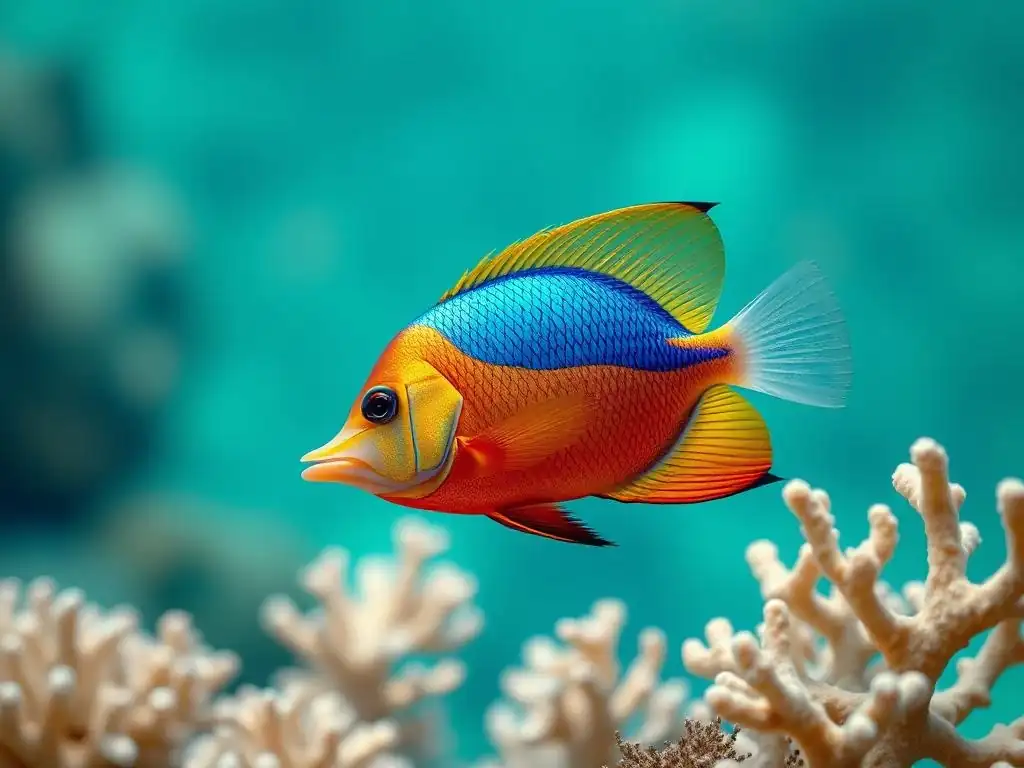
Coral Propagation in an Indo-Pacific Reef Environment
Coral propagation, or "fragging," is an advanced aspect of Indo-Pacific reefkeeping that allows aquarists to grow and share corals, reducing reliance on wild collection and promoting sustainable practices. Many Indo-Pacific coral species, particularly SPS corals like Acropora and LPS corals like Euphyllia, readily lend themselves to fragmentation. This involves carefully breaking off a small piece of a healthy mother colony, attaching it to a frag plug or rubble, and allowing it to grow into a new colony.
Successful propagation requires sharp, sterile tools (e.g., bone cutters, scalpels), proper handling to minimize stress on the coral, and a suitable environment for the frag to heal and grow. Many advanced hobbyists dedicate a separate "frag tank" or "grow-out" section within their sump, providing optimal flow, light, and stable parameters for rapid healing and growth. This practice not only provides an endless supply of corals for personal use or trading but also contributes to the conservation of natural reef populations by reducing demand for wild-caught specimens.
Breeding Indo-Pacific Reef Fish in Captivity [Optional]
Breeding Indo-Pacific reef fish in captivity is an advanced and highly rewarding endeavor that contributes significantly to marine conservation and reduces pressure on wild populations. While challenging, success has been achieved with various popular Indo-Pacific species, notably clownfish ( Amphiprioninae), gobies ( Gobiodon species), and some dottybacks ( Pseudochromis species). The process typically requires a dedicated breeding tank with specific conditions, including optimal water quality, appropriate diet for conditioning broodstock, and suitable spawning surfaces or hosts.
For clownfish, providing a host anemone or artificial spawning surface (e.g., terracotta pot) is crucial. Once eggs are laid, they often need to be moved to a separate larval rearing tank. Raising the tiny fry is the most demanding part, as they require live, microscopic food sources like rotifers and newly hatched brine shrimp for the first few weeks. Success in breeding even a few species can be a significant contribution to the hobby, providing sustainable alternatives to wild-caught fish and deepening an aquarist's understanding of marine life cycles.
The Future of Biotope-Specific Reef Aquariums
The future of biotope-specific reef aquariums points towards an increasing emphasis on ecological accuracy, sustainability, and advanced technological integration. As our understanding of specific reef ecosystems deepens through scientific research and technological advancements, aquarists will be able to replicate natural conditions with even greater precision. This includes more sophisticated environmental controls, such as dynamic lighting systems that mimic daily and seasonal light cycles, and advanced water movement devices that simulate complex oceanic currents.
There will likely be a growing focus on captive-bred and maricultured organisms, further reducing reliance on wild collection and promoting ethical sourcing. The hobby may also see more specialized biotope setups, perhaps focusing on micro-habitats within the Indo-Pacific, such as a specific patch reef or a deep-water slope. Education and community collaboration will play a crucial role, with aquarists sharing knowledge and resources to perfect these intricate miniature ecosystems, ultimately fostering a deeper appreciation for the biodiversity and fragility of natural reef environments.
Conclusion: Mastering Indo-Pacific Reef Tank Mate Selection
Key Takeaways for Successful Indo-Pacific Reefkeeping
Mastering Indo-Pacific reef tank mate selection is the cornerstone of creating a thriving, ecologically harmonious, and visually stunning biotope aquarium. The primary takeaway is the absolute necessity of thorough research into every potential inhabitant's natural history, adult size, temperament, and specific environmental requirements. This ensures that all species chosen are genuinely compatible with each other and with the precise water parameters, lighting, and flow conditions characteristic of the Indo-Pacific region.
Furthermore, stability and consistency in water parameters (salinity, temperature, pH, alkalinity, calcium, magnesium) are paramount for the long-term health of both corals and fish. A diverse and balanced clean-up crew is indispensable for nutrient control and tank cleanliness, mimicking natural reef processes. Finally, patience and observation are vital; introduce new inhabitants slowly, monitor their interactions, and be prepared to make adjustments. By adhering to these principles, aquarists can successfully replicate a vibrant slice of the Indo-Pacific in their homes, promoting the well-being of their marine charges and enjoying a truly captivating display.
Resources for Further Research on Indo-Pacific Reef Ecosystems
For aquarists seeking to deepen their understanding of Indo-Pacific reef ecosystems and enhance their biotope setups, a wealth of resources is available. Academic journals focusing on marine biology and ecology, such as "Coral Reefs" or "Marine Ecology Progress Series," provide cutting-edge research on specific species and their habitats. Reputable non-profit organizations dedicated to marine conservation, like the Coral Reef Alliance or The Nature Conservancy, offer valuable insights into the health and biodiversity of these regions.
Online forums and communities dedicated to advanced reefkeeping (e.g., Reef2Reef, forums on Reef Central) provide platforms for experienced hobbyists to share detailed information, troubleshooting tips, and real-world experiences with specific Indo-Pacific species and biotope setups. Comprehensive books on marine fish and coral identification, such as "Reef Fish Identification: Tropical Pacific" by Paul Humann and Ned DeLoach, or "Corals: A Quick Reference Guide" by Julian Sprung, are indispensable for accurate species selection and care information. Utilizing these diverse resources will greatly assist in creating and maintaining an authentic and successful Indo-Pacific biotope.
Frequently Asked Questions
What is a biotope aquarium, and why is it important for Caribbean reef tank mate selection?
A biotope aquarium attempts to replicate a specific natural environment, like a Caribbean reef. Understanding this environment is crucial for selecting compatible tank mates that thrive together and maintain a healthy, balanced ecosystem. This minimizes aggression and ensures the long-term success of the aquarium.
What factors should I consider when choosing Caribbean reef tank mates?
Consider the temperament, size, and dietary needs of each species. Research their natural behavior and compatibility with other potential tank inhabitants to avoid aggression or competition for resources. Pay close attention to reef safety, ensuring they won't damage corals.
What are some examples of generally compatible fish for a Caribbean reef tank?
Some good options include Royal Grammas, Yellowhead Jawfish, and certain species of gobies and blennies. Always verify compatibility based on the specific size and setup of your aquarium. Research is key.
How does water chemistry impact Caribbean reef tank mate selection?
Maintaining stable and appropriate water parameters (salinity, pH, temperature, etc.) is vital. Different species have varying tolerances. Incompatible water chemistry can stress or even kill fish, regardless of compatibility in other aspects.
Where can I find more detailed information on Caribbean reef tank mate selection and aquarium keeping in general?
AquariumMastery.com provides detailed guidance on setting up and maintaining freshwater and saltwater aquariums, including specific articles on choosing fish, water chemistry, and troubleshooting common tank issues. Explore their resources for comprehensive information on Caribbean reef tank ecosystems.
Final Reflection: Embracing the Caribbean Reef's Harmony
The intricate dance of life within a Caribbean reef, as explored throughout this article, is not just a fascinating scientific study, but a compelling lesson in the delicate balance of ecosystems. Understanding the specific needs and interactions of each species is paramount, especially when recreating this vibrant environment within the confines of an aquarium. The success of a Caribbean reef tank hinges on informed choices, moving beyond aesthetics to prioritize compatibility and long-term well-being.
This journey into biotope-specific tank mate selection underscores the profound responsibility we bear as aquarists. It's more than just keeping fish; it's about cultivating a miniature ecosystem that thrives on our understanding and dedication. The choices we make ripple outwards, impacting the health of our tanks and, in a broader sense, our appreciation for the natural world. In the end, we will conserve only what we love; we will love only what we understand; and we will understand only what we are taught.
- Baba Dioum's words resonate deeply, reminding us that knowledge is the cornerstone of conservation.
As you embark on your own Caribbean reef tank journey, remember that you are not simply building an aquarium, but crafting a living testament to the beauty and complexity of the ocean. Take the knowledge you've gained, apply it with care, and continually strive to learn more. Let your tank be a vibrant reflection of the Caribbean's splendor, a source of wonder, and a constant reminder of the importance of preserving these precious ecosystems for generations to come.
Dive Deeper: Cultivate Your Reefkeeping Mastery!
Thank you for exploring the art of biotope-specific reefkeeping with us! We hope this article has ignited your passion for creating a truly authentic and thriving underwater ecosystem. Now, let's translate that knowledge into action.
- Start small, dream big: Begin by researching one specific coral or invertebrate from your chosen biotope and learn its individual care requirements. This focused approach will build your confidence and expertise.
- Share the knowledge: Share this article with a fellow reef enthusiast to spread the stoke!
- Unveil New Horizons: Join our community forums at AquariumMastery.com to connect with experienced reef keepers and share your own reefing journey.
What's one unique tank mate you're now inspired to research for your biotope reef?