
Advanced Techniques in Clownfish Aquaculture: Elevating Your Breeding Game

Welcome to Aquarium Mastery!
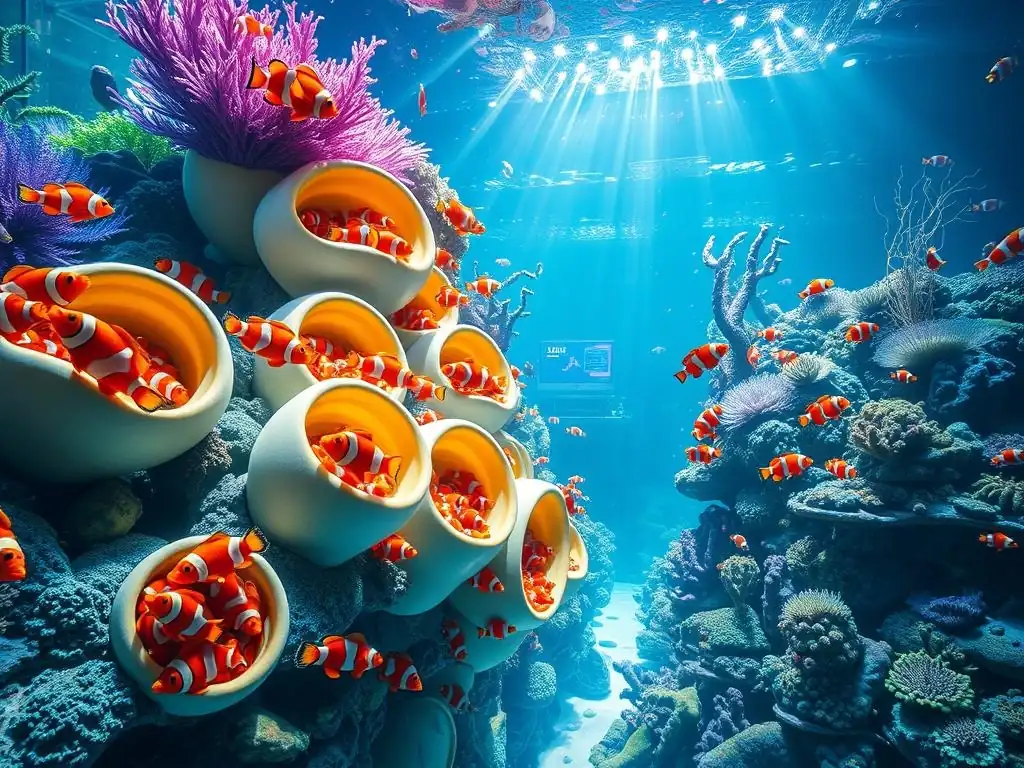
Ready to unlock the secrets to successful clownfish breeding? Dive into our comprehensive guide, "Advanced Techniques in Clownfish Aquaculture: Elevating Your Breeding Game," and discover expert insights on everything from selecting the perfect pair to mastering the nuances of larval rearing. Curious about the hidden triggers that lead to spawning and the crucial elements of clownfish breeding care tips? Let's embark on this rewarding journey together and transform your aquarium into a thriving nursery!
- Understanding the Foundations of Successful Clownfish Breeding
- Advanced Clownfish Breeding Care Tips and Strategies
- Addressing Common Challenges in Clownfish Breeding
- Advanced Genetic Considerations for Clownfish Aquaculture
- Automation and Technology in Clownfish Breeding
- The Future of Clownfish Aquaculture: Sustainability and Innovation
-
Frequently Asked Questions
- How challenging is it to breed clownfish at home?
- What are the most important factors to consider when selecting a breeding pair?
- What specific water parameters are crucial for successful clownfish breeding?
- What do clownfish larvae eat, and how often should they be fed?
- What are some common problems encountered during clownfish breeding, and how can they be addressed?
- Final Reflection: Cultivating the Future of Clownfish
- Ignite Your Clownfish Empire!
Understanding the Foundations of Successful Clownfish Breeding
Optimizing Water Quality for Clownfish Breeding Success
Achieving consistent clownfish spawning and high larval survival rates hinges critically on maintaining pristine and stable water parameters. For optimal reproductive health, broodstock clownfish thrive in conditions mirroring their natural reef environment. This includes a stable salinity of 1.025-1.026 specific gravity, a consistent temperature range of 78-82°F (25.5-27.8°C), and a pH level between 8.1 and 8.4. Furthermore, adequate alkalinity (8-12 dKH), calcium (400-450 ppm), and magnesium (1200-1350 ppm) are vital for egg development and overall fish vigor, directly impacting the quality of the clutch.
Beyond these core parameters, advanced clownfish breeding care tips emphasize the meticulous control of nitrates, nitrites, and ammonia, which should be kept at undetectable levels. This often necessitates robust filtration systems, including high-capacity protein skimmers, sumps with refugiums, and regular, consistent water changes. Many successful breeders perform 10-20% water changes weekly, sometimes even more frequently during active spawning cycles, to replenish trace elements and remove accumulating waste products that can inhibit spawning or compromise egg viability.
Selecting Healthy Clownfish Breeding Pairs: Genetics and Compatibility
The foundation of successful clownfish aquaculture begins with the careful selection of a healthy, compatible breeding pair. Mature clownfish, typically reaching sexual maturity between 1.5 to 2 years of age, are ideal candidates. The female should be noticeably larger than the male, a common characteristic in clownfish as they are protandrous hermaphrodites, meaning the largest fish in a group will become the female. It's crucial to observe their behavior for signs of compatibility, such as peaceful cohabitation, synchronized swimming, and mutual grooming, rather than aggressive or territorial displays.
Sourcing healthy fish is paramount; tank-bred clownfish are often preferred over wild-caught specimens due to their adaptability to aquarium life and lower risk of introducing parasites or diseases. When acquiring new potential breeders, a strict quarantine period of at least 4-6 weeks is an essential clownfish breeding care tip. During this time, observe them closely for any signs of illness like fin rot, unusual spots, or labored breathing, and ensure they are actively feeding on a varied, high-quality diet before introducing them to the main breeding system.
Creating the Ideal Clownfish Breeding Tank Environment
The dedicated breeding tank for clownfish should be designed to encourage spawning and facilitate easy collection of eggs or larvae. While a single pair can thrive in a 20-40 gallon aquarium, larger tanks (e.g., 50-75 gallons) can provide more stability and reduce aggression, especially if housing multiple pairs or introducing new individuals. The tank setup should be minimalistic yet functional, focusing on providing a suitable spawning surface.
Common spawning surfaces include terracotta pots, flat pieces of slate, PVC pipes, or even the base of a specific live rock. While clownfish are famously symbiotic with anemones, many breeders opt for artificial surrogates or bare spawning surfaces, as anemones can complicate egg collection and may even consume eggs. Moderate water flow is beneficial around the spawning site to ensure proper oxygenation of the eggs, and a consistent lighting cycle of 12-14 hours on is important to regulate their natural breeding rhythms, forming part of crucial clownfish breeding care tips for environmental control.
Advanced Clownfish Breeding Care Tips and Strategies
Enhancing Clownfish Egg Production Through Diet and Supplementation
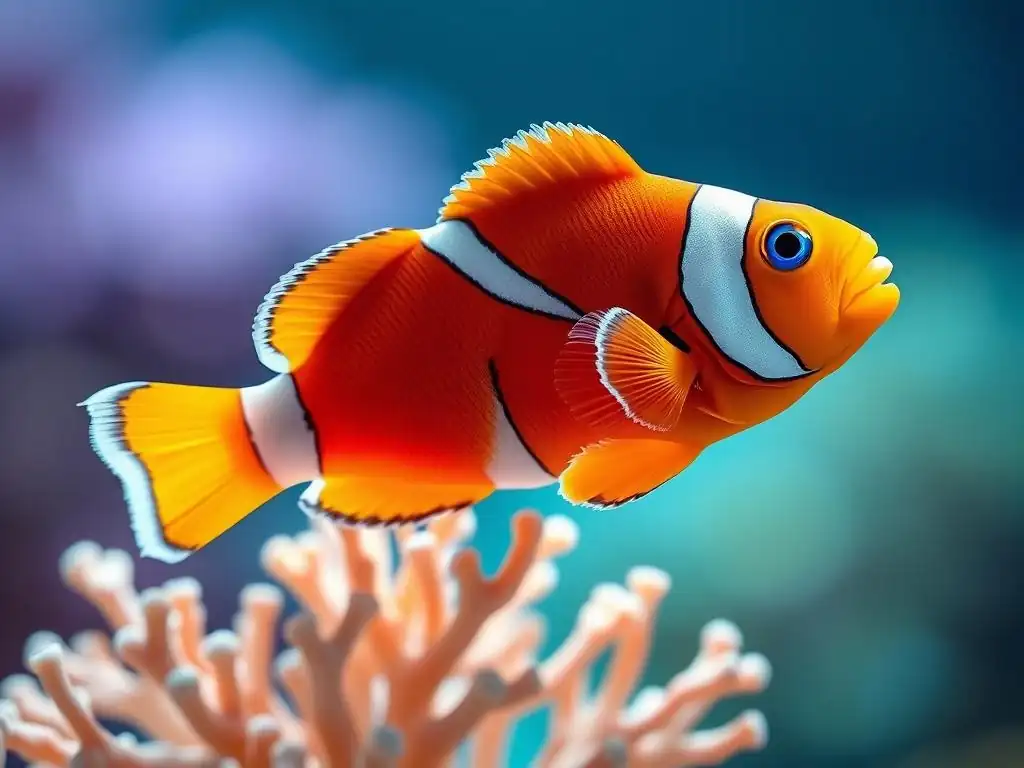
Optimizing the diet of your clownfish broodstock is a cornerstone of advanced clownfish breeding care tips, directly influencing egg quality, quantity, and hatching success. A diverse and nutrient-rich diet stimulates prolific spawning. High-quality frozen foods like Mysis shrimp, enriched brine shrimp, and various marine preparations should form the bulk of their intake, offered 2-3 times daily. These foods provide essential proteins and lipids necessary for gamete development.
Utilizing Live Foods to Maximize Clownfish Breeding Potential
Incorporating live foods into the broodstock diet significantly boosts reproductive output. Live Mysis shrimp, copepods (e.g., Tisbe, Tigriopus), and even small feeder shrimp (for larger species like Maroon clownfish) provide superior nutritional profiles, including highly unsaturated fatty acids (HUFAs) and beneficial enzymes, which are often diminished in frozen foods. Many breeders report increased spawning frequency and larger, healthier egg clutches when live foods are offered several times a week. For instance, some operations observe a 20-30% increase in egg viability when live, HUFA-enriched foods are consistently provided.
The Role of Vitamins and Minerals in Clownfish Reproduction
Specific vitamin and mineral supplementation is crucial for robust clownfish reproduction. Vitamins C and E are potent antioxidants that support cellular health and gamete integrity, while Vitamin A is vital for vision and epithelial tissue development. Minerals like iodine and selenium play roles in metabolic processes and overall fish vigor. These can be delivered through vitamin-enriched frozen foods, or by gut-loading live foods with nutrient-dense phytoplankton or commercial enrichment products. For example, ensuring adequate iodine levels (often depleted in closed systems) can improve egg membrane strength and larval development, contributing significantly to comprehensive clownfish breeding care tips.
Advanced Techniques for Clownfish Egg Incubation and Hatching
Once clownfish eggs are laid, their proper incubation and hatching management are critical for maximizing larval yield. While parent clownfish typically tend to their eggs diligently, advanced aquaculture often employs artificial incubation methods to increase control and success rates, making this a key area for advanced clownfish breeding care tips.
Implementing Artificial Incubation Systems for Clownfish Eggs
Artificial incubation systems offer several advantages, including protecting eggs from potential predation by parents, allowing for precise environmental control, and facilitating easier collection of newly hatched larvae. A common method involves carefully removing the egg clutch (if laid on a removable surface like a terracotta pot) and placing it in a small, dedicated hatching container within the main system or a separate tank.
A gentle airstone positioned near the eggs provides consistent oxygenation and mild water flow, mimicking the fanning action of the parent fish. This technique can often increase hatch rates from a typical 70-80% with parental care to over 90% in controlled environments.
Optimizing Water Parameters During Clownfish Egg Development
Maintaining stable and optimal water parameters within the hatching container is paramount. The salinity, temperature, and pH should precisely match those of the main breeding tank, minimizing stress on the developing embryos. Slightly elevated temperatures, typically around 80-82°F (26.7-27.8°C), can accelerate development, leading to hatching in 7-9 days post-spawn, compared to 8-10 days at lower temperatures.
Ensuring high dissolved oxygen levels is also critical; inadequate oxygen can lead to underdeveloped or non-viable larvae. Regular, small water changes in the hatching container, using water from the main breeding system, help maintain pristine conditions and prevent the buildup of metabolic waste products.
Larval Rearing: The Most Critical Stage of Clownfish Aquaculture
The larval rearing phase is arguably the most challenging and critical stage in clownfish aquaculture, demanding meticulous attention to detail and precise environmental control. Success during this period, typically lasting 10-14 days until metamorphosis, largely determines the overall yield of juvenile clownfish.
Culturing and Feeding Rotifers: The Cornerstone of Clownfish Larval Food
Newly hatched clownfish larvae are extremely small, measuring just 3-4 mm, and require live, microscopic food. Rotifers ( Brachionus plicatilis or Brachionus rotundiformis) are the primary food source for the first 5-7 days post-hatch due to their appropriate size and slow swimming speed.
It is essential to culture rotifers continuously and enrich them with highly unsaturated fatty acids (HUFAs) using phytoplankton (e.g., Nannochloropsis oculata, Tetraselmis chuii) or commercial enrichment products for at least 6-12 hours before feeding. Larval tanks typically require a density of 5-10 rotifers per milliliter, replenished continuously to ensure a constant food supply, a non-negotiable clownfish breeding care tip.
Introducing Copepods and Other Live Feeds for Larval Growth
As clownfish larvae grow, their dietary needs evolve. Around day 5-7 post-hatch, copepods (such as Tisbe or Tigriopus species) should be introduced. Copepods offer a superior nutritional profile, including a wider range of HUFAs and a more complex protein structure, which can significantly improve larval survival rates and reduce deformities. Their jerky swimming motion also elicits a stronger feeding response from the developing larvae. Shortly after, around day 7-10, newly hatched Artemia nauplii (brine shrimp) can be gradually introduced as a transitional food, leading to more rapid growth and preparing larvae for dry foods.
Maintaining Water Quality in Larval Rearing Tanks: Preventing Disease
Maintaining impeccable water quality in larval rearing tanks is paramount to prevent disease outbreaks and ensure high survival rates. These tanks are typically small (5-20 gallons) and densely populated with larvae and live food, making them susceptible to rapid water degradation. Daily, small water changes (10-20% or more) are crucial to remove waste and replenish trace elements.
Gentle, air-driven sponge filters are often used to provide biological filtration without harming the delicate larvae. Additionally, maintaining stable temperature (78-80°F or 25.5-26.7°C) and salinity (1.025 SG) is vital. Many breeders also employ a "greenwater" technique by adding small amounts of live phytoplankton to the larval tank, which not only feeds the rotifers but also helps to stabilize water quality and reduce bacterial proliferation.
Addressing Common Challenges in Clownfish Breeding
Identifying and Treating Clownfish Diseases Affecting Breeding
Disease can severely impact the success of a clownfish breeding program, often leading to reduced spawning, poor egg quality, or complete cessation of breeding activity. Common diseases affecting clownfish include marine Ich ( Cryptocaryon irritans), Brooklynella ( Brooklynella hostilis), and various bacterial infections (e.g., Vibrio species). Identifying these early through careful observation—looking for signs like white spots, cloudy eyes, rapid breathing, or lethargy—is crucial.
Prevention is the best approach, emphasizing strict quarantine protocols for all new fish, maintaining excellent water quality, and providing a highly nutritious diet to boost the immune system. If broodstock become ill, they should ideally be treated in a separate hospital tank to avoid exposing the main breeding system to medications, which can harm beneficial bacteria or impact future egg viability. For example, a severe Brooklynella outbreak can halt spawning for weeks, demonstrating the critical nature of proactive clownfish breeding care tips related to health.
Preventing Cannibalism in Clownfish Larvae
Cannibalism among clownfish larvae is a significant challenge that can drastically reduce survival rates. It typically occurs when larvae are underfed, overcrowded, or exhibit highly disparate growth rates. Larger, more robust larvae may prey on smaller, weaker siblings, especially during the critical first week post-hatch.
To prevent this, a consistent and abundant supply of appropriately sized live food (rotifers, then copepods) is essential; larvae should always have food available. Maintaining a suitable stocking density (e.g., 1-2 larvae per liter initially) and grading larvae by size every few days can also help. Moving larger larvae to separate rearing tanks ensures that smaller ones have a better chance to compete for food, thereby minimizing losses due to cannibalism and maximizing the yield from your clownfish breeding efforts.
Overcoming Infertile Eggs and Low Hatch Rates
Infertile eggs and low hatch rates are frustrating but common issues in clownfish breeding. Several factors can contribute to these problems, including poor water quality, nutritional deficiencies in the broodstock, immaturity or advanced age of the breeding pair, male infertility, or environmental stressors. Infertile eggs often appear opaque or white, failing to develop the characteristic clear, amber color of viable eggs.
Troubleshooting involves a systematic review of all clownfish breeding care tips. First, rigorously test all water parameters (salinity, temperature, pH, alkalinity, nitrates) to ensure they are stable and optimal. Next, re-evaluate the broodstock's diet, ensuring they receive a diverse array of high-quality frozen and live foods, potentially increasing supplementation of vitamins and HUFAs.
If the pair is young, they may simply need more time to mature. In some cases, swapping out the male or introducing a new pair may be necessary if genetic or specific infertility issues are suspected. Consistent spawning without good hatch rates often points to male infertility or nutritional deficiencies.
Advanced Genetic Considerations for Clownfish Aquaculture
Understanding Genetic Variations in Clownfish
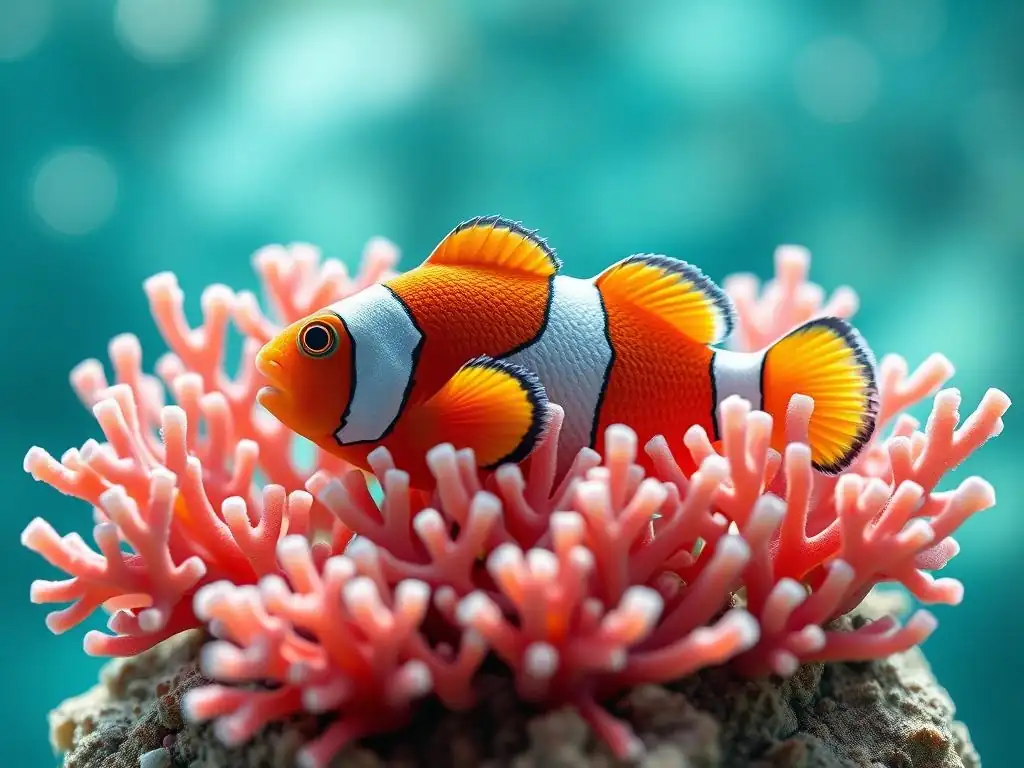
Clownfish exhibit a fascinating array of genetic variations, both naturally occurring within wild populations and through selective breeding efforts in aquaculture. Beyond the common Ocellaris and Percula species, breeders work with Maroon, Tomato, Clarkii, and various other Amphiprion species, each with distinct genetic predispositions for size, color intensity, and pattern. Even within a single species like the Ocellaris, subtle genetic differences can lead to variations in the extent of black outlining on white stripes or the vibrancy of orange coloration. Understanding these inherent genetic traits is the first step in advanced clownfish breeding care tips focused on improving stock.
Selective Breeding for Desirable Traits in Clownfish
Selective breeding is a cornerstone of advanced clownfish aquaculture, allowing breeders to enhance specific desirable traits. The most prominent example is the development of "designer" clownfish strains such as Picasso, Snowflake, Phantom, and Black Ice Ocellaris. These strains are created by carefully selecting individuals that exhibit unique or exaggerated patterns (e.g., increased white patterning, unusual stripe configurations) and breeding them together over multiple generations.
For instance, a Picasso clownfish with its unique white patterns is the result of breeding individuals with a "misbarring" genetic mutation. Breeders meticulously track offspring, selecting only those that display the desired traits most strongly, and continue this process to "fix" the trait within a lineage, significantly increasing their market value.
Avoiding Inbreeding and Maintaining Genetic Diversity
While selective breeding is powerful, it carries the inherent risk of inbreeding, which can lead to reduced genetic diversity within a captive population. Inbreeding depression can manifest as decreased vigor, increased susceptibility to disease, lower fertility rates, and even physical deformities in offspring. To counteract this, a vital clownfish breeding care tip is to maintain meticulous breeding records, tracking the lineage of each pair and their offspring.
Periodically, introducing new bloodlines from unrelated sources (e.g., acquiring new broodstock from different breeders or even wild-caught if ethically sourced) is crucial. Maintaining multiple breeding pairs from diverse genetic backgrounds also helps preserve a broader genetic pool, ensuring the long-term health and viability of your clownfish aquaculture program.
Automation and Technology in Clownfish Breeding
Utilizing Automated Water Change Systems for Clownfish
Automated water change systems are a significant advancement in modern clownfish aquaculture, transforming a labor-intensive chore into a precise, consistent operation. These systems, often employing peristaltic pumps or gravity-fed setups, allow for small, frequent water changes (e.g., 5% daily or 10% every other day) rather than larger weekly changes.
This consistency minimizes stress on breeding pairs by maintaining ultra-stable water parameters, including salinity, temperature, and nutrient levels. For example, a system performing a 5% daily water change in a 100-gallon broodstock tank would exchange 5 gallons, ensuring fresh trace elements and reduced waste buildup without fluctuating parameters, a key component of advanced clownfish breeding care tips for stability.
Implementing Monitoring Systems for Key Water Parameters
Advanced monitoring systems, such as aquarium controllers (e.g., Neptune Apex, GHL Profilux), are indispensable tools for serious clownfish breeders. These devices continuously monitor critical water parameters like pH, temperature, salinity (specific gravity or conductivity), and ORP (Oxidation-Reduction Potential) in real-time. They can log data, provide historical trends, and, crucially, send alerts via email or text message if parameters deviate from the desired range. This immediate notification allows breeders to address issues like heater malfunctions or skimmer overflows before they negatively impact the breeding pair or egg clutches, thereby safeguarding the success of their clownfish breeding care tips.
Advanced Lighting Techniques for Clownfish Larval Development
Lighting plays a more nuanced role in clownfish aquaculture than often perceived, especially during larval development. Beyond a simple on/off cycle, advanced lighting techniques can influence larval feeding, growth rates, and metamorphosis. Specific light spectrums, particularly those rich in blue wavelengths, have been shown to enhance the feeding response of newly hatched larvae by making their microscopic food (rotifers) more visible.
Furthermore, controlled photoperiods and gradual dimming/brightening cycles can mimic natural light transitions, reducing stress and potentially improving survival rates. Some studies suggest that specific light intensities and durations can influence the timing and success of metamorphosis, contributing to the overall efficacy of clownfish breeding care tips.
The Future of Clownfish Aquaculture: Sustainability and Innovation
Sustainable Practices in Clownfish Breeding
The future of clownfish aquaculture is deeply intertwined with sustainable practices, moving away from reliance on wild-caught specimens and promoting environmentally responsible breeding. This involves minimizing the ecological footprint of aquaculture operations, such as optimizing water usage through recirculation systems (RAS) that conserve water by filtering and reusing it, and reducing energy consumption through efficient lighting and heating.
Ethical sourcing of initial broodstock, ensuring they are not taken from vulnerable wild populations, is also paramount. By producing tank-bred clownfish, the industry directly reduces pressure on wild reefs, contributing to the conservation of marine biodiversity and embodying responsible clownfish breeding care tips.
Innovations in Clownfish Feed and Larval Rearing
Innovation in clownfish feed and larval rearing techniques is continuously evolving, aiming to increase efficiency and reduce costs. The development of high-quality, micro-encapsulated dry diets for clownfish larvae is a major breakthrough, potentially reducing the heavy reliance on labor-intensive live food cultures (rotifers, copepods) in the future. These artificial feeds are designed to provide complete nutrition, mimicking the benefits of live prey.
Furthermore, advancements in probiotics and prebiotics for larval tanks are showing promise in enhancing gut health, improving disease resistance, and leading to higher survival rates. Automated feeding systems that deliver precise amounts of feed at specific intervals are also becoming more commonplace, further streamlining advanced clownfish breeding care tips.
Market Analysis of Designer Clownfish Strains
The market for designer clownfish strains continues to be a significant driver of innovation and profitability in clownfish aquaculture. Strains like the "Black Storm" or "Lightning Maroon" can command premium prices, often ranging from $100 to over $500 per fish, depending on their grade and rarity. This strong demand encourages breeders to invest in advanced clownfish breeding care tips, genetic selection, and specialized rearing techniques to consistently produce high-quality, visually striking specimens.
Market trends indicate a growing consumer preference for unique patterns and vibrant colors, pushing the boundaries of selective breeding and driving the continuous search for new and exciting genetic variations. This niche market not only offers economic incentives but also highlights the artistic and scientific aspects of modern clownfish aquaculture.
Frequently Asked Questions
How challenging is it to breed clownfish at home?
Breeding clownfish can be challenging but rewarding. It requires a good understanding of their needs and a dedicated setup with specific water parameters and a suitable breeding pair.
What are the most important factors to consider when selecting a breeding pair?
Select a healthy and compatible pair that shows signs of bonding. Observe their behavior and look for individuals with vibrant colors and no visible signs of disease.
What specific water parameters are crucial for successful clownfish breeding?
Maintaining stable and optimal water quality is paramount. Key parameters include temperature (around 80°F), salinity (1.025 SG), and a low nitrate level to encourage spawning.
What do clownfish larvae eat, and how often should they be fed?
Clownfish larvae require small live foods like rotifers and copepods in the early stages. They need to be fed multiple times a day to ensure proper growth and survival.
What are some common problems encountered during clownfish breeding, and how can they be addressed?
Common issues include fungal infections in eggs and cannibalism among larvae. Address these through proper hygiene, water changes, and providing adequate hiding places and food.
Final Reflection: Cultivating the Future of Clownfish
The journey from novice hobbyist to skilled aquaculturist is paved with dedication, observation, and a relentless pursuit of knowledge. As we've explored the advanced techniques in clownfish breeding, it's clear that sustainable aquaculture practices are not just a trend, but a necessity for preserving our coral reefs and ensuring the future availability of these captivating creatures. The knowledge shared here empowers breeders to not only enhance their success rates but also contribute to a more responsible and ethical approach to the aquarium trade.
This intricate dance between science and passion has profoundly shaped the way we interact with the underwater world. The ability to successfully breed clownfish in captivity allows us to appreciate their beauty without contributing to the depletion of wild populations. It's a responsibility we embrace, understanding that our actions today directly impact the health of our oceans tomorrow. In the end, we will conserve only what we love; we will love only what we understand; and we will understand only what we are taught.
- Baba Dioum's words resonate deeply, reminding us of the power of education and responsible stewardship.
Now, armed with these advanced clownfish breeding care tips, I invite you to reflect on your own role in this delicate ecosystem. Consider how you can implement these techniques to elevate your breeding game and, more importantly, contribute to a more sustainable future for clownfish and the vibrant coral reefs they call home. Embrace the challenge, share your knowledge, and let's collectively cultivate a brighter future for these enchanting inhabitants of our oceans.
Ignite Your Clownfish Empire!
Thank you for diving into the world of advanced clownfish breeding! Now that you’re equipped with these techniques, it's time to turn knowledge into action and elevate your aquaculture game.
Here’s how you can start:
- Implement at least one of the advanced feeding strategies outlined today. Observe the impact on your fry survival rates!
- Share your newfound knowledge! Discuss these advanced techniques with fellow aquarists on forums or social media. Collaboration strengthens the hobby.
- Experiment with creating a unique clownfish hybrid. Document your process and share your findings.
Ready to push the boundaries of clownfish breeding and discover the full potential of your aquarium?