
Target Aggression in Cichlid Tanks: What It Is and How to Stop It

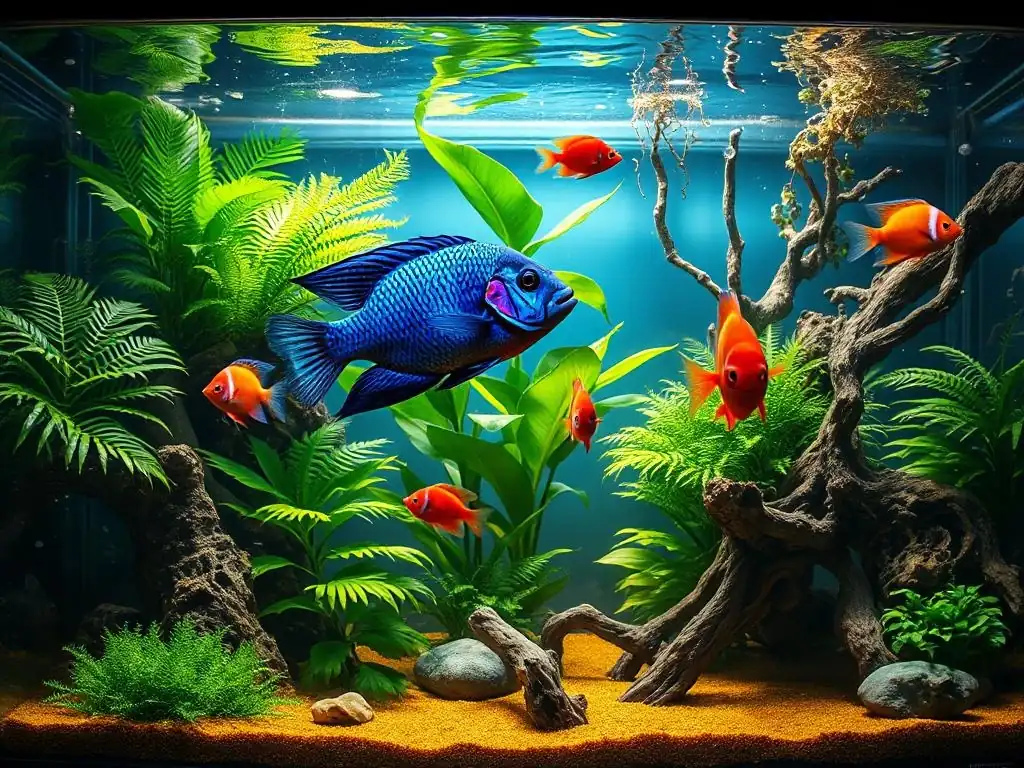
Welcome to Aquarium Mastery!
Dive into the complex world of Cichlids with us. Ever wondered why your beautiful Cichlids are suddenly at each other's throats? This article unveils essential Cichlid aggression control tips that can transform your freshwater tank from a battleground to a peaceful underwater haven. Ready to restore harmony? Let's explore!
- Managing Aggression in Mbuna Cichlid Tanks
- Understanding Mbuna Aggression in the Aquarium
- Mbuna Aggression Control Tips: Proven Strategies for a Peaceful Tank
- Selecting Compatible Mbuna Species and Tank Mates
- Advanced Techniques for Managing Mbuna Aggression
- Recognizing and Treating Injuries from Mbuna Fights
- Long-Term Mbuna Aggression Prevention Strategies
- The Importance of Observation in Mbuna Keeping
- Conclusion: Achieving a Balanced and Thriving Mbuna Aquarium
-
Frequently Asked Questions
- How can I identify aggression in my Cichlid tank?
- What tank size is recommended to minimize Cichlid aggression?
- What are some effective methods for aquascaping to reduce aggression?
- How does the addition of dithers help to reduce Cichlid aggression?
- What water parameters are essential for maintaining a peaceful Cichlid tank?
- Final Reflection: Harmony in the Aquarium
- Unleash Harmony: Create a Peaceful Cichlid Paradise!
Managing Aggression in Mbuna Cichlid Tanks
Understanding Mbuna Aggression in the Aquarium
Why Are My Mbuna Fighting? Common Causes of Aggression
Mbuna cichlids, native to the rocky shores of Lake Malawi, are inherently territorial and known for their aggressive tendencies. This behavior stems from their natural instinct to defend prime feeding grounds and breeding sites. In the confined space of an aquarium, this territoriality often escalates due to limited resources, insufficient hiding spots, and the constant proximity of rivals. Dominance hierarchies are quickly established, with stronger males asserting their control over specific areas, leading to frequent skirmishes.
Beyond natural territoriality, several environmental and social factors contribute to heightened aggression in Mbuna tanks. Poor water quality, such as elevated nitrates or unstable pH levels, can induce stress, making fish more irritable and prone to aggression. Inappropriate diet, particularly one too high in protein for these largely herbivorous fish, can also negatively impact their behavior and health. Furthermore, imbalanced sex ratios (too many males) or the introduction of incompatible species can significantly increase the frequency and intensity of aggressive encounters, as males compete fiercely for mates and dominance.
Identifying Target Fish in Mbuna Tanks
Identifying a target fish in an Mbuna aquarium is crucial for intervention, as consistent bullying can lead to severe stress, illness, and even death. A targeted fish will often exhibit clear signs of distress and physical harm: torn or frayed fins (especially the caudal and dorsal fins), missing scales, and body scrapes are common physical indicators. Behaviorally, the targeted individual will frequently hide, often clamped in a corner or behind decor, appearing withdrawn and refusing to come out even during feeding times.
The dominant aggressor will relentlessly pursue and nip at the target, preventing it from accessing food, prime territories, or even resting spots. This constant harassment leads to severe stress, which compromises the target fish's immune system, making it highly susceptible to diseases like fin rot, fungal infections, or Ich. If not addressed, the sustained bullying will eventually lead to the death of the targeted fish, often from starvation, exhaustion, or secondary infections.
The Impact of Aggression on Mbuna Health and Tank Ecosystem
Aggression in an Mbuna tank has far-reaching consequences that extend beyond the immediate physical harm to individual fish. Physically, constant fighting results in torn fins, scale loss, and open wounds, which are prime entry points for bacterial, fungal, and parasitic infections. The chronic stress experienced by both the aggressors and the targeted fish weakens their immune systems, making them more vulnerable to common diseases such as Malawi Bloat, a potentially fatal digestive issue often linked to stress and diet.
On an ecosystem level, uncontrolled aggression disrupts the entire tank's balance. Subordinate fish, too stressed to eat, may starve, leading to nutrient imbalances if uneaten food decays. The constant high-stress environment can also affect breeding behaviors, suppress natural coloration, and generally reduce the overall vitality and lifespan of the entire fish population. A tank plagued by severe aggression is often an unhealthy and unstable environment, ultimately failing to thrive.
Mbuna Aggression Control Tips: Proven Strategies for a Peaceful Tank
Overstocking the Aquarium: A Mbuna Aggression Management Technique?
One widely discussed strategy for Mbuna aggression control tips is "controlled overstocking." The theory behind this technique is to dilute aggression by housing a larger number of fish than typically recommended for other species. By increasing the fish population, aggression is spread thinly among many individuals, preventing any single fish from becoming a constant target.
For example, in a 55-gallon tank, instead of the general rule of thumb of 1 inch of fish per gallon, one might house 10-15 adult Mbuna, aiming for approximately 1 Mbuna per 3-5 gallons. This higher density can reduce the intensity of individual territorial disputes.
However, this Mbuna aggression management technique comes with significant trade-offs. While it can diffuse aggression, it also drastically increases the bioload on the aquarium's filtration system. This necessitates robust filtration—often an oversized canister filter rated for a tank significantly larger than the actual volume—and more frequent, larger water changes, typically 30-50% weekly, to maintain pristine water quality and keep nitrates below 20 ppm. Without diligent maintenance, controlled overstocking can quickly lead to poor water parameters, increased stress, and outbreaks of disease.
Effective Tank Setup for Minimizing Mbuna Fights
Creating Visual Barriers and Territories with Rockwork
An effective tank setup is paramount among Mbuna aggression control tips. Mbuna cichlids are rock-dwellers by nature, and providing ample, well-structured rockwork is essential for minimizing aggression. The goal is to create numerous visual barriers, caves, and crevices that break lines of sight and allow fish to establish individual territories or escape from aggressive encounters.
Using various sizes of inert rocks like Texas holey rock, lava rock, or slate can create a complex landscape. For a 75-gallon tank, aiming for at least 20-30 pounds of rockwork arranged into multiple distinct piles or a large central structure with many swim-throughs can be effective.
These rock formations should extend from the substrate to near the water surface, offering vertical territories as well as horizontal ones. Providing more hiding spots than there are fish ensures that even the most subordinate individuals have a safe refuge. This structured environment not only reduces direct confrontations but also allows less dominant fish to feel secure, reducing their stress levels and contributing to a more peaceful overall tank dynamic.
Optimizing Water Parameters to Reduce Stress
Optimizing water parameters is a critical yet often overlooked aspect of Mbuna aggression control tips. Mbuna cichlids thrive in specific, stable water conditions that mimic their natural Lake Malawi habitat: hard, alkaline water with a high pH and warm temperatures. Ideal parameters include a pH range of 7.8 to 8.6, a general hardness (GH) of 10-20 dGH, and a carbonate hardness (KH) of 10-15 dKH. The water temperature should consistently be maintained between 78-82°F (25.5-27.8°C).
Fluctuations in these parameters, especially sudden drops in pH or spikes in ammonia and nitrite, cause significant stress to Mbuna, which in turn can exacerbate aggressive behaviors. Regular weekly water changes of 25-30% are essential to keep nitrates below 20 ppm and replenish essential minerals. Using appropriate buffering agents or crushed coral in the substrate can help maintain stable pH and hardness, creating a consistently comfortable environment that minimizes stress-induced aggression.
Diet and Feeding Strategies to Curb Aggression
The Role of Diet in Mbuna Behavior
The diet plays a significant role in Mbuna behavior and is a key component of effective Mbuna aggression control tips. Most Mbuna species are primarily herbivorous or omnivorous with a strong emphasis on vegetable matter, grazing on algae and bio-film in their natural habitat. Feeding them a diet too high in animal protein, such as excessive amounts of bloodworms or feeder fish, can lead to severe health issues like Malawi Bloat, and has also been observed to increase their aggressive tendencies.
A staple diet should consist of high-quality spirulina-based flakes or pellets. Brands like Hikari Cichlid Excel, New Life Spectrum Cichlid Formula, or NorthFin Veggie Formula are excellent choices, providing the necessary nutrients without excess protein. Occasional treats can include blanched zucchini, spinach, or shelled peas. Ensuring a species-appropriate diet not only promotes overall health but also helps to maintain more natural and less aggressive behaviors.
Feeding Frequency and Distribution
Beyond the type of food, feeding frequency and distribution are crucial strategies for curbing aggression in Mbuna tanks. Instead of feeding one large meal once a day, it is more beneficial to feed smaller amounts two to three times a day. This ensures that all fish, including the more timid or subordinate ones, have an opportunity to eat without being outcompeted by dominant individuals.
When feeding, distribute the food widely across the surface of the tank rather than concentrating it in one spot. This forces the fish to spread out to collect their food, preventing a single dominant fish from monopolizing the entire meal. This simple yet effective method reduces food-related aggression, ensuring that every fish receives adequate nutrition and reducing competition-driven stress within the hierarchy.
Selecting Compatible Mbuna Species and Tank Mates
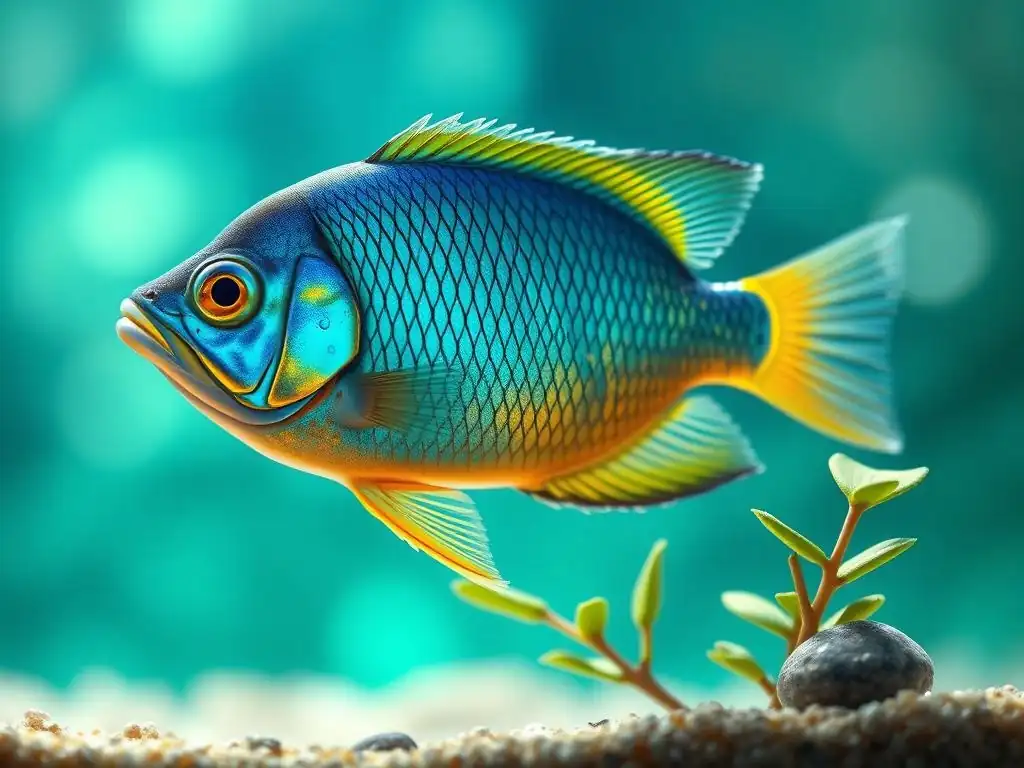
Mbuna Compatibility Chart: Choosing the Right Mix
Selecting compatible Mbuna species is arguably the most critical of all Mbuna aggression control tips. Not all Mbuna are equally aggressive, and mixing highly aggressive species with more docile ones is a recipe for disaster. It is essential to research the typical adult size, temperament, and dietary needs of each species before purchase. For instance, Pseudotropheus demasoni are notoriously feisty for their small size, while Labidochromis caeruleus (Electric Yellow Cichlid) are generally considered one of the milder Mbuna.
A general rule is to avoid mixing species that look too similar (to prevent hybridization and inter-species aggression) and to stick to species with similar aggression levels. For most Mbuna setups, maintaining a single male per species is highly recommended unless the tank is exceptionally large (e.g., 125 gallons or more) and can accommodate multiple distinct territories. Aiming for a male-to-female ratio of 1 male to 3-4 females per species, if possible, can also help dilute male aggression by spreading their attention.
Introducing New Fish: Acclimation Techniques to Minimize Aggression
The introduction of new fish into an established Mbuna tank is a delicate process that can trigger significant aggression if not handled correctly. Proper acclimation techniques are vital to minimize stress for the newcomers and reduce territorial disputes with existing residents. Begin by drip acclimating new fish over a period of 30-60 minutes to slowly adjust them to the tank's water parameters, reducing the shock of being introduced.
When adding the new fish to the main tank, it is highly beneficial to do so with the tank lights off or significantly dimmed. This reduces immediate visual stress for the new arrivals and prevents the established fish from immediately noticing and challenging them.
Leaving the lights off for a few hours or even overnight allows the new fish to explore and find hiding spots without intense scrutiny. Additionally, slightly rearranging the tank decor just before introducing new fish can temporarily disrupt existing territories, causing the resident fish to focus on re-establishing their own claims rather than immediately harassing the newcomers.
Advanced Techniques for Managing Mbuna Aggression
Using Dither Fish to Redirect Aggression
For particularly active or aggressive Mbuna tanks, employing dither fish can be an advanced and effective Mbuna aggression control tip. Dither fish are typically peaceful, fast-moving, and robust species that swim openly in the water column. Their presence helps to make the dominant cichlids feel more secure, signaling that there are no immediate threats, and thus reducing their territorial anxieties and propensity for aggression towards their own kind.
Furthermore, dither fish can literally "dither" or redirect aggression. Instead of a dominant Mbuna constantly targeting a single subordinate, its aggressive energy might be dispersed by chasing the faster-moving dither fish, which are agile enough to escape harm. It is crucial that dither fish are not perceived as food, do not compete for territory or food resources with the Mbuna, and can tolerate similar water parameters.
Synodontis Catfish as Effective Dither Fish
Among the best choices for dither fish in Mbuna setups are certain species of Synodontis catfish, particularly those from Lake Tanganyika like Synodontis multipunctatus or Synodontis lucipinnis. These catfish are excellent because they are primarily nocturnal, occupy the bottom layer of the tank, and are generally peaceful with Mbuna. They also thrive in the hard, alkaline water conditions preferred by Mbuna, typically tolerating pH levels from 7.5 to 8.5 and temperatures around 78-82°F (25.5-27.8°C).
Synodontis species like S. lucipinnis (Dwarf Cuckoo Catfish) grow to a manageable size, often around 4-5 inches, and are robust enough to withstand the boisterous nature of Mbuna. Their presence can create a sense of security for the cichlids, reducing overall stress and potentially redirecting latent aggression. Additionally, their scavenging habits can contribute to tank cleanliness by consuming uneaten food, further aiding water quality.
Temporary Tank Dividers and Isolation
In severe cases of aggression, or during initial setup to allow weaker fish to acclimate, temporary tank dividers or isolation techniques can be crucial Mbuna aggression control tips. A clear tank divider, often made of egg crate material or acrylic, can be inserted into the tank to separate an overly aggressive fish from its tank mates, or to protect a severely targeted victim. This allows the bullied fish to recover without constant harassment, and the aggressor to "cool down" without the immediate presence of rivals.
Alternatively, removing an extremely aggressive fish to a separate "timeout" or hospital tank for a few days can sometimes reset the dominance hierarchy in the main tank. When reintroduced, the aggressive fish may be perceived as a newcomer, losing its established dominance and potentially leading to a more subdued re-entry. This method should be a last resort for persistent bullies, as it can be stressful for the fish involved.
Recognizing and Treating Injuries from Mbuna Fights
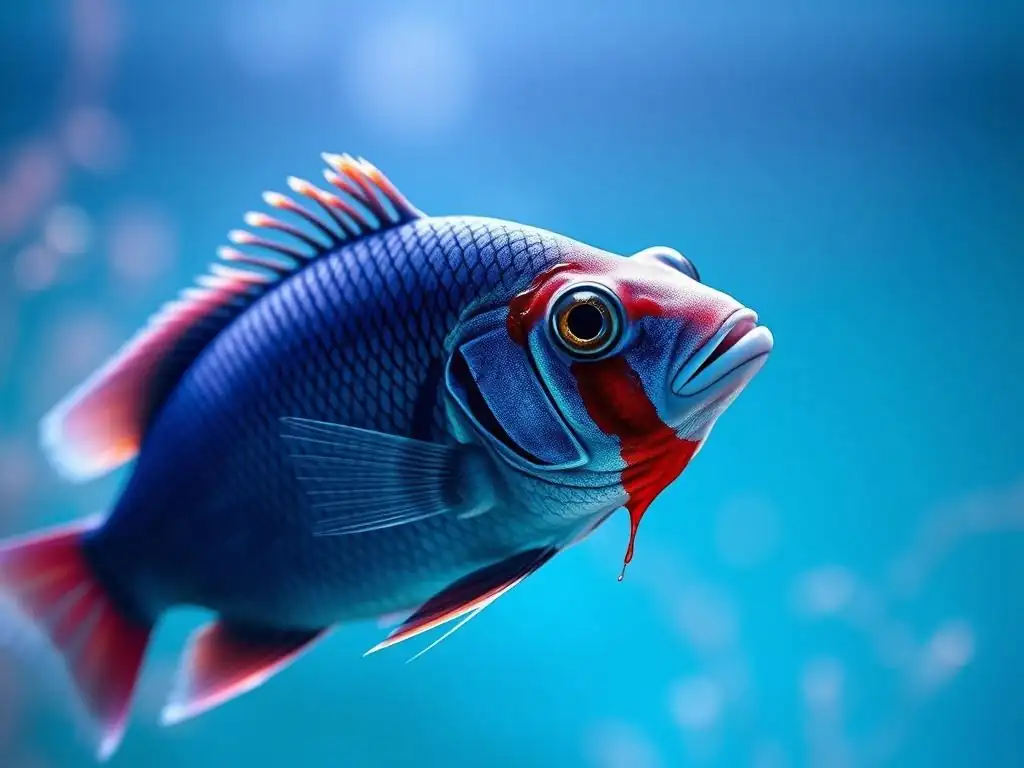
Identifying Signs of Injury and Illness
Prompt recognition of injuries and illness stemming from Mbuna fights is vital for the health and survival of your fish. The most obvious signs are physical: torn fins, especially the caudal (tail) and dorsal fins, missing scales, or open wounds and scrapes on the body. Beyond these, look for behavioral changes: a fish constantly hiding, refusing to eat, swimming erratically, or exhibiting clamped fins (held close to the body) are strong indicators of stress and potential injury.
Stress from constant aggression significantly weakens a fish's immune system, making it highly susceptible to opportunistic diseases. Watch for secondary infections such as fin rot (a bacterial infection causing fin deterioration), fungal infections (white, cotton-like growths), or ich (white spots on the body and fins). Cloudy eyes or a general dulling of coloration can also indicate a stressed or sick fish that requires immediate attention.
Quarantine and Treatment Options
Once an injured or severely bullied fish is identified, immediate action is necessary. The first step is to move the affected fish to a separate quarantine or hospital tank. This isolated environment provides a stress-free space for recovery, prevents further injury from tank mates, and allows for targeted treatment without affecting the main display tank's inhabitants or beneficial bacteria. A 10-20 gallon tank with a simple sponge filter and heater is usually sufficient.
For physical injuries and to prevent secondary infections, maintain pristine water quality in the quarantine tank through daily small water changes. Adding aquarium salt (e.g., 1 tablespoon per 5 gallons) can aid healing and reduce stress. If bacterial or fungal infections are present, administer appropriate medications following the manufacturer's instructions carefully. Products containing methylene blue or specific antibacterial/antifungal agents can be effective. Ensure the fish is eating before attempting reintroduction to the main tank, and only if the aggression issues there have been addressed.
Long-Term Mbuna Aggression Prevention Strategies
Regular Tank Maintenance and Monitoring
Consistent and thorough tank maintenance is a cornerstone of long-term Mbuna aggression prevention strategies. Pristine water quality directly correlates with reduced stress levels in fish, thereby minimizing aggression. This involves performing regular weekly water changes, typically 25-30% of the tank volume, to keep nitrate levels low (ideally below 20 ppm) and replenish essential minerals. Gravel vacuuming to remove uneaten food and waste, along with periodic cleaning of filter media, prevents the buildup of harmful substances.
Beyond physical maintenance, daily monitoring of your fish's behavior is paramount. Observe their interactions, feeding habits, and overall appearance. Early detection of escalating aggression, a new target fish, or the onset of illness allows for swift intervention before problems become severe. A consistent routine of care and vigilant observation is among the most effective Mbuna aggression control tips for a peaceful aquarium.
Adjusting Tank Decor and Layout Periodically
Periodically adjusting the tank decor and layout is an effective and often overlooked long-term Mbuna aggression prevention strategy. Mbuna are highly territorial, and once territories are established, dominant fish will aggressively defend them. By slightly rearranging the rockwork and other decor every few months, you can disrupt these established boundaries. This forces all fish to re-evaluate and re-establish their territories, often leading to a temporary reduction in aggression as dominant fish become preoccupied with finding new prime spots.
Minor changes, such as moving a few key rocks, adding a new cave, or shifting a large piece of driftwood, can be enough to achieve this reset. This simple "cichlid aggression control tip" can prevent a single fish from becoming overly dominant for extended periods and help diffuse long-term territorial disputes. It keeps the tank dynamic and prevents the formation of entrenched aggressive patterns.
The Importance of Observation in Mbuna Keeping
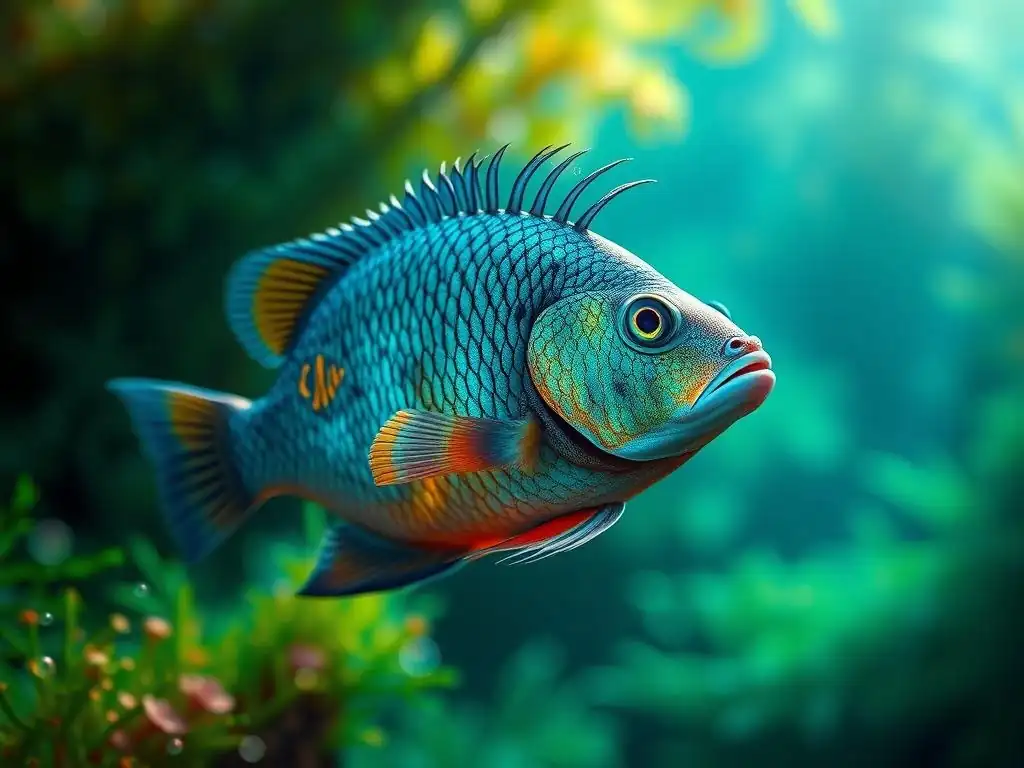
Monitoring Feeding Behavior to Detect Subordination
Observing feeding behavior is one of the most accurate and earliest indicators of subordination and bullying in an Mbuna tank. Healthy Mbuna are typically voracious eaters, enthusiastically darting for food as soon as it's introduced. If a particular fish consistently hesitates to come out during feeding times, gets pushed away from the food by others, or simply doesn't eat at all, it's a strong sign that it is being targeted and is experiencing significant stress.
A fish that is constantly stressed or bullied will often develop a poor appetite, leading to weight loss and a weakened immune system. By carefully watching how each fish interacts during feeding, you can identify which individuals are at the bottom of the pecking order and potentially at risk. This proactive approach allows for timely intervention, such as adjusting tank dynamics or temporarily isolating the aggressor, before severe health issues arise.
When to Intervene in Mbuna Fights
Understanding when to intervene in Mbuna fights is crucial, as some level of chasing and nipping is normal for these species as they establish and maintain their dominance hierarchies. Minor skirmishes, where fish briefly chase each other with no visible injury, are generally acceptable. However, intervention becomes necessary when aggression escalates beyond normal dominance displays and poses a serious threat to a fish's well-being.
Clear signs that demand immediate intervention include relentless pursuit of a single fish, leading to torn fins, missing scales, or open wounds. If a fish is constantly pinned in a corner, hiding excessively, refusing to eat for extended periods, or showing signs of extreme stress like faded colors or rapid breathing, it's time to act. This may involve removing the aggressor, relocating the target fish to a hospital tank, or making significant changes to the tank layout to alleviate the pressure.
Conclusion: Achieving a Balanced and Thriving Mbuna Aquarium
Managing aggression in Mbuna cichlid tanks is a multifaceted endeavor that combines careful planning, diligent maintenance, and keen observation. While Mbuna are inherently territorial and spirited, their aggressive tendencies can be effectively controlled through strategic tank setup, appropriate species selection, consistent water quality, and tailored feeding regimes. The key lies in understanding their natural behaviors and providing an environment that channels their instincts in a manageable way.
By implementing these comprehensive Mbuna aggression control tips—from providing ample rockwork and maintaining pristine water parameters to carefully selecting tank mates and observing fish behavior—aquarists can achieve a balanced and thriving Mbuna aquarium. The reward is a dynamic display of vibrant colors and fascinating behaviors, where these magnificent fish can flourish in a stable and healthy environment, providing endless enjoyment for the dedicated hobbyist.
Frequently Asked Questions
How can I identify aggression in my Cichlid tank?
Look for signs such as chasing, nipping fins, and mouth locking. These are all common indicators of aggressive behavior among Cichlids. Ignoring them can lead to injury or death.
What tank size is recommended to minimize Cichlid aggression?
Larger tanks are generally better. A bigger space provides more territory and reduces competition for resources. This allows the Cichlids to spread out and avoid constant conflict.
What are some effective methods for aquascaping to reduce aggression?
Creating visual barriers with rocks and plants can help break up the tank and establish separate territories. This helps to reduce line of sight and prevent constant confrontation.
How does the addition of dithers help to reduce Cichlid aggression?
Dithers are peaceful fish added to the tank to distract aggressive Cichlids. They provide movement and activity, diverting the Cichlid's attention away from other Cichlids.
What water parameters are essential for maintaining a peaceful Cichlid tank?
Maintaining stable and optimal water parameters is crucial. Poor water quality can stress Cichlids, making them more prone to aggression. Regularly test and adjust pH, ammonia, nitrites, and nitrates.
Final Reflection: Harmony in the Aquarium
The insights shared throughout this article regarding cichlid aggression are not merely theoretical; they are essential tools for creating thriving aquatic ecosystems in our homes. Understanding the nuances of cichlid behavior and implementing effective control strategies is more relevant than ever, as the popularity of these vibrant fish continues to grow, and with it, the potential for conflict within the confines of a tank.
The delicate balance of a cichlid tank mirrors the complexities of our own social structures, highlighting the importance of understanding and managing aggression. My own experiences with cichlids have taught me the profound responsibility we bear as custodians of these fascinating creatures, and the impact our choices have on their well-being. The greatness of a nation and its moral progress can be judged by the way its animals are treated.
- Mahatma Gandhi. This quote, though not specifically about fish, resonates deeply with the ethical considerations involved in responsible fishkeeping.
Now, armed with these cichlid aggression control tips, I urge you to reflect on your own aquarium practices. Are you providing ample space, diverse environments, and appropriate social structures for your cichlids? Take the initiative to implement these strategies, observe the changes, and continuously learn and adapt. By fostering a harmonious environment, you not only enhance the lives of your cichlids but also deepen your appreciation for the intricate beauty of the natural world.
Unleash Harmony: Create a Peaceful Cichlid Paradise!
Thanks for diving deep into the world of cichlid aggression. You've now got the knowledge to spot trouble and create a happier, healthier aquarium! Let's put that knowledge into action.
- Take immediate action by rearranging your tank decorations today! A fresh layout can disrupt established territories and curb aggression.
- Research and consider adding dither fish suitable for your specific cichlid species to diffuse aggression.
- Share your cichlid tank transformation tips in the comments below – what unexpected strategies have worked for you?