
Forming a Clownfish Pair: Tips for Successful Matchmaking & Peaceful Coexistence

Welcome to Aquarium Mastery!
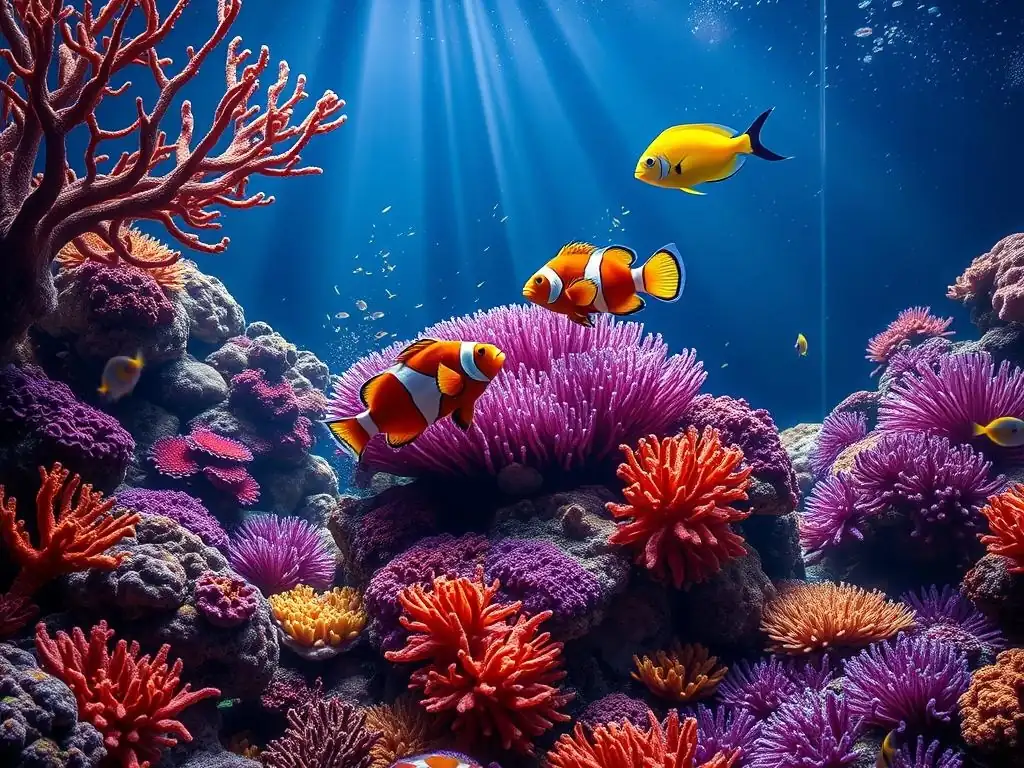
Ever wondered how to create the perfect Clownfish couple in your saltwater tank? It's more than just tossing two fish together! Dive into our comprehensive guide, " Forming a Clownfish Pair: Tips for Successful Matchmaking & Peaceful Coexistence," where we unlock the secrets to successful Clownfish pairing. Discover proven techniques, essential considerations, and expert advice to ensure a harmonious and thriving relationship in your aquarium. Are you ready to witness the beauty of a bonded pair? Let's get started!
- Pairing Ocellaris Clownfish: A Guide to Successful Bonding & Peaceful Coexistence
- Understanding Ocellaris Clownfish Pairing Behavior in Saltwater Aquariums
- Ocellaris Clownfish Pairing Tips for Your Saltwater Tank
- The Ocellaris Clownfish Introduction Process: A Step-by-Step Guide
- Creating an Ideal Environment for Ocellaris Clownfish Pair Bonding
- Addressing Potential Challenges in Ocellaris Clownfish Pairing
- Maintaining a Healthy and Harmonious Ocellaris Clownfish Pair
- Successful Ocellaris Clownfish Pairing and Potential Breeding
- Troubleshooting Common Ocellaris Clownfish Pairing Problems
-
Frequently Asked Questions
- How crucial is tank size for successful clownfish pairing?
- What are the key signs that clownfish are forming a pair?
- Should I introduce clownfish of different sizes for pairing?
- How long does it typically take for clownfish to form a pair in a saltwater tank?
- What should I do if the clownfish are displaying excessive aggression towards each other?
- Final Reflection: Harmony in the Reef
- Ignite Your Clownfish Adventure!
Pairing Ocellaris Clownfish: A Guide to Successful Bonding & Peaceful Coexistence
Understanding Ocellaris Clownfish Pairing Behavior in Saltwater Aquariums
The Natural Hierarchy of Ocellaris Clownfish in the Wild
In their natural habitat, Ocellaris clownfish (Amphiprion ocellaris) exhibit a fascinating social structure, typically residing in groups within a single anemone. This group is dominated by a large, reproductively active female, followed by a smaller, breeding male. Any other individuals present are usually smaller, non-breeding juveniles. This hierarchy is maintained through a process called protandrous hermaphroditism, where all clownfish are born male. The largest fish in the group will transition into a female, and the second largest will mature into a male, with smaller individuals remaining sexually undifferentiated.
Observations in the wild, particularly on coral reefs in the Indo-Pacific, show that a single anemone might host a dominant pair and up to 3-5 smaller, non-breeding Ocellaris clownfish. The size difference between the dominant female and the next largest male can be significant, often with the female being 1.5 to 2 times larger. This size disparity and the female's aggressive behavior prevent other males from maturing or challenging her dominance, ensuring a stable social order within their chosen host anemone.
The natural hierarchy of Ocellaris clownfish directly influences their pairing behavior in captive saltwater tanks. When introducing two Ocellaris clownfish, the larger of the two will almost invariably assert dominance and transition into the female role, while the smaller fish will become the submissive male. This natural inclination means that successful pairing often hinges on providing fish with a noticeable size difference from the outset.
If two Ocellaris clownfish of similar size are introduced, the process can be prolonged and highly aggressive. Both fish may attempt to establish dominance, leading to constant nipping, chasing, and fin damage, which can result in severe stress or even death. Therefore, for effective Clownfish pairing tips saltwater tank enthusiasts should always prioritize a clear size disparity to facilitate a quicker, less stressful, and ultimately more successful bond.
Ocellaris Clownfish Pairing Tips for Your Saltwater Tank
Choosing the Right Ocellaris Clownfish for Pairing Success
Selecting a Larger Ocellaris Clownfish
When embarking on the journey of Ocellaris clownfish pairing, the first crucial step is selecting a healthy, active specimen that will eventually assume the role of the female. This fish should be visibly larger than the prospective mate, ideally at least 1.5 to 2 times the size. Look for robust individuals with vibrant coloration, clear eyes, and intact fins, as these are indicators of good health and resilience. A healthy larger fish is better equipped to establish its dominance without resorting to excessive or lethal aggression.
The chosen larger Ocellaris clownfish will be the primary architect of the pair's social structure. Its ability to confidently assert its size and position will help the smaller fish recognize its submissive role, smoothing the pairing process considerably. This foundational choice is a critical Clownfish pairing tip saltwater tank aquarists should never overlook, as it sets the stage for a peaceful and lasting bond.
Introducing a Smaller, Submissive Ocellaris Clownfish
Following the selection of your larger Ocellaris clownfish, the next step is to choose a smaller, submissive partner. This fish should be distinctly smaller than the first, ideally half its size or even less, to ensure it readily adopts the male role without challenging the larger fish's dominance. When purchasing, observe the smaller clownfish for signs of stress, such as clamped fins, rapid breathing, or unusual swimming patterns, and ensure it appears healthy and energetic.
A significant size difference between the two Ocellaris clownfish dramatically increases the likelihood of a peaceful and rapid pairing. The smaller fish is naturally inclined to defer to the larger one, minimizing territorial disputes and aggressive encounters. This strategic selection is paramount among Clownfish pairing tips saltwater tank advice, as it prevents prolonged fighting and promotes a harmonious cohabitation from the very beginning.
Quarantine Procedures Before Ocellaris Clownfish Introduction
Importance of Quarantine for Healthy Pairing
Quarantine is an absolutely non-negotiable step before introducing any new fish, especially when attempting to pair Ocellaris clownfish or add them to an existing display tank. This critical procedure involves housing new fish in a separate, dedicated quarantine tank for a minimum of four to six weeks. The primary purpose is to prevent the introduction of diseases, parasites, or harmful bacteria that could decimate an entire established aquarium, potentially causing significant financial loss and emotional distress.
During the quarantine period, the new Ocellaris clownfish can de-stress from the rigors of transport and adapt to its new environment without the added pressure of an existing tank population or immediate pairing attempts. This isolation allows for close observation, enabling you to detect any signs of illness early and administer targeted treatments without affecting the delicate balance of your main display tank. This proactive approach is a fundamental Clownfish pairing tip saltwater tank experts always recommend for long-term success.
Observing for Signs of Brooklynella or Marine Ich
During the quarantine period, vigilant observation for common Ocellaris clownfish diseases like Brooklynella (Clownfish Disease) and Marine Ich (Cryptocaryon irritans) is essential. Brooklynella often manifests as rapid breathing, excessive white or grayish slime coat, and lethargy, sometimes accompanied by white patches or lesions on the body. It is highly contagious and can be fatal if not treated promptly, often requiring formalin dips or baths.
Marine Ich, on the other hand, is characterized by tiny white spots resembling grains of salt scattered across the fish's body and fins, along with flashing (rubbing against tank decor), rapid gill movement, and appetite loss. This common parasite can spread quickly throughout a tank. Quarantine provides the controlled environment necessary to treat these conditions effectively, perhaps with copper-based medications for Ich or specific antibiotics, ensuring that only healthy Ocellaris clownfish are introduced, safeguarding your existing inhabitants and laying the groundwork for successful Clownfish pairing tips saltwater tank endeavors.
The Ocellaris Clownfish Introduction Process: A Step-by-Step Guide
Acclimation Techniques for New Ocellaris Clownfish
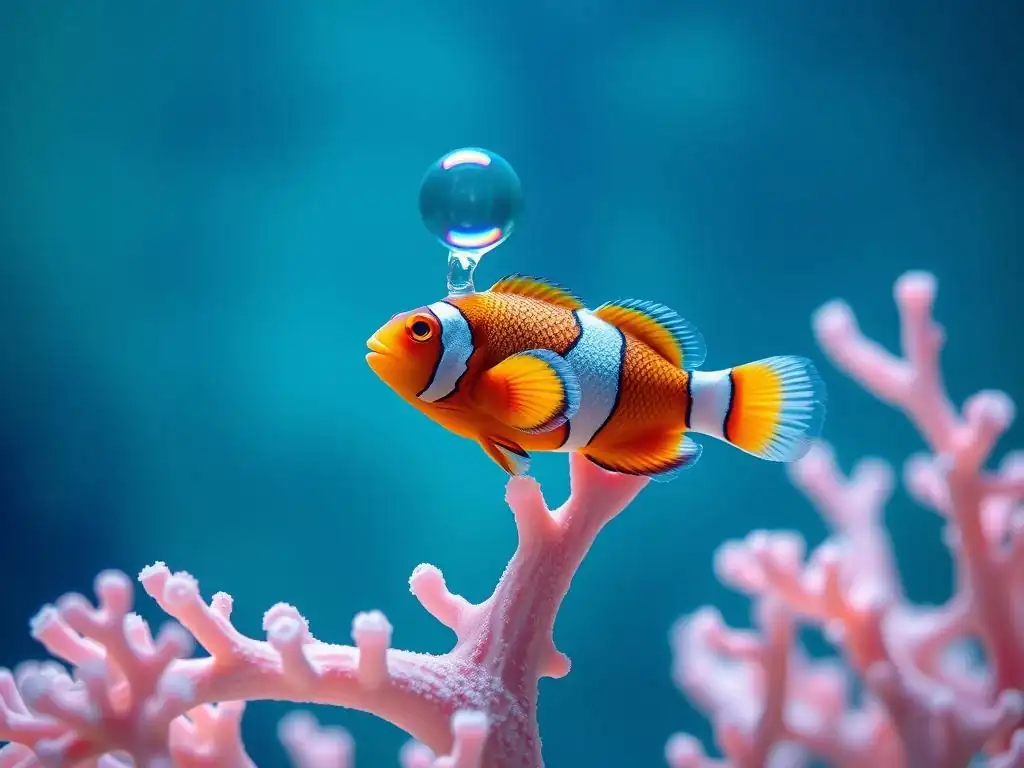
Proper acclimation is a crucial first step when introducing any new Ocellaris clownfish to your aquarium, especially when aiming for a successful pair. The goal is to gradually equalize the water parameters—temperature, pH, and salinity—between the transport bag and your aquarium water, minimizing shock and stress. A drip acclimation method is highly recommended for its gentle approach. This involves slowly dripping tank water into the bag over a period of 45 minutes to an hour, or until the water volume in the bag has tripled.
Once the acclimation is complete, carefully net the Ocellaris clownfish from the bag and gently release it into the aquarium. Avoid introducing the water from the transport bag into your display tank, as it may contain ammonia, nitrates, or pathogens. This meticulous acclimation process significantly reduces the physiological stress on the fish, making it more resilient and receptive to its new environment and, ultimately, more likely to bond successfully.
Using an Acclimation Box for Initial Introductions
Benefits of an Acclimation Box for Observation
For Ocellaris clownfish pairing, an acclimation box is an invaluable tool that significantly increases the chances of a peaceful introduction. This clear, perforated container, which floats or hangs inside the main display tank, allows the new, smaller clownfish to become accustomed to the tank's environment, water parameters, and the presence of the existing, larger clownfish without direct physical interaction. This visual-only introduction period can last from a few days to a week.
During this time, you can observe the behavior of both Ocellaris clownfish. The larger fish can see and get used to the presence of the smaller one, reducing the surprise element when direct contact occurs. Similarly, the smaller fish can observe the larger one's movements and temperament from a safe distance. This controlled environment reduces initial aggression and allows both fish to habituate to each other's presence, making it a top Clownfish pairing tip saltwater tank experts advocate for.
Minimizing Stress During Introduction
The use of an acclimation box dramatically minimizes stress for both the new and existing Ocellaris clownfish during the crucial initial introduction phase. For the smaller, new clownfish, the box provides a secure sanctuary where it can acclimate to the main tank's conditions without being immediately chased or nipped. This reduces the physiological stress response, which can weaken the fish and make it more susceptible to disease.
For the larger, established Ocellaris clownfish, the box allows it to investigate the newcomer without being able to inflict harm. This period of observation often satisfies its territorial instincts without escalating into full-blown aggression. Once the box is removed and direct interaction begins, both fish are generally more prepared for cohabitation, having already "met" in a controlled, low-stress manner. This methodical approach is fundamental for successful Clownfish pairing tips saltwater tank setups.
Monitoring Ocellaris Clownfish Behavior Post-Introduction
Recognizing Signs of Aggression or Compatibility
After the Ocellaris clownfish are introduced directly into the main tank, continuous and diligent monitoring of their behavior is paramount. Signs of compatibility include gentle nudging, 'quivering' (a submissive display where the smaller fish vibrates its body), and eventually, swimming together or sharing a territory, especially an anemone if present. These behaviors indicate a successful bond forming.
Conversely, clear signs of aggression include prolonged chasing, nipping at fins, head-shaking, or the larger fish pinning the smaller one against the glass or rockwork. While some initial skirmishes are common as the hierarchy is established, excessive or relentless aggression that results in physical injury or prevents the smaller fish from eating requires immediate intervention. Early recognition of these behaviors is crucial for effective Clownfish pairing tips saltwater tank management.
Adjusting the Environment to Promote Peace
If aggression persists or becomes severe, adjustments to the tank environment can often help promote peace. One strategy is to rearrange the rockwork and decor significantly. This disrupts established territories and can "reset" the social dynamic, giving both Ocellaris clownfish new spaces to explore and potentially reducing territorial disputes. Sometimes, simply adding more hiding spots or line-of-sight breaks can provide the smaller fish with necessary refuge.
Another approach, if aggression is moderate, is to add a small amount of live food, like mysis shrimp or brine shrimp, to distract the fish and encourage positive feeding behaviors. In extreme cases, temporarily separating the aggressor for a few days in a separate container within the main tank, or even a quarantine tank, can be necessary. Reintroducing the aggressor after a short separation often leads to a more peaceful interaction, as its dominance may have been re-established. These environmental tweaks are key Clownfish pairing tips saltwater tank aquarists use to manage challenging situations.
Creating an Ideal Environment for Ocellaris Clownfish Pair Bonding
Tank Size and Aquascaping Considerations
Sufficient Space for Territory Establishment
Creating an ideal environment is crucial for successful Ocellaris clownfish pair bonding. While Ocellaris clownfish are relatively small, a minimum tank size of 20 gallons (approximately 75 liters) is generally recommended for a pair. This provides sufficient swimming space and, more importantly, allows for the establishment of a defined territory, even if it's centered around an anemone or a specific rock formation. Inadequate space can lead to increased stress and aggression, especially if the pair is still solidifying its bond.
For those considering adding other tank mates, or if the clownfish are particularly active, a 30-gallon (around 115 liters) or larger tank offers even more room, reducing potential conflicts. The availability of ample space helps mitigate territorial disputes between the two clownfish as they figure out their hierarchy, contributing significantly to a peaceful and stable Clownfish pairing tips saltwater tank environment.
Rockwork and Hiding Places to Reduce Stress
Strategic aquascaping with ample rockwork and multiple hiding places is vital for reducing stress during the Ocellaris clownfish pairing process. Even if the clownfish eventually host in an anemone, initial hiding spots provide critical refuge for the smaller, submissive fish from the larger, dominant one. Arrange live rock to create caves, overhangs, and crevices where the smaller fish can retreat if feeling threatened or overwhelmed.
These physical barriers break up line of sight and allow the submissive Ocellaris clownfish to feel secure, preventing prolonged stress that can lead to disease or even death. For example, a well-structured aquascape might include a large central rock formation with several smaller caves, ensuring multiple escape routes. Providing such safe havens is a fundamental Clownfish pairing tip saltwater tank enthusiasts should implement to foster a harmonious environment.
The Importance of Anemones for Ocellaris Clownfish Well-being
Selecting a Compatible Anemone Species Like Heteractis magnifica
While Ocellaris clownfish can thrive without an anemone, providing a suitable host can significantly enhance their well-being, natural behaviors, and pair bonding. Not all anemones are compatible; for Ocellaris clownfish, popular and suitable choices include the Bubble Tip Anemone (Entacmaea quadricolor), Sebae Anemone (Heteractis sebae), or the Magnificent Anemone (Heteractis magnifica). The Magnificent Anemone, for instance, can grow quite large, providing ample space for a pair. It's crucial to select a healthy anemone with a strong foot and inflated tentacles, as a stressed anemone can quickly decline.
Before introducing an anemone, ensure your saltwater tank is mature and stable, typically at least six months old, with consistent water parameters. Anemones are sensitive to water quality fluctuations, requiring specific lighting (often moderate to high PAR) and excellent water flow. A thriving anemone provides a secure home for your Ocellaris clownfish pair, often encouraging them to stay close and exhibit their fascinating symbiotic relationship, a key aspect of Clownfish pairing tips saltwater tank setups.
Introducing the Anemone Before or After Pairing? [Tank Maturity and Clownfish Temperament]
The timing of anemone introduction relative to Ocellaris clownfish pairing depends largely on tank maturity and the individual temperament of your clownfish. For new tanks or those with less stable parameters, it's often advisable to establish the Ocellaris clownfish pair first and ensure they are settled and healthy before adding a sensitive anemone. This minimizes stress on both the fish and the anemone. Once the pair is bonded, they may readily host in a new anemone.
However, in a well-established, mature tank (6+ months old) with stable parameters and excellent water quality, some aquarists prefer to introduce the anemone first. This allows the anemone to acclimate and find its preferred spot before the clownfish are added. A pre-existing host can sometimes facilitate quicker bonding for the clownfish, as they immediately have a shared territory. Regardless of the order, providing a healthy, stable environment for both the anemone and the Clownfish pairing tips saltwater tank success depends on.
Addressing Potential Challenges in Ocellaris Clownfish Pairing
Dealing with Aggression Between Ocellaris Clownfish
Identifying the Source of Aggression
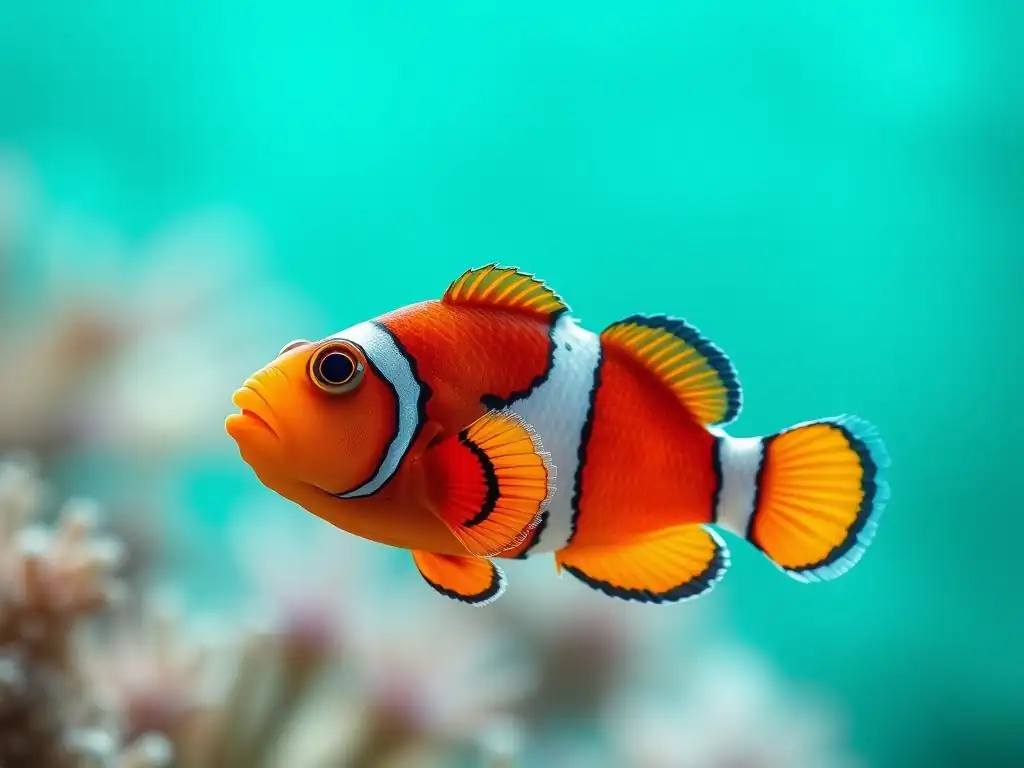
Aggression between Ocellaris clownfish, particularly during the pairing process, is a common challenge. The first step in addressing it is to accurately identify its source. Is it the larger fish relentlessly chasing and nipping the smaller one, indicating a dominance struggle? Or is it generalized stress due to inadequate tank size, lack of hiding spots, or poor water quality? Observe their behavior closely: Is the aggression constant, or does it occur only during feeding? Is the smaller fish showing signs of physical injury, such as torn fins or missing scales?
For instance, if the larger Ocellaris clownfish is consistently guarding a specific area and preventing the smaller one from accessing it, it's a territorial dispute. If both fish are roughly the same size and engaging in head-shaking or gill-flaring displays, they are likely competing for dominance. Understanding the specific nature of the aggression is crucial for selecting the appropriate intervention strategy to ensure successful Clownfish pairing tips saltwater tank management.
Separation and Re-Introduction Strategies
If aggression is severe or persistent, immediate intervention through separation and re-introduction is often necessary. One effective strategy is to temporarily remove the aggressor (usually the larger Ocellaris clownfish) and place it in a separate quarantine tank or a secure acclimation box within the main tank for 3-7 days. This allows the smaller fish to de-stress, heal, and become more comfortable in the main display.
Upon re-introduction, the aggressor is typically less territorial and may be more accepting of the smaller fish, as its dominance has been re-established through its temporary removal. Another method, particularly for milder cases, involves a "time-out" by placing the smaller fish in an acclimation box for a day or two within the main tank, allowing both fish to adjust to each other's presence without direct conflict. These strategic separations are vital Clownfish pairing tips saltwater tank owners employ to resolve pairing conflicts.
Recognizing and Treating Illnesses During Pairing
Common Ocellaris Clownfish Diseases and Their Symptoms
During the stress of pairing and introduction, Ocellaris clownfish can become susceptible to various common saltwater fish diseases. Beyond Brooklynella and Marine Ich, look for signs of Velvet (Amyloodinium ocellatum), which presents as a dusty, golden or brownish coating on the fish's body, often with rapid breathing and flashing. Fin Rot, caused by bacterial infections, appears as frayed, ragged, or disintegrating fins, sometimes with a white or red edge. Internal parasites might cause emaciation, lethargy, or stringy white feces.
Pop-eye, characterized by one or both eyes protruding, can be a symptom of bacterial infection, poor water quality, or internal injury. It's crucial to distinguish these symptoms from minor stress-related nipping. For example, a clownfish with clamped fins and rapid breathing without visible spots might be suffering from poor water quality or internal stress rather than a parasitic infection. Prompt and accurate identification of these symptoms is essential for effective Clownfish pairing tips saltwater tank health management.
Quarantine and Treatment Protocols
If any Ocellaris clownfish exhibits signs of illness during or after the pairing process, immediate action is required. The affected fish should be promptly moved to a dedicated hospital or quarantine tank to prevent the spread of disease to other inhabitants and to facilitate targeted treatment. This separate tank should be equipped with a heater, filter (without carbon during medication), and an air stone for oxygenation.
Treatment protocols vary depending on the identified disease:
- Marine Ich/Velvet: Copper-based medications (e.g., Cupramine) or hypo-salinity (gradually reducing salinity to 1.009-1.010 for 2-3 weeks).
- Brooklynella: Formalin dips or baths, often followed by a freshwater dip.
- Bacterial Infections (Fin Rot, Pop-eye): Broad-spectrum antibiotics (e.g., Maracyn 2, Furan-2) administered in the water or via medicated food.
Always follow medication instructions precisely and monitor water parameters closely in the hospital tank. Timely and appropriate treatment is a critical Clownfish pairing tip saltwater tank enthusiasts must master to ensure the long-term health of their paired fish.
Maintaining a Healthy and Harmonious Ocellaris Clownfish Pair
Consistent Water Quality for Optimal Health
Maintaining consistent and pristine water quality is paramount for the long-term health and harmonious cohabitation of your Ocellaris clownfish pair. Fluctuations in parameters like salinity, temperature, pH, ammonia, nitrite, and nitrate can induce stress, weaken immune systems, and lead to disease or aggression. Regular water changes, typically 10-20% weekly or bi-weekly, are essential to replenish trace elements and remove accumulated nitrates and other pollutants.
Aim for stable parameters: Salinity 1.023-1.026 specific gravity, Temperature 76-82°F (24-28°C), pH 8.0-8.4, Ammonia 0 ppm, Nitrite 0 ppm, and Nitrate below 20 ppm (ideally below 10 ppm for a healthy reef environment). Utilizing a reliable protein skimmer, live rock, and proper filtration (sump, refugium) significantly contributes to stable water chemistry. Consistent monitoring with accurate test kits is a non-negotiable Clownfish pairing tip saltwater tank maintenance strategy.
Proper Feeding and Nutrition for Ocellaris Clownfish
Balanced Diet to Support Breeding
A proper and balanced diet is vital for the overall health, vibrant coloration, and potential breeding success of your Ocellaris clownfish pair. Offer a varied diet that includes high-quality marine flakes, pellets, and a variety of frozen foods. Frozen foods like mysis shrimp, brine shrimp (fortified), finely chopped spirulina, and various marine preparations provide essential proteins, vitamins, and fatty acids. Feed small amounts 2-3 times daily, ensuring all food is consumed within a few minutes to prevent water pollution.
For pairs intended for breeding, supplementing their diet with highly nutritious foods rich in omega-3 fatty acids, such as enriched frozen mysis or krill, can significantly boost their reproductive health. Examples include Hikari Marine S pellets or frozen Rod's Food. A well-nourished Ocellaris clownfish pair is more resilient to stress, less prone to disease, and more likely to display natural behaviors, including spawning. This dietary focus is a key Clownfish pairing tip saltwater tank breeders prioritize.
Observing and Monitoring for Long-Term Well-being
Regular Health Checks and Behavior Observation
Long-term success with your Ocellaris clownfish pair hinges on continuous observation and regular health checks. Beyond daily feeding, take a few minutes each day to visually inspect both fish for any subtle changes in behavior, appearance, or swimming patterns. Look for signs of listlessness, clamped fins, rapid breathing, unusual spots or lesions, or a loss of appetite. Early detection of these symptoms can prevent minor issues from escalating into major health crises.
Pay attention to their social interactions. Are they still swimming together? Is one fish consistently hiding or being bullied? Even after a pair has bonded, environmental changes or the introduction of new tank mates can sometimes disrupt their harmony. Consistent monitoring allows you to proactively address any emerging problems, ensuring the sustained health and peaceful coexistence of your Ocellaris clownfish pair. This proactive approach is a cornerstone of Clownfish pairing tips saltwater tank care.
Successful Ocellaris Clownfish Pairing and Potential Breeding
Signs of a Bonded Ocellaris Clownfish Pair
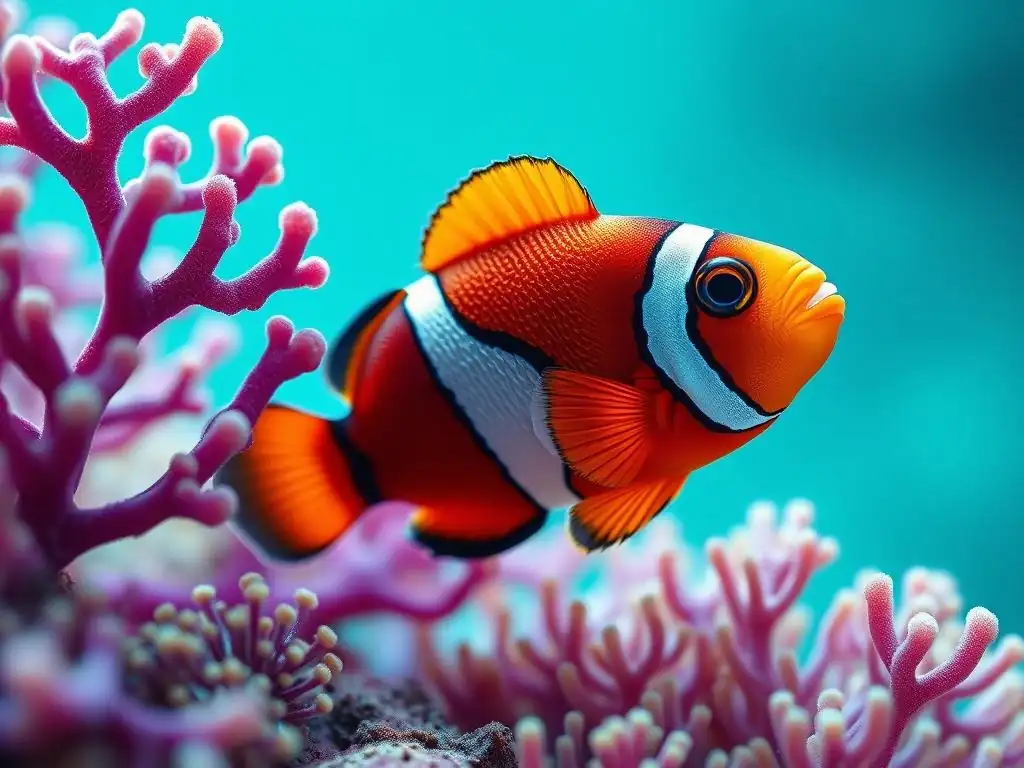
Once Ocellaris clownfish have successfully paired, several distinct behaviors indicate their strong bond and compatibility. The most common sign is 'quivering,' where the smaller, male clownfish rapidly vibrates its body and fins while swimming around the larger female. This is a submissive gesture and a clear sign of acceptance of the female's dominance. The pair will also frequently swim together, often in close proximity, and will share a territory, particularly if an anemone is present.
Another strong indicator is mutual hosting behavior in an anemone or a substitute host like a specific rock or coral. They will often rub against each other, engage in gentle nudging, and sleep side-by-side. For instance, a bonded pair might spend hours nestled together in a Bubble Tip Anemone, exhibiting synchronized movements. These consistent displays of togetherness and non-aggression confirm a stable and harmonious Clownfish pairing tips saltwater tank outcome.
Understanding Ocellaris Clownfish Breeding Behavior
Ocellaris clownfish are prolific breeders in captivity once a stable pair has formed and matured. They are substrate spawners, meaning the female will lay her eggs on a flat, clean surface, typically near their host anemone or a chosen rock. The male's role is to meticulously clean the nesting site before spawning and then diligently guard and fan the eggs until they hatch. Spawning usually occurs in the late afternoon or early evening, often every 10-14 days once a pair is conditioned.
The female will become noticeably plump with eggs, and both fish may exhibit increased aggression towards other tank inhabitants as they defend their chosen nesting site. The eggs are typically orange to reddish-brown and will darken as they develop, turning silvery just before hatching, which usually happens 7-10 days after spawning. Understanding these behaviors is crucial for aquarists interested in progressing beyond basic Clownfish pairing tips saltwater tank care to breeding.
Creating a Suitable Breeding Environment [Water Parameters, Nesting Site]
To encourage Ocellaris clownfish breeding, specific environmental conditions are beneficial. Consistent, pristine water quality is paramount, with parameters stable at: Salinity 1.024-1.026, Temperature 78-82°F (25.5-27.8°C), pH 8.1-8.3, and undetectable ammonia/nitrite/nitrate. A varied and high-protein diet, as mentioned previously, is also essential for conditioning the pair.
Provide a suitable nesting site: a smooth, flat rock, a terracotta pot, or even the base of their host anemone. The male will meticulously clean this spot. Dimming the lights slightly in the evening can also signal to the pair that it's time to spawn. A dedicated breeding tank, often 20-30 gallons, can isolate the pair and protect the eggs from other tank inhabitants. Successfully optimizing these conditions is a key Clownfish pairing tip saltwater tank enthusiasts employ for breeding.
Troubleshooting Common Ocellaris Clownfish Pairing Problems
"My Ocellaris Clownfish Aren't Pairing, What Should I Do?"
If your Ocellaris clownfish aren't pairing despite your best efforts, several factors might be at play. First, re-evaluate the size difference: if they are too similar in size, neither may be willing to assume the submissive role. Consider replacing one with a significantly smaller fish. Second, assess the tank environment: Is there enough space (minimum 20 gallons for a pair)? Are there sufficient hiding spots or rockwork to break up aggression and provide refuge? Lack of such features can prevent a bond from forming due to constant stress.
Third, consider their current health and stress levels. Have they been properly quarantined? Are water parameters stable and optimal? Stress from poor water quality or disease can inhibit natural pairing behaviors. Sometimes, simply giving them more time (several weeks to a few months) in a stable, quiet environment allows the natural hierarchy to establish. If they still show no signs of bonding after a prolonged period, using an acclimation box for a "re-introduction" might help. These are practical Clownfish pairing tips saltwater tank owners can use for stubborn pairs.
"My Ocellaris Clownfish Are Fighting, Help!"
When Ocellaris clownfish are fighting, it's a clear sign of distress and requires immediate action to prevent injury or death. First, assess the severity of the aggression. Is it occasional nipping, or constant chasing and fin damage? If severe, temporarily separate the aggressor (usually the larger fish) into an acclimation box or a separate quarantine tank for 3-7 days. This "time-out" often resets the dominance hierarchy upon re-introduction.
Second, examine the tank setup. Is there enough visual blockage and hiding spots? Rearranging the rockwork can disrupt established territories and create new, neutral zones. Ensure the tank is adequately sized for a pair (at least 20 gallons). If the fighting is relentless, and the fish are roughly the same size, they may simply be incompatible, and one might need to be rehomed. Addressing aggression is a critical Clownfish pairing tip saltwater tank aquarists must master for peaceful cohabitation.
Resources for Further Information on Ocellaris Clownfish Pairing
For those seeking to deepen their knowledge on Ocellaris clownfish pairing and saltwater tank husbandry, a wealth of resources is available. Reputable online forums and communities dedicated to saltwater aquariums, such as Reef2Reef or The Reef Tank, offer extensive discussions, personal experiences, and expert advice from seasoned aquarists. These platforms often contain detailed threads on specific pairing challenges and successful strategies.
Additionally, comprehensive books on marine aquarium keeping and specialized guides on clownfish species provide in-depth scientific information on their biology, behavior, and captive care requirements. Websites like LiveAquaria.com or MarineDepot.com often have detailed species profiles and care guides. Consulting these resources can offer nuanced insights and troubleshooting techniques beyond basic Clownfish pairing tips saltwater tank articles, helping aquarists achieve lasting success with their Ocellaris clownfish pairs.
Frequently Asked Questions
How crucial is tank size for successful clownfish pairing?
Tank size is very important for clownfish pairing. A sufficiently large tank, usually 30 gallons or more, provides enough space for the fish to establish territories and reduce aggression during the bonding process.
What are the key signs that clownfish are forming a pair?
Key signs include increased proximity, mutual grooming (one clownfish nibbling at the other), and the larger clownfish becoming more dominant. The larger fish will typically transition into a female.
Should I introduce clownfish of different sizes for pairing?
Yes, introducing clownfish of different sizes is recommended. The larger fish is much more likely to naturally transition into the female role, while the smaller fish will become the male, which promotes more peaceful bonding.
How long does it typically take for clownfish to form a pair in a saltwater tank?
The time it takes can vary, but generally, it can range from a few days to several weeks. Closely monitor their behavior and be prepared to intervene if aggression becomes excessive or persistent.
What should I do if the clownfish are displaying excessive aggression towards each other?
If excessive aggression occurs, you may need to separate the clownfish temporarily using an aquarium divider. Reintroduction after a brief period might help, but sometimes, the pairing may simply not be compatible.
Final Reflection: Harmony in the Reef
The delicate dance of clownfish pairing, as explored in this article, isn't just about introducing two fish to a tank; it's about fostering a miniature ecosystem of cooperation and mutual benefit. The principles of careful introduction, observation, and environmental management highlighted here are not merely aquarium techniques, but reflections of the broader challenges and rewards of building harmonious relationships in any context.
This journey into the world of clownfish has underscored the profound impact even small actions can have on creating a thriving environment. Witnessing the successful formation of a clownfish pair is a testament to the power of patience and understanding, a reminder that even in the seemingly simple world of a saltwater tank, complex social dynamics are at play. The best and most beautiful things in the world cannot be seen or even touched - they must be felt with the heart.
- Helen Keller. This quote resonates deeply when considering the subtle cues and unspoken communication that contribute to a successful clownfish pairing.
As you consider the insights shared in this article, I invite you to reflect on the environments you cultivate in your own life. Are you creating spaces where patience, observation, and understanding can flourish? Just as a well-prepared saltwater tank can nurture a clownfish pair, so too can your actions foster harmony and connection in your relationships, your community, and the world around you. Embrace the principles of careful introduction, mindful observation, and consistent care, and you may find that the rewards are as vibrant and fulfilling as a thriving reef.
Ignite Your Clownfish Adventure!
Thank you for diving into the world of clownfish pairing! We hope you've discovered valuable insights to help you create a harmonious reef environment. Now, let's turn that knowledge into action!
Here are a few steps you can take next:
- Prioritize Your Tank Setup: Carefully assess your current aquarium conditions to ensure they meet the optimal environment for introducing a new clownfish. Consider tank size, water parameters, and existing tank mates to minimize aggression.
- Share Your Success Story: Spread the clownfish love! Let us know in the comment section about your experience, or lack of, forming pairs of Clownfish.
- Research the "Breeding Potential" of your current pair. Even without the intent to breed, understanding breeding signs ensures you recognize and properly maintain a healthy pair.
Ready to take the plunge and introduce a new clownfish to your aquarium? Let us know in the comments!