
Anthias vs. Chromis: Choosing the Best Colorful Schooler for Your Reef's Needs

Welcome to Aquarium Mastery!
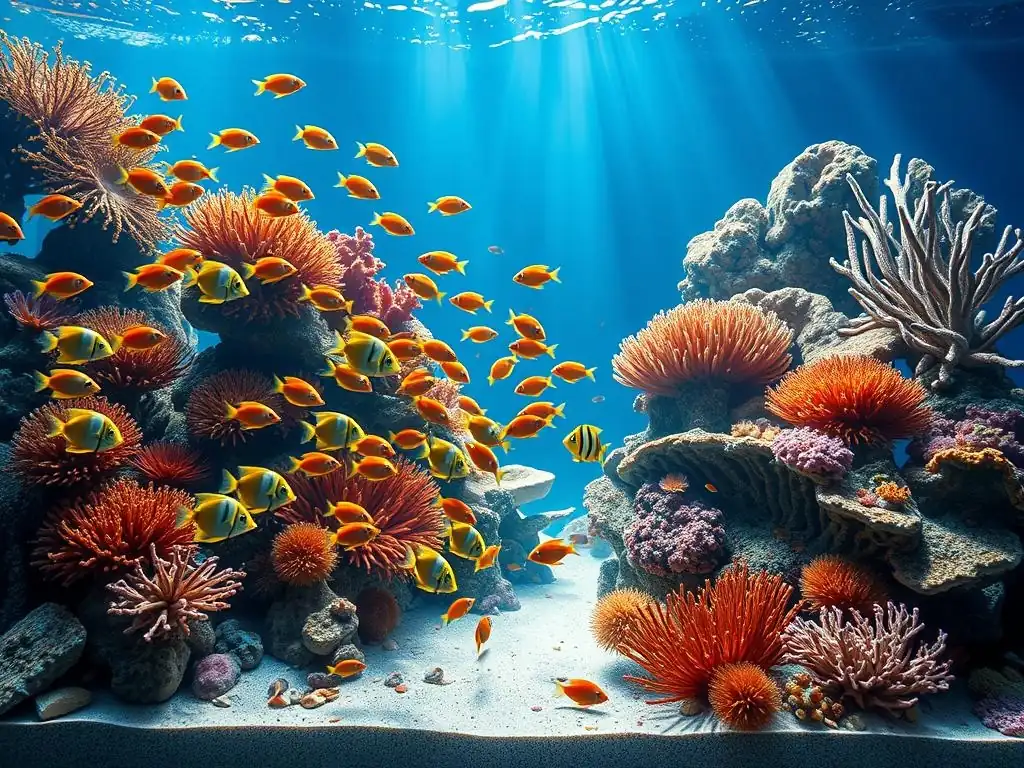
Ever dreamt of a vibrant, bustling reef teeming with dazzling schools of fish? Anthias and Chromis are often the go-to choices, bringing incredible color and movement to your saltwater aquarium. But which is really the best fit for your reef's specific needs? Dive in as we explore the captivating world of colorful reef anthias chromis, uncovering the secrets to successfully keeping these stunning schoolers and ensuring a thriving underwater paradise. Let's unlock the beauty and avoid the pitfalls!
- Introduction: Adding Vibrant Color with Schooling Reef Fish
- Understanding Anthias: The Reef's Elegant Schoolers
- Exploring Chromis: Hardy and Active Reef Dwellers
-
Anthias vs. Chromis: A Detailed Comparison
- Coloration and Aesthetics: Which Offers More Visual Appeal?
- Temperament and Behavior: Schooling Dynamics and Aggression
- Care Level and Suitability for Beginner Reef Keepers
- Cost and Availability: Budget Considerations for Reef Enthusiasts
- Lifespan and Long-Term Health: Ensuring a Thriving Reef Community
- Choosing the Right Schooling Fish for Your Reef Tank
- Maintaining a Thriving School of Anthias or Chromis
- Conclusion: Selecting the Perfect Colorful Reef Schooler for Your Aquarium
-
Frequently Asked Questions
- What are the main differences between Anthias and Chromis fish for reef aquariums?
- Which type of fish, Anthias or Chromis, is more difficult to keep in a reef tank?
- Are Anthias or Chromis more prone to aggression towards other fish in a reef aquarium?
- What tank size is generally recommended for a school of Anthias or Chromis?
- What are the key considerations when choosing between Anthias and Chromis for a colorful reef aquarium?
- Final Reflection: Embracing the Reef's Vibrant Tapestry
- Unleash the Reef's True Colors!
Introduction: Adding Vibrant Color with Schooling Reef Fish
Why Schooling Fish Enhance Reef Aquariums
Schooling fish are a cornerstone of a vibrant and dynamic reef aquarium, transforming a static display into a living, breathing ecosystem. Their synchronized movements create a captivating visual spectacle, adding a sense of natural flow and energy that solitary fish simply cannot replicate. Beyond the aesthetic appeal, a healthy school of fish helps fill the open water column, making the entire tank appear more active and complete, mimicking the bustling activity found on natural coral reefs.
Furthermore, integrating schooling fish can contribute to the overall health and stability of the aquarium. A well-chosen school can help distribute the biological load more evenly across the tank's filtration system. Their presence can also encourage shy fish to become more active, as the collective movement provides a sense of security. This dynamic element is crucial for creating a truly immersive and engaging aquatic environment.
The Popularity of Anthias and Chromis for Reef Tanks
When it comes to selecting colorful reef anthias chromis for a schooling display in a marine aquarium, Anthias and Chromis consistently rank among the most popular and sought-after choices. Both genera offer an incredible array of vibrant hues, from the iridescent blues and greens of Chromis to the dazzling oranges, reds, and purples of Anthias, making them ideal candidates for adding a splash of living color to any reef setup.
Their popularity stems from their inherent schooling behavior, which creates a mesmerizing effect as they navigate the reef structure in unison. However, despite their shared appeal as schooling fish, Anthias and Chromis possess distinct characteristics regarding care requirements, temperament, and suitability for different aquarist experience levels. Understanding these differences is key to choosing the best vibrant schoolers for your specific reef tank needs.
Understanding Anthias: The Reef's Elegant Schoolers
Anthias Species Overview: A Spectrum of Color
Anthias, primarily belonging to the genus Pseudanthias, are renowned for their breathtaking beauty and graceful swimming. These elegant fish are typically found in large aggregations on coral reefs across the Indo-Pacific, often inhabiting the upper water column or along reef slopes where they feed on zooplankton. Their elongated bodies and often flowing fins contribute to their sophisticated appearance.
Many Anthias species exhibit striking sexual dimorphism, with males displaying more intense coloration and often longer, more elaborate fins than females. They are protogynous hermaphrodites, meaning all individuals are born female, and the largest or most dominant female can transition into a male if the resident male is removed or dies. This fascinating biological trait adds another layer of complexity to their social dynamics within a school.
Popular Anthias Species for Reef Aquariums: Lyretail Anthias, Dispar Anthias, Bartlett's Anthias
The Lyretail Anthias ( Pseudanthias squamipinnis) is arguably the most recognizable and widely kept Anthias species. Males are particularly stunning, displaying a vibrant orange to red body with elongated, lyre-shaped caudal fins, while females are typically orange-yellow. They can reach an adult size of 5-6 inches (13-15 cm) and are prized for their active swimming and relatively robust nature among Anthias, making them a popular choice for larger, established reef tanks.
The Dispar Anthias ( Pseudanthias dispar) offers a slightly smaller and equally captivating option. These fish are characterized by their bright orange-yellow coloration on the anterior half of their body, transitioning to a pinkish-red towards the posterior, often with a distinct red blotch on the dorsal fin. Growing to about 3.5 inches (9 cm), they are active and can thrive in slightly smaller reef systems compared to Lyretails, making them a fantastic choice for adding colorful reef anthias to a diverse display.
Bartlett's Anthias ( Pseudanthias bartlettorum) stands out with its unique and striking purple and yellow coloration. The anterior portion of their body is a vivid purple, fading into a bright yellow towards the tail. They typically reach a size of 3-4 inches (7.5-10 cm) and are known for being one of the more peaceful and hardy Anthias species. Their relatively calm demeanor and beautiful hues make them a sought-after addition for aquarists looking for a truly distinctive schooling fish.
Anthias Care Requirements: A Deep Dive
Tank Size and Water Parameters for Anthias Health
Anthias are highly active fish that spend a significant amount of time swimming in the open water column, necessitating ample space for a healthy school. A minimum tank size of 75-100 gallons (280-380 liters) is generally recommended for a small group of smaller Anthias species, such as Dispar or Bartlett's. For larger species like Lyretail Anthias or for keeping a more substantial school (e.g., 6+ individuals), a tank of 120 gallons (450 liters) or more is ideal to prevent territorial disputes and provide sufficient swimming room.
Maintaining pristine and stable water parameters is paramount for the long-term health and vibrant coloration of colorful reef anthias. They are sensitive to fluctuations and poor water quality. Ideal parameters include a temperature range of 74-78°F (23-26°C), salinity between 1.023 and 1.026 specific gravity, pH levels of 8.1-8.4, alkalinity between 8-12 dKH, calcium levels of 400-450 ppm, and magnesium between 1250-1350 ppm. Consistent monitoring and regular partial water changes are crucial to their well-being.
Anthias Diet and Feeding Habits: Meeting Their Nutritional Needs
Anthias are obligate planktivores in their natural habitat, constantly feeding on microscopic organisms drifting in the water column. This feeding behavior translates directly into their aquarium care, requiring frequent, small feedings throughout the day to meet their high metabolic demands. Feeding them only once or twice a day will often lead to malnourishment and a decline in health. Ideally, they should be fed 3-5 times daily.
Their diet in captivity should be diverse and rich in protein. High-quality frozen foods such as mysis shrimp, enriched brine shrimp, finely chopped copepods, and other meaty preparations are essential. Specialized dry foods, like high-quality marine pellets or flakes designed for planktivorous fish, can also be offered, but should not be the sole food source. Ensuring a varied diet packed with nutrients is key to maintaining the brilliant coloration and vitality of these colorful reef anthias.
Anthias Temperament and Compatibility: Choosing the Right Tank Mates
Anthias are generally peaceful fish, but they do exhibit a social hierarchy within their school, particularly among males. As protogynous hermaphrodites, a single male will typically dominate a group of females. It is recommended to introduce them as a single male with multiple females (e.g., 1 male to 3-5 females) to ensure a stable social structure and reduce aggression. Introducing multiple males into a smaller tank can lead to intense territorial fights.
When selecting tank mates for colorful reef anthias, peaceful and semi-aggressive species are generally suitable. Good companions include other non-aggressive tangs, wrasses, gobies, blennies, and clownfish. Avoid highly aggressive or predatory fish that could intimidate Anthias or outcompete them for food. Also, steer clear of very small, delicate invertebrates that could be mistaken for planktonic food. Providing ample rockwork with caves and crevices offers them necessary hiding spots when feeling stressed or needing to rest.
Exploring Chromis: Hardy and Active Reef Dwellers
Chromis Species Spotlight: A More Robust Option
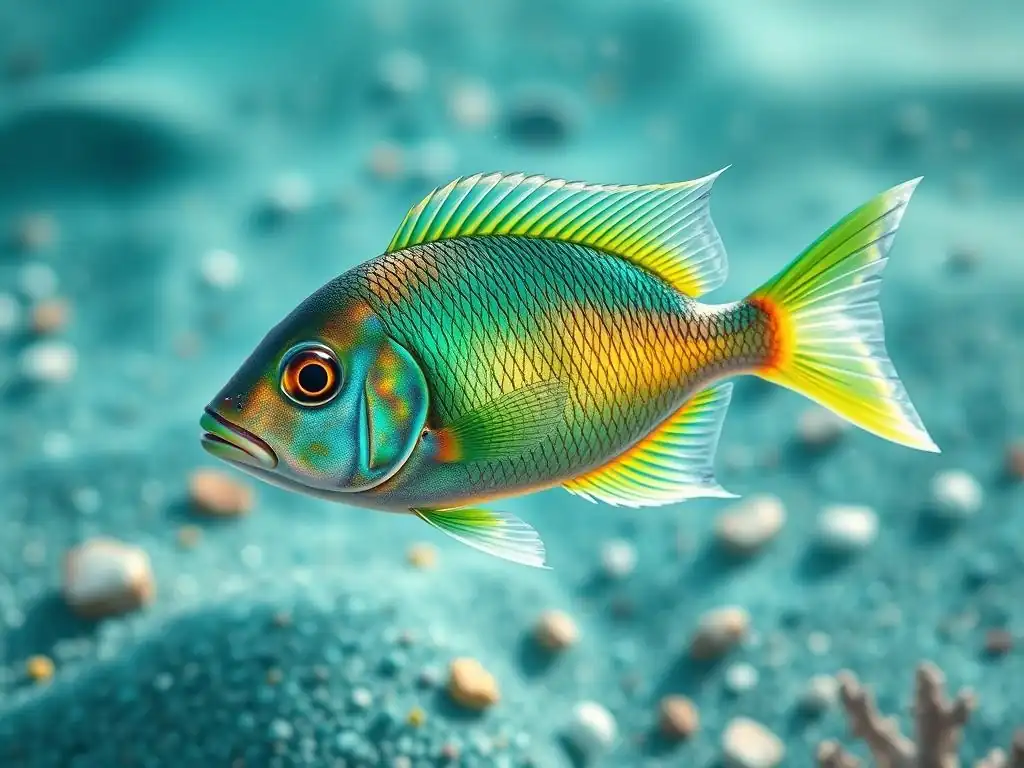
Chromis, particularly the Green Chromis, are widely celebrated in the aquarium hobby for their hardiness, active schooling behavior, and vibrant yet uniform coloration. Unlike the more delicate Anthias, Chromis species are generally more robust and forgiving, making them an excellent choice for a broader range of aquarists, including beginners. They are typically found in large schools on the outer reef slopes and lagoons, often hovering above coral formations.
While many Chromis species are active swimmers, they also appreciate rockwork and crevices to retreat to when feeling threatened or for sleeping. Their relatively compact size and peaceful demeanor, combined with their striking iridescent hues, make them a staple in many reef aquariums. They contribute significantly to the visual dynamism of a tank, often darting and weaving through the water column in tight formations.
Common Chromis Species for Reef Aquariums: Green Chromis, Blue Reef Chromis, Black Axil Chromis
The Green Chromis ( Chromis viridis) is arguably the most iconic and popular Chromis species in the aquarium trade. Known for its brilliant, iridescent green-blue coloration, this species is highly prized for its peaceful temperament and exceptional hardiness. Green Chromis typically grow to about 3-4 inches (7.5-10 cm) and are widely available and affordable, making them an ideal choice for forming a large, active school in almost any reef tank.
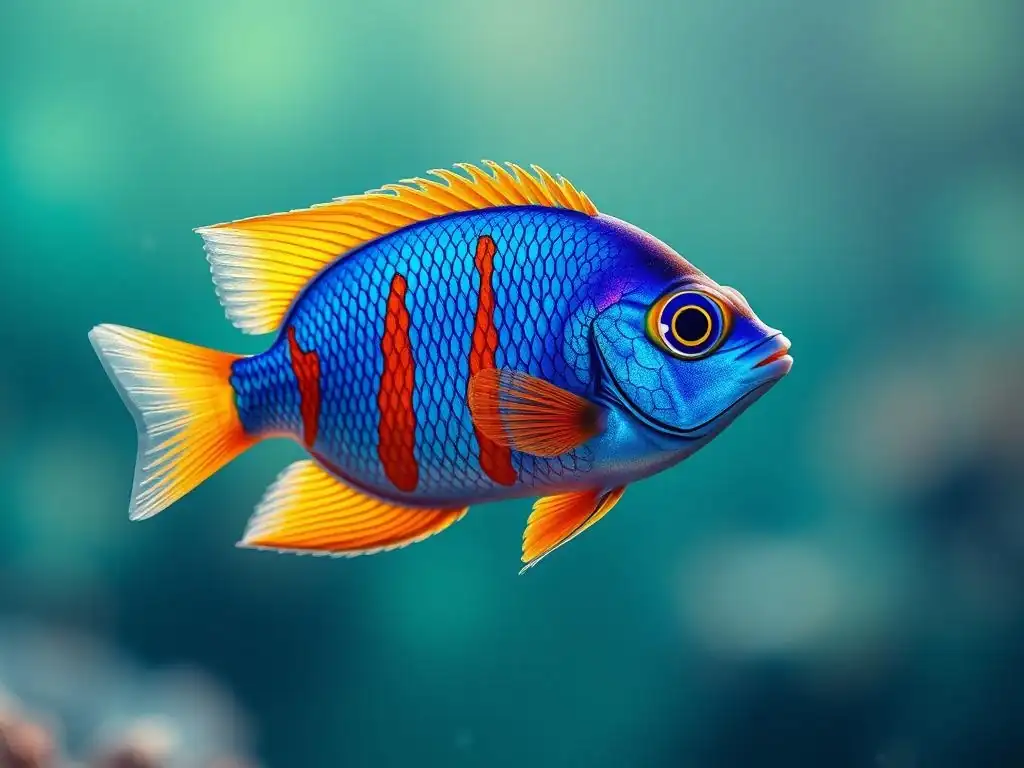
The Blue Reef Chromis ( Chromis cyanea) offers a slightly different, yet equally captivating, aesthetic with its striking electric blue body, often adorned with subtle black stripes. These fish are similar in temperament to Green Chromis but can be slightly more active. They generally reach a size of 4-5 inches (10-13 cm) and are a fantastic option for aquarists seeking an even more intense blue hue for their colorful reef chromis school.
The Black Axil Chromis ( Chromis atripectoralis) is another notable species, characterized by its grayish-blue body and a distinctive black spot at the base of its pectoral fins. While less common than the Green Chromis, it offers a larger schooling option, reaching up to 6 inches (15 cm). This species can be a bit more boisterous within a school but still maintains the general hardiness and active nature characteristic of Chromis.
Chromis Care Essentials: Simplicity and Adaptability
Tank Setup and Water Quality for Chromis
Chromis are adaptable fish and can thrive in a variety of tank setups, making them more forgiving than Anthias. A minimum tank size of 30 gallons (115 liters) is sufficient for a small school of 3-5 Green Chromis, but a 50-gallon (190 liters) tank or larger is recommended for a more robust and thriving group. They require open swimming space but also appreciate plenty of live rock for security and exploration.
Regarding water parameters, Chromis are generally more tolerant of minor fluctuations than Anthias, making them an excellent choice for beginner aquarists. Ideal conditions include a temperature range of 74-80°F (23-27°C), salinity between 1.023 and 1.026 specific gravity, and a pH of 8.1-8.4. While they are hardy, consistent water quality, regular testing, and routine partial water changes (e.g., 10% bi-weekly) are still essential for their long-term health and to maintain the vibrant colors of your colorful reef chromis.
Chromis Feeding and Dietary Needs
Chromis are omnivores, with a diet in the wild consisting of zooplankton and various forms of algae. This adaptable diet makes them significantly easier to feed in captivity compared to the more specialized Anthias. They are less demanding regarding feeding frequency, typically thriving on 1-2 feedings per day. Their willingness to accept a wide range of foods contributes to their overall hardiness.
Suitable foods for Chromis include high-quality marine flake foods, small pellets, frozen mysis shrimp, brine shrimp, and spirulina-enriched preparations. Offering a varied diet ensures they receive all necessary nutrients for optimal health and coloration. Their robust appetite and ease of feeding make them a low-maintenance option for adding active, schooling fish to a reef tank.
Chromis Social Behavior and Tank Mate Selection
Chromis are classic schooling fish, known for forming tight, cohesive groups, especially when young or when feeling threatened. They are generally peaceful and make excellent community fish. However, within a school, they can establish a mild pecking order, which is usually harmless but can occasionally lead to one or two individuals being picked on if the school size is too small (fewer than 3-5 individuals). Introducing a larger group (6 or more) helps dilute any potential aggression.
Their peaceful nature makes them compatible with a wide array of other reef fish, including most tangs, wrasses, clownfish, gobies, and blennies. They can also coexist with some smaller, less aggressive predatory fish, as their schooling behavior provides a natural defense. Avoid very large or highly aggressive tank mates that could stress them or view them as prey. Colorful reef chromis are generally a safe bet for most mixed reef communities.
Anthias vs. Chromis: A Detailed Comparison
Coloration and Aesthetics: Which Offers More Visual Appeal?
When comparing the coloration and aesthetics of colorful reef anthias chromis, both offer unique visual appeal, but in different ways. Anthias species are celebrated for their intricate patterns, often displaying multiple shades within a single fish, such as the vibrant oranges, reds, yellows, and purples. Their elegance is enhanced by flowing fins and a graceful swimming style. Many Anthias also exhibit striking sexual dimorphism, with males often being more intensely colored and having more elaborate fins, adding a layer of visual interest to a school.
Chromis, on the other hand, typically feature a more uniform, yet equally striking, iridescent coloration, predominantly in shades of blue and green. While their patterns are simpler, their brilliance and the way light catches their scales can be mesmerizing. Their appeal often lies in the sheer impact of a large, cohesive school of identical, brightly colored fish darting and weaving through the water. For sheer variety and intricate beauty, Anthias often edge out Chromis, but for a uniform, vibrant, and active schooling effect, Chromis are hard to beat.
Temperament and Behavior: Schooling Dynamics and Aggression
The temperament and schooling dynamics differ significantly between Anthias and Chromis. Anthias are generally more delicate schoolers. While they do form groups, they can be timid, especially when first introduced or if housed with overly aggressive tank mates. They are prone to stress, and territorial disputes among males can occur if not kept in appropriate male-to-female ratios or in tanks that are too small. Their schooling tends to be looser, often hovering above the rockwork.
Chromis are robust and active schoolers, typically forming tighter, more cohesive groups. They are generally peaceful and less prone to stress from tank mates. While a pecking order can be established within a Chromis school, especially if the group is small, it rarely leads to serious harm. Their energetic, darting movements add a dynamic element to the tank. Chromis are more confident swimmers in the open water and less likely to hide, making them a more consistently visible schooling fish for a colorful reef anthias chromis display.
Care Level and Suitability for Beginner Reef Keepers
The care level required for Anthias makes them generally unsuitable for novice reef keepers. Their specific needs, particularly their high metabolism and requirement for multiple small feedings throughout the day, demand consistent attention. They are also more sensitive to fluctuations in water quality and prone to stress if not kept in pristine conditions. An experienced aquarist with a well-established, stable reef system is typically better equipped to meet the demands of colorful reef anthias.
In stark contrast, Chromis are highly recommended for beginner and intermediate reef aquarists. Their exceptional hardiness, adaptable diet, and tolerance for a wider range of water parameters make them much more forgiving. They are less prone to disease and stress, and their ease of feeding simplifies daily maintenance. Chromis offer an excellent entry point for aquarists looking to add vibrant schooling fish to their reef tank without the advanced care commitments of Anthias.
Cost and Availability: Budget Considerations for Reef Enthusiasts
Cost and availability are significant factors for reef enthusiasts considering a school of colorful reef anthias chromis. Anthias, especially rarer or more exotic species, tend to be significantly more expensive. Prices for individual Anthias can range from $30 to over $100, depending on the species, size, and supplier. Building a substantial school of Anthias can therefore represent a considerable financial investment. Their availability can also fluctuate, with some species being seasonally scarce.
Chromis, on the other hand, are remarkably affordable and widely available. Green Chromis, the most common species, often retail for $5 to $15 per fish, making it very economical to acquire a large school of 6-10 individuals or more. Other Chromis species are also generally inexpensive. This accessibility and lower price point make Chromis an attractive option for aquarists working with a tighter budget or those wanting to create a large, impactful school without a prohibitive upfront cost.
Lifespan and Long-Term Health: Ensuring a Thriving Reef Community
The lifespan and long-term health prospects also differ between these two schooling fish types. With optimal care, many Anthias species can live for 3-5 years, and some, like the Lyretail Anthias, may even reach 7 years or more. However, their sensitivity to stress, specific feeding requirements, and susceptibility to water quality issues mean that their lifespan can be significantly shorter in suboptimal conditions. Maintaining their health requires diligent and consistent attention to their environment and diet.
Chromis are renowned for their longevity and resilience in captivity. Green Chromis, for example, can easily live for 5-7 years in a well-maintained reef aquarium, with some individuals reported to live up to 10 years or more. Their hardiness, robust immune systems, and adaptability contribute to their extended lifespan and overall long-term health. This makes colorful reef chromis a durable and reliable choice for ensuring a thriving and stable reef community over many years.
Choosing the Right Schooling Fish for Your Reef Tank
Assessing Your Reef Tank's Capabilities: Size, Equipment, and Experience
The first and most crucial step in choosing between colorful reef anthias chromis is an honest assessment of your existing reef tank's capabilities and your own experience level as an aquarist. Consider the tank's volume: a smaller tank (under 75 gallons) is generally better suited for Chromis, while Anthias often demand 75 gallons or more, especially for a healthy school. Evaluate your filtration system, including protein skimming capacity, sumps, and refugiums, as Anthias require exceptionally pristine water quality.
Furthermore, reflect on your commitment to daily maintenance. Are you able to perform multiple small feedings throughout the day for Anthias, or do you prefer the simpler, once- or twice-daily feeding schedule of Chromis? Your experience with maintaining stable water parameters, managing nutrient export, and identifying early signs of stress or disease will also heavily influence which species will thrive in your care.
Anthias for Established and Experienced Reef Keepers
Anthias are the ideal choice for established and experienced reef keepers who have a deep understanding of marine aquarium husbandry. These aquarists typically possess a mature reef tank, usually at least 6-12 months old, with stable water parameters and robust filtration systems capable of handling their bioload and frequent feeding schedule. They are prepared to dedicate the time and resources necessary to meet the specialized needs of colorful reef anthias.
Experienced hobbyists often appreciate the challenge and reward of keeping Anthias, valuing their exquisite beauty, elegant swimming, and fascinating social structures. They are best suited for tanks with peaceful tank mates that will not outcompete them for food or cause undue stress. For those who can provide optimal conditions, Anthias offer an unparalleled level of visual sophistication and dynamic beauty to a reef display.
Chromis for Beginner and Intermediate Reef Aquarists
Chromis are an excellent recommendation for beginner and intermediate reef aquarists, as well as those with smaller to medium-sized tanks (e.g., 30-75 gallons) looking for active, schooling fish. Their hardiness, adaptability, and relatively straightforward care requirements make them forgiving for those still learning the nuances of reef keeping. They are less sensitive to minor water parameter fluctuations and are less demanding in terms of feeding frequency.
These colorful reef chromis provide immediate visual impact and active schooling behavior without the higher maintenance demands or financial investment associated with Anthias. They are a reliable and cost-effective way to introduce the dynamic beauty of schooling fish to a new or developing reef system. Chromis are also a great choice for community tanks with a mix of peaceful to semi-aggressive fish, as they tend to be less intimidated by other tank inhabitants.
Maintaining a Thriving School of Anthias or Chromis
Acclimation and Introduction to the Reef Tank
Proper acclimation is a critical step to ensure the successful introduction of any new fish, especially delicate schoolers like Anthias or Chromis, into your reef tank. A slow drip acclimation method, typically over 1-2 hours, is highly recommended to gradually equalize water temperature and chemistry between the transport bag and your aquarium. This minimizes osmotic shock and reduces stress.
After acclimation, dimming the aquarium lights for a few hours or even a full day can help the new fish settle in without being overwhelmed. It is also highly advisable to quarantine new fish in a separate, dedicated quarantine tank for 2-4 weeks. This period allows you to observe them for signs of disease, ensure they are eating well, and treat any potential illnesses before introducing them to your main display, thus protecting your existing colorful reef anthias chromis and other inhabitants.
Preventing and Treating Common Diseases
Prevention is the cornerstone of disease management in a reef aquarium. Maintaining stable, pristine water quality, providing a highly nutritious and varied diet, and minimizing stress are the most effective ways to boost your fish's immune systems and prevent outbreaks of common saltwater diseases like Marine Ich ( Cryptocaryon irritans) and Marine Velvet ( Amyloodinium ocellatum). Quarantining all new arrivals is the single most effective preventative measure.
If disease does occur, treatment should ideally be performed in the quarantine tank, as many medications are harmful to corals and invertebrates in the main display. Common treatments include copper-based medications for parasitic infections or hyposalinity (reducing salinity to 1.008-1.010 SG). Early detection and prompt action are crucial for successful treatment and to protect the rest of your colorful reef anthias chromis school from infection.
Monitoring Water Quality and Maintaining Stability
Consistent monitoring and maintenance of water quality are paramount for the long-term health and vibrancy of both Anthias and Chromis. Regular testing of key parameters such as salinity, temperature, pH, alkalinity, calcium, magnesium, nitrates, and phosphates is essential. Aim to keep these parameters within the recommended stable ranges, as sudden fluctuations can cause significant stress to fish and corals.
Routine partial water changes (e.g., 10-20% every two to four weeks, depending on bioload) are vital for replenishing essential elements and removing accumulated nitrates and other undesirable compounds. Effective mechanical and biological filtration, along with a well-functioning protein skimmer, are indispensable for maintaining low nutrient levels and crystal-clear water. A stable and clean environment is the foundation for a thriving school of colorful reef anthias chromis.
Conclusion: Selecting the Perfect Colorful Reef Schooler for Your Aquarium
Recap: Anthias and Chromis - Strengths and Weaknesses
In the quest for the perfect colorful reef anthias chromis schooler, both Anthias and Chromis present compelling options, each with distinct strengths and weaknesses. Anthias are undeniably the epitome of elegance and exotic beauty, offering a wide spectrum of intricate colors and fascinating social dynamics. However, their demanding care requirements, including frequent feedings, strict water quality needs, and sensitivity to stress, position them as a choice best suited for experienced aquarists with well-established, larger reef systems.
Chromis, conversely, stand out for their robust hardiness, active schooling behavior, and vibrant, yet uniform, coloration. They are significantly more forgiving in terms of water parameters and feeding schedules, making them an excellent, low-maintenance option for beginners and intermediate hobbyists. While their color palette may be less diverse than Anthias, their unwavering activity and resilience make them a reliable and cost-effective choice for adding immediate visual impact to almost any reef tank.
Final Recommendations for a Successful Reef Aquarium with Schooling Fish
Ultimately, the decision between Anthias and Chromis hinges on a candid assessment of your reef aquarium's capacity, your personal experience level, and your commitment to daily care. If you possess a mature, stable, and spacious reef tank and are prepared for the meticulous demands of advanced marine husbandry, the breathtaking beauty and graceful movements of a school of colorful reef anthias will undoubtedly elevate your display to an art form.
However, if you are new to reef keeping, have a smaller tank, or prefer a more low-maintenance approach without compromising on vibrant schooling behavior, a group of colorful reef chromis will provide immense satisfaction and a dynamic focal point for your aquarium. Regardless of your choice, thorough research, proper acclimation, consistent water quality monitoring, and a nutritious diet are the bedrock of a thriving, long-lived school, ensuring your reef aquarium remains a captivating and healthy underwater world.
Frequently Asked Questions
What are the main differences between Anthias and Chromis fish for reef aquariums?
Anthias generally require larger tanks and more frequent feedings than Chromis. Chromis are often more beginner-friendly and adaptable to varied conditions, but can sometimes exhibit aggression.
Which type of fish, Anthias or Chromis, is more difficult to keep in a reef tank?
Anthias are generally considered more challenging due to their specific dietary requirements and need for pristine water quality. They also require established reef tanks to thrive.
Are Anthias or Chromis more prone to aggression towards other fish in a reef aquarium?
While both can sometimes be aggressive, Chromis are more likely to display aggression, particularly towards other Chromis. Anthias aggression is often related to hierarchy within the school.
What tank size is generally recommended for a school of Anthias or Chromis?
For a small school of Chromis, a tank of at least 30 gallons is recommended. Anthias generally require much larger tanks, often 75 gallons or more, depending on the species.
What are the key considerations when choosing between Anthias and Chromis for a colorful reef aquarium?
Consider your experience level, the size of your aquarium, and your ability to meet the fish's specific needs. Also, research the specific species of Anthias or Chromis you're considering.
Final Reflection: Embracing the Reef's Vibrant Tapestry
The vibrant dance of life within a reef aquarium, particularly the mesmerizing schools of Anthias and Chromis, is a testament to the beauty and complexity of the underwater world. Understanding the nuances of these colorful reef inhabitants is not just about aesthetics; it's about responsible reef keeping and ensuring the long-term health and harmony of our miniature ecosystems. The choices we make in stocking our tanks have profound implications, and informed decisions are paramount to creating thriving, sustainable environments.
The allure of a reef teeming with life is undeniable, and the popularity of Anthias and Chromis speaks volumes about our desire to replicate that beauty in our own homes. This pursuit, however, demands a deep respect for the delicate balance of the reef environment and a commitment to providing the specific care these fish require. In the end, we will conserve only what we love; we will love only what we understand; and we will understand only what we are taught.
- Baba Dioum. This quote underscores the importance of education and understanding in fostering a genuine appreciation for, and ultimately, the conservation of, these magnificent creatures.
As you consider the addition of Anthias or Chromis to your reef aquarium, I urge you to reflect on the information presented here. Consider not just the immediate visual impact, but the long-term commitment required to provide a suitable and thriving environment. Let your choices be guided by knowledge, empathy, and a genuine desire to contribute to the well-being of these vibrant inhabitants of the reef. By embracing responsible reef keeping practices, we can all play a part in preserving the beauty and wonder of the underwater world for generations to come.
Unleash the Reef's True Colors!
Thank you for diving deep into the world of Anthias and Chromis! We hope this article has illuminated the nuances between these vibrant reef inhabitants. Now, it's time to bring your newfound knowledge to life.
Here are a few ways to get started:
- Plan your future reef: Determine the most suitable schooler for your aquarium's size and water parameters based on the specific needs of Anthias or Chromis.
- Share your discoveries: Discuss this article with fellow reef enthusiasts and help them choose the perfect schooler for their unique reef setups.
- Dive deeper: Research the specific species within Anthias or Chromis that spark your interest and explore their unique behaviors and care requirements.
What specific challenges are you anticipating when introducing a school of Anthias or Chromis to your reef aquarium?