
The Dazzling Diversity of Anthias: Exploring Beyond the Common Species

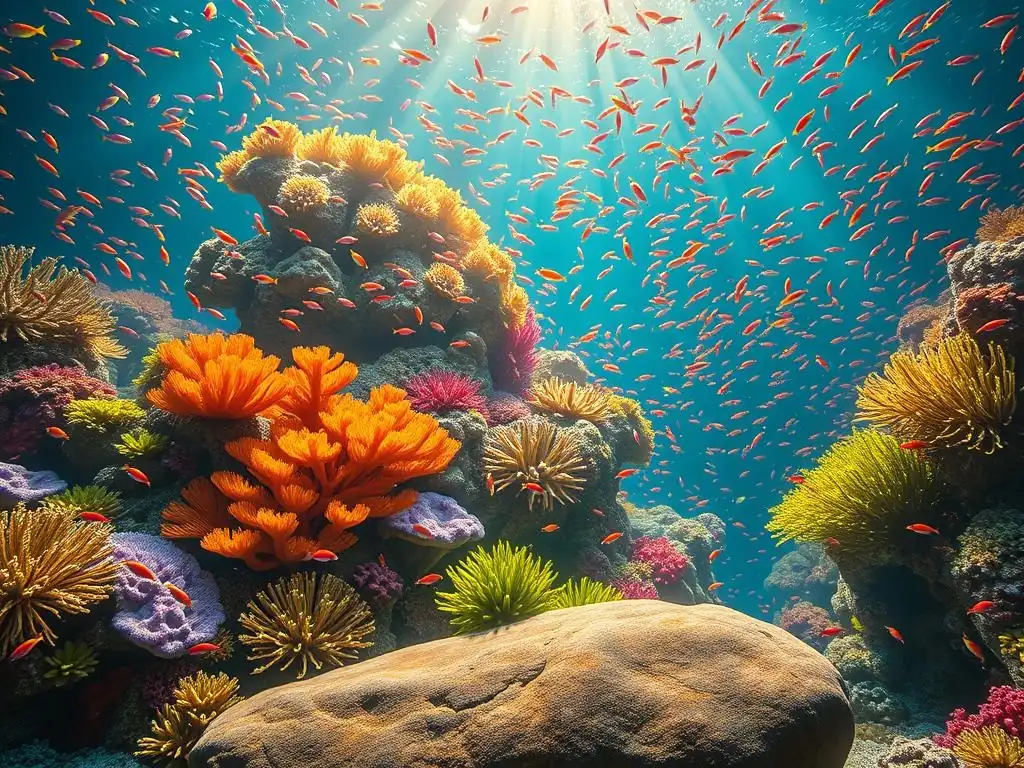
Welcome to Aquarium Mastery!
Ever been mesmerized by the vibrant colors and graceful movements of Anthias fish? These dazzling reef inhabitants are more than just beautiful; they're a fascinating challenge for dedicated aquarists. Dive into our latest article, "The Dazzling Diversity of Anthias: Exploring Beyond the Common Species," where we unlock the secrets to thriving Anthias, offering crucial Anthias fish care tips and shedding light on lesser-known species. Ready to elevate your saltwater aquarium to the next level? Let's explore the world of Anthias together!
- Understanding Anthias Fish: An Introduction to Their Captivating World
- Anthias Fish Care Tips: Essential Guidelines for a Thriving Aquarium
- Exploring Lesser-Known Anthias Species: Expanding Your Reef Aquarium Horizons
- Comparing Anthias Species: Finding the Right Fit for Your Reef Tank
- Advanced Anthias Fish Care: Troubleshooting Common Issues
- Building a Thriving Anthias School: Best Practices for Success
- The Future of Anthias in Aquariums: Conservation and Responsible Keeping
-
Frequently Asked Questions
- How difficult are Anthias to keep in a saltwater aquarium?
- What is the ideal tank size for a group of Anthias?
- What should I feed Anthias to ensure they thrive in my aquarium?
- What are some common health problems that affect Anthias?
- What are the key considerations when selecting Anthias for a reef aquarium?
- Final Reflection: Embracing the Spectrum of Anthias Beauty
- Unveil the Anthias Kingdom: Start Your Exploration Now!
Understanding Anthias Fish: An Introduction to Their Captivating World
What are Anthias? A Comprehensive Overview for Aquarium Keepers
Anthias are a captivating group of marine fish belonging to the subfamily Anthiinae, part of the larger Serranidae family, which also includes groupers and sea basses. These vibrant, schooling fish are renowned for their stunning coloration, active swimming patterns, and distinct sexual dimorphism, where males often display more intense colors and elongated fins compared to females. They typically inhabit tropical and subtropical reef environments, making them highly sought-after additions to well-established saltwater aquariums.
Most Anthias species are small to medium-sized, generally ranging from 2 to 8 inches in length, though some deepwater varieties can grow larger. Their diet primarily consists of zooplankton in the wild, which translates to a need for frequent, small feedings of meaty foods in the aquarium. Understanding their natural behaviors and physiological needs is crucial for successful Anthias fish care tips, ensuring their longevity and vibrant display in a home reef system.
Anthias Natural Habitat and Behavior in the Wild Reef
In their natural habitat, Anthias are ubiquitous inhabitants of coral reefs, particularly favoring areas with strong currents such as reef slopes, drop-offs, and outer reef crests. They are often found at depths ranging from shallow lagoons (e.g., Pseudanthias dispar at 10-60 feet) to deep mesophotic zones (e.g., Odontanthias ventralis at 150-400 feet). Their schooling behavior is a primary defense mechanism against predators, with hundreds or even thousands of individuals forming impressive, synchronized swarms that feed on passing plankton.
Anthias exhibit fascinating social structures, typically living in harems dominated by a single male with multiple females. If the dominant male is removed or dies, the largest female in the group can undergo a sex change, transforming into a male to take over the harem. This protogynous hermaphroditism is a remarkable adaptation that ensures the continuation of the species. Observing these natural behaviors, even in a scaled-down aquarium environment, is a highlight of Anthias fish care.
Why Anthias Are Popular Choices for Saltwater Aquariums
Anthias are immensely popular among saltwater aquarists primarily due to their unparalleled beauty and the dynamic energy they bring to a reef tank. Their kaleidoscopic colors, ranging from fiery reds and oranges to brilliant purples and yellows, create a dazzling spectacle that few other marine fish can rival. Unlike some other reef inhabitants that are shy or sedentary, Anthias are constantly active, darting in and out of rockwork and schooling gracefully in the water column, adding a lively dimension to the aquarium.
Beyond their aesthetic appeal, many Anthias species are relatively peaceful, making them suitable tank mates for a wide range of reef-safe invertebrates and other docile fish. While some species can be challenging due to their feeding requirements or susceptibility to stress, dedicated aquarists find the reward of a thriving Anthias school well worth the effort. The ongoing challenge of providing optimal Anthias fish care tips for these delicate beauties further enhances their appeal for experienced hobbyists.
Anthias Fish Care Tips: Essential Guidelines for a Thriving Aquarium
Maintaining Optimal Water Parameters for Anthias Health and Longevity
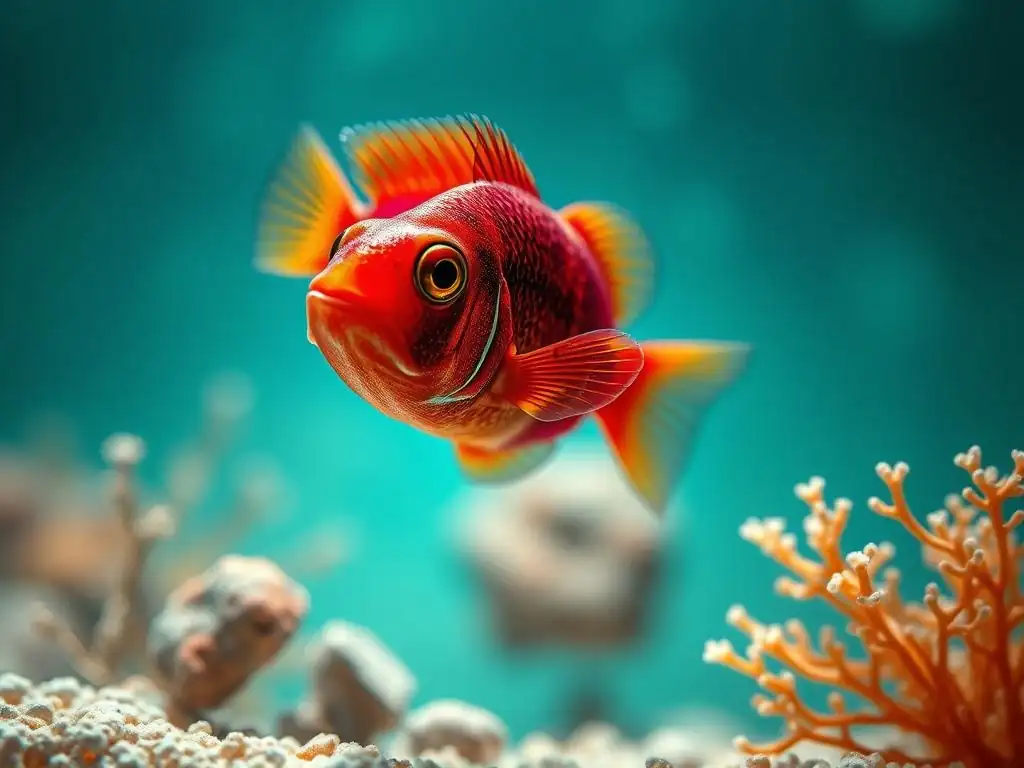
Maintaining stable and pristine water parameters is paramount for the health and longevity of Anthias. These fish are highly sensitive to fluctuations, making consistent monitoring and maintenance a cornerstone of effective Anthias fish care tips. Ideal water temperature should be kept between 74°F and 78°F (23-26°C), with minimal daily swings. Salinity levels should be maintained within a specific gravity range of 1.023 to 1.026.
Beyond temperature and salinity, critical chemical parameters include pH, which should ideally be between 8.1 and 8.4, and alkalinity (dKH) between 8 and 12. Calcium levels should be maintained at 400-450 ppm, and magnesium at 1200-1350 ppm, especially in reef tanks with corals. Regular weekly water changes of 10-20% are recommended to keep nitrates and phosphates low, typically below 10 ppm and 0.03 ppm respectively, preventing stress and disease in these delicate fish.
Anthias Feeding Guide: Ensuring Proper Nutrition and Diet
Anthias are obligate planktivores, meaning their natural diet consists of tiny, suspended organisms in the water column. In the aquarium, replicating this feeding strategy is crucial for their survival and vibrant coloration. They require frequent, small feedings throughout the day, ideally 3 to 5 times, to meet their high metabolic rates. A single feeding per day is often insufficient and can lead to malnourishment and faded colors.
Their diet should be varied and rich in protein and essential fatty acids. Excellent food choices include high-quality frozen Mysis shrimp, enriched brine shrimp, copepods (both live and frozen), and finely chopped, vitamin-enriched seafood like krill or clams. Some species may also accept high-quality marine flakes or pellets specifically designed for small planktivores, but these should always supplement, not replace, a varied frozen diet. Implementing these Anthias fish care tips for feeding will ensure robust health.
Creating the Ideal Tank Environment for Anthias Schools
Providing an appropriate tank environment is fundamental to successful Anthias fish care. Due to their active schooling behavior and need for swimming space, a minimum tank size of 75 gallons is generally recommended for a small group of smaller Anthias species, such as Pseudanthias dispar. For larger species or more extensive schools, a 125-gallon tank or larger is advisable. The tank should feature ample live rock aquascaping with numerous caves, overhangs, and crevices, providing essential hiding spots and sleeping areas for the fish, especially during the acclimation period.
Strong water flow is another critical environmental factor. Anthias naturally inhabit areas with robust currents, so replicating this with powerheads or wavemakers is beneficial. This not only provides exercise but also helps keep food suspended in the water column, mimicking their natural feeding conditions. Good filtration, including protein skimming, is essential to handle the bioload from frequent feedings, contributing to the overall stability and cleanliness of the water, a vital part of Anthias fish care tips.
Exploring Lesser-Known Anthias Species: Expanding Your Reef Aquarium Horizons
The Resplendent Anthias ( Tosanoides obama): Care and Characteristics
The Resplendent Anthias, Tosanoides obama, is a relatively recent discovery, identified in 2016 within the deep waters of the Papahānaumokuākea Marine National Monument near Kure Atoll. This stunning species is characterized by its vibrant orange and pink coloration with distinct yellow markings, particularly on the dorsal fin. It typically inhabits depths of approximately 200 to 300 feet (60-90 meters), making its collection and acclimation to aquarium life particularly challenging and thus, it remains a rare and highly sought-after specimen.
Due to its deepwater origins, Tosanoides obama requires exceptionally stable water parameters, potentially cooler temperatures than typical reef tanks (perhaps 72-74°F), and a very slow, controlled decompression process during collection. Its care demands advanced Anthias fish care tips, focusing on pristine water quality, ample hiding spots, and a diet of fine, nutritious planktonic foods. Its rarity and specific needs make it suitable only for expert aquarists with specialized setups.
The Ventralis Anthias ( Odontanthias ventralis): A Deepwater Gem
The Ventralis Anthias, Odontanthias ventralis, is another exquisite deepwater species, often found at depths exceeding 200 feet (60 meters), sometimes even down to 600 feet (180 meters). This Anthias boasts a breathtaking array of colors, including vibrant purples, yellows, and reds, often with elongated fin rays that add to its ethereal appearance. Its natural habitat in low-light, high-pressure environments means it requires a carefully simulated aquarium environment.
Successful Odontanthias ventralis care involves providing a dimly lit tank, stable and slightly cooler water temperatures (around 72°F), and very gentle acclimation. Due to their deepwater origins, they are particularly sensitive to stress and rapid changes in parameters. Their diet should consist of small, high-quality, vitamin-enriched frozen foods fed frequently. Acquiring these fish often involves specialized collectors who use rebreather technology, contributing to their high cost and the advanced nature of their Anthias fish care.
The Dispar Anthias ( Anthias dispar): A Peaceful Community Fish
The Dispar Anthias, scientifically known as Pseudanthias dispar, is one of the most commonly available and relatively easier-to-care-for Anthias species, making it an excellent choice for aquarists looking to delve into Anthias fish care. Originating from the Indo-Pacific, these fish are characterized by their brilliant orange and red bodies, often with a yellow dorsal fin and a distinctive red spot near the pectoral fin in males. They typically reach an adult size of about 3 to 4 inches.
Pseudanthias dispar are known for their active schooling behavior and generally peaceful temperament, making them ideal inhabitants for community reef tanks. They readily accept a variety of frozen foods, including Mysis shrimp and enriched brine shrimp, and are less prone to shyness than some other Anthias species. Providing a group of 5-7 individuals in a 75-gallon or larger tank with plenty of flow and hiding spots will allow them to exhibit their natural schooling behavior and vibrant coloration.
Comparing Anthias Species: Finding the Right Fit for Your Reef Tank
Size and Temperament: Matching Anthias to Your Aquarium's Ecosystem
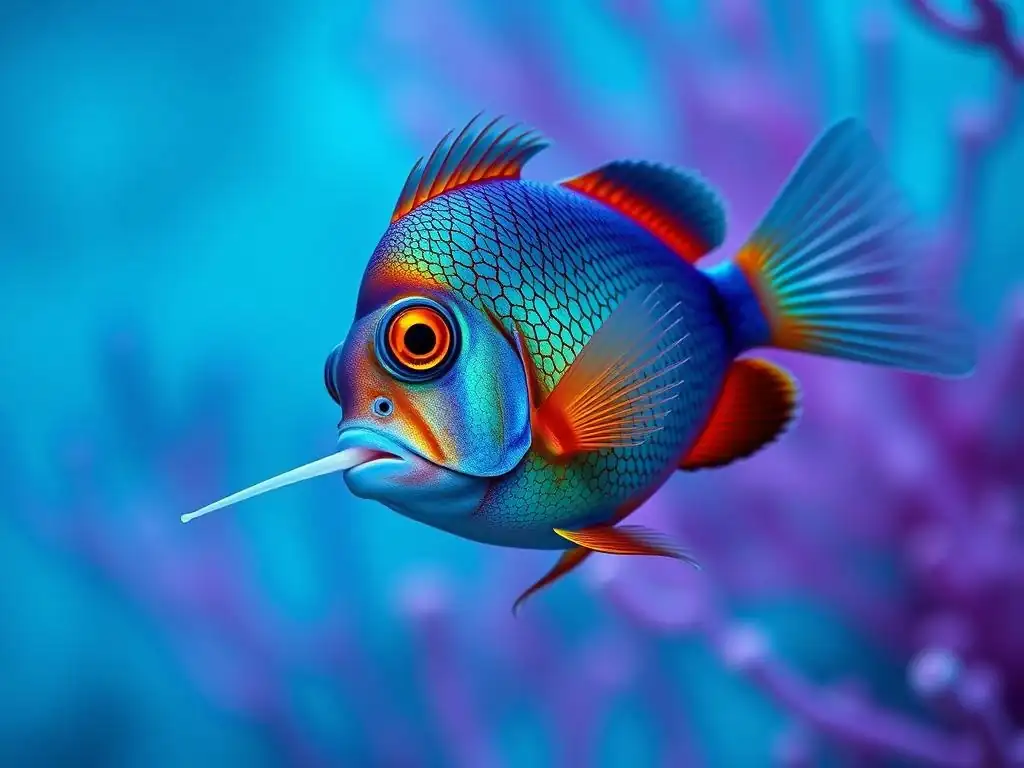
When selecting Anthias for your reef tank, considering their adult size and temperament is crucial for maintaining a balanced and harmonious ecosystem. Species like the Lyretail Anthias ( Pseudanthias squamipinnis) can reach up to 6 inches, requiring larger tanks (100+ gallons for a school) and potentially displaying more territorial behavior, especially among males. In contrast, the Dispar Anthias ( Pseudanthias dispar) typically stays around 3-4 inches, making it suitable for smaller reef setups (75 gallons for a small group) and generally exhibiting a more peaceful disposition.
Temperament also varies; while most Anthias are considered reef-safe and relatively peaceful, dominant males can be aggressive towards subordinate males or even females within their own species, particularly in smaller tanks or if not enough hiding spots are provided. Understanding these nuances is a vital Anthias fish care tip, ensuring that the chosen species will integrate well with existing tank inhabitants and thrive without undue stress. Researching specific species profiles will provide detailed insights into their social dynamics.
Color Variations and Patterns: Selecting Anthias for Visual Appeal
The diversity in color and pattern among Anthias species is one of their most captivating features, allowing aquarists to select fish that perfectly complement their desired aesthetic. For instance, the Lyretail Anthias exhibits a dramatic sexual dimorphism, with males showcasing a striking purple or magenta body and an elongated lyre-shaped tail, while females are typically orange with a simple tail. The Sunburst Anthias ( Serranocirrhitus latus) offers a unique pattern of vertical orange bands on a white body, and the Blotchy Anthias ( Odontanthias borbonius) boasts a deep red body with distinct yellow blotches.
When considering visual appeal, it's also important to note how colors can change based on the fish's health, diet, and stress levels. A well-fed, healthy Anthias will display more vibrant and true-to-species coloration, underscoring the importance of diligent Anthias fish care tips. Some species, like the Bartletts Anthias ( Pseudanthias bartlettorum), maintain a consistent purple and yellow hue, while others may shift colors depending on their mood or social standing within the school.
Dietary Needs and Compatibility: Ensuring Harmony in Your Fish Community
Beyond general planktivorous feeding, some Anthias species can have more specific or demanding dietary requirements, which impacts their compatibility with other tank inhabitants. For example, deepwater Anthias like the Ventralis Anthias ( Odontanthias ventralis) may be more finicky eaters, preferring live copepods or very small, high-quality frozen foods, and may struggle to compete with faster, more aggressive feeders in a mixed reef. Conversely, more robust species like the Lyretail Anthias are generally less selective and will readily consume most frozen meaty foods.
Compatibility also extends to ensuring that tank mates do not outcompete Anthias for food or space. Very aggressive feeders or large, boisterous fish can stress Anthias, leading to shyness, refusal to eat, and eventual decline. Similarly, predatory fish that view small Anthias as prey should be avoided. A key Anthias fish care tip is to observe feeding dynamics closely and ensure all fish are getting adequate nutrition without excessive competition, potentially by target feeding or increasing feeding frequency.
Advanced Anthias Fish Care: Troubleshooting Common Issues
Identifying and Treating Anthias Diseases: A Proactive Approach
Anthias, like many marine fish, can be susceptible to common aquarium diseases, particularly if stressed by poor water quality, inadequate diet, or improper acclimation. Proactive Anthias fish care tips include implementing a strict quarantine protocol for all new arrivals, typically for 2-4 weeks, in a separate observation tank. During quarantine, closely monitor for signs of disease such as white spots (Ich, Cryptocaryon irritans), velvet ( Amyloodinium ocellatum), clamped fins, labored breathing, or abnormal swimming.
If diseases are identified, prompt treatment is crucial. For Ich, options include hyposalinity (reducing specific gravity to 1.008-1.009 for 2-4 weeks) or copper-based medications in a hospital tank. Marine velvet often requires stronger treatments like copper or formalin. Always ensure the treatment is safe for the specific fish and follow dosage instructions precisely. Maintaining stable, high-quality water parameters and a nutritious diet significantly boosts their immune system, making them more resilient to pathogens.
Managing Aggression and Competition within Anthias Schools
While Anthias are generally schooling fish, aggression and competition, particularly among males or newly introduced individuals, can arise. This is especially true in smaller tanks or when attempting to keep multiple males of the same species. Anthias exhibit a hierarchical social structure, with a dominant male overseeing a harem of females and subordinate males. If multiple dominant males are present without sufficient space or females, intense territorial disputes can occur.
To manage aggression, consider keeping only one male per species in smaller tanks (under 125 gallons) or providing a very large tank (200+ gallons) with ample hiding spots if attempting to keep multiple males of different Anthias species. Introduce Anthias in odd-numbered groups (e.g., 3, 5, 7) to diffuse aggression, as this often helps spread out territorial disputes. Providing plenty of rockwork and line-of-sight breaks can also reduce stress and aggression. Observing their behavior for early signs of bullying is a critical Anthias fish care tip.
Addressing Challenges in Feeding Finicky Anthias
Some Anthias species, particularly those collected from deeper waters or those that have recently undergone stress, can be finicky eaters, posing a significant challenge for aquarists. Signs of finicky eating include refusing offered foods, spitting out food, or showing no interest during feeding times. This can quickly lead to emaciation and decline if not addressed promptly.
To encourage finicky Anthias to eat, offer a variety of very small, high-quality frozen foods, such as enriched copepods, baby Mysis shrimp, or finely chopped and vitamin-enriched seafood. Live foods, like copepods or newly hatched brine shrimp (enriched), can often stimulate a feeding response. Increase the frequency of feedings to 5-7 times a day, providing very small amounts each time to mimic their natural grazing behavior.
Ensuring strong water flow helps keep food suspended, making it more appealing. Target feeding with a pipette can also be effective for particularly shy or slow eaters, providing essential Anthias fish care tips for dietary needs.
Building a Thriving Anthias School: Best Practices for Success
Choosing the Right Number of Anthias for Your Tank Size
Establishing a successful Anthias school hinges on selecting an appropriate number of individuals for your aquarium's volume. For smaller Anthias species like the Dispar Anthias ( Pseudanthias dispar), a minimum of a 75-gallon tank is generally recommended for a school of 3 to 5 individuals. This provides adequate swimming room and helps diffuse potential aggression. Larger species, such as the Lyretail Anthias ( Pseudanthias squamipinnis), require a tank of at least 100-125 gallons for a school of 3-5, due to their larger adult size and more pronounced territorial tendencies.
The general rule of thumb for schooling fish is to keep them in odd numbers (e.g., 3, 5, 7, 9) as this often helps distribute social dynamics and reduce aggression by preventing a single individual from being targeted. Overstocking can lead to increased stress, aggression, and poor water quality, while too few individuals may result in shyness and lack of schooling behavior. Careful consideration of these Anthias fish care tips regarding stocking density is crucial for a thriving school.
Introducing New Anthias to an Established Aquarium
Introducing new Anthias to an established aquarium requires patience and careful planning to minimize stress and prevent disease outbreaks. Always quarantine new fish in a separate tank for at least 2-4 weeks. This allows you to observe them for signs of illness, treat any issues, and ensure they are eating well before introduction to the main display. During quarantine, gradually acclimate them to your main tank's water parameters.
When ready for introduction, dim the lights in the main display tank. This reduces stress for the new arrivals and minimizes aggression from existing inhabitants. Float the bag for 15-20 minutes to equalize temperature, then use a drip acclimation method over 30-60 minutes to slowly adjust them to your tank's water chemistry. Provide plenty of hiding spots in the main tank. Observe interactions closely for the first few days, being prepared to remove any overly aggressive tank mates or the new Anthias if severe bullying occurs. These careful Anthias fish care tips ensure a smooth transition.
Observing and Monitoring Anthias Behavior for Early Problem Detection
Regular and diligent observation of your Anthias' behavior is one of the most proactive Anthias fish care tips for early problem detection. Healthy Anthias are typically active, constantly swimming and feeding, and display vibrant coloration. Any deviation from this norm can signal an underlying issue. Look for changes such as clamped fins, rapid or labored breathing, scratching against rocks or substrate ("flashing"), white spots or patches on the body, or a general loss of color.
Changes in appetite, such as refusing food or spitting it out, are also strong indicators of stress or illness. Similarly, unusual hiding, lethargy, or a lack of schooling behavior can point to problems. Consistent monitoring allows you to identify issues early, enabling prompt intervention before conditions escalate. Keeping a log of water parameters and fish behavior can also help track trends and identify potential stressors in your system.
The Future of Anthias in Aquariums: Conservation and Responsible Keeping
Sustainable Sourcing of Anthias: Supporting Ethical Practices
The increasing demand for Anthias in the aquarium trade highlights the importance of sustainable sourcing. Many Anthias species are wild-caught, and irresponsible collection methods can severely impact wild populations and reef ecosystems. As aquarists, supporting ethical practices is a crucial aspect of Anthias fish care. This means seeking out suppliers who adhere to sustainable collection guidelines, such as hand-netting over cyanide fishing, which is highly destructive to both fish and coral reefs.
Furthermore, supporting aquaculture efforts and purchasing captive-bred Anthias, when available, is the most environmentally responsible choice. While captive breeding of many Anthias species is still in its early stages due to their complex life cycles, ongoing research and development are slowly making more species available. By choosing responsibly sourced fish, aquarists contribute directly to the long-term health of wild populations and the marine environment.
The Role of Aquarists in Anthias Conservation Efforts
Aquarists play a significant role in Anthias conservation efforts, extending beyond just sustainable purchasing. By maintaining healthy, thriving Anthias in home aquariums, hobbyists contribute to ex-situ conservation, essentially creating living gene banks that could potentially be used for future breeding programs. Educating others about the specific Anthias fish care tips and the importance of responsible marine aquarium keeping also raises awareness about broader ocean conservation issues.
Participating in citizen science initiatives, such as reporting unusual observations or contributing to online databases of fish health and behavior, can also provide valuable data for researchers. Supporting organizations dedicated to marine research and conservation, through donations or volunteering, further amplifies the impact. Every responsible aquarist contributes to a collective effort to protect these beautiful creatures and their natural habitats.
Adapting Care Practices to Emerging Anthias Research
The field of marine aquaculture and fish keeping is constantly evolving, with new research frequently emerging regarding fish biology, disease prevention, and optimal husbandry practices. For Anthias fish care, staying updated with the latest scientific findings is essential for providing the best possible environment for these sensitive fish. Research into specific dietary needs, environmental enrichment, and disease resistance for various Anthias species can significantly improve their captive longevity and well-being.
For instance, ongoing studies might reveal new insights into the specific light spectrums or flow patterns that best mimic their deepwater habitats, or identify novel probiotic strains that enhance their digestive health. Aquarists should actively seek out information from reputable scientific journals, industry conferences, and experienced professionals. Adapting care practices based on new knowledge ensures that Anthias in aquariums continue to thrive, pushing the boundaries of what is possible in responsible marine fish keeping.
Frequently Asked Questions
How difficult are Anthias to keep in a saltwater aquarium?
Anthias are generally considered moderately difficult to keep. They require pristine water conditions and a consistent, high-quality food supply, making them unsuitable for beginner aquarists.
What is the ideal tank size for a group of Anthias?
A minimum of 125 gallons is recommended for a small group of Anthias. They are schooling fish and need ample swimming space, so larger tanks are always better to ensure their well-being.
What should I feed Anthias to ensure they thrive in my aquarium?
Anthias need to be fed multiple times a day with small portions of nutrient-rich foods. A diet of frozen mysis shrimp, brine shrimp, and high-quality flake food is ideal, supplementing with live food when possible.
What are some common health problems that affect Anthias?
Anthias are susceptible to diseases like ich (white spot disease) and internal parasites. Maintaining excellent water quality and quarantining new arrivals are crucial for preventing these issues.
What are the key considerations when selecting Anthias for a reef aquarium?
Ensure the chosen species is reef-safe and compatible with other inhabitants. Also, consider their temperament and dietary needs to ensure they integrate well into the existing ecosystem.
Final Reflection: Embracing the Spectrum of Anthias Beauty
The journey through the dazzling diversity of Anthias species, as we've explored, is more than just an academic exercise; it's a testament to the untapped potential within our aquariums and the responsibility we bear as custodians of these vibrant ecosystems. While "Anthias fish care tips" might seem like a simple search term, it unlocks a world of possibilities, urging us to move beyond the commonly kept species and appreciate the full spectrum of Anthias beauty.
This exploration has undoubtedly broadened our understanding of these captivating fish, highlighting the importance of responsible sourcing and species-specific care. It's a reminder that our choices, as aquarists, have a profound impact on the sustainability of wild populations and the well-being of the creatures we bring into our homes. In the end, we will conserve only what we love; we will love only what we understand; and we will understand only what we are taught.
- Baba Dioum. This quote perfectly encapsulates the need for continued learning and appreciation of the Anthias genus.
Now, armed with this knowledge, I encourage you to reflect on your own aquascaping practices and consider the possibilities that lie beyond the familiar. Dare to explore the less common Anthias species, but do so with a commitment to providing the specialized care they deserve. Let's strive to create thriving, diverse reef ecosystems that reflect the true brilliance of the Anthias world, ensuring these dazzling fish continue to captivate us for generations to come.
Unveil the Anthias Kingdom: Start Your Exploration Now!
Thank you for diving deep into the mesmerizing world of Anthias with us! We hope this exploration has sparked a new appreciation for the dazzling diversity within this fish family. Ready to take your passion to the next level?
Here are a few ways to continue your Anthias journey:
- Delve deeper: Identify three Anthias species you've never heard of and research their specific care requirements.
- Share your discoveries: Post your favorite Anthias fact on social media using #AquariumMasteryAnthias to connect with fellow enthusiasts.
- Unexpected adventure: Visit your local aquarium and make a point to spend a minimum of 30 minutes observing any existing Anthias, taking notes on their behavior and interactions.
Which rarely-seen Anthias species has now captured your heart and why?