
Porcelain Crabs: FilterFeeding Friends for Your Anemones and Corals

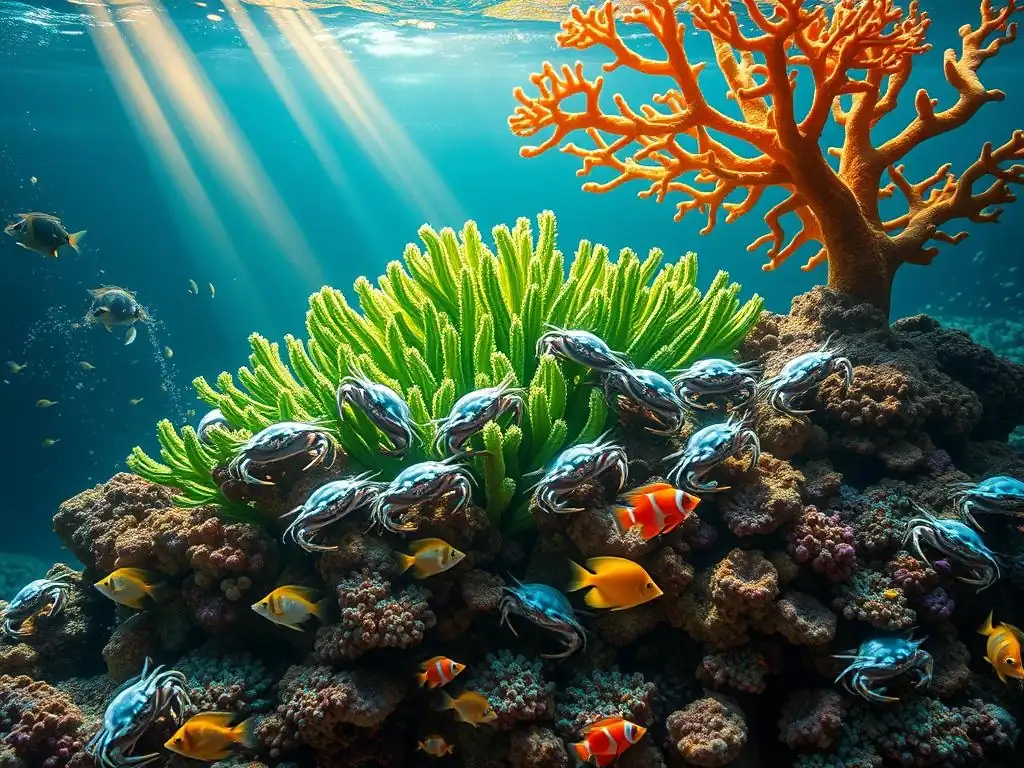
Welcome to Aquarium Mastery, where we dive deep into the captivating world of aquatic life! Ever wondered how to add a touch of unique charm and practical benefit to your reef tank? Then you're in the right place. Discover everything you need to know about keeping these fascinating creatures thriving. Intrigued? Let's explore some essential Porcelain crab care tips and unlock the secrets to successfully integrating these filter-feeding marvels into your aquarium!
- Porcelain Crabs: Filter-Feeding Friends for Your Anemones and Corals - AquariumMastery.com
- Introduction to Porcelain Crabs for Saltwater Aquariums
-
Selecting the Right Porcelain Crab Species for Your Reef Tank
- Popular Porcelain Crab Species for Aquariums: An Overview
- Anemone Crabs ( Neopetrolisthes spp.): A Symbiotic Relationship
- Filter-Feeding Porcelain Crabs: The Gentle Giants of the Reef
- Spotted Porcelain Crab ( Neopetrolisthes maculatus)
- Red Porcelain Crab ( Petrolisthes armatus)
- Blue Porcelain Crab ( Porcellana platycheles)
- Porcelain Crab Care Tips: Creating the Ideal Aquarium Environment
- Feeding Your Porcelain Crab: Diet and Nutritional Needs
- Porcelain Crab Compatibility: Tank Mates and Community Considerations
- Common Porcelain Crab Health Issues and Troubleshooting
- Breeding Porcelain Crabs: A Challenging but Rewarding Endeavor
- The Benefits of Porcelain Crabs in a Reef Tank: A Sustainable Solution
- Sourcing Your Porcelain Crab: Ethical Considerations
-
Frequently Asked Questions
- What are the basic care requirements for Porcelain Crabs in a reef aquarium?
- What do Porcelain Crabs eat, and how should I ensure they get enough food?
- Are Porcelain Crabs compatible with all types of anemones and corals?
- What size aquarium is appropriate for keeping Porcelain Crabs?
- What are some common health problems or diseases that affect Porcelain Crabs, and how can I prevent them?
- Final Reflection: Embracing the Delicate Balance
- Unveil the Wonders: Start Your Porcelain Crab Journey Today!
Porcelain Crabs: Filter-Feeding Friends for Your Anemones and Corals - AquariumMastery.com
Introduction to Porcelain Crabs for Saltwater Aquariums
What are Porcelain Crabs and Why Keep Them?
Porcelain crabs, belonging to the family Porcellanidae, are fascinating and often overlooked inhabitants of saltwater aquariums. Despite their name, they are not true crabs but are more closely related to hermit crabs. These small crustaceans are primarily filter feeders, using specialized feathery mouthparts (maxillipeds) to sift plankton and detritus from the water column. They typically boast a flattened body, ranging in size from a diminutive 0.5 inches to about 2 inches in carapace width, making them suitable for many reef tank setups. Their generally peaceful demeanor and unique feeding behavior make them intriguing additions to a diverse marine ecosystem.
Keeping porcelain crabs offers several benefits to the aquarist. They are largely non-aggressive and pose no threat to corals, fish, or other invertebrates, making them excellent candidates for reef-safe clean-up crews. Their constant filtering activity contributes to water clarity and nutrient export, enhancing the overall health of the aquarium. Furthermore, their symbiotic relationships with certain anemones or their habit of perching on live rock provide captivating behavioral displays, adding an extra layer of interest to the marine environment.
Porcelain Crab Benefits: A Natural Filter Feeder for Reef Tanks
The primary benefit of incorporating porcelain crabs into a reef tank lies in their specialized filter-feeding capabilities. Unlike many detritivores that scavenge on the substrate, porcelain crabs actively filter the water, capturing suspended organic particles, phytoplankton, and zooplankton. They extend their fan-like appendages into the current, sweeping microscopic food items into their mouths. This continuous filtration helps to reduce the organic load in the water column, preventing the buildup of detritus that can otherwise fuel nuisance algae growth or sediment on sensitive corals.
Their contribution to water quality is significant, especially in tanks that may struggle with suspended particulate matter. By consuming these microscopic elements, porcelain crabs assist in maintaining pristine water clarity and contribute to a healthier, more stable environment for corals and fish. This natural biological filtration system reduces the need for constant manual cleaning of surfaces from settled particles and supports the overall nutrient cycling within the aquarium, making them a valuable part of porcelain crab care tips for a thriving reef.
Distinguishing Porcelain Crabs from True Crabs: Identifying Features
While visually similar to true crabs, porcelain crabs possess distinct morphological features that set them apart. The most notable difference lies in their leg count: true crabs have five pairs of visible walking legs, whereas porcelain crabs appear to have only four. Their fifth pair of legs is vestigial and tucked tightly under the carapace, often used for cleaning their gills. This characteristic, along with their typically flattened, disc-like bodies, provides a key identifier.
Another distinguishing feature is their feeding apparatus. True crabs primarily use their claws (chelae) for grasping, tearing, and scavenging. Porcelain crabs, on the other hand, possess large, feathery maxillipeds designed specifically for filter feeding, which they continuously extend and retract to capture food particles. Their antennae are also usually long and slender, often exceeding the length of their body. Observing these subtle yet crucial differences in anatomy and feeding behavior can help aquarists correctly identify these unique crustaceans.
Selecting the Right Porcelain Crab Species for Your Reef Tank
Popular Porcelain Crab Species for Aquariums: An Overview
The family Porcellanidae encompasses a variety of species, many of which are well-suited for home aquariums due to their small size and peaceful nature. When considering which porcelain crab to add, aquarists often encounter species that are either symbiotic with anemones or free-living filter feeders found on live rock. Each type offers unique behaviors and aesthetic appeal, though their care requirements, particularly regarding habitat, can differ slightly.
Commonly available species include the vibrant Spotted Porcelain Crab ( Neopetrolisthes maculatus), which is almost exclusively found in association with large host anemones, and the more generalized Red Porcelain Crab ( Petrolisthes armatus), often found under rocks or in crevices. The choice largely depends on the existing tank setup and the aquarist's interest in fostering specific symbiotic relationships. Understanding the nuances of each species is crucial for providing optimal porcelain crab care tips and ensuring their long-term health.
Anemone Crabs ( Neopetrolisthes spp.): A Symbiotic Relationship
Anemone crabs, primarily species within the genus Neopetrolisthes, are renowned for their obligate symbiotic relationship with large host anemones, such as Carpet Anemones ( Stichodactyla spp.) or Magnificent Sea Anemones ( Heteractis magnifica). In this mutualistic partnership, the crab gains protection from predators by residing within the anemone's stinging tentacles, to which it is immune. In return, the crab is believed to clean the anemone's tentacles and may even share food particles caught by the anemone.
These crabs are often strikingly colored to blend with their hosts, with species like the Spotted Porcelain Crab ( N. maculatus) displaying a white body adorned with distinct red-orange spots, perfectly mimicking the texture of a Carpet Anemone. They typically grow to about 1 to 1.5 inches in carapace width. For successful long-term porcelain crab care, it is essential to provide a healthy, established host anemone for these species, as they rely heavily on this association for survival and well-being. Without a suitable host, they often become stressed and may not thrive.
Filter-Feeding Porcelain Crabs: The Gentle Giants of the Reef
Beyond the anemone-dwelling species, there are numerous filter-feeding porcelain crabs that do not require a specific host. These "free-living" species primarily inhabit rocky crevices, under rubble, or on the underside of ledges, where they can extend their feeding appendages into the water flow to capture suspended food particles. They are typically more cryptic than their anemone-dwelling counterparts but are equally effective at contributing to the tank's cleanliness.
Species like the Red Porcelain Crab ( Petrolisthes armatus) exemplify this group. They are generally smaller, often reaching about 0.75 to 1 inch in carapace width, and exhibit a range of colors from reddish-brown to mottled grey, allowing them to blend seamlessly with live rock. These crabs are ideal for aquarists seeking a natural clean-up crew member that is entirely reef-safe and compatible with a wide array of tank inhabitants. Their peaceful nature and dedicated filtering make them a valuable, low-maintenance addition to most reef systems.
Spotted Porcelain Crab ( Neopetrolisthes maculatus)
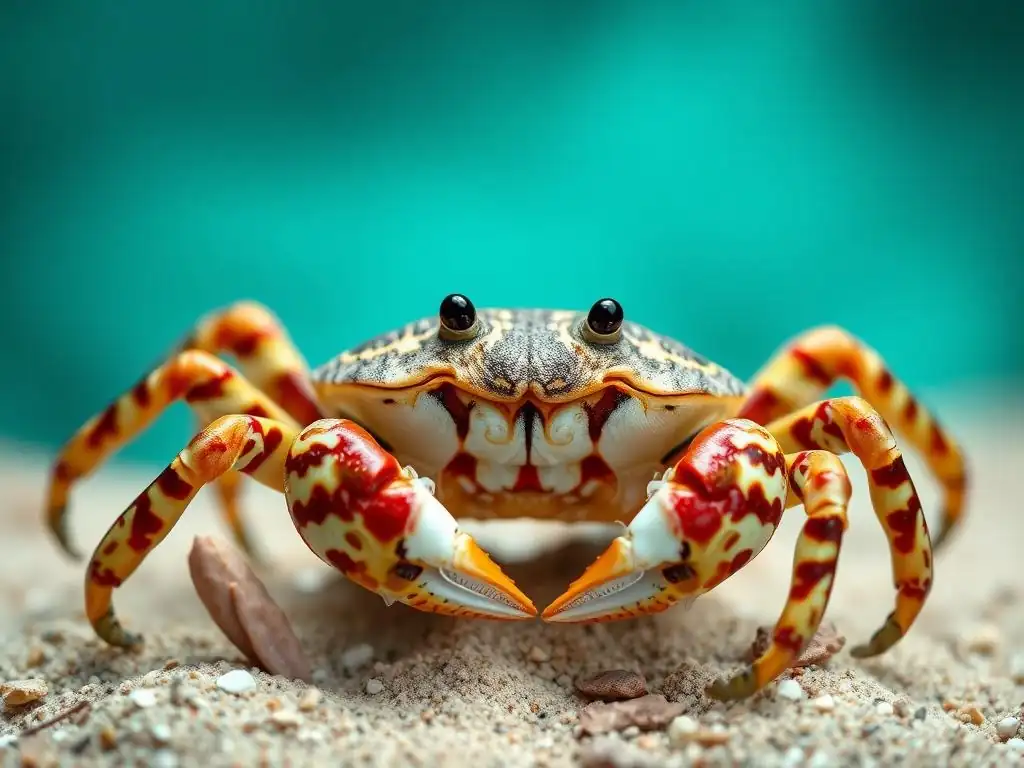
The Spotted Porcelain Crab, Neopetrolisthes maculatus, is arguably one of the most visually appealing and sought-after porcelain crab species for reef aquariums. Its striking appearance features a creamy white or pale yellow body covered in vibrant red or orange spots, often with a matching coloration on its legs and antennae. This camouflage allows it to blend perfectly with its preferred host, the Carpet Anemone ( Stichodactyla spp.). It typically reaches a size of 1 to 1.5 inches across its carapace.
For optimal porcelain crab care, a healthy and established Carpet Anemone is paramount for N. maculatus. Without a host, the crab will be stressed, more susceptible to predation, and unlikely to thrive long-term. In the wild, they are observed constantly filtering the water while perched safely within the anemone's tentacles, consuming plankton and detritus. Their presence adds a dynamic and aesthetically pleasing element to any anemone display, showcasing a fascinating natural symbiosis.
Red Porcelain Crab ( Petrolisthes armatus)
The Red Porcelain Crab, Petrolisthes armatus, is a common and hardy species often found in the Caribbean and tropical Atlantic. It typically exhibits a reddish-brown to orange coloration, sometimes with subtle blue or white speckles, and usually grows to a modest size of about 0.75 to 1 inch in carapace width. Unlike the Neopetrolisthes species, P. armatus does not form a symbiotic relationship with anemones; instead, it prefers to inhabit rocky crevices, under rubble, or within the intricate structures of live rock.
This species is an excellent choice for a general reef clean-up crew. It is a diligent filter feeder, constantly sifting the water for suspended food particles and detritus. Petrolisthes armatus is known for its resilience and adaptability to various reef tank conditions, provided water quality is stable. Its peaceful nature makes it compatible with nearly all reef-safe fish and invertebrates, contributing to a diverse and healthy aquarium ecosystem without posing any threat to corals.
Blue Porcelain Crab ( Porcellana platycheles)
The Blue Porcelain Crab, Porcellana platycheles, is a less commonly encountered but equally fascinating species in the aquarium trade. It is characterized by its distinctively flattened, disc-like body, which often appears in shades of dull blue, grey-blue, or even brown, allowing it to blend seamlessly with rocky substrates. This species is typically smaller than its counterparts, with a carapace width rarely exceeding 0.75 inches. In its natural habitat, it is often found in rocky intertidal zones, clinging tightly to rocks.
Due to its cryptic nature and smaller size, the Blue Porcelain Crab can be an excellent micro-filter feeder for nano or pico reef tanks, provided there is adequate water flow to deliver food particles. Its care requirements are similar to other porcelain crabs, emphasizing stable water parameters and abundant hiding places. While not as visually striking as the Spotted Porcelain Crab, its unique morphology and dedicated filtering make it a valuable, if subtle, addition to a well-maintained reef environment.
Porcelain Crab Care Tips: Creating the Ideal Aquarium Environment
Setting Up Your Porcelain Crab Tank: Essential Parameters
When setting up an aquarium for porcelain crabs, focusing on stability and providing appropriate habitat is paramount. For a single porcelain crab, a nano reef tank of 10-20 gallons can be sufficient, but a larger system (30 gallons or more) offers greater stability and allows for a more diverse community. The tank should be well-established, ideally running for several months to ensure a mature biological filter and stable water parameters. Ample live rock is crucial, providing numerous crevices, caves, and overhangs for the crabs to hide in and filter from.
Water flow is another critical consideration. Porcelain crabs are filter feeders and rely on currents to bring food particles to them. A moderate to strong but non-turbulent flow across their preferred perching spots will ensure they have access to sufficient nutrition. Lighting requirements are dictated by other tank inhabitants like corals or anemones; the crabs themselves do not have specific lighting needs beyond what their host or environment demands. Proper planning of these elements is key to effective porcelain crab care tips.
Water Quality for Porcelain Crabs: Maintaining a Stable Environment
Maintaining pristine and stable water quality is arguably the most critical aspect of porcelain crab care. These invertebrates, like most reef inhabitants, are sensitive to fluctuations in parameters and the presence of harmful nitrogenous compounds. Regular testing is essential, focusing on ammonia, nitrite, nitrate, pH, and salinity. Ammonia and nitrite should always be undetectable (0 ppm), while nitrates should be kept as low as possible, ideally below 10 ppm for a healthy reef.
Consistent salinity, typically between 1.023 and 1.026 specific gravity (or 32-35 ppt), is vital. Sudden swings can cause significant stress, particularly during molting. Phosphates should also be kept very low, ideally below 0.03 ppm, as high levels can inhibit coral growth and encourage nuisance algae. Implementing a robust filtration system, including mechanical, biological, and chemical filtration, coupled with regular water changes, forms the cornerstone of maintaining ideal water quality for these delicate filter feeders.
Providing Shelter and Hiding Places: Rockwork and Anemones
Porcelain crabs are naturally reclusive and require ample shelter to feel secure and thrive. In a reef tank, this means providing plenty of live rock with a variety of crevices, caves, and overhangs. These hiding spots offer protection from potential predators and serve as safe havens during molting, a period when the crab is extremely vulnerable. A well-aquascaped tank with intricate rockwork mimics their natural habitat and reduces stress.
For anemone-dwelling species like the Spotted Porcelain Crab ( Neopetrolisthes maculatus), a healthy, established host anemone is not just a hiding place but an absolute necessity for their survival. Without a suitable host, these crabs will become highly stressed, exposed to predation, and often decline rapidly. Ensuring the anemone is thriving and well-fed will directly contribute to the well-being of its crab symbiont. Even free-living species benefit immensely from a complex rock structure that allows them to retreat when threatened, a fundamental aspect of successful porcelain crab care.
Optimal Water Parameters for Porcelain Crab Health
To ensure the long-term health and vitality of porcelain crabs, maintaining specific water parameters within optimal ranges is crucial. Consistent salinity between 1.023 and 1.026 specific gravity (32-35 ppt) is paramount, as fluctuations can be highly detrimental, especially during the molting process. The water temperature should be kept stable within the range of 72-78°F (22-25.5°C).
Furthermore, the following chemical parameters are vital:
- pH: 8.1-8.4
- Alkalinity: 8-12 dKH (or 2.8-4.3 meq/L)
- Calcium: 400-450 ppm
- Magnesium: 1250-1350 ppm
These parameters are not only essential for overall reef health but also directly impact the crab's ability to form a strong exoskeleton, which is critical for successful molting and protection. Regular testing with reliable kits and appropriate supplementation, if needed, will help maintain these ideal conditions, directly contributing to effective porcelain crab care tips.
The importance of water changes in Porcelain Crab care
Regular water changes are a cornerstone of effective porcelain crab care and overall reef tank maintenance. Performing a 10-20% water change weekly or bi-weekly helps to export accumulated nitrates, phosphates, and other dissolved organic compounds that filtration alone cannot completely remove. This prevents the buildup of toxins that can stress invertebrates and lead to health issues.
Beyond nutrient export, fresh saltwater replenishes essential trace elements and minerals that are consumed by corals, invertebrates, and fish. These elements, including calcium, magnesium, and alkalinity components, are vital for the porcelain crab's molting process and the integrity of its exoskeleton. Consistent water changes contribute significantly to a stable environment, reducing stress and promoting healthy growth and longevity for your porcelain crabs.
Feeding Your Porcelain Crab: Diet and Nutritional Needs
What Do Porcelain Crabs Eat? A Detailed Guide to Their Diet
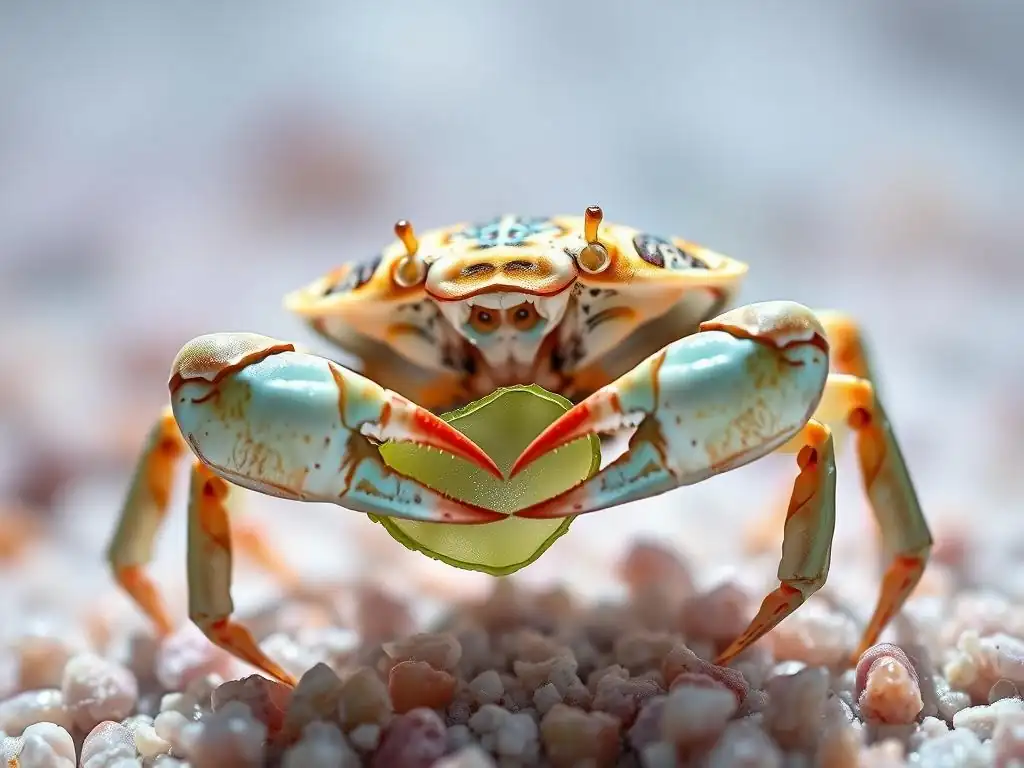
Porcelain crabs are obligate filter feeders, meaning their primary diet consists of microscopic particles suspended in the water column. They utilize their unique, fan-like maxillipeds to sweep the water for phytoplankton, zooplankton, detritus, and other suspended organic matter. In a natural reef environment, the water provides a continuous supply of these food sources through currents and tidal movements.
In a home aquarium, while they will diligently filter the water, the natural food supply may not always be sufficient, especially in tanks with low bioloads or very efficient filtration. Porcelain crabs are opportunistic and will also scavenge small food particles that settle on rocks or float by, including leftover fish food, fine coral foods, or even newly hatched brine shrimp. Observing their constant filtering action is a good indicator of their health and hunger.
Supplemental Feeding: Ensuring Your Crab Gets Enough Nutrients
Given that the natural planktonic food available in a home aquarium might be limited, supplemental feeding is often necessary to ensure porcelain crabs receive adequate nutrition. High-quality liquid invertebrate foods, marine snow, spirulina powder, finely crushed flake or pellet food, and live or frozen rotifers and copepods are excellent dietary supplements. These fine particulate foods can be broadcast fed into the water column, allowing the crabs to filter them out.
For targeted feeding, particularly if a specific crab appears shy or competition for food is high, a pipette can be used to deliver food directly into the water flow near the crab. Small, frequent feedings are more beneficial than large, infrequent ones, as this mimics their natural continuous feeding behavior and helps prevent water quality degradation. Adequate supplemental feeding ensures robust health and supports the molting process, which is a critical aspect of porcelain crab care tips.
Avoiding Overfeeding: Maintaining Water Quality
While supplemental feeding is often necessary for porcelain crabs, it's crucial to avoid overfeeding. Introducing too much food into the aquarium can quickly lead to an increase in dissolved organic compounds, resulting in elevated nitrate and phosphate levels. These elevated nutrients can fuel nuisance algae blooms, stress corals, and ultimately degrade overall water quality, creating an unhealthy environment for all tank inhabitants, including the crabs themselves.
Observe your porcelain crabs to gauge their feeding response; if they are actively filtering and consuming the offered food, they are likely benefiting. If food particles are left uneaten and begin to settle, reduce the feeding amount or frequency. A balanced feeding regimen, coupled with regular water changes and efficient filtration, will ensure your porcelain crabs receive sufficient nutrition without compromising the delicate balance of your reef ecosystem.
Porcelain Crab Compatibility: Tank Mates and Community Considerations
Peaceful Inhabitants: Porcelain Crabs and Other Reef Dwellers
Porcelain crabs are among the most peaceful and reef-safe invertebrates available to marine aquarists. Their specialized filter-feeding diet means they pose absolutely no threat to corals, anemones (unless they are their host), or other sessile invertebrates. They will not nip at polyps, consume soft coral tissue, or disturb the sandbed in a disruptive manner. Their small size and gentle nature make them ideal additions to a diverse reef community, contributing to the ecosystem without causing harm.
They generally coexist well with other peaceful clean-up crew members such as snails, hermit crabs, and various shrimp species. Aquarists can confidently add porcelain crabs to established reef tanks without concern for their impact on existing inhabitants, making them a worry-free choice for maintaining a balanced and harmonious marine environment.
Fish Compatibility: Choosing the Right Tank Mates
Selecting appropriate fish tank mates is crucial for the safety and well-being of porcelain crabs. Given their small size and relatively defenseless nature (especially after molting), they can be viewed as prey by larger or more aggressive fish. Ideal tank mates include small, peaceful species that primarily feed on prepared foods or small invertebrates, rather than crustaceans.
Excellent choices include:
- Clownfish (especially if the porcelain crab has an anemone host)
- Gobies (e.g., Watchman Gobies, Diamond Watchman Gobies, Yasha Haze Gobies)
- Blennies (e.g., Tailspot Blennies, Starry Blennies)
- Small Damselfish (e.g., Azure Damselfish, though some species can be territorial)
- Firefish Gobies
- Basslets (e.g., Royal Gramma)
Avoid predatory fish such as triggers, puffers, large wrasses, lionfish, and aggressive dottybacks, which are known to prey on crabs and other small invertebrates. Even some seemingly innocuous fish might occasionally bother or consume a porcelain crab, particularly after a molt. Prioritizing peaceful tank mates is a key porcelain crab care tip.
Invertebrate Compatibility: Shrimp, Snails, and Other Crabs
Porcelain crabs are highly compatible with most other common reef invertebrates, making them easy to integrate into a diverse clean-up crew. They typically coexist peacefully with various species of snails (e.g., Astrea, Nassarius, Trochus), hermit crabs (e.g., Blue Leg Hermit Crabs, Scarlet Hermit Crabs), and a wide range of shrimp, including cleaner shrimp (e.g., Skunk Cleaner Shrimp, Peppermint Shrimp) and pistol shrimp.
While generally harmonious, it's always wise to observe interactions when first introducing new invertebrates. Minor competition over prime perching spots or food particles can occasionally occur, but serious aggression resulting in harm is exceedingly rare among porcelain crabs and other peaceful invertebrates. Ensure ample space and hiding spots are available, especially if keeping multiple porcelain crabs or a high density of other invertebrates, to minimize any potential for stress.
Avoiding Predators: Protecting Your Porcelain Crab
Protecting porcelain crabs from predation is a critical aspect of their long-term care and survival in a reef aquarium. Due to their small size and soft bodies during the vulnerable molting process, many common reef fish can pose a threat. As previously mentioned, a strict avoidance of known predatory species like triggerfish, puffers, large wrasses (especially those that consume crustaceans), and aggressive dottybacks is paramount.
Even seemingly peaceful fish might opportunistically prey on a newly molted, soft crab. Therefore, providing abundant hiding places within the live rock structure is essential. These crevices and caves allow the porcelain crab to retreat and recover safely after shedding its old exoskeleton. A secure environment free from predatory pressure significantly reduces stress and increases the likelihood of a porcelain crab thriving in your aquarium, a fundamental porcelain crab care tip.
Common Porcelain Crab Health Issues and Troubleshooting
Recognizing Signs of Illness: Early Detection is Key
Early detection of illness in porcelain crabs is crucial for successful intervention. Healthy porcelain crabs are typically active, constantly filtering, and exhibiting their characteristic behaviors, such as clinging to rocks or their host anemone. Signs of illness or distress can include a marked reduction in activity, prolonged hiding, refusal to feed (lack of filtering activity), or an unusual posture.
Physical symptoms might involve discoloration of the shell, white or fuzzy patches indicative of fungal or bacterial infections, or lesions. While missing limbs can occur naturally (and often regenerate after a molt), a crab with multiple missing limbs without recent molting may be stressed or suffering from an underlying issue. Any sudden change in behavior or appearance warrants immediate investigation into water parameters and potential stressors in the tank.
Molting Problems: Assisting with the Molting Process
Molting (ecdysis) is a vital biological process for porcelain crabs, allowing them to grow and replace their exoskeleton. Problems during molting can arise from poor water quality, inadequate nutrition, or insufficient levels of essential minerals like calcium and magnesium. A crab struggling to molt might appear stuck in its old shell, or its new shell might be malformed.
To assist with the molting process, ensure that water parameters, particularly calcium (400-450 ppm), alkalinity (8-12 dKH), and magnesium (1250-1350 ppm), are stable and within optimal ranges. A well-balanced diet, possibly supplemented with marine snow or liquid invertebrate foods, provides the necessary nutrients. Most importantly, do not disturb a molting crab; they are extremely vulnerable during this period. Provide ample hiding places where they can safely shed their old shell and allow their new one to harden, which can take several hours to a few days.
Addressing Parasites and Infections: Treatment Options
Porcelain crabs are generally hardy, but like all invertebrates, they can be susceptible to bacterial or fungal infections, especially if stressed by poor water quality, injury, or unsuitable tank mates. Symptoms of infection might include discolored patches, fuzzy growths, or erosion on the carapace. Parasitic infestations are less common but can occur, often appearing as small external organisms.
Treating infections in a reef tank can be challenging due to the sensitivity of corals and other invertebrates to many medications. The most effective first step is often to transfer the affected crab to a separate quarantine or hospital tank with stable, pristine water parameters. This allows for observation and, if absolutely necessary, treatment with invertebrate-safe medications. However, prevention through excellent water quality and minimal stress is always the best approach for porcelain crab care.
Shell Disease in Porcelain Crabs: Causes and Treatment
Shell disease in porcelain crabs typically manifests as pitting, erosion, or dark necrotic spots on the carapace or limbs. It is primarily caused by bacterial infections, often opportunistic pathogens that take advantage of a weakened immune system, physical injury, or prolonged exposure to suboptimal water conditions (e.g., high nitrates, low alkalinity). Stress from aggressive tank mates or insufficient hiding places can also predispose crabs to shell disease.
Treatment involves identifying and rectifying the underlying environmental stressors. This means meticulously checking and correcting water parameters, ensuring adequate nutrition, and removing any sources of aggression. In mild cases, improving water quality may allow the crab to recover and regenerate healthy shell tissue after its next molt. For more severe cases, a separate hospital tank might be necessary, where targeted, invertebrate-safe antibiotic dips or treatments could be considered, though such interventions carry risks and should be approached with caution and expert guidance.
Breeding Porcelain Crabs: A Challenging but Rewarding Endeavor
Creating a Breeding Environment: Replicating Natural Conditions
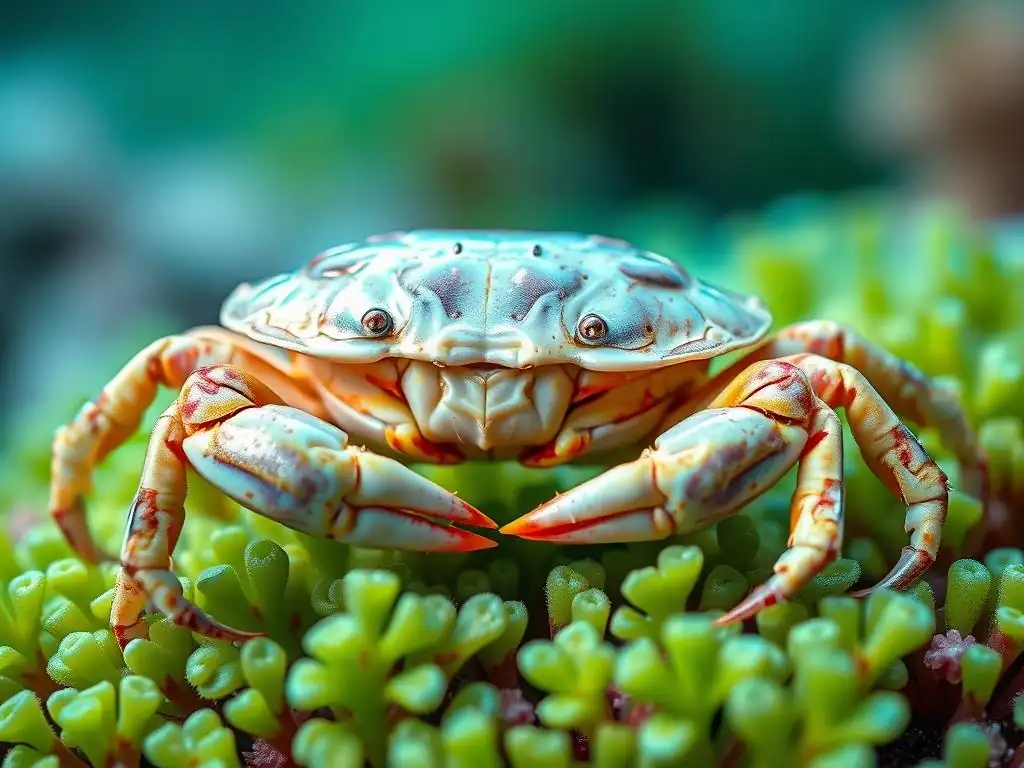
Breeding porcelain crabs in a home aquarium is a challenging but potentially rewarding endeavor. While spontaneous spawning can occur in a healthy reef tank, successfully raising the larvae requires a dedicated breeding setup. Sexing porcelain crabs can be difficult, but females are often slightly larger than males and, when gravid, will carry clutches of eggs (often orange or red) tucked under their abdomen, protected by their pleopods.
To encourage spawning, maintain pristine and stable water parameters within optimal ranges, and provide a consistent, high-quality diet for the adult crabs. For anemone-dwelling species, ensuring a thriving host anemone is crucial, as it provides a secure environment for reproduction. A separate larval rearing tank should be prepared in advance, as the larvae are pelagic and require specialized conditions immediately upon hatching.
Larval Care: Raising Porcelain Crab Larvae
Porcelain crab larvae, known as zoea, are extremely small and planktonic, making their care highly demanding. They hatch as free-swimming organisms and require specific, microscopic food sources for survival and development. Their diet consists primarily of live phytoplankton and zooplankton, such as rotifers ( Brachionus plicatilis) and copepod nauplii. These live foods must be cultured separately and provided in sufficient quantities to sustain the larvae.
The larval rearing tank needs to be kept scrupulously clean with gentle aeration to prevent detritus buildup, which can quickly lead to crashes. Water changes in the larval tank must be frequent and carefully executed using aged, stable saltwater. The zoea undergo several molts before transforming into a megalopa stage, which then metamorphoses into a tiny juvenile crab. Survival rates in home aquariums are typically very low due to the precise environmental and nutritional requirements.
Salinity and Diet Requirements for Larval Development
The successful development of porcelain crab larvae is highly sensitive to the precise salinity and dietary conditions. Salinity should be maintained consistently within the range of 1.024-1.026 specific gravity, mirroring the stable conditions of a natural reef. Temperature should also be stable, ideally around 75-78°F (24-25.5°C). Any significant fluctuations can be detrimental to the delicate larval stages.
As for diet, the zoea primarily feed on microscopic live foods. A varied diet of phytoplankton species (e.g., Nannochloropsis, Tetraselmis) and small zooplankton like L-strain rotifers and copepod nauplii is crucial. The food size must match the larval mouthparts, which are incredibly small. Some aquarists also experiment with enriched Artemia nauplii for later larval stages. Providing adequate and consistently available food is the most challenging aspect of raising porcelain crab larvae, and key to these advanced porcelain crab care tips.
The Benefits of Porcelain Crabs in a Reef Tank: A Sustainable Solution
Natural Filtration: Reducing Waste and Detritus
Porcelain crabs serve as highly effective natural filters in a reef aquarium. Their continuous filter-feeding activity means they are constantly sifting the water column, removing suspended organic particles, detritus, and microscopic food waste that might otherwise accumulate. This active removal of particulate matter helps to maintain crystal-clear water, enhancing the aesthetic appeal of the tank and allowing for better light penetration for corals.
Beyond clarity, their role in nutrient cycling is significant. By consuming these suspended organics, they effectively export potential pollutants from the water column, reducing the organic load on the tank's mechanical and biological filtration systems. This natural form of waste reduction contributes to a more stable and healthier environment, minimizing the risk of nutrient spikes that can lead to nuisance algae or stress sensitive corals.
Algae Control: Keeping Your Tank Clean
While porcelain crabs are not primary algae grazers in the same vein as snails or tangs, their filter-feeding activities indirectly contribute to algae control within the reef tank. By consuming suspended organic matter and microscopic algal spores from the water column, they reduce the availability of nutrients that fuel the growth of undesirable algae. Less available food for microalgae means a cleaner and more balanced ecosystem.
Their constant sifting also helps to prevent the accumulation of fine detritus on live rock and coral surfaces, which can otherwise provide a substrate for opportunistic algae to colonize. In essence, they act as a preventative measure, helping to maintain a lower baseline of nutrients in the water that could otherwise lead to unsightly algal blooms.
Aesthetically Pleasing: Adding Beauty to Your Reef
Beyond their functional benefits, porcelain crabs add a unique aesthetic appeal and behavioral interest to a reef tank. Their often vibrant coloration, such as the striking red spots of Neopetrolisthes maculatus or the subtle blue hues of Porcellana platycheles, can make them captivating focal points. Their unique flattened body shape and long, feathery feeding appendages provide a distinct visual element not found in other invertebrates.
Observing their constant, rhythmic filter-feeding motion is mesmerizing. For anemone-dwelling species, the dynamic interaction between the crab and its host anemone creates a miniature natural spectacle within the aquarium, showcasing a fascinating symbiotic relationship. Their presence adds movement, color, and a touch of natural wonder to any well-maintained reef system.
Porcelain Crabs: a reef-safe clean-up crew
One of the most significant advantages of porcelain crabs is their absolute reef-safe nature. Unlike some other crab species that can be opportunistic predators of corals, small fish, or other invertebrates, porcelain crabs are exclusively filter feeders or detritivores. They pose no threat to corals, anemones (unless they are a host species), or other sessile invertebrates. Their feeding method ensures they will not damage or consume coral tissue.
This makes them an ideal choice for aquarists who want a natural clean-up crew member without the worry of potential harm to their prized corals or other delicate inhabitants. Their peaceful demeanor and specialized diet mean they can be safely integrated into even the most advanced and delicate reef aquariums, making them a truly sustainable and worry-free addition to any marine ecosystem. These porcelain crab care tips focus on their beneficial nature.
Sourcing Your Porcelain Crab: Ethical Considerations
Choosing a Reputable Supplier: Avoiding Wild-Caught Specimens
When sourcing porcelain crabs, it is crucial to choose a reputable supplier who prioritizes ethical and sustainable practices. Ideally, aquacultured (captive-bred) specimens should be sought, as they reduce pressure on wild populations and are often more robust and less prone to disease due to controlled rearing environments. If aquacultured specimens are unavailable, inquire about the collection methods for wild-caught individuals.
A reputable supplier will be transparent about the origin of their livestock and should be able to provide information on whether the animals were collected sustainably, minimizing environmental impact. Avoiding suppliers who cannot provide such information or who are known for destructive collection practices contributes to the long-term health of natural reef ecosystems.
Quarantine Procedures: Protecting Your Existing Tank Inhabitants
Regardless of the supplier, always implement a strict quarantine procedure for any new porcelain crab, or any new invertebrate, before introducing it to your main display tank. A separate quarantine tank (QT) with stable water parameters, ample hiding places, and appropriate filtration should be set up. The quarantine period should last at least 2-4 weeks, allowing for close observation of the crab's health and behavior.
During quarantine, monitor the crab for any signs of illness, parasites, or unusual behavior. This period also allows the crab to acclimate to your water parameters and recover from the stress of shipping. Quarantining new additions is a fundamental porcelain crab care tip that protects your established tank from potential diseases or unwanted hitchhikers, ensuring the health and safety of your entire reef community.
Ensuring a Healthy Specimen: What to Look For.
When selecting a porcelain crab at your local fish store or upon receiving an online order, carefully inspect the specimen to ensure its health. A healthy porcelain crab should be active, constantly filtering with its feathery appendages, and exhibiting its characteristic clinging behavior. Its shell should appear clean, intact, and free of any discolored patches, lesions, or fungal growths.
Check that all its legs and claws are present and appear healthy; while missing limbs can regenerate after a molt, a crab with multiple missing limbs or signs of recent severe trauma might be stressed or have an underlying issue. Avoid crabs that appear lethargic, are constantly hiding (beyond their natural reclusiveness), or show any signs of bacterial or fungal infections, such as white or fuzzy growths on their shell. A thorough visual inspection is the first step in ensuring you bring home a healthy addition to your reef.
Frequently Asked Questions
What are the basic care requirements for Porcelain Crabs in a reef aquarium?
Porcelain crabs are relatively easy to care for. They need a stable reef environment with good water quality, including proper salinity and temperature. They also require access to filter-feeding opportunities within the tank.
What do Porcelain Crabs eat, and how should I ensure they get enough food?
These crabs are filter feeders, meaning they consume particulate matter from the water column. Supplement their diet with liquid invertebrate food or finely ground flake food directed towards their location, especially in newer tanks with limited natural food sources.
Are Porcelain Crabs compatible with all types of anemones and corals?
Generally, Porcelain Crabs are reef safe and compatible with most anemones and corals. However, avoid housing them with aggressive anemones or corals that may sting or prey on them. Always research the specific needs of any coral or anemone you are adding.
What size aquarium is appropriate for keeping Porcelain Crabs?
A small group of Porcelain Crabs can thrive in a relatively small reef tank, 10 gallons or larger. A larger tank provides more space and natural food sources, reducing the need for supplemental feeding.
What are some common health problems or diseases that affect Porcelain Crabs, and how can I prevent them?
Porcelain Crabs are generally hardy, but they are susceptible to stress from poor water quality. Maintaining stable water parameters, including ammonia, nitrite, and nitrate levels, is crucial for their health and preventing disease.
Final Reflection: Embracing the Delicate Balance
The intricacies of maintaining a thriving reef aquarium often lie in understanding the subtle roles played by its inhabitants, and as we've explored, porcelain crabs offer a fascinating example of this delicate balance. Their filter-feeding habits and symbiotic relationships with anemones and corals highlight the interconnectedness of the reef ecosystem, reminding us that even the smallest creatures contribute significantly to its overall health and beauty.
This exploration of porcelain crab care tips extends beyond the practical aspects of aquarium keeping; it touches upon our responsibility as stewards of these miniature ecosystems. The joy of observing these creatures thrive is intrinsically linked to our understanding of their needs and our commitment to providing a suitable environment. In the end, we will conserve only what we love; we will love only what we understand; and we will understand only what we are taught.
- Baba Dioum. This quote underscores the importance of continued learning and responsible practice within the reef-keeping hobby.
Now, as you consider adding these fascinating creatures to your own reef aquarium, or perhaps simply reflect on the information shared, I encourage you to embrace a mindful approach. Take the time to research, observe, and truly understand the needs of your aquatic companions. By doing so, you not only ensure their well-being but also deepen your appreciation for the intricate beauty and fragility of the underwater world. Let the lessons learned about porcelain crab care inspire you to cultivate a deeper connection with nature and a more responsible approach to aquarium keeping.
Unveil the Wonders: Start Your Porcelain Crab Journey Today!
Thanks for exploring the fascinating world of porcelain crabs with us! We hope you've gained a newfound appreciation for these incredible filter feeders and their role in a thriving reef aquarium. Ready to take the next step?
- Introduce a Porcelain Crab to Your Reef: Carefully select a healthy specimen that will thrive in your tank, using the knowledge you've gained to ensure a harmonious environment.
- Share this article with fellow reefing enthusiasts to spread awareness of these amazing creatures and contribute to better reefkeeping practices.
- Delve into the scientific literature about porcelain crab behavior and ecology to deepen your understanding and potentially uncover new insights about their care.
What specific type of anemone or coral are you hoping to pair with a porcelain crab in your aquarium, and what steps will you take to ensure their compatibility?