
The Best SandSifting Snails for a Sparkling Substrate

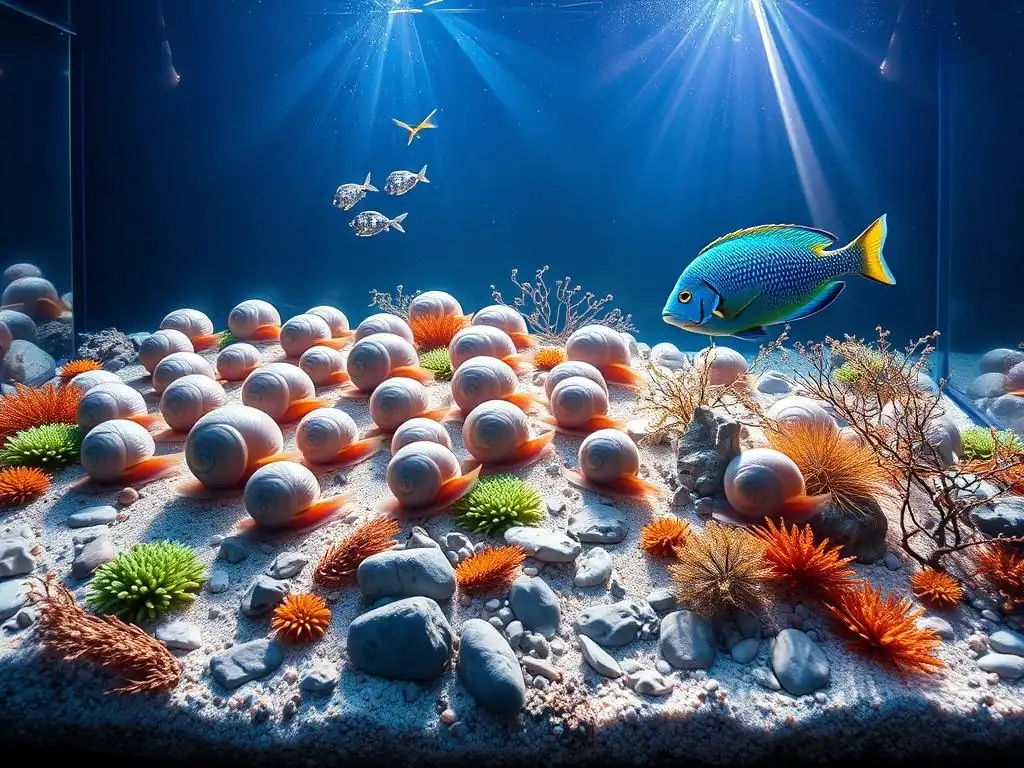
Welcome to Aquarium Mastery!
Ever dream of a pristine aquarium substrate without back-breaking work? Discover the secret weapon of experienced aquarists: sand sifting snails! Dive into our guide, "The Best Sand Sifting Snails for a Sparkling Substrate," and unlock the secrets to a healthier, more beautiful aquarium. Which tiny titan will be the next member of your clean-up crew? Let's find out!
- Introduction: Maintaining a Pristine Saltwater Aquarium Substrate
- Why Sand-Sifting Snails are Essential for a Healthy Reef Tank
- Top 5 Sand-Sifting Snail Species for Your Saltwater Aquarium
- Choosing the Right Sand-Sifting Snails for Your Aquarium Size
- Acclimating Your New Sand-Sifting Snails
- Troubleshooting Common Issues with Sand-Sifting Snails
- The Benefits of a Diverse Clean-Up Crew: Snails and Beyond
- Conclusion: Enjoying a Clean and Healthy Aquarium with Sand-Sifting Snails
-
Frequently Asked Questions
- What are sand sifting snails and why are they beneficial for my aquarium?
- What are some of the best sand sifting snails for a freshwater aquarium?
- Are there specific sand sifting snails that are ideal for saltwater aquariums?
- How many sand sifting snails should I add to my aquarium, and how often should I replace them?
- What are some potential problems I might encounter when using sand sifting snails in my aquarium?
- Final Reflection: The Unseen Architects of Our Aquariums
- Unleash a Crystal-Clear Aquarium!
Introduction: Maintaining a Pristine Saltwater Aquarium Substrate
A healthy and visually appealing saltwater aquarium often hinges on the cleanliness of its substrate. The sand bed in a marine tank is not merely decorative; it serves as a crucial biological filter and a habitat for countless beneficial microorganisms. However, without proper maintenance, it can become a trap for uneaten food, detritus, and waste, leading to nutrient buildup, unsightly algae, and even dangerous anaerobic pockets that release toxic hydrogen sulfide gas.
While regular vacuuming helps, it's often insufficient and can disrupt the delicate ecosystem within the sand. This is where the unsung heroes of the clean-up crew, the best sand-sifting snails, become indispensable. These specialized invertebrates tirelessly burrow through the substrate, consuming undesirable organic matter and aerating the sand, playing a vital role in maintaining the overall health and pristine appearance of your reef tank.
Why Sand-Sifting Snails are Essential for a Healthy Reef Tank
The Role of Detritivores in Aquarium Ecosystems
Detritivores are organisms that feed on dead organic material, playing a critical role in nutrient cycling within any ecosystem, including a closed aquarium environment. In a saltwater tank, this organic material includes uneaten fish food, fish waste, dead plant matter, and decaying algae. Without efficient detritivores, these materials would accumulate, leading to a build-up of nitrates and phosphates, which are primary culprits behind nuisance algae outbreaks. Sand-sifting snails are prime examples of such detritivores, constantly processing the organic load within the sand bed.
Their continuous activity helps to break down larger organic particles into smaller ones, making them more accessible for beneficial bacteria that convert harmful ammonia and nitrites into less toxic nitrates. Furthermore, by consuming detritus, these best sand sifting snails directly remove potential food sources for undesirable organisms, contributing significantly to the stability and ecological balance of the aquarium.
Preventing Algae Blooms and Nutrient Buildup with Snails
One of the most significant benefits of incorporating the best sand sifting snails into your clean-up crew is their direct impact on preventing algae blooms. As they sift through the substrate, they consume the detritus and microscopic algae that settle on and within the sand grains. This action directly reduces the available nutrients like nitrates and phosphates that would otherwise fuel the growth of nuisance algae such as diatoms, hair algae, and cyanobacteria. For instance, a well-stocked team of sand-sifting snails can noticeably decrease the frequency and severity of diatom blooms, especially in new setups.
Beyond direct consumption, their constant burrowing and turning of the sand prevent the formation of stagnant, oxygen-deprived zones. These anaerobic pockets can harbor harmful bacteria that produce hydrogen sulfide, a highly toxic gas recognizable by its rotten egg smell. By aerating the substrate, sand sifting snails ensure that beneficial aerobic bacteria thrive throughout the sand bed, further enhancing the biological filtration capacity and contributing to a cleaner, healthier, and more visually appealing aquarium environment.
Top 5 Sand-Sifting Snail Species for Your Saltwater Aquarium
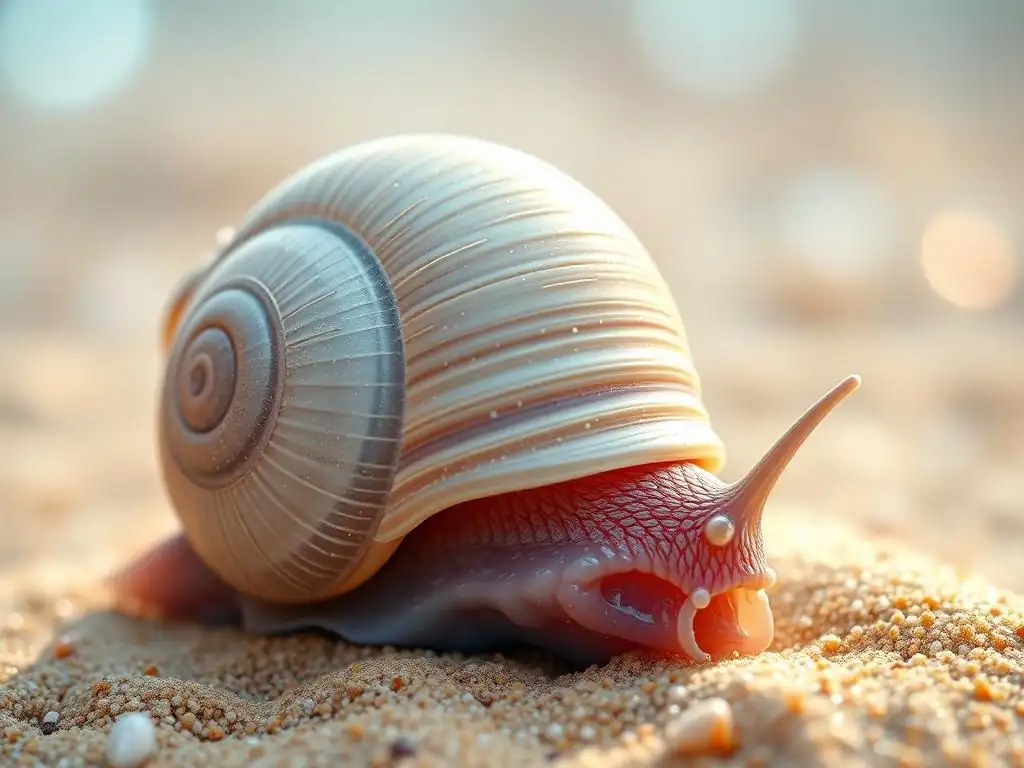
1. Nassarius vibex: The Scavengers of the Sandbed
Nassarius vibex, often referred to as the "Nassarius Snail," is one of the most popular and effective choices among the best sand sifting snails for saltwater aquariums. These small, agile snails, typically reaching a maximum size of about 0.5 inches (1.3 cm), are renowned for their incredible efficiency as scavengers.
They possess a long, snorkel-like siphon which they extend above the sand to detect food, and upon sensing it, they emerge quickly from the substrate to consume it. Their rapid response to uneaten food and detritus makes them invaluable in preventing waste from breaking down and polluting the water column.
These active invertebrates spend much of their time buried in the sand, only surfacing when food is available or during the night. Their burrowing behavior ensures that the top layers of the sand bed are constantly turned over, preventing the accumulation of detritus on the surface. A healthy population of Nassarius vibex can significantly reduce the amount of manual sand vacuuming required, maintaining a pristine aesthetic and contributing to better water quality by promptly removing organic waste before it can decompose and release excess nutrients.
Nassarius vibex Care and Feeding Requirements
Caring for Nassarius vibex is relatively straightforward, making them excellent choices for both beginner and experienced aquarists looking for the best sand sifting snails. They thrive in stable saltwater aquarium conditions, with temperatures typically ranging from 72-78°F (22-26°C) and a salinity of 1.023-1.026 specific gravity. Their primary diet consists of detritus, uneaten fish food, and decaying organic matter found within the sand bed. In a well-fed aquarium, they generally find enough food to sustain themselves.
However, if the tank is exceptionally clean or sparsely fed, it's important to supplement their diet with small pieces of sinking pellet food, flake food, or even frozen mysis shrimp or brine shrimp. A good stocking density for Nassarius vibex is often recommended at 1-2 snails per gallon, particularly in tanks with a moderate to deep sand bed (at least 1 inch or 2.5 cm). This ensures a sufficient population to effectively manage detritus without risking starvation.
Benefits of Nassarius vibex for Detritus Removal
The primary benefit of Nassarius vibex lies in their unparalleled efficiency in detritus removal. Their unique feeding behavior, involving burrowing and emerging rapidly to consume food, ensures that no uneaten food lingers on the sand surface for long. This proactive removal of organic waste is crucial for preventing nutrient spikes that can fuel undesirable algae growth and negatively impact sensitive corals. Their constant movement through the top layer of sand also helps to prevent compaction and the formation of stagnant areas.
Beyond their scavenging prowess, these small sand sifting snails contribute to the overall health of the substrate by keeping it aerated. While they don't dig as deeply as some conch species, their activity in the upper few inches of the sand bed is vital for maintaining an aerobic environment. This prevents the build-up of toxic gases like hydrogen sulfide, which can be detrimental to fish and invertebrates. Their small size also makes them suitable for nano aquariums, where larger sand stirrers might be too disruptive.
2. Cerithium caeruleum: Algae Grazers and Sand Stirrers
Cerithium caeruleum, commonly known as the "Blue-legged Cerith Snail" or simply "Cerith Snail," is another excellent candidate when considering the best sand sifting snails for a diverse clean-up crew. These snails typically grow to about 1 inch (2.5 cm) in length and possess a distinctive conical shell. They are highly active both on the sand surface and within the top layers of the substrate, making them versatile contributors to tank cleanliness. Their dual action of grazing on algae and sifting through sand provides comprehensive benefits to the aquarium environment.
Cerith snails are adept at consuming various forms of nuisance algae, including diatoms, film algae, and even some hair algae, which they scrape off rockwork, glass, and the sand grains themselves. Their constant movement over the sand surface helps to dislodge settled detritus, making it available for other detritivores or for removal by filtration. This combination of active grazing and light sand stirring makes them invaluable for maintaining a balanced and visually appealing reef tank.
Cerithium caeruleum Diet and Compatibility with Reef Tanks
The diet of Cerithium caeruleum primarily consists of diatoms, cyanobacteria, and various types of film algae that grow on aquarium surfaces, including the sand, rocks, and glass. They are also opportunistic feeders, readily consuming detritus and any uneaten food particles they encounter. If natural algae and detritus sources become scarce in a mature, very clean tank, supplemental feeding with marine algae wafers or spirulina flakes is recommended to ensure their continued health and activity.
These sand sifting snails are highly compatible with nearly all reef tank inhabitants. They are peaceful, non-aggressive, and pose no threat to corals, fish, or other invertebrates. Their moderate size means they are generally safe from predation by most common reef fish, though larger predatory fish like triggerfish or puffers might view them as a food source. Their hardiness and adaptability to a wide range of stable reef parameters (72-78°F / 22-26°C, 1.023-1.026 SG) further solidify their reputation as one of the best sand sifting snails.
Keeping Cerithium caeruleum Healthy and Active
To ensure Cerithium caeruleum snails remain healthy and active, providing stable water parameters is paramount. Sudden fluctuations in salinity, temperature, or pH can stress them, leading to inactivity or even mortality. Regular water testing and consistent maintenance routines are key. While they are good at finding food, monitoring their activity levels can indicate if they are getting enough to eat. If they appear lethargic or are not actively grazing, it's a sign that supplemental feeding might be necessary.
A well-established tank with a moderate amount of live rock and a sand bed of at least 1 inch (2.5 cm) provides ample surface area for grazing and opportunities for their sand-stirring behavior. They are relatively long-lived for snails, often thriving for 1-2 years or more in optimal conditions. Avoiding copper-based medications, which are highly toxic to all invertebrates, is also crucial for their well-being. By ensuring these conditions, Cerith snails will reliably contribute to a pristine substrate and overall tank health.
3. Nerite polita: Effective Algae Control and Substrate Cleaners
Nerite polita, commonly known as the "Spotted Nerite Snail" or "Polished Nerite Snail," is highly regarded for its exceptional algae-eating capabilities, making it a strong contender among the best sand sifting snails for comprehensive tank maintenance. While many Nerite species are freshwater, Nerite polita and other Nerita species are marine and thrive in saltwater environments.
They typically grow to about 1 inch (2.5 cm) in diameter and are characterized by their smooth, often beautifully patterned shells. Their primary role is grazing on various types of microalgae, including diatoms and green film algae, which can cover the sand surface, glass, and rockwork.
Unlike some other sand sifting snails that burrow deeply, Nerite snails primarily work on the surface of the sand bed, scraping off film algae and detritus that settles on the grains. This surface-level cleaning is vital for preventing the initial stages of algae growth on the substrate and maintaining a bright, clean appearance. Their constant movement ensures that no single area becomes a breeding ground for unsightly green or brown films.
Nerite polita Varieties Suitable for Saltwater Aquariums
When selecting Nerite snails for a saltwater aquarium, it is crucial to ensure you are acquiring a true marine species like Nerite polita or other Nerita species. Many freshwater Nerites are sold in the aquarium trade, and while some may temporarily survive in brackish or even low-salinity saltwater, they will not thrive or live long-term in a full reef environment. Marine Nerites typically have thicker, more robust shells and often exhibit distinct patterns, such as spots, stripes, or marbled designs.
Reputable aquatic suppliers will clearly label their marine Nerites. These best sand sifting snails are excellent at consuming biofilm and microalgae, contributing to overall tank cleanliness. Their varied shell patterns also add an aesthetic appeal to the aquarium. It's advisable to research the specific Nerita species before purchase to confirm its suitability for your marine setup and avoid introducing a freshwater species by mistake.
Considerations for Nerite polita Care in Reef Environments
Nerite polita snails require stable marine parameters to flourish, including a salinity range of 1.023-1.026 specific gravity and temperatures between 72-78°F (22-26°C). They are particularly sensitive to sudden changes in water chemistry and to the presence of copper-based medications, which are lethal to all invertebrates. Therefore, caution should be exercised when treating the tank for fish diseases. While they are prolific grazers, if the aquarium is very clean and natural algae sources are limited, it is essential to supplement their diet with high-quality marine algae wafers or spirulina.
A common characteristic of Nerite snails is their tendency to lay tiny, white, sesame-seed-like egg cases on hard surfaces, including rocks, glass, and sometimes even other snail shells. These eggs are non-fertile in a home aquarium setting as they require brackish water conditions for larval development, so they will not hatch and become a nuisance. While harmless, these egg cases can be somewhat unsightly, though they are usually eventually covered by coralline algae or scraped off during tank maintenance.
4. Strombus alatus: Larger Sand-Sifting Powerhouses
Strombus alatus, commonly known as the "Florida Fighting Conch," is a formidable addition to a larger saltwater aquarium's clean-up crew, representing one of the best sand sifting snails for substantial substrate maintenance. These conchs are considerably larger than Nassarius or Cerith snails, typically growing to lengths of 4-5 inches (10-13 cm). They are highly active and possess a unique "foot" that allows them to move across and through the sand with surprising speed, often appearing to "jump" or "hop." Their robust size and constant motion make them exceptionally efficient at sifting through deeper sand beds.
The primary benefit of Strombus alatus is their ability to aerate and clean deep sand beds, which smaller snails might not effectively penetrate. They constantly burrow, turning over the substrate and consuming detritus, diatoms, and cyanobacteria. This deep-sifting action prevents the compaction of sand, which can lead to anaerobic pockets and the release of harmful gases. For tanks with a significant sand bed, a Strombus alatus can be an indispensable tool for maintaining a healthy and pristine substrate.
Strombus alatus for Larger Aquariums
Due to their substantial size and active burrowing habits, Strombus alatus conchs are best suited for larger aquariums, generally 50 gallons (approximately 190 liters) or more. A minimum sand bed depth of at least 2-3 inches (5-7.5 cm) is crucial to accommodate their burrowing behavior and allow them to effectively sift through the substrate. In tanks with shallower sand beds, they may struggle to bury themselves properly, which can cause them stress and limit their effectiveness.
These sand sifting snails are excellent at keeping larger expanses of sand clean and aerated. While they are peaceful inhabitants and pose no threat to corals or fish, their movement can sometimes dislodge small, unsecured coral frags or decorations, so it's wise to ensure all tank inhabitants and structures are stable. Their continuous activity makes them fascinating to observe, adding both function and appeal to the aquarium.
Providing the Right Environment for Strombus alatus
To ensure the optimal health and activity of Strombus alatus, a well-established marine aquarium with stable parameters (72-78°F / 22-26°C, 1.023-1.026 SG) is essential. Their diet primarily consists of detritus, diatoms, and microscopic organisms found within the sand bed. In very clean tanks, or if you notice your conch becoming less active, it's important to supplement their diet with sinking foods such as marine algae wafers, spirulina pellets, or even small pieces of high-quality fish food. They are voracious eaters and can starve if insufficient food is available in the sand.
Ensure there is ample open sand real estate for them to roam and sift. While they generally coexist peacefully with most reef inhabitants, it's important to avoid housing them with large predatory fish like triggerfish or puffers, which are known to prey on snails and conchs. A healthy Strombus alatus will be constantly on the move, sifting through the sand and keeping your substrate sparkling clean.
5. Strombus pugilis: The Active Substrate Aerators
Strombus pugilis, known as the "Fighting Conch," is a smaller but equally effective relative of the Florida Fighting Conch, making it one of the best sand sifting snails for tanks where S. alatus might be too large. These conchs typically reach a size of up to 3 inches (7.5 cm), offering excellent sand-sifting capabilities in a more compact package. Like their larger counterparts, they exhibit the characteristic "hopping" movement and are incredibly active burrowers, constantly turning over the sand bed.
Their continuous activity is invaluable for preventing the compaction of the substrate and the formation of anaerobic pockets. They meticulously sift through the sand, consuming detritus, diatoms, and other undesirable organic matter. For aquarists seeking efficient sand aeration and cleaning in tanks that may not accommodate the larger Strombus alatus, Strombus pugilis provides an ideal solution, ensuring a healthy and well-maintained substrate.
Strombus pugilis Behavior and Tank Compatibility
Strombus pugilis are known for their lively and engaging behavior. They spend the majority of their time burrowing through the sand, with only their long, periscoping siphons and distinctive stalked eyes visible above the substrate. This constant movement is highly beneficial, as it ensures thorough aeration of the sand bed, preventing harmful gas build-up and promoting the growth of beneficial aerobic bacteria. They are generally peaceful inhabitants and are compatible with most reef-safe fish, corals, and other invertebrates.
Given their active nature and need for a soft substrate to burrow in, a tank size of at least 30 gallons (approximately 114 liters) with a sand bed depth of at least 2 inches (5 cm) is recommended for Strombus pugilis. They are not aggressive towards other tank inhabitants, though their movement can sometimes dislodge small, unstable rockwork or coral frags. Monitoring their activity is a good indicator of their health and the adequacy of their food supply within the sand.
Ensuring Adequate Food for Strombus pugilis
The primary diet of Strombus pugilis consists of detritus, diatoms, and various microscopic organisms found within the sand bed. They are highly efficient at cleaning the substrate by sifting through it and ingesting these organic materials. However, in tanks with very low detritus levels or sparse algae growth, these active sand sifting snails can quickly deplete their natural food sources and may face starvation.
Therefore, it is crucial to supplement their diet if the sand bed appears too clean or if the conchs become less active. Sinking marine pellets, algae wafers, or even small pieces of frozen mysis shrimp can be offered to ensure they receive adequate nutrition. Observing their behavior and the cleanliness of the sand will help determine if supplemental feeding is necessary. A well-fed Strombus pugilis will be a tireless worker, contributing significantly to a sparkling and healthy substrate.
Choosing the Right Sand-Sifting Snails for Your Aquarium Size
Snail Stocking Levels: Preventing Overcrowding
Selecting the best sand sifting snails involves more than just picking a species; it also means determining the right number for your specific aquarium size to prevent overcrowding and potential starvation. A common guideline for smaller sand-sifting snails like Nassarius vibex is to aim for 1-2 snails per gallon of tank volume in a standard reef setup. For a 50-gallon tank, this could mean 50-100 Nassarius snails, which might seem like a lot but ensures efficient detritus removal. For Cerithium caeruleum, a stocking density of 1 per 2-3 gallons often provides effective algae grazing and sand stirring.
Larger sand-sifting conchs like Strombus alatus or Strombus pugilis require significantly more space due to their size and active burrowing. A single Strombus alatus is generally suitable for tanks 50 gallons and larger, while a Strombus pugilis can be housed in tanks 30 gallons and up. Overstocking any snail species can lead to a depletion of natural food sources, resulting in starvation and an accumulation of dead snails, which can then foul the water. It is always better to start with a conservative number and gradually add more if the sand bed still appears dirty after several weeks.
Considering Substrate Depth and Grain Size
The effectiveness of your chosen sand-sifting snails is highly dependent on the characteristics of your aquarium's substrate. Most sand-sifting snails, particularly the burrowing types, prefer a fine to medium grain sand, typically ranging from 0.5 mm to 2 mm. Very coarse gravel can be difficult for them to navigate and burrow through, reducing their efficiency. Fine sand, on the other hand, allows for easier movement and more thorough sifting.
Substrate depth is another critical factor. While Nassarius and Cerith snails can effectively work in sand beds as shallow as 1 inch (2.5 cm), the larger Strombus species require a minimum depth of 2-3 inches (5-7.5 cm) to allow for their characteristic deep burrowing and aeration. If your tank has a very shallow sand bed, or only patches of sand, smaller, surface-dwelling sand sifting snails like Nerites or smaller Nassarius are more appropriate. Matching the snail species to your specific sand type and depth ensures they can perform their natural behaviors and provide maximum benefit to your aquarium.
Acclimating Your New Sand-Sifting Snails
Proper Acclimation Techniques for Marine Invertebrates
Acclimation is a critical step for successfully introducing any new marine invertebrate, including the best sand sifting snails, into your aquarium. Snails are particularly sensitive to sudden changes in salinity, temperature, and pH, which can lead to osmotic shock and death. The drip acclimation method is highly recommended as it allows for a slow, gradual equalization of water parameters between the shipping bag and the aquarium. This process typically takes at least 45 minutes to an hour, or even longer for more sensitive species.
To perform drip acclimation, place the snails and their shipping water in a clean bucket or container. Use airline tubing with an air valve or knot to create a slow drip from your aquarium into the container, aiming for about 1-2 drips per second. Once the volume of water in the container has roughly quadrupled, carefully net the snails and place them directly into your aquarium, avoiding transferring any of the shipping water. Do not expose the snails to air during this transfer, as it can cause air bubbles to become trapped in their shells, leading to buoyancy issues.
Monitoring Snail Health After Introduction
After introducing your newly acclimated sand-sifting snails, it's essential to monitor their behavior closely for the first few days. Healthy snails should quickly begin to explore their new environment, moving around the sand bed, extending their siphons, or starting to burrow. Nassarius snails, for instance, often emerge rapidly from the sand within minutes if food is present. Inactivity, prolonged retraction into their shells, or lying upside down for extended periods can be signs of stress or poor health.
Observe for any signs of predation from existing tank inhabitants. While most sand sifting snails are peaceful, certain fish (like triggerfish or pufferfish) or larger hermit crabs might view them as food. Ensure water parameters remain stable and within optimal ranges (e.g., salinity 1.023-1.026 SG, alkalinity 8-12 dKH, calcium 400-450 ppm), as poor water quality or nutrient deficiencies can also negatively impact snail health. Consistent observation helps ensure your best sand sifting snails thrive and contribute effectively to your clean-up crew.
Troubleshooting Common Issues with Sand-Sifting Snails
Snails Not Moving: Potential Causes and Solutions
One common concern for aquarists is when their best sand sifting snails become inactive or stop moving. Several factors can contribute to this behavior. Starvation is a frequent cause; if the tank is too clean or over-filtered, snails may simply run out of detritus and algae to consume.
In such cases, offering supplemental sinking foods like algae wafers, spirulina pellets, or small pieces of frozen mysis can re-energize them. Poor water quality is another major culprit; elevated ammonia, nitrite, or nitrate levels, sudden pH swings, or inappropriate salinity can all stress or kill snails. Immediate water testing and corrective water changes are crucial.
Additionally, the presence of copper-based medications, even in trace amounts, is highly toxic to all invertebrates, including snails. If such medications have been used, a substantial water change and the use of carbon filtration may help. Sometimes, a snail might simply be resting or adjusting. Gently nudge the snail; if it retracts into its shell, it's likely still alive. However, if it remains unresponsive or emits a foul odor, it has likely died and should be removed promptly to prevent water quality degradation.
Identifying and Addressing Snail Shell Erosion
Snail shell erosion is a visible sign of distress, often characterized by pitting, white spots, or a general degradation of the shell's surface. This condition is primarily caused by prolonged exposure to low alkalinity or low calcium levels in the aquarium water. Snail shells are primarily composed of calcium carbonate, and inadequate levels of these essential elements prevent them from maintaining or repairing their shells effectively. An alkalinity below 7 dKH or calcium levels below 380 ppm can contribute to this erosion over time.
To address shell erosion, regular testing of alkalinity and calcium is paramount. Aim to maintain alkalinity between 8-12 dKH and calcium between 400-450 ppm. This can be achieved through regular water changes with a high-quality marine salt mix or by utilizing two-part dosing solutions or a calcium reactor. Providing a stable environment with optimal parameters will allow the best sand sifting snails to repair their shells and maintain their structural integrity, ensuring their long-term health and effectiveness in the clean-up crew.
Preventing Predation on Snails by Fish or Invertebrates (e.g., Triggerfish, Pufferfish)
While the best sand sifting snails are invaluable members of the clean-up crew, they can unfortunately become targets for certain predatory fish and invertebrates. Common culprits include triggerfish, pufferfish, some larger wrasses (especially those known to eat inverts), and aggressive hermit crabs (like large red-legged or Halloween hermit crabs). These predators may view snails as a natural food source and systematically pick them off, leading to a rapid decline in your snail population.
Prevention is key. Before introducing any fish or invertebrate, thoroughly research its compatibility with snails and other clean-up crew members. Avoid housing known snail predators in tanks where you intend to keep a thriving snail population. If you already have predatory fish, consider providing ample rockwork with crevices and hiding spots where snails can retreat. However, for highly specialized snail predators like triggerfish, it may be impossible to keep snails successfully. In such cases, alternative methods of substrate maintenance, such as increased manual vacuuming or specialized mechanical filtration, may be necessary.
The Benefits of a Diverse Clean-Up Crew: Snails and Beyond
Combining Sand-Sifting Snails with Other Detritivores
While sand-sifting snails are exceptional at their specific task, a truly effective clean-up crew (CUC) for a saltwater aquarium benefits immensely from diversity. Combining the best sand sifting snails with other types of detritivores and grazers ensures that all niches within the tank are covered. For instance, various grazing snails like Astrea, Trochus, and Turbo snails excel at consuming algae from rockwork and tank glass, areas where sand-sifting snails rarely venture. Hermit crabs, such as the Blue Leg or Scarlet Reef hermit crabs, act as opportunistic scavengers, consuming detritus and leftover food from all surfaces, including the sand.
Furthermore, microscopic detritivores like copepods and amphipods live within the sand bed and rockwork, breaking down organic matter at a microbial level and serving as a natural food source for many fish and corals. By creating a multi-species clean-up crew, you establish a more resilient and efficient system for nutrient export and waste management. Each species contributes uniquely, ensuring that detritus, algae, and uneaten food are promptly consumed, reducing the overall biological load on the aquarium.
Creating a Balanced Ecosystem for Optimal Substrate Health
A diverse and well-balanced clean-up crew, centered around the best sand sifting snails, is fundamental to creating a thriving and healthy reef ecosystem. The synergistic actions of various invertebrates ensure that waste is processed efficiently throughout the entire aquarium, from the water column to the deepest parts of the sand bed. Sand-sifting snails actively aerate the substrate, preventing harmful anaerobic zones, while other grazers keep surfaces free of nuisance algae, and scavengers quickly eliminate larger pieces of detritus.
This comprehensive approach to waste management significantly reduces the accumulation of nitrates and phosphates, which are primary drivers of unsightly algae blooms and can inhibit coral growth. A healthy substrate, constantly turned and cleaned by sand sifting snails and their companions, fosters a vibrant microfauna community that further contributes to nutrient cycling and the overall stability of the tank. By carefully selecting and maintaining a diverse clean-up crew, aquarists can enjoy a cleaner, more stable, and ultimately more beautiful aquarium with minimal intervention.
Conclusion: Enjoying a Clean and Healthy Aquarium with Sand-Sifting Snails
Maintaining a pristine and healthy saltwater aquarium substrate is a cornerstone of successful reef keeping. The diligent work of the best sand sifting snails is an indispensable component of this effort. These remarkable invertebrates, from the tireless Nassarius scavengers to the deep-burrowing Strombus conchs, actively consume detritus, prevent nutrient buildup, and aerate the sand bed, mitigating the risks of anaerobic pockets and nuisance algae outbreaks.
By understanding the specific benefits and care requirements of species like Nassarius vibex, Cerithium caeruleum, Nerite polita, Strombus alatus, and Strombus pugilis, aquarists can make informed choices to select the ideal sand sifting snails for their tank size and substrate type. Proper acclimation, diligent monitoring, and a balanced, diverse clean-up crew are key to maximizing their effectiveness. Integrating these best sand sifting snails into your clean-up crew will undoubtedly lead to a cleaner, more stable, and more visually sparkling aquarium, allowing you to enjoy the full beauty of your marine environment.
Frequently Asked Questions
What are sand sifting snails and why are they beneficial for my aquarium?
Sand sifting snails are invertebrates that burrow through the substrate, consuming detritus, uneaten food, and algae. This helps to maintain a clean and healthy aquarium by preventing the buildup of harmful substances.
What are some of the best sand sifting snails for a freshwater aquarium?
While many snails can help, some top choices for freshwater include Malaysian Trumpet Snails (MTS), known for their effective sifting, and Nerite snails, which also consume algae. Remember to avoid overstocking your tank.
Are there specific sand sifting snails that are ideal for saltwater aquariums?
Yes, for saltwater tanks, Nassarius snails and Cerith snails are excellent choices. They are efficient at scavenging for food and keeping the sand bed aerated.
How many sand sifting snails should I add to my aquarium, and how often should I replace them?
The number of snails depends on the size of your tank and the amount of detritus produced. A good starting point is 1 snail per 5-10 gallons, and replacements are usually not needed unless they die or are removed.
What are some potential problems I might encounter when using sand sifting snails in my aquarium?
Overpopulation can be an issue if there is too much food available, leading to an unsightly number of snails. Also, some larger fish may prey on smaller snails, so choose species carefully.
Okay, here's a final reflection designed to close your article "The Best SandSifting Snails for a Sparkling Substrate," optimized for emotional connection and reflection, while still subtly reinforcing the article's core theme:
Final Reflection: The Unseen Architects of Our Aquariums
The journey to a pristine aquarium often overlooks the unsung heroes working tirelessly beneath the surface. These sand-sifting snails, though small, play a vital role in maintaining a healthy and visually appealing ecosystem. Their contribution extends beyond mere aesthetics, impacting the overall well-being of the entire aquatic environment, reminding us that even the smallest creatures can have a profound impact.
This exploration of the best sand-sifting snails has highlighted their crucial role, but it also underscores a larger point about responsibility and stewardship. We, as aquarists, are entrusted with creating and maintaining these miniature worlds, and understanding the delicate balance within is paramount. In nature, nothing exists alone.
- Rachel Carson. This quote resonates deeply when considering the interconnectedness of an aquarium, where each organism, including these diligent snails, contributes to the overall health and beauty.
Now, as you gaze upon your own aquarium, consider the unseen architects diligently working to maintain its sparkling substrate. Let this article be more than just a guide to choosing the best sand sifting snails; let it be an invitation to cultivate a deeper appreciation for the intricate ecosystems we create and a commitment to responsible aquarium keeping. Reflect on the role you play in nurturing this environment, and strive to create a thriving, balanced world for all its inhabitants.
Unleash a Crystal-Clear Aquarium!
Thanks for diving into the world of sand-sifting snails! We hope you’ve gained valuable insights into keeping your substrate pristine and your aquarium thriving. Now, let’s put that knowledge into action!
- Introduce a team of Nassarius snails to your aquarium and watch them transform your substrate! This is the fastest and most effective way to see a difference.
- Document your snail's impact: Take before-and-after photos of your substrate and share your transformation!
- Dive deeper: Research the specific needs of different snail species for optimal results.
Ready to watch your substrate sparkle? What's the first step you will take to improve your aquarium's cleanliness?