
Can I Keep a Single Dwarf Cichlid? Exploring Solitary Life

Welcome to Aquarium Mastery!
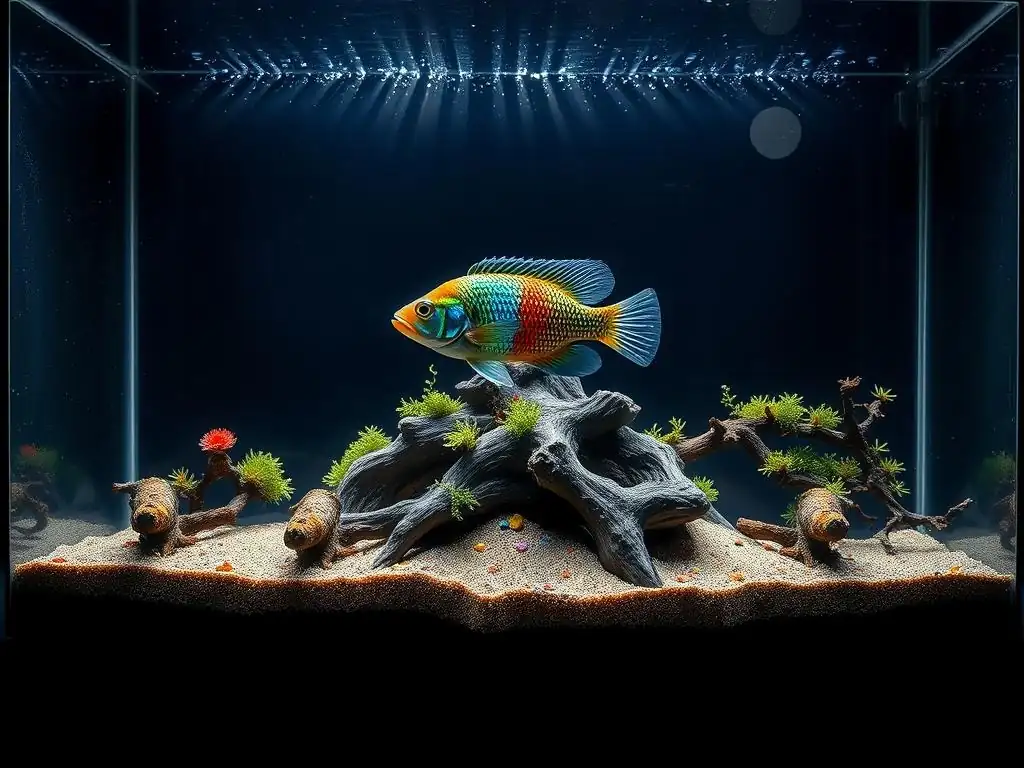
Ever wondered if those captivating Dwarf Cichlids can thrive solo? Dive into our in-depth exploration of the Dwarf Cichlid solitary tank setup and discover if a life of solitude is truly suitable for these vibrant freshwater gems. Uncover the secrets to providing the perfect environment and ensuring their well-being – the answers might surprise you! Keep reading to learn more.
- Understanding Dwarf Cichlids: Are They Social Fish?
- The Dwarf Cichlid Solitary Tank: Is It Feasible?
- Setting Up a Solitary Dwarf Cichlid Aquarium
- Potential Benefits of Keeping a Single Dwarf Cichlid
- Potential Drawbacks of a Solitary Dwarf Cichlid Setup
- Alternatives to a Completely Solitary Tank
- Monitoring Your Solitary Dwarf Cichlid's Health and Behavior
- Conclusion: Making an Informed Decision About a Solitary Dwarf Cichlid Tank
-
Frequently Asked Questions
- Can I successfully keep a single dwarf cichlid in a solitary tank?
- What size tank is recommended for a solitary dwarf cichlid?
- What are some key considerations when setting up a solitary dwarf cichlid tank?
- Are there any specific dwarf cichlid species that are not suitable for solitary life?
- What are the potential benefits of keeping a dwarf cichlid in a solitary tank?
- Final Reflection: Embracing the Solitary Swim
- Unlock Your Cichlid's Potential!
Dwarf cichlids originate from diverse aquatic environments across South America and West Africa, where their social structures are often influenced by the availability of resources and territory. For instance, many Apistogramma species, native to the blackwater and clearwater streams of the Amazon basin, typically inhabit leaf litter beds or root masses. In these environments, a dominant male often oversees a harem of two to three females within his established territory, which can span an area of several square feet, vigorously defending it from other males.
Similarly, Pelvicachromis pulcher, commonly known as Kribensis cichlids, are found in the rivers and streams of West Africa. While they form strong, monogamous pairs during breeding, outside of reproduction, they can be found in more loosely defined groups or as solitary individuals within a suitable territory. Their natural inclination is to establish a secure, often cave-like, home base, highlighting their territorial rather than strictly schooling nature. This inherent territoriality is a key factor when considering a dwarf cichlid solitary tank.
Typical Dwarf Cichlid Behavior: Community vs. Solitary
In an aquarium setting, the natural behaviors of dwarf cichlids manifest as a complex interplay of territoriality, pairing, and occasional aggression. While many species, such as German Blue Rams ( Mikrogeophagus ramirezi) or Bolivian Rams ( Mikrogeophagus altispinosus), are often recommended for community tanks due to their generally peaceful demeanor, even these can exhibit territorial disputes, especially during breeding or when space is limited. Their preference is to establish and defend a small personal space, rather than to engage in constant schooling behavior typical of tetras or rasboras.
The concept of a dwarf cichlid solitary tank arises from this territorial inclination. Many aquarists find that a single male dwarf cichlid, particularly from the Apistogramma genus, can thrive without conspecifics, provided its environmental needs are met. This setup eliminates the stress of inter-species aggression and competition for resources, allowing the fish to exhibit more relaxed and natural behaviors within its defined territory. However, it requires careful consideration to ensure the fish remains stimulated and healthy without the subtle cues and interactions it might experience in a more complex social environment.
The Dwarf Cichlid Solitary Tank: Is It Feasible?
Evaluating the Needs of Specific Dwarf Cichlid Species
The feasibility of a dwarf cichlid solitary tank largely depends on the specific species in question, as their individual temperaments and territorial requirements vary significantly. For example, while many Apistogramma species are highly territorial and can be aggressive towards conspecifics, especially other males, some are more prone to shyness and may benefit from the absence of competition. Conversely, species like the German Blue Ram, while generally peaceful, are often observed to be more vibrant and active when kept in pairs or small groups, suggesting a social component to their well-being.
Before deciding on a solitary setup, it is crucial to research the specific needs and typical social behaviors of your chosen dwarf cichlid. For instance, a male Apistogramma cacatuoides might be a strong candidate for a solitary existence due to its pronounced territoriality and potential aggression towards other males in smaller tanks. However, a solitary Mikrogeophagus ramirezi might become more reclusive or less active without a mate or a small group of its own kind to interact with, even if passively. Understanding these nuances is paramount to a successful dwarf cichlid solitary tank.
Dwarf Cichlids That Might Tolerate Solitude
Certain dwarf cichlid species are more adaptable to a solitary existence, thriving when they have an entire territory to themselves without the stress of conspecific competition. Many male Apistogramma species are excellent candidates for a dwarf cichlid solitary tank. Species like Apistogramma borellii or Apistogramma agassizii, particularly the males, often exhibit stunning coloration and fascinating behaviors when given their own dedicated space. In a 10-15 gallon (38-57 liter) tank, a single male can establish a secure territory, reducing stress-related health issues.
Another species often considered for a solitary setup is the Kribensis cichlid ( Pelvicachromis pulcher). While they are known to pair bond for breeding, a single male Kribensis can do very well on its own in a well-decorated tank. They are robust and adaptable, and a solitary male will often display impressive colors and patrol its territory confidently. This approach allows the aquarist to focus entirely on the individual fish's health and environmental enrichment, ensuring it receives optimal care without the complexities of managing a multi-fish environment.
Setting Up a Solitary Dwarf Cichlid Aquarium
Tank Size Considerations for a Single Dwarf Cichlid
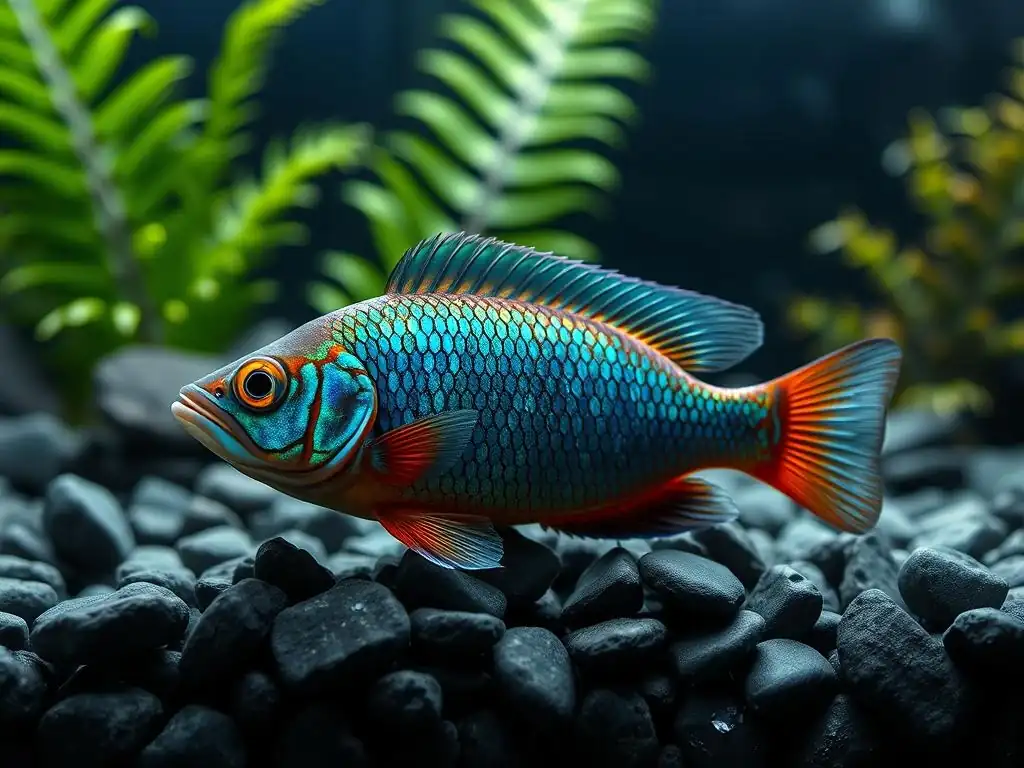
Even for a single dwarf cichlid, tank size is a critical factor influencing its well-being and behavior. While some smaller Apistogramma species might theoretically survive in a 5-gallon (19-liter) tank, this size is generally not recommended for long-term health or behavioral enrichment. A minimum of 10 gallons (approximately 38 liters) is often considered the absolute smallest for a single dwarf cichlid like a small Apistogramma or a single Ram, providing enough swimming space and stability for water parameters.
However, a 15-gallon (57-liter) or 20-gallon long (76-liter) tank is significantly more beneficial for a dwarf cichlid solitary tank. These larger volumes offer greater water stability, more room for aquascaping to create complex territories, and ample space for the fish to explore and patrol. For example, a 20-gallon long provides a larger footprint than a 20-gallon high, which is advantageous for bottom-dwelling cichlids that prefer horizontal space for territory. This extra room helps prevent boredom and allows the fish to exhibit more natural behaviors, even in solitude.
Essential Tank Equipment for a Solitary Cichlid
Setting up a successful dwarf cichlid solitary tank requires the same essential equipment as any other well-maintained aquarium, with particular attention to water quality and stability. A reliable filtration system is paramount; a sponge filter provides gentle flow and excellent biological filtration, while a small hang-on-back (HOB) or canister filter can offer more robust mechanical and chemical filtration. Whichever is chosen, ensuring it is appropriately sized for the tank and doesn't create excessive current is important, as dwarf cichlids prefer calmer waters.
A heater capable of maintaining a consistent temperature, typically between 75-82°F (24-28°C) depending on the species, is also crucial. Fluctuations in temperature can stress these sensitive fish. Lighting should be adequate for any live plants you intend to keep, but not overly bright, as many dwarf cichlids prefer dimmer conditions. Additionally, a thermometer for accurate temperature monitoring, a water testing kit for pH, ammonia, nitrite, and nitrate, and a gravel vacuum for routine cleaning are indispensable tools for maintaining the pristine water conditions essential for a thriving dwarf cichlid solitary tank.
Creating a Suitable Environment: Substrate, Decor, and Plants
The environment within a dwarf cichlid solitary tank must be meticulously designed to mimic their natural habitat and provide ample stimulation, even without tank mates. A fine sand substrate is highly recommended, as many dwarf cichlids enjoy sifting through it in search of food and for digging activities. For example, a 1-2 inch (2.5-5 cm) layer of inert sand can provide a natural base for the tank.
Providing abundant hiding spots and visual barriers is crucial for a solitary cichlid's sense of security and well-being. This can be achieved through a combination of driftwood, rock caves, and dense live plants. Driftwood pieces can offer intricate structures and release beneficial tannins, mimicking blackwater conditions preferred by many Apistogramma species. Small ceramic caves or coconut shells provide secure retreats. Live plants like Java Fern, Anubias, Cryptocorynes, and Amazon Swords are excellent choices, as they thrive in similar water parameters and create lush, naturalistic environments, offering both cover and exploration opportunities for your dwarf cichlid solitary tank.
Potential Benefits of Keeping a Single Dwarf Cichlid
Reduced Aggression and Stress
One of the primary benefits of maintaining a dwarf cichlid solitary tank is the significant reduction in aggression and chronic stress for the fish. In community or breeding setups, dwarf cichlids, particularly males, can exhibit strong territorial behaviors, leading to fin nipping, chasing, and constant intimidation of weaker tank mates or conspecifics. This perpetual state of conflict can severely impact the fish's health, leading to faded coloration, clamped fins, susceptibility to disease, and a shortened lifespan.
By keeping a single dwarf cichlid, these inter-species and intra-species conflicts are entirely eliminated. The fish is free to explore its entire tank without fear of confrontation, leading to a visibly calmer and more confident demeanor. This lack of stress allows the fish to direct its energy towards growth and maintaining a robust immune system, often resulting in more vibrant colors and a more active, natural display of its behaviors. For instance, an Apistogramma that might be constantly hiding in a community tank could become a bold explorer in a solitary setup.
Easier Feeding and Water Quality Management
A dwarf cichlid solitary tank simplifies two of the most critical aspects of aquarium maintenance: feeding and water quality. With only one inhabitant, there is no competition for food, ensuring that the fish receives its full portion without being outcompeted by faster or more aggressive tank mates. This precision in feeding helps prevent overfeeding, which is a common cause of poor water quality and digestive issues. You can observe exactly how much your cichlid eats and adjust accordingly, minimizing uneaten food that can decompose.
Furthermore, a single dwarf cichlid produces a significantly smaller bioload compared to a tank with multiple fish. This translates to more stable water parameters and less frequent or less extensive water changes. For example, a 20-gallon solitary tank might only require a 25% water change every two weeks, whereas a community tank of similar size might need weekly changes. This reduced bioload makes it easier to maintain ideal water parameters, such as a stable pH between 6.0-7.0 and soft water (GH 2-8 dGH), which are crucial for the sensitive health of many dwarf cichlid species.
Opportunity for Focused Observation of Individual Behavior
Keeping a single dwarf cichlid provides an unparalleled opportunity for the aquarist to observe and appreciate the intricate behaviors and unique personality of an individual fish. Without the distractions of other tank mates, every subtle movement, color change, and interaction with its environment becomes more apparent. This focused observation can be incredibly rewarding, allowing for a deeper understanding of the species' natural tendencies and the specific needs of your particular fish.
For example, you might notice specific feeding patterns, preferred hiding spots, or even subtle changes in coloration that indicate mood or health. This intimate perspective allows for quicker detection of any signs of stress, illness, or boredom, enabling prompt intervention. An aquarist can truly appreciate the nuanced way a male Apistogramma sifts through the sand, explores a piece of driftwood, or displays its fins in a dwarf cichlid solitary tank, fostering a stronger connection with their aquatic pet.
Potential Drawbacks of a Solitary Dwarf Cichlid Setup
Despite their territorial nature, many dwarf cichlids, even those that appear solitary, exhibit subtle social behaviors in their natural habitats or in well-structured community tanks. These interactions, such as displaying to conspecifics, engaging in courtship rituals, or even passive competition for resources, contribute to their overall behavioral repertoire and mental stimulation. In a dwarf cichlid solitary tank, these natural social cues are entirely absent, which can lead to a less enriched life for the fish.
While eliminating aggression is beneficial, the complete lack of social stimuli might lead to a fish that is less engaged with its environment. Some experts argue that fish, like many animals, benefit from the presence of others of their kind, even if only for occasional interaction or the awareness of another's presence. This absence of natural social dynamics could potentially impact the fish's psychological well-being over its lifespan, leading to a less vibrant or active individual compared to one in a suitable pair or harem setup.
Potential for Boredom and Reduced Activity
A significant concern in a dwarf cichlid solitary tank is the potential for the fish to experience boredom or a lack of stimulating activity. Without the dynamic interactions provided by tank mates, or the constant need to defend territory against rivals, a single cichlid might become lethargic, spending an excessive amount of time hiding or exhibiting repetitive, stereotypical behaviors. This is particularly true if the tank itself is too small or lacks sufficient environmental complexity.
For example, a Pelvicachromis pulcher that might actively patrol a larger territory with a mate could become less active in a solitary setup if its tank is barren. To counteract this, a solitary tank must be exceptionally well-aquascaped with plenty of hiding spots, varied textures, and opportunities for exploration. Without this rich environment, the lack of external stimuli can lead to a less vibrant and less engaged fish, potentially affecting its overall health and longevity.
Increased Vigilance for Health Issues
In a community aquarium, the behavior of multiple fish often provides early warning signs of water quality problems or the onset of disease. If one fish starts showing symptoms like clamped fins or lethargy, it alerts the aquarist to a potential issue that might affect others. However, in a dwarf cichlid solitary tank, this "canary in the coal mine" effect is absent, placing a greater burden on the aquarist to meticulously monitor the single fish for any subtle changes.
Every slight alteration in appetite, color, fin position, or swimming pattern in a solitary cichlid must be immediately noted and investigated. There are no other fish to compare its behavior against, meaning the aquarist must be exceptionally vigilant and proactive. For instance, a slight loss of appetite in a single Apistogramma could be the first sign of an underlying issue, whereas in a community tank, it might be overlooked if other fish are eating normally. This heightened need for observation demands a dedicated and experienced aquarist to ensure the solitary cichlid's long-term health.
Alternatives to a Completely Solitary Tank
Introducing Compatible Tank Mates: Careful Selection Is Key
For aquarists hesitant about a completely dwarf cichlid solitary tank, introducing carefully selected, compatible tank mates can provide stimulation without undue stress. The key is to choose species that occupy different parts of the water column, are peaceful, and will not compete with the dwarf cichlid for food or territory. Small, schooling fish that primarily inhabit the mid-to-upper water column are often ideal.
Excellent choices include a school of small tetras like Ember Tetras ( Hyphessobrycon amandae), which reach about 0.8 inches (2 cm), or Chili Rasboras ( Boraras brigittae), which are even smaller at 0.6 inches (1.5 cm). These fish are too small to pose a threat and too fast to be easily caught by most dwarf cichlids.
Bottom-dwelling, non-competitive species such as Otocinclus catfish are also suitable, as they are peaceful algae eaters that won't interfere with the cichlid's territory. For example, a 20-gallon tank housing a pair of Rams could comfortably include a school of 6-8 Ember Tetras and 2-3 Otocinclus, adding dynamic interest without compromising the cichlids' space.
The Importance of a Well-Planted and Aquascaped Environment
Regardless of whether a dwarf cichlid solitary tank or a community setup is chosen, a richly planted and meticulously aquascaped environment is fundamental to the well-being of dwarf cichlids. Such an environment provides essential hiding spots, visual barriers, and a sense of security, which are crucial for these often timid and territorial fish. Dense live plants not only mimic their natural habitat but also help maintain water quality by absorbing nitrates.
Incorporating a variety of decor elements like driftwood, rock caves, and substrate changes further enhances the complexity of the tank. For example, a tank could feature a large piece of driftwood providing intricate nooks, several ceramic caves or coconut shells for secure retreats, and dense plantings of Cryptocorynes and Java Moss. This intricate setup allows the dwarf cichlid to establish clear territories, explore, and feel secure, significantly reducing stress and promoting natural behaviors, even in a dwarf cichlid solitary tank. A well-designed environment ensures the fish is constantly stimulated and has ample opportunities for natural exploration and refuge.
Monitoring Your Solitary Dwarf Cichlid's Health and Behavior
Signs of Stress or Loneliness in a Single Cichlid
Monitoring a single dwarf cichlid for signs of stress or potential loneliness is paramount, as there are no other fish to provide comparative cues. Key indicators of an unhappy or stressed fish in a dwarf cichlid solitary tank include prolonged hiding, often in a single spot, even when food is offered. A significant loss of appetite or a refusal to eat normally is a major red flag, as is faded or dull coloration, which often indicates poor health or high stress levels.
Other signs include clamped fins (fins held tightly against the body), rapid or labored breathing, and repetitive swimming patterns along the glass, sometimes referred to as "glass surfing." An otherwise active Apistogramma that suddenly becomes lethargic or unresponsive to its surroundings might be experiencing distress. Any deviation from its normal behavior, such as unusual swimming patterns or aggression towards its own reflection, should prompt immediate investigation into water parameters, tank conditions, and potential environmental shortcomings.
Adjusting the Environment to Meet Your Cichlid's Needs
Upon observing any signs of stress or unhappiness in your dwarf cichlid solitary tank, prompt adjustments to the environment are essential to ensure the fish's well-being. The first step is to meticulously test water parameters (pH, ammonia, nitrite, nitrate) to ensure they are within the optimal range for your specific dwarf cichlid species, as poor water quality is a leading cause of stress. For many South American dwarf cichlids, this means maintaining soft, acidic water (e.g., pH 6.0-7.0, GH 2-8 dGH).
If water parameters are stable, consider enhancing the tank's enrichment. This might involve adding more hiding spots, such as additional caves or denser plant groupings, to increase the fish's sense of security. Varying the decor or introducing new elements like different types of driftwood can provide novel exploration opportunities.
Sometimes, simply dimming the lights slightly or adding more floating plants can make a timid cichlid feel more comfortable. For a potentially bored fish, ensuring a varied diet and perhaps even adding a gentle current might stimulate activity. The goal is to continuously refine the dwarf cichlid solitary tank to perfectly meet the individual needs of your fish.
Conclusion: Making an Informed Decision About a Solitary Dwarf Cichlid Tank
Weighing the Pros and Cons: Is a Solitary Setup Right for You?
The decision to maintain a dwarf cichlid solitary tank is a nuanced one, requiring a careful weighing of its unique advantages against potential drawbacks. On one hand, a solitary setup largely eliminates inter-species aggression and competition, leading to a visibly calmer, less stressed fish that is easier to feed and manage in terms of water quality. It also offers an unparalleled opportunity for focused observation, allowing aquarists to appreciate the individual personality and intricate behaviors of their cichlid without distractions.
However, the absence of natural social interaction can potentially lead to boredom or reduced activity for some species, and it places a higher demand on the aquarist for vigilant health monitoring. Ultimately, a solitary setup is best suited for dedicated aquarists who are committed to providing an exceptionally rich and stimulating environment, complete with ample hiding spots, varied decor, and pristine water conditions, to compensate for the lack of tank mates. It requires a proactive approach to ensure the fish remains engaged and healthy.
Providing the Best Possible Life for Your Dwarf Cichlid, Regardless of Tankmates
Whether you choose a dwarf cichlid solitary tank or a carefully planned community setup, the overarching goal remains the same: to provide the best possible life for your dwarf cichlid. This commitment goes beyond simply housing the fish; it encompasses creating a stable, stimulating, and species-appropriate environment. This includes maintaining consistently pristine water quality, offering a diverse and nutritious diet tailored to their specific needs, and ensuring the aquarium is thoughtfully aquascaped with ample hiding spots and opportunities for exploration.
A dwarf cichlid, regardless of its tankmates, thrives when its fundamental requirements for space, water parameters, and environmental enrichment are met. By understanding their natural behaviors and individual needs, aquarists can ensure their dwarf cichlid lives a long, healthy, and vibrant life, displaying its captivating beauty and fascinating personality to its fullest potential.
Frequently Asked Questions
Can I successfully keep a single dwarf cichlid in a solitary tank?
Yes, you can! Many dwarf cichlid species are perfectly happy living alone, especially when provided with a well-aquascaped tank and appropriate hiding places. This can be a great option for beginners or those with limited space.
What size tank is recommended for a solitary dwarf cichlid?
A minimum of 10 gallons is generally recommended for smaller dwarf cichlid species, but 20 gallons or more is preferable for larger varieties. The tank size allows for adequate swimming space and helps maintain stable water parameters.
What are some key considerations when setting up a solitary dwarf cichlid tank?
Focus on creating a natural environment with plenty of hiding spots using rocks, driftwood, and plants. Proper filtration and water chemistry are also crucial for the cichlid's health and well-being.
Are there any specific dwarf cichlid species that are not suitable for solitary life?
Some dwarf cichlid species, like certain Apistogramma varieties, are naturally social and may benefit from being kept in pairs or small groups. Researching the specific needs of the species is essential.
What are the potential benefits of keeping a dwarf cichlid in a solitary tank?
A solitary tank can reduce aggression and stress, especially if the cichlid is naturally territorial. It also allows you to focus on providing the ideal environment and care for a single, fascinating fish.
Final Reflection: Embracing the Solitary Swim
The exploration of keeping dwarf cichlids in solitary tanks, as we've seen, isn't just about aquarium keeping; it's about understanding the complex interplay between environment and individual well-being. The insights gained from examining their behavior in isolation offer valuable lessons applicable far beyond the glass walls of a fish tank, prompting us to consider the nuances of individual needs and the impact of our choices on the lives we influence.
This journey into the world of the solitary dwarf cichlid has highlighted the importance of responsible pet ownership and the ethical considerations that come with it. We've seen how careful observation and tailored environments can significantly impact a creature's quality of life. The greatness of a nation and its moral progress can be judged by the way its animals are treated.
- Mahatma Gandhi. This quote resonates deeply, reminding us that our interactions with even the smallest creatures reflect our broader values and our capacity for empathy.
As you consider the possibility of a dwarf cichlid solitary tank, remember that knowledge is power. Use the information shared here to make informed decisions, prioritize the well-being of your potential aquatic companion, and strive to create an environment where even a solitary fish can thrive. Let this exploration inspire you to approach all aspects of your life with a similar level of thoughtfulness and care, recognizing the profound impact we have on the world around us.
Unlock Your Cichlid's Potential!
Thank you for diving into the world of dwarf cichlids! We hope this exploration has provided valuable insights into their fascinating behavior and social needs. Now, let's turn that knowledge into action!
Here are a few steps you can take to further enhance your understanding and create the best possible environment for your fish:
- Carefully observe your existing dwarf cichlid. Pay close attention to its behavior in its current solitary setup. Are there signs of stress or boredom? Keeping a close watch will help inform your next steps.
- Explore alternative tank mates! If keeping a single cichlid isn't ideal, research compatible species that can thrive peacefully alongside your cichlid without causing aggression.
- Share your experiences and insights with the Aquarium Mastery community! What have you learned about your solitary cichlid?
What's one specific enrichment activity you'll try this week to improve your cichlid's quality of life?