
Choosing Your First African Cichlids: A Beginner's Guide to Mbuna and Peacocks

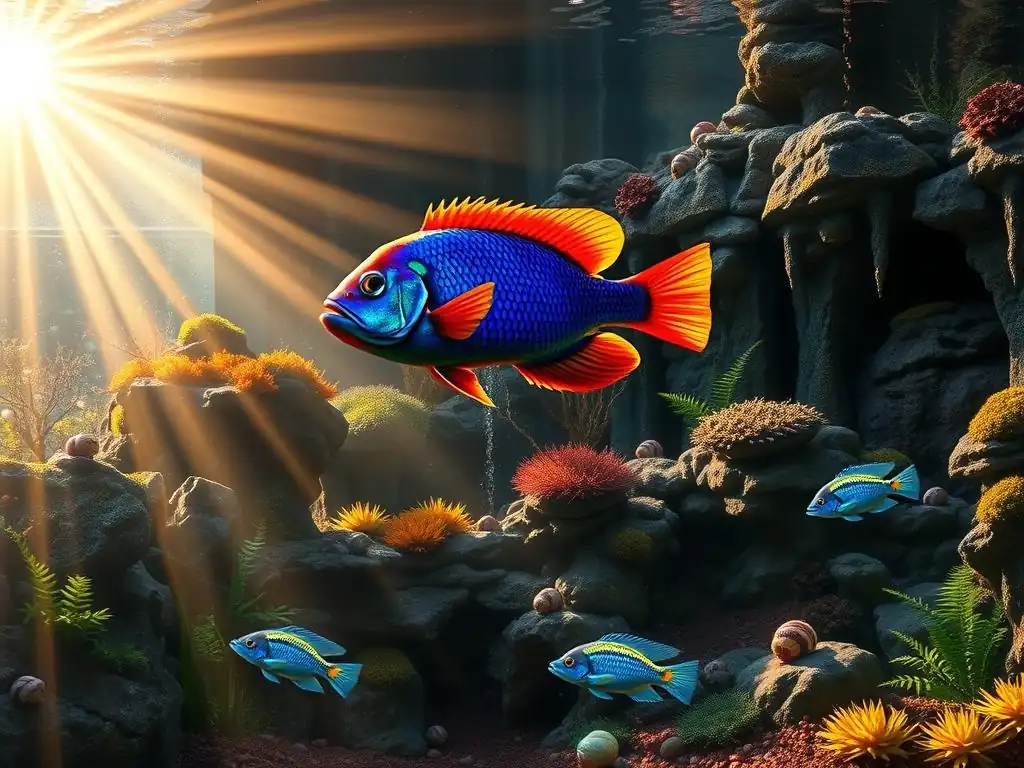
Welcome to Aquarium Mastery!
Dive into the vibrant world of African cichlids! Thinking about setting up a tank with these colorful characters? Choosing Your First African Cichlids: A Beginner's Guide to Mbuna and Peacocks is the perfect place to start. Unravel the secrets to successfully keeping these fascinating fish, and discover everything you need to know about Mbuna cichlids – from tank setup to temperament. Ready to become a true aquarium master? Let's begin!
- Introduction to African Cichlids for Beginners
-
Mbuna Cichlids: A Beginner's Guide
- What are Mbuna Cichlids? Defining Characteristics and Origins
- Essential Mbuna Cichlid Care for Beginners: Water Parameters & Tank Setup
- Popular Mbuna Species for Beginner Aquarists:
- Mbuna Cichlid Diet: What to Feed Your Herbivorous Cichlids
- Avoiding Common Mistakes When Keeping Mbuna Cichlids: Beginner Tips
-
Peacock Cichlids: A Beginner's Introduction to the Aulonocara Genus
- What are Peacock Cichlids? Unveiling Their Stunning Colors
- Peacock Cichlid Care for Beginners: Tank Mates and Environment
- Choosing the Right Peacock Cichlid Species for Your First Tank:
- Peacock Cichlid Diet: Providing a Balanced Diet for Carnivorous Cichlids
- Maintaining Water Quality for Healthy Peacock Cichlids: A Beginner's Guide to Water Changes and Filtration
- Mbuna vs. Peacock Cichlids: A Comparison for Beginners
- Setting Up Your First African Cichlid Tank: A Step-by-Step Guide
- Maintaining a Healthy African Cichlid Aquarium: Beginner's Tips
- Troubleshooting Common Problems with African Cichlids for Newcomers
- Conclusion: Enjoying Your African Cichlid Aquarium Journey
-
Frequently Asked Questions
- What are Mbuna cichlids and why are they popular for beginners?
- What size tank is recommended for a beginner keeping Mbuna cichlids?
- What specific water parameters are crucial for the health of Mbuna cichlids?
- What type of filtration is necessary for a Mbuna cichlid aquarium?
- What are some common mistakes beginners make when keeping Mbuna cichlids, and how can they be avoided?
- Final Reflection: Diving into the Vibrant World of African Cichlids
- Unleash Your Dream Aquarium: Dive In Now!
Introduction to African Cichlids for Beginners
Why African Cichlids Are a Great Choice for Enthusiasts
African cichlids, originating primarily from the Great Rift Valley lakes like Malawi, Tanganyika, and Victoria, offer an unparalleled visual spectacle in the home aquarium. Their diverse range of vibrant colors, intricate social behaviors, and relatively robust nature make them a highly rewarding choice for aquarists moving beyond basic community tanks. Unlike many docile freshwater species, African cichlids exhibit distinct personalities and fascinating interactions, providing a dynamic and engaging display that captivates observers.
Furthermore, their specific environmental requirements, while demanding attention, are well-documented, making it feasible for dedicated beginners to succeed. With proper planning and adherence to established care guidelines, new aquarists can create a thriving ecosystem that mirrors the beauty of their natural habitats. The challenge and subsequent success of maintaining these unique fish contribute significantly to the overall enjoyment and learning experience for any budding enthusiast.
Understanding the Appeal of Mbuna and Peacock Cichlids
Among the vast array of African cichlids, Mbuna and Peacock cichlids from Lake Malawi stand out as particularly popular choices for those just starting their journey. Mbuna, meaning "rock-dwelling" in the local language, are known for their bold, often aggressive, and highly active nature, constantly darting among rocky formations. Their striking patterns and territorial displays make them a focal point in any tank. This Mbuna cichlid beginner guide will delve deep into their specific needs.
Peacock cichlids (genus Aulonocara), by contrast, are generally more peaceful and recognized for their iridescent, metallic colors that shimmer under aquarium lights. They are open-water dwellers, often seen cruising the middle and lower sections of the tank, adding a different dimension to the aquascape. Both types offer distinct challenges and rewards, providing new aquarists with opportunities to learn about different cichlid behaviors and care requirements, making them excellent subjects for a beginner Mbuna care and Peacock cichlid introduction.
Mbuna Cichlids: A Beginner's Guide
What are Mbuna Cichlids? Defining Characteristics and Origins
Mbuna cichlids are a group of rock-dwelling cichlids endemic to Lake Malawi in East Africa. Their name, derived from the Tonga language, aptly describes their natural habitat, which consists of rocky shorelines and boulder-strewn areas. These fish are characterized by their robust, torpedo-shaped bodies, often displaying vivid colors such as electric blues, fiery oranges, and striking yellows, often with contrasting stripes or bars. They are highly territorial and exhibit complex social hierarchies within their rocky domains.
In their natural environment, Mbuna primarily graze on algae and the small invertebrates found within the aufwuchs (algae and detritus layer) that coats the rocks. This herbivorous diet is crucial to understanding their care in an aquarium setting. Their strong, specialized teeth are adapted for scraping algae, and this dietary requirement directly influences the type of food provided in captivity, making proper nutrition a cornerstone of successful Mbuna cichlid care for beginners.
Essential Mbuna Cichlid Care for Beginners: Water Parameters & Tank Setup
For a successful Mbuna cichlid beginner guide, maintaining stable and appropriate water parameters is paramount. Mbuna thrive in hard, alkaline water, mimicking the conditions of Lake Malawi. Ideal pH levels range from 7.8 to 8.6, with a general hardness (GH) between 10-20 dGH and carbonate hardness (KH) between 10-15 dKH. The water temperature should be kept consistently between 76°F and 82°F (24°C-28°C). Regular monitoring with a reliable test kit is essential to ensure these parameters remain stable.
Regarding tank setup, a minimum tank size of 55 gallons (approximately 208 liters) is recommended for a small group of Mbuna, though larger tanks of 75 gallons (284 liters) or more are highly preferable to mitigate aggression and allow for more diverse stocking. The aquascape should be dominated by rockwork, creating numerous caves, crevices, and visual barriers. These structures serve as territories, hiding spots, and breeding sites, crucial for reducing stress and aggression among these territorial fish. A sandy substrate is also beneficial, as Mbuna enjoy sifting through it.
Popular Mbuna Species for Beginner Aquarists:
Iodotropheus sprengerae (Rusty Cichlid): A Great Beginner Mbuna
The Rusty Cichlid ( Iodotropheus sprengerae) is often recommended as an excellent choice for a beginner Mbuna care setup due to its relatively peaceful temperament compared to other Mbuna species. They typically grow to about 3-4 inches (7-10 cm) in length and display a beautiful rusty orange to reddish-brown coloration, which can intensify with age and mood. Their subdued aggression makes them more compatible with a wider range of tank mates within a Mbuna community.
These cichlids are active and engaging, spending their time exploring rockwork and foraging. They adapt well to standard Mbuna water parameters and diet, primarily consuming vegetable matter. A group of 5-7 individuals, with a higher ratio of females to males (e.g., 1 male to 4 females), can thrive in a well-structured 55-gallon tank, offering a vibrant and manageable introduction to the world of Mbuna cichlids.
Labidochromis caeruleus (Yellow Lab): A Popular and Hardy Choice
The Electric Yellow Lab ( Labidochromis caeruleus) is arguably one of the most popular and iconic Mbuna cichlids, and for good reason. Renowned for its striking bright yellow coloration contrasted with black fins, it adds an immediate splash of vibrancy to any African cichlid aquarium. This species is also highly regarded for its relatively docile nature within the Mbuna family, making it an ideal candidate for a Mbuna cichlid beginner guide stocking list.
Growing to about 4-5 inches (10-12 cm), Yellow Labs are hardy and adaptable, tolerating a slightly wider range of conditions than some more sensitive cichlids. They are omnivores with a preference for spirulina and other vegetable matter, but will also readily accept protein-based foods. A group of 6-8 Yellow Labs can be successfully kept in a 55-gallon tank, though larger tanks allow for more diverse stocking of other mild Mbuna species.
Pseudotropheus saulosi: Vibrant Color and Relatively Peaceful
Pseudotropheus saulosi is another excellent choice for those embarking on their first Mbuna tank. This species offers a fantastic display of sexual dimorphism, with males showcasing brilliant blue bodies with vertical black bars and females exhibiting a striking golden yellow coloration. They are smaller, typically reaching only 3-4 inches (7-10 cm), which makes them suitable for slightly smaller cichlid setups, though a 55-gallon tank remains the minimum recommended.
Despite their vibrant colors, P. saulosi are considered one of the less aggressive Mbuna species, particularly when kept in a species-specific tank or with other similarly tempered Mbuna. They are herbivores, primarily grazing on algae, and require a diet rich in vegetable matter. Keeping a ratio of one male to several females (e.g., 1 male to 3-4 females) helps to disperse aggression and encourage natural breeding behaviors, making them a rewarding species for a beginner Mbuna cichlid guide.
Mbuna Cichlid Diet: What to Feed Your Herbivorous Cichlids
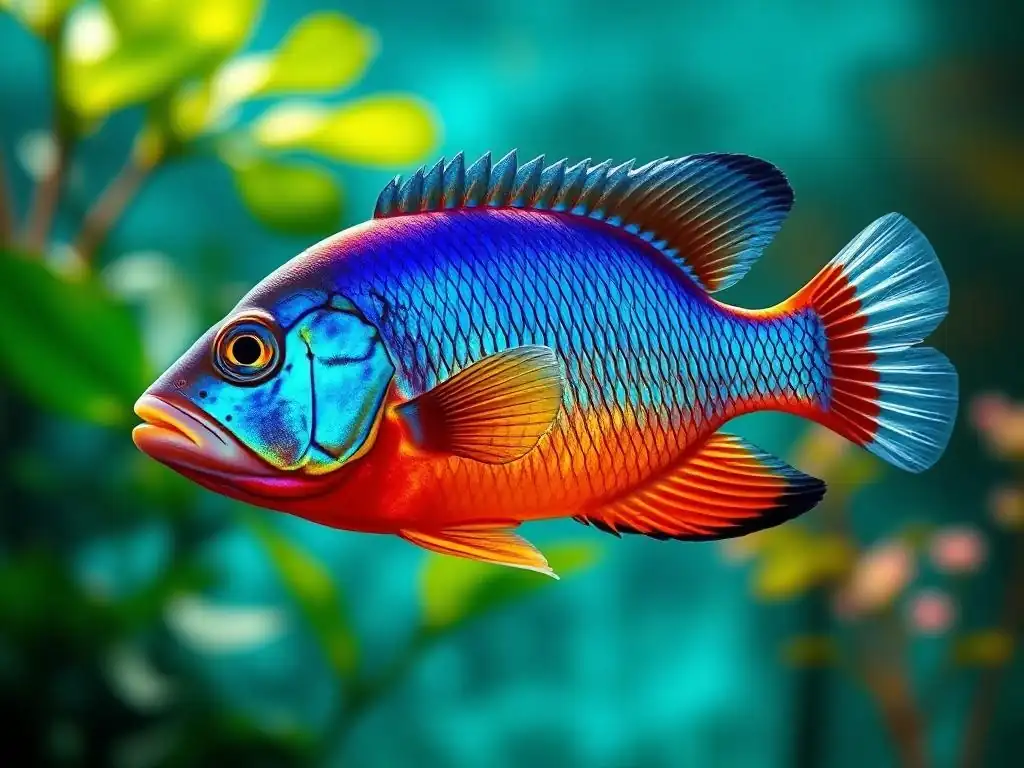
The diet of Mbuna cichlids is a critical aspect of their long-term health and vibrant coloration, deeply tied to their natural herbivorous tendencies. In Lake Malawi, they primarily feed on aufwuchs, a bio-film of algae and small invertebrates scraped from rocks. Therefore, their captive diet must be rich in vegetable matter. High-quality spirulina flakes and pellets, specifically formulated for African cichlids, should form the cornerstone of their daily feeding regimen.
It is crucial to avoid feeding Mbuna foods high in animal protein, such as bloodworms, beef heart, or excessive amounts of brine shrimp. While they might readily consume these, a diet too rich in protein can lead to severe digestive issues, most notably "Malawi Bloat," a fatal condition characterized by internal swelling and organ failure. Feeding small amounts, 2-3 times a day, what they can consume within 30-60 seconds, helps prevent overfeeding and maintain water quality, making it a key tip for any Mbuna cichlid beginner guide.
Avoiding Common Mistakes When Keeping Mbuna Cichlids: Beginner Tips
One of the most frequent mistakes made by newcomers to Mbuna cichlids is improper stocking, either by overcrowding or by mixing incompatible species. Overcrowding, while sometimes seen as a method to "diffuse" aggression, can lead to chronic stress, poor water quality, and increased disease susceptibility. A general rule of thumb is to allow at least 10-15 gallons per adult Mbuna in a well-aquascaped tank, with a minimum of 55 gallons for the initial setup.
Another common pitfall is inadequate filtration and infrequent water changes. Given their high bioload and the need for pristine, stable water parameters, robust filtration (e.g., oversized canister filters, sumps) and weekly water changes of 25-30% are non-negotiable. Neglecting these aspects leads to elevated nitrates, which stress fish and contribute to aggression and disease. Adhering to these Mbuna cichlid care tips for beginners is vital for success.
Peacock Cichlids: A Beginner's Introduction to the Aulonocara Genus
What are Peacock Cichlids? Unveiling Their Stunning Colors
Peacock cichlids, belonging to the genus Aulonocara, are renowned for their breathtaking array of iridescent, metallic colors that resemble a peacock's plumage. Unlike Mbuna, which are rock-dwellers, Peacocks are typically found in the sandy areas of Lake Malawi, often near rocky outcrops, where they hunt for small invertebrates. Males are particularly vibrant, displaying shades of blue, red, yellow, and orange, often with striking patterns, while females are generally drabber, typically a silver or brown color.
A distinguishing feature of Peacock cichlids is their enlarged sensory pores along the lateral line and snout, which they use to detect small prey buried in the sand. This unique sensory adaptation, combined with their generally more peaceful disposition compared to Mbuna, makes them a captivating addition to a freshwater aquarium. Their elegance and diverse color morphs make them a favorite among aquarists looking for a visually stunning display with less aggressive interactions than a pure Mbuna tank.
Peacock Cichlid Care for Beginners: Tank Mates and Environment
When considering Peacock cichlid care for beginners, tank mates and environmental setup are crucial for their well-being. Peacock cichlids are generally less aggressive than Mbuna, making them suitable for species-only tanks or carefully selected communities. Ideal tank mates include other Aulonocara species, certain docile Haps (Haplochromines), or even some of the milder Mbuna like Electric Yellow Labs, provided the tank is sufficiently large (minimum 75 gallons). Avoid highly aggressive Mbuna or other overly boisterous species that could stress or injure them.
The aquarium environment for Peacocks should incorporate open swimming areas alongside sandy substrates and some rockwork or caves for refuge. While they don't require the dense rockscapes of Mbuna, a few strategically placed rocks or driftwood pieces can provide security and visual breaks. Water parameters should be similar to Mbuna: pH 7.8-8.6, GH 10-20 dGH, KH 10-15 dKH, and temperature 76-82°F (24°C-28°C). A clean, well-filtered environment is paramount for their delicate sensory organs.
Choosing the Right Peacock Cichlid Species for Your First Tank:
Aulonocara baenschi (Bengas): Vibrant Yellow Hues
The Benga Peacock ( Aulonocara baenschi) is an excellent choice for those starting with Peacock cichlids, known for its striking yellow and orange coloration, often with blue highlights on the face and fins. Males typically grow to about 4-5 inches (10-12 cm), making them a manageable size for a 75-gallon aquarium. Their vibrant hues make them an immediate focal point, bringing a sunny disposition to the tank.
Benga Peacocks are relatively peaceful, fitting well into a community of other Aulonocara species or other similarly tempered fish. They are active swimmers but also appreciate open sand areas for foraging. Providing a group with a single male and multiple females (e.g., 1 male to 3-4 females) is recommended to reduce male aggression and encourage natural behavior. Their hardiness and captivating colors make them a top recommendation for a beginner Peacock care setup.
Aulonocara stuartgranti (Maleri): A Classic Peacock Option
The Maleri Peacock ( Aulonocara stuartgranti) represents a classic and widely available Peacock cichlid, offering a range of beautiful color morphs depending on the specific collection point in Lake Malawi. Common variations include vibrant blues, reds, and oranges, often with distinctive vertical barring. Males can reach 5-6 inches (12-15 cm), making them a moderately sized cichlid that requires a tank of at least 75 gallons to thrive.
Maleri Peacocks are known for their generally calm temperament, making them suitable for mixed Peacock or mixed African cichlid tanks that avoid overly aggressive species. They are primarily carnivores, sifting sand for small invertebrates, which dictates their diet in captivity. Their adaptability and stunning appearance make them a fantastic choice for those looking to embark on their first African cichlids tank with Peacocks.
Peacock Cichlid Diet: Providing a Balanced Diet for Carnivorous Cichlids
Unlike Mbuna, Peacock cichlids are primarily carnivorous, feeding on small invertebrates found in the sandy substrate of Lake Malawi. In the aquarium, their diet should reflect this natural inclination. High-quality pellets and flakes specifically formulated for carnivorous cichlids are essential. These foods should contain a good percentage of animal protein, such as krill, shrimp, and fish meal.
Supplementing their staple diet with frozen or freeze-dried foods like brine shrimp, Mysis shrimp, and bloodworms (in moderation) can enhance their coloration and overall health. It's important to feed small amounts frequently, perhaps 2-3 times a day, to prevent overfeeding and maintain water quality. Overfeeding can lead to digestive issues and contribute to poor water conditions, which can stress these sensitive fish. A varied diet is key to the longevity and vibrancy of your Peacock cichlids.
Maintaining Water Quality for Healthy Peacock Cichlids: A Beginner's Guide to Water Changes and Filtration
Pristine water quality is non-negotiable for the health and vibrancy of Peacock cichlids, as it is for all African cichlids. Given their relatively high bioload and sensitivity to metabolic waste, a robust filtration system is essential. Canister filters are highly recommended for their efficiency and capacity, often supplemented with powerheads for increased water circulation and aeration. A sump system, if feasible, provides even more filtration volume and stability.
Regular water changes are the single most effective method for maintaining optimal water quality. A minimum of 25-30% of the tank's water should be replaced weekly. This practice removes nitrates, replenishes essential minerals, and helps stabilize pH. Using a reliable water conditioner to neutralize chlorine and chloramines is also crucial. Consistent water quality management, as highlighted in this Mbuna cichlid beginner guide, prevents stress, disease, and promotes vivid coloration in your Peacock cichlids.
Mbuna vs. Peacock Cichlids: A Comparison for Beginners
Temperament and Aggression: Understanding the Differences
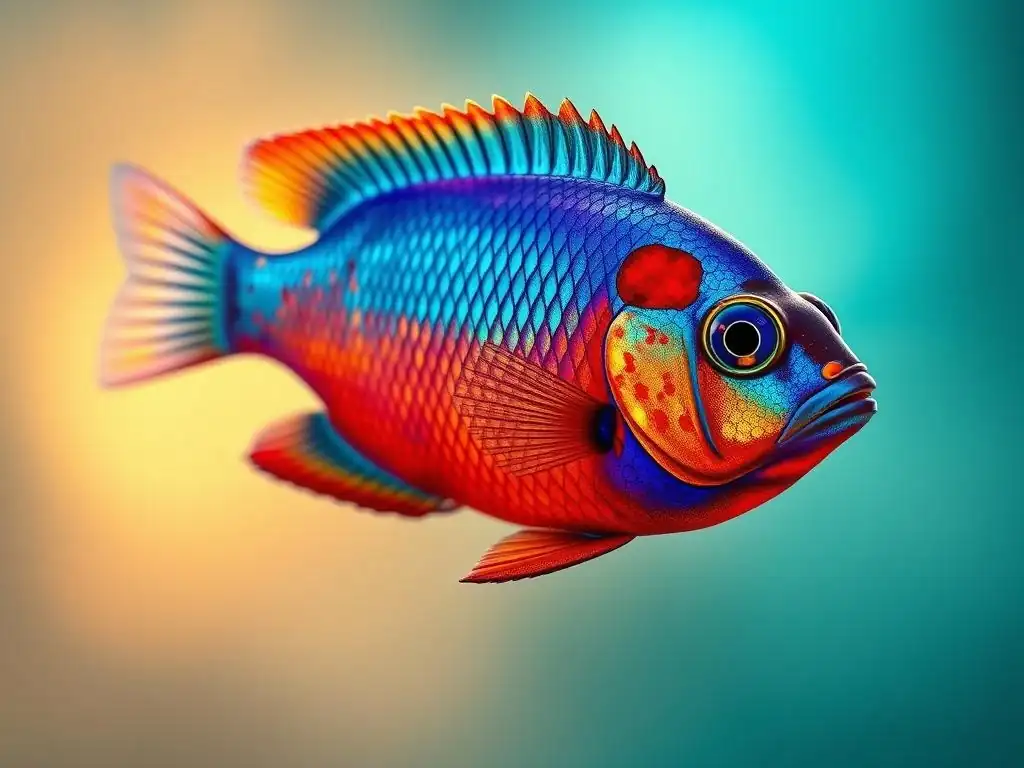
The most significant distinction between Mbuna and Peacock cichlids lies in their temperament and aggression levels. Mbuna are notoriously territorial and aggressive, especially males, constantly defending their chosen rock crevices and challenging rivals. Their aggression is often intra-specific (within the same species) but can extend to other Mbuna if tank space is insufficient or stocking is improper. This high-energy, pugnacious behavior is a defining characteristic.
Peacock cichlids, on the other hand, are generally much more peaceful. While males will display to and occasionally spar with each other, particularly when vying for females or territory, their aggression is typically less intense and rarely results in severe injury. They are more community-oriented within their genus and can often be kept with other similarly tempered African cichlids. Understanding this fundamental difference is crucial when planning a first African cichlids tank setup.
Dietary Needs: Herbivorous Mbuna vs. Carnivorous Peacocks
Another critical divergence between these two groups is their dietary requirements, stemming directly from their natural feeding behaviors in Lake Malawi. Mbuna are primarily herbivores, grazing on the aufwuchs (algae and associated microorganisms) found on rocks. Their digestive systems are adapted for processing plant matter, and feeding them high-protein animal-based foods can lead to serious health issues like Malawi Bloat.
Peacock cichlids, conversely, are micro-predators, sifting through sand for small invertebrates. This makes them carnivores, and their diet in captivity should reflect this, consisting of high-quality protein-rich flakes and pellets, supplemented with frozen foods like Mysis shrimp. Mixing their diets or feeding Mbuna a protein-heavy diet is a common mistake for beginners and can be detrimental to their long-term health, a key point in any Mbuna cichlid beginner guide.
Tank Size Requirements: Planning for Mbuna and Peacock Cichlids
The minimum tank size recommendations differ slightly due to their varying aggression and activity levels. For a community of Mbuna cichlids, a minimum of 55 gallons (approximately 208 liters) is generally advised for a small, carefully chosen group, though 75 gallons (284 liters) or larger is highly preferred. The ample rockwork required for Mbuna also takes up significant swimming space, necessitating larger footprints.
Peacock cichlids, while less aggressive, also benefit from larger tanks due to their need for open swimming areas and their ultimate size. A minimum of 75 gallons is recommended for a group of Peacocks, with 125 gallons (473 liters) or more allowing for a more diverse collection of Aulonocara species or mixed African cichlid communities. Adequate space helps reduce stress and aggression in both types, making tank planning a cornerstone of successful beginner Mbuna care.
Water Parameters: Matching the Ideal Environment for Each Type
While both Mbuna and Peacock cichlids originate from Lake Malawi and share similar general water parameter requirements, consistency is key for both. Both thrive in hard, alkaline water with a pH range of 7.8 to 8.6, a general hardness (GH) of 10-20 dGH, and carbonate hardness (KH) of 10-15 dKH. The ideal temperature range for both is 76-82°F (24°C-28°C).
The primary difference in water parameter management often comes down to the impact of their diet and bioload. Mbuna, being herbivores, can produce more waste that impacts nitrates, while Peacocks, though carnivorous, also contribute significantly to the bioload. Therefore, robust filtration and consistent weekly water changes of 25-30% are equally crucial for maintaining pristine conditions for either type, ensuring a healthy environment for your Mbuna cichlid beginner guide journey.
Setting Up Your First African Cichlid Tank: A Step-by-Step Guide
Choosing the Right Tank Size for Mbuna and/or Peacock Cichlids
Selecting the appropriate tank size is the foundational step for any successful African cichlid aquarium. For beginners focusing on Mbuna, a 55-gallon tank (48" L x 13" W x 21" H) can serve as a starting point for a small, carefully selected group of less aggressive species like Yellow Labs or Rusties. However, a 75-gallon (48" L x 18" W x 21" H) or 90-gallon (48" L x 18" W x 24" H) tank offers significantly more space, reducing aggression and allowing for a larger, more diverse community.
If your interest lies primarily in Peacock cichlids, a 75-gallon tank is generally considered the minimum, providing ample swimming room for these open-water dwellers. For mixed Mbuna and Peacock tanks, or for larger groups of either, tanks of 125 gallons (72" L x 18" W x 22" H) or more are highly recommended. Larger tanks offer greater stability in water parameters, more territory per fish, and ultimately, a more harmonious environment. This initial decision is critical for your Mbuna cichlid beginner guide success.
Substrate Selection: Creating a Suitable Environment
The choice of substrate plays a significant role in replicating the natural environment of African cichlids and maintaining optimal water chemistry. For both Mbuna and Peacock cichlids, a sandy substrate is highly recommended. In their natural habitats, these cichlids often sift through sand for food, and a fine sand substrate (e.g., play sand, aragonite sand, or specialized cichlid sand) allows them to exhibit this natural behavior without damaging their mouths.
Beyond behavior, certain sands, particularly aragonite-based sands, can help buffer the water, contributing to the high pH and hardness levels that Lake Malawi cichlids require. While gravel can be used, it does not allow for natural sifting behaviors and can trap more detritus, potentially leading to water quality issues. A layer of 1-2 inches of sand is usually sufficient, allowing for easy cleaning and natural foraging.
Rockwork and Aquascaping: Providing Hiding Places and Territories
Rockwork is perhaps the most crucial element in aquascaping an African cichlid tank, especially for Mbuna. These rock-dwelling fish rely heavily on intricate rock formations to establish territories, find hiding spots, and reduce stress. Use inert rocks such as lava rock, Texas holey rock, slate, or artificial rock structures to create numerous caves, tunnels, and visual barriers. Aim for structures that extend from the bottom to near the surface to maximize vertical territory.
When arranging rocks, ensure they are stable and securely placed to prevent collapses, which can injure fish or crack the tank. Stacking rocks directly on the bottom glass is safest, or use egg crate light diffuser sheets under the substrate to distribute weight. For Peacock cichlids, while less demanding of dense rockwork, strategically placed rocks still provide security and break up sightlines, helping to mitigate aggression. Proper aquascaping is a vital part of any Mbuna cichlid beginner guide.
Filtration and Water Chemistry: Maintaining a Healthy Aquarium
Given the high bioload of African cichlids and their preference for pristine water, robust filtration is non-negotiable. A combination of mechanical, biological, and chemical filtration is ideal. Oversized canister filters are highly effective, providing excellent mechanical filtration for particulate matter and substantial biological media for beneficial bacteria. For larger tanks, consider running two canister filters or incorporating a sump system, which offers superior filtration volume and flexibility.
Maintaining the correct water chemistry is equally vital. Lake Malawi cichlids thrive in hard, alkaline water (pH 7.8-8.6, GH 10-20 dGH, KH 10-15 dKH). Test your tap water regularly, and if it's naturally soft or acidic, consider using cichlid-specific buffers, crushed coral, or aragonite substrate to raise and stabilize these parameters. Consistent water changes, as detailed in this Mbuna cichlid beginner guide, are also crucial for maintaining optimal water quality and preventing nitrate buildup.
Lighting Considerations for African Cichlid Tanks
While lighting for African cichlid tanks is less about specific intensity for plant growth (as most cichlid tanks are sparsely planted or unplanted) and more about showcasing their vibrant colors and encouraging natural behaviors. Standard LED or fluorescent aquarium lights are generally sufficient. Full-spectrum lighting with a color temperature around 6500K will bring out the brilliant blues, yellows, and reds of both Mbuna and Peacock cichlids.
Avoid excessively bright or prolonged lighting, which can stress fish and promote undesirable algae growth on tank glass. A typical lighting schedule of 8-10 hours per day is adequate. Some aquarists also opt for actinic or blue-spectrum lights for a short period in the evening to mimic dusk, which can further enhance the iridescent qualities of certain Peacock cichlids. The right lighting contributes significantly to the visual appeal of your first African cichlids tank.
Maintaining a Healthy African Cichlid Aquarium: Beginner's Tips
Regular Water Changes: The Key to Long-Term Success
Regular water changes are arguably the most critical aspect of maintaining a healthy African cichlid aquarium, particularly for beginners. Due to their high bioload and the need for stable water parameters, a weekly water change of 25-30% is highly recommended. This practice removes accumulated nitrates, phosphates, and other dissolved organic compounds that can stress fish and lead to algae blooms or disease outbreaks.
Beyond waste removal, water changes replenish essential minerals and trace elements that are consumed over time and help stabilize pH and hardness. Always use a high-quality water conditioner to neutralize chlorine and chloramines present in tap water before adding it to the tank. Consistency is key; establishing a routine for water changes will significantly contribute to the long-term health and vibrancy of your Mbuna and Peacock cichlids. This is a fundamental Mbuna cichlid beginner guide principle.
Monitoring Water Parameters: Ammonia, Nitrite, and Nitrate Levels
Consistent monitoring of water parameters is essential for preventing common issues in an African cichlid tank. Beginners should invest in a reliable liquid-based test kit to regularly check for ammonia, nitrite, and nitrate levels. Ammonia and nitrite should always be at 0 ppm (parts per million) in a cycled tank; any detectable levels indicate a problem with the biological filtration or overstocking.
Nitrates, the end product of the nitrogen cycle, will accumulate over time and are primarily controlled through regular water changes. Aim to keep nitrate levels below 20 ppm, though some experienced aquarists push for even lower levels, under 10 ppm. High nitrate levels can suppress the immune system of cichlids, making them more susceptible to diseases. Regularly checking pH, GH, and KH is also important to ensure the water remains hard and alkaline, suitable for Lake Malawi cichlids.
Identifying and Treating Common African Cichlid Diseases
Despite best efforts, African cichlids can sometimes fall prey to diseases. One of the most common and feared is Malawi Bloat, characterized by a swollen abdomen, white stringy feces, loss of appetite, and labored breathing. It's often linked to improper diet (too much protein) or poor water quality. Treatment involves specialized medications and immediate diet correction.
Other common ailments include Ich (white spot disease), a parasitic infection causing small white spots on the body and fins, treatable with elevated temperatures and Ich medications. Bacterial infections can cause fin rot, body sores, or cloudy eyes, often a result of poor water quality or stress. Early detection and prompt treatment are crucial. Quarantining new fish for 2-4 weeks is highly recommended to prevent introducing diseases to your main display tank, a vital part of any Mbuna cichlid beginner guide.
Preventing Aggression in Your African Cichlid Tank
Aggression is a natural behavior for many African cichlids, particularly Mbuna, but it can be managed to create a harmonious tank. One key strategy is proper stocking density. For Mbuna, a slightly "overstocked" tank (e.g., 1 fish per 10-15 gallons in a 75-gallon tank) can paradoxically diffuse aggression by spreading it out among more fish, preventing one fish from becoming the sole target. However, this strategy requires extremely robust filtration and diligent water changes.
Another critical factor is providing ample rockwork and visual barriers. This creates numerous territories and hiding spots, allowing weaker or submissive fish to escape dominant ones. Avoid mixing highly aggressive species with very docile ones, and maintain appropriate male-to-female ratios (e.g., 1 male to 3-4 females) to reduce male-on-male aggression and breeding stress. Consistent feeding and stable water parameters also reduce stress, which can exacerbate aggression.
Troubleshooting Common Problems with African Cichlids for Newcomers
Dealing with Aggression and Bullying
Aggression and bullying are pervasive issues in African cichlid tanks, especially with Mbuna. If you observe excessive chasing, torn fins, or a fish constantly hiding or exhibiting faded colors, immediate action is necessary. First, reassess your stocking: is the tank overcrowded or undercrowded for your specific species? Is there a good male-to-female ratio (aim for multiple females per male to disperse aggression)?
Consider adding more rockwork or rearranging existing decor to break up sightlines and create new territories. Sometimes, removing the most aggressive fish for a "time-out" (e.g., placing it in a separate tank for a few days) and then reintroducing it can reset the hierarchy. If a specific fish is consistently being bullied, it may need to be permanently rehomed to prevent severe injury or death. This proactive approach is key for any Mbuna cichlid beginner guide.
Addressing Common Diseases and Parasites
When a disease manifests, prompt identification and treatment are crucial. Malawi Bloat, as mentioned, is often diet-related; cease feeding, administer an appropriate medication (e.g., Metronidazole), and review your feeding regimen. For Ich, raise the tank temperature gradually to 82-84°F (28-29°C) over 24 hours (ensure good aeration) and use an Ich medication per instructions. Remove carbon from filters during medication.
Bacterial infections often stem from poor water quality or injury. Perform a large water change (50%) immediately, ensure filtration is optimal, and consider broad-spectrum antibacterial treatments. Always isolate sick fish in a quarantine tank if possible to prevent disease spread and allow for targeted treatment without affecting the main display tank's beneficial bacteria. Consulting online forums or a local fish store with pictures can aid in diagnosis.
Solving Water Quality Issues
Poor water quality is the root cause of many African cichlid problems, including stress, disease, and aggression. If you find elevated ammonia, nitrite, or nitrate levels, the first step is always a large water change (50% or more, depending on severity) using dechlorinated water. Re-test parameters after the change.
Evaluate your filtration system: Is it adequate for your tank size and bioload? Is it clean and functioning properly? Mechanical media should be rinsed weekly, and biological media should be cleaned gently (in old tank water) only when flow is impeded, to preserve beneficial bacteria. Consider reducing feeding amounts or frequency to lessen waste production. Overstocking is a common culprit, so review your fish count relative to tank size. Consistent maintenance, as outlined in this Mbuna cichlid beginner guide, is the ultimate solution.
Conclusion: Enjoying Your African Cichlid Aquarium Journey
The Rewarding Experience of Keeping Mbuna and Peacock Cichlids
Embarking on the journey of keeping African cichlids, particularly Mbuna and Peacocks, is an incredibly rewarding experience for any aquarist. Their dazzling array of colors, complex social behaviors, and active personalities transform a simple glass box into a vibrant, dynamic underwater world. Witnessing their territorial displays, breeding rituals, and unique interactions provides endless fascination and a deeper connection to the aquatic hobby.
While they demand specific care regarding water parameters, diet, and tank setup, the effort invested is richly repaid by the stunning beauty and engaging nature of these fish. Mastering the nuances of Mbuna cichlid beginner guide principles and Peacock care fosters a sense of accomplishment and expands your expertise in freshwater aquariums. The challenges become opportunities for learning, leading to a thriving and captivating display that will be the envy of many.
Further Resources for African Cichlid Care
To continue your education and ensure the long-term success of your African cichlid aquarium, numerous resources are available. Online forums dedicated to Lake Malawi cichlids offer a wealth of collective experience and troubleshooting advice from seasoned aquarists. Websites like AquariumMastery.com provide in-depth species profiles, tank setup guides, and detailed care articles, allowing you to delve deeper into specific topics.
Books and scientific journals on African cichlids offer comprehensive information on their natural history, genetics, and advanced breeding techniques. Visiting local fish stores specializing in cichlids can also provide valuable insights and access to a diverse selection of healthy fish. Continuous learning and engagement with the cichlid community will enrich your hobby and help you become a true master of African cichlid care.
Frequently Asked Questions
What are Mbuna cichlids and why are they popular for beginners?
Mbuna cichlids are a group of rock-dwelling African cichlids known for their vibrant colors and active behavior. They are popular because they offer a visually stunning and engaging aquarium experience, though they do require specific care.
What size tank is recommended for a beginner keeping Mbuna cichlids?
A minimum of a 55-gallon tank is generally recommended for a beginner starting with Mbuna cichlids. This allows for adequate space to establish territories and reduce aggression among the fish.
What specific water parameters are crucial for the health of Mbuna cichlids?
Mbuna cichlids require alkaline water with a pH between 7.8 and 8.6. Maintaining stable and consistent water parameters is crucial to prevent stress and disease.
What type of filtration is necessary for a Mbuna cichlid aquarium?
Due to their messy eating habits, Mbuna cichlids require robust filtration. A high-quality canister filter or a large sponge filter is recommended to maintain water quality.
What are some common mistakes beginners make when keeping Mbuna cichlids, and how can they be avoided?
Overcrowding and incompatible tank mates are common beginner mistakes. Researching species compatibility and providing ample hiding places can help minimize aggression and ensure success.
Final Reflection: Diving into the Vibrant World of African Cichlids
The journey into the world of African Cichlids, particularly Mbuna and Peacocks, is more than just setting up an aquarium; it's about creating a miniature ecosystem teeming with life and color. The enduring popularity of these fish speaks volumes about our innate fascination with the natural world and our desire to bring a piece of it into our homes. Their vibrant personalities and stunning displays are a constant reminder of the beauty and complexity that exists beyond our everyday experiences.
This passion for these aquatic gems has not only fueled a thriving hobby but has also fostered a deeper appreciation for the delicate balance of African lake ecosystems. Witnessing the intricate social dynamics and vibrant displays of these fish firsthand cultivates a sense of responsibility towards their conservation. In the end, we will conserve only what we love; we will love only what we understand; and we will understand only what we are taught.
- Baba Dioum's words resonate deeply, highlighting the importance of education and awareness in protecting these magnificent creatures and their habitats.
Now, as you embark on your own adventure with Mbuna and Peacocks, remember that you are not just a hobbyist, but a steward of a small piece of the African lakes. Take the knowledge you've gained, nurture your aquatic ecosystem with care, and share your passion with others. Let the vibrant colors and captivating behaviors of these cichlids inspire you to appreciate the beauty of the natural world and to contribute to its preservation, one aquarium at a time.
Unleash Your Dream Aquarium: Dive In Now!
Thank you for exploring the vibrant world of African Cichlids with us! We hope you've gained the knowledge and inspiration to embark on your own aquascaping adventure. Now, it's time to bring that dream tank to life!
Here are a few steps you can take right away:
- Boldly choose your first Cichlids! Decide whether the active Mbuna or the colorful Peacocks better suit your vision and available tank space.
- Explore local aquarium clubs or online forums dedicated to African Cichlids. Share your plans, ask questions, and learn from experienced hobbyists. You might even find a local breeder!
- Surprise yourself (and your Cichlids!) by planning a unique aquascape. Think beyond the standard rock setup – incorporate unexpected elements like driftwood or custom-built caves to create a truly engaging environment.
What's the first captivating Cichlid you're envisioning swimming in your tank? Share your dream fish and tank setup in the comments below!