
Acclimating Cardinalfish: Ensuring a StressFree Introduction to Your Tank

Welcome to Aquarium Mastery!
Ever wondered how to introduce those vibrant Cardinalfish to your saltwater aquarium without causing unnecessary stress? Dive in! Our Cardinalfish acclimation tips guide unveils the secrets to a seamless transition, ensuring your new aquatic companions thrive from day one. Ready to unlock the art of successful acclimation and create a harmonious underwater world? Let's explore!
- Cardinalfish Acclimation Tips Guide: A Crucial First Step
- Preparing for Cardinalfish Arrival: Setting Up Your Acclimation Station
- Cardinalfish Acclimation Methods: A Step-by-Step Guide
- Post-Acclimation Care: Ensuring Cardinalfish Thrive in Your Aquarium
- Common Cardinalfish Acclimation Mistakes to Avoid
- Troubleshooting Acclimation Problems: Recognizing and Addressing Issues
- Long-Term Cardinalfish Care: Maintaining a Healthy Aquarium Environment
- Conclusion: Mastering Cardinalfish Acclimation for a Thriving Reef Aquarium
-
Frequently Asked Questions
- How long should I float the bag containing my new Cardinalfish in the aquarium?
- Why is slow acclimation so important for Cardinalfish?
- What is the drip acclimation method, and why is it recommended for Cardinalfish?
- How can I tell if my Cardinalfish is stressed during or after acclimation?
- What should I do if my Cardinalfish shows signs of stress even after careful acclimation?
- Final Reflection: A Thriving Start for Your Cardinalfish
- Unlock the Secrets to Cardinalfish Bliss!
Cardinalfish Acclimation Tips Guide: A Crucial First Step
Why Proper Acclimation is Vital for Cardinalfish Survival
Proper acclimation is the single most critical step in introducing any new marine fish, especially sensitive species like cardinalfish, to an aquarium. Failing to gradually adjust them to their new environment can lead to severe osmotic shock, a condition where rapid changes in water salinity cause cells to either swell or shrink uncontrollably.
This physiological stress weakens their immune system, making them highly susceptible to diseases such as marine Ich (white spot disease) or velvet, and can result in immediate mortality. Industry data suggests that a significant portion, possibly up to 30%, of new fish mortalities within the first week of arrival are directly attributable to stress induced by improper acclimation.
Beyond immediate survival, correct acclimation ensures the long-term health and vitality of your cardinalfish. A fish that has undergone a gentle transition is less stressed, maintains a robust immune response, and is more likely to settle quickly into its new home, exhibiting natural behaviors like schooling and feeding. Conversely, fish that experience severe acclimation stress may appear fine initially but succumb to secondary infections weeks later, a costly and disheartening outcome for any aquarist. This cardinalfish acclimation tips guide prioritizes the well-being of your aquatic inhabitants.
Understanding Cardinalfish Sensitivity to Environmental Changes
Cardinalfish, encompassing popular species like the Banggai Cardinalfish (Pterapogon kauderni) and the Pajama Cardinalfish (Sphaeramia nematoptera), are particularly sensitive to sudden shifts in water parameters. Many are either wild-caught from stable reef environments or bred in aquaculture facilities with highly controlled conditions. Their delicate physiology is finely tuned to specific ranges of temperature, salinity, and pH. A rapid change in salinity, for instance, by as little as 0.002-0.003 specific gravity (from, say, 1.020 to 1.023), can severely disrupt their osmoregulation, the process by which they maintain the correct balance of salts and water within their bodies.
When faced with abrupt environmental changes, a cardinalfish's body expends immense energy attempting to re-establish internal equilibrium. This exhaustive process can lead to organ damage, electrolyte imbalance, and ultimately, system failure. Similarly, even slight variations in pH, such as a drop or rise of 0.2-0.3 units, can cause significant respiratory distress, as the fish struggles to regulate the pH of its own blood. Understanding these sensitivities is paramount for any successful cardinalfish acclimation tips guide, emphasizing that patience and precision are not merely recommendations but necessities.
Preparing for Cardinalfish Arrival: Setting Up Your Acclimation Station
Essential Supplies for Cardinalfish Acclimation: A Checklist
Before your new cardinalfish arrive, having a dedicated acclimation station fully prepared is non-negotiable. You will need a clean, non-toxic container, such as a 2-5 gallon food-grade bucket or a small, bare quarantine tank, which will serve as the temporary holding area. Essential equipment includes an air pump with an airstone and airline tubing to ensure adequate oxygenation throughout the process.
A reliable submersible heater and an accurate thermometer are critical for temperature matching, while a refractometer (preferred over a hydrometer for precision) and a pH test kit are vital for monitoring salinity and pH. Lastly, airline tubing with a control valve (or a simple knot) is necessary for the drip acclimation process.
Each item on this checklist plays a crucial role in minimizing stress and ensuring a smooth transition. The dedicated container prevents the introduction of contaminants from other household items. The air stone provides essential oxygen, especially during prolonged acclimation periods, preventing suffocation and further stress. Accurate testing equipment allows you to precisely match parameters, which is the cornerstone of effective acclimation for sensitive species. This comprehensive list forms the backbone of any robust cardinalfish acclimation tips guide, ensuring you are fully equipped.
Maintaining Optimal Water Parameters for Acclimation: Temperature, Salinity, and pH
The cornerstone of successful acclimation lies in meticulously matching the water parameters of the shipping bag to your acclimation container, and eventually, to your main display tank. Upon receiving your cardinalfish, immediately test the water in their shipping bag for temperature, salinity (specific gravity), and pH. Record these readings. Then, prepare your acclimation container with water from your display tank, ensuring its parameters are stable and within the ideal range for cardinalfish, which typically includes a temperature of 74-78°F (23-26°C), a specific gravity of 1.023-1.025, and a pH of 8.1-8.4.
The goal is to gently transition the fish from their shipping water to your display tank water, minimizing any sudden shocks. If the shipping water parameters differ significantly from your tank's, the acclimation process will need to be slower. For instance, if the shipping salinity is 1.018 and your tank is 1.025, a gradual increase over 1.5-2 hours via drip acclimation is imperative. Similarly, ensure the temperature in the acclimation container remains stable and matches the display tank's temperature to within 1°F (0.5°C) before transfer.
Cardinalfish Acclimation Methods: A Step-by-Step Guide
Drip Acclimation Method for Cardinalfish: A Detailed Walkthrough
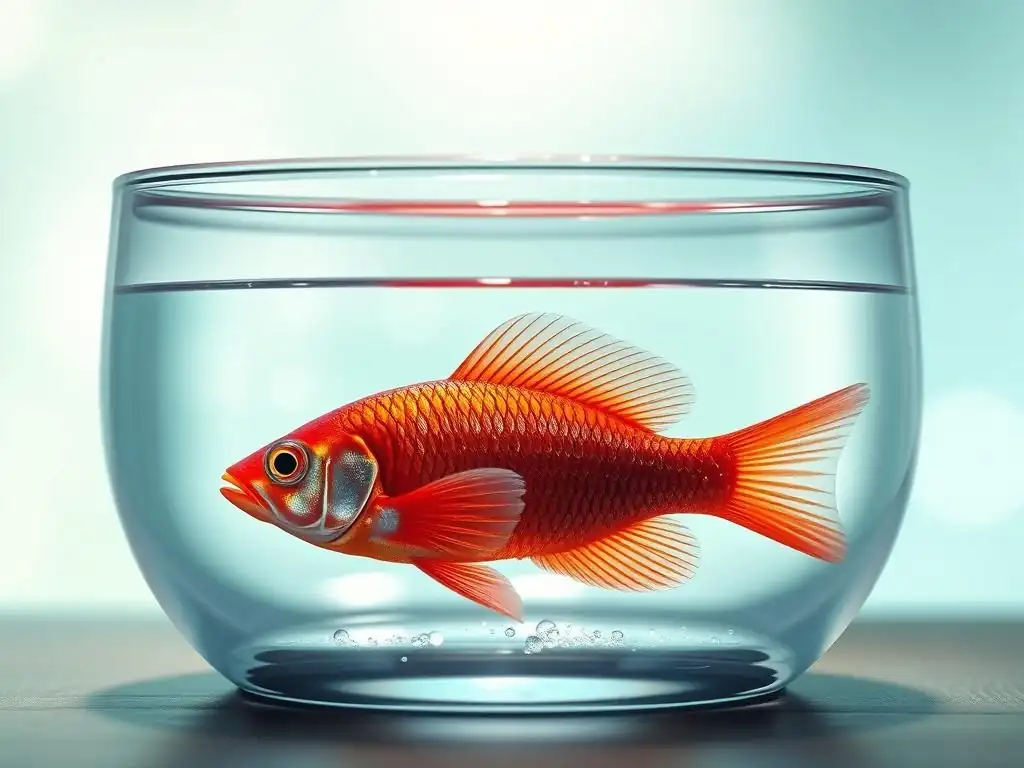
Drip acclimation is by far the safest and most recommended method for introducing sensitive marine fish like cardinalfish to a new aquarium. This method allows for a slow, controlled introduction of your display tank's water into the fish's shipping water, gradually altering the parameters and minimizing the risk of osmotic shock and severe stress. It is particularly effective because it dilutes the shipping water over an extended period, allowing the fish's physiology to adapt incrementally.
The overall process involves placing the fish and their shipping water into a separate container, then slowly dripping water from your main display tank into this container using airline tubing. This gradual dilution allows the cardinalfish to slowly adjust to the new temperature, salinity, and pH levels, ensuring a much smoother transition compared to rapid transfers. This detailed cardinalfish acclimation tips guide will walk you through each critical step.
Step 1: Slowly Equalizing Temperature in the Acclimation Container
Upon receiving your cardinalfish, float the sealed shipping bag in your display tank for approximately 15-20 minutes. This allows the water temperature inside the bag to slowly equalize with your tank's temperature without any water mixing. After temperature equalization, carefully open the bag, avoiding spillage, and gently pour the cardinalfish and all of their shipping water into your prepared acclimation container.
Ensure the container is large enough that the fish are fully submerged and have ample space. If necessary, add a small submersible heater to the acclimation container to maintain the temperature, and always include an air stone connected to an air pump to provide vital oxygenation throughout the entire process.
Step 2: Initiating the Drip: Controlled Water Exchange
To begin the drip acclimation, take a piece of airline tubing (approximately 3-4 feet long) and place one end in your display tank, securing it with a clip or knot to prevent it from falling out. Gently start a siphon by sucking on the other end of the tubing until water flows. Once a steady flow is established, place the siphoning end into the acclimation container. Now, regulate the drip rate using a plastic control valve or by tying a loose knot in the tubing.
The ideal rate is typically 1-2 drips per second. The goal is to slowly double the volume of water in the acclimation container over a period of 60 to 90 minutes, depending on the initial parameter differences. For highly sensitive species or significant parameter discrepancies, extend this period to 2 hours or more.
Step 3: Monitoring Cardinalfish Behavior During Drip Acclimation
Throughout the drip acclimation process, it is crucial to continuously observe your cardinalfish for any signs of stress. Look for rapid gill movement (indicating difficulty breathing), erratic swimming, darting, lying on the bottom, or a noticeable loss of color. While some initial shyness is normal, severe stress indicators require immediate attention.
If you observe pronounced signs of distress, slow down the drip rate even further or, if necessary, pause it temporarily to allow the fish more time to adjust. The total acclimation time can vary from 1 hour to 2.5 hours, contingent upon the initial differences in water parameters between the shipping water and your display tank, as well as the individual fish's response to the gradual change.
Floating Bag Acclimation: A Less Recommended, but Possible, Alternative
Floating bag acclimation involves placing the sealed shipping bag directly into the aquarium for a brief period to equalize temperature, then opening the bag and releasing the fish into the tank. While this method is quick and seemingly simple, it is largely unsuitable for sensitive marine fish like cardinalfish. Its primary benefit is temperature equalization, which is only one of three critical parameters that need adjustment.
This method completely bypasses the gradual adjustment of salinity and pH, exposing the fish to potentially drastic and immediate changes in water chemistry. For species accustomed to stable environments, such sudden shifts can be profoundly stressful, leading to osmotic shock, severe physiological distress, and a significantly higher risk of illness or death shortly after introduction. Therefore, while it is a "possible" method, it is strongly discouraged for cardinalfish.
Understanding the Risks Associated with Floating Bag Acclimation
The inherent risks of floating bag acclimation for cardinalfish are substantial. When a cardinalfish is abruptly moved from its shipping water (which often has a lower salinity and different pH due to shipping conditions) directly into a stable, higher-salinity reef tank, it experiences immediate and severe osmotic and pH shock. Their osmoregulatory system is overwhelmed, leading to rapid cellular damage.
This shock can manifest as immediate death, or it can severely compromise their immune system, making them highly vulnerable to common diseases like marine Ich or bacterial infections within days or weeks of introduction. This method offers no opportunity for the fish to adapt gradually, making it a high-risk approach for any sensitive marine species.
Post-Acclimation Care: Ensuring Cardinalfish Thrive in Your Aquarium
Introducing Cardinalfish to Your Main Tank: Minimizing Stress
Once the drip acclimation process is complete and the water parameters in the acclimation container closely match your main tank's, it's time to introduce your cardinalfish. Gently net the fish from the acclimation container, taking extreme care not to transfer any of the acclimation water into your display tank. This water contains accumulated waste products and potentially pathogens from shipping. Release the cardinalfish into a quiet, low-traffic area of your main tank, preferably near some rockwork or hiding spots.
Introducing new fish, especially cardinalfish, during the evening or with the main tank lights dimmed significantly helps to reduce initial stress. This allows them to explore their new surroundings more calmly, find suitable hiding places, and adjust to the presence of existing tank mates without immediate harassment from brighter lights or overly curious residents. Avoid offering food for the first few hours, or even the first day, allowing them to settle in without additional stressors.
Observing Cardinalfish Behavior After Introduction: Signs of Stress or Disease
After introducing your cardinalfish to the main display tank, vigilant observation for the first 24-48 hours, and ideally for the first week, is paramount. Healthy cardinalfish will exhibit calm swimming, possibly schooling with others of their kind (like Banggai or Pajama Cardinalfish), clear eyes, and regular, unlabored breathing. While initial shyness is common, they should eventually begin to explore their new environment and show interest in their surroundings.
Be on the lookout for immediate red flags that indicate stress or potential disease. These include clamped fins held tightly against the body, rapid or labored breathing (more than 60-80 breaths per minute), darting or erratic swimming, excessive hiding, loss of coloration, or the appearance of white spots (Ich) or a dusty, velvet-like coating. Any of these signs warrant immediate investigation and potential intervention. A thorough cardinalfish acclimation tips guide emphasizes this critical period of post-introduction monitoring.
Providing Optimal Water Quality Post-Acclimation: Regular Testing and Maintenance
Even after a successful acclimation, maintaining pristine and stable water parameters in your display tank is fundamental for the long-term health and well-being of your cardinalfish. Regularly test key parameters such as salinity, temperature, pH, ammonia, nitrite, and nitrate. Aim for consistent readings within the ideal ranges for cardinalfish (e.g., specific gravity 1.023-1.025, pH 8.1-8.4, temperature 74-78°F). Implement a consistent schedule of partial water changes, typically 10-20% of the tank volume bi-weekly, to replenish trace elements and remove accumulated nitrates.
Ensure your aquarium has robust biological and mechanical filtration systems in place. A high-quality protein skimmer is highly recommended for marine tanks as it efficiently removes organic waste before it breaks down into harmful nitrates. Consider the regular use of activated carbon to maintain water clarity and remove any potential impurities. Stable water conditions minimize chronic stress, which is the leading cause of suppressed immunity and disease outbreaks in aquarium fish, especially for those newly introduced.
Common Cardinalfish Acclimation Mistakes to Avoid
Acclimating Cardinalfish Too Quickly: The Dangers of Rushing the Process
The most prevalent and perilous mistake in cardinalfish acclimation is rushing the process. Impatience, often driven by excitement to see the new fish in the main tank, leads many aquarists to shorten the drip acclimation period to less than an hour, or worse, to use the inadequate floating bag method. This rapid change in water parameters, particularly salinity and pH, can induce severe osmotic shock. The cardinalfish's cells are unable to adapt quickly enough to the sudden shift in solute concentration, leading to cellular damage, organ failure, and often immediate or delayed mortality.
Physiologically, a rapid change of even 0.005 specific gravity in salinity can overwhelm a cardinalfish's delicate osmoregulatory system. This stress is compounded by potential differences in pH and temperature. The fish's body expends immense energy trying to compensate, leaving it exhausted and highly vulnerable. Symptoms like labored breathing, lethargy, or erratic swimming may appear almost immediately, indicating a fish in acute distress. A truly effective cardinalfish acclimation tips guide always stresses patience as the ultimate virtue.
Neglecting Water Parameter Matching: The Importance of Gradual Adjustment
A critical oversight is failing to accurately test and compare the water parameters of the shipping bag with those of your display tank. Many aquarists assume their tank water is "good enough" without verifying the exact differences in salinity, pH, and temperature. This assumption is a recipe for disaster. Shipping water conditions can vary wildly depending on the supplier, transit time, and temperature fluctuations during shipping, often having lower salinity and different pH than a stable reef tank.
For example, if a cardinalfish is shipped in water with a specific gravity of 1.019 and is then introduced to a tank with 1.025 without proper, gradual drip acclimation, the sudden osmotic shift is immense and potentially fatal. Similarly, a pH difference of 0.5 units (e.g., from 7.8 in the bag to 8.3 in the tank) can cause severe acidosis or alkalosis, leading to respiratory distress and internal damage. Gradual adjustment, facilitated by drip acclimation, is essential to mitigate these physiological shocks and allow the fish's system to slowly rebalance.
Overcrowding the Acclimation Container: Reducing Stress and Promoting Health
Using an acclimation container that is too small for the number of cardinalfish being acclimated is a common mistake that can quickly lead to detrimental conditions. In a confined space, fish waste (ammonia) can rapidly build up to toxic levels, especially during a prolonged drip acclimation process. Additionally, oxygen can become depleted, particularly if there is insufficient surface agitation or no air stone. Both ammonia poisoning and oxygen deprivation significantly increase stress and can weaken the fish, making them more susceptible to disease.
To avoid this, select an appropriately sized container. For a small group of 3-5 cardinalfish, a 2-3 gallon bucket is a minimum, ensuring ample water volume to dilute waste and provide space. Always ensure robust aeration with an air stone to maximize oxygen exchange and help off-gas carbon dioxide, which can otherwise cause pH drops. Adequate space and oxygen are fundamental to minimizing stress during this delicate transition period.
Troubleshooting Acclimation Problems: Recognizing and Addressing Issues
Identifying Signs of Stress in Acclimating Cardinalfish
During the acclimation process, and immediately after introduction, it is crucial to remain vigilant for specific signs of stress in your cardinalfish. These indicators suggest that the fish are struggling to adapt to their new environment. Common signs include rapid gill movement (indicating labored breathing, often exceeding 60-80 breaths per minute), gasping at the surface, clamped fins held tightly against the body, erratic or darting movements, excessive hiding, or a noticeable loss of vibrant coloration. In severe cases, a fish might lie motionless on the bottom or float listlessly near the surface.
While some initial shyness or subdued behavior is normal for newly introduced fish, prolonged or severe signs of distress are red flags that require immediate attention. If these symptoms are observed during drip acclimation, slow down the drip rate even further or pause it temporarily to allow for more gradual adjustment. If they appear after introduction to the main tank, re-evaluate your tank parameters, observe tank mate interactions, and consider moving the fish to a dedicated quarantine tank if the stress persists or escalates.
Dealing with Ammonia Spikes During Acclimation
Fish continually release ammonia as a waste product. In the confined space of an acclimation container, especially during a lengthy drip acclimation, ammonia can quickly accumulate to toxic levels. This is particularly true if the fish were already stressed during shipping, leading to higher waste production. Ammonia poisoning can cause severe gill damage and internal organ failure. Therefore, it is advisable to periodically test the water in the acclimation container for ammonia, especially if the process extends beyond an hour.
If ammonia is detected in the acclimation container, immediate action is necessary. Consider adding a small, precise dose of a reputable ammonia-detoxifying product (e.g., a commercial product like Seachem Prime) to the acclimation water. Always follow the product's instructions carefully to avoid overdosing. Ensuring robust aeration with an air stone also helps in off-gassing some ammonia and providing critical oxygen, which can alleviate some stress while the drip continues to dilute the toxic compounds.
Treating Diseases After Acclimation: Proactive Measures
Despite best efforts, stress from acclimation can sometimes trigger latent diseases, as the fish's immune system is temporarily compromised. Common ailments that may surface include marine Ich (Cryptocaryon irritans), characterized by white spots resembling salt grains, or velvet (Amyloodinium ocellatum), which appears as a dusty, golden-brown coating. Bacterial infections, manifesting as fin rot or cloudy eyes, can also emerge. Symptoms typically appear within 3 to 14 days post-introduction.
The most effective proactive measure against disease introduction and spread is a dedicated quarantine tank. Ideally, all new fish, including cardinalfish, should undergo a 4-6 week quarantine period in a separate, fully cycled tank before being introduced to the main display. This allows ample time for observation, deworming, and treatment of any emerging diseases without risking the health of your established fish population. This crucial step is a hallmark of any comprehensive cardinalfish acclimation tips guide and vastly improves long-term success.
Long-Term Cardinalfish Care: Maintaining a Healthy Aquarium Environment
Providing a Proper Diet for Cardinalfish: Ensuring Nutritional Needs Are Met
Cardinalfish are primarily carnivorous and predatory, naturally feeding on small invertebrates and zooplankton in the wild. To ensure their long-term health and vibrant coloration in the aquarium, provide a varied and nutritious diet. Offer small, meaty foods such as enriched frozen mysis shrimp, frozen brine shrimp (preferably enriched with spirulina or vitamins), finely chopped krill, and high-quality marine pellets or flakes designed for carnivorous fish. Feeding small amounts multiple times a day (2-3 times) is generally better than one large feeding, as it mimics their natural foraging behavior and prevents overfeeding.
Some cardinalfish species, like the Banggai Cardinalfish, can be finicky eaters initially and may require live foods such as copepods or enriched feeder shrimp to entice them to eat before gradually transitioning to frozen or prepared foods. Always ensure the food particles are appropriately sized for their mouths to prevent choking or difficulty consuming. A well-fed cardinalfish is less stressed, more resilient to disease, and will display its full natural beauty.
Many popular cardinalfish species, including the Pajama Cardinalfish and the Banggai Cardinalfish, are schooling or shoaling fish by nature and thrive when kept in groups. Introducing them in odd numbers (e.g., 3, 5, or 7) can sometimes help distribute potential aggression, though a larger group generally provides a sense of security and allows for more natural schooling behavior.
For Pajama Cardinalfish, a group of 5-7 in a 30-gallon tank or larger is often ideal, while Banggai Cardinalfish can be kept in pairs or small groups in tanks starting from 20 gallons for a pair, with more space for larger groups.
It is crucial to provide ample rockwork, caves, and crevices within the aquarium for cardinalfish to retreat to. Even within a schooling group, individual fish appreciate personal space and secure hiding spots to reduce stress, especially during initial introduction or if faced with more assertive tank mates. A well-structured aquascape contributes significantly to their overall well-being and encourages natural behaviors.
Preventing Diseases in Cardinalfish: Proactive Tank Management
The most effective way to prevent diseases in your cardinalfish, beyond initial acclimation, is through proactive tank management that focuses on maintaining a stable, healthy environment. This includes consistently stable water parameters (temperature, salinity, pH, ammonia, nitrite, nitrate), which are paramount in preventing chronic stress that suppresses the immune system. Regular aquarium maintenance, such as weekly or bi-weekly partial water changes, gravel vacuuming, and routine cleaning of filtration media, is essential to prevent the buildup of toxins and maintain water quality.
Avoid sudden or drastic changes to the aquarium environment, as these can be highly stressful. For instance, performing very large, infrequent water changes can be more detrimental than smaller, consistent ones. Furthermore, always quarantine all new additions—whether fish, corals, or invertebrates—for a period of 4-6 weeks in a separate tank. This critical step prevents the introduction of pathogens, parasites, and diseases into your established display tank, safeguarding your existing cardinalfish population from potential outbreaks.
Conclusion: Mastering Cardinalfish Acclimation for a Thriving Reef Aquarium
Key Takeaways: Ensuring a Successful Transition for Your Cardinalfish
Mastering the art of cardinalfish acclimation is not merely a procedural step but a fundamental commitment to the health and longevity of these captivating marine inhabitants. The paramount takeaway from this cardinalfish acclimation tips guide is the absolute necessity of slow, methodical drip acclimation. Due to their inherent sensitivity to environmental shifts, particularly in salinity and pH, patience and precision are non-negotiable. Rushing this process, or neglecting to accurately match water parameters, significantly increases the risk of osmotic shock, severe stress, and ultimately, premature mortality.
Beyond the initial transition, ensuring a successful integration for your cardinalfish hinges on vigilant post-acclimation care. This involves closely observing their behavior for any signs of stress or disease, maintaining pristine and stable water quality through regular testing and maintenance, and providing an optimal long-term environment. A proper diet, suitable schooling arrangements, and proactive disease prevention strategies, including the invaluable practice of quarantine, collectively contribute to a thriving reef aquarium where your cardinalfish can flourish for years to come.
Frequently Asked Questions
How long should I float the bag containing my new Cardinalfish in the aquarium?
Floating the bag for approximately 15-30 minutes allows the water temperature inside the bag to gradually equalize with the temperature of your aquarium. This minimizes temperature shock.
Why is slow acclimation so important for Cardinalfish?
Cardinalfish are sensitive to changes in water parameters. Slow acclimation helps them adjust gradually to the water chemistry of your new aquarium, reducing stress.
What is the drip acclimation method, and why is it recommended for Cardinalfish?
Drip acclimation involves slowly dripping water from your aquarium into a container holding the Cardinalfish. This allows them to adjust to the new water parameters incrementally over a longer period.
How can I tell if my Cardinalfish is stressed during or after acclimation?
Signs of stress include rapid breathing, erratic swimming, loss of color, and hiding excessively. Monitor them closely for these signs after introduction.
What should I do if my Cardinalfish shows signs of stress even after careful acclimation?
Ensure water parameters are stable and within the ideal range for Cardinalfish. You may need to reduce lighting and provide plenty of hiding places to minimize stress.
Okay, here's a final reflection designed to close your article "Acclimating Cardinalfish: Ensuring a Stress-Free Introduction to Your Tank," optimized for the keyword "Cardinalfish acclimation tips guide" and following your specified structure:
Final Reflection: A Thriving Start for Your Cardinalfish
The journey of introducing a new Cardinalfish to your aquarium is more than just a transfer; it's about ensuring a stress-free transition that sets the stage for a long and healthy life. The tips and techniques outlined in this guide, from drip acclimation to quarantine procedures, are not merely suggestions, but essential practices for responsible fishkeeping and the well-being of these delicate creatures.
The success of Cardinalfish in our home aquariums reflects our commitment to understanding and respecting their needs. My own experiences with these captivating fish have underscored the importance of patience and meticulous care during acclimation. It's a reminder that we are stewards of these miniature ecosystems, and our actions have a direct impact on their inhabitants. The greatness of a nation and its moral progress can be judged by the way its animals are treated.
- Mahatma Gandhi. This quote resonates deeply, reminding us that even the smallest acts of kindness and care, like properly acclimating a Cardinalfish, contribute to a more compassionate world.
As you embark on the rewarding experience of keeping Cardinalfish, remember that the principles of careful acclimation extend beyond just these specific fish. Let this guide serve as a reminder to approach all new additions to your aquarium with the same level of dedication and attention. By prioritizing their well-being from the very beginning, you're not just creating a beautiful display, but fostering a thriving underwater world that you can enjoy for years to come.
Unlock the Secrets to Cardinalfish Bliss!
Thanks for diving into the world of Cardinalfish! We hope you've gained valuable insights into making their transition to your aquarium a smooth one. Now, let's turn that knowledge into action.
Here are a few ways to further enhance your Cardinalfish care:
- Immediately implement a drip acclimation process for your new Cardinalfish to minimize stress and ensure a seamless transition.
- Explore the unique social dynamics of Cardinalfish by researching compatible tank mates and considering adding a small, peaceful school.
- Share your Cardinalfish acclimation success stories and challenges in the Aquarium Mastery community forum to learn from fellow enthusiasts.
What specific acclimation technique do you plan to use for your new Cardinalfish, and why?