
Sunshine Peacock (Aulonocara baenschi): Bringing Golden Rays to Your Aquarium

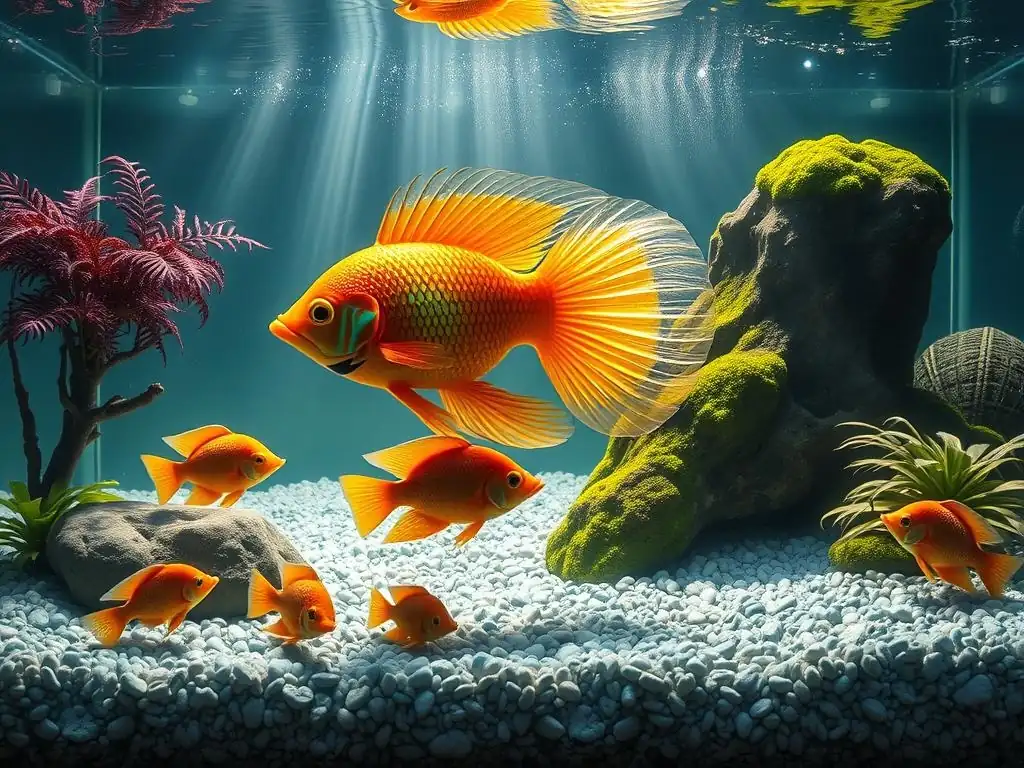
Welcome to Aquarium Mastery, where your aquatic dreams take shape!
Ever wondered how to infuse your freshwater tank with vibrant, sun-kissed hues? Dive into our comprehensive guide and unlock the secrets to Peacock cichlid care tips. Prepare to be captivated as we explore how to bring the dazzling beauty of the Sunshine Peacock (Aulonocara baenschi) into your very own aquarium. Ready to transform your tank into a shimmering underwater paradise? Let's get started!
- Understanding the Sunshine Peacock: An Introduction to Aulonocara baenschi
- Essential Care Tips for Sunshine Peacocks
- Tank Mates: Compatibility and Considerations
- Breeding Sunshine Peacocks
- Common Health Issues and How to Treat Them
- Enhancing the Golden Colors
- Where to Find and Purchase Sunshine Peacock Cichlids
- Conclusion: Mastering Care and Enjoying the Beauty of Aulonocara baenschi
-
Frequently Asked Questions
- How difficult is it to care for Sunshine Peacock cichlids?
- What size tank is needed for Sunshine Peacock cichlids?
- What are the ideal water parameters for Sunshine Peacock cichlids?
- What should I feed my Sunshine Peacock cichlids?
- What are some common health issues that affect Sunshine Peacock cichlids?
- Final Reflection: Embracing the Golden Glow
- Unleash the Golden Majesty in Your Tank!
Understanding the Sunshine Peacock: An Introduction to Aulonocara baenschi
Origin and Natural Habitat: Lake Malawi's Rocky Shores
The Sunshine Peacock cichlid, Aulonocara baenschi, originates exclusively from the clear, alkaline waters of Lake Malawi in East Africa. This ancient rift lake is renowned for its incredible biodiversity, particularly its endemic cichlid species. Within Lake Malawi, the Sunshine Peacock is primarily found around the rocky, sandy transition zones near Usisya, a specific locality along the western shore. This particular region offers a unique combination of open sandbeds for foraging and rocky outcrops for shelter and territorial establishment.
Their natural habitat is characterized by stable water parameters, typically with a pH ranging from 7.8 to 8.6 and a general hardness (dGH) of 10 to 20. The water temperature remains consistently warm, usually between 76°F and 82°F (24°C-28°C). These conditions are crucial for their well-being and are parameters that aquarists must diligently replicate to ensure the health and vibrant coloration of their Sunshine Peacocks. Understanding these environmental factors is a fundamental aspect of effective Peacock cichlid care tips.
Unique Characteristics: The Golden Blaze and Electric Blue Accents
The male Sunshine Peacock is truly a sight to behold, living up to its name with a dazzling display of color. Its body is predominantly a brilliant, iridescent golden-yellow, which seems to glow under proper lighting, creating the "golden blaze" effect. This striking yellow is beautifully contrasted by metallic electric blue accents on its face, particularly around the snout, eyes, and often extending into the dorsal fin. Their fins are typically adorned with similar blue or sometimes orange egg spots on the anal fin, a common trait among mouthbrooding cichlids.
Females, in contrast, are much more subdued in coloration, typically appearing a mottled brown or grey, though they may show hints of yellow or orange depending on their mood and environment. Males can reach an adult size of approximately 5 to 6 inches (12-15 cm), while females remain slightly smaller, usually around 4 to 5 inches (10-12 cm). Beyond their captivating colors, these cichlids possess an elongated, somewhat compressed body shape, characteristic of Aulonocara species, making them distinct from the stockier Mbuna cichlids.
Why Choose a Sunshine Peacock for Your African Cichlid Tank?
Choosing a Sunshine Peacock for an African cichlid aquarium offers a multitude of benefits, primarily their unparalleled visual appeal. Their vibrant golden and blue hues provide a stunning focal point, adding a dynamic splash of color that is hard to match. Unlike some of their more aggressive Mbuna cousins, Aulonocara baenschi typically exhibits a more peaceful temperament, making them an excellent choice for a mixed Aulonocara or Haplochromis community tank. This relative calm allows for a more harmonious environment, reducing stress for both the fish and the aquarist.
Furthermore, Sunshine Peacocks are relatively hardy once established in a well-maintained aquarium, making them suitable for intermediate to experienced cichlid keepers. Their active swimming behavior and interesting social interactions, particularly among males displaying to females or establishing territories, provide constant entertainment. For those seeking rewarding Peacock cichlid care tips, the Aulonocara baenschi offers an engaging experience, showcasing the best of Lake Malawi's cichlid diversity without the extreme aggression often associated with other African cichlid species.
Essential Care Tips for Sunshine Peacocks
Optimal Tank Setup
Tank Size: A Minimum of 75 Gallons for a Single Male
For a single male Sunshine Peacock cichlid and a small harem of females (e.g., 1 male to 3-4 females), a tank size of at least 75 gallons (approximately 280 liters) is strongly recommended. While juvenile fish may seem comfortable in smaller tanks, adult Aulonocara baenschi reach 5-6 inches and require ample swimming space, especially when establishing territories. A larger tank provides more stable water parameters and helps to diffuse aggression, which is crucial for the long-term health and well-being of these fish.
When considering tank dimensions, the footprint (length and width) is often more important than height for cichlids. A standard 75-gallon tank typically measures 48 inches long by 18 inches deep by 21 inches high (122 cm x 46 cm x 53 cm), offering sufficient linear space for territories and swimming. For a community setup with multiple Peacock cichlid species or a larger group, a 90-gallon (340 liters) or even 125-gallon (470 liters) tank would be even more beneficial, allowing for greater species diversity and reducing potential conflicts among males.
Substrate and Decor: Sand and Rockwork Mimicking Lake Malawi
The ideal substrate for Sunshine Peacocks is fine-grained sand, such as play sand, pool filter sand, or specialized aragonite sand. These cichlids are natural sifters, often sifting through the sand in search of food particles, a behavior that is both natural and beneficial to their health. Sand also helps to maintain the high pH levels characteristic of Lake Malawi, as aragonite sand contains calcium carbonate which buffers the water. Using a fine substrate also prevents injuries to their delicate mouths, which can occur with coarser gravel.
Decor should primarily consist of ample rockwork, strategically arranged to create caves, crevices, and visual barriers. Porous rocks like Texas Holey Rock, lava rock, or slate are excellent choices, providing numerous hiding spots and territorial boundaries. Arrange rocks to form secure structures, ensuring they are stable and cannot be toppled by digging fish. Aim to mimic the rocky, sandy transition zones of Lake Malawi, providing both open swimming areas and complex rock formations for security and exploration.
Filtration and Water Circulation: Powerful Filtration is Key
Due to the relatively high bioload of African cichlids, robust and efficient filtration is paramount for maintaining pristine water quality for Sunshine Peacocks. A combination of mechanical, chemical, and biological filtration is essential. High-capacity canister filters are often preferred, with recommendations for models rated to filter 2-3 times the tank volume per hour. For instance, a 75-gallon tank might benefit from a filter rated for 200-300 GPH (gallons per hour) or more, or even two smaller canister filters for redundancy and enhanced performance.
While powerful filtration is crucial, the water circulation should be moderate, mimicking the gentle currents of their natural habitat rather than strong, turbulent flows. A gentle current helps distribute oxygen and nutrients while preventing dead spots. Powerheads can be used to augment circulation if needed, but ensure they don't create areas of excessive turbulence that could stress the fish. Regular maintenance of filtration media, including rinsing sponges and replacing chemical media, is an integral part of comprehensive Peacock cichlid care tips.
Maintaining Water Quality
Water Chemistry: pH 7.8-8.6, Hardness 10-20 dGH
Maintaining stable and appropriate water chemistry is non-negotiable for the health and vibrancy of Sunshine Peacocks. They thrive in hard, alkaline water, mirroring their Lake Malawi origins. The ideal pH range is between 7.8 and 8.6, with a general hardness (dGH) of 10-20 and carbonate hardness (kH) of 10-20. Deviations from these parameters can lead to stress, weakened immune systems, and susceptibility to diseases. Regular testing with reliable liquid test kits is crucial to monitor these levels consistently.
To achieve and maintain these parameters, aquarists often use specific substrates like aragonite sand or crushed coral, which naturally buffer the water. Additionally, commercially available African cichlid buffers or specific salts (e.g., Malawi/Victoria buffer) can be used to adjust and stabilize pH and hardness. Avoiding sudden fluctuations in water chemistry is as important as achieving the correct levels, as rapid changes can be highly detrimental to the fish's well-being.
Regular Water Changes: 25-50% Weekly
Regular and substantial water changes are arguably the most critical aspect of maintaining optimal water quality for Sunshine Peacocks. A weekly water change of 25% to 50% of the tank volume is highly recommended. This routine dilutes accumulated nitrates, phosphates, and other waste products, while replenishing essential minerals that are consumed over time. Neglecting water changes is a common cause of health issues, including Malawi bloat and weakened immune responses.
When performing water changes, always use a good quality water conditioner to neutralize chlorine and chloramines present in tap water. It is also important to match the temperature of the new water as closely as possible to the tank water to prevent temperature shock. Siphoning the substrate during water changes helps remove uneaten food and detritus, further contributing to a cleaner, healthier environment. Consistent adherence to this schedule is a cornerstone of effective Peacock cichlid care tips.
Diet and Feeding Guide
Optimal Diet: High-Quality Cichlid Pellets and Flakes
Sunshine Peacocks are primarily omnivores with a strong inclination towards meaty foods and some vegetable matter in their diet. For optimal health and coloration, a high-quality commercial cichlid pellet or flake food formulated specifically for African cichlids should form the cornerstone of their diet. Look for foods with a moderate protein content, typically between 35-45%, and a significant portion of vegetable matter like spirulina. Brands like NorthFin, Hikari, and New Life Spectrum offer excellent options.
A varied diet is crucial to prevent nutritional deficiencies and promote vibrant colors. While pellets and flakes provide a good base, rotating between different high-quality foods ensures a comprehensive nutrient intake. Avoid generic fish foods that are not specifically designed for cichlids, as these may lack the necessary balance of nutrients or contain ingredients that can lead to digestive issues in Aulonocara species, such as excessive protein from land animal sources.
Feeding Frequency and Portion Control: Small Amounts 1-2 Times Daily
Overfeeding is a common pitfall in aquarium keeping and can quickly lead to poor water quality and serious health issues like Malawi bloat. Sunshine Peacocks should be fed small amounts, 1 to 2 times daily. The key is to provide only what they can consume entirely within 1-2 minutes. Any uneaten food should be promptly removed from the tank to prevent decomposition and subsequent ammonia and nitrate spikes.
Establishing a consistent feeding schedule can also help regulate their metabolism and reduce stress. It's better to slightly underfeed than to overfeed, as fish can go for several days without food, but poor water quality from overfeeding can be fatal. Observing their behavior during feeding will help you fine-tune the exact portion size needed for your specific fish population.
Supplementing the Diet: Occasional Frozen Foods
While high-quality dry foods are essential, supplementing the Sunshine Peacock's diet with occasional frozen or live foods can provide additional nutrients and stimulate natural foraging behaviors. Excellent choices for supplementation include frozen Mysis shrimp, spirulina-enriched brine shrimp, or cyclops. These foods offer beneficial proteins and fats, and the act of hunting them can provide mental stimulation. Always thaw frozen foods thoroughly before feeding to prevent digestive upset.
However, it is crucial to avoid feeding high-protein, fatty foods derived from land animals, such as beef heart, or excessive amounts of bloodworms. While these might seem like a treat, they are not part of the natural diet of Aulonocara cichlids and can lead to severe digestive problems, including the often-fatal Malawi bloat. Stick to invertebrate-based frozen foods or those specifically formulated for cichlids to ensure their digestive health.
Tank Mates: Compatibility and Considerations
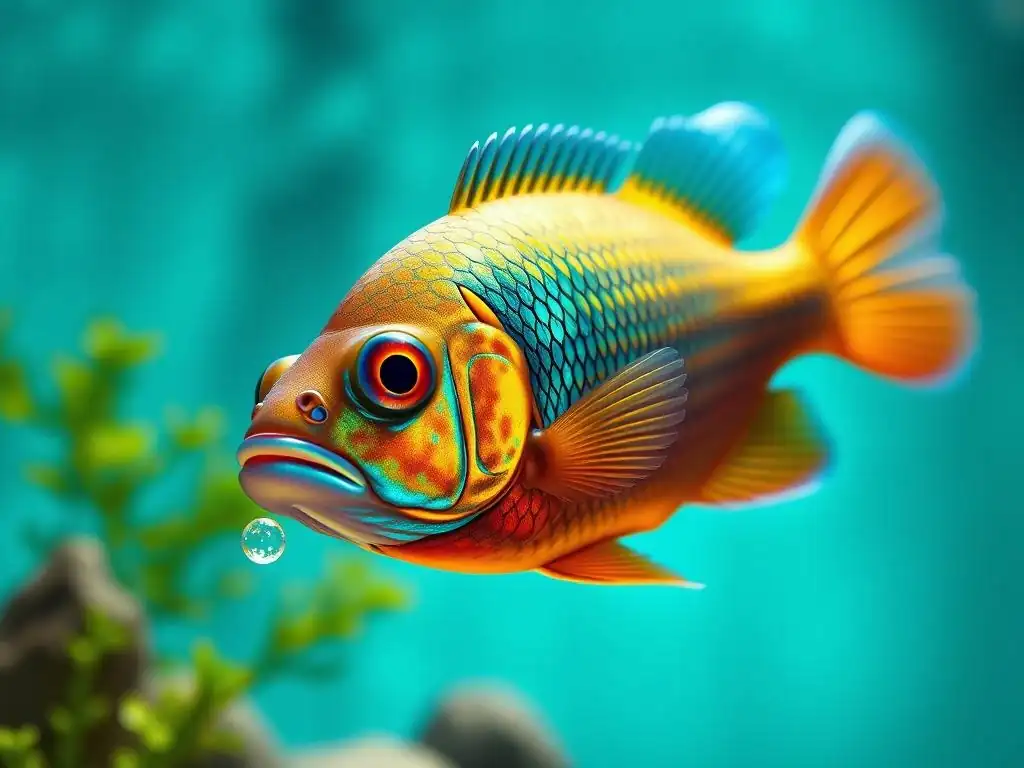
Choosing Compatible Fish: Other Malawi Cichlids with Similar Temperaments
When selecting tank mates for Sunshine Peacocks, the golden rule is to choose other Lake Malawi cichlids that share similar temperament and water parameter requirements. Ideal companions are typically other Aulonocara species (Peacock cichlids) or less aggressive Haplochromis (Haps) species. These groups generally exhibit moderate aggression compared to the highly territorial Mbuna cichlids, making for a more peaceful community tank. Aim for fish that are roughly similar in size to prevent bullying or predation.
It is generally recommended to keep one male of each Aulonocara species to prevent cross-breeding and reduce inter-male aggression. For instance, a tank could house a male Sunshine Peacock, a male Blue Neon Peacock, and a male Strawberry Peacock, each with their own harem of females. Providing sufficient space and visual barriers is paramount when keeping multiple male Peacocks, even with their relatively calm nature, as they will still establish territories.
Avoiding Aggression: Provide Ample Space and Hiding Places
Despite their reputation as relatively peaceful cichlids, male Sunshine Peacocks can still exhibit territorial aggression, especially towards other males of similar coloration or body shape. Overcrowding is a primary trigger for aggression, as it limits the availability of personal space and hiding spots. Therefore, ensuring the tank is adequately sized, as previously discussed (minimum 75 gallons for a small group), is the first step in mitigating aggression.
Beyond size, the strategic placement of decor plays a vital role. Abundant rockwork that creates numerous caves, crevices, and visual breaks allows subdominant fish to escape the line of sight of dominant individuals. This reduces stress and prevents constant harassment. When introducing new fish, it's often beneficial to rearrange the decor slightly to disrupt existing territories and allow all fish to establish new ones simultaneously, which can help in diffusing initial aggression.
Recommended Tank Mates: Haplochromis, Mbuna (with caution)
Excellent tank mate choices for Sunshine Peacocks include other Aulonocara species such as the Blue Neon Peacock ( Aulonocara stuartgranti), German Red Peacock ( Aulonocara nyassae), or Rubescens Peacock ( Aulonocara rubescens). Certain less aggressive Haplochromis species, like Copadichromis borleyi (Red Fin Borleyi) or Placidochromis electra (Deep Water Hap), can also be compatible, provided the tank is large enough to accommodate their size and activity levels.
Mixing with Mbuna cichlids should be approached with extreme caution. While some aquarists successfully keep them together in very large, heavily decorated tanks (125 gallons+), most Mbuna are significantly more aggressive and boisterous than Peacocks, potentially leading to stress, fin nipping, and even death for the more docile Aulonocara. If attempting this, choose the least aggressive Mbuna species, such as Yellow Labs ( Labidochromis caeruleus), and ensure the tank is substantially oversized with ample rockwork to provide retreat options for the Peacocks.
Breeding Sunshine Peacocks
Setting Up a Breeding Tank: Separate Tank with Sand Substrate
For successful and stress-free breeding of Sunshine Peacocks, setting up a dedicated breeding tank is highly recommended. A 30 to 40-gallon (110-150 liter) tank is typically sufficient for one male and two to three females. The breeding tank should feature a fine sand substrate, as females often dig small depressions for spawning. Include a few flat rocks or terracotta pots laid on their side to provide potential spawning sites and hiding spots for the females.
Maintain the water parameters in the breeding tank consistently with the main display tank: a stable pH of 7.8-8.6 and a temperature slightly warmer, around 79-80°F (26-27°C), which can help encourage spawning. Excellent filtration and regular small water changes are crucial to ensure pristine water quality, which is vital for the health of both the conditioning adults and the developing fry.
Identifying Male and Female: Males are More Colorful
Identifying male and female Sunshine Peacocks is relatively straightforward due to their pronounced sexual dimorphism. Males are the showstoppers, displaying the vibrant golden-yellow body with electric blue facial markings and often extended, pointed dorsal and anal fins. They will also typically be larger and more robustly built than females. During breeding periods, male colors will intensify as they display to attract females.
Females, on the other hand, are much more cryptically colored. They typically exhibit a duller, mottled brown or grey coloration, lacking the brilliant gold and blue of the males. Their fins are generally shorter and more rounded. While some females may show subtle hints of yellow or orange, especially when healthy and in good condition, they will never possess the striking vibrancy of a mature male. These distinct differences make sexing relatively easy for aquarists.
Spawning Behavior and Fry Care: Female Mouthbroods the Eggs
Sunshine Peacocks are maternal mouthbrooders, meaning the female carries the fertilized eggs in her mouth until they hatch and become free-swimming fry. The spawning process typically involves the male displaying intensely to a receptive female, quivering and showing off his vibrant colors. He will then lead her to a chosen spawning site, often a flat rock or a depression dug in the sand.
The female will lay a small batch of eggs, which she immediately picks up into her mouth. The male then fertilizes them as she attempts to pick up the "egg spots" on his anal fin, which resemble eggs.
Once the eggs are fertilized and safely in her buccal cavity, the female will "hold" them for approximately 21 to 28 days, depending on temperature. During this period, she will refuse to eat and may become very reclusive. It is crucial not to disturb a holding female excessively, as stress can cause her to spit out or even consume her eggs.
Many aquarists choose to "strip" the fry from the female's mouth after about 14-20 days or move the holding female to a separate "grow-out" tank to protect the fry once released. A typical clutch size ranges from 15 to 40 eggs.
Raising Fry: Baby Brine Shrimp and Crushed Flakes
Once the Sunshine Peacock fry are released from the female's mouth, they are relatively large and fully formed, capable of independent swimming and feeding. Their initial diet is crucial for rapid growth and development. Newly hatched baby brine shrimp are an excellent first food, providing essential proteins and nutrients that promote fast growth. Feed small amounts multiple times a day to ensure all fry get enough to eat.
As the fry grow, their diet can be supplemented with finely crushed high-quality flake food, specifically formulated for cichlid fry or small fish. Ensure the flakes are crushed into a powder-like consistency to be easily consumed. Maintaining pristine water quality in the fry tank is paramount; daily small water changes (10-20%) are often necessary to prevent nitrate buildup, which can stunt growth and lead to disease. A sponge filter is ideal for fry tanks as it provides gentle filtration without the risk of sucking up the tiny fish.
Common Health Issues and How to Treat Them
Identifying Signs of Illness: Loss of Appetite, Clamped Fins, White Spots
Prompt identification of illness is crucial for successful treatment in Sunshine Peacocks, as with any aquarium fish. Aquarists should regularly observe their fish for any changes in behavior, appearance, or feeding habits. Common signs of distress or disease include a noticeable loss of appetite or refusal to eat, which can be an early indicator of various internal issues. Physical symptoms might include clamped fins (fins held close to the body), rapid or labored breathing, and visible white spots on the body or fins, characteristic of Ich (Ichthyophthirius multifiliis).
Other red flags include lethargy, hiding excessively, rubbing or "flashing" against tank decor, faded or dull coloration, bloating of the abdomen (a strong indicator of Malawi bloat), or any visible lesions, sores, or fungal growths. Any deviation from their normal active and brightly colored state warrants immediate investigation. Early detection significantly increases the chances of successful intervention and recovery for your Peacock cichlid.
Treating Common Diseases: Ich, Bloat, and Parasites
Sunshine Peacocks are susceptible to common freshwater fish diseases, with a few specific concerns due to their unique physiology. Ich is a prevalent parasitic infection identifiable by small white spots; it can be treated by gradually raising the tank temperature to 82-86°F (28-30°C) over several days (if compatible with tank mates) and using an appropriate Ich medication, often combined with increased aeration. Malawi Bloat, however, is a more serious and often fatal condition specific to African cichlids, typically caused by stress, poor diet (too much protein/fat), or poor water quality.
Symptoms include extreme bloating, loss of appetite, and white stringy feces. Treatment is challenging and often involves specialized antibiotics like Metronidazole, but prevention through proper diet and water quality is key.
External parasites like flukes or internal parasites can also afflict these fish, leading to emaciation despite feeding, or visible worms. These often require specific deworming medications. It is vital to accurately diagnose the disease before administering any treatment, as incorrect medication can do more harm than good. Always follow medication instructions carefully and remove activated carbon from filters during treatment, as it can absorb the medication.
Preventative Measures: Maintain Water Quality and Quarantine New Fish
The most effective "treatment" for common health issues in Sunshine Peacocks is prevention, primarily through meticulous attention to their environment and diet. Consistently maintaining pristine water quality, including regular 25-50% weekly water changes and stable parameters (pH 7.8-8.6, dGH 10-20), is the cornerstone of their health. A high-quality, varied diet appropriate for Aulonocara species, avoiding high-protein land animal fats, significantly reduces the risk of digestive issues like Malawi bloat. These are fundamental Peacock cichlid care tips.
Another critical preventative measure is quarantining all new fish for a period of 2 to 4 weeks before introducing them to the main display tank. A separate quarantine tank (e.g., 20-gallon long) allows you to observe new arrivals for any signs of disease, treat them if necessary, and ensure they are healthy before they can potentially introduce pathogens to your established fish. This practice dramatically minimizes the risk of widespread disease outbreaks in your primary aquarium, safeguarding your entire fish collection.
Enhancing the Golden Colors
Diet and Nutrition: High-Quality Food Rich in Carotenoids
The vibrant golden and blue coloration of the Sunshine Peacock is not solely genetic; it is significantly influenced by their diet. To truly enhance and maintain their brilliant hues, feed them high-quality foods rich in natural color enhancers, particularly carotenoids. Ingredients like spirulina, astaxanthin, and other natural pigments found in krill or shrimp meal are crucial. Look for commercial cichlid foods specifically marketed for color enhancement, which often list these ingredients prominently.
A varied diet that incorporates both color-enhancing pellets/flakes and occasional supplements like spirulina-enriched brine shrimp or Mysis shrimp will provide a full spectrum of nutrients necessary for optimal coloration. Avoid cheap, low-quality foods that contain excessive fillers or artificial dyes, as these will not contribute to the fish's natural vibrancy and can even lead to health issues. Consistent feeding of a proper diet is a long-term strategy for achieving the most striking golden rays in your aquarium.
Lighting: Full Spectrum Lighting Enhances Coloration
While diet and water quality are paramount, the type of lighting used in your aquarium can also play a role in how vividly the Sunshine Peacock's colors are displayed. Full-spectrum LED lighting with a color temperature in the range of 6500K to 10000K is generally recommended for African cichlid tanks. These lights mimic natural daylight and can bring out the full spectrum of colors in your fish, making the golden-yellow and electric blue pop.
Some aquarists also experiment with lights that have specific red or blue spectrums enhanced, as these can intensify certain pigments in the fish. However, ensure that the lighting isn't excessively bright or left on for too long (more than 10-12 hours a day), as this can stress the fish and encourage algae growth. The goal is to provide lighting that enhances their natural beauty without causing undue stress or promoting undesirable tank conditions.
Water Quality: Pristine Water Promotes Vibrant Colors
It cannot be overstated: pristine water quality is fundamental to the overall health, vitality, and ultimately, the vibrant coloration of your Sunshine Peacocks. Fish that are stressed by poor water parameters (high nitrates, fluctuating pH, incorrect hardness) or by the presence of ammonia/nitrite will inevitably display duller colors, become lethargic, and be more susceptible to disease. Their energy will be spent on coping with environmental stressors rather than on maintaining their brilliant appearance.
Regular and substantial water changes, consistent monitoring of pH, hardness, and nitrogenous waste, and efficient filtration all contribute to a stable and healthy environment. When fish are comfortable, unstressed, and thriving in optimal conditions, their natural colors will shine through with maximum intensity. Therefore, all the essential Peacock cichlid care tips regarding water quality directly contribute to enhancing the spectacular golden hues of Aulonocara baenschi.
Where to Find and Purchase Sunshine Peacock Cichlids
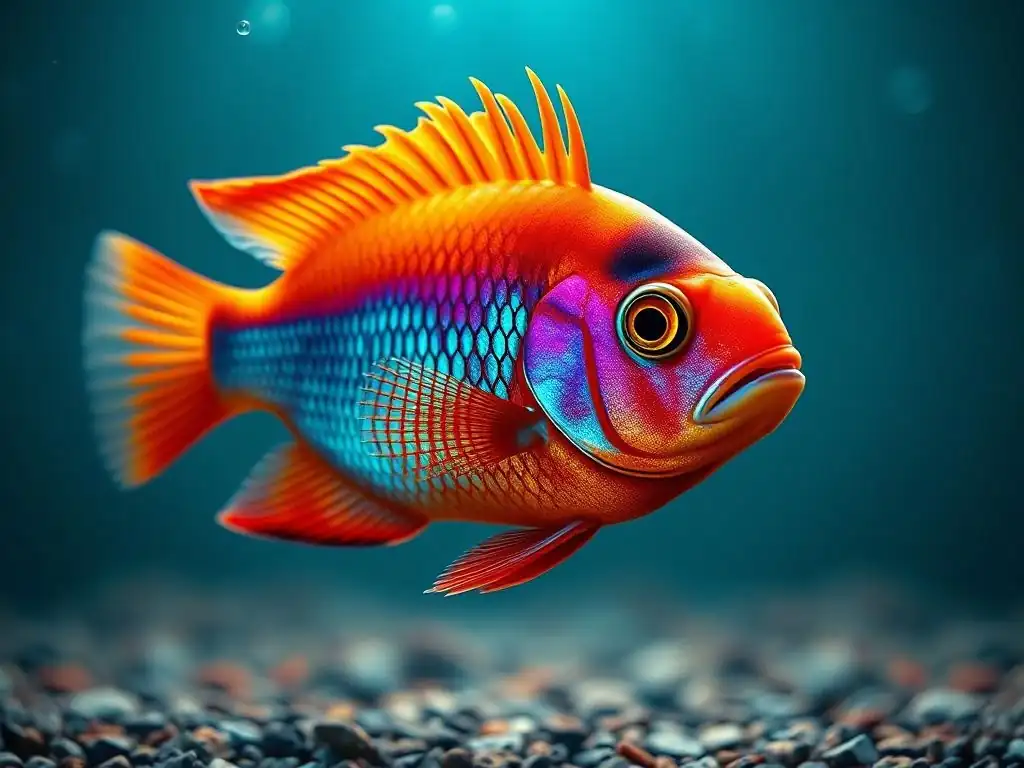
Selecting Healthy Specimens: Look for Active, Brightly Colored Fish
When purchasing Sunshine Peacock cichlids, careful observation of potential specimens is crucial to ensure you bring home healthy fish. Look for fish that are active and alert, swimming freely and confidently within their tank. Their colors should be vibrant and true to the species' description – a strong golden-yellow with noticeable blue accents on males. Avoid fish that appear lethargic, are hiding excessively, or have clamped fins, as these are common signs of stress or illness.
Additionally, inspect the fish for any visible physical ailments. Check for clear eyes, intact and unfrayed fins, and a body free of white spots (Ich), fuzzy growths (fungus), or open sores. Ensure their bellies are not sunken (indicating emaciation) or overly bloated (a sign of potential bloat). If possible, observe them during feeding time to confirm they have a healthy appetite. A healthy fish is generally curious and responsive to its environment.
Reputable Breeders and Online Retailers: Research Before Purchasing
To ensure you acquire high-quality, healthy Sunshine Peacocks, it is highly recommended to purchase from reputable sources. This includes well-established local fish stores that specialize in African cichlids, or dedicated online breeders and retailers. These sources typically maintain excellent husbandry practices, offer genetically robust fish, and provide accurate information about the species. Before making a purchase, take the time to research reviews and testimonials for any potential supplier.
Reputable breeders often have a deeper understanding of specific Peacock cichlid care tips and breeding practices, resulting in healthier, less stressed fish. Online retailers should provide clear shipping policies, live arrival guarantees, and detailed care information. While it might be tempting to buy from cheaper, less known sources, the risk of receiving sick or poor-quality fish, which can then introduce disease to your existing aquarium, is significantly higher.
Acclimating New Fish: Drip Acclimation is Recommended
Proper acclimation is a critical step when introducing new Sunshine Peacock cichlids to your aquarium, minimizing stress and preventing shock from sudden changes in water parameters. The drip acclimation method is highly recommended as it slowly equalizes the water temperature, pH, and hardness between the fish's transport bag water and your aquarium water, providing a gentle transition.
To perform drip acclimation, place the new fish (still in their bag water) into a clean bucket. Securely set up an airline tube from your main display tank, tying a knot in it or using an airline valve to create a slow drip (e.g., 1-2 drops per second) of tank water into the bucket. Allow this process to continue for 30-60 minutes, or until the volume of water in the bucket has approximately doubled.
Once acclimated, gently net the fish into your aquarium, discarding the water from the bucket, as it may contain contaminants from shipping. Turn off your aquarium lights for a few hours after introduction to further reduce stress on the newly added fish.
Conclusion: Mastering Care and Enjoying the Beauty of Aulonocara baenschi
Frequently Asked Questions
How difficult is it to care for Sunshine Peacock cichlids?
Sunshine Peacock cichlids are considered relatively easy to care for compared to some other cichlid species. They do require stable water parameters and a well-maintained aquarium, but are generally hardy.
What size tank is needed for Sunshine Peacock cichlids?
A tank of at least 75 gallons is recommended for a group of Sunshine Peacock cichlids. This allows for adequate space and helps to maintain water quality. Consider a larger tank if keeping them with other species.
What are the ideal water parameters for Sunshine Peacock cichlids?
Sunshine Peacock cichlids thrive in water with a pH between 7.8 and 8.6, a temperature of 78-82°F (25-28°C), and moderate hardness. Consistent water changes are crucial for their health.
What should I feed my Sunshine Peacock cichlids?
They are omnivores and require a varied diet. Offer a high-quality cichlid pellet or flake food supplemented with frozen or live foods such as bloodworms, brine shrimp, and daphnia.
What are some common health issues that affect Sunshine Peacock cichlids?
Like all fish, they can be susceptible to diseases like Ich (white spot disease) and bacterial infections. Maintaining good water quality and providing a balanced diet will help prevent many health problems.
Final Reflection: Embracing the Golden Glow
The journey of understanding and caring for the Sunshine Peacock, as we've explored, is more than just mastering aquarium maintenance; it's about cultivating a vibrant ecosystem and appreciating the inherent beauty and complexity of the natural world within our homes. The principles of responsible Peacock Cichlid care, from water parameters to dietary needs, resonate far beyond the glass walls of a tank, reminding us of the delicate balance required to nurture life in any environment.
The enduring appeal of the Sunshine Peacock lies not only in its dazzling coloration but also in its capacity to inspire awe and tranquility. Witnessing the graceful movements and intricate social dynamics of these fish offers a profound connection to the underwater realm, fostering a sense of responsibility towards its preservation. In the end, we will conserve only what we love; we will love only what we understand; and we will understand only what we are taught.
- Baba Dioum. This quote perfectly encapsulates the importance of understanding and appreciating the beauty of species like the Sunshine Peacock, which is a crucial step in promoting their conservation.
Now, as you consider the knowledge shared within these pages, I invite you to reflect on the broader implications of responsible pet ownership and environmental stewardship. Let the vibrant glow of the Sunshine Peacock serve as a constant reminder to seek out knowledge, embrace responsibility, and cultivate a deeper appreciation for the delicate tapestry of life that surrounds us. May your aquarium, and your life, be filled with the golden rays of understanding and care.
Unleash the Golden Majesty in Your Tank!
Thank you for diving into the vibrant world of Sunshine Peacocks! We hope you've gained a deeper appreciation for these stunning fish and are inspired to create an aquarium that showcases their beauty. Now, it's time to bring that inspiration to life!
Here are some actions you can take right now:
- Start planning your Sunshine Peacock aquarium! Consider tank size, compatible tank mates, and the specific water parameters these fish thrive in.
- Explore other vibrant African cichlids to create a truly captivating display.
- Share this article with fellow aquarium enthusiasts and spark a discussion about the allure of Sunshine Peacocks!
What's the first detail you'll focus on when designing your Sunshine Peacock paradise?