
Snail Shells and Calcium: Ensuring Longevity for Your Molluscan Crew

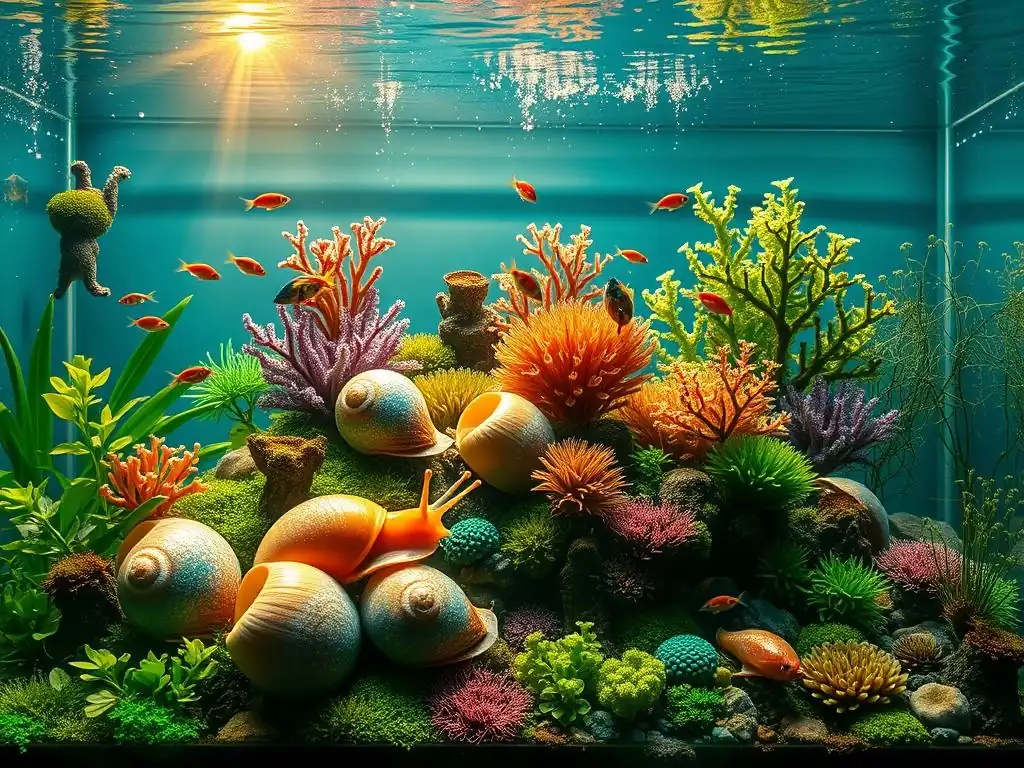
Welcome to Aquarium Mastery, where we unlock the secrets to a thriving underwater world! Ever wondered how to keep your snails' shells strong and healthy, ensuring a long and happy life for these vital aquarium inhabitants? Dive into our article on Calcium snail shell longevity tips and discover practical advice that will make a real difference in your invertebrate care. Curious to learn more? Let's get started!
- Understanding the Importance of Calcium for Snail Shell Health
- Assessing Calcium Levels in Your Saltwater Aquarium
- Calcium Snail Shell Longevity Tips: Maintaining Optimal Calcium Levels
- Providing a Calcium-Rich Diet for Your Snails
- Preventing Calcium Depletion: Best Practices
- Addressing Existing Shell Damage: Repair and Prevention
- Selecting Snail Species with High Calcium Requirements
- Advanced Calcium Management Techniques
- Troubleshooting Common Calcium-Related Issues
-
Frequently Asked Questions
- How does calcium affect snail shell longevity in aquariums?
- What are the best ways to increase calcium levels in a freshwater aquarium for snails?
- What happens if the pH is too low in the aquarium regarding calcium?
- What are some signs that my snails are suffering from calcium deficiency?
- Are there specific types of snails that require more calcium than others?
- Final Reflection: The Enduring Strength of Calcium
- Nurture & Thrive: Cultivate a Calcium-Rich Haven for Your Snails!
Understanding the Importance of Calcium for Snail Shell Health
Why Calcium is Crucial for Snail Shell Integrity
Calcium is the fundamental building block for the shells of marine snails, forming calcium carbonate (CaCO3) through a process called calcification. This process is continuous throughout a snail's life, from its earliest stages of growth to maintaining and repairing its mature shell. A robust shell is not merely for aesthetics; it provides essential physical protection against predators like crabs and fish, and acts as a barrier against environmental stressors and pathogens in the aquarium. Without sufficient calcium, snails cannot properly form or maintain their shells, leading to weakened structures that compromise their survival.
Beyond physical protection, adequate calcium levels directly influence a snail's overall health and metabolic functions. Snails like the popular Turbo, Trochus, and Astrea snails, commonly used in saltwater clean-up crews, rely heavily on a constant supply of calcium for healthy growth and development. When calcium is scarce, their energy is diverted from other vital processes to shell maintenance, potentially impacting their ability to graze effectively, reproduce, and resist disease, thereby shortening their lifespan in the aquarium environment.
The Role of Calcium in Saltwater Aquarium Ecosystems
In a saltwater aquarium, calcium is a vital macro-element, crucial not only for snails but for a multitude of calcifying organisms. This includes stony corals, coralline algae, clams, and other invertebrates that extract calcium ions from the water to build their skeletons and shells. Natural seawater typically maintains calcium levels between 400 and 450 parts per million (ppm), a benchmark that aquarists strive to replicate for a thriving reef ecosystem.
The constant consumption of calcium by these inhabitants means that its levels in the aquarium water are perpetually being depleted. Therefore, calcium is considered a key parameter to monitor and maintain in any marine tank, especially those with significant calcifying biomass. A healthy and stable calcium level supports the growth and well-being of the entire ecosystem, indirectly ensuring that the "molluscan crew" has the necessary resources for strong, healthy shells, contributing to their longevity and effectiveness as part of the clean-up crew.
Assessing Calcium Levels in Your Saltwater Aquarium
Testing Your Aquarium Water for Calcium Deficiency
Regular and accurate testing of your aquarium water is the cornerstone of effective calcium management. High-quality calcium test kits, typically titration-based, provide precise measurements of calcium concentration in parts per million (ppm). For most saltwater aquariums, particularly those housing calcifying invertebrates and corals, the ideal calcium range is between 400 and 450 ppm. Testing should be performed consistently, perhaps weekly or bi-weekly for established tanks, and more frequently if new calcifying organisms are introduced or if issues are suspected.
Understanding your tank's calcium consumption rate is critical. By testing regularly and tracking the decline in calcium levels over a specific period, you can determine how much calcium your tank's inhabitants are using. This data is invaluable for establishing an appropriate calcium supplementation schedule, preventing sudden drops that could stress your snails and other invertebrates. Consistent testing allows for proactive adjustments, ensuring a stable environment that promotes "calcium snail shell longevity tips" effectively.
Identifying Signs of Calcium Deficiency in Snails: Shell Degradation
Recognizing Shell Thinning and Cracks
One of the most evident indicators of calcium deficiency in snails is the visible degradation of their shells. Inspect your snails regularly for signs of thinning, translucency, or brittleness. Healthy snail shells are typically opaque and robust, whereas a calcium-deprived shell might appear dull, chalky, or even translucent in areas. More severe deficiencies can lead to the formation of small pits, erosions, or even noticeable cracks and holes, particularly around the newer growth near the shell's opening.
These compromises in shell integrity not only make the snail vulnerable to physical damage and predation but also expose the delicate mantle tissue to potential infections. Common clean-up crew snails like Nerites and Astrea snails, which are constantly grazing on hard surfaces, are particularly susceptible to showing these signs of wear and tear when calcium levels are inadequate. Prompt identification of these visual cues is a critical "calcium snail shell longevity tip," signaling the need for immediate intervention to prevent further damage.
Observing Slowed Growth Rate
Beyond visible shell damage, a significant reduction in growth rate is another strong indicator of insufficient calcium. Snails, especially younger ones, are constantly growing and depositing new shell material. In a calcium-rich environment, you should observe a steady, albeit often slow, increase in their size over time, sometimes marked by subtle growth rings on their shells. When calcium is deficient, this growth process is severely hindered.
A snail struggling with calcium deficiency may appear stunted compared to what is expected for its age or species, or simply show no noticeable growth over an extended period. This slowed growth is not just a cosmetic issue; it reflects the snail's inability to form new protective layers, leaving it perpetually vulnerable and potentially shortening its natural lifespan. Monitoring growth is a long-term "calcium snail shell longevity tip" that can provide early warnings of chronic calcium insufficiency.
Calcium Snail Shell Longevity Tips: Maintaining Optimal Calcium Levels

Implementing a Regular Calcium Supplementation Schedule
Maintaining consistent and optimal calcium levels is paramount for the long-term health and longevity of your snails. Once you've assessed your tank's calcium consumption rate through regular testing, establishing a fixed supplementation schedule becomes crucial. This could involve daily, every-other-day, or weekly dosing, depending on your tank's specific needs and the chosen supplement. Consistency prevents the "roller coaster effect" of fluctuating parameters, which can be highly stressful for calcifying invertebrates.
For instance, a 50-gallon reef tank with a moderate coral and snail population might consume 10-15 ppm of calcium per week. Based on this, you would calculate the precise amount of supplement needed to replenish this consumption and divide it into manageable daily or weekly doses. Adhering to a strict schedule, perhaps even using an automated dosing pump for larger systems, significantly contributes to the stability required for robust snail shell growth and overall health, embodying key "calcium snail shell longevity tips."
Choosing the Right Calcium Supplement for Your Saltwater Tank
The market offers several effective calcium supplements, each with its own advantages and considerations. Calcium chloride solutions are popular for their direct calcium contribution but can impact alkalinity if not balanced. Kalkwasser (calcium hydroxide) is another widely used option; it raises both calcium and alkalinity simultaneously and can also help maintain a stable pH, making it ideal for tanks with moderate calcium demands and pH dips. Two-part solutions are convenient, providing balanced amounts of calcium and alkalinity in separate bottles to be dosed concurrently, minimizing ionic imbalance.
For heavily stocked reef tanks with very high calcium demands, a calcium reactor might be the most efficient long-term solution. This device automates the dissolution of calcium carbonate media, providing a constant and stable supply of calcium and alkalinity. When selecting a supplement, consider your tank's size, its specific calcium consumption rate, your budget, and your willingness to manage additional parameters. The right choice ensures effective delivery of calcium, central to "calcium snail shell longevity tips."
Monitoring Alkalinity and Magnesium for Effective Calcium Absorption
The Interplay Between Calcium, Alkalinity, and Magnesium
Calcium, alkalinity (carbonate hardness, measured in dKH), and magnesium are intricately linked in saltwater environments, forming a critical trinity for calcification. Alkalinity provides the carbonate ions (CO3^2-) that combine with calcium ions (Ca^2+) to form calcium carbonate, the material of snail shells and coral skeletons. An ideal alkalinity range for most reef tanks is 7-12 dKH. If alkalinity is too low, snails cannot effectively utilize available calcium, regardless of its concentration.
Magnesium plays a crucial supporting role by preventing calcium and alkalinity from precipitating out of the water prematurely, keeping them available for biological uptake. Without adequate magnesium (ideally 1200-1400 ppm), calcium carbonate can form a fine white powder that coats tank surfaces rather than being incorporated into shells. Therefore, maintaining stable and balanced levels of all three parameters is essential for efficient calcification and is a fundamental "calcium snail shell longevity tip." Regularly testing and adjusting all three ensures the bioavailability of calcium for your molluscan crew.
Optimizing Water Parameters for Snail Shell Growth
Maintaining Stable pH Levels
Stable pH levels are crucial for the efficient calcification process in snails. In saltwater aquariums, the ideal pH range is typically between 8.0 and 8.4. Significant fluctuations or consistently low pH can inhibit the ability of snails to extract calcium ions from the water and convert them into calcium carbonate for shell formation. A low pH can even lead to the slow dissolution of existing calcium carbonate structures, making shells brittle and prone to erosion.
Maintaining a stable pH can be achieved through various means, including proper aeration, consistent alkalinity levels (as alkalinity acts as a buffer), and balanced calcium supplementation. For example, using kalkwasser can help elevate and stabilize pH while adding calcium. By ensuring a consistently optimal pH, you create an environment where your snails can efficiently utilize available calcium, significantly contributing to their shell strength and overall "calcium snail shell longevity tips."
Controlling Nitrate Levels
While nitrates do not directly consume calcium, high nitrate levels are indicative of poor overall water quality, which can indirectly stress invertebrates, including snails. Elevated nitrates (ideally below 20 ppm for most reef tanks, and much lower for sensitive systems) can lead to a decline in water clarity, promote nuisance algae growth, and generally compromise the health of tank inhabitants. Stressed snails are less likely to grow efficiently and may struggle to absorb and utilize essential minerals like calcium, even if calcium levels are technically within range.
Therefore, effective nitrate control through regular water changes, proper filtration, and judicious feeding is an important, albeit indirect, "calcium snail shell longevity tip." A clean, stable, and low-nutrient environment reduces overall stress on your molluscan crew, allowing them to allocate more energy towards calcification and maintain robust shells, thereby promoting their longevity in your aquarium.
Providing a Calcium-Rich Diet for Your Snails
Supplementing with Calcium-Enriched Foods
While water column calcium is crucial, dietary calcium also plays a supportive role in snail health, especially for species that actively graze and consume algae or detritus. Supplementing their diet with calcium-enriched foods ensures they receive this vital mineral from multiple sources. Many commercially prepared algae wafers, spirulina flakes, and specialized invertebrate pellets are fortified with calcium and other essential minerals.
Offer these foods regularly, perhaps two to three times a week, depending on your snail population and their natural grazing habits. For instance, a small piece of calcium-fortified algae wafer can be placed near your Turbo or Nerite snails. This dietary boost complements the calcium available in the water, providing a holistic approach to maintaining strong, healthy shells and reinforcing key "calcium snail shell longevity tips."
Natural Calcium Sources for Snails in the Aquarium
Using Aragonite Substrate for Calcium Release
Beyond direct supplementation and enriched foods, the aquarium substrate itself can contribute to calcium availability. Aragonite sand and crushed coral, commonly used as substrates in saltwater tanks, are forms of calcium carbonate. These materials slowly dissolve over time, particularly in areas of lower pH (such as within deep sand beds where anaerobic respiration occurs) or as biological processes consume alkalinity, thereby releasing calcium and carbonate ions into the water.
While the contribution from substrate dissolution alone is often insufficient to meet the demands of heavily calcifying tanks, especially those with corals, it provides a stable baseline level of calcium and helps buffer alkalinity. This natural release supports snail shell health and contributes to overall water stability. Choosing an aragonite-based substrate is a passive yet effective "calcium snail shell longevity tip" for establishing a favorable environment for your molluscan crew.
Preventing Calcium Depletion: Best Practices

Regular Water Changes and Their Impact on Calcium Levels
Regular partial water changes are a fundamental practice in marine aquarium husbandry, and they play a significant role in preventing calcium depletion. When you perform a water change, you remove old water that has been depleted of essential minerals and filled with waste products, and you introduce fresh, properly mixed saltwater. High-quality synthetic salt mixes are formulated to contain calcium, alkalinity, and magnesium levels similar to natural seawater (e.g., 400-450 ppm calcium).
By consistently replacing a portion of your tank's water (e.g., 10-20% weekly or bi-weekly), you replenish consumed calcium and other trace elements, dilute pollutants, and maintain overall water quality. This proactive approach ensures a continuous supply of vital minerals for your snails, reducing the burden on direct supplementation and serving as a cornerstone of "calcium snail shell longevity tips."
Avoiding Overstocking to Reduce Calcium Consumption
The more calcifying organisms you have in your aquarium, the higher the demand for calcium will be. Overstocking with snails, corals, clams, or other invertebrates that actively build calcium carbonate structures can lead to rapid depletion of calcium levels, making it challenging to maintain stability even with regular supplementation. Each additional calcifier consumes calcium, contributing to the overall drawdown from the water column.
Responsible stocking practices are therefore crucial. Before adding new inhabitants, research their calcium requirements and consider the existing bioload of your tank. By avoiding overstocking, you reduce the overall calcium consumption rate, making it easier to maintain optimal levels with less aggressive dosing. This thoughtful approach to tank population management is an effective "calcium snail shell longevity tip" that prevents sudden and drastic calcium drops.
Addressing Existing Shell Damage: Repair and Prevention
Treating Mild Shell Erosion
If you identify mild shell erosion or thinning on your snails, immediate action to correct calcium deficiencies can often halt and sometimes even reverse the damage. The first step is to accurately test your aquarium's calcium, alkalinity, and magnesium levels and adjust them gradually to their optimal ranges (e.g., calcium 400-450 ppm, alkalinity 7-12 dKH, magnesium 1200-1400 ppm). Avoid rapid increases, as this can shock the snails and lead to precipitation.
Once optimal parameters are maintained consistently, the snail's mantle, the tissue responsible for shell growth, will slowly begin to secrete new shell material. This process is gradual and requires patience, but with a stable, calcium-rich environment, minor damage can be repaired over weeks or months. Providing calcium-enriched foods can also support this restorative process.
Preventing Further Damage with Consistent Calcium Maintenance
The most effective strategy for addressing existing shell damage is to prevent further deterioration through consistent and proactive calcium maintenance. While snails can repair minor damage, severe erosion or deep pitting is often irreversible and can significantly shorten their lifespan. Therefore, the focus should always be on preventing the problem before it escalates.
This involves adhering to all the "calcium snail shell longevity tips" discussed previously: regular testing, precise supplementation, maintaining balanced alkalinity and magnesium, providing a calcium-rich diet, and performing consistent water changes. By ensuring a perpetually stable and calcium-rich environment, you empower your snails to maintain robust, healthy shells, effectively preventing future damage and promoting their long-term well-being in your aquarium.
Selecting Snail Species with High Calcium Requirements

Understanding the Calcium Needs of Different Snail Species
Not all marine snails have the same calcium demands, and understanding these variations is key to successful snail husbandry. Larger, faster-growing species, particularly those with thick, heavy shells like certain Turbo snails (e.g., Mexican Turbo Snails) or Turban snails, generally have higher calcium requirements due to their rapid calcification rates. These snails constantly build new shell material, making them more susceptible to calcium deficiencies if levels fluctuate.
Conversely, smaller or slower-growing species, such as some Nassarius snails or even certain types of hermit crabs, may have slightly lower or more forgiving calcium requirements. While all calcifying invertebrates need adequate calcium, tailoring your snail selection to your tank's ability to maintain stable calcium levels is a prudent approach. Researching the specific needs of each species before introduction ensures you can meet their physiological demands for shell health.
Choosing Snail Species Suitable for Your Aquarium's Calcium Levels
When populating your clean-up crew, it's wise to select snail species whose calcium needs align with your aquarium's current or easily maintainable calcium parameters. If you have a mature reef tank with a calcium reactor or a robust two-part dosing regimen, you can confidently include high-demand snails like large Turbo or Astrea snails. Their rapid grazing habits make them excellent algae eaters, and their shells will thrive in such an environment.
However, if your tank is smaller, newer, or if you prefer a more hands-off approach to calcium management (relying primarily on water changes), you might opt for species that are less sensitive to minor fluctuations. Nassarius snails, for example, are excellent detritivores and are generally more tolerant of varying water parameters than some of their larger, more calcifying counterparts. This thoughtful selection is a practical "calcium snail shell longevity tip," ensuring your molluscan crew thrives without constant heroic intervention.
Advanced Calcium Management Techniques
Using a Calcium Reactor for Stable Calcium Levels
For experienced aquarists with large or heavily stocked reef tanks, a calcium reactor represents an advanced and highly effective method for maintaining stable calcium and alkalinity levels. A calcium reactor works by slowly dissolving calcium carbonate media (like aragonite or crushed coral) using carbon dioxide (CO2) injected into a reaction chamber, which slightly lowers the pH within the reactor. This acidic environment facilitates the dissolution of the media, releasing calcium ions and carbonate alkalinity directly into the aquarium water.
The primary advantage of a calcium reactor is its ability to provide a consistent, automated, and balanced supply of both calcium and alkalinity, minimizing the need for manual dosing and preventing large fluctuations. While the initial setup cost and complexity are higher than other methods, a properly tuned calcium reactor offers unparalleled stability, crucial for the long-term health and growth of corals, coralline algae, and of course, the robust shells of your clean-up crew, making it a powerful "calcium snail shell longevity tip" for serious reef keepers.
Dosing Calcium Chloride and Other Calcium Supplements
Manual dosing of calcium chloride or other calcium-based supplements is a common and effective method for replenishing calcium in many saltwater aquariums. Calcium chloride is highly soluble and provides a direct source of calcium ions. It is often used as part of a two-part dosing system, where it is balanced with an alkalinity supplement to maintain ionic equilibrium. When dosing, it is crucial to calculate the precise amount needed based on your tank's volume and measured calcium depletion rate to avoid overdosing or creating imbalances.
Another popular supplement is kalkwasser (limewater), a saturated solution of calcium hydroxide. Kalkwasser not only adds calcium but also boosts alkalinity and helps to maintain a stable pH, making it particularly beneficial for tanks experiencing pH dips. Regardless of the chosen supplement, consistent testing before and after dosing is essential to fine-tune the regimen and ensure that calcium levels remain within the optimal range (400-450 ppm) without causing precipitation or other adverse effects.
Dealing with Calcium Precipitation
Calcium precipitation, often appearing as a fine, white, powdery residue on heaters, powerheads, and rockwork, is a common issue arising from imbalances in calcium, alkalinity, or magnesium levels. It typically occurs when calcium and alkalinity are too high, or when magnesium levels are too low, causing these minerals to fall out of solution rather than remaining bioavailable for your snails and corals. Rapid dosing of calcium or alkalinity supplements can also trigger precipitation.
To address precipitation, first, re-test your calcium, alkalinity, and magnesium levels to identify the specific imbalance. Then, reduce or temporarily halt dosing of the offending supplement. Ensure your magnesium levels are within the optimal range (1200-1400 ppm) as adequate magnesium helps prevent precipitation. Performing a small water change can also help dilute the excess ions. Gradually reintroduce supplements at a lower rate, ensuring proper mixing in a high-flow area of the tank.
Addressing Unexplained Calcium Drops in Your Aquarium
Sudden or unexplained drops in calcium levels, even with regular dosing, can be perplexing but usually point to underlying issues. One common cause is a rapid increase in calcifying biomass, such as the introduction of new corals or a population boom of coralline algae, which significantly increases calcium consumption. Another possibility is a faulty test kit or expired reagents, leading to inaccurate readings.
To troubleshoot unexplained drops, start by re-testing with a fresh, reliable test kit to confirm the reading. Review any recent changes to your tank, including new inhabitants or changes in feeding. Verify that your dosing equipment (if automated) is functioning correctly and delivering the intended amounts. Finally, ensure that alkalinity and magnesium levels are also stable, as imbalances in these parameters can indirectly affect calcium uptake. Systematically checking these factors will help pinpoint the cause and allow you to adjust your "calcium snail shell longevity tips" regimen accordingly.
Frequently Asked Questions
How does calcium affect snail shell longevity in aquariums?
Calcium is essential for snail shell growth and maintenance. Insufficient calcium levels can lead to thin, brittle shells and increased susceptibility to damage and disease.
What are the best ways to increase calcium levels in a freshwater aquarium for snails?
You can increase calcium by using calcium supplements, adding crushed coral or limestone to the substrate, or using calcium-rich foods. Regular water changes are also crucial to maintain proper mineral balance.
What happens if the pH is too low in the aquarium regarding calcium?
Low pH (acidic water) can dissolve snail shells, even if calcium levels are adequate. Maintaining a stable pH above 7.0 is vital to prevent shell erosion.
What are some signs that my snails are suffering from calcium deficiency?
Signs include shell pitting or thinning, slow growth, and a generally unhealthy appearance. You might also observe the snail becoming less active or lethargic.
Are there specific types of snails that require more calcium than others?
Yes, some snail species, like Mystery Snails and Nerite Snails, have higher calcium demands due to their rapid growth and shell thickness. Research your specific snail species to determine their optimal calcium needs.
Final Reflection: The Enduring Strength of Calcium
The journey through understanding the crucial role of calcium in snail shell health underscores a vital truth: even the smallest creatures require the right building blocks for a long and thriving life. What began as a practical guide to calcium supplementation transforms into a powerful reminder of the interconnectedness of life and the importance of providing optimal conditions for all living beings, regardless of size.
This exploration has highlighted how seemingly simple actions, like providing cuttlebone or calcium-rich vegetables, can profoundly impact the well-being of our shelled companions. Witnessing the vibrant growth and resilience of snails, fueled by adequate calcium, serves as a microcosm of the broader ecological balance we strive to maintain. The strength of the shell is the strength of the snail; its longevity, a testament to our care.
This simple truth resonates far beyond the confines of a terrarium, reminding us of the responsibility we bear in nurturing the life around us.
Now, consider the lessons learned. How can you apply this understanding of essential nutrients and environmental stewardship to other aspects of your life? Let this knowledge inspire you to create environments, both literal and metaphorical, that foster strength, resilience, and longevity, not just for snails, but for all those under your care, including yourself. Embrace the power of mindful provision and witness the flourishing that follows.
Nurture & Thrive: Cultivate a Calcium-Rich Haven for Your Snails!
Thanks for diving into the world of snail shell health! Now that you're equipped with the knowledge to keep your shelled friends thriving, it's time to put that learning into action. Let's transform your aquarium into a calcium-rich paradise.
- Immediately assess your current water parameters and start supplementing with calcium if levels are low – your snails will thank you with stronger, healthier shells!
- Share your newfound wisdom! Tell fellow aquarium enthusiasts about the importance of calcium for snail health on social media and help them create thriving aquatic ecosystems.
- Get creative! Design a DIY calcium-rich "snail snack" using crushed eggshells and vegetables, and watch your snails enjoy the delicious, shell-boosting treat.
What innovative solutions are you using to naturally boost calcium levels in your aquarium, and what differences have you observed in your snails' shell growth?