
Molting Saltwater Crabs: What to Expect and How to Help

Welcome to Aquarium Mastery!
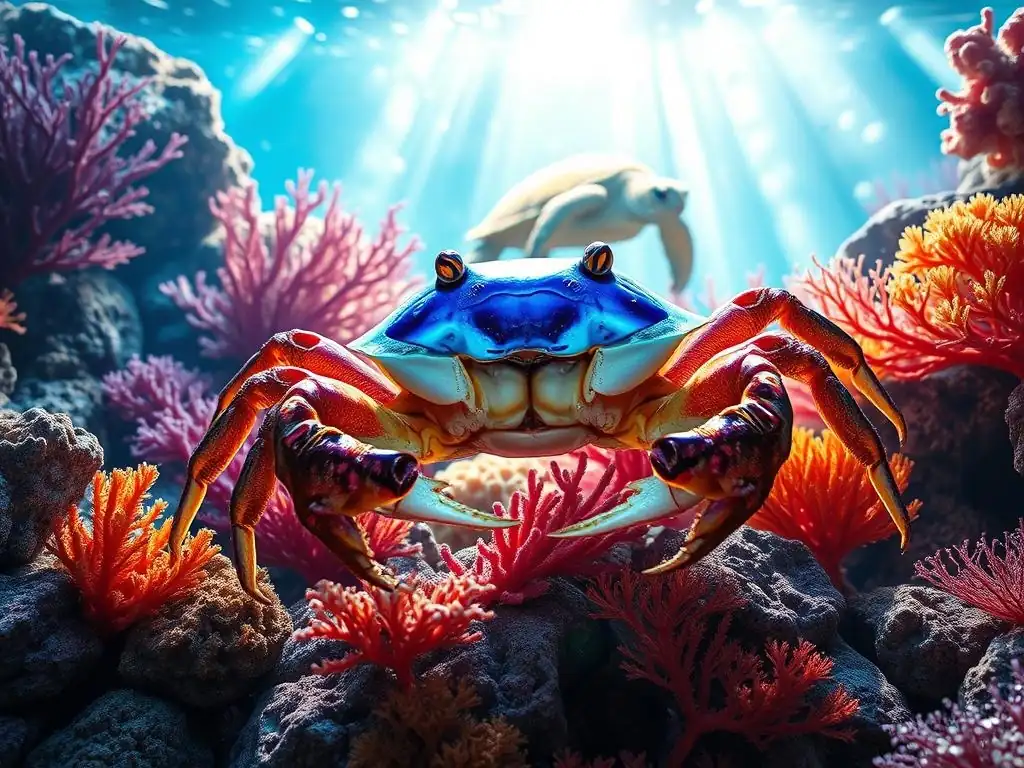
Ever wondered what happens when your saltwater crab starts looking a little too pale? Dive into the fascinating – and sometimes stressful – world of saltwater crab molting! We're tackling common Saltwater Crab Molting Problems head-on, offering practical tips and expert advice to help your crustacean friend through this crucial process. Ready to ensure a successful molt? Let's get started!
- Caring for Hermit Crabs in a Captive Environment
- Understanding the Hermit Crab Molting Process
- Common Hermit Crab Molting Problems and Solutions
- How to Help Your Hermit Crab During Molting
- Preventing Hermit Crab Molting Problems: Best Practices
- Specific Hermit Crab Species and Their Molting Needs
- Hermit Crab Molting vs. Death: How to Tell the Difference
- Conclusion: Ensuring Successful Molting for Healthy Hermit Crabs
-
Frequently Asked Questions
- What is molting in saltwater crabs and why is it important?
- What are some common signs that a saltwater crab is about to molt?
- What are some potential problems that can occur during or after a saltwater crab's molt?
- How can I help my saltwater crab during the molting process?
- What should I do if my saltwater crab is having trouble molting?
- Final Reflection: The Delicate Dance of Renewal
- Unveil the Secrets to a Stress-Free Molt!
Caring for Hermit Crabs in a Captive Environment
Understanding the Hermit Crab Molting Process
Why Do Hermit Crabs Molt? The Biological Imperative
Hermit crabs, like all crustaceans, possess an exoskeleton – a rigid outer shell that provides protection and structural support. However, this hard shell does not grow with the crab. To increase in size, the hermit crab must periodically shed its old exoskeleton in a process called ecdysis, or molting. This biological imperative is fundamental to their growth and development, allowing them to repair damaged limbs, grow larger, and maintain overall health. Without successful molting, a hermit crab cannot grow, leading to stunted development and eventual decline.
During the molting process, the crab develops a new, soft exoskeleton underneath its old one. Once this new shell is ready, the crab absorbs water to swell, causing the old exoskeleton to split, usually along the back. The crab then carefully extracts itself from the old shell, leaving behind a perfect, ghostly replica. This critical phase is where many saltwater crab molting problems can arise if environmental conditions are not optimal, as the crab is incredibly vulnerable and requires precise conditions to complete the shed successfully.
The Stages of Hermit Crab Molting: A Visual Guide
Premolt: Recognizing the Signs of an Impending Shed
The premolt stage is characterized by a series of subtle yet important changes in your hermit crab's behavior and appearance. These signs can include increased lethargy, spending more time buried in the substrate, or an unusual lack of activity. Physically, you might notice your crab's eyes appearing cloudy or dull, and its color may become paler as it reabsorbs nutrients and minerals from the old exoskeleton in preparation for the shed. Some crabs may also exhibit an increased appetite or water consumption during this phase, stocking up on resources needed for the demanding molting process.
This period can last anywhere from a few days to several weeks, depending on the crab's size, age, and individual metabolism. For instance, a small juvenile hermit crab might show premolt signs for only a week before burying, while a large adult could be preparing for a month or more. Recognizing these early indicators is crucial for preventing saltwater crab molting problems, as it allows you to ensure the environment is perfectly suited for the upcoming vulnerable period.
The Molting Process: A Vulnerable Time for Your Crab
Once a hermit crab enters the actual molting process, it typically buries itself deep within the substrate, creating a secluded chamber. The crab will then lie on its back, a position that facilitates the extraction from its old exoskeleton. This can take anywhere from a few minutes to several hours, during which the crab carefully wriggles free, leaving behind an intact, transparent replica of its former self, complete with eye stalks and leg casings. This shed exoskeleton, often mistaken for a dead crab, is critical for the postmolt phase.
Immediately after shedding, the hermit crab's new exoskeleton is incredibly soft and pliable, making it extremely vulnerable to physical damage and predation. During this time, the crab is unable to defend itself or even move efficiently. Any disturbance, such as digging it up or handling it, can cause severe injury or even death, significantly contributing to saltwater crab molting problems. Maintaining a quiet, stable environment is paramount during this critical period.
Postmolt: Hardening and Recovery After Shedding
Following the completion of the shed, the hermit crab enters the postmolt phase, focusing on hardening its new exoskeleton and recovering its strength. During this time, the crab will often consume its discarded exoskeleton. This practice is vital as the old shell is a rich source of calcium, chitin, and other essential minerals that the crab needs to re-harden its new, soft shell. This process can take several days to many weeks, depending on the crab's size and the availability of minerals in its diet.
As the new exoskeleton hardens, the crab will gradually regain its mobility and strength. It will remain buried until its shell is sufficiently rigid to protect it from environmental hazards and potential tank mates. Monitoring from a distance is key during this recovery period, ensuring the crab is undisturbed. Prematurely digging up a recovering crab is a common cause of saltwater crab molting problems, leading to a soft-shelled crab being exposed to a dangerous environment.
Common Hermit Crab Molting Problems and Solutions
Identifying Hermit Crab Molting Issues
Recognizing signs of distress during the molting process is paramount for the health and survival of your hermit crabs. Many saltwater crab molting problems stem from subtle environmental imbalances that, if unaddressed, can escalate into life-threatening situations. A keen eye and understanding of normal molting behavior are your best tools in early detection.
Unsuccessful molts are a significant concern for hermit crab keepers. These can manifest in various ways, from a crab being unable to fully shed its old exoskeleton to emerging with a deformed or incomplete new shell. Prompt identification of these issues allows for immediate intervention, potentially saving your crab from severe health complications or even death.
Signs of Molting Problems in Hermit Crabs
Several indicators can signal that your hermit crab is experiencing saltwater crab molting problems. One of the most concerning signs is prolonged inactivity at the surface without burying, especially if the crab appears lethargic or unresponsive for an extended period beyond typical surface resting. Another alarming sign is a foul, ammonia-like odor emanating from the tank, which often indicates a deceased crab, sometimes one that has failed to molt.
Furthermore, if you observe your crab with an exposed, soft abdomen, or struggling to pull itself free from its old exoskeleton, these are clear indications of a difficult or incomplete molt. Sometimes, a crab might attempt to molt but only partially shed, leaving parts of the old shell attached. These scenarios highlight severe molting difficulties and require immediate environmental assessment to prevent further complications.
Recognizing Incomplete or Difficult Molts
An incomplete molt occurs when the hermit crab fails to fully shed its old exoskeleton. This can manifest as the crab being stuck halfway out of its old shell, or parts of the old shell remaining attached to the new, soft body. For example, a crab might shed its main body but retain an old leg casing, which can restrict movement or cause infection. Such a situation leaves the crab highly vulnerable and unable to properly harden its new exoskeleton.
Difficult molts can also result in a deformed or improperly formed new shell, which can impair the crab's ability to move, eat, or even fit into a new shell. These are critical saltwater crab molting problems that often stem from improper humidity, temperature, or insufficient mineral availability. Without a properly hardened and formed shell, the crab is at extreme risk of dehydration, injury, and an inability to survive long-term.
Addressing Hermit Crab Molting Problems: A Troubleshooting Guide
Substrate Depth and Molting Difficulties
Insufficient substrate depth is a leading cause of saltwater crab molting problems. Hermit crabs instinctively bury themselves to molt, creating a safe, humid, and stable environment away from predators and disturbances. The general rule of thumb is to provide at least 6 inches (approximately 15 cm) of substrate for smaller crabs, and up to 10-12 inches (25-30 cm) or more for larger individuals. This depth allows them to dig a proper molting cave.
Without adequate depth, a molting crab may be unable to create a stable chamber, leading to collapse of the substrate around it, or it may be forced to molt closer to the surface where temperature and humidity fluctuations are greater. This exposure increases stress, risks physical injury during the delicate shedding process, and can lead to an unsuccessful molt, making proper substrate depth a critical factor in preventing molting difficulties.
Humidity and its Role in Successful Molting
Humidity is arguably the most critical environmental factor for successful molting in hermit crabs, as they breathe through modified gills that require high humidity to function properly. The ideal relative humidity for most common pet hermit crab species, such as Coenobita clypeatus (Purple Pinchers), is consistently between 75% and 85%. Lower humidity levels, particularly below 70%, can cause their gills to dry out, leading to respiratory distress and severe dehydration, which directly impairs their ability to shed their old exoskeleton.
During molting, the crab's new, soft exoskeleton is highly susceptible to drying out. Optimal humidity ensures that the old shell remains pliable enough for the crab to extract itself smoothly and that the new shell does not harden prematurely or unevenly. Insufficient humidity is a primary driver of saltwater crab molting problems, often resulting in incomplete sheds, stuck limbs, or even the crab dying from desiccation while attempting to molt.
Temperature and Its Impact on Molting
Temperature plays a vital, albeit often overlooked, role in the hermit crab molting process. A stable and appropriate temperature range is essential for maintaining the crab's metabolic functions, which are crucial for preparing for and recovering from a molt. Fluctuations or extreme temperatures can significantly stress the crab, disrupting its natural biological rhythms and increasing the likelihood of saltwater crab molting problems.
Maintaining the correct temperature ensures that the crab's body can efficiently perform the complex physiological changes required for ecdysis. Too cold, and their metabolism slows down, potentially prolonging the molting process or making it difficult to complete. Too hot, and it can accelerate the process unnaturally, leading to premature or incomplete molts, or simply add undue stress to an already vulnerable creature.
Temperature Levels and Molting
For most commonly kept hermit crabs, such as the Purple Pincher ( Coenobita clypeatus), an ideal ambient temperature range is between 75°F and 80°F (approximately 24°C to 27°C). Temperatures consistently below this range can slow the crab's metabolism, making the molting process sluggish or even causing it to stall, leading to a failed molt. For instance, temperatures below 70°F (21°C) can cause lethargy and an inability to initiate or complete molting effectively.
Conversely, temperatures consistently above 85°F (29°C) can cause undue stress, leading to rapid dehydration and potentially forcing a crab to attempt a molt before it is physiologically ready. This can result in a compromised new exoskeleton or the crab becoming stuck in its old shell, significantly increasing the risk of severe saltwater crab molting problems. Maintaining a precise and stable temperature is paramount for a healthy molt.
Temperature Fluctuations and Molting Success
Stability in temperature is often more critical than the exact degree, provided it falls within the acceptable range. Wild hermit crabs experience relatively stable temperatures in their tropical habitats, and significant daily or weekly temperature swings in captivity can be highly detrimental. For example, a tank that drops from 80°F during the day to 65°F at night due to inadequate heating can repeatedly stress a crab attempting to molt.
Such fluctuations disrupt the delicate metabolic processes involved in molting, making it difficult for the crab to regulate its internal environment and prepare for the shed. Consistent, drastic temperature changes can lead to premature molting attempts, incomplete molts, or even death due to the immense physiological stress. Therefore, using a reliable thermostat-controlled heating pad or ceramic heat emitter is essential to prevent these preventable saltwater crab molting problems.
Mite Infestations and Molting Problems
While not as common as environmental issues, mite infestations can severely contribute to saltwater crab molting problems. Certain types of mites can prey on hermit crabs, particularly during their vulnerable premolt and postmolt stages. These tiny parasites can cause significant irritation, weaken the crab by feeding on its bodily fluids, and introduce infections.
A crab burdened by a mite infestation may be too weak or stressed to complete a successful molt. The constant irritation from mites can prevent the crab from settling down to shed, or it might emerge from a molt already compromised. Implementing good hygiene practices, such as quarantining new crabs for at least 30 days and regularly cleaning the tank, is crucial to prevent these parasitic saltwater crab molting problems.
Hermit Crab Molting and Aggression: Protecting Your Crab
During and immediately after molting, a hermit crab is incredibly vulnerable. Its new exoskeleton is soft and defenseless, making it an easy target for tank mates. Other hermit crabs, especially larger or more aggressive individuals, may view a newly molted crab as a food source. This risk of cannibalism is a significant concern and a common cause of post-molt saltwater crab molting problems.
To mitigate this aggression, it's crucial to provide ample space, multiple hiding places, and a generous supply of appropriately sized extra shells for all crabs in the tank. If you have a multi-crab setup and observe a crab burying for a prolonged period, it's often advisable to gently isolate it in a separate, smaller "isolation tank" with similar environmental conditions. This ensures the molting crab has a safe, undisturbed environment to complete its process and harden its new shell without the threat of aggression from tank mates.
How to Help Your Hermit Crab During Molting
Creating a Safe and Supportive Molting Environment
Providing the right environment is the single most important action you can take to help your hermit crab through the molting process. A supportive molting environment minimizes stress, ensures physical safety, and provides the necessary conditions for a successful shed and recovery. This proactive approach is far more effective than trying to intervene once saltwater crab molting problems have already begun.
The ideal molting environment mimics the crab's natural habitat where it would instinctively seek refuge. This includes specific elements that cater to its need for privacy, stability, and access to essential resources during its most vulnerable state. Focusing on these foundational elements will significantly reduce the risk of molting complications.
Providing Hiding Places and Shelter During Molting
Hermit crabs are naturally reclusive creatures, and their need for secure hiding places becomes paramount during molting. In a captive environment, providing a variety of shelters, such as coconut huts, driftwood, or even half-shells buried partially in the substrate, gives them options for privacy. These hiding spots offer a sense of security and reduce stress, which is crucial for a successful molt.
The presence of multiple, easily accessible hiding spots allows a crab to choose a secure location to bury itself without feeling exposed. For example, some keepers use PVC pipes partially buried in the substrate to create stable, tunnel-like retreats. This psychological safety net is as important as physical protection, as a stressed crab is more prone to saltwater crab molting problems.
Ensuring Proper Substrate for Successful Molting
The substrate itself is a critical component of a successful molting environment. A deep, moist, and consistent substrate allows the hermit crab to dig a stable, humid molting chamber that won't collapse. A recommended mix is a 5:1 ratio of play sand (calcium-free) to coco fiber (eco-earth), moistened to a "sandcastle" consistency – firm enough to hold its shape when a tunnel is dug, but not waterlogged. For instance, for a 10-gallon tank, you'd typically need at least 15-20 pounds of sand and a block of coco fiber.
This proper substrate depth, typically 6 inches or more for smaller crabs and up to 10-12 inches for larger ones, ensures that the crab can bury deep enough to escape light, temperature fluctuations, and disturbances. Without the correct substrate, a crab may attempt to molt on the surface, making it highly susceptible to dehydration, injury, and severe saltwater crab molting problems.
Nutritional Support for Hermit Crabs Before and After Molting
Adequate nutrition plays a crucial role in supporting a hermit crab through the demanding molting process. The crab needs a significant reserve of energy and specific minerals to grow its new exoskeleton and recover its strength. A well-balanced diet provided consistently is a preventative measure against many potential saltwater crab molting problems.
Focusing on calcium and a varied diet ensures the crab has all the building blocks necessary for a healthy and successful molt. This nutritional preparation begins weeks before the actual molt and continues during the post-molt recovery phase.
Supplementing Calcium for Strong Shell Development
Calcium is the most vital mineral for the development and hardening of a hermit crab's new exoskeleton. Without sufficient calcium, the new shell will remain soft and vulnerable, leading to a failed molt or a crab unable to protect itself. To ensure adequate intake, offer various calcium-rich foods regularly. Examples include cuttlebone (often sold for birds), crushed eggshells, oyster shell, or calcium powder sprinkled lightly on food.
Many hermit crab keepers provide a small piece of cuttlebone directly in the tank for the crabs to rasp at their leisure. Studies suggest that a crab's calcium intake significantly increases during premolt. Ensuring a constant supply prevents deficiencies that can lead to soft-shell syndrome or incomplete hardening, which are common saltwater crab molting problems.
Offering a Varied Diet to Support Molting
Beyond calcium, a varied diet rich in proteins, fats, and other minerals is essential for a successful molt. Protein sources, such as dried krill, bloodworms, cooked unseasoned chicken or shrimp, and even high-quality insect-based foods, provide the amino acids necessary for tissue repair and growth. Chitin, found in the exoskeletons of insects like mealworms or crickets, is also beneficial as it's a primary component of their own shell.
Fruits and vegetables (e.g., apple, carrot, spinach, coconut) offer vitamins and trace minerals. A diverse diet ensures the crab has access to all the necessary nutrients to build a robust new exoskeleton and recover quickly. A nutritionally deficient crab is far more susceptible to saltwater crab molting problems and a prolonged, difficult recovery.
Post-Molting Care: Helping Your Crab Recover
The period immediately following a molt is just as critical as the molting process itself. During this time, the hermit crab is still extremely fragile and focused on hardening its new shell and regaining its strength. Proper post-molting care is essential to prevent complications and ensure a full recovery.
The key to post-molting care is minimal interference and patience. Understanding what is normal during this phase and resisting the urge to "check on" your crab can significantly impact its survival and long-term health.
Leaving the Exoskeleton in the Tank: Why It's Important
One of the most crucial aspects of post-molting care is to never remove the discarded exoskeleton from the tank. Many new keepers mistakenly believe it's waste and dispose of it. However, the old exoskeleton is a vital source of calcium, chitin, and other essential minerals that the hermit crab will consume to harden its new shell. It's a natural, perfectly balanced supplement for their recovery.
A newly molted crab will typically remain buried for days to weeks, slowly eating its old shell. This consumption provides the necessary building blocks to strengthen its new, soft exoskeleton. Removing it deprives the crab of this critical resource, potentially leading to a soft, weak shell and severe saltwater crab molting problems.
Monitoring Your Crab's Recovery and Behavior
While it's important not to disturb a molting crab, gentle, distant observation of the tank environment is still necessary. Once your crab has re-emerged from the substrate, observe its behavior. A healthy recovering crab will gradually become more active, seeking food and water, and exploring its environment. Its color should be vibrant, and its new shell should appear firm.
Look for signs of normal activity: eating, drinking, and exploring. Note if it has chosen a new shell or is still using its old one (which should now feel harder). Any signs of continued lethargy, strange odors, or difficulty moving after re-emergence could indicate lingering saltwater crab molting problems that require further assessment of tank conditions.
Avoiding Interference During the Hardening Process
The hardening process of a new exoskeleton can take a significant amount of time, often several weeks for larger crabs. During this entire period, it is paramount to avoid disturbing the crab. Resist the urge to dig it up, handle it, or even tap on the tank excessively. Any sudden movements or vibrations can startle a recovering crab, causing immense stress.
Stress during this vulnerable phase can lead to a crab abandoning its hardening process prematurely, resulting in a soft, unprotected shell. It can also cause the crab to rebury itself, prolonging its recovery, or even lead to death. Patience and a hands-off approach are the best tools to ensure a smooth and complete recovery, preventing unnecessary saltwater crab molting problems.
Preventing Hermit Crab Molting Problems: Best Practices
Maintaining Optimal Humidity for Healthy Molting
Consistent high humidity, ideally between 75% and 85% relative humidity, is foundational to preventing saltwater crab molting problems. This range is crucial for their modified gills to function and for the old exoskeleton to soften properly, allowing a smooth shed. To achieve this, ensure your tank has a tight-fitting lid to trap moisture. You can also incorporate sphagnum moss, which holds moisture well, or use a fogger or mister if your humidity struggles.
Regularly monitor humidity levels with a reliable hygrometer, checking at least daily. If humidity drops, mist the tank with dechlorinated saltwater or fresh water, or add more moist substrate/moss. Maintaining stable humidity prevents dehydration and ensures the crab's shell remains pliable for shedding, significantly reducing the risk of a difficult or incomplete molt.
Ensuring Proper Nutrition and Mineral Supplementation
A diverse and nutrient-rich diet is a proactive measure against many saltwater crab molting problems. Offer a wide variety of foods, including sources of calcium (like cuttlebone, eggshells), protein (krill, unseasoned cooked meat, insect parts), and fresh fruits and vegetables. Avoid foods with added sugars, salts, or preservatives.
Regularly supplementing calcium is particularly important, as it directly contributes to the strength and integrity of the new exoskeleton. A crab that is well-nourished with all essential vitamins, minerals, and proteins will have the physiological resources to successfully complete the demanding molting process and recover quickly, preventing issues like soft-shell syndrome or stunted growth.
Observing Your Hermit Crab's Behavior and Identifying Potential Issues Early
Consistent observation of your hermit crab's behavior is one of the most effective ways to prevent major saltwater crab molting problems. Learn your crab's typical habits, activity levels, and feeding patterns. Any significant deviation, such as prolonged lethargy at the surface, unusual odors, or attempts to molt without burying, should be a red flag.
Early detection allows you to assess environmental conditions and make necessary adjustments before a full-blown crisis develops. For instance, if you notice increased digging or a crab spending more time in its water dish, it might be entering premolt, prompting you to double-check humidity and substrate depth. Proactive monitoring can turn a potential molting disaster into a routine and successful shed.
Specific Hermit Crab Species and Their Molting Needs
Purple Pincher (Coenobita clypeatus): Molting Considerations
The Purple Pincher, or Caribbean Hermit Crab ( Coenobita clypeatus), is one of the most common and hardy pet hermit crab species. For these crabs, consistent humidity between 75-85% and temperatures between 75-80°F (24-27°C) are crucial for successful molting. Juveniles may molt every few weeks, while adults typically molt every 3-6 months. They require deep, moist substrate, at least 6 inches, to create their molting chambers.
Purple Pinchers are generally robust, but even they can suffer from saltwater crab molting problems if conditions are not met. They are particularly sensitive to dry conditions, which can lead to incomplete molts or a crab getting stuck in its old shell. Providing ample calcium, such as cuttlebone, is especially important for this species, as their shells are quite thick and require significant mineral resources for hardening.
Ecuadorian Hermit Crab (Coenobita compressus): Molting Considerations
Ecuadorian Hermit Crabs ( Coenobita compressus) are smaller and often more active than Purple Pinchers, and they tend to molt more frequently, especially when young and growing rapidly. They are particularly sensitive to humidity fluctuations; a consistent 80-85% relative humidity is paramount for their delicate gills and successful molting. Their ideal temperature range is similar to Purple Pinchers, around 75-80°F (24-27°C).
Due to their smaller size and higher activity levels, Ecuadorian crabs benefit from a substrate that is easy to tunnel through, such as a fine sand and coco fiber mix. They are prone to saltwater crab molting problems if humidity drops, leading to desiccation during the vulnerable shedding period. Providing plenty of climbing enrichment also encourages their natural behaviors, contributing to overall health that supports molting.
Strawberry Hermit Crab (Coenobita perlatus): Molting Considerations
Strawberry Hermit Crabs ( Coenobita perlatus) are known for their vibrant red-orange coloration and can grow significantly larger than other common species, often reaching the size of a tennis ball. Their molting process can be lengthy, sometimes taking several months from premolt to full recovery. They require slightly warmer temperatures, typically 78-85°F (26-29°C), and humidity on the higher end of the spectrum, around 80-90%.
Because of their larger size and longer molting duration, Strawberry Hermit Crabs need exceptionally deep substrate—10-12 inches or more—to create a stable, large molting chamber. They are also more susceptible to stress from disturbances during their extended molting period, making an isolation tank an even stronger consideration for this species. Inadequate conditions for these larger crabs can lead to severe saltwater crab molting problems, given the energy and time invested in their shed.
Hermit Crab Molting vs. Death: How to Tell the Difference
Identifying a Molt vs. a Deceased Crab
Distinguishing between a molting hermit crab and a deceased one is a common challenge for new keepers and a source of significant anxiety. The key differentiating factor is the presence of a foul, decaying odor. A deceased hermit crab will quickly develop a strong, unmistakable ammonia-like or rotting smell, often within 24-48 hours. A molted exoskeleton, conversely, has little to no odor, or a faint, slightly earthy smell.
Furthermore, a molted exoskeleton will typically be intact and look like a perfect, empty replica of the crab, complete with eye stalks and antennae. A deceased crab's body will be soft, floppy, and shriveled, often still inside its shell or partially exposed if it died during an attempt to molt. If you find a crab buried for an extended period (weeks to months), resist the urge to dig it up unless a strong foul odor is present. Digging up a molting crab is a primary cause of saltwater crab molting problems and often leads to death.
Common Misconceptions About Hermit Crab Molting
One prevalent misconception is that if you find an intact "crab" in the tank, the crab has died and shed its shell. In reality, this intact structure is the exoskeleton that the living crab has successfully shed, and the crab itself is likely buried and recovering. Many crabs are prematurely removed or disturbed because keepers mistake a molted exoskeleton for a deceased crab.
Another common misunderstanding is that a buried crab is a dead crab. Hermit crabs must bury to molt, and they can remain buried for weeks or even months. Impatient keepers often dig up buried crabs, inadvertently causing fatal saltwater crab molting problems by exposing a soft, vulnerable crab to the environment or damaging its new shell. Understanding these distinctions is crucial for proper care and preventing unnecessary harm to your pet.
Conclusion: Ensuring Successful Molting for Healthy Hermit Crabs
Successful molting is the cornerstone of a hermit crab's health and longevity in captivity. It is a complex, energy-intensive process critical for their growth, repair, and overall well-being. By understanding the various stages of molting and meticulously providing optimal environmental conditions, you can significantly reduce the risk of common saltwater crab molting problems. This includes maintaining precise humidity and temperature levels, offering a deep and appropriate substrate, and ensuring a nutrient-rich diet with ample calcium supplementation.
Proactive care, diligent observation, and a hands-off approach during the vulnerable molting and post-molting phases are essential. Recognizing the subtle signs of premolt, respecting the crab's need for privacy while buried, and knowing how to differentiate between a molted exoskeleton and a deceased crab are vital skills for any hermit crab keeper. By adhering to these best practices, you empower your hermit crabs to complete their vital biological cycle safely, ensuring they thrive and lead healthy, active lives in your care.
Frequently Asked Questions
What is molting in saltwater crabs and why is it important?
Molting is the process where a crab sheds its old exoskeleton to grow. It's crucial for their survival as it allows them to increase in size and regenerate lost limbs.
What are some common signs that a saltwater crab is about to molt?
Signs include decreased appetite, hiding more often, and a dulling of the carapace (shell). They might also appear sluggish or inactive in the days leading up to the molt.
What are some potential problems that can occur during or after a saltwater crab's molt?
Common issues include incomplete molts, difficulty shedding the old shell, and vulnerability to predators or tank mates due to their soft, new exoskeleton.
How can I help my saltwater crab during the molting process?
Ensure proper water parameters, especially salinity and calcium levels. Provide plenty of hiding places and avoid disturbing the crab during this sensitive time.
What should I do if my saltwater crab is having trouble molting?
Do not attempt to pull off the old shell. Ensure ideal water conditions and offer iodine supplements, which can aid in shell formation. If problems persist, consult a veterinarian experienced with aquatic animals.
Final Reflection: The Delicate Dance of Renewal
The intricacies of saltwater crab molting, as explored in this article, are not merely biological curiosities; they are vital indicators of the health of our marine ecosystems. Understanding the challenges these creatures face during this vulnerable process, and the potential for "Saltwater crab molting problems," allows us to become more responsible stewards of their environment and, by extension, our own.
The process of molting, a complete shedding of the exoskeleton, is a powerful metaphor for renewal and growth. Witnessing this transformative event, even vicariously through the care of a pet crab, connects us to the fundamental rhythms of life and reminds us of our own capacity for change. As the marine biologist Rachel Carson so eloquently stated: In nature, nothing exists alone.
This interconnectedness underscores the importance of understanding and protecting even the seemingly small processes, like crab molting, that contribute to the overall health of our planet.
Now, consider the lessons learned about the fragility and resilience of these creatures. How can you apply this understanding to your own life? How can you become more attuned to the subtle signs of stress in your own environment, both internal and external? Let the delicate dance of renewal that is crab molting inspire you to embrace change, to nurture growth, and to contribute to a world where all living things can thrive.
Unveil the Secrets to a Stress-Free Molt!
Thanks for diving into the fascinating world of saltwater crab molting! We hope you found this guide helpful in understanding and supporting your crab's natural process. Now, let's put that knowledge into action and ensure your crustacean friend thrives.
Here are a few ways you can help:
- Prioritize water quality: Perform a small water change (10-15%) within 24 hours of observing molting behavior to remove shed exoskeletons and boost mineral levels.
- Create a safe haven: Ensure there are plenty of hiding spots like rocks or caves, especially after a molt when they are most vulnerable.
- Observe, but don't interfere: Resist the urge to remove the shed exoskeleton; your crab will likely consume it for vital nutrients.
What surprising observation have you made during your crab's molting process? Share your experience in the comments below!