
Red Belt Anthias: A Deepwater Beauty for Specialized and Cooler Reef Setups

Welcome to Aquarium Mastery!
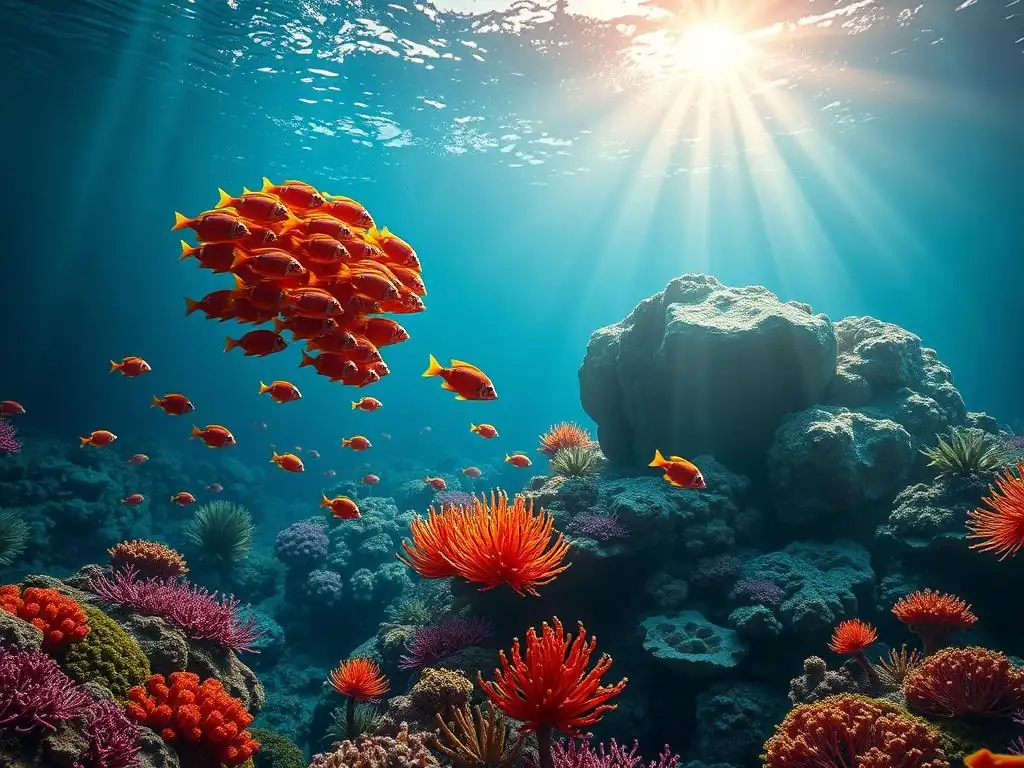
Ever been captivated by the vibrant colors of a reef aquarium? Today, we're diving deep into the world of a truly stunning, yet specialized, beauty: the Red Belt Anthias. These fish are not for every tank, and mastering their care requires understanding their unique needs. Intrigued? Learn everything you need to know about Red Belt Anthias care and discover if this deepwater jewel could be the perfect addition to your reef setup. Let's explore!
- Understanding Red Belt Anthias: An Introduction to Pseudanthias dispar
- Red Belt Anthias Care: Essential Guidelines for a Thriving Reef Aquarium
- Setting Up a Reef Tank for Red Belt Anthias
- Red Belt Anthias Tank Mates: Compatibility and Social Behavior
- Maintaining Red Belt Anthias Health: Preventing and Treating Common Issues
- The Challenges and Rewards of Keeping Red Belt Anthias
- Where to Buy Red Belt Anthias: Sourcing Healthy Specimens
- Frequently Asked Questions
- Final Reflection: Embracing the Depths of Dedication
- Unveil Your Reef's Hidden Depths!
Understanding Red Belt Anthias: An Introduction to Pseudanthias dispar
What is a Red Belt Anthias? Identifying Pseudanthias dispar
The Red Belt Anthias, scientifically known as Pseudanthias dispar, is a captivating species of marine fish highly sought after for its vibrant coloration and graceful schooling behavior. Males typically display a striking red to orange band running along their flanks, contrasting beautifully with a lighter, often pinkish-purple body, while females and juveniles exhibit more subdued orange-yellow hues. These sexually dimorphic traits become more pronounced as the fish mature, with males also developing elongated dorsal fins.
Growing to an average adult size of about 3 to 4 inches (7.5 to 10 cm), the Red Belt Anthias is a relatively small to medium-sized anthias, making it suitable for a range of reef aquarium setups, provided their specific environmental needs are met. Their active swimming patterns and schooling tendencies contribute dynamic movement and visual interest to a well-established reef tank. Ensuring proper Red belt anthias care involves understanding their unique physiological requirements and social structures.
The Tropical Origins of the Red Belt Anthias: Habitat and Natural Behavior
Pseudanthias dispar originates from the expansive Indo-Pacific region, spanning from the Maldives and Sri Lanka across to Samoa, and northward to the Ryukyu Islands. In their natural habitat, these anthias are typically found in outer reef slopes and drop-offs, preferring depths ranging from 10 to 60 meters (approximately 33 to 200 feet). They are often observed congregating in large, active schools around coral formations or rocky overhangs, where they feed on zooplankton drifting in the currents.
Their natural environment is characterized by clear, well-oxygenated water with strong currents, often slightly cooler temperatures than shallower reef areas, and abundant hiding spots within the reef structure. This schooling behavior is crucial for their survival in the wild, offering protection from predators and facilitating coordinated feeding. Replicating these specific conditions is a cornerstone of successful Red belt anthias care in a home aquarium, ensuring their health and mimicking their natural vitality.
Red Belt Anthias Care: Essential Guidelines for a Thriving Reef Aquarium
Optimal Tank Conditions for Red Belt Anthias: Replicating Their Natural Habitat
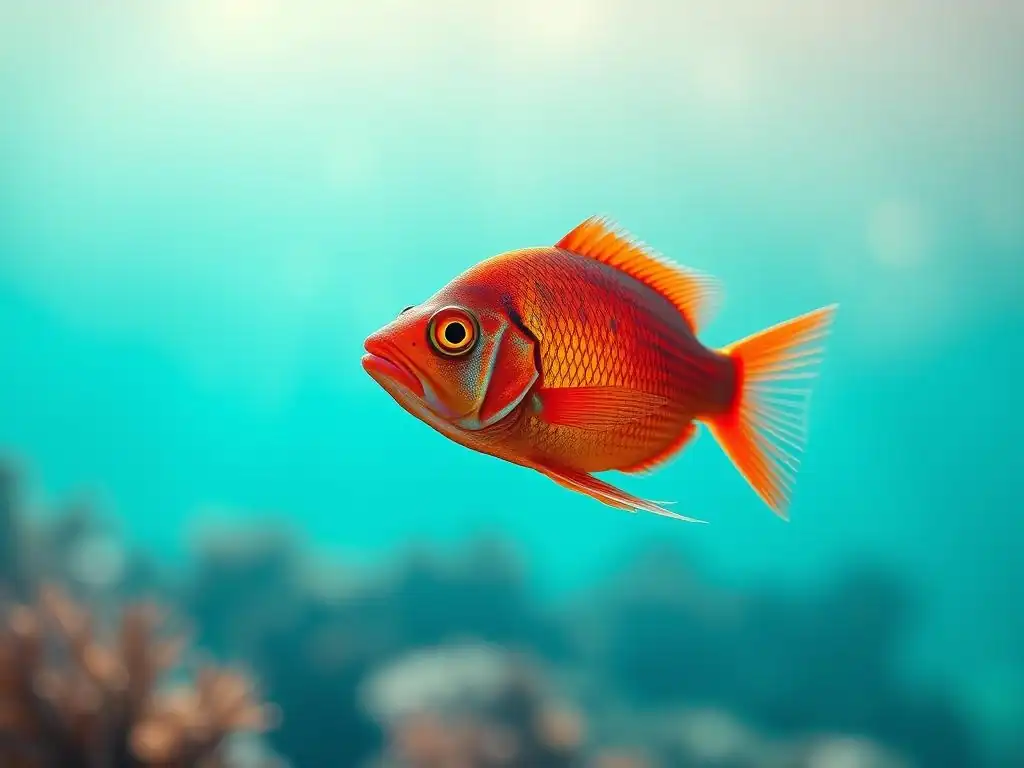
Successful Red belt anthias care hinges on meticulously replicating their deepwater, high-flow natural environment. These fish thrive in mature reef aquariums that offer pristine water quality and stability. Given their active nature and schooling instincts, providing ample swimming space is paramount, along with plenty of live rock structures that offer both shelter and numerous crevices to explore.
While they appreciate strong water movement, it's also important to create areas of calmer flow where they can rest or feed without being constantly buffeted. The overall setup should aim for consistency, as Red Belt Anthias are sensitive to sudden fluctuations in water parameters. A well-designed system will minimize stress and promote the vibrant coloration and robust health characteristic of these beautiful fish.
Maintaining Stable Water Temperatures for Red Belt Anthias Health
Maintaining a stable and appropriate water temperature is a critical aspect of Red belt anthias care. Unlike some shallower water species, Pseudanthias dispar typically prefers slightly cooler temperatures, ideally ranging between 74°F and 78°F (23°C to 25.5°C). While they can tolerate temperatures up to 80°F (26.7°C) for short periods, prolonged exposure to higher temperatures can cause stress, reduce their lifespan, and increase susceptibility to disease.
Fluctuations in temperature should be avoided, with a daily variation of no more than 1-2 degrees Fahrenheit. Using reliable aquarium heaters with precise thermostats, and potentially a chiller in warmer climates or for larger tanks, is recommended to maintain this narrow range. Consistent temperature contributes significantly to their metabolic health and overall well-being.
Water Parameters: Crucial for Red Belt Anthias Survival
Beyond temperature, precise control of water parameters is fundamental for Red belt anthias care. Salinity should be maintained at a specific gravity of 1.023-1.026, or 33-35 ppt. The pH level should consistently be between 8.1 and 8.4, mimicking natural reef conditions. Ammonia and nitrite levels must always be undetectable (0 ppm), as even trace amounts can be lethal. Nitrate levels should be kept as low as possible, ideally below 10 ppm, through regular water changes and efficient filtration.
Alkalinity (dKH 8-12), calcium (400-450 ppm), and magnesium (1250-1350 ppm) should also be stable, as these parameters support overall water chemistry and the health of the live rock and corals within the reef system. Regular testing using accurate test kits is indispensable to monitor these parameters and make timely adjustments, preventing stress and promoting the long-term health of your Red Belt Anthias.
Red Belt Anthias Diet and Feeding: Meeting Their Nutritional Needs
Proper nutrition is a cornerstone of Red belt anthias care, directly influencing their coloration, energy levels, and disease resistance. In their natural habitat, Pseudanthias dispar are micro-predators, constantly picking zooplankton from the water column. This feeding behavior necessitates frequent, small meals throughout the day in an aquarium setting to mimic their natural foraging habits and support their high metabolism.
A varied diet is key to providing all necessary nutrients. Relying on a single food type can lead to deficiencies over time. It's important to observe their feeding response and adjust portions to ensure all fish are getting enough without overfeeding, which can degrade water quality.
What to Feed Red Belt Anthias: The Best Foods for Color and Health
For optimal Red belt anthias care, their diet should consist primarily of small, meaty foods. High-quality frozen preparations such as mysis shrimp, enriched brine shrimp, copepods, and finely chopped krill are excellent staples. These provide essential proteins and fats. It's also beneficial to offer enriched foods, which contain vital vitamins and fatty acids that enhance coloration and boost the immune system.
Pelleted and flaked foods specifically designed for marine omnivores or carnivores can be offered, but they may not always be readily accepted initially. If they do accept dry foods, ensure they are small enough for the anthias to consume easily. Live foods like copepods and rotifers can be introduced, especially for newly acquired or shy specimens, to encourage feeding and provide natural enrichment.
Feeding Schedule: How Often to Feed Your Anthias
Due to their high metabolism and constant activity, Red Belt Anthias require frequent feedings. For adult fish, it is recommended to feed them at least 3-4 times a day, and ideally up to 5-6 times a day, in small portions. This mimics their continuous foraging in the wild and prevents rapid drops in blood sugar that can stress them.
Juveniles or newly introduced Red Belt Anthias may benefit from even more frequent, tiny feedings. The goal is to provide enough food that it is consumed within a few minutes, without excess food decaying and impacting water quality. Observing their behavior and body condition will help you fine-tune the feeding schedule to ensure all Red Belt Anthias are well-nourished and thriving.
Setting Up a Reef Tank for Red Belt Anthias
Tank Size Considerations for Red Belt Anthias: Providing Ample Swimming Space
The appropriate tank size is a foundational element of successful Red belt anthias care. While Pseudanthias dispar are not exceptionally large fish, their active schooling nature dictates the need for considerable swimming space. For a small group of 3-5 Red Belt Anthias, a minimum tank size of 75 gallons (approximately 284 liters) is recommended. This allows for adequate lateral swimming room and helps dissipate aggression within the school.
For larger schools, which are often more visually impactful and can help distribute social dynamics, a tank of 120 gallons (454 liters) or more is ideal. The greater volume also contributes to water parameter stability, which is crucial for these sensitive fish. Providing ample space reduces stress, promotes natural behaviors, and ultimately contributes to the long-term health and vibrancy of your Red Belt Anthias.
Choosing the Right Equipment: Lighting, Filtration, and Flow for Red Belt Anthias
Selecting the correct equipment is vital for providing optimal Red belt anthias care. Given their natural habitat on outer reef slopes, robust filtration, specific lighting, and substantial water flow are necessary to replicate their environment effectively. These components work synergistically to maintain water quality, support the fish's physiological needs, and create a thriving ecosystem.
Investing in high-quality equipment from the outset will minimize maintenance issues and provide the stable conditions Pseudanthias dispar require. It's not just about meeting minimum requirements but striving for an environment that allows these deepwater beauties to truly flourish.
Importance of Proper Filtration for Red Belt Anthias
Effective filtration is paramount for Red belt anthias care, as these fish require pristine water quality. A robust filtration system should include mechanical, biological, and chemical filtration. Mechanical filtration, such as filter socks or sponges, removes particulate matter, while biological filtration (live rock, bio-media) converts harmful ammonia and nitrites into less toxic nitrates. Chemical filtration, often employing activated carbon or specialized resins, removes dissolved organic compounds and maintains water clarity.
A protein skimmer is highly recommended for any reef tank housing Red Belt Anthias. It efficiently removes organic waste before it breaks down, significantly reducing the bioload and maintaining low nitrate levels. Regular maintenance of filtration components, including cleaning or replacing filter media, is essential to prevent the accumulation of toxins that can stress these sensitive fish.
Lighting Requirements for Red Belt Anthias Health and Coloration
When considering lighting for Red belt anthias care, it's important to remember their natural deepwater origins. Pseudanthias dispar are accustomed to moderate to low light levels compared to shallow-water reef inhabitants. While they don't have specific lighting requirements for their health, the lighting chosen will significantly impact the growth and health of any corals you plan to keep with them.
For a mixed reef tank, moderate intensity LED or T5 lighting is generally suitable. Excessive brightness can cause stress and faded coloration in Red Belt Anthias, so providing shaded areas within the aquascape is beneficial. A gradual sunrise/sunset cycle, often achievable with programmable LED fixtures, can also reduce stress and promote natural behaviors. The focus should be on creating a stable and comfortable environment for both the fish and their invertebrate tank mates.
Creating a Suitable Reef Environment: Aquascaping for Red Belt Anthias
Aquascaping plays a significant role in successful Red belt anthias care, providing both aesthetic appeal and crucial functional elements for these fish. The ideal aquascape should incorporate ample live rock structures that create numerous caves, overhangs, and crevices. These serve as essential hiding spots, allowing the anthias to retreat when feeling threatened or to rest during periods of inactivity.
Furthermore, the rockwork should be arranged to facilitate strong water flow, creating areas where the anthias can school and actively feed on suspended particles, mimicking their natural habitat. Consider open swimming areas in the front and middle of the tank, allowing them to display their schooling behavior. Securely stacked rockwork is vital to prevent collapses, especially with active fish and strong currents. A well-designed aquascape enhances the Red Belt Anthias' sense of security and encourages their natural behaviors.
Selecting Compatible Fish for a Red Belt Anthias Community
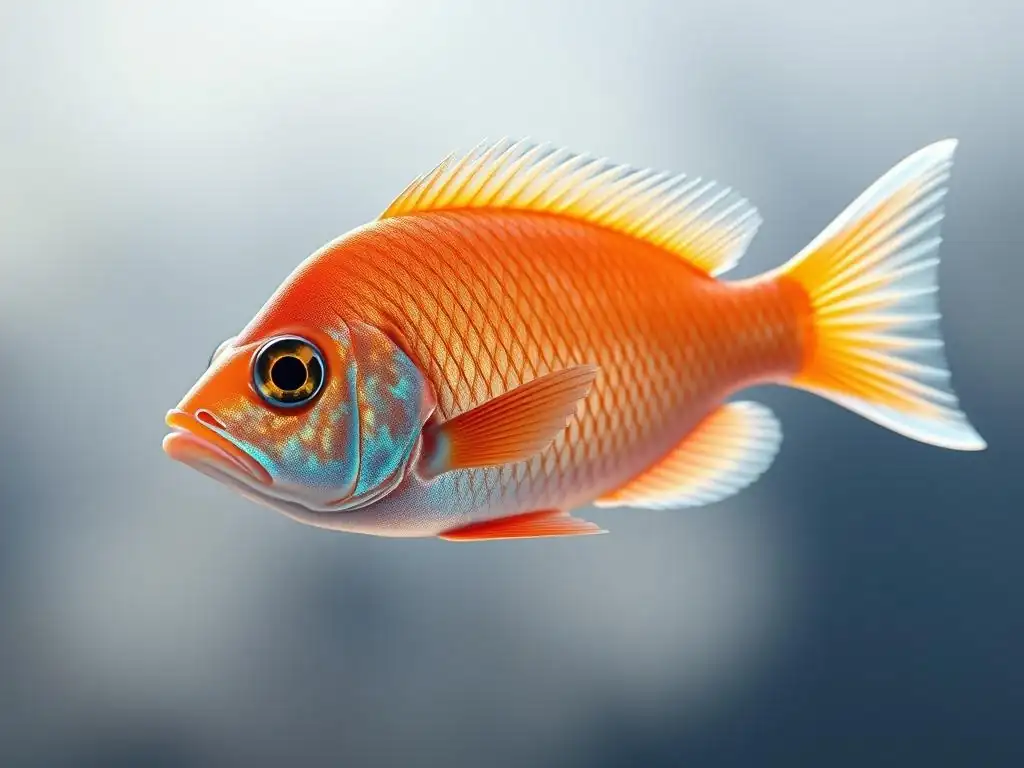
Choosing appropriate tank mates is a critical aspect of Red belt anthias care. These peaceful, schooling fish thrive in community tanks with other similarly tempered species. Ideal companions include other peaceful anthias species (provided the tank is large enough for multiple schools), certain gobies, blennies, cardinalfish, and non-aggressive wrasses. Small, peaceful tangs or surgeonfish can also be good additions, given adequate tank size.
The key is to select fish that will not outcompete the Red Belt Anthias for food, nor display aggressive or territorial behavior towards them. Observing new additions carefully for signs of stress or aggression is always recommended. A harmonious community ensures that your Red Belt Anthias can exhibit their natural schooling and feeding behaviors without undue stress.
Avoiding Aggressive Tank Mates
To ensure successful Red belt anthias care, it is imperative to avoid housing them with aggressive or overly boisterous tank mates. Predatory fish, such as large groupers, lionfish, or certain triggers, will view Red Belt Anthias as food. Even moderately aggressive species like some angelfish or damselfish can bully and stress anthias, leading to poor health, faded coloration, and increased susceptibility to disease.
Fish that are known to be territorial or nippy, especially towards smaller, peaceful species, should also be avoided. The constant stress from aggressive tank mates can prevent Red Belt Anthias from feeding properly and inhibit their natural schooling instincts. Prioritizing peaceful cohabitation is essential for their long-term well-being.
Understanding the social dynamics of Pseudanthias dispar is fundamental to proper Red belt anthias care. These fish are strongly schooling by nature and fare best when kept in groups. A minimum school size of 3-5 individuals is highly recommended, with larger groups of 6-10 or more often displaying more natural and captivating behavior. Keeping a single Red Belt Anthias can lead to stress, shyness, and a failure to thrive.
Within a school, a hierarchical structure typically forms, with one dominant male overseeing a harem of females. If multiple males are present, aggression can occur, especially in smaller tanks. It's often best to introduce a group of juveniles or females, allowing a dominant male to emerge naturally. The presence of a school provides a sense of security, encourages active swimming, and enhances their vibrant display, making them one of the most rewarding schooling fish for a reef aquarium.
Maintaining Red Belt Anthias Health: Preventing and Treating Common Issues
Identifying Signs of Stress or Disease in Red Belt Anthias
Vigilant observation is crucial for effective Red belt anthias care and early detection of health issues. Healthy Red Belt Anthias are active, alert, and display vibrant coloration, constantly darting and picking at the water column. Signs of stress or disease can include faded colors, clamped fins, rapid breathing, loss of appetite, erratic swimming, or hiding excessively.
Physical symptoms like white spots (ich), velvet-like coating, torn fins, or body lesions also indicate illness. Any deviation from their normal behavior or appearance warrants immediate investigation. Early identification allows for prompt intervention, significantly increasing the chances of successful treatment and preventing the spread of disease to other tank inhabitants.
Quarantine Procedures for New Red Belt Anthias
Implementing a strict quarantine procedure is a non-negotiable aspect of responsible Red belt anthias care. New Red Belt Anthias, like all new marine fish, should be quarantined in a separate tank for a minimum of 4-6 weeks before being introduced to the main display. This dedicated quarantine tank (QT) allows for close observation, stress reduction, and proactive treatment of any potential parasites or diseases without risking the entire established system.
During quarantine, observe for signs of common ailments such as marine ich ( Cryptocaryon irritans) or velvet ( Amyloodinium ocellatum). Prophylactic treatments for these parasites are often recommended. The QT also allows the fish to acclimate to aquarium life, begin feeding regularly, and regain strength before facing the dynamics of the main display tank. This practice significantly reduces the risk of introducing pathogens into your established reef.
Common Diseases Affecting Red Belt Anthias and Their Treatment
Despite diligent Red belt anthias care, these fish can still be susceptible to common marine aquarium diseases, particularly if stressed or kept in suboptimal conditions. Marine Ich ( Cryptocaryon irritans) and Marine Velvet ( Amyloodinium ocellatum) are two of the most prevalent parasitic infections. Symptoms include white spots or a dusty appearance on the body and fins, rapid breathing, and scratching against decor. Treatment often involves copper-based medications (in a QT, as copper is toxic to invertebrates) or hyposalinity, combined with environmental improvements.
Bacterial infections, often secondary to stress or parasitic infestations, can manifest as fin rot, cloudy eyes, or body lesions. These typically require broad-spectrum antibiotics, again, ideally in a separate hospital tank. Good water quality, a varied diet, and stable parameters are the best preventative measures, bolstering the Red Belt Anthias' immune system against these common ailments.
The Challenges and Rewards of Keeping Red Belt Anthias
Why Red Belt Anthias Are a Great Reef Fish
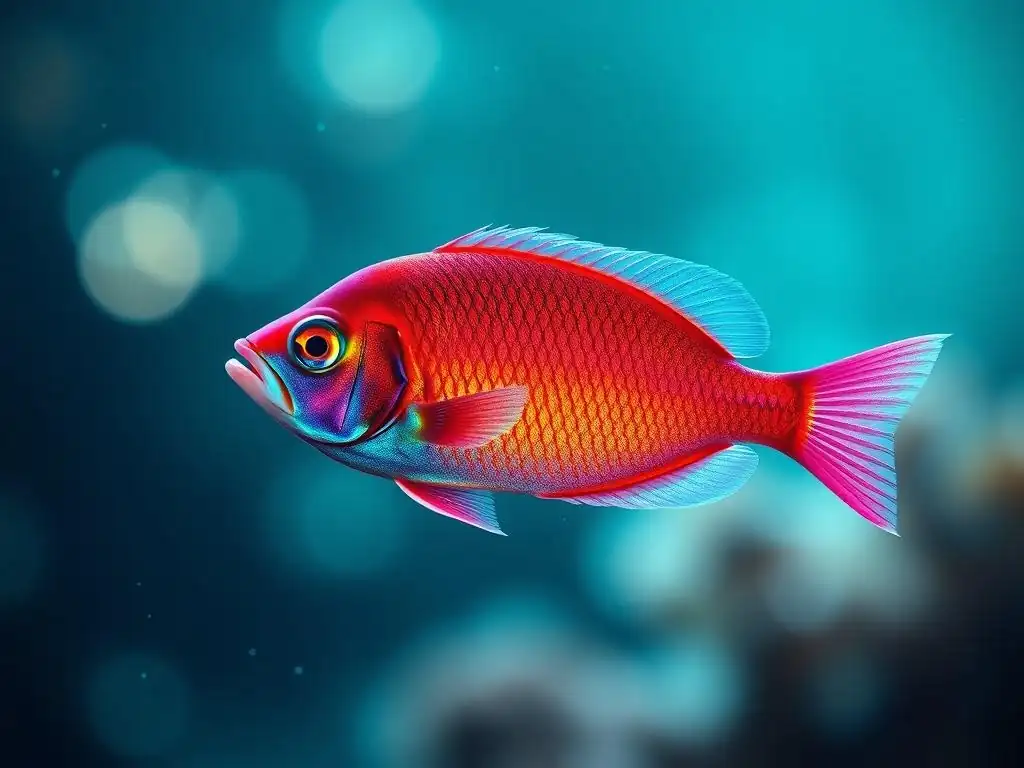
Red Belt Anthias are considered an excellent choice for experienced reef aquarists due to their stunning visual appeal and captivating schooling behavior. Their vibrant coloration, ranging from electric pinks to fiery oranges, adds an unparalleled splash of color and dynamic movement to any mature reef system. Unlike some other reef fish, their constant activity and graceful swimming patterns provide continuous visual interest.
Their peaceful temperament makes them compatible with a wide array of corals and other non-aggressive fish, allowing for a diverse and harmonious community tank. While they require specific care, mastering Red belt anthias care offers immense satisfaction, rewarding the aquarist with a healthy, thriving school of one of the ocean's true deepwater beauties.
The Unique Appeal of Red Belt Anthias: A Stunning Addition to Reef Aquariums
The unique appeal of Red Belt Anthias lies not only in their individual beauty but also in their collective display. A well-established school of Pseudanthias dispar creates a breathtaking spectacle, with fish constantly darting in unison, exhibiting their natural foraging behavior. This synchronized movement is far more impressive than that of solitary fish and truly brings a reef tank to life.
Furthermore, their relatively small adult size allows them to be housed in tanks that might be too small for larger schooling species, making them accessible to a broader range of reef enthusiasts. Their specific care requirements, while demanding, also present a rewarding challenge for those dedicated to providing an optimal environment. The vibrant colors and active nature of Red Belt Anthias make them a truly stunning and unique addition that elevates any reef aquarium.
Where to Buy Red Belt Anthias: Sourcing Healthy Specimens
Selecting a Reputable Vendor
When considering Red belt anthias care, the initial step of sourcing healthy specimens is paramount. Selecting a reputable vendor is crucial, as the health of the fish upon arrival directly impacts its chances of survival and thriving in your aquarium. Look for suppliers who prioritize ethical collection practices, maintain clean and well-kept facilities, and have a transparent quarantine process for newly acquired fish.
A reputable vendor will typically offer a live arrival guarantee and be knowledgeable about the specific Red belt anthias care requirements. They should also be able to provide information on the fish's origin and how long it has been in their care. Avoid purchasing fish from tanks with visible signs of disease, such as cloudy eyes, frayed fins, or lethargy, as these issues can quickly spread to your established system. Prioritizing quality over price in this initial stage is a wise investment in the long-term success of your Red Belt Anthias school.
Frequently Asked Questions
What are the key considerations for Red Belt Anthias care?
The most important considerations are providing a stable, mature reef environment with cooler water temperatures (around 72-78°F) and ensuring a consistent supply of small, high-quality foods.
What type of aquarium setup is best for Red Belt Anthias?
A deepwater reef tank is ideal, mimicking their natural habitat. This means a setup with lower light levels and strong water flow is beneficial for their health.
What do Red Belt Anthias eat, and how often should they be fed?
They require frequent feedings of small, meaty foods like copepods, mysis shrimp, and finely chopped seafood. Aim for multiple feedings per day to maintain their health and vibrant colors.
Are Red Belt Anthias suitable for beginner aquarists?
No, Red Belt Anthias are not recommended for beginners. They require specialized care and are more susceptible to stress and disease than other reef fish.
What are some common challenges in keeping Red Belt Anthias?
Common challenges include difficulty acclimating them to captivity, ensuring adequate food intake, and maintaining stable water parameters within their preferred temperature range.
Final Reflection: Embracing the Depths of Dedication
The journey into the world of the Red Belt Anthias reveals more than just the intricacies of specialized reef keeping; it underscores the importance of responsible acquisition and dedicated care in our pursuit of aquatic beauty. Understanding the specific needs of this deepwater species highlights the commitment required to truly thrive in the reef-keeping hobby, moving beyond mere aesthetics to embrace a deeper understanding of marine ecosystems.
This exploration into Red Belt Anthias care has profoundly influenced my perspective on the hobby, emphasizing the ethical considerations that underpin our interactions with the natural world. The responsibility we bear as aquarists extends beyond simply providing a tank; it demands a commitment to replicating, as closely as possible, the natural environment from which these creatures originate. In the end, we will conserve only what we love; we will love only what we understand; and we will understand only what we are taught.
- Baba Dioum. This quote resonates deeply, reminding us that knowledge and understanding are the cornerstones of conservation.
Now, I invite you to reflect on your own role in the reef-keeping community. Consider the impact of your choices, and strive to deepen your understanding of the species you keep. Let the challenges and rewards of caring for a Red Belt Anthias inspire you to become a more informed, responsible, and dedicated aquarist, contributing to the long-term health and sustainability of our precious marine ecosystems.
Thank you for exploring the fascinating world of Red Belt Anthias with us. We hope this article has inspired you to consider the unique beauty and challenges these deepwater gems offer. Ready to take the plunge?
Here are a few ways to bring the Red Belt Anthias experience closer to you:
- Seriously consider whether your reef setup is equipped to handle them: Assess your tank's temperature stability, water flow, and available space before making any decisions. Remember, these fish require specialized care.
- Dive deeper into deepwater reef environments! Research the specific conditions these fish thrive in to understand the nuances of recreating their natural habitat.
- Share this article with fellow reefing enthusiasts to spark discussion and collaboration on responsible deepwater fishkeeping.
What specific challenges are you most excited to tackle when considering a specialized reef setup like this?